House Democrats are one step closer to finally getting a successful Iran war powers vote as their last holdout plans to flip and at least one Republican says they may follow suit.
Why it matters: While the vote would be largely symbolic — President Trump could veto the measure — Democrats believe it would be a crucial rebuke of the conflict.
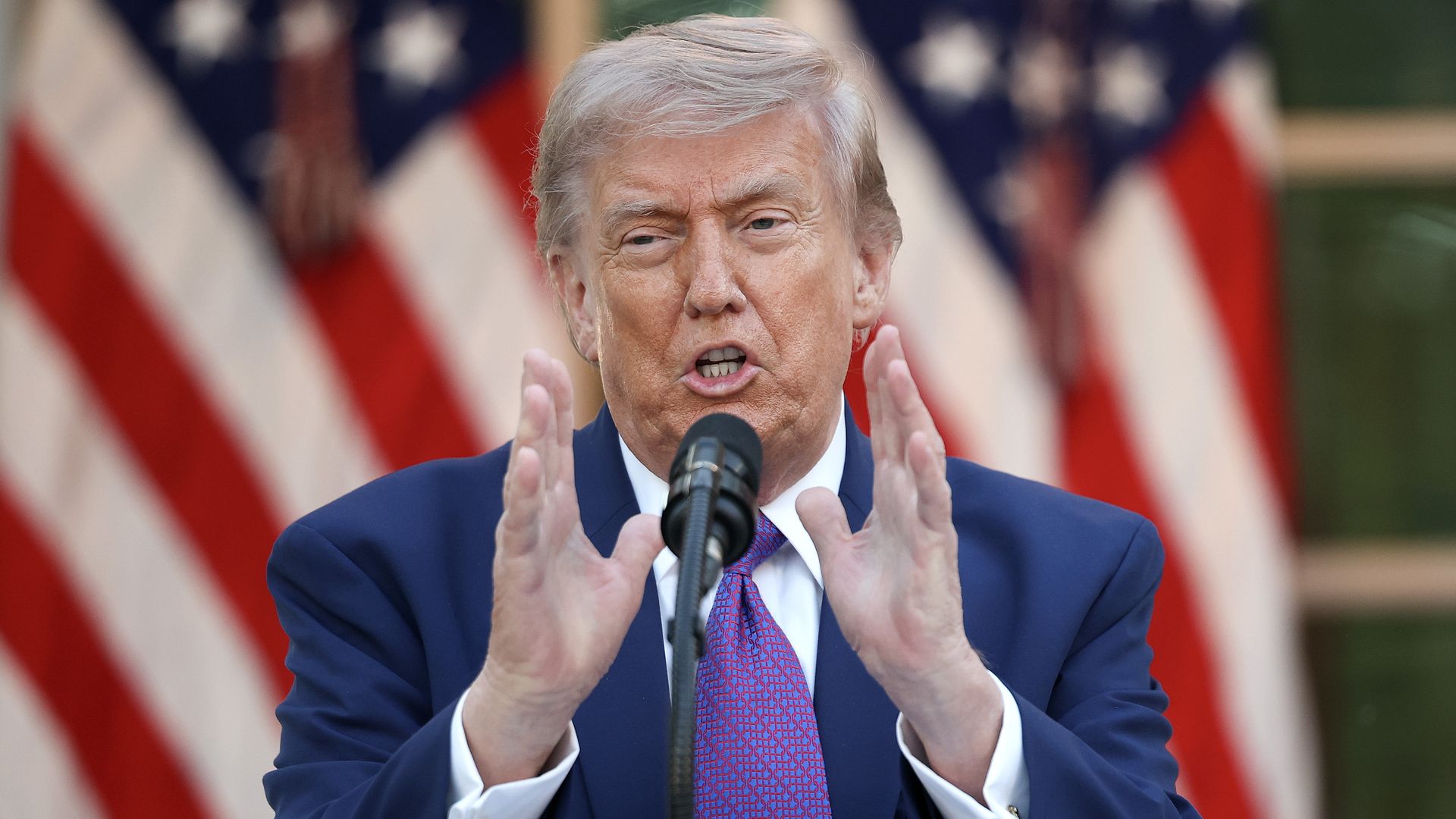
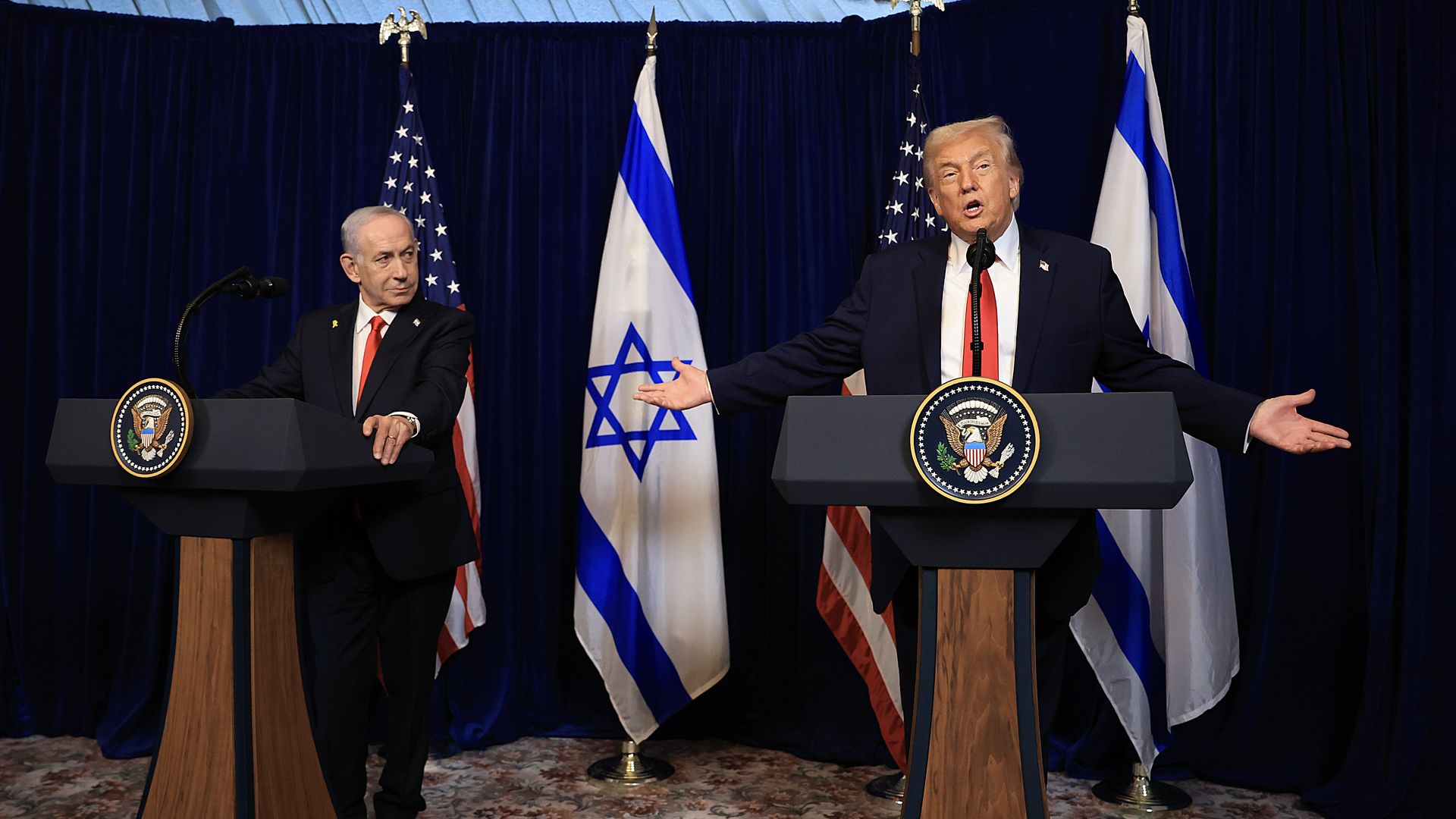
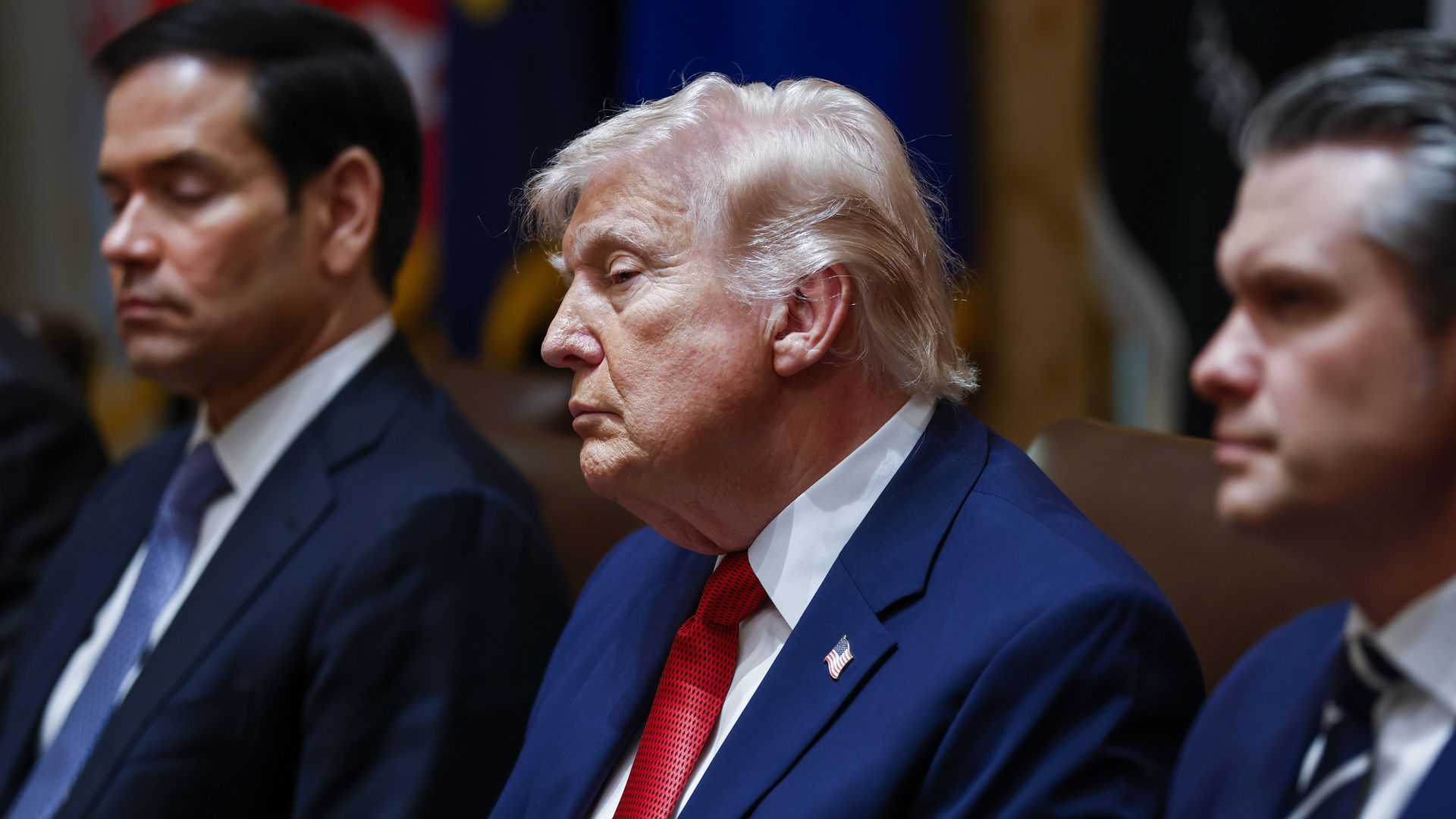
President Trump and Israeli Prime Minister Benjamin Netanyahu discussed a new effort to reach a deal with Iran in a difficult call on Tuesday, three sources said, with one source saying Netanyahu's "hair was on fire" after the call.
Why it matters: A revised peace memo was drafted by Qatar and Pakistan with input from the other regional mediators to try to bridge the gaps between the U.S. and Iran, the sources said. It comes with Trump vacillating over ordering a massive strike on Iran and holding out for a deal.
New reports underscore how electric vehicle sales are rising globally even as they've dropped sharply in the U.S. — and how the Iran war could lead even more people to buy them.
Why it matters: EVs help displace oil use and lower emissions. Petroleum price spikes from the Iran war appear to be boosting sales in some places, too.
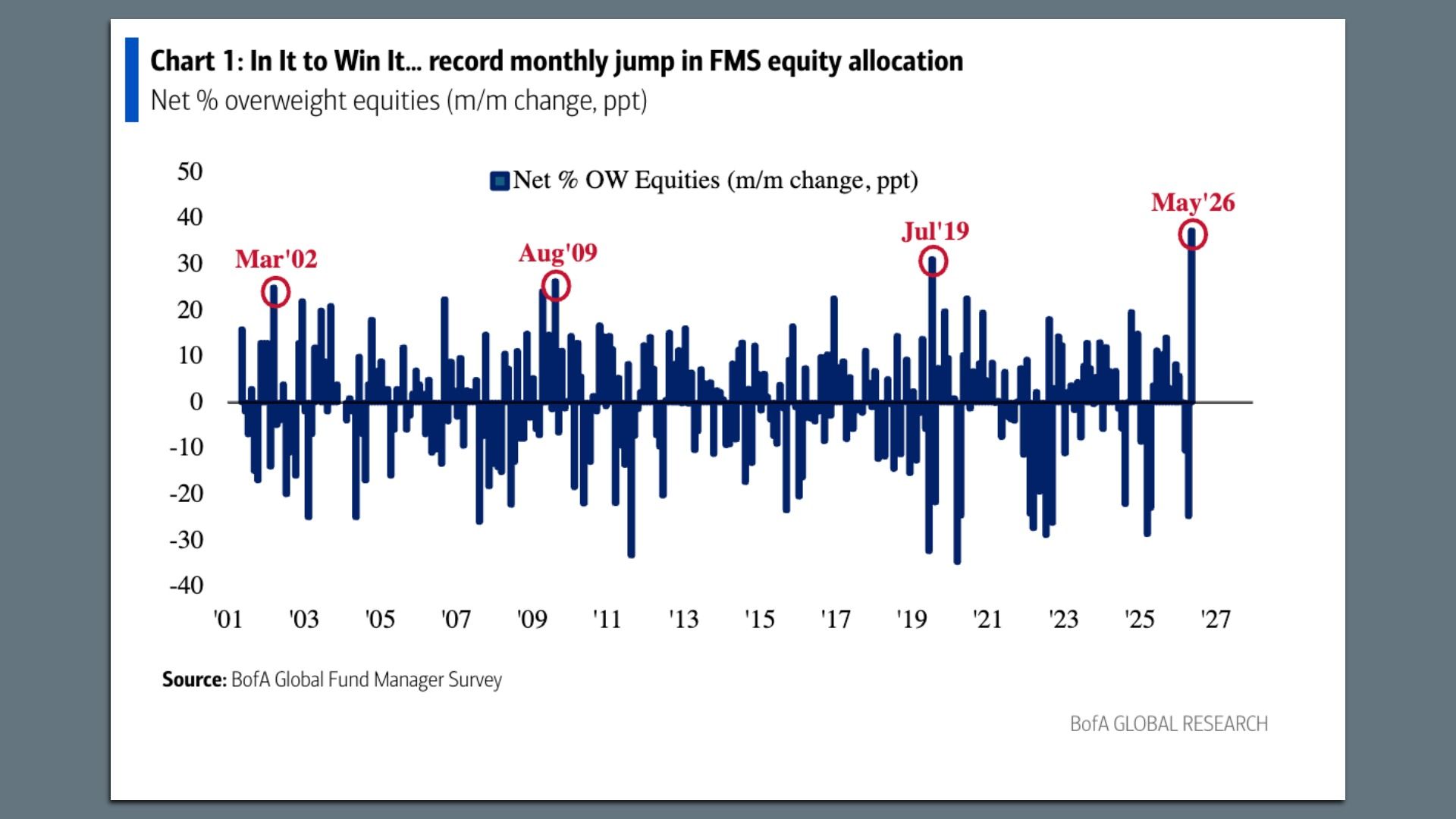
Investors went on a stock-buying binge earlier this month, even as inflation worries increased, finds the latest release of Bank of America's influential global fund managers' survey.
Why it matters: The outsize optimism helps explain the run-up in stock prices over the past few weeks.
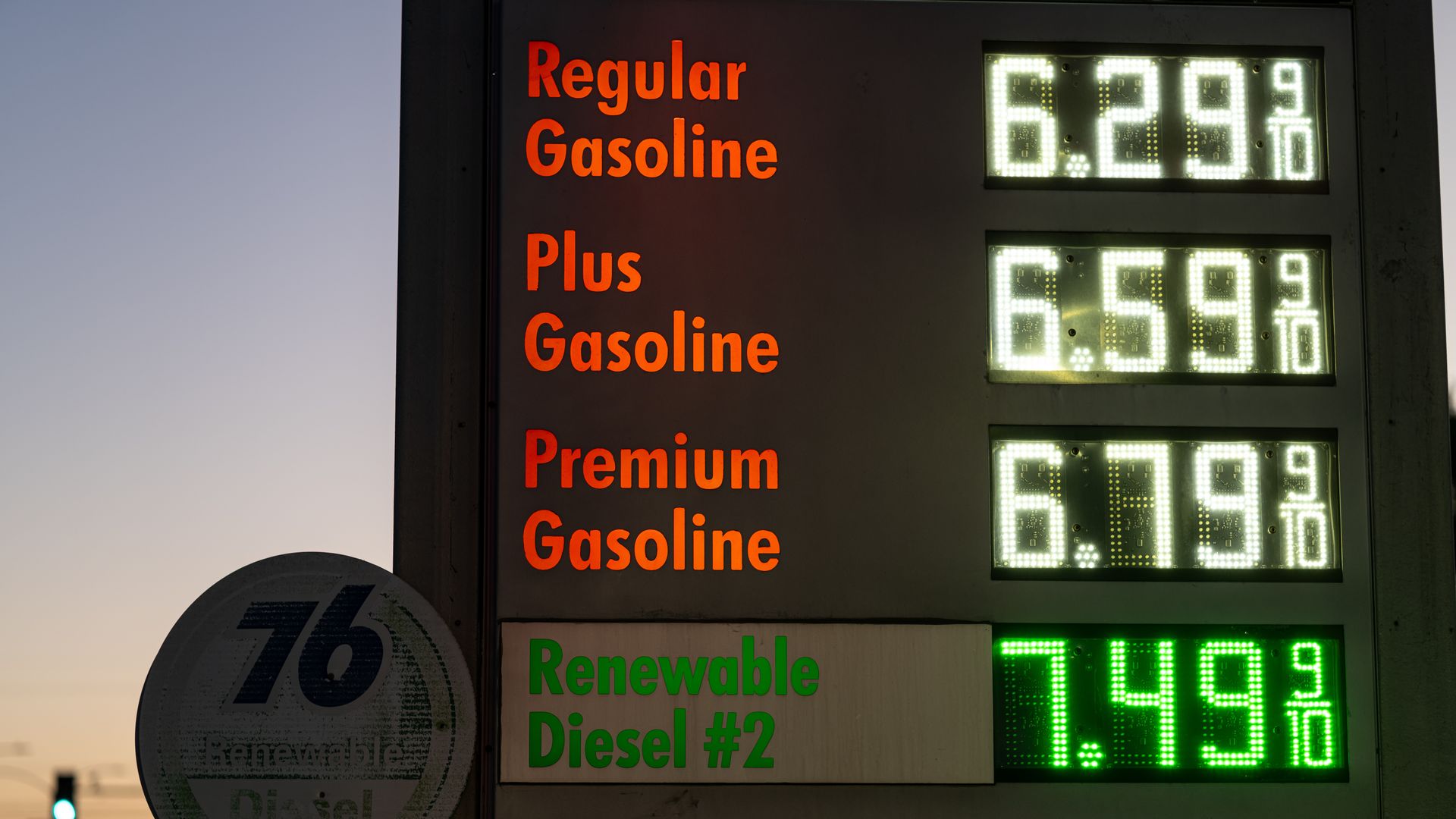
All 50 states have average gas prices above $4 a gallon, AAA said Wednesday, with seven now topping $5 a gallon.
Why it matters: As the war with Iran approaches the three-month mark, soaring fuel prices are costing Americans millions of dollars a day, crushing small business profits, and driving a surge in inflation.
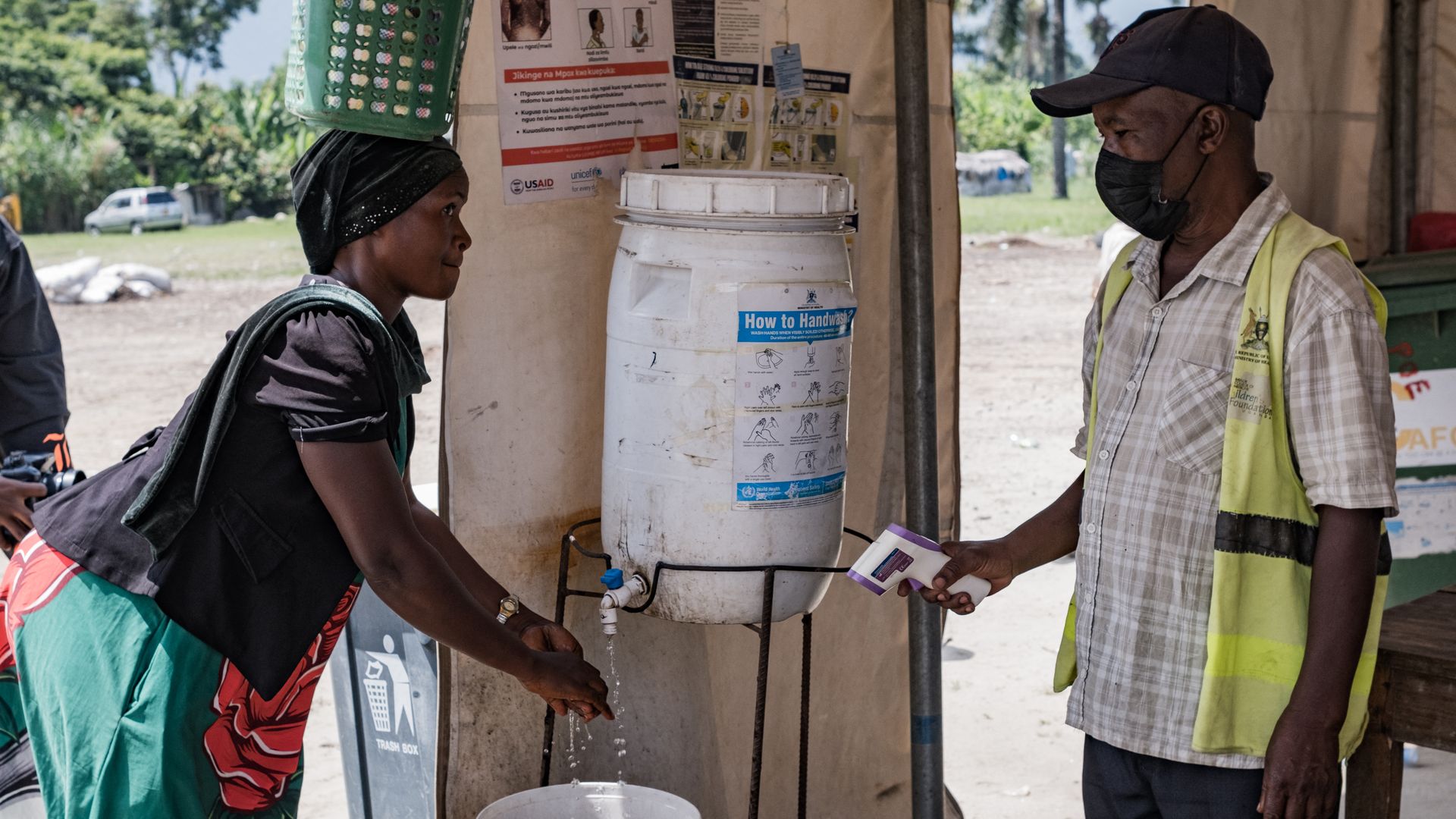
An Ebola outbreak in parts of Central and East Africa is fueling concern about another global health crisis.
Why it matters: WHO this week declared Ebola a public health emergency of international concern, but experts say the chances of a global pandemic remain slim.
Inconsistent budgets are undercutting the U.S. military's ability to influence opinions and curry favor in Africa, according to the American commander in the region.
Why it matters: Both Russia and China have embedded themselves across the continent. Extremism once synonymous with the greater Middle East also now booms there.
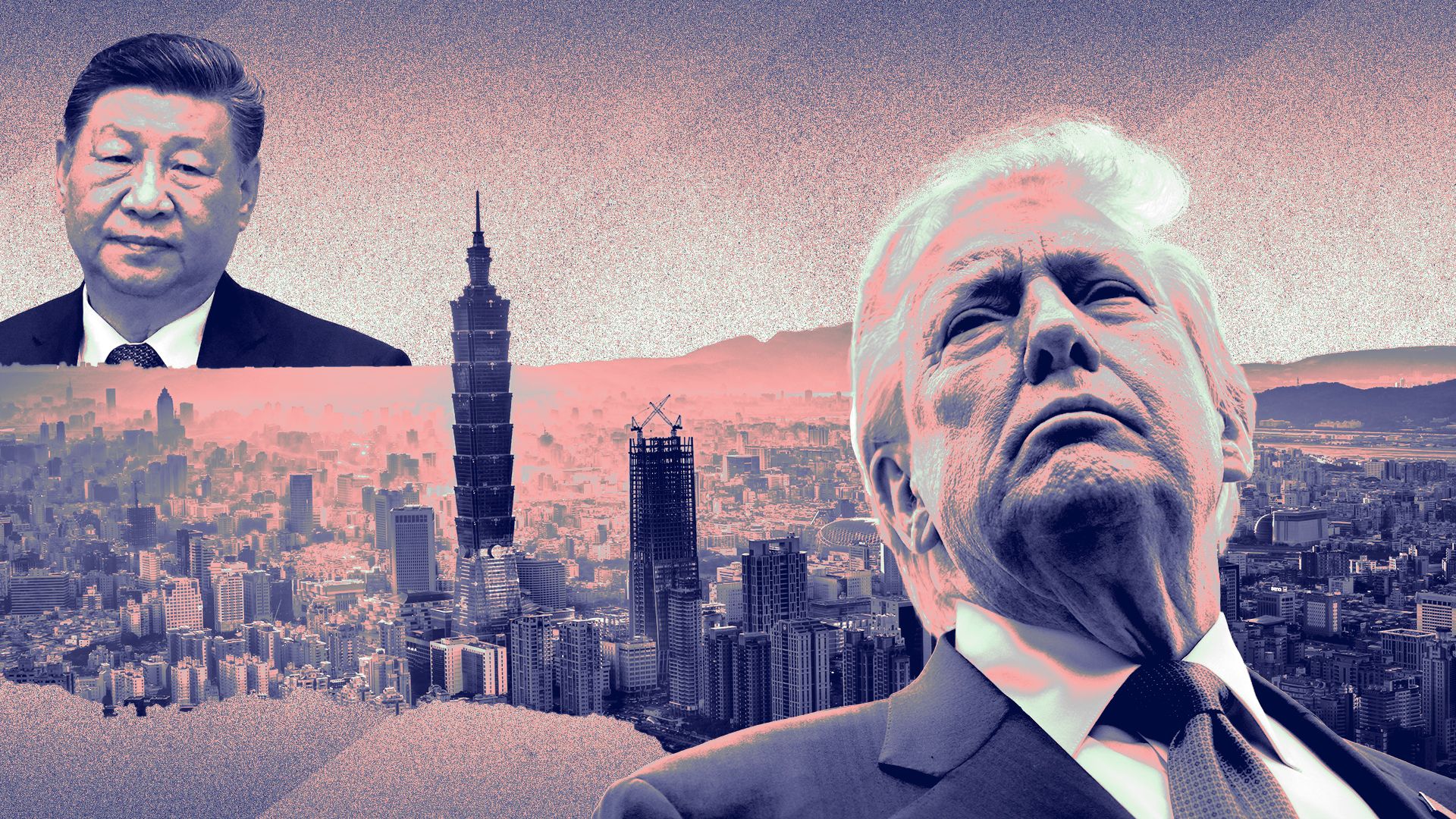
TAIPEI — There's a postmortem playing out here after Chinese President Xi Jinping warned President Trump to be careful on Taiwan, and Trump responded with ambivalence about U.S. arms sales and the island's chances in any conflict.
Why it matters: Some Trump advisers left the summit thinking a Chinese move on Taiwan was growing more likely. But in Taipei there was no panic, at least on the surface.
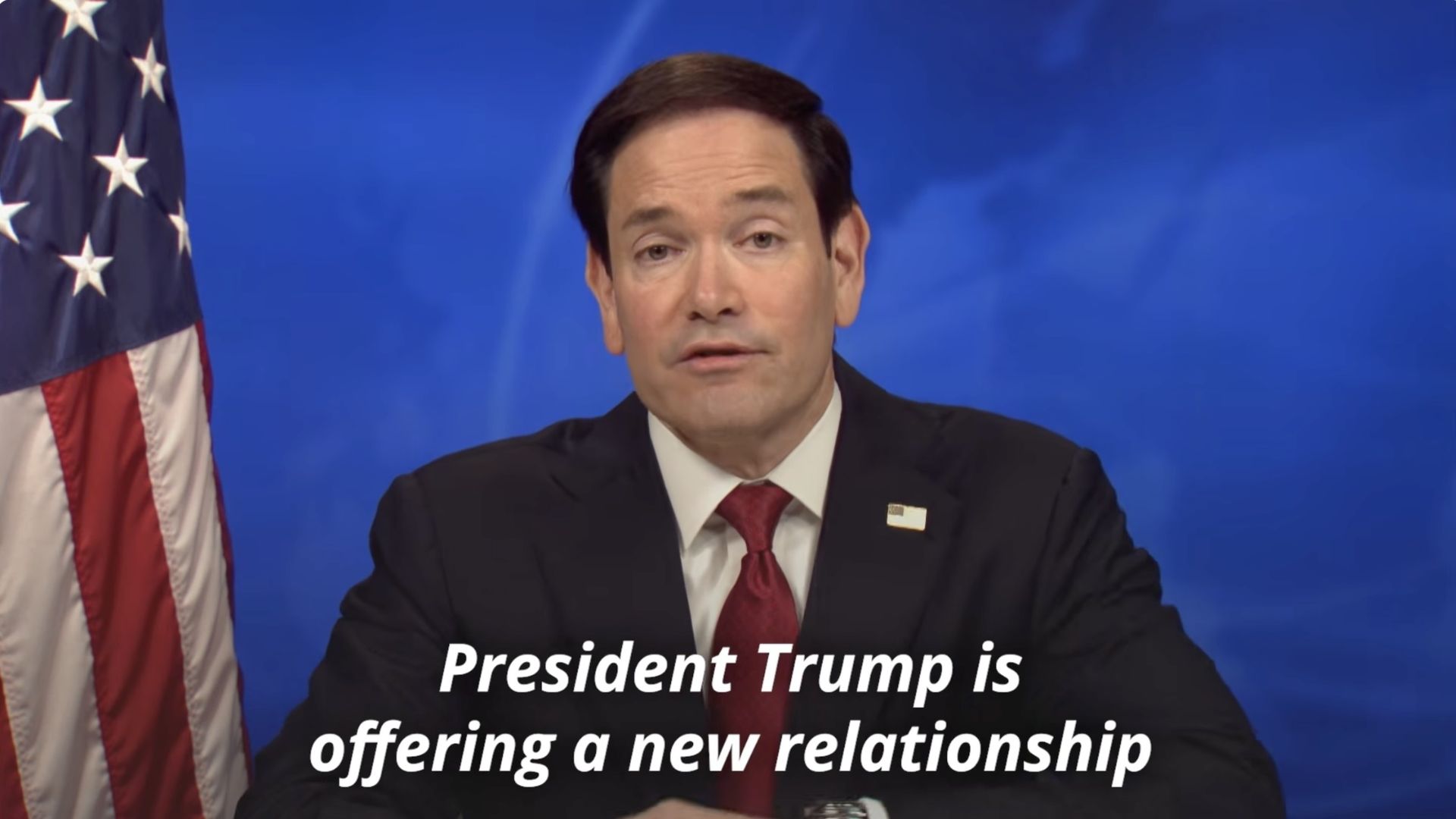
Secretary of State Marco Rubio marked Cuban Independence Day on Wednesday with a Spanish-language video message to the people of the island that blamed their "unimaginable hardships" on their communist leadership.
Why it matters: This is the first time Rubio has addressed the Cuban population directly as secretary of state. It's part of the Trump administration's multi-layered pressure campaign targeting Havana.
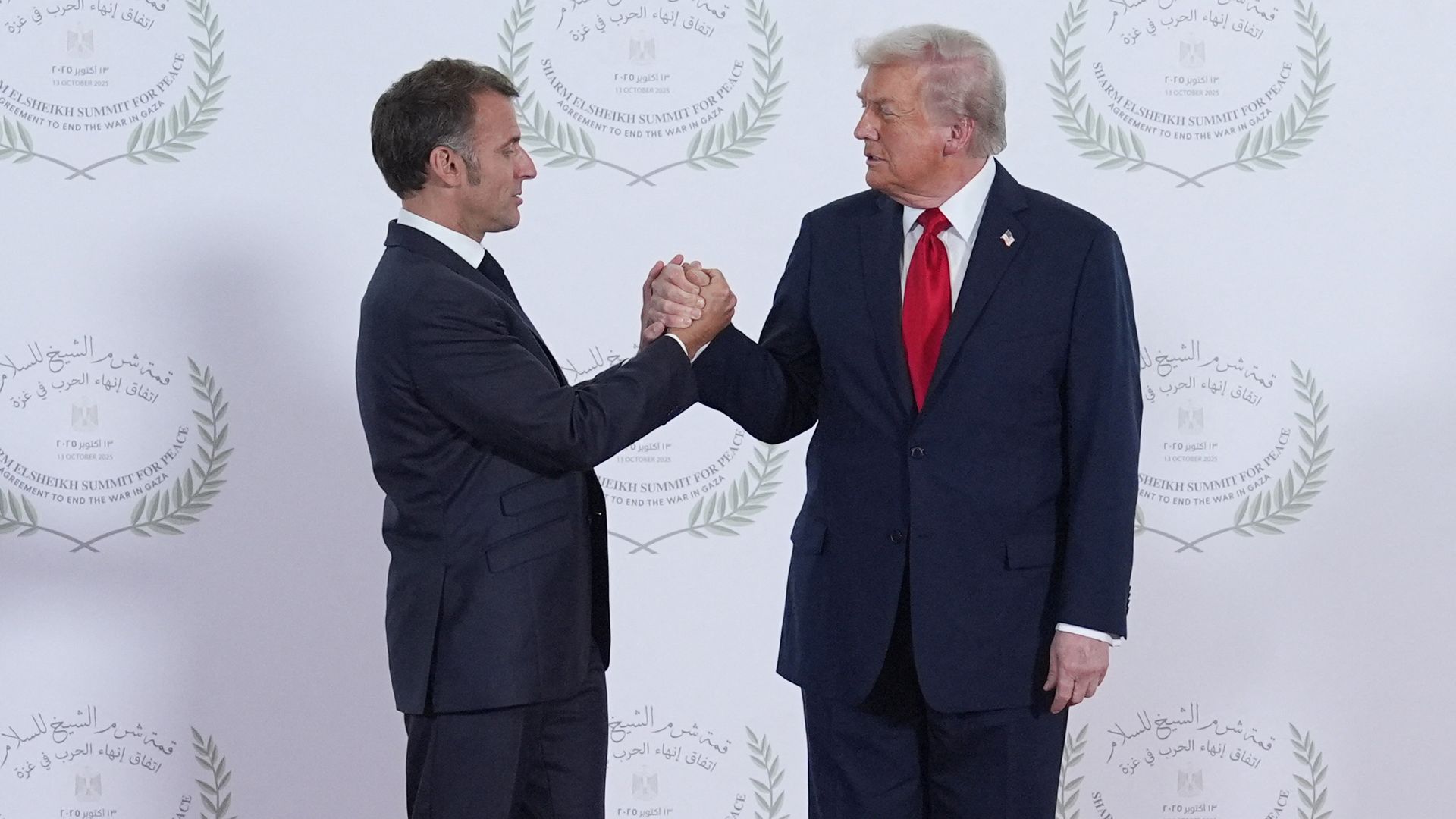
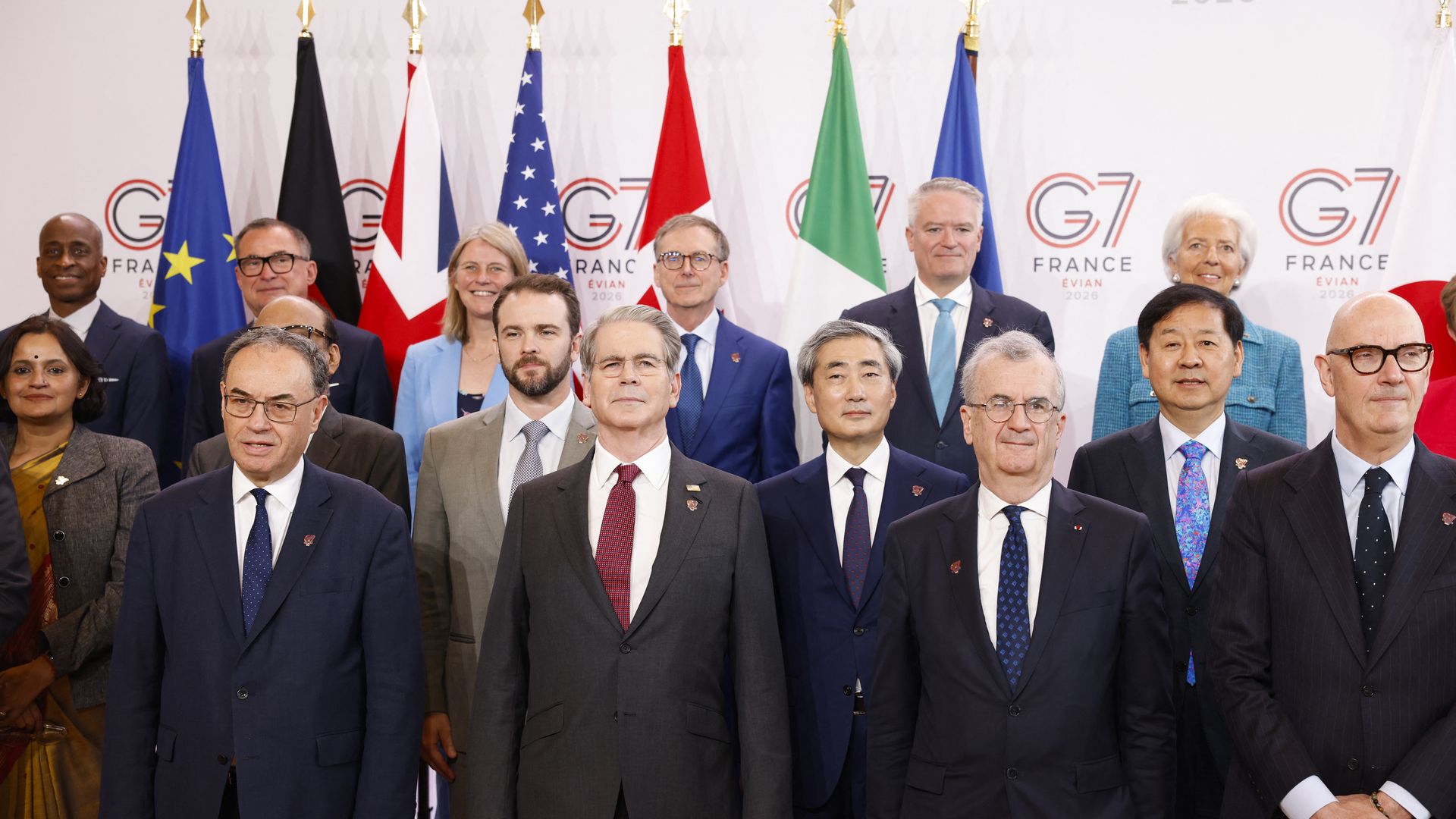
President Trump will attend the G7 leaders' meeting in France in June to talk artificial intelligence, trade and crime-fighting, a White House official told Axios.
Why it matters: It's customary for U.S. leaders to attend the annual summits, but Trump's attendance was not a sure thing due to his increasing anger with G7 members like the U.K., France, Germany and Italy for not aligning with his war effort in Iran.
President Trump convened a meeting on Iran with his top national security team on Monday evening that included a briefing on military options, two U.S. officials told Axios.
Leading finance ministers and central bankers concluded a two-day summit in Paris on Tuesday, and the kinds of global strains that former top International Monetary Fund official Gita Gopinath described on Monday were top of mind.
Driving the news: In a communiqué, G7 finance leaders jointly said they would aim for policies "promoting balanced growth and macroeconomic stability" in their respective nations.
"Countries with large and persistent external deficits should undertake policies that include supporting domestic savings and fiscal consolidation."
State of play: That language is pretty much boilerplate. But it takes on additional meaning at a moment when the bond market is growing skittish amid surging inflation and massive public borrowing.
The Japanese 30-year yield, for example, rose to a multidecade high of 4.17% on Tuesday, from 3.72% as recently as May 7. One factor: The Japanese prime minister announced fiscal measures to try to bolster the country's economy amid the energy shock caused by the Iran war.
Similarly, yields on longer-term U.K. gilts have surged amid uncertainty about the future of Prime Minister Keir Starmer's government and what fiscal direction may follow if it falls.
Between the lines: Throughout the 2010s, finance ministers in rich countries enjoyed a free lunch, with inflation persistently low and demand for safe assets seemingly insatiable.
Now, they are facing a world where one supply disruption after another is keeping inflation elevated, and bond investors are wary of political risk in a time of already massive public debts.
What they're saying: "The way the global economy has been developing for the past 10 years or so is clearly unsustainable," French finance minister Roland Lescure told reporters, per Reuters.
"We are no longer in a period where public debt is not a subject," he said.
The global economyfaces the types of massive imbalances that preceded previous crises — despite important differences — and it's not yet clear how this debt cycle will end.
Why it matters: The last four decades of economic turbulence trace back to a similar underlying issue, that the world's biggest economies are chronically out of sync, former top International Monetary Fund official Gita Gopinath argued in a buzzy speech Monday evening.
Bloomberg Media on Tuesday said it would bring its flagship New Economy Forum event to India for the first time this October, as part of a broader push into the region.
Why it matters: It wants to get ahead of the region's critical tech and business growth story while also exploring more business and expansion opportunities.