Friday's world stories

Axios Live: Latino voters emerge as "swingiest of swing voters" ahead of midterms
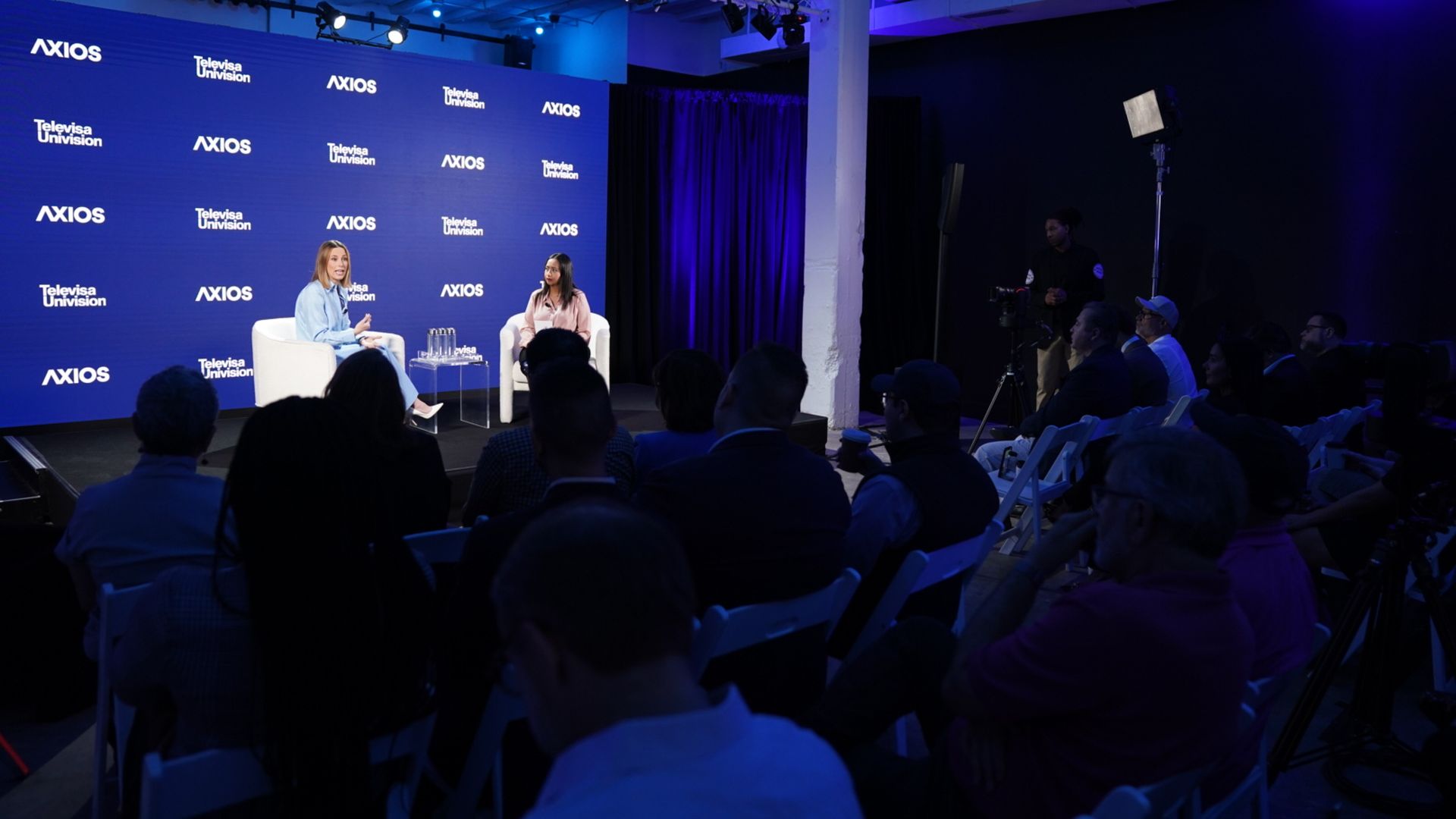
WASHINGTON — Latino voters are increasingly driving the political narrative as economic anxiety and immigration concerns leave a majority undecided in critical swing districts, political experts and media executives said at an Axios event.
Why it matters: As the House map heading into the midterms hinges on razor-thin margins, early engagement and deeper structural investments in Latino communities may dictate the balance of political power.
- Axios Local Texas editor Astrid Galván moderated a discussion with Alicia Menendez, co-anchor of "MSNBC Now," and Axios race and justice reporter Russell Contreras talked with Dave Wasserman, senior editor and elections analyst at The Cook Political Report. The May 20 event was sponsored by TelevisaUnivision.
Five key takeaways from the conversation:
1. Latino voters remain up for grabs heading into the election cycle.
- A new TelevisaUnivision/Harris poll showed 52% of registered Latino voters in 17 House swing districts are undecided or could change their mind.
- "These are the swingiest of the swing voters," Menendez said. "We used to be off here and people would talk about us as our own separate thing. ... We are the story now."
2. Financial struggles overshadow other issues, with the Latino swing vote "more attuned to the cost of living," Wasserman said.
- Shifting voting patterns are tied to economic pressures rather than party alignment, he said.
- 73% of Latinos in the new poll stated they are "merely surviving" financially, as affordability remains the top concern.
3. Tough immigration enforcement tactics create deep community anxiety and have altered how community organizers build relationships, Menendez said.
- For example, she said organizers with Make the Road New Jersey reported that residents have become too fearful to answer their front doors.
- "They were having to do a lot more of ... ¡¿Oye tú?! [listen here] .. talking to people through their windows about their basic rights and their rights to vote," Menendez said.
4. Latino support for President Trump is complex and should not be oversimplified as "buyer's remorse."
- "Even if Democrats recover a bit ... I don't think Democrats will get fully back to that [2016] level of support," Wasserman said.
5. Hyperlocal, year-round infrastructure is critical for mobilization, according to Menendez.
- Single mailers or dropping campaign ads right before an election fail to build trust with a diverse demographic, she said.
- "It needs to happen in a civil infrastructure way where you're making people feel safe and supported... in their ability to vote," Menendez said.
Content from the sponsor's segment:
In a View from the Top conversation, TelevisaUnivision CEO Daniel Alegre focused on how politicians can effectively connect with Latino audiences.
- A common mistake candidates make is sending a Spanish-speaking staffer because they don't speak the language themselves.
- "Hispanics actually want the politician to show up," Alegre said, noting that three-quarters of the community want candidates to appear in Spanish-language media even if they speak English. "It means that that individual is in touch with what is happening to Hispanics. The other part is being local and understanding what the local issues really are."

Trump met top advisers on Iran as he weighs return to war
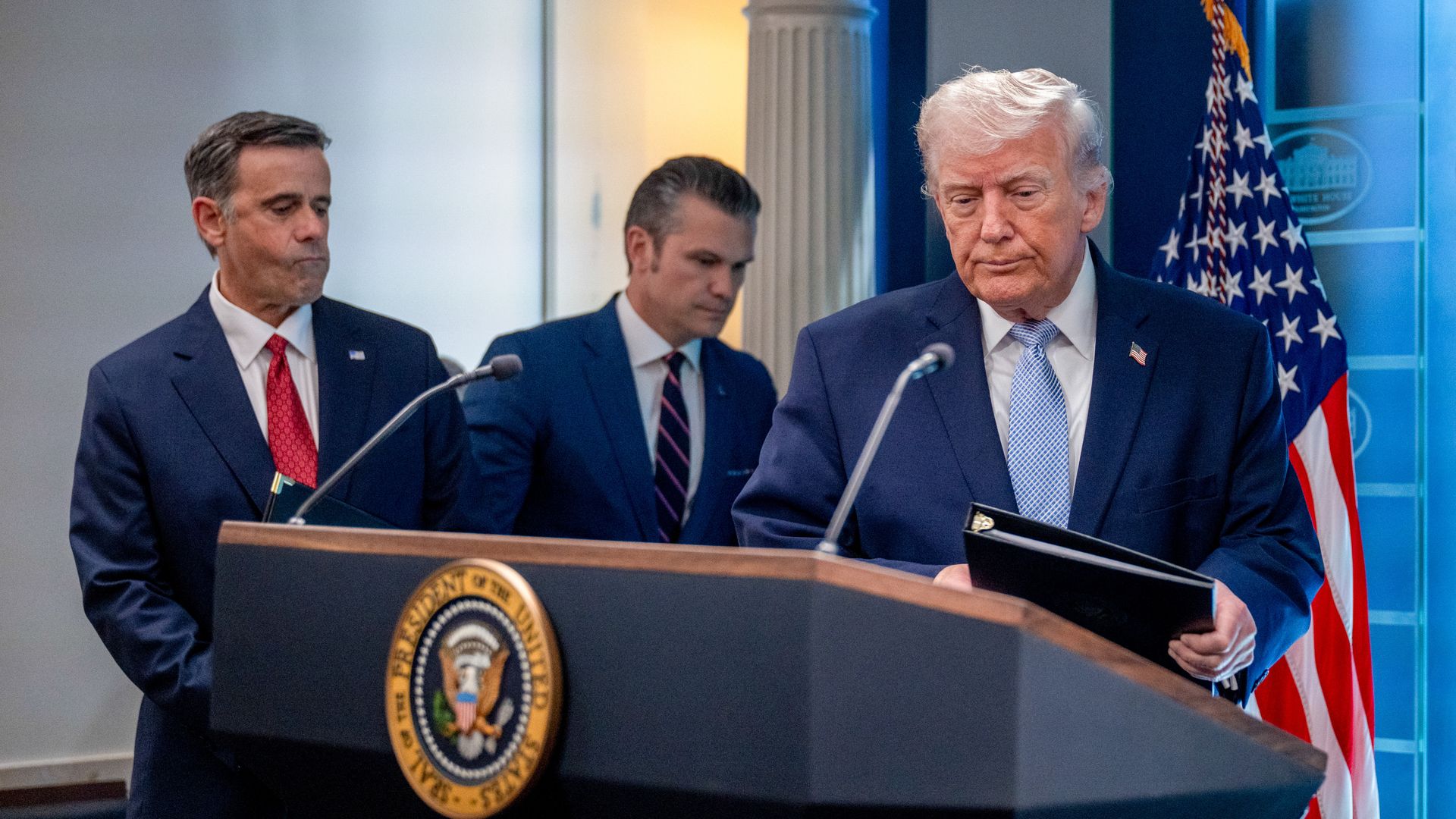
President Trump convened a meeting with his senior national security team on the war with Iran on Friday morning, two U.S. officials told Axios.
Why it matters: Trump is seriously considering launching new strikes against Iran barring a last-minute breakthrough in negotiations, sources who have spoken directly with the president say.
Pakistani field marshal in Tehran to try to seal U.S.-Iran deal
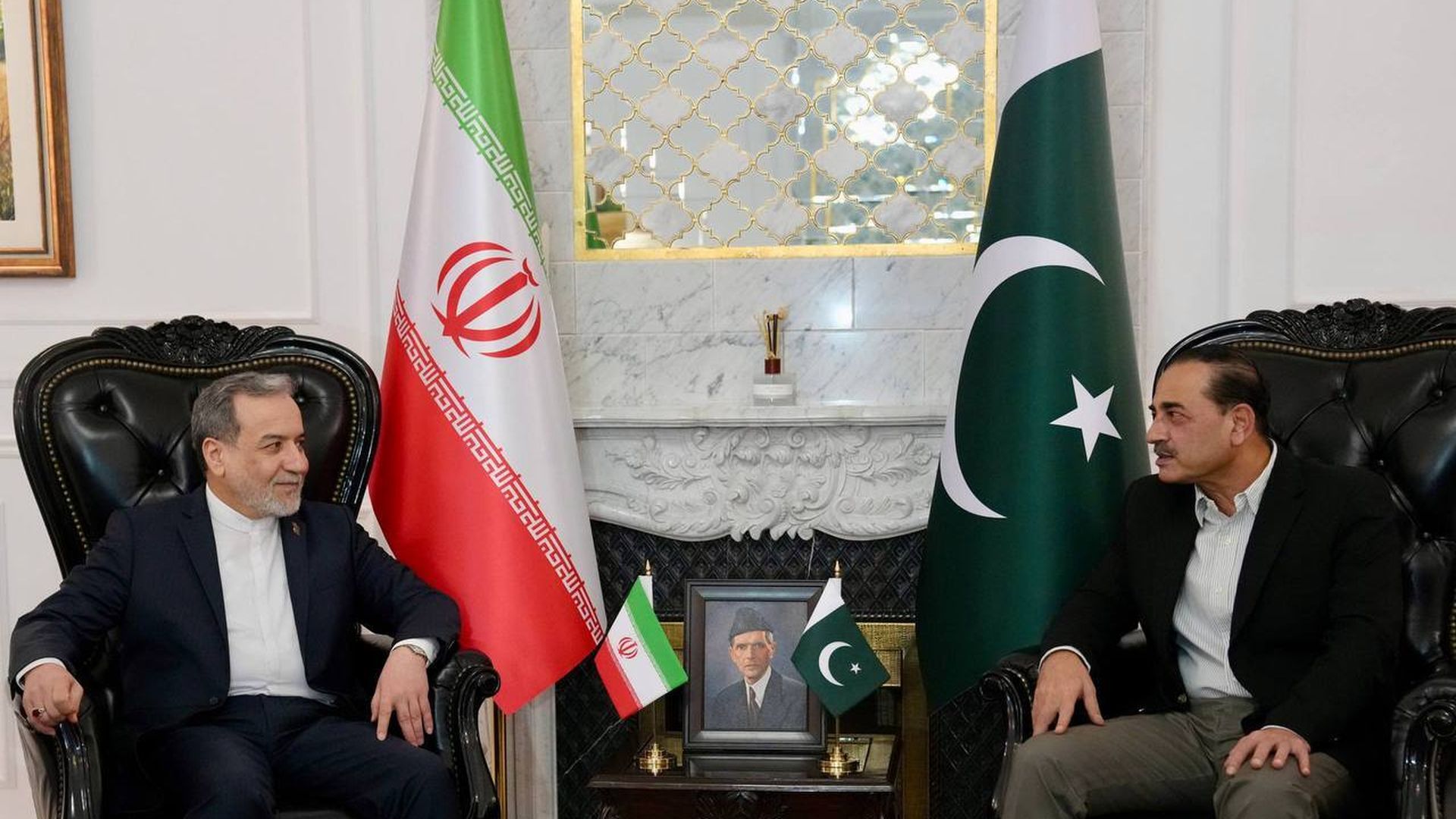
Pakistan's top military commander, Field Marshal Asim Munir, landed in Tehran on Friday as part of an effort to reach a deal under which the U.S. and Iran would agree to end the war and launch negotiations for a broader agreement, a Pakistani security source told Axios.
Why it matters: Munir has been the lead mediator between the U.S. and Iran since the war began. The fact that he's in Tehran after several days of lower-level talks could signal a final push by Pakistan to try to get a deal, though U.S. and Iranian officials have cast doubt on the idea of an imminent agreement.

Memorial Day driving will be much more expensive this year


A record number of Americans will hit the road over Memorial Day weekend — and they'll pay an average of $1.34 more per gallon at the pump compared to a year ago.
Why it matters: Holiday car trips are proving to be resilient, even as President Trump's war with Iran pushes gas prices sharply higher.


Trump says U.S. will send 5,000 more troops to Poland
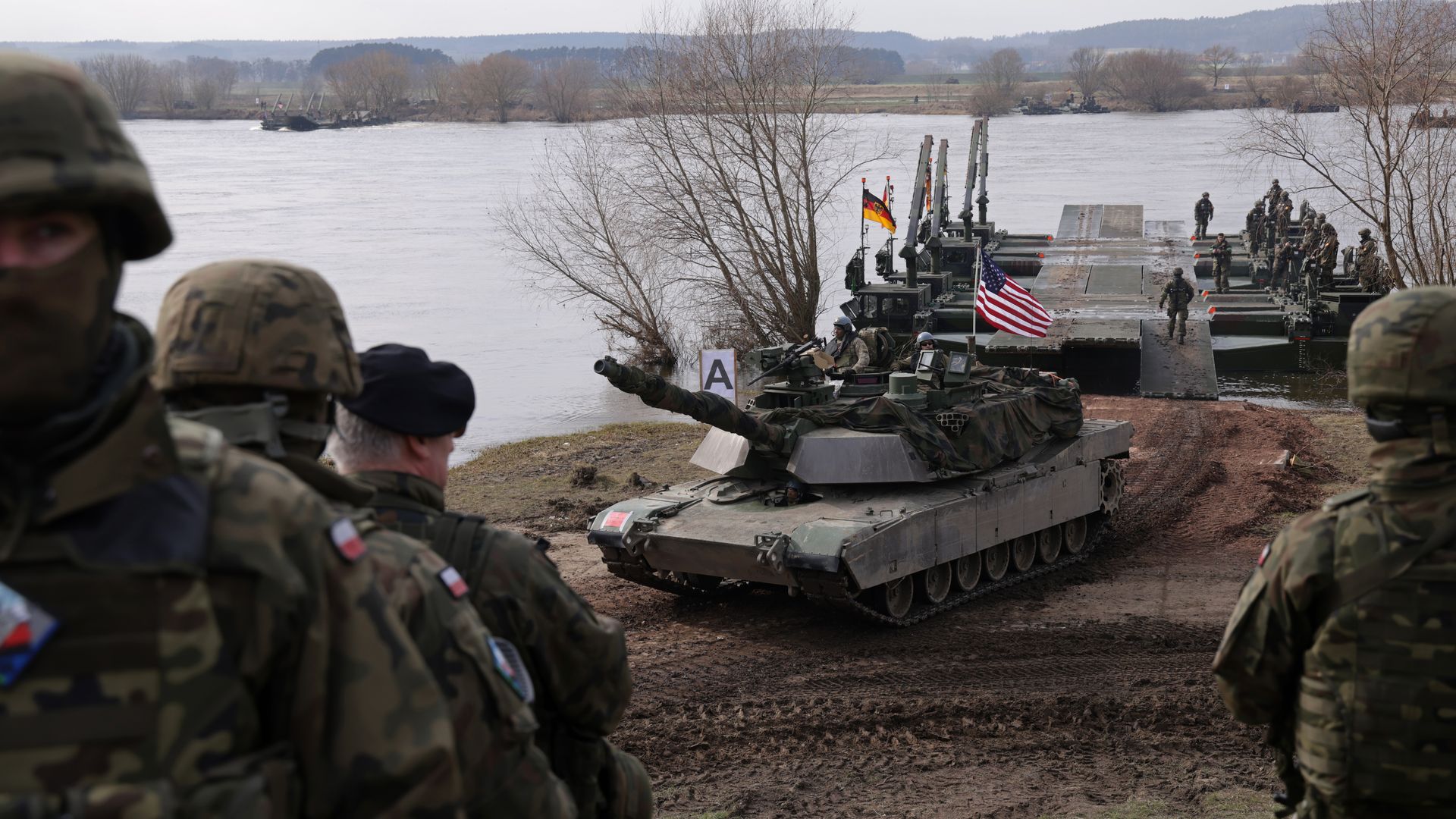
The U.S. will send an additional 5,000 troops to Poland, President Trump said Thursday.
Why it matters: Trump's surprise announcement came a week after the Pentagon abruptly canceled a planned deployment of 4,000 troops to Poland.

Ebola outbreak raises alarms about Trump's global health moves
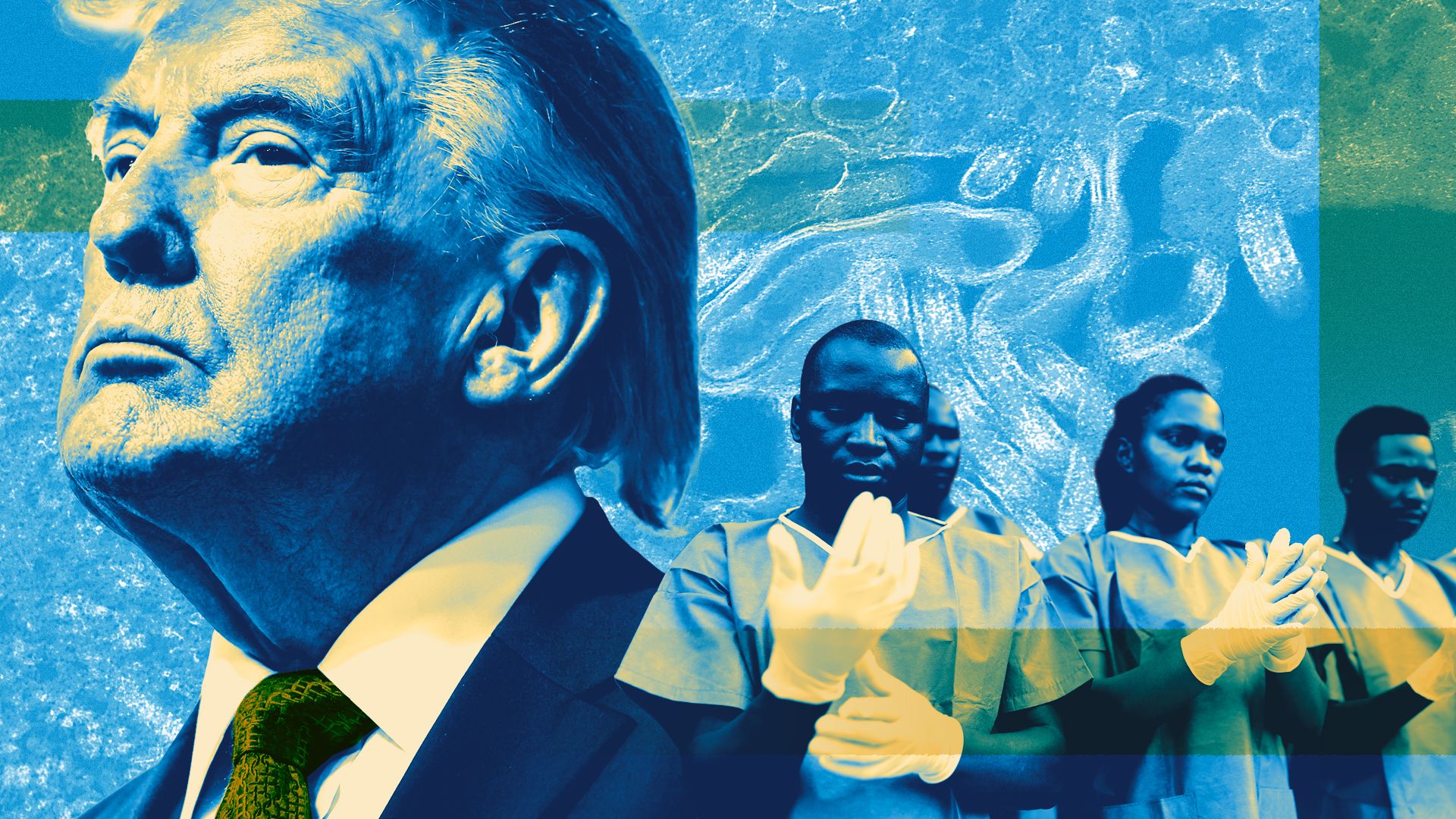
The U.S. response to the Ebola outbreak is drawing new warnings from public health experts about the impact of the Trump administration's global health policies, including the dismantlement of USAID and its withdrawal from the World Health Organization.
Why it matters: While officials are rushing to get resources to stricken parts of Africa, infectious disease experts fear the administration's other actions are weakening critical networks needed for a rapid response in a densely populated, politically unstable part of the world.