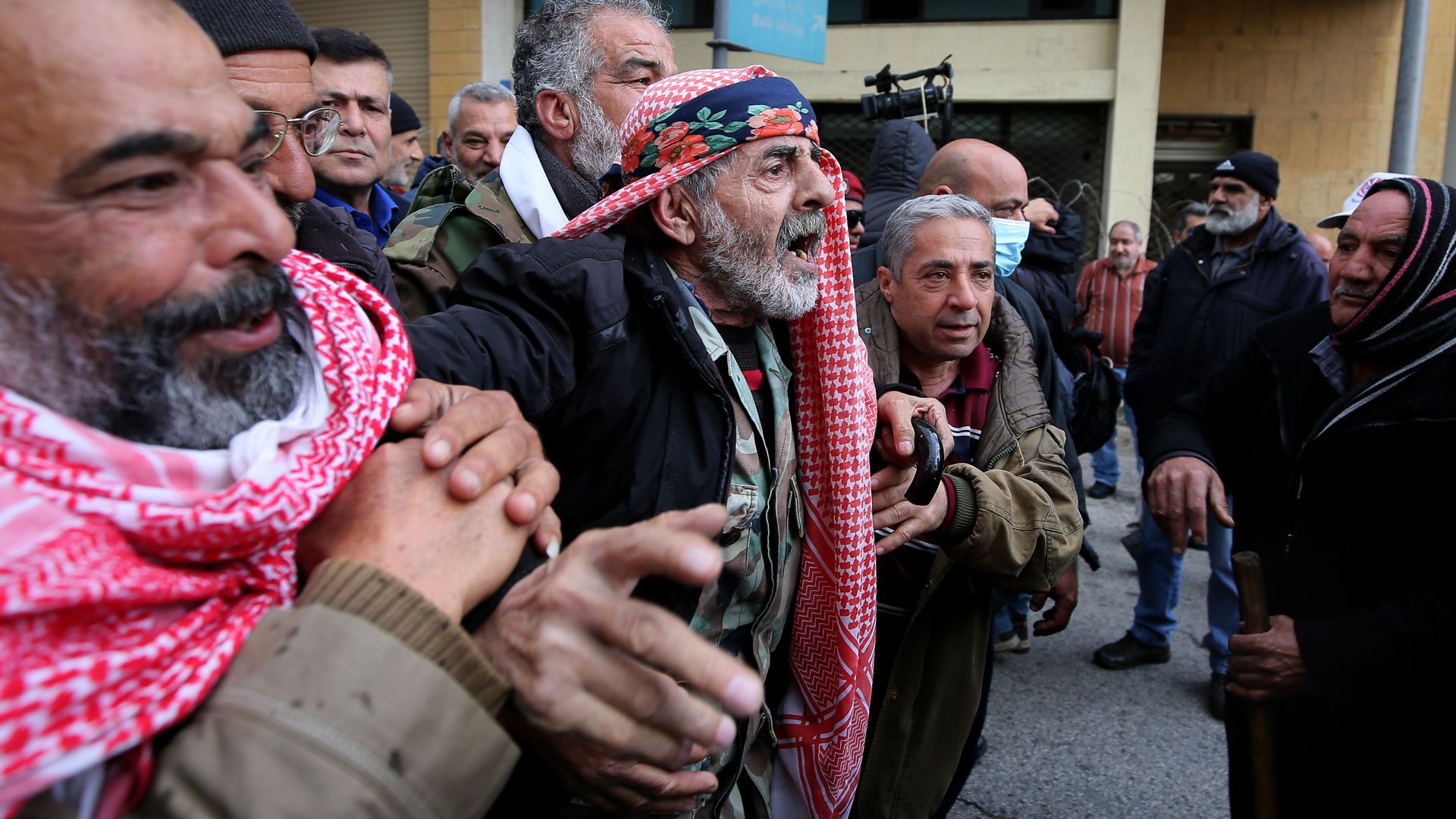
BEIRUT — Lebanon's spiraling economy is threatening the stability of the military and security services, as current and retired security personnel see the value of their salaries and pensions plummet.
Why it matters: Without adequate salaries, soldiers have taken second jobs or, in some cases, deserted their ranks, threatening Lebanon’s security. The army serves as a stabilizing force to police the country’s sectarian feuds, and it's long been a critical partner for the U.S. as it's able to function as a counterweight to the Iran-backed armed group Hezbollah.
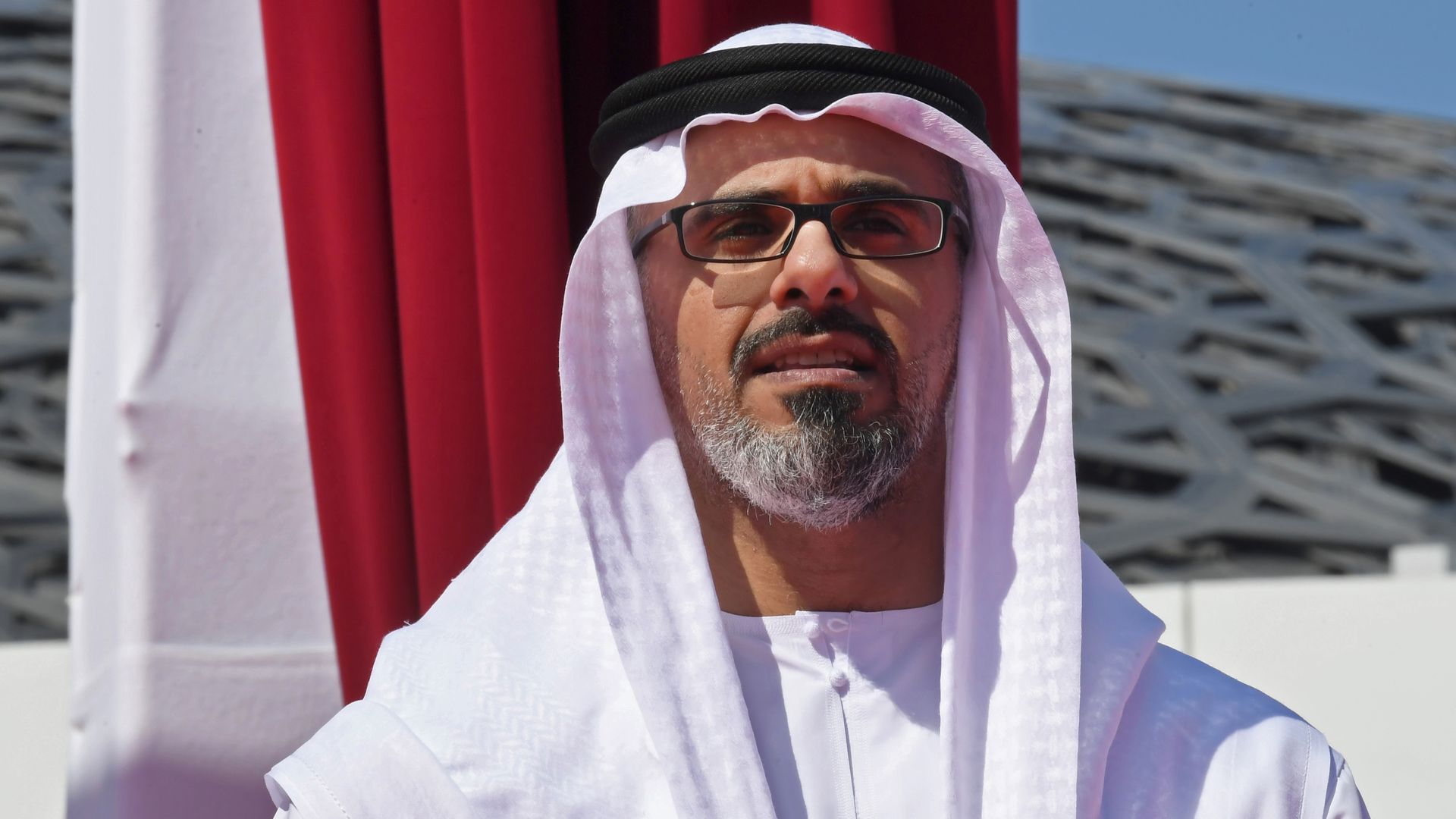
UAE President Mohammed bin Zayed (MBZ) appointed his eldest son Khaled as crown prince last week, elevating him above an older generation of senior royals and ending the uncertainty about the kingdom's line of succession.
Why it matters: It took MBZ 10 months to announce this decision after succeeding his late half-brother last May, suggesting he needed time to build internal consensus and reach an understanding with his five full brothers, some of whom were perceived as potential candidates for the crown prince position.
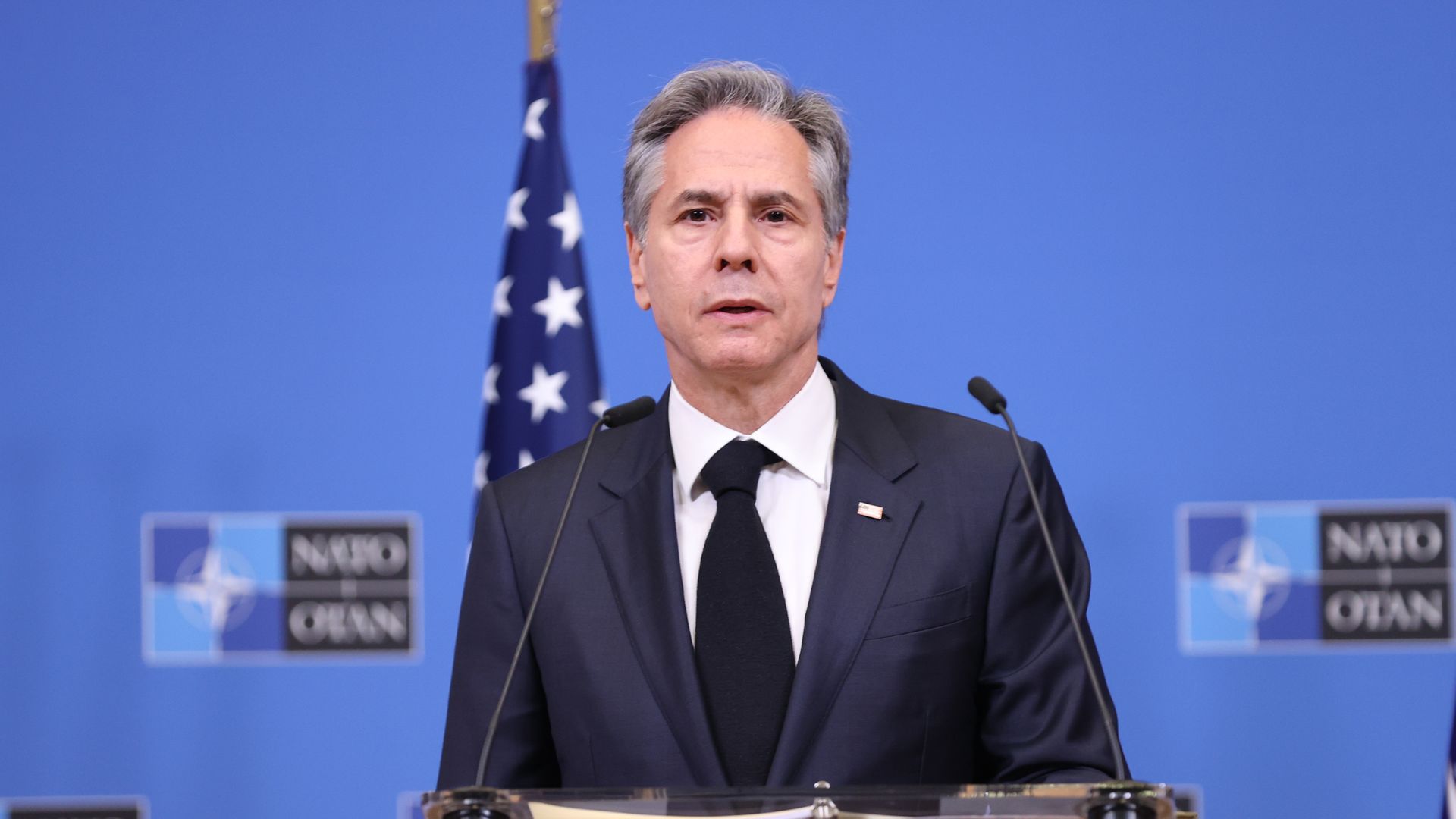
Secretary of State Antony Blinken told reporters Wednesday that he has "no doubt" that Wall Street Journal reporter Evan Gershkovich has been wrongfully detained by Russia.
Driving the news: Russian authorities detained Gershkovich last week on spying charges, marking the first time Russia has detained a U.S. journalist on espionage charges since the Cold War.
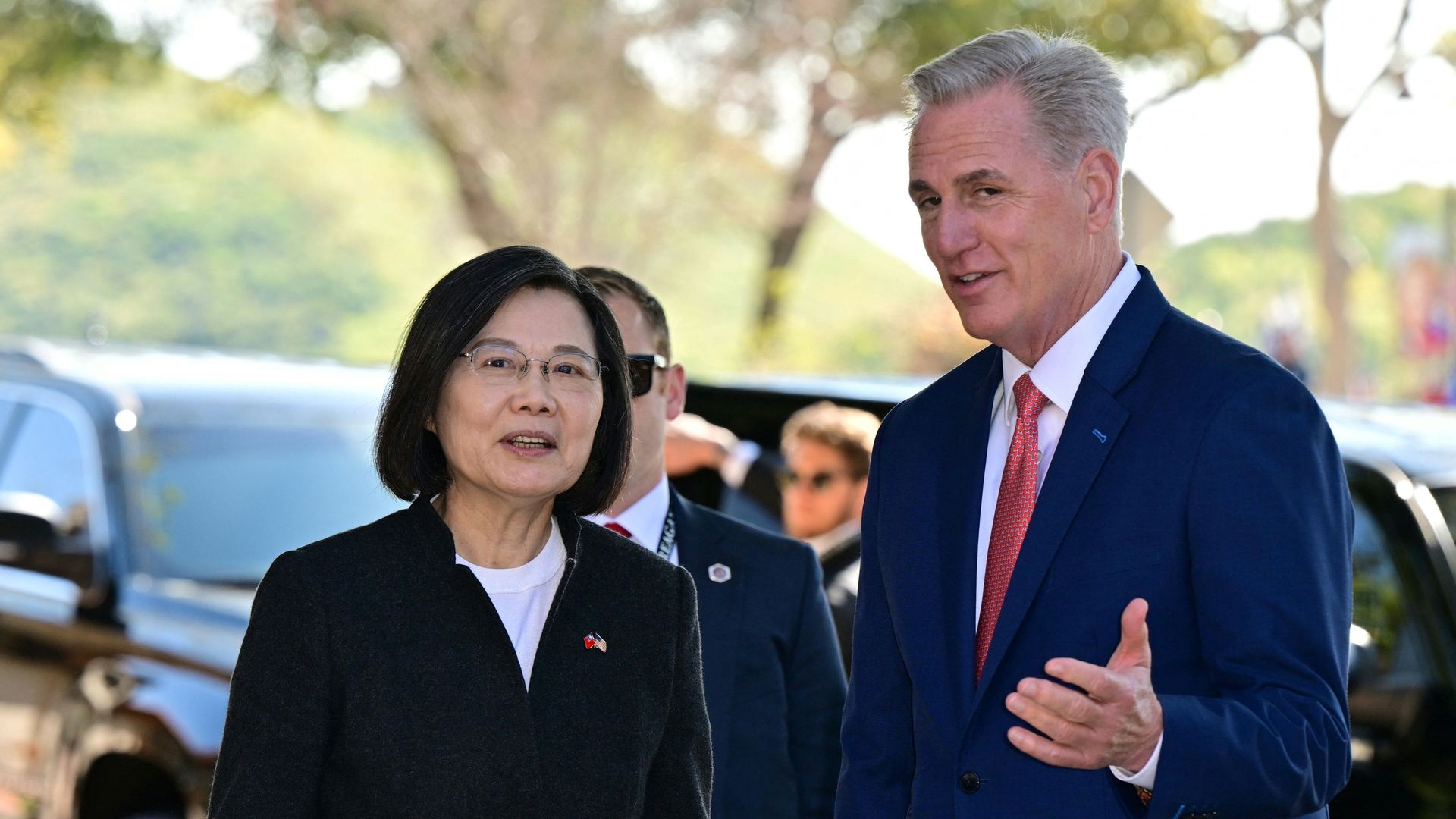
House Speaker Kevin McCarthy (R-Calif.) met with Taiwan President Tsai Ing-wen in California on Wednesday despite warnings from Beijing that the meeting would provoke "severe confrontation" with the U.S.
Why it matters: China views any gesture that seems to treat Taiwan as an independent country as an affront, and responded to a visit to Taipei last year by then-Speaker Nancy Pelosi by holding massive military drills around Taiwan and firing a missile over the island.
A statement Gen. Mark Milley, the chair of the Joint Chiefs of Staff, made during a House hearing last week on Iran's nuclear program alarmed Israeli defense and intelligence officials to the point they protested and asked the Biden administration for clarifications, four Israeli officials told Axios.
Driving the news: Milley, testifying before the House Appropriations Subcommittee on Defense, said that the U.S. "remains committed as a matter of policy that Iran will not have a fielded nuclear weapon." The word "fielded" created the impression among Israeli officials that the U.S. had changed its policy on Iran and would tolerate Tehran having a nuclear weapons program, the four sources said.
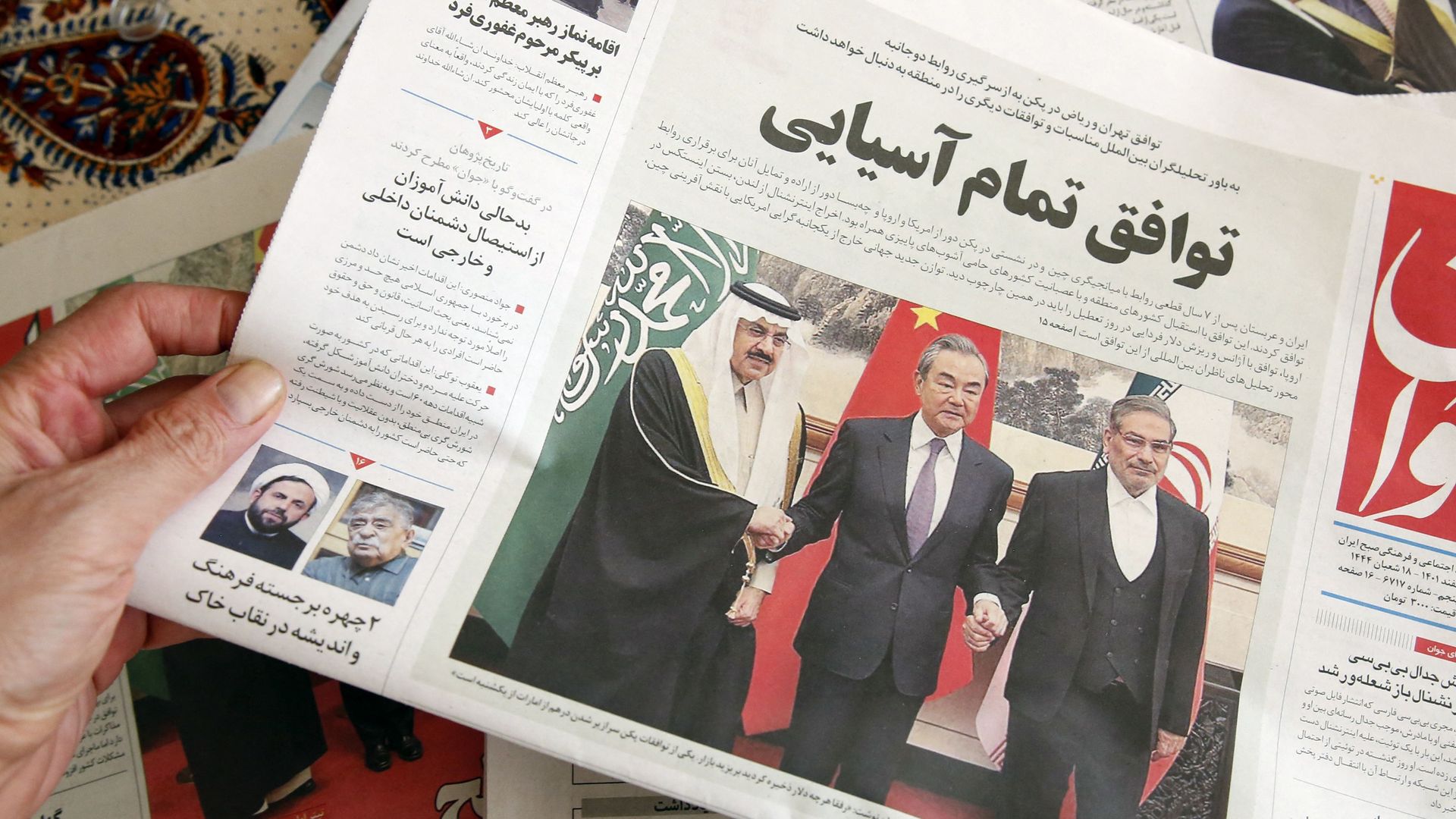
The foreign ministers of Saudi Arabia and Iran will meet on Thursday in Beijing under the auspices of their Chinese counterpart Wang Yi in another significant step in resuming full diplomatic relations between the two regional adversaries, according to Iranian and Saudi press reports.
Why it matters: The meeting is part of a wider wave of normalization between the Saudi-led camp and the Iranian axis in the Middle East in recent months in an effort to de-escalate tensions and end regional conflicts, including the war in Yemen.
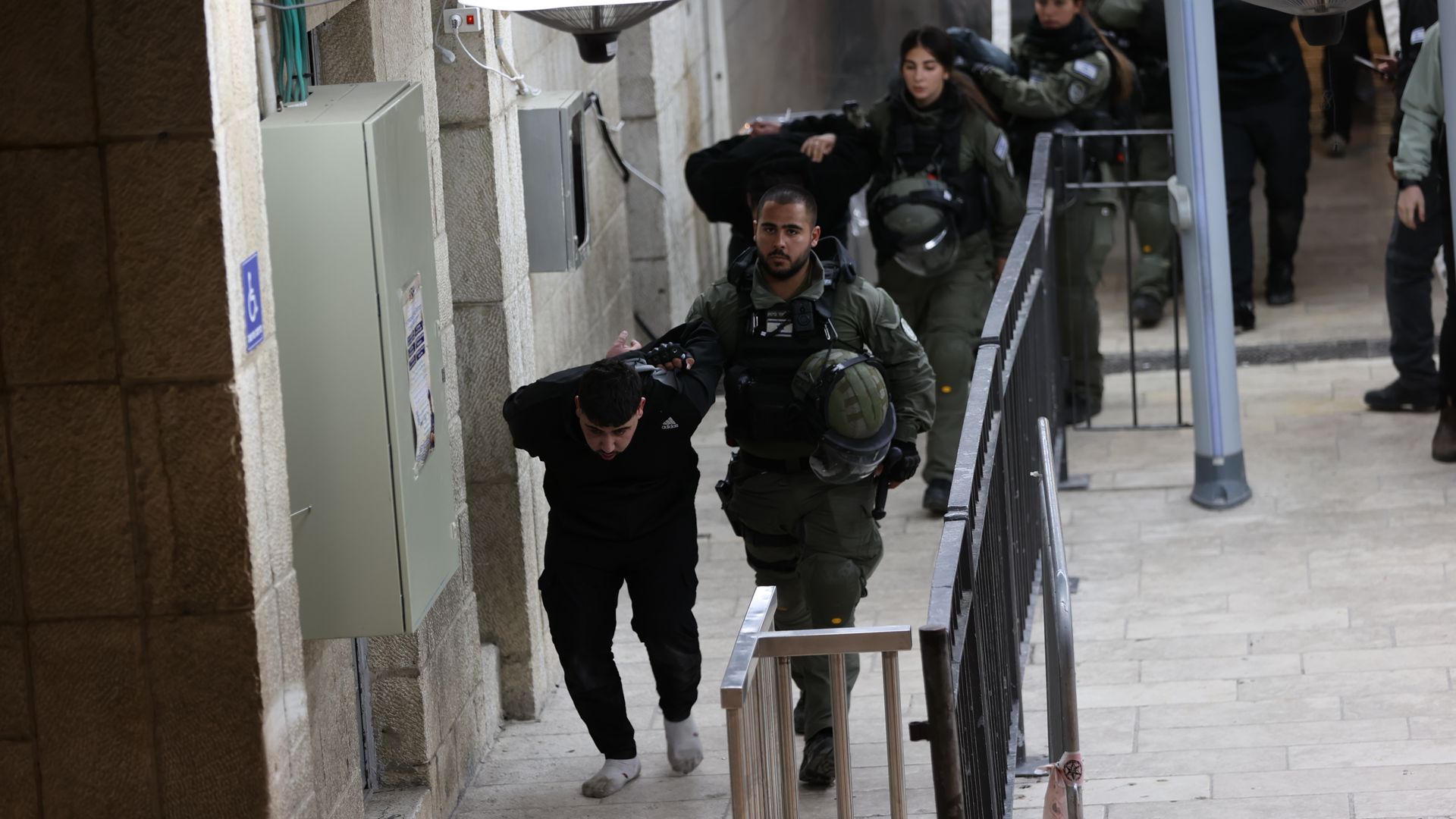
Tensions at Jerusalem's Haram al-Sharif compound, also known as the Temple Mount, exploded Tuesday night when Israeli police raided the area to remove Palestinians who had barricaded themselves inside the Al-Aqsa Mosque.
The big picture: The violent confrontation, which took place in the middle of the holy month of Ramadan and on Passover eve, was reminiscent of the events that led to the last war in Gaza in May 2011. It also comes despite massive efforts to lessen tensions in the region.
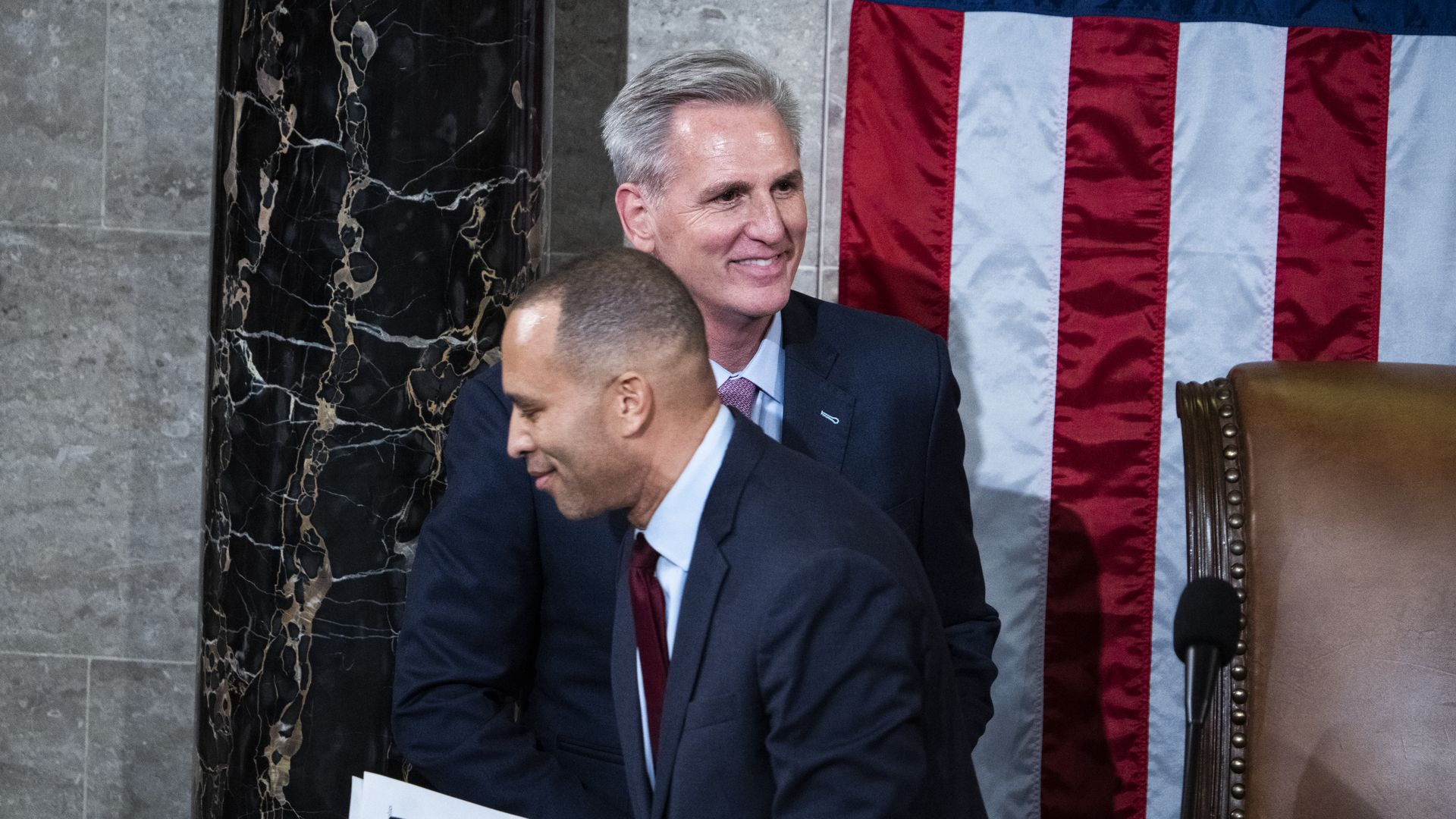
House Speaker Kevin McCarthy (R-Calif.) and House Minority Leader Hakeem Jeffries (D-N.Y.) are expected to visit Israel on separate trips later this month, according to the Israeli Foreign Ministry.
Why it matters: The visits by Republican and Democratic congressional leaders will take place amid tensions between President Biden and Prime Minister Benjamin Netanyahu over the Israeli government's judicial overhaul plan and its policies toward the Palestinians.
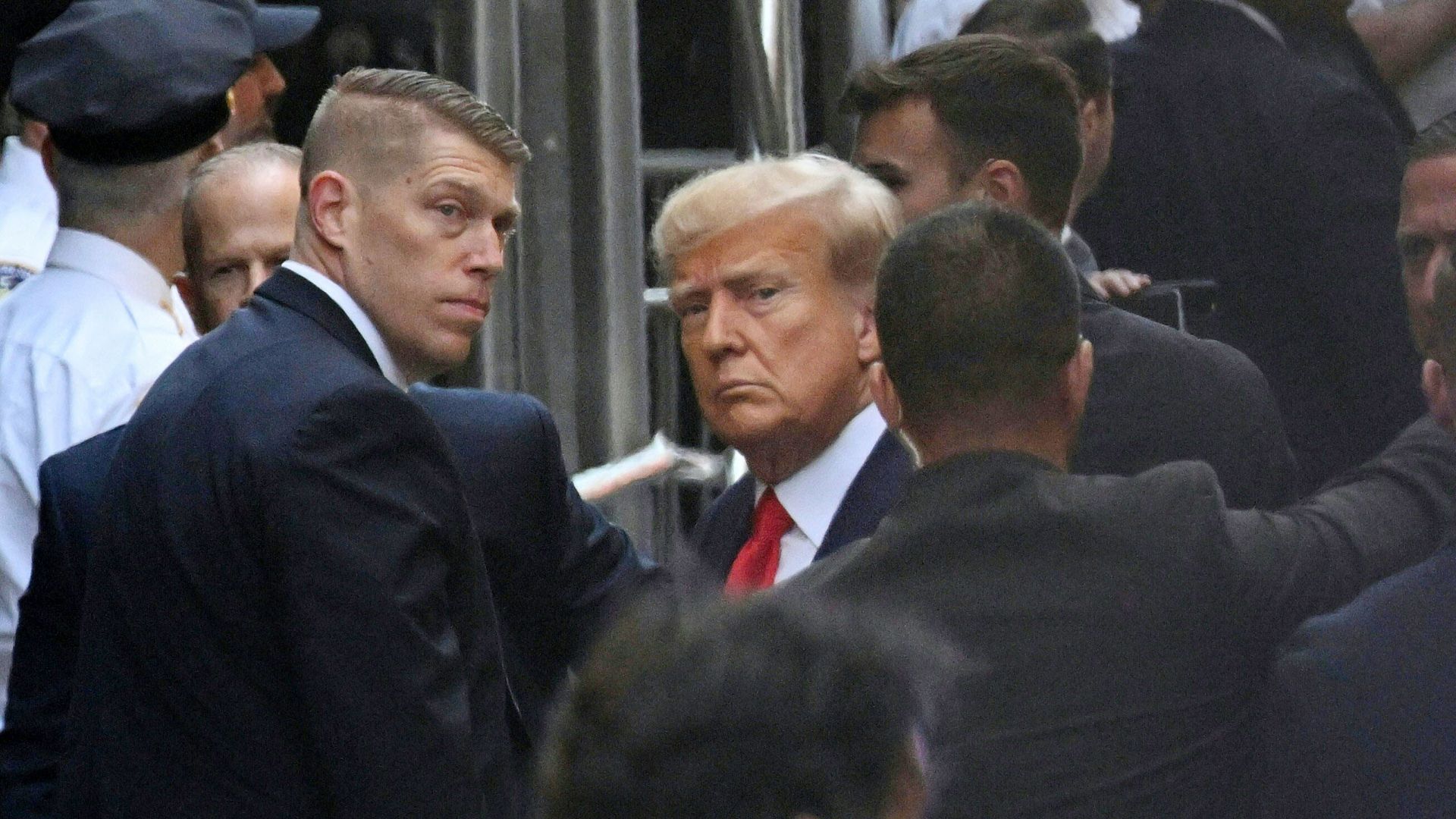
The big picture: Hungary Prime Minister Viktor Orbán urged Trump to "keep on fighting," while El Salvador President Nayib Bukele suggested the charges against Trump make the U.S. look hypocritical. Very few other world leaders have weighed in, however, and some international media outlets are treating the case more as a political curiosity.
The number of U.S. colleges and universities classified as federal Hispanic-serving Institutions (HSI) rose to its highest number ever last year, a new analysis has found.
Why it matters: The increase in HSIs shows that Hispanic college student enrollment has rebounded from the pandemic and now appears to be expanding.
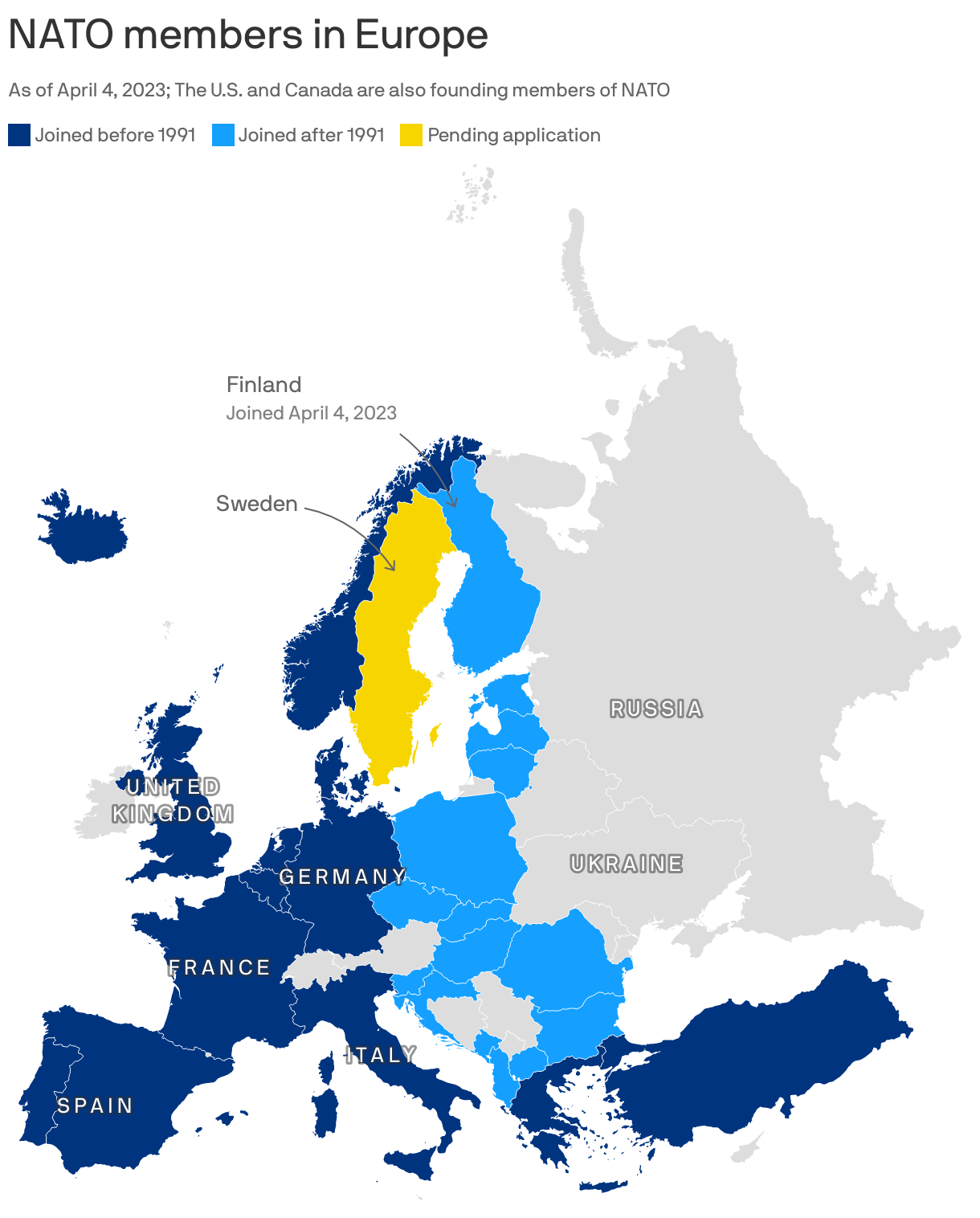
Russian President Vladimir Putin has repeatedly pointed to NATO's post-Cold War enlargement as one of the many reasons for his invasion of Ukraine. But Russia's war has ultimately pushed the alliance to expand.
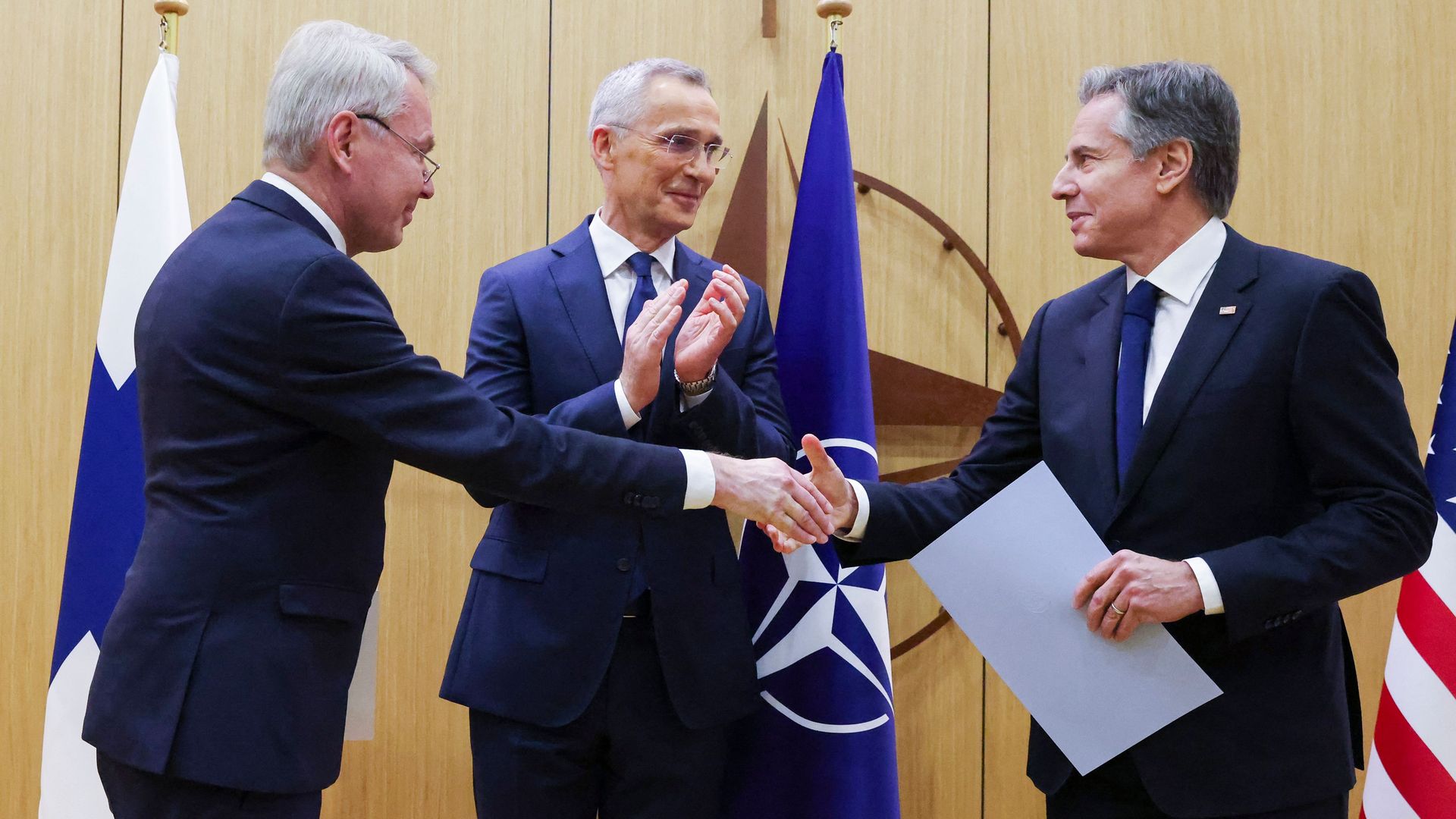
The latest: Finland became the 31st member of NATO on April 4, dramatically changing the security landscape in Europe. Finland's membership more than doubles the alliance's border with Russia.
Finlandbecame the 31st member of NATO on Tuesday— a once-unthinkable stepthat significantly changes the security landscape in Europe.
Why it matters: Finland's membership more than doubles NATO's borders with Russia and formally ends Helsinki's decades of official nonalignment. It's also a blow to Russian President Vladimir Putin who, in launching the Russian invasion of Ukraine, vowed to block the alliance's eastward expansion.
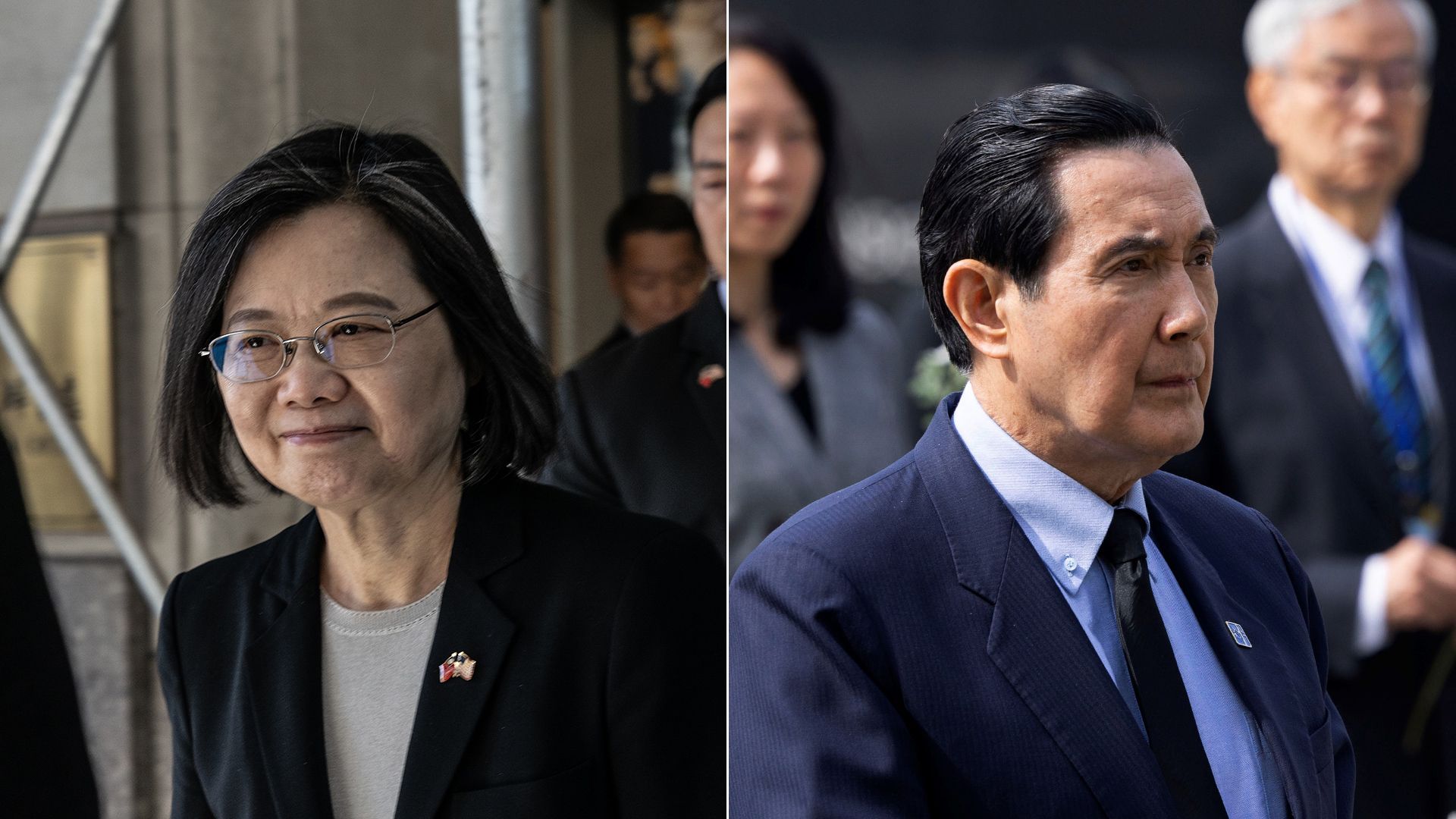
TAIPEI, Taiwan — Current Taiwanese President Tsai Ing-wen's visit to the U.S. and former Taiwanese President Ma Ying-jeou's unprecedented tripto China have reignited debate within Taiwan about the island's future — and the nature of its relationship with mainland China.
Why it matters: With Taiwan's next presidential election less than a year away — and pressure from China growing — Taiwanese voters will soon face a choice between keeping the close U.S. ties forged by Tsai's Democratic Progressive Party and reverting to the rival Beijing-friendly stance of Ma's Kuomintang party.