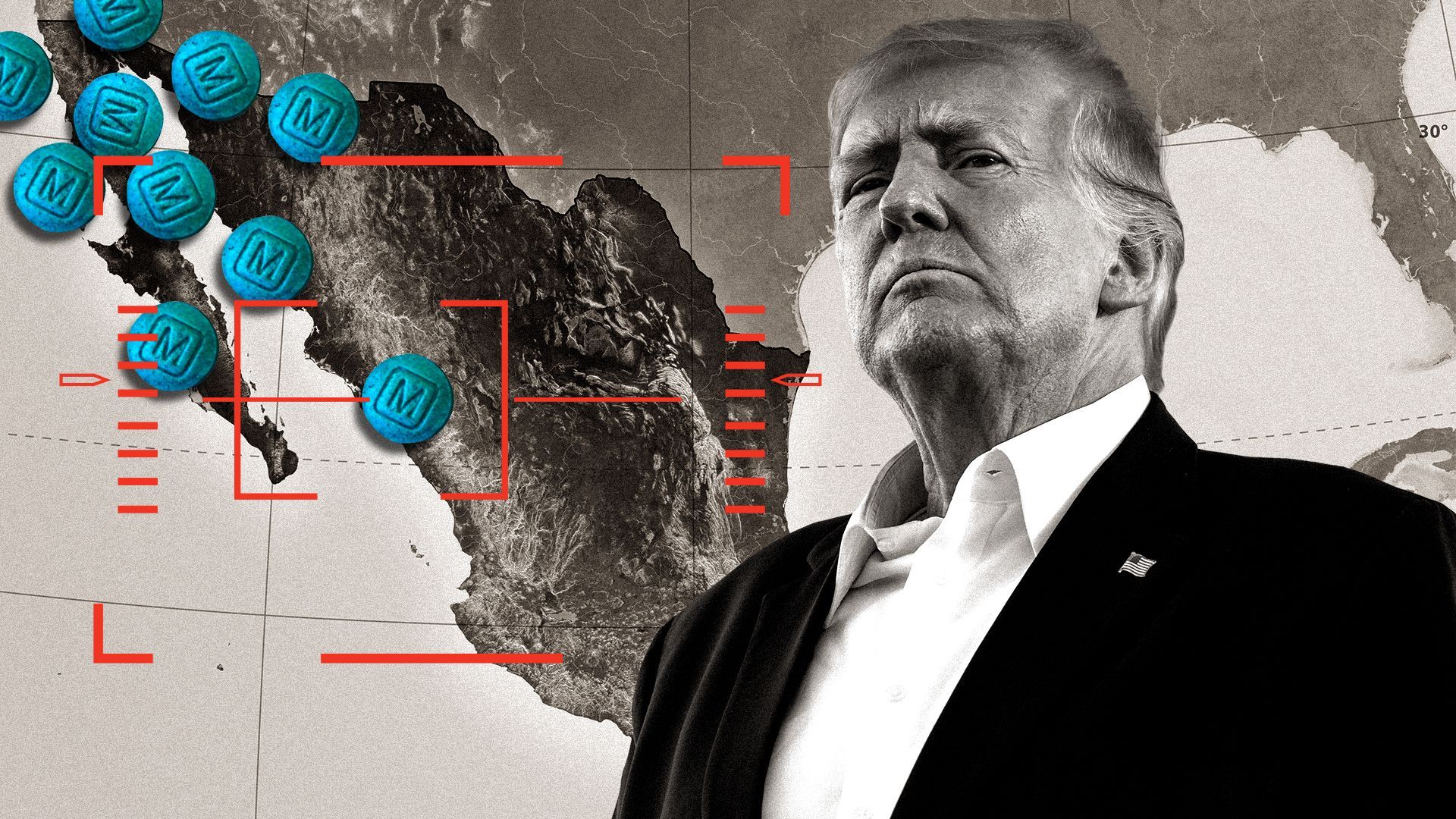
Leading Republicans across the ideological spectrum are rallying behind an aggressive and controversial new approach to the fentanyl crisis: Bomb the cartels, with or without the permission of the Mexican government.
Why it matters: The once-fringe idea, championed in private by former President Trump, is becoming a mainstream policy priority within the GOP — including among congressional Republicans and 2024 presidential candidates.
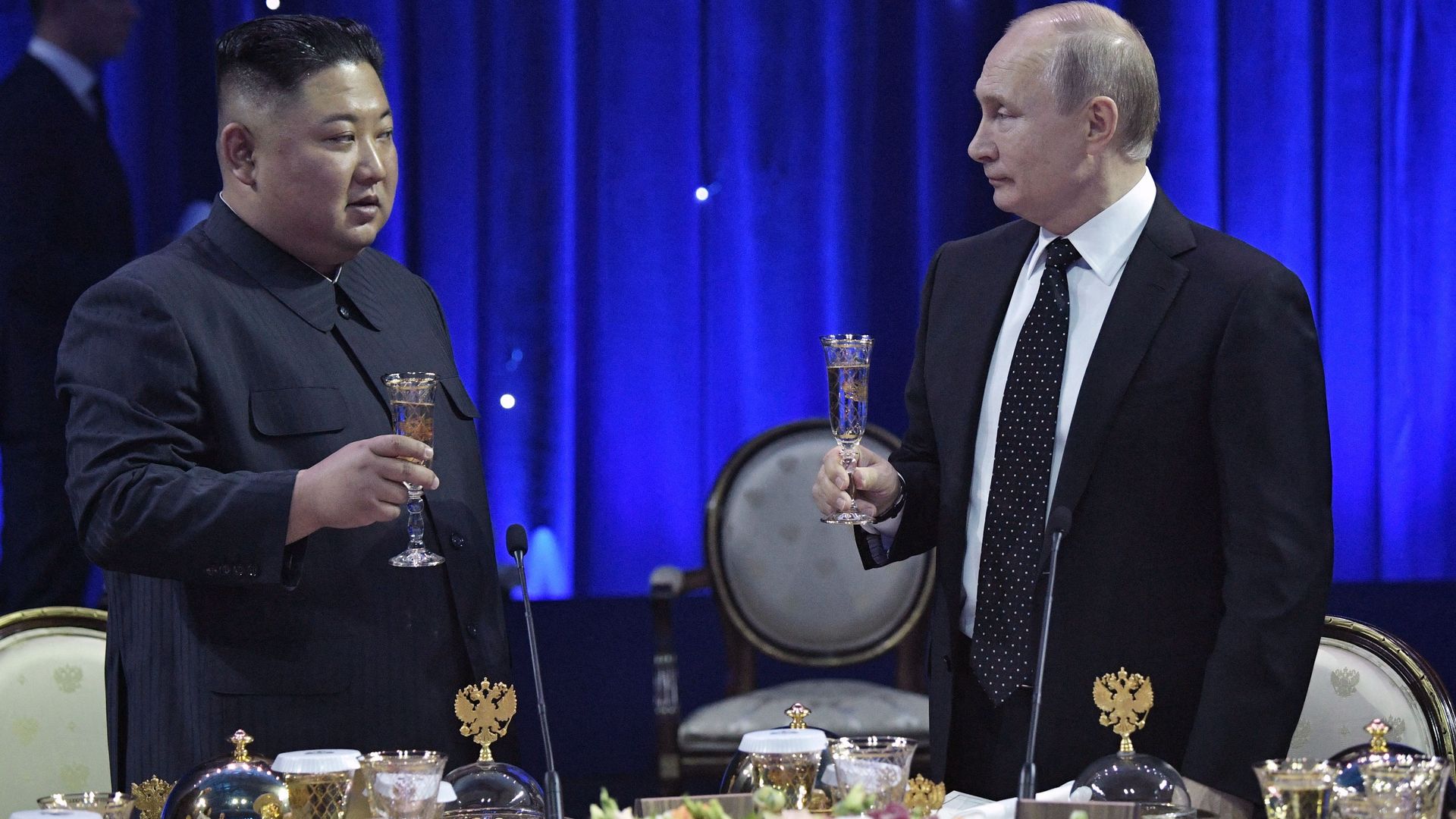
As much of the world backs awayfrom Russia over its invasion of Ukraine, Moscow is providing cheap oil, a friend on the UN Security Council and sensitive military technology to those partners still standing by it.
Why it matters: According to the White House, Russia is swiftly moving toward a “full-fledged defense partnership” with Iran, and now plans to dispatch a delegation to negotiate with North Korea. Meanwhile, the U.S. continues to fear that China will abandon its supposed "neutrality"and back Russia more directly.
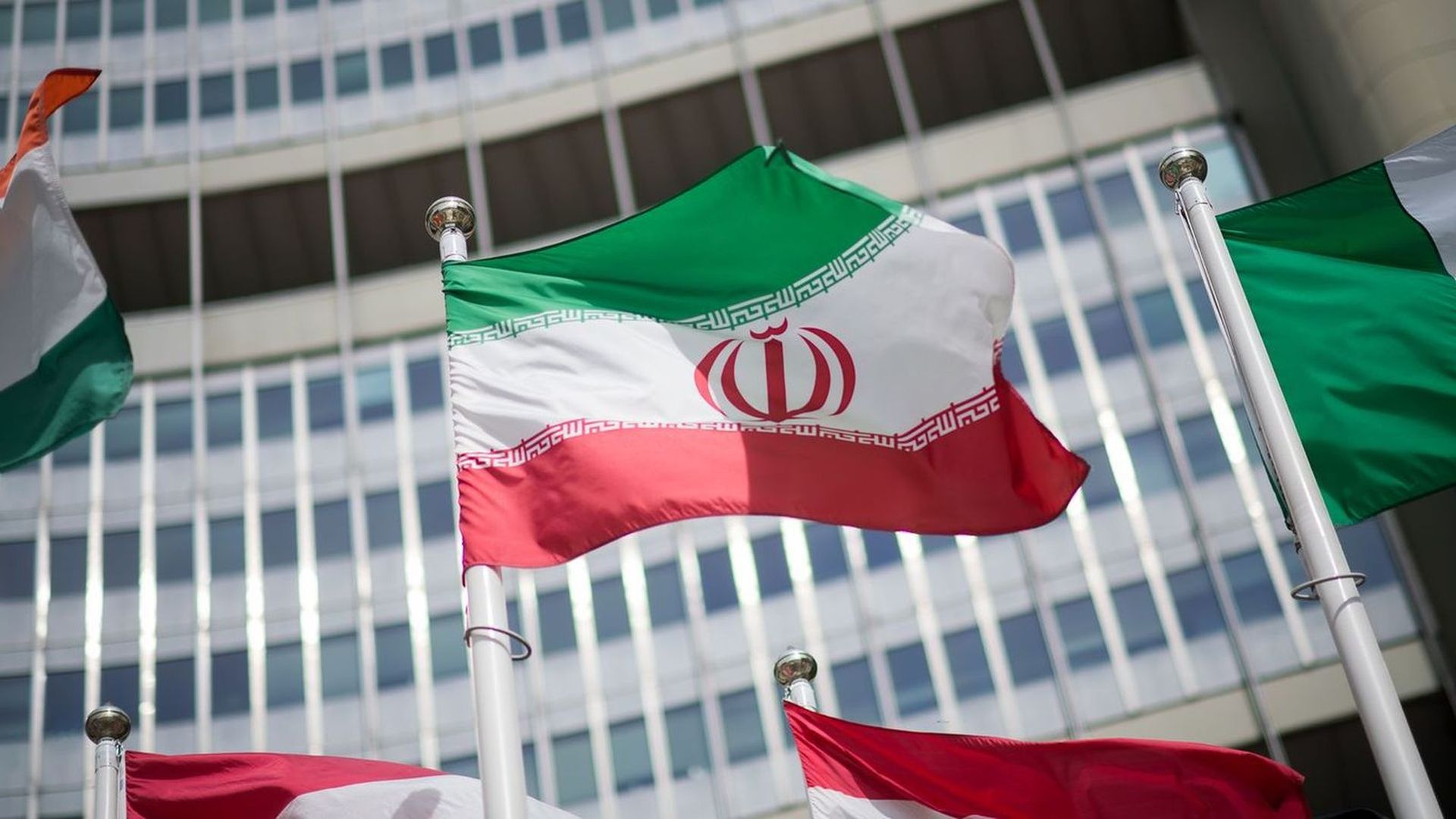
The Biden administrationdiscussed with its European and Israeli partners in recent weeks a proposal for an interim agreement with Iran that would include some sanctions relief in exchange for Tehran freezing parts of its nuclear program, according to 10 Israeli officials, Western diplomats and U.S. experts with knowledge of the proposal.
Why it matters: The new approach by the Biden administration shows just how concerned the U.S. is about recent advances in Iran's nuclear program. The U.S. has not ruled out diplomacy on reaching an agreement to return to the 2015 nuclear agreement but did take it off the agenda last year over Iran's military assistance to Russia and Tehran's crackdown on anti-government protests.
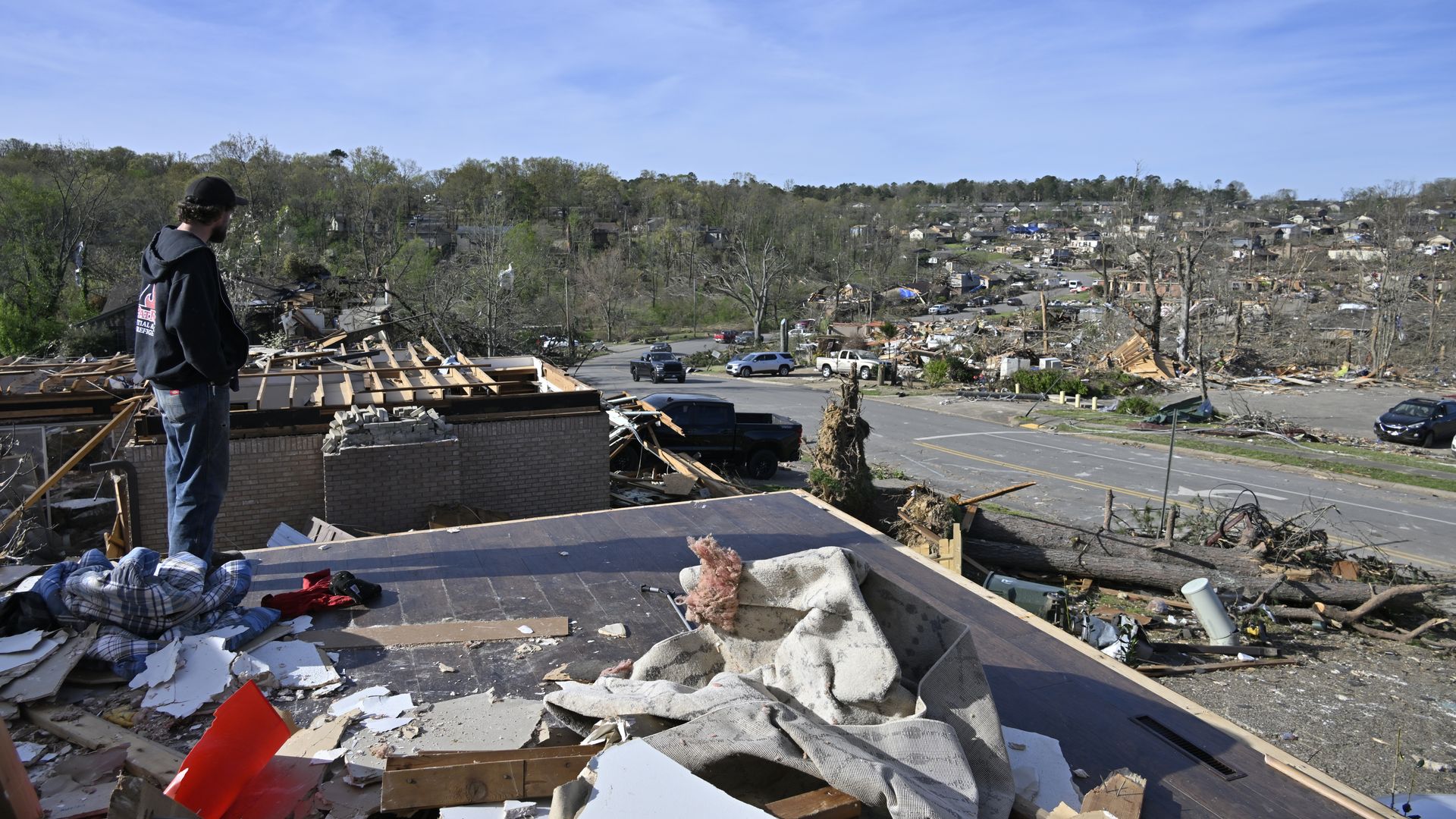
More than 50 people are dead after severe thunderstorms and tornadoes tore through the U.S. South, Midwest and Mid-Atlantic in the past two weeks — and another potentially significant outbreak is projected for Tuesday.
More than a dozen false bomb threats made at luxury hotels and embassiesacross Europe, the U.S., the Middle East and East Asia appear to be part of a harassment campaign targeting three Chinese people living abroad who have been critical of China's government, Axios has learned.
Why it matters: The journalist and two activists targeted by the campaign believe the harassment is backed by the Chinese government. Beijing has for decades used surveillance and intimidation to silence dissidents abroad — but analysts warn their efforts to target their critics beyond their borders are becoming more brazen.