The big picture: The "mobilization team," made up of the generation that encompasses 12-27 year olds, is leveraging talked about moments from the campaign trail and reacting with humor while capitalizing on viral TikTok trends to force a contrast between Harris and former President Trump.
Nvidia is barreling toward an earnings report Wednesday afternoon that will provide critical insight into the trajectory of the boom-or-bubble AI economy.
Why it matters: The chip giant's fate directly reflects how much other companies are investing in AI development, a subject that's been driving the stock market to new all-time highs.
The long-standing tension between censorship versus safety online is coming to a head as CEOs start to publicly push back.
Why it matters: Tech companies have corrected what they consider a content moderation overreach during the 2020 election and the pandemic. Ahead of the 2024 race, they are standing their ground.
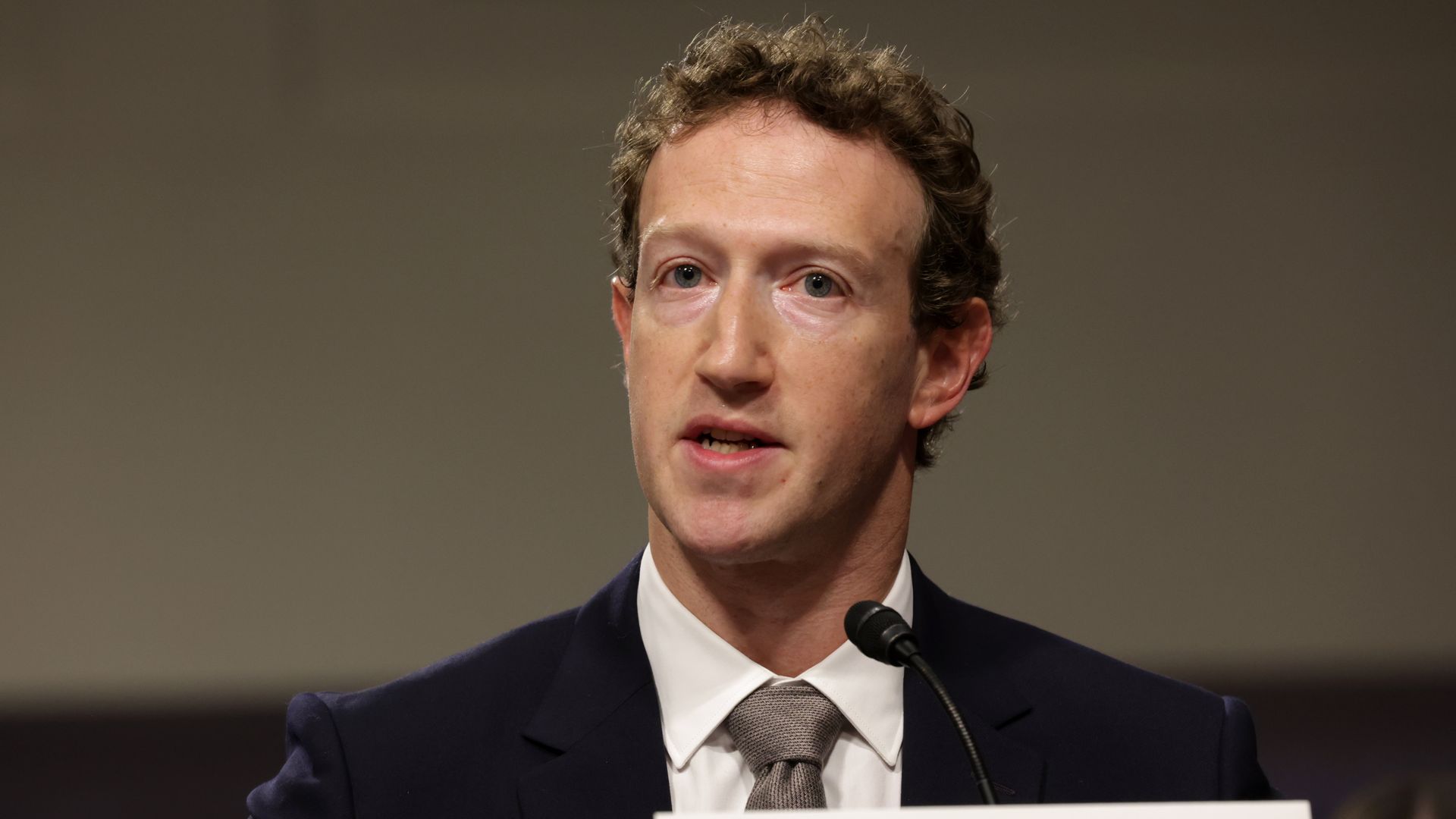
Meta CEO Mark Zuckerberg said Monday that the Biden administration was "wrong" to pressure the company to censor certain inaccurate content during the COVID-19 pandemic.
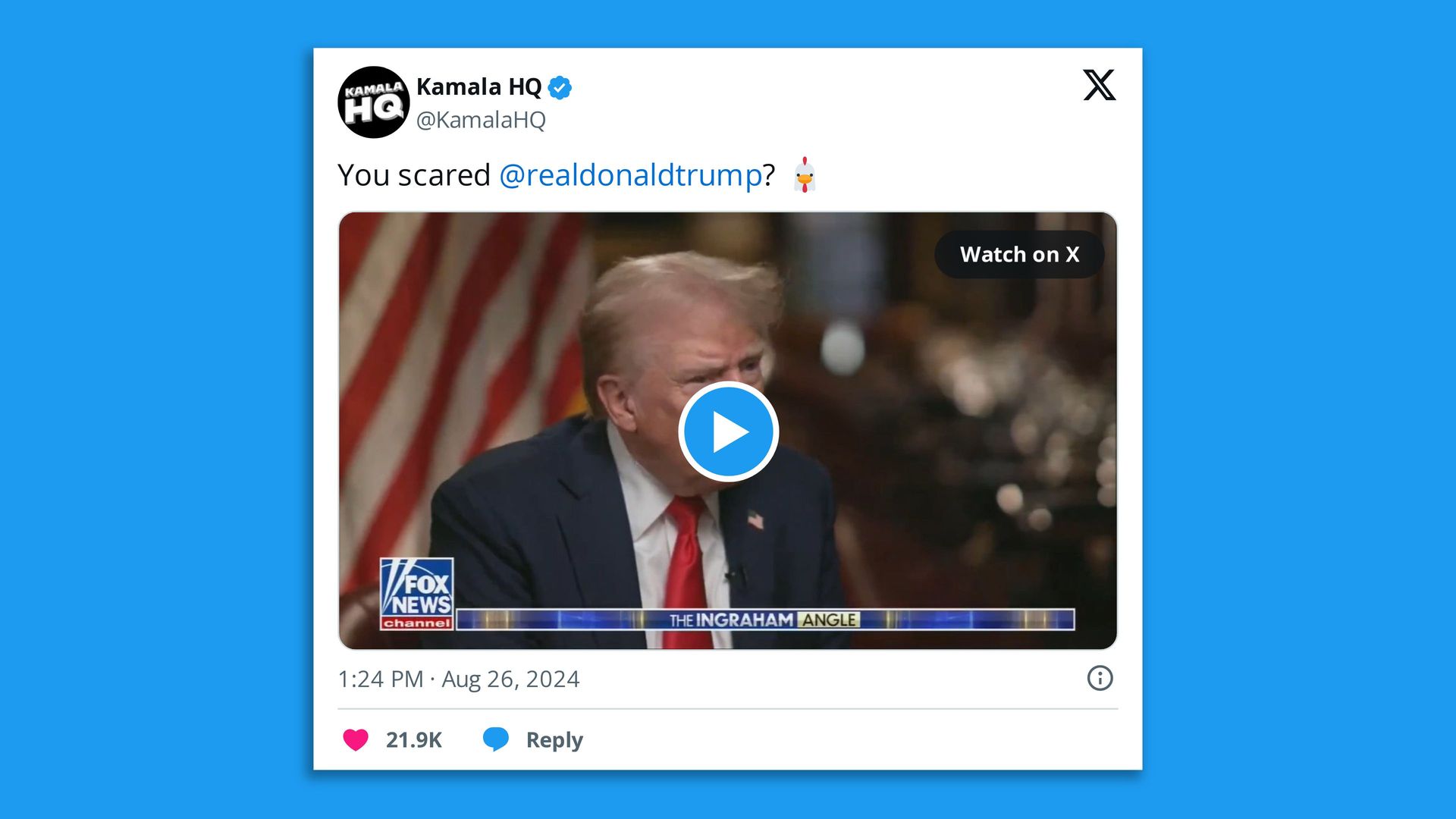
When former President Trumpsuggested he might back out of the Sept. 10 debate, the Harris campaign posted sound effects of squawking, whining chickens, layered over video of Trump speaking.
Another tweet featured a flock of chicken emojis.
Why it matters: The same Democratic digital team in Wilmington, Delaware, has pivoted from the stuffier, decorous Biden for President campaign to a saucier, more ruthless Harris for President campaign.
Leading AI chatbots have started including citations as part of their responses,but that hasn't solved the underlying issues around bias and misinformation, according to new research from Common Sense Media, shared first with Axios.
Why it matters: Chatbots can save time with research, but everyone — especially kids — still needs to know that all bots should be fact-checked.
Telegram has long been a hotbed for cybercriminal gangs boasting about their attacks and looking to recruit new members.
Why it matters: Telegram CEO Pavel Durov's arrest over the weekend has put a spotlight on what policies Telegram does — and doesn't — have to deter cybercriminals and extremist groups who use its platform.
A Colorado man has been arrested in connection with multiple online threats against election officials and others in Colorado and Arizona, the Department of Justice announced Monday.
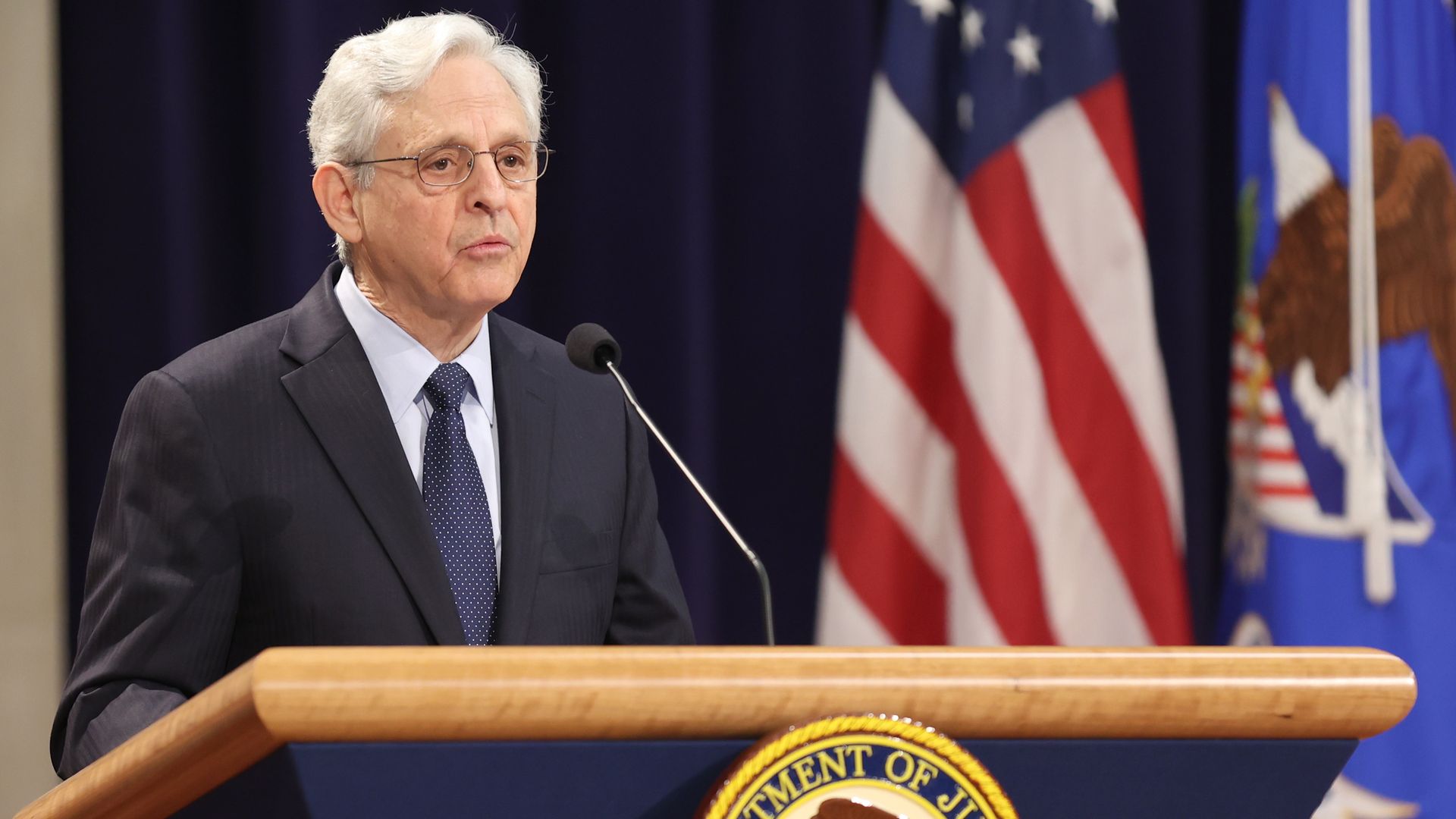
The big picture: Teak Brockbank, 45, was arrested Friday in his home city of Cortez and he's accused of making "detailed death threats against election officials, judges, and law enforcement officers," per a statement from Attorney General Merrick Garland, whose DOJ Election Threats Task Force is overseeing the case.
Apple sent out invitations Monday for a Sept. 9 event at Apple Park where the company is expected to debut its latest crop of iPhones alongside other new hardware.
Why it matters: The iPhone remains Apple's most important product — strategically and economically — making the fall hardware launch its most consequential of the year.
IBM is the latest American company to downsize its presence in China amid heightened tensions between Washington and Beijing.
Why it matters: China'sefforts to decrease its dependence on the West have ratcheted up local market competition — and U.S. tech giants including Microsoft are looking elsewhere to house their operations.
Toncoin, a cryptocurrency tied to Telegram, shed more than 20% of its market value after the weekend arrest of Telegram co-founder CEO Pavel Durov in Paris.
The big picture: It since has experienced a slight recovery, and currently is the world's 10th largest crytpocurrency with around a $14.2 billion market cap.
Inflection AI announced rate limits for Pi — its consumer chatbot — and is supporting a new tool it hopes will become an industry standard for exporting chatbot data.
The future for Vimeo is strongly tied to generative AI, the company's new CEO Philip Moyer tells Axios.
Why it matters: The video platform faces intense competition with OpenAI, Adobe, Canva, Runway, Lightricks and other companies racing to build text-to-video AI tools and services aimed at similar customers.
The latest: In his first interview since being appointed CEO in April, Moyer, a former Google VP, tells Axios that Vimeo sees major enterprise opportunities in solving the headaches of professional creators and corporate marketing departments with AI features that simplify storage, customization and distribution of video.
"We are a trusted intermediary for wherever you want to use video and however you want to use it," he says.
Zoom in: The company is aiming to make it easy for people to push videos they've uploaded to Vimeo directly to Instagram, TikTok, YouTube and podcasting platforms, for example.
And Vimeo has been experimenting with adding AI features that can learn and replicate a creator's storytelling and on-camera personas to generate everything from custom client-facing video messages to scenes in documentaries and films.
Zoom out: The company tends to focus on professionals such as brand marketers and filmmakers because they typically want more control and ownership over how their videos are used and monetized, Moyer says.
Vimeo's enterprise business has accelerated from a pace of 32% year-over-year quarterly revenue growth in Q2 2023, to 55% growth in the latest period to $20.1 million.
Vimeo also sees opportunity in helping clients and creators adhere to a growing number of complex AI regulations, he adds.
What we're watching: Wall Street is concerned about increased capex spending on AI and the time it will take to see investment returns.
Vimeo, traded on the Nasdaq and valued at around $860 million, cut 11% of its workforce in early 2023 and 6% in 2022, but Moyer says the company is in a strong position to grow profits without needing to shrink headcount.
"We've got one of the strongest balance sheets among our competitors, and our cash flow is among the strongest of [our] competitors, and so, no, we do not need to lay off to grow," he says.
The stock trades at just over $5 per share, up 36% so far this year, but still down over 90% since going public in 2021.

/2024/08/16/1723826097210.gif?w=3840)
















/2024/08/25/1724607390467.gif?w=3840)