The U.S.-China tit-for-tattech battle is starting to impact one of the most profitable and influential companies in the world — Apple.
Driving the news: Two separate reports from WSJ and Bloomberg this week suggest that the Chinese government is expanding a ban on using iPhones and other foreign-branded devices for work within certain government agencies and state companies.
Nonprofit groups are using blockchain and other technologiesto digitize, safely preserve and make accessible key documents about past Latin American dictatorships, including their human rights abusesand information about their victims.
Why it matters: The region continues to grapple with the legacy of these dictators, autocrats and military juntas.
Apple's Impact Accelerator program, which helps businesses that have Black, Latino or Indigenous owners, has unveiled the third group of companies to be accepted.
The big picture: The program is part of Apple's Racial Equity and Justice Initiative, launched after the murder of George Floyd. Apple initially allocated $100 million to the fund but has since more than doubled the investment, according to the company.
A prominent civil rights group is launching a center to investigate how artificial intelligence affects civil rights, fosters racism and spreads bigotry.
Why it matters: The centercomes amid rising concern that AI may fuel racism and more antisemitism in the U.S. by amplifying bias from human-generated content on the internet.
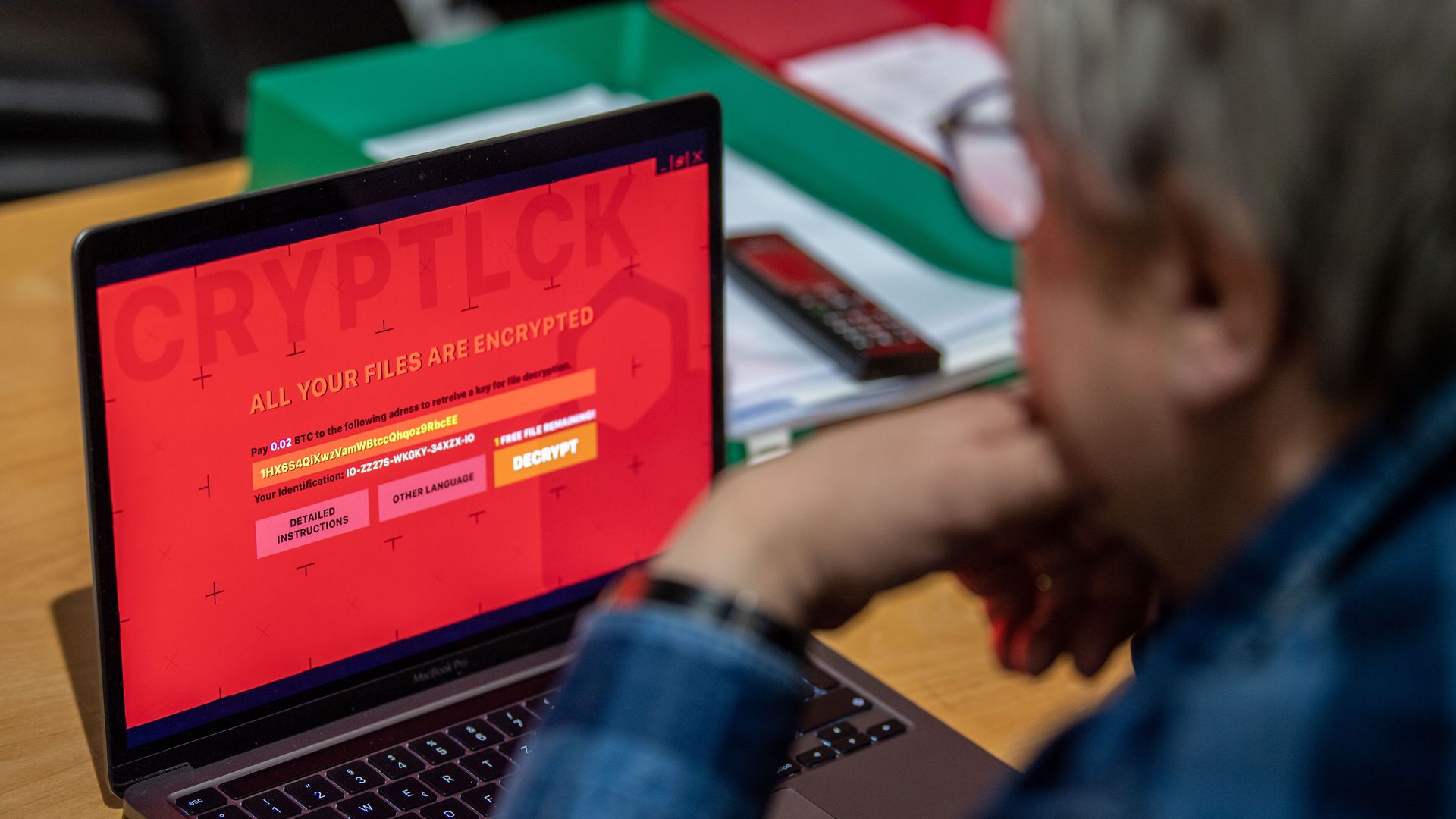
The United States and United Kingdom sanctioned 11 members of the Trickbot and Conti cybercrime gangs on Thursday in an attempt to cripple their ransomware operations.
Why it matters: Sanctions make it illegal for U.S. and U.K. organizations to send a ransom payment to any of these individuals following a ransomware attack.
Pinterest is using computer vision to scan the billions of image on its site to ensure visitors see a greater range of body types when they browse its service — and not just when searching for specific terms like "plus size."
Why it matters:Tech companies have begun to address longstanding gaps in the inclusiveness of their products in recent years — such as ensuring better representation across skin tone and hair type — but Pinterest is one of the first to explicitly address representation of different body types.
The pair of asset managers in the pole position for a spot bitcoin ETF now want to launch one for ether, the second-largest digital asset behind just bitcoin.
Driving the news: Cathie Wood's Ark Invest and 21Shares filed to launch the ARK 21Shares Ethereum ETF on Wednesday, in a first test of the Securities and Exchange Commission's position on a spot ether investment fund.
Google will start requiring election advertisers to disclose when an ad contains synthetic or altered content, the company announced today.
Why it matters: The explosion of generative AI has raised questions over its use to create deceptive content in an online political environment already rife with misinformation.
There's a growing bipartisan push to bar the use of artificial intelligence for the purpose of generating child sexual abuse content.
Driving the news: Attorneys general in all 50 states and four U.S. territories sent a letter to Congress this week calling for an explicit prohibition against AI-generated child sexual abuse material (CSAM).
Rick Klau spent nine years as a partner with Google Ventures, before leaving in 2020 to become California's chief technology innovation officer. Now he's back in the private sector with a startup that wants to revolutionize the humble hot water heater.
Driving the news: Klau is co-founder of Onsemble, which today will announce $3 million in seed funding and a rollout in three Northern California counties.
SaaSGrid, a business intelligence and dashboarding tool for SaaS startups, has raised $3.3 million in seed funding led by founding investor Craft Ventures.
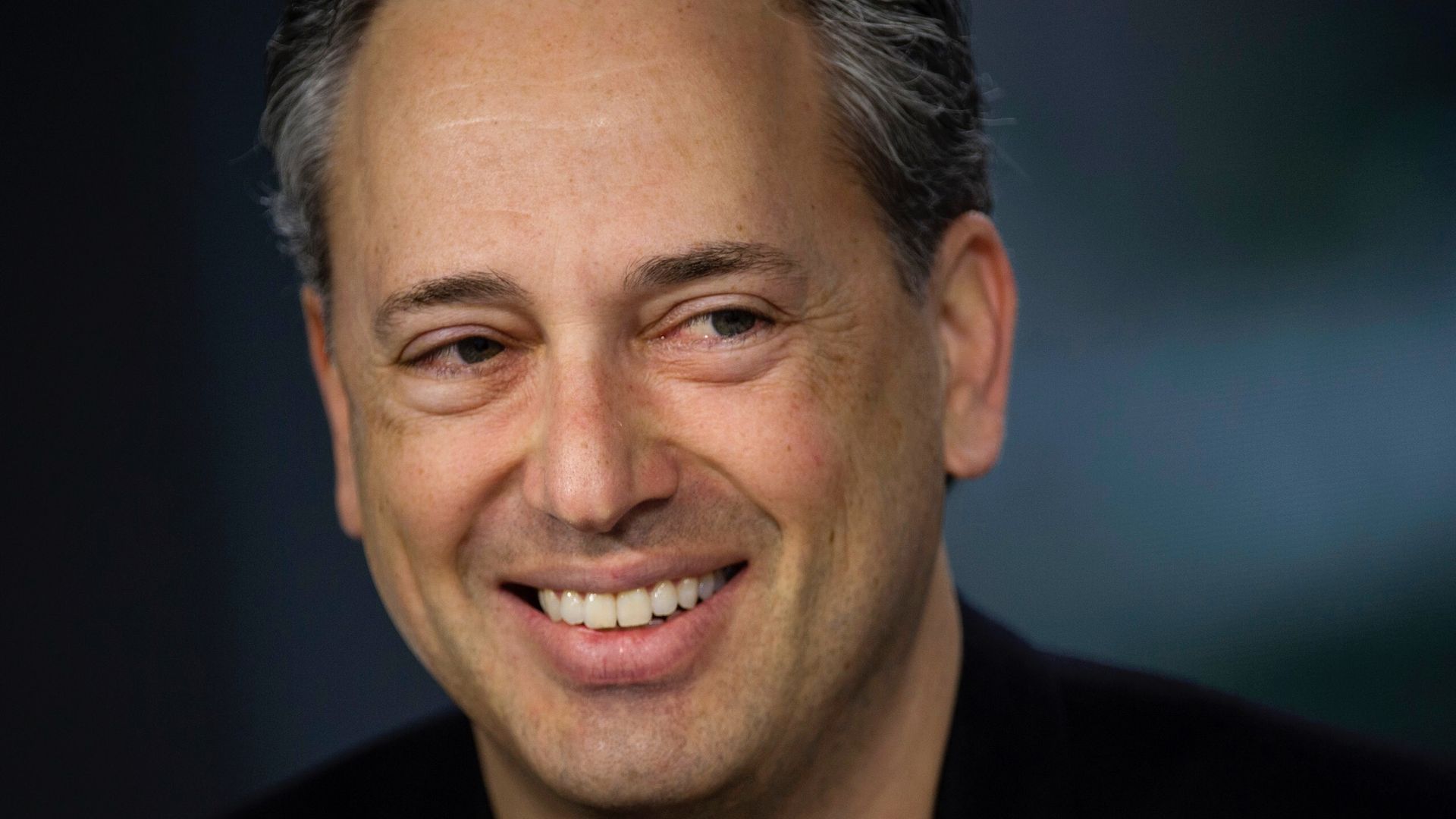
Behind the scenes: Craft is one of Silicon Valley's busiest backers of SaaS startups, but it took the David Sacks-led firm a while to recognize the opportunity right under its nose.
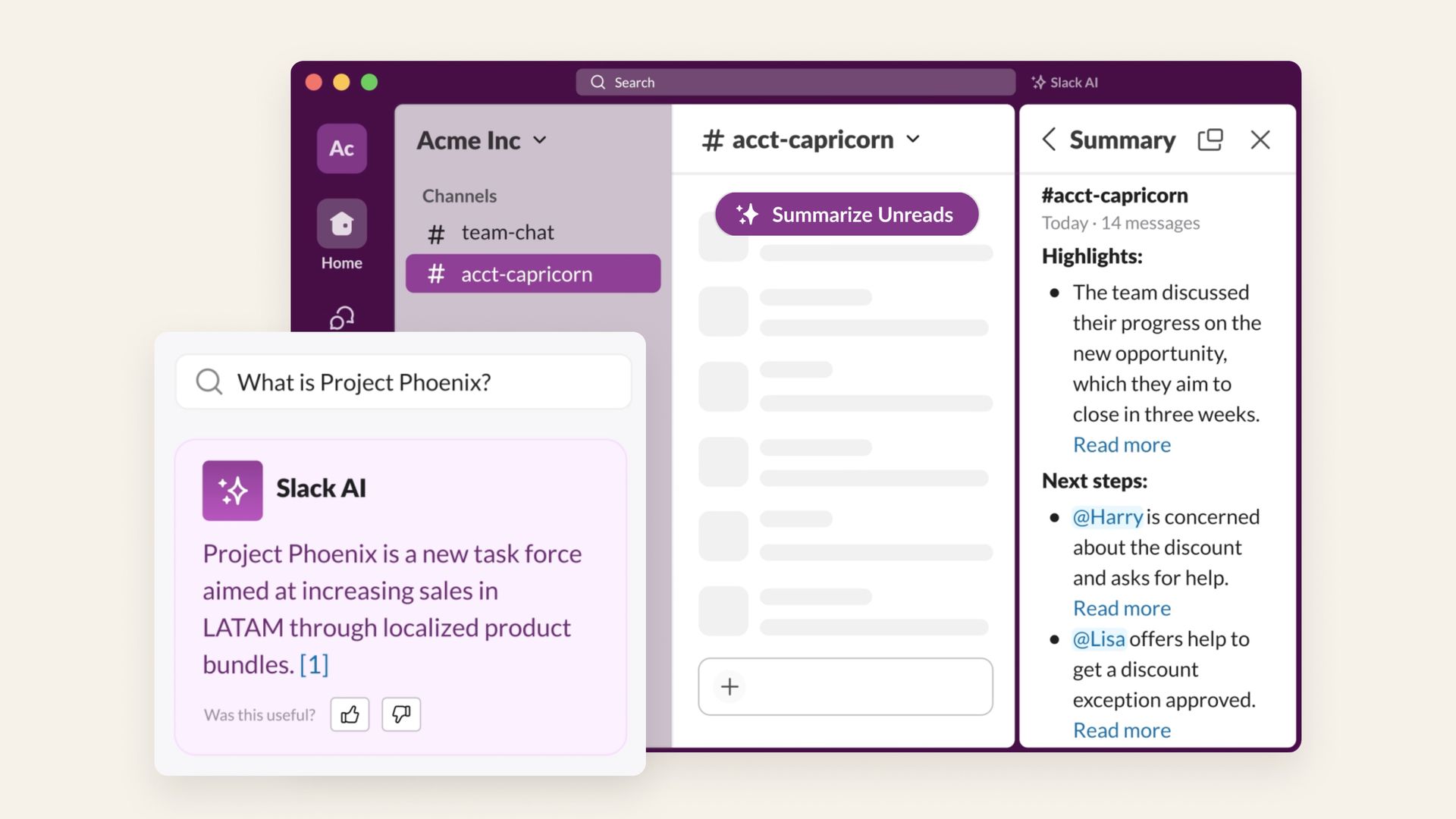
As it looks to integrate AI directly into its main product, Slack decided one of the best places to start is offering people an easier way to catch up when they join a team or return from having taken time off.
Why it matters: As companies rush to add generative AI features to their products, figuring out where the technology is good enough today to be both useful and reliable has become a key strategic choice.
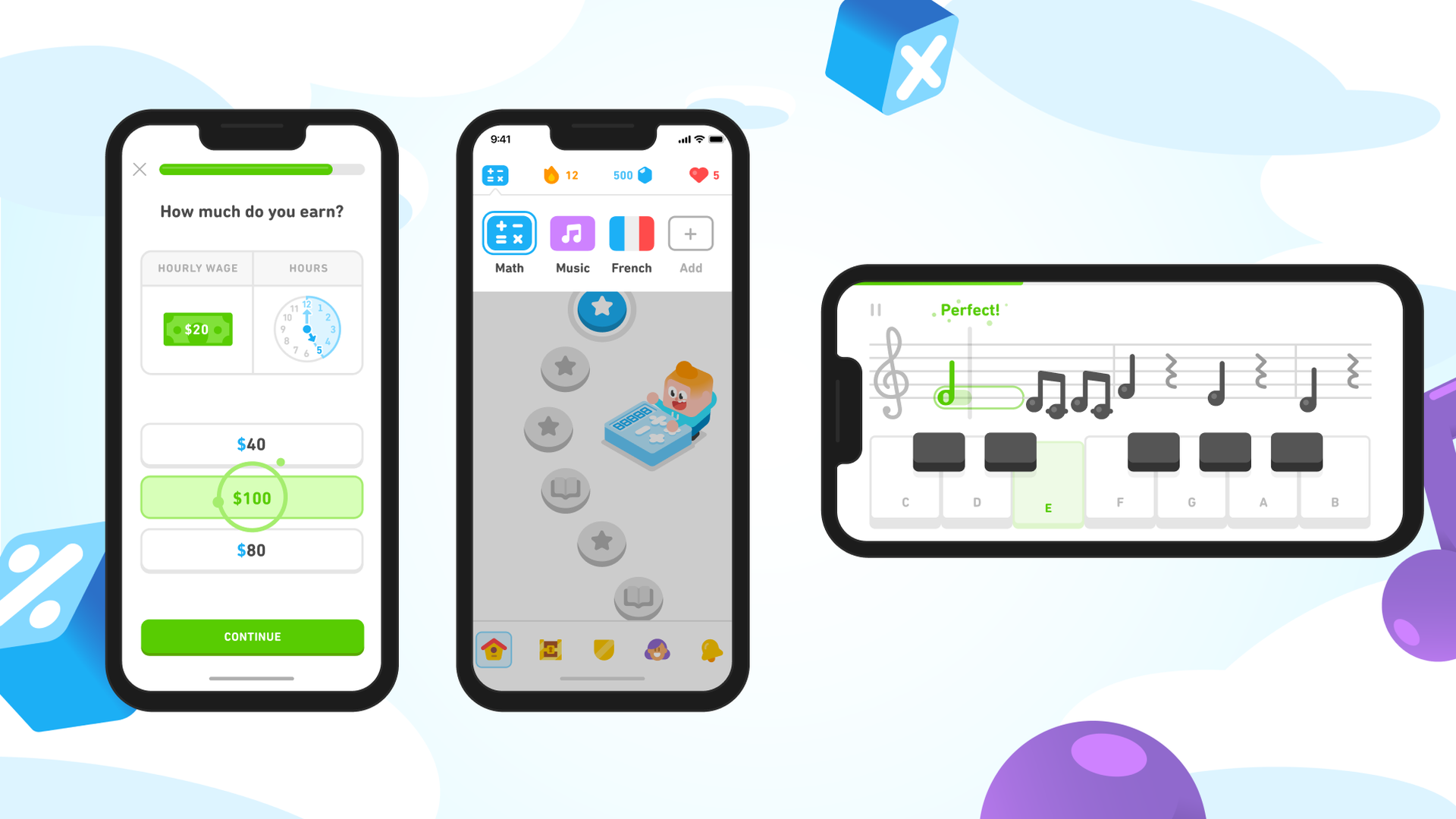
Duolingo will add hundreds of bite-sized music and math lessons to its app next month, the company announced Wednesday.
What's happening: After finding success by gamifying the process of learning languages, Duolingo is extending that model to two other areas: music and math.
The Federal Aviation Administration is clearing a regulatory path for drone operators to safely fly their aircraft over the horizon, without visual spotters.
Why it matters: It's a big step forward in the effort to safely integrate unmanned aircraft systems into the country's existing airspace.
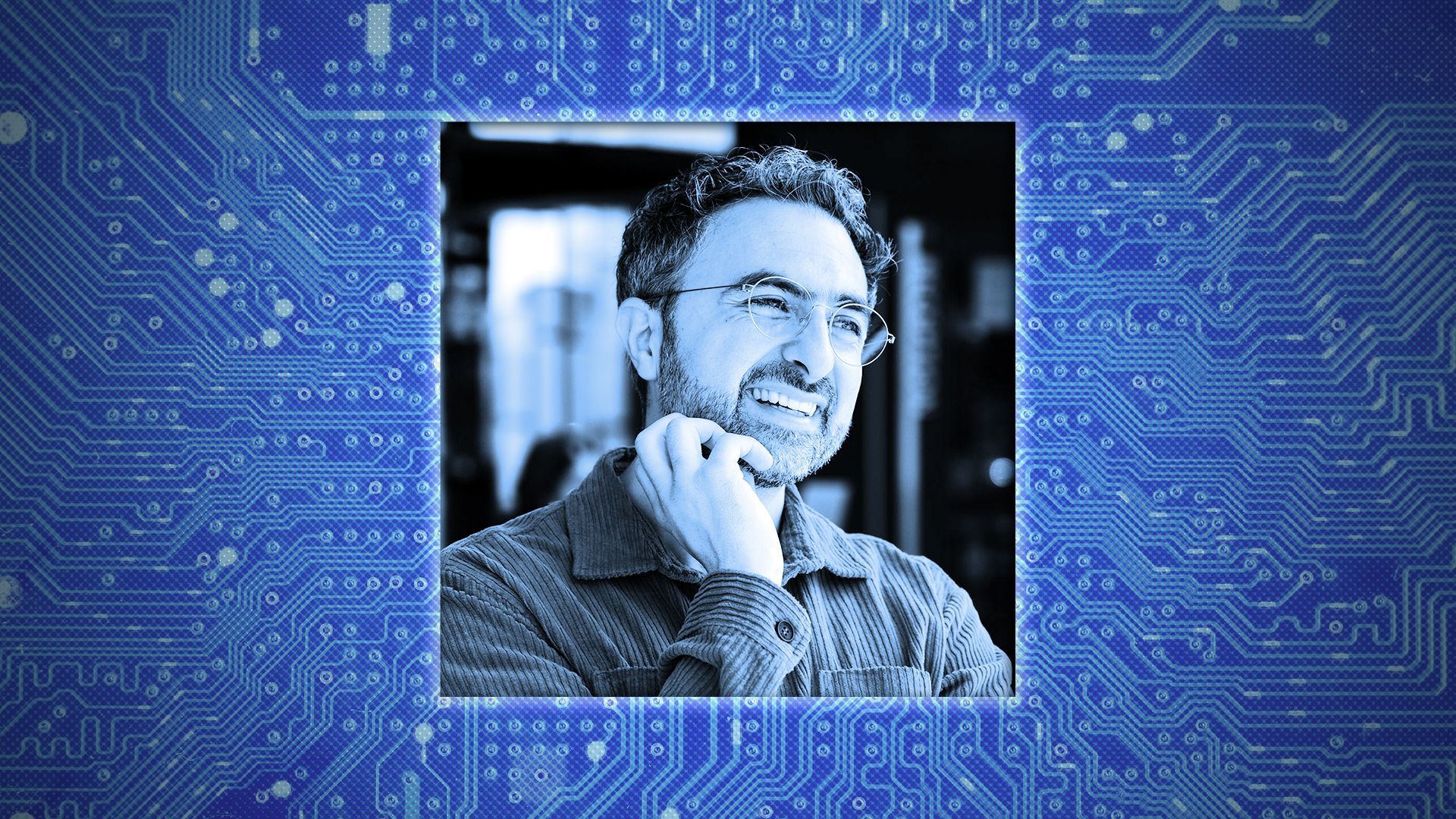
DeepMind co-founder Mustafa Suleyman — now CEO of Inflection AI — is on a mission to convince Silicon Valley and Washington that powerful AI systems should be licensed by government to ensure the survival of humanity.
Why it matters: AI needs to be "contained," Suleyman argues, lest it slip free from human control.