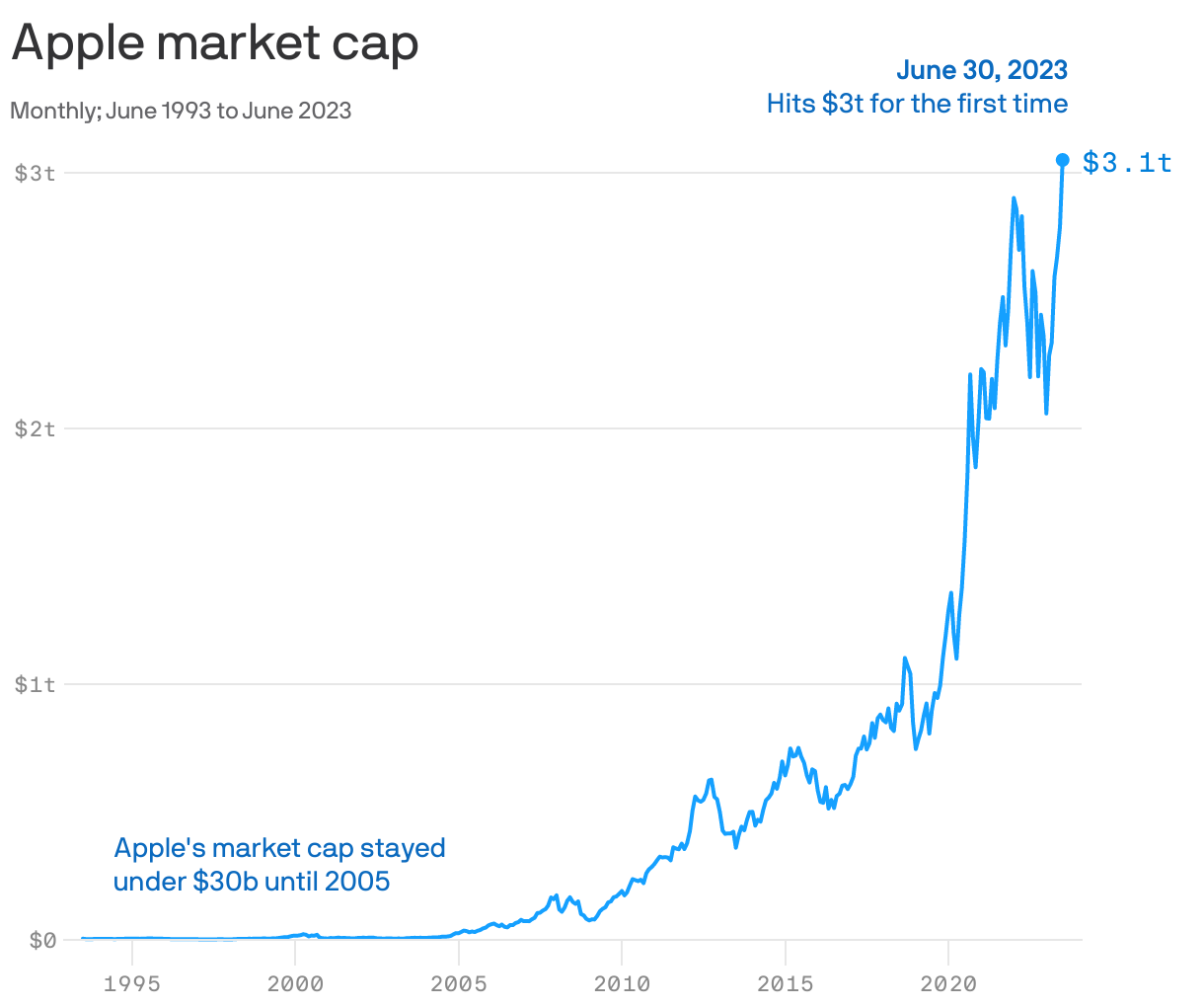
Apple closed the trading day Friday with a $3 trillion market cap — becoming the first company to reach the milestone.
Flashback: The iPhone maker became the first company to reach a $3 trillion market cap in intraday trading in January last year, but it failed to close at that level.
New data on Federal Reserve master account applications could show just how wary the Fed is of letting crypto into its club.
Why it matters: A Fed master account is the holy grail for crypto-touching firms to permit seamless transaction. But those firms argue there's no clear heuristic on who can get one, and who can't.
Data privacy laws in Colorado and Connecticut will go into effect Saturday.
Why it matters: If companies haven't finished their compliance work to abide by the rules, they could face civil penalties of up to $20,000 per violation in some states.
GitHub is betting a yearslong investment in generative AI will fulfill the software security dreams of cybersecurity practitioners and government officials.
Why it matters: Some of the most common network vulnerabilities exploited by malicious hackers result from insecure and outdated coding practices.
Chip giant Taiwan Semiconductor Manufacturing Co. told Axios in a statement Friday that one of its IT hardware suppliers is responding to cybersecurity incident that resulted in some leaked company data.
Driving the news: Late Thursday, the LockBit ransomware gang claimed it had hacked TSMC and demanded a $70 million ransom to keep them from publishing data stolen from the attack.
A tech sector job used to be a dream ticket, but now it may be a fast-track to stress and substance abuse, according to a survey of 500 tech leaders.
Why it matters: High salaries, stock options and office perks at tech companies are starting to take a back seat to job loss fears, long hours and other stresses.
While a federal judge mulls whether to hold up Microsoft's purchase of Activision Blizzard, the five-day hearing has already provided the equivalent of a cheat code for the inner workings of the game industry.
Why it matters: Gaming is a huge business, but many of its financial details are jealously guarded secrets: How much each title costs to produce and how much it makes, as well as the strategy that goes into making a game exclusive to one of the major consoles.
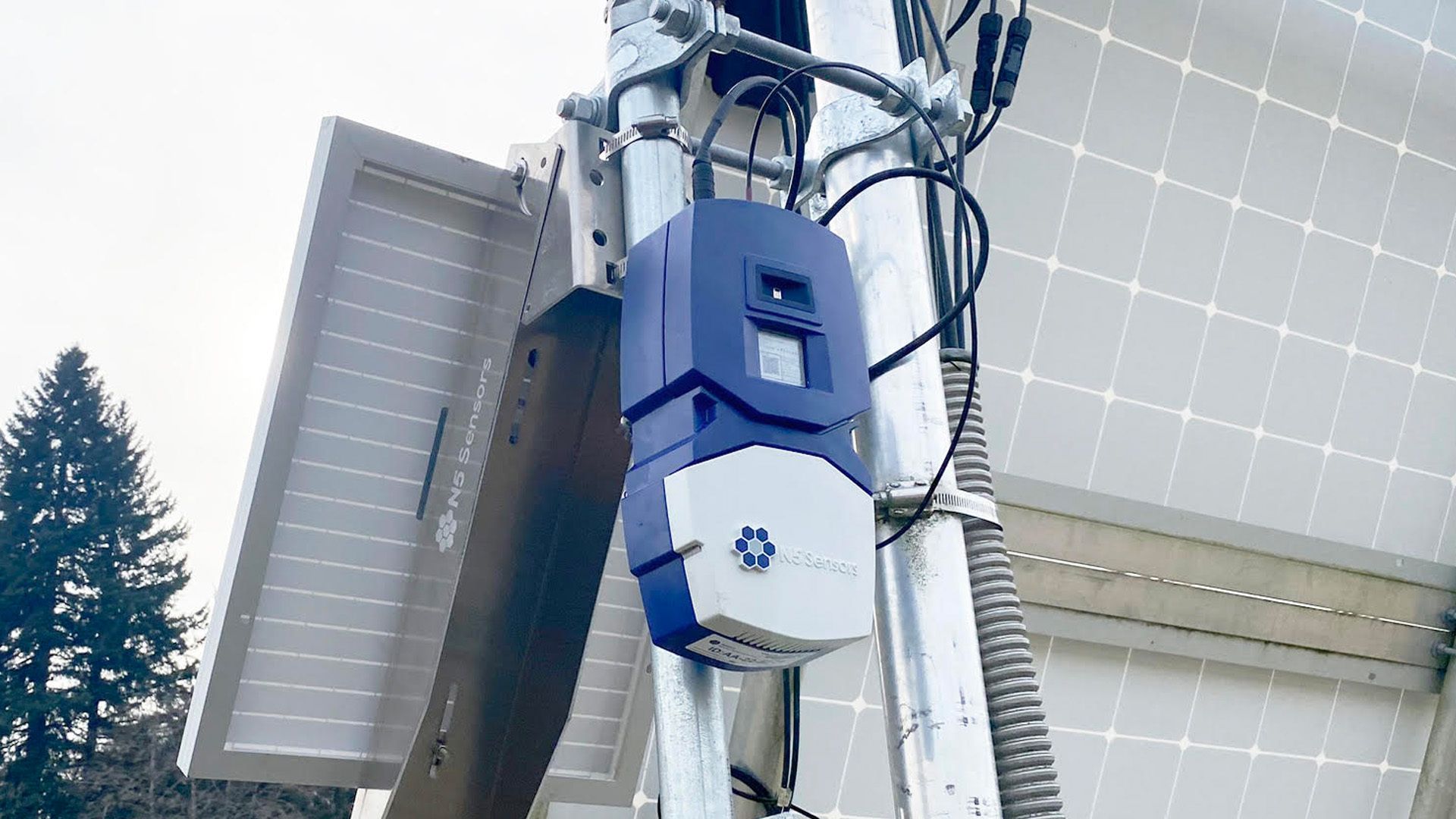
Small, low-cost sensors — about the size of a lunchbox and hung on light poles and elsewhere — are being tested in wildfire-prone communities as a potential new early warning tool.
The sensors "smell" the chemical components of a fire before it ignites, which drones, satellites and other visual surveillance safeguards cannot.
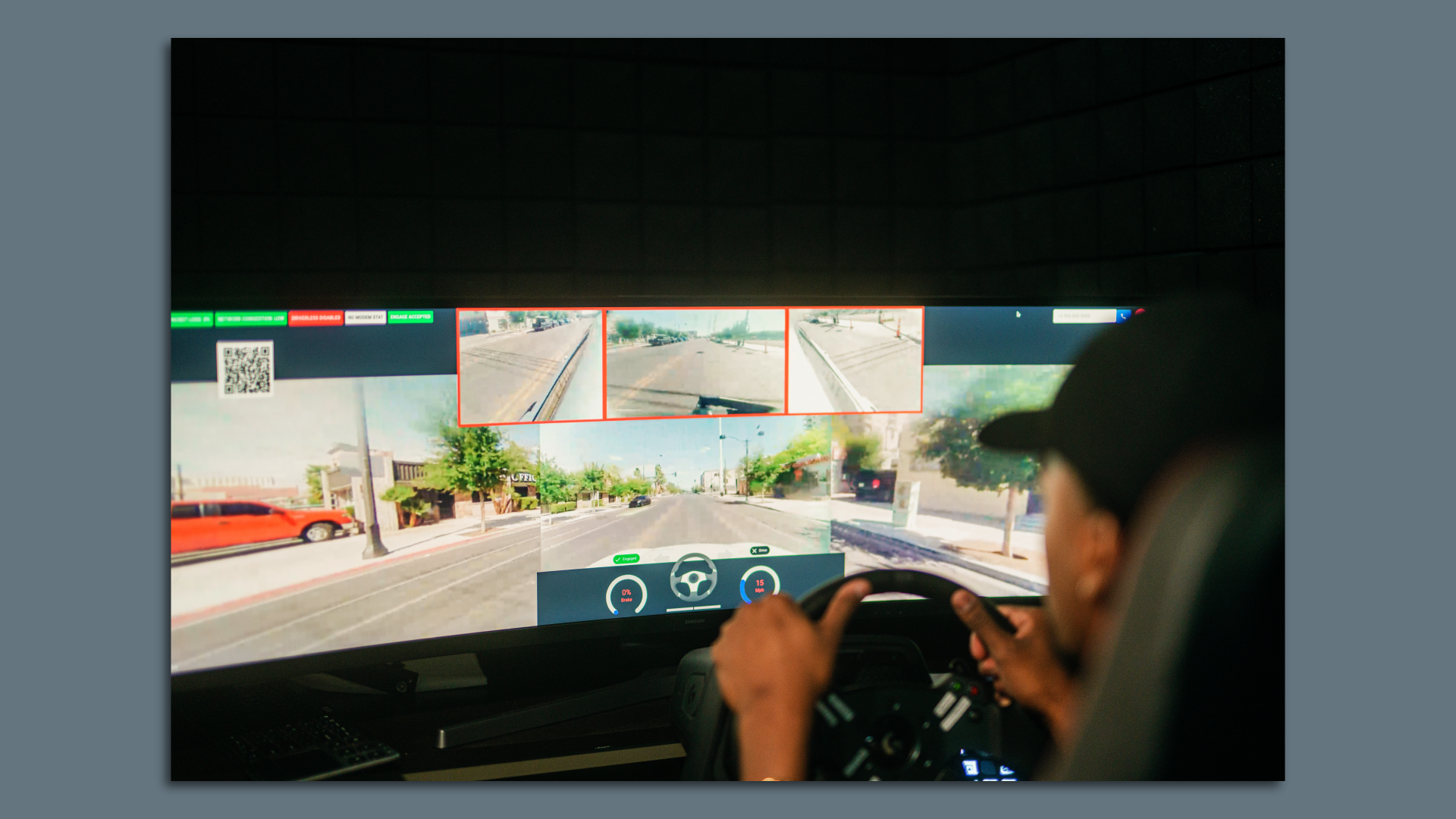
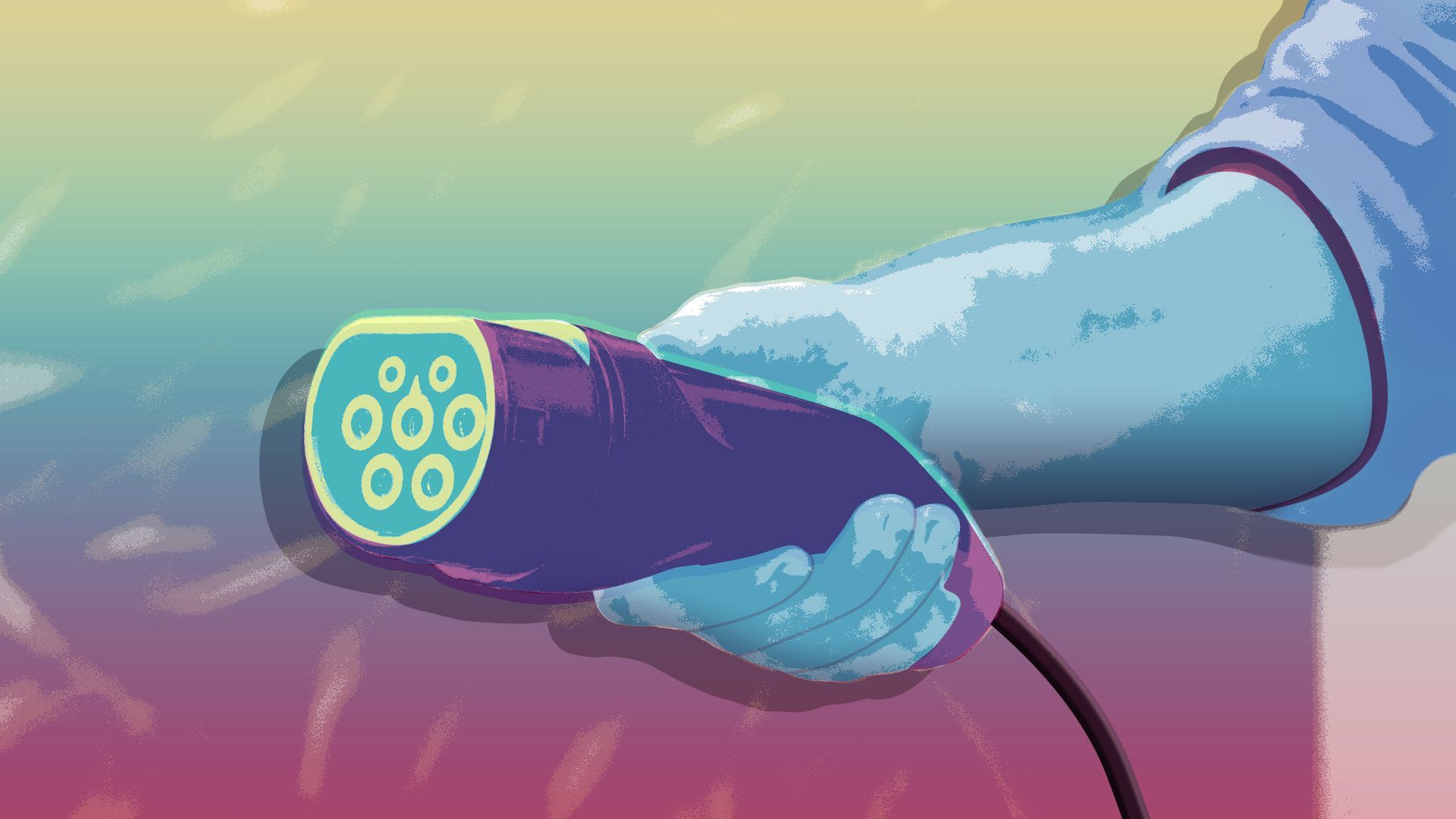
If you want to rent an electric vehicle (EV) in Las Vegas, now you can have one delivered to you remotely, without a driver.
Driving the news: Halo.Car, which has been testing remote delivery of on-demand electric cars in Las Vegas since 2022, says its technology is now robust enough to remove the backup safety driver from its vehicles.
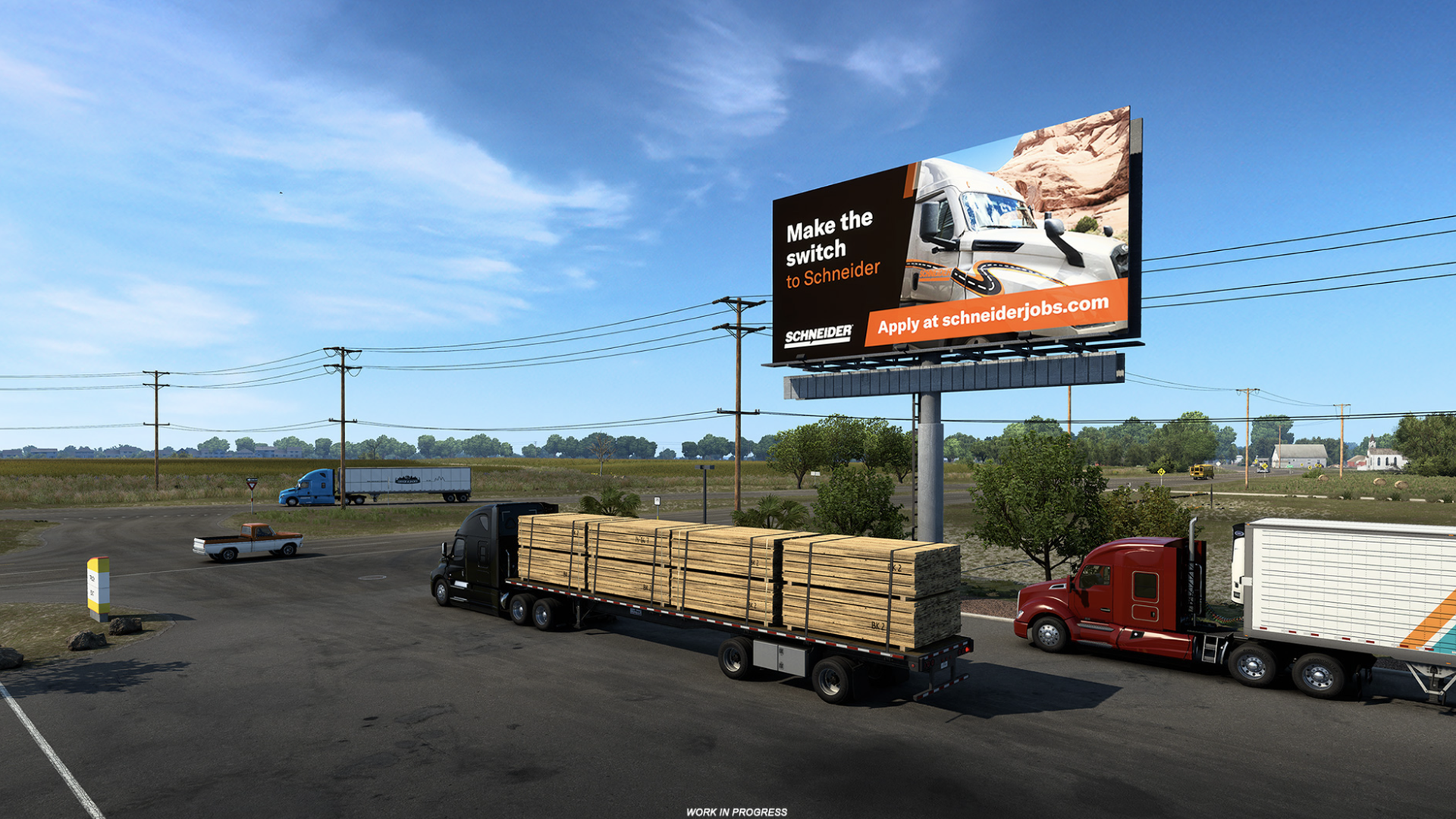
A major trucking company is advertising for long-haulers in a video game, with the theory that the game, American Truck Simulator, might breed good drivers.
Driving the news: Schneider National began running in-game ads across six in-game billboards in American Truck Simulator this spring.
The dip in chip stocks this week may be a preview of what’s to come.
Catch up fast: Shares of Nvidia and AMD briefly fell 3% yesterday after a WSJ report said that the Biden administration could tighten export rules for AI chips headed to China.
The U.S. has a key advantage over China as the two superpowers compete for supremacy in artificial intelligence: The most advanced chips used to train AI are designed in the U.S. and built with tools from allied countries.
Driving the news: The Biden administration is poised to expand its efforts to keep those highly advanced chips out of China, and thus keep Chinese AI firms behind the curve.
An excess of cautionabout kids’ experiences on PlayStation is the reason for Roblox’s absence from the platform, PlayStation chief Jim Ryan told investors in early 2022, according to yet another exhibit from the FTC trial.
Why it matters: Roblox, a platform on which users create their own games that others can start playing for free, is available and popular on phones, computers and Microsoft’s Xbox, but it’s not on PlayStation.
A little car-sharing service in Vienna, Austria, announced that it had tokenized part of its fleet of over 200 Tesla cars.
Why it matters: By tokenizing ownership of the fleet, the firm can distribute revenue to the co-owners as it comes in, providing real revenue to a blockchain token.
Sony’s 2022 PS4 and PS5 blockbuster Horizon Forbidden West cost $212 million to develop over a five-year period, and its 2020 hit The Last Of Us Part II cost around $220 million to make.
What's happening: Those normally closely held figures came to light via a poorly redacted legal filing that’s part of the FTC’s lawsuit to block Microsoft’s bid for Activision.
Snapchat on Thursday will announce that its subscription service, Snapchat+, has reached 4 million paid subscribers in its first year, executives told Axios.
Why it matters: Getting users to pay for social media services that they've grown accustomed to getting for free is not easy.
Meta on Thursday revealed a sweeping set of policies and explainers about the use of artificial intelligence in its products and algorithms.
Why it matters: The tech giant has spent years trying to convince critics that it takes issues like data privacy and misinformation seriously, even when it was slow to act. Now, Meta appears focused on addressing concerns about AI sooner rather than later.
As companies rush AI-powered products and services to market,some non-profits and safety-focused companies are pushing to slow them down in higher-risk use cases such as health care.
Why it matters: Since faulty AI can be a matter of life and death in health settings, healthcare providers need support in building, buying and using the technology safely.







/2023/06/28/1687974863441.gif?w=3840)














/2023/06/28/1687981372729.gif?w=3840)