The electric aircraft of tomorrow are finally being built, albeit slowly, as the makers of innovative air taxis prepare to write aviation's next chapter.
Why it matters:These "flying taxis" could change the way people and goods move around, but only if such aircraft can be mass-produced in a cost-effective way.
Using a revolutionary new AI-powered method, researchers are mining old insurance maps to visually reconstruct "ghost" neighborhoods — with promising results.
Why it matters: The process could help with efforts to better estimate the economic loss caused by the demolition of historically diverse neighborhoods nationwide.
Robert Leshner, the creator of decentralized finance's standard-bearing lending application, Compound, has moved on from the startup to launch a very boring mutual fund.
Very boring, that is, with a hint of blockchain.
Why it matters: If his new product is approved, it would give the crypto rich and blockchain native funds a way to access the strong returns on government debt right now without changing their approach to portfolio management.
When the U.S. began shipping missiles to Ukraine last year, the defense community believed new supply could be spun up with relative ease. But that faith was misplaced, leading to missile stockpile shortages and an unexpected merger.
Why it matters: What's now a supply chain glitch could become a national security nightmare were the U.S. to be drawn into a larger war, in Ukraine or somewhere else.
More than half of Americans say they have experienced hate or harassment online, according to a new survey from the Anti-Defamation League, with a dramatic rise in incidents over the last 12 months, especially among teens.
Why it matters: Experts say what happens online is causing significant real-world harm and also keeping large numbers of people from fully participating in an increasingly digital society.
The race to lead in AI is spurring a fresh wave of corporate acquisitions and investments as tech companies seek to show customers they aren't sleeping on the red-hot technology.
Why it matters: AI is poised to reshape many industries, and the pressure is on CEOs to prove they have an AI strategy.
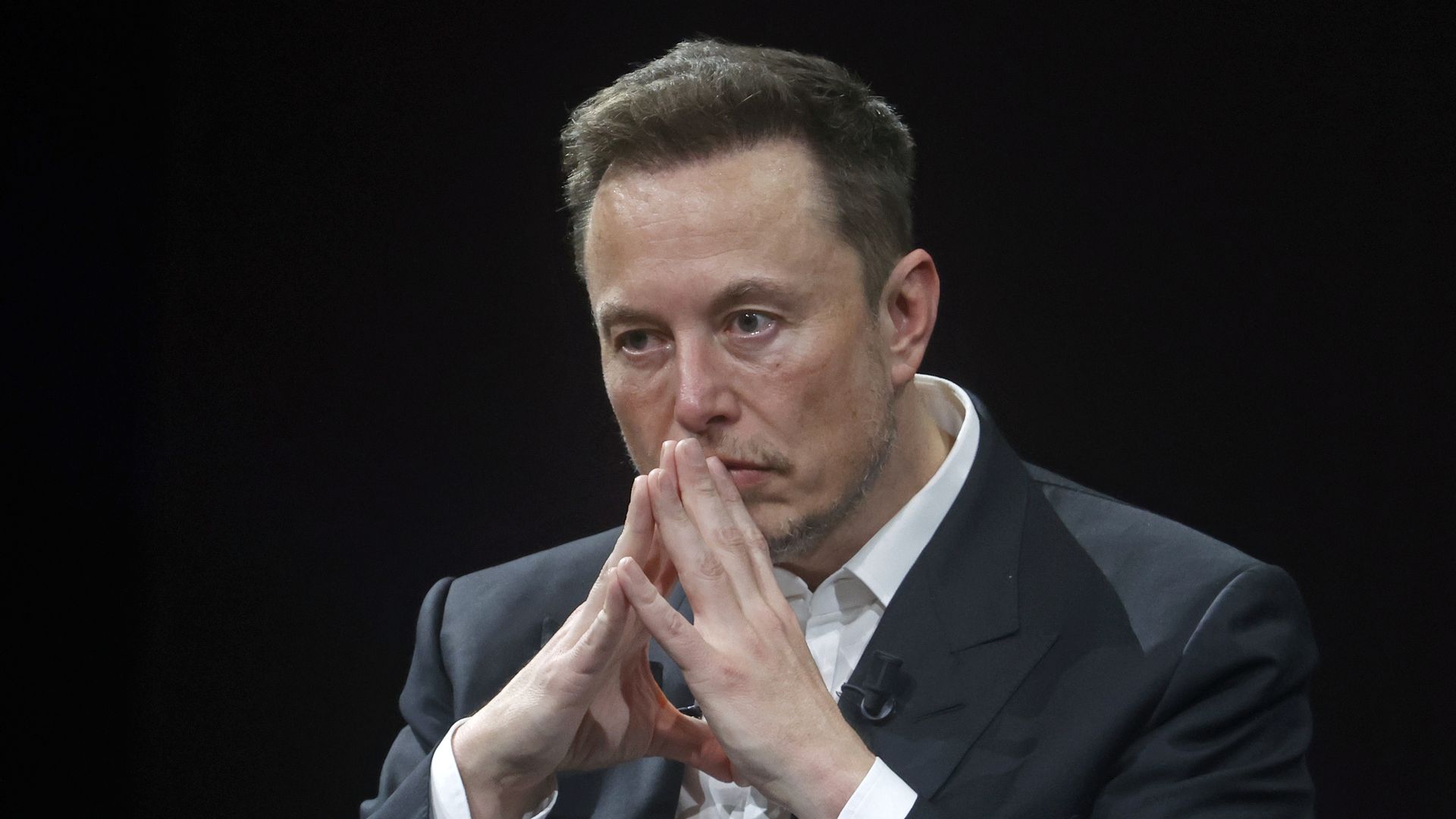
Latinos don't think much of Tesla CEO and Twitter owner Elon Musk, according to an exclusive Axios-Ipsos Latino poll in partnership with Noticias Telemundo.
Why it matters: Hispanics are among the fastest-growing consumers in the U.S. and are avid social media users, which could spell trouble for Musk if they continue to shun his electric vehicles or flee Twitter.
School IT leaders are revisiting their cybersecurity strategies after trying — and sometimes failing — to fend off a wave of ransomware attacks this past school year.
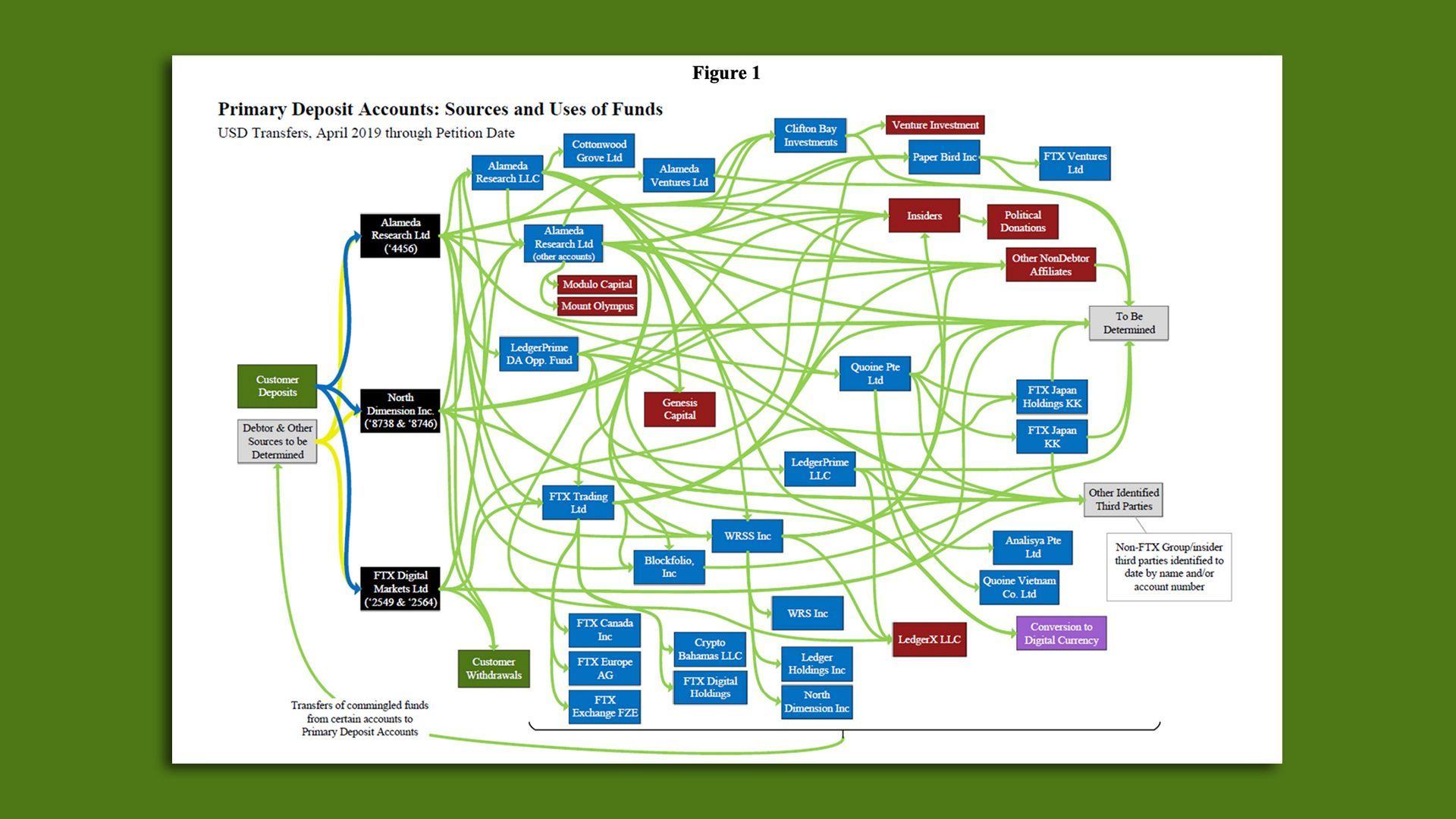
FTX's new management has provided more details on the alleged misuse of FTX customer funds by FTX, Alameda Research and related entities.
Why it matters: Most FTX watchers already believe claims that the firm made use of funds deposited by users of the FTX exchange, but allegations made in this report would confirm that more directly than we've previously seen and shed considerable light on various aspects.
Sports betting is booming in the U.S., with more than $220 billion wagered since the Supreme Court's landmark legalization decision, and now is the subject of an escalating merger battle between the industry's number two player and a well-heeled newbie.
Driving the news: DraftKings made a $195 million nonbinding offer to buy the U.S. assets of Australian bookmaker PointsBet Holdings, topping an existing $150 million agreement with Fanatics.
Thomson Reuters has agreed to buy Casetext, a San Francisco-based AI assistant for lawyers, for $650 million in cash.
Why it matters: The only thing hotter than funding AI startups may be acquiring AI startups, with this deal coming one day after Databricks agreed to buy MosaicML for $1.3 billion in stock.
Immigrants to the United States have played a large part in founding AI companies and studying in AI fields, per a new study from the National Foundation for American Policy shared exclusively with Axios.
Why it matters: As the generative AI boom reshapes the U.S.'s tech job market, the industry is already strapped for talent and constantly pushing for immigration policies that bring in more workers from abroad.















/2023/06/27/1687878564036.gif?w=3840)