Lobbyists for Rupert Murdoch's media companies are appealing to House Republicans to support antitrust bills meant to restrain Big Tech companies, sources tell Axios.
The big picture: Murdoch's media businesses have aggressively positioned themselves in opposition to the power of tech companies like Facebook and Google.
Gaming auteur Hideo Kojima says he is reconsidering his creative process in the wake of the coronavirus pandemic.
Why it matters: Kojima is hailed as a major (albeit often strange) creative force in games. His latest game, "Death Stranding," was an eccentric sci-fi tale about human connection in a ruined world.
A gameplay trailer for "Elden Ring,"the hugely hyped dark fantasy game made in collaboration with "A Game of Thrones" author George R.R. Martin, closed today's first big showcase of this year's E3 gaming hype season.
Why it matters: It's the latest high-profile game in a long tradition of titles that are announced and vanish for years with no updates.
Federal authorities this week announced they successfully traced and recovered most of the bitcoin that had been paid by Colonial Pipeline to a ransomware gang called DarkSide, following the May hack that shut off gas supplies to much of the East Coast.
Axios Re:Cap digs into the battle between law enforcement and crypto hackers, including how ransomware has become a global industry of its own, with Gurvais Grigg, a 23-year FBI veteran who now serves as public sector CTO at crypto firm Chainalysis.
Microsoft will offer access to Xbox games across an increasingly broad range of devices, including smart TVs and iPhones, company executives said this week during press briefings about its gaming business.
The big picture: Long a major player in the console market with Xbox, Microsoft is drifting away from a dependency on physical hardware, arguing that its path to success is about streaming.
Besting China is one of the very few goals that Democrats and Republicans in Washington can agree on — as a new White House executive order and Senate passage of a new $200 billion bill, both targeting China's tech industry, show.
Yes, but: Where the Trump administration took an impulsive and haphazard approach to banning Chinese companies and products, President Biden is approaching the China rivalry in a more systematic and process-oriented way.
During the pandemic, ridership of mass transit pretty much collapsed. Now, as the country reopens, transportation experts are hoping that commuters will come back. But what if they don’t?
Plus, the uptick in trans murders in the U.S.
And, President Biden reverses the Trump administration's attempted ban on TikTok.
JBS USA on Thursday announced it had paid hackers "the equivalent of $11 million in ransom" to resolve a cyberattack that forced the meat company to shut down.
State of play: The payment was made in bitcoin, per the Wall Street Journal. The company said it made the decision to pay the ransom after consulting with "internal IT professionals and third-party cybersecurity experts."
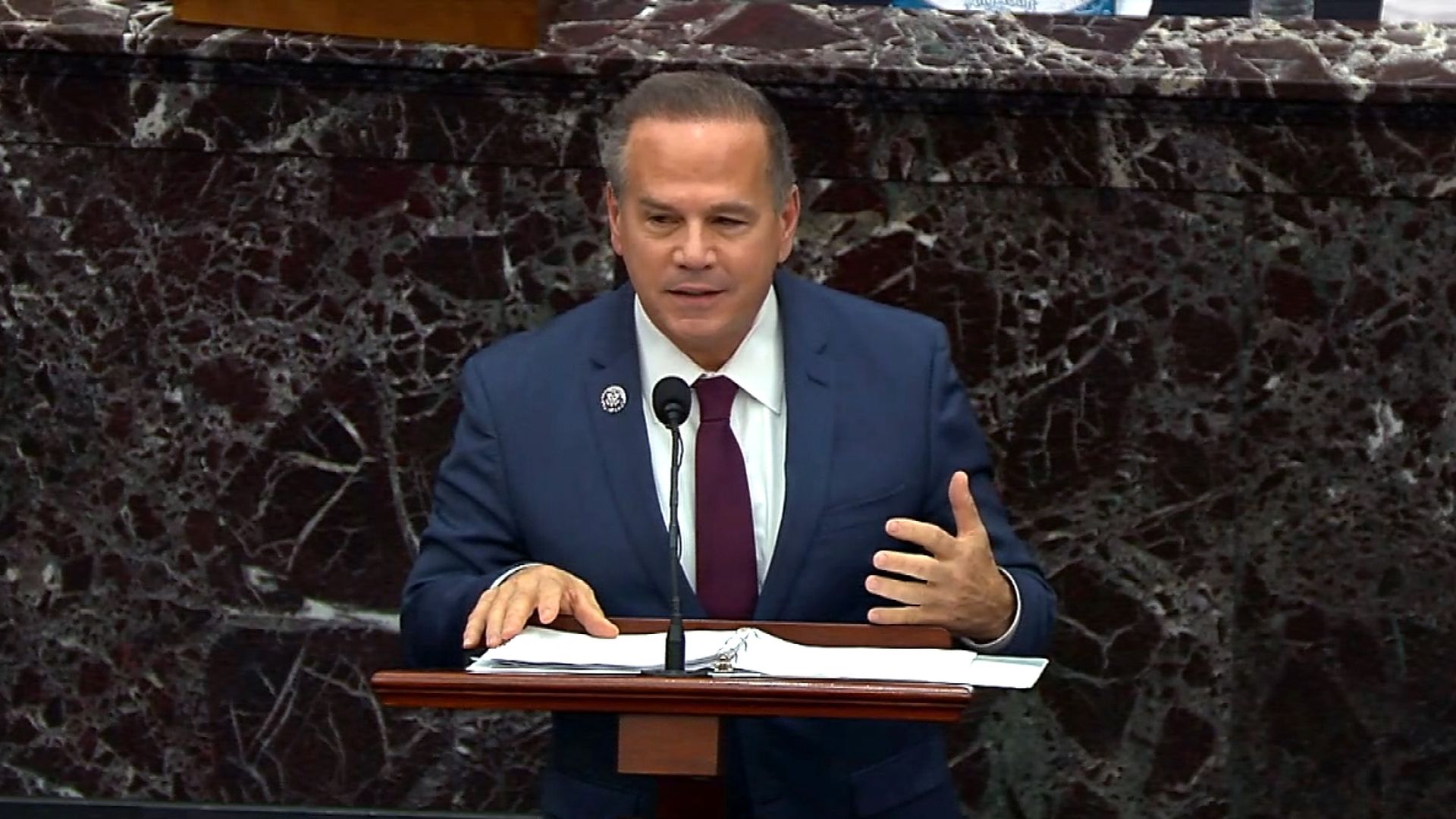
Drafts of bills about tech competition and antitrust, likely to be introduced by leaders of the House Judiciary antitrust subcommittee soon, are circulating among Washington policy circles.
Why it matters: When the bills are formally introduced, it will be the next step in the subcommittee's antitrust investigation, which last year resulted in a sweeping report (along with a separate report from ranking antitrust member Rep. Ken Buck of Colorado) recommending changes to antitrust law to better keep up with the digital age.
Electronic Arts unveiled its next "Battlefield" game Wednesday, as it aims to compete more effectively with Activision’s seemingly unstoppable "Call of Duty."
Why it matters: Multiplayer shooter games, fueled by "Call of Duty," "Fortnite" and more, constitute one of the most lucrative markets in gaming.
Ubisoft will take a "hybrid" approach as it prepares for developers to return to the office, according to a teamwide message shared by chief people officer Anika Grant.
The big picture: A year of working from home has changed the way we think about offices.
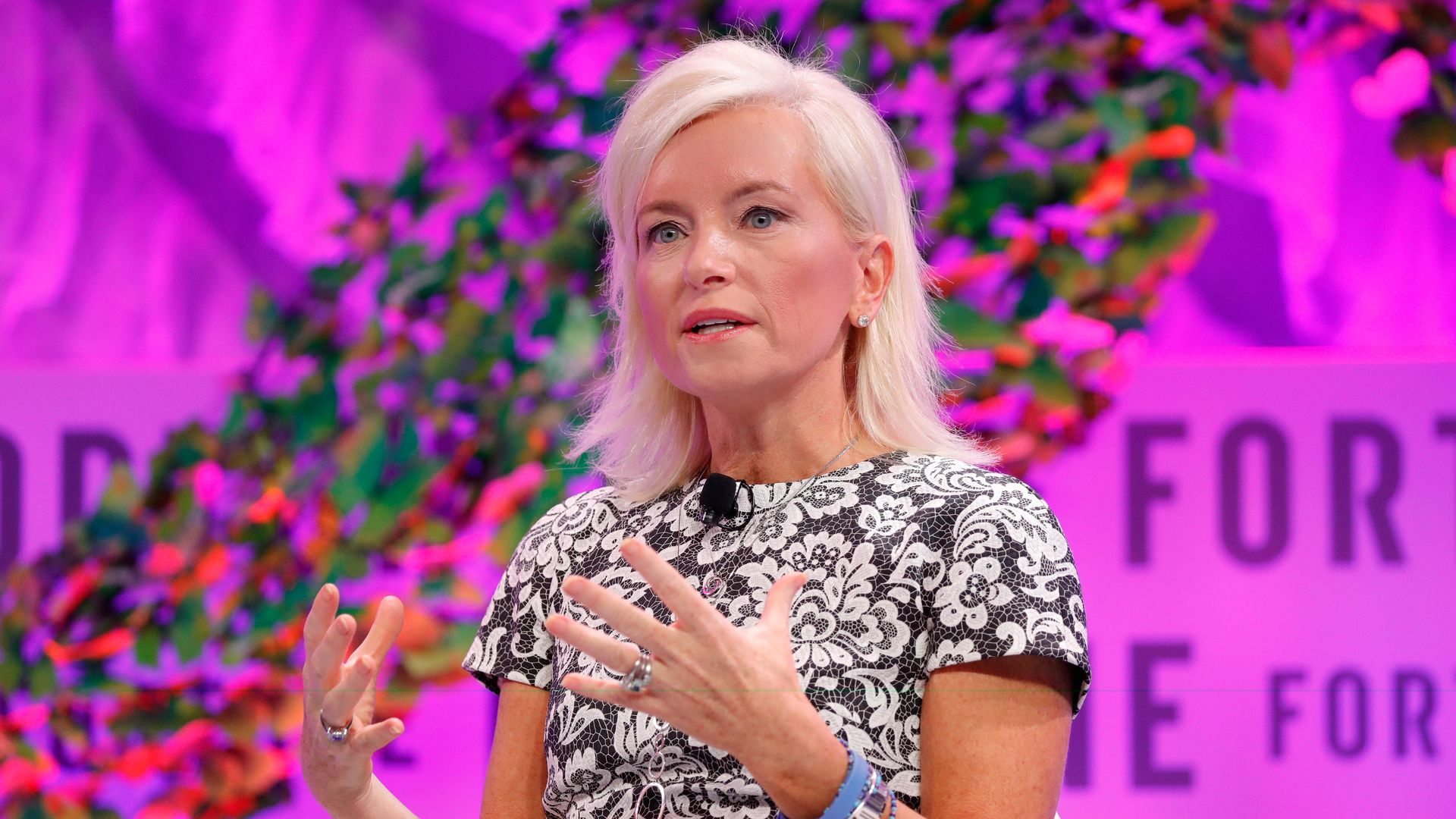
Carolyn Everson, Facebook's longtime head of global ad sales, has left the company, Axios has confirmed.
Why it matters: Everson led Facebook through years of record ad growth, but also through intense scrutiny around Facebook's role in promoting nefarious content.
President Biden signed an executive order Wednesday on ensuring the security of American user data in regard to foreign-owned apps such as TikTok, revoking and replacing three Trump-era executive orders to impose a more structured "criteria-based decision framework" for potential bans.
Driving the news: It's the latest in a series of China-related steps Biden is taking ahead of his first overseas trip to Europe, where curtailing Beijing's abuses will be a top agenda item in meetings with G7 and NATO leaders.
Fastly, the popular content delivery network (CDN) hit by a global internet outage Tuesday, chalked the episode up in a blog post Tuesday to a software bug triggered by a customer changing their settings.
The state of play: Fastly's outage caused a slew of popular websites — including The New York Times, CNN, Reddit, Spotify, Twitch, GitHub, gov.uk, Hulu, HBO Max, PayPal, Vimeo, Shopify — to crash.
Scientific journals are easy targets of automated software that post links to social media, often with misinformation, according to a study published by JAMA Internal Medicine.
Why it matters: Automated disinformation campaigns that harness legitimate scientific research could further erode the public's understanding and trust in science, particularly around COVID-19.
Today, most users know the EU's General Data Protection Regulation chiefly through the pain of having to click a box about cookie policies on every new website they visit.
Yes, but: Privacy experts tell Axios the EU's rules governing how corporations manage people's online data have had deeper impacts in three areas: company behavior, people's expectations and knowledge of how their data will be treated, and adoption by other nations and regions.
Businesses forced to comply with a patchwork of state and global privacy rules have turned what was once a cottage industry focused on data and privacy into a multi-billion-dollar sector.
Why it matters: As COVID-19 pushed consumers online in droves, companies — from Fortune 500 firms to the corner coffee shop — had to grapple with how to legally handle personal data. The privacy-tech companies who know how to do it have been raking in the cash.
The federal government's failure to craft a national privacy law has left it to be squeezed on the issue by the EU on one side and California on the other.
Why it matters: Companies are stuck trying to navigate the maze of EU and state laws, while legislators in Washington have no choice but to use those laws as de facto standards.
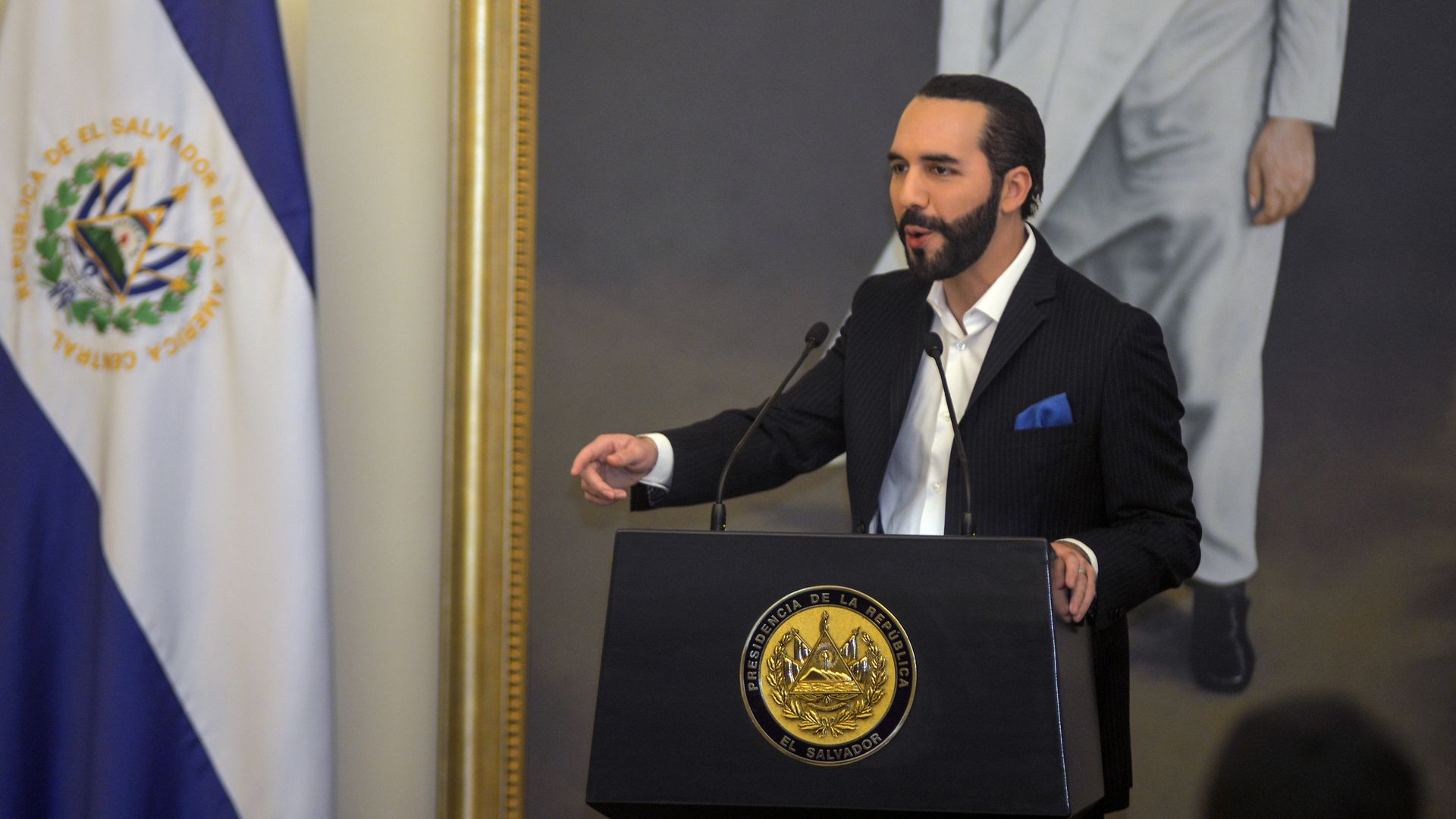
El Salvador's legislature voted early Wednesday to make bitcoin legal tender.
Why it matters: El Salvador will become the first country to formally adopt the digital currency once President Nayib Bukele signs the legislation into law.




















/2021/06/09/1623234249898.gif?w=3840)