Two of gaming’s biggest companies are creating a game together for the third time in five years with a Switch sequel, “Mario + Rabbids Sparks of Hope.”
Why it matters: Nintendo rarely lets other companies work with its characters, making its continued partnerships with Ubisoft a rare sign of trust.
Axios What's Next, our new weekday newsletter will be your guide to the waves of change in how we work, play and get around. This Axios AM Deep Dive gives you a taste of what we have in store...
In the wake of COVID, the gaming industry is struggling to adapt its established in-person events to match the current needs — and technology — of the world.
Driving the news: E3 is gaming's biggest event, but its venture into the digital space has been rough.
Telecom powerhouses won a victory in New York on Friday when a federal court barred the state from enforcing a new affordable broadband program that would require them to provide $15 internet service.
Why it matters: The court order sends a signal to other states that they will face an uphill legal battle if they copy New York's first-in-the nation law.
Jim Ryan, Sony's head of PlayStation, wants people to know that he doesn't hate old video games.
Why it matters: A dismissive quote about older PlayStation games has dogged Ryan for years and been used to boost theories as to why Sony has not supported its back catalog of games as well as rivals Microsoft and Nintendo.
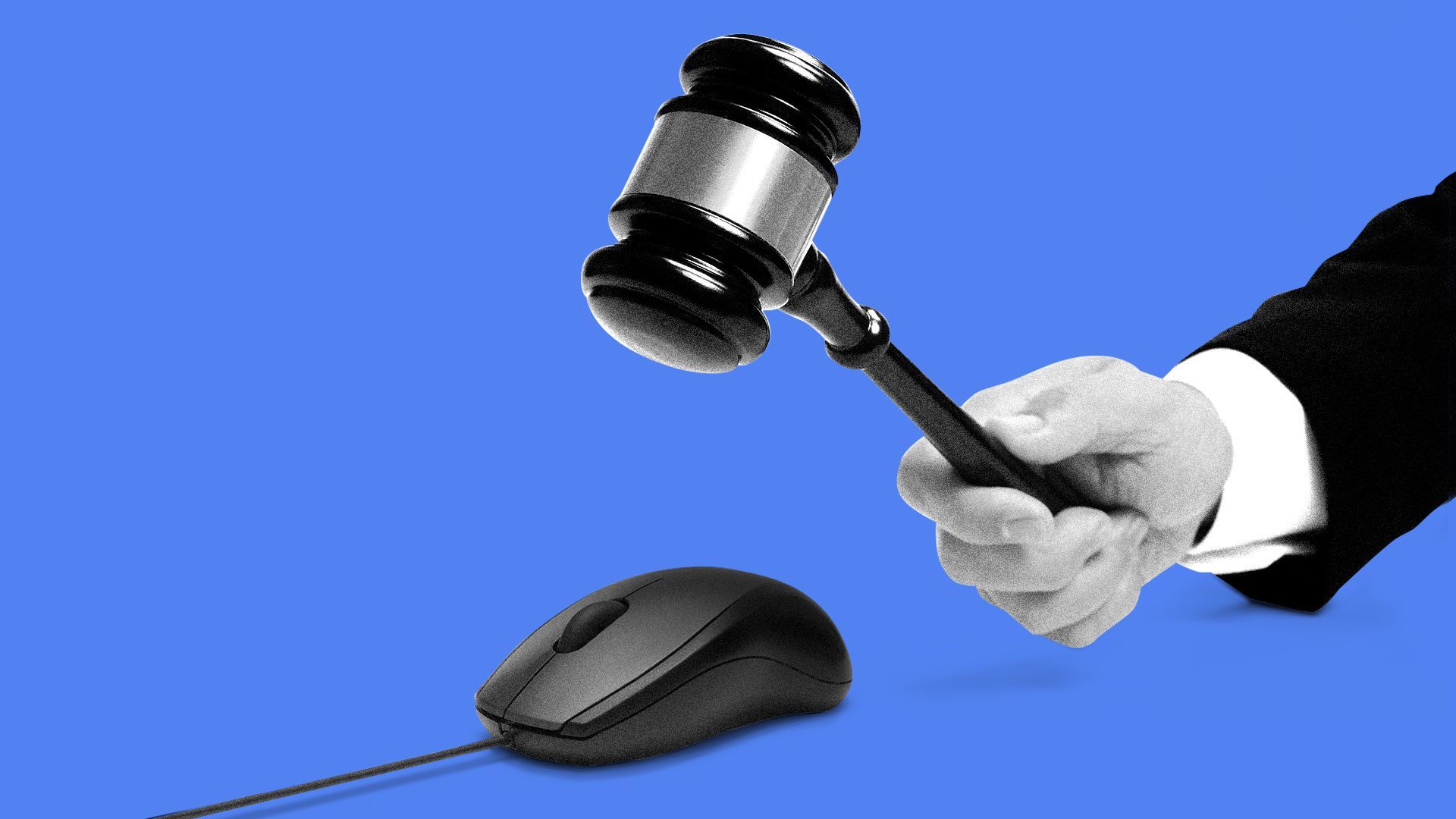
Lawmakers on Friday debuted bipartisan bills that could fundamentally change how Big Tech does business in the U.S.
Driving the news: If passed, the bills could force Apple to change how it runs its app store, break apart Amazon's control of its marketplace and halt Facebook and Google from buying smaller rivals in an effort to remake the online ecosystem.
PlayStation’s competition goes far beyond its gaming rivals, Sony’s head of PlayStation Jim Ryan told Axios.
Why it matters: With entertainment converging on every screen imaginable, old distinctions between the business of games, movies, streaming and even social media are becoming less relevant.
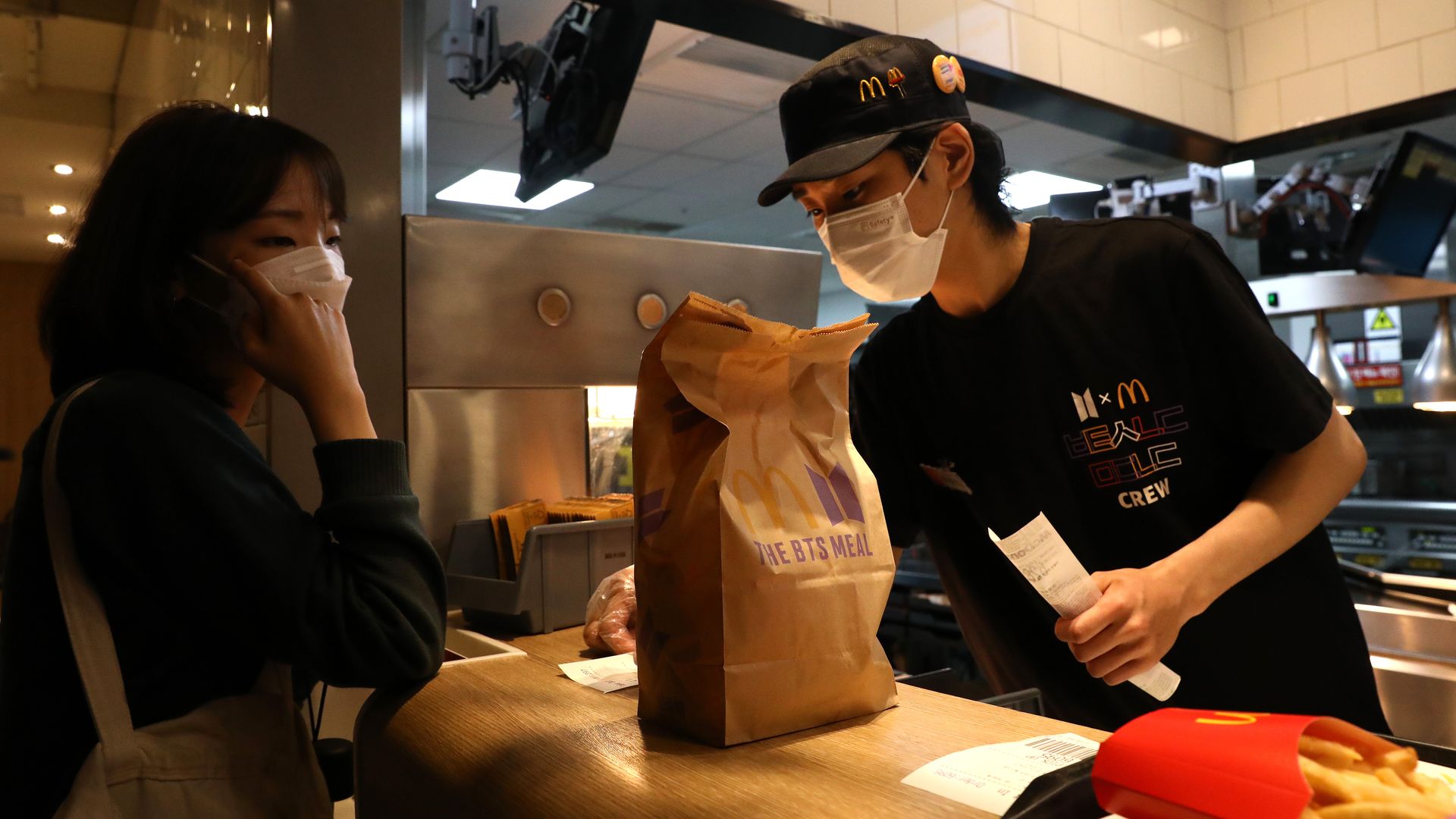
Hackers stole data, including customer emails, phone numbers and addresses, from McDonald’s computer systems in the U.S., South Korea and Taiwan, according to the Wall Street Journal.
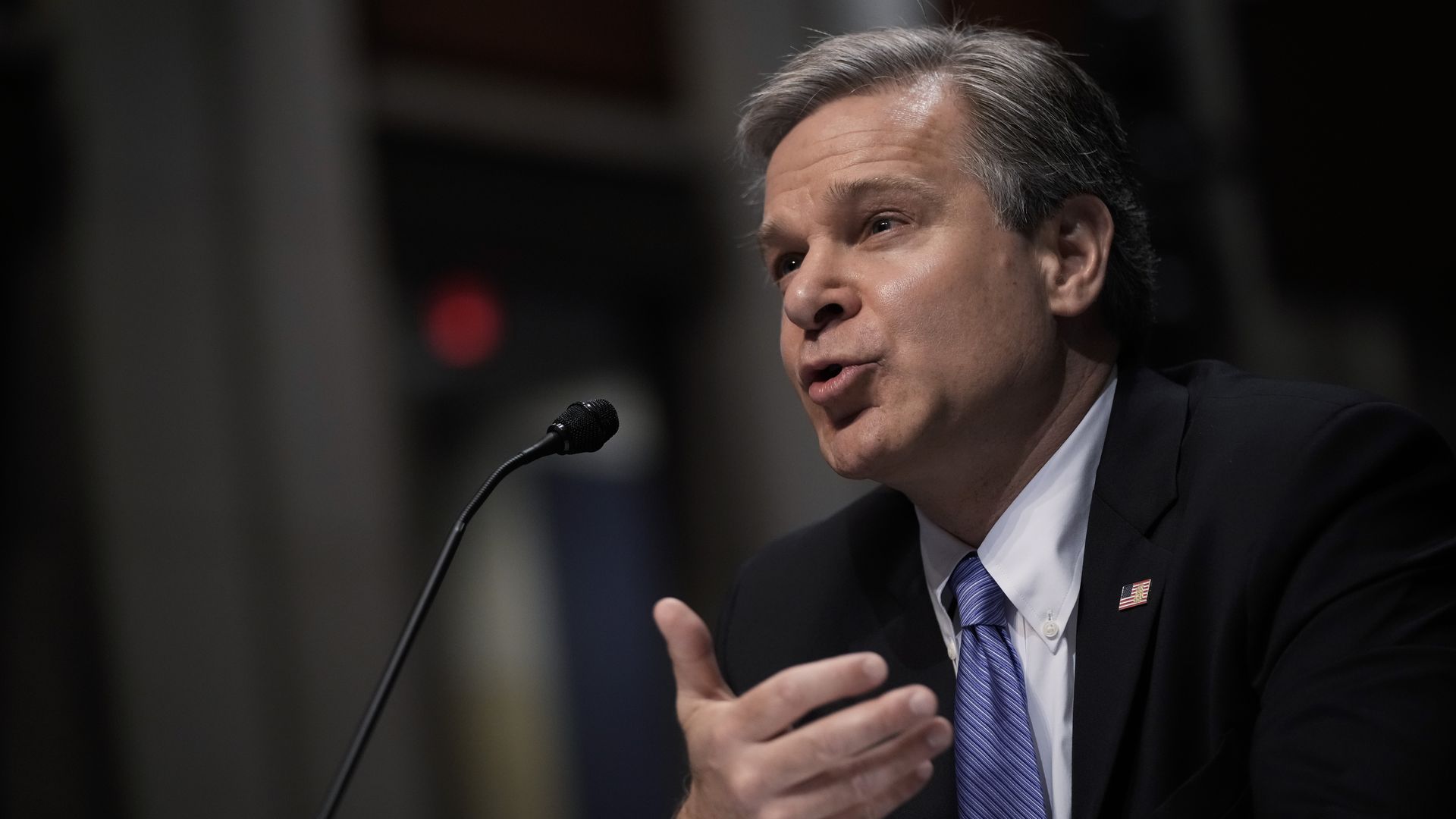
Why it matters: It's the latest cyber attack against a major U.S.-based corporation, with the news breaking a day after FBI Director Christopher Wray warned Congress that "the cyber threat is increasing almost exponentially."
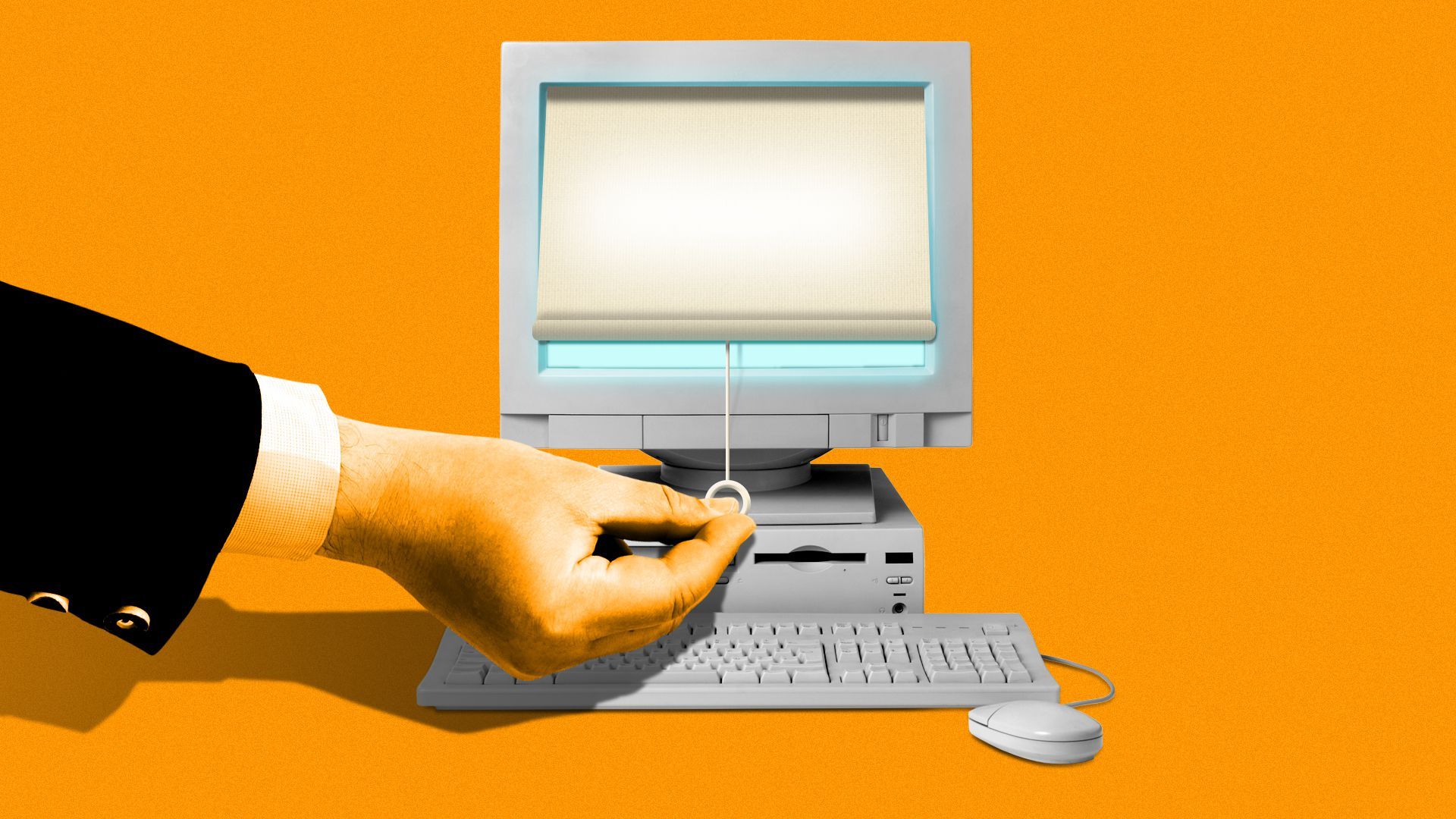
Profit-driven cyberattacks are becoming frighteningly routine, with more and more industries facing the threat of having their vital information stolen and little recourse beyond paying a ransom.
Why it matters: Such attacks may be motivated by profit, but as recent events have shown, can cause significant disruption to vital industries.
Amazon on Thursday said it was adjusting its policy on remote work, after earlier indicating it planned to return to an office-first culture as the pandemic eases. Under the new guidance, Amazon says most office workers will need to come in just three days per week, with further leniency possible.
The big picture: Some tech companies, including Twitter and Square, are offering workers the ability to remain fully remote, while even office-centric companies like Apple and Amazon, are recognizing the need for flexibility.
Amazon and peers eBay and Etsy are waging a lobbying war to scuttle bills pushed by brick-and-mortar retailers who want to require their online rivals to disclose more information about third-party sellers.
Why it matters: Online shopping became a lifeline for consumers and businesses during the pandemic, and lawmakers say that makes fighting online fraud and theft even more important.