Friday's technology stories

Understanding a world in upheaval
Rarely has the world witnessed so much unsettling change so fast in so many nations for so many reasons.
- A torrential decade has unleashed massive financial, political and technological crises, crises of trust, truth and untethered populations.
- People are irate and balkanized, and provocateurs, itching to make them more so, keep stirring the pot.
Why it matters: Never in recent memory has the danger of some imminent, undefined catastrophe felt so genuinely palpable.

The Reality of the Artificial
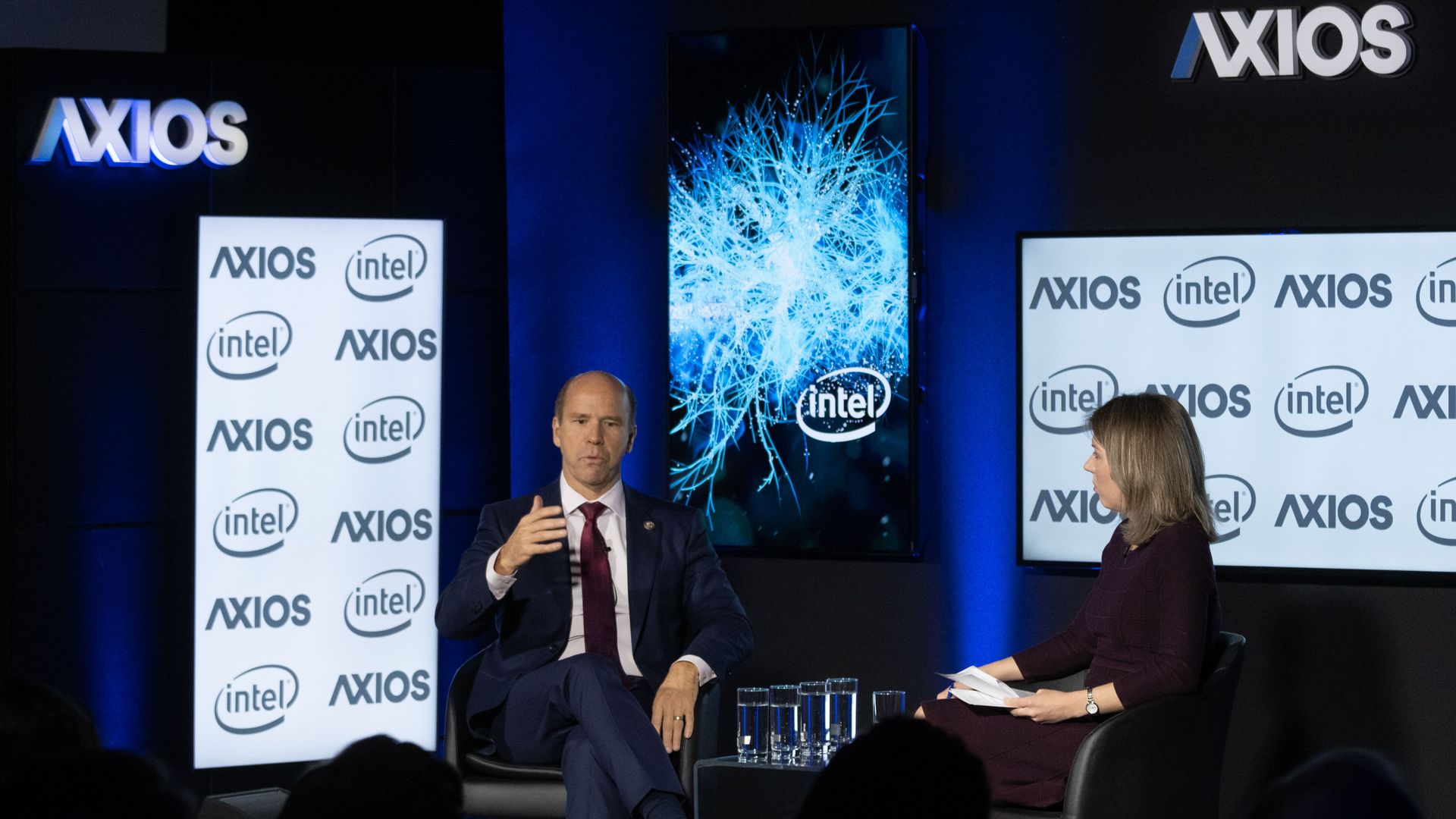
Thursday morning, Axios Managing Editor Kim Hart hosted a conversation with some of the Hill's leading voices on AI, digging into how this new technology is poised to change our jobs, economy, and lives.
Why it matters: Kim heard how these leaders are thinking about and approaching AI from a policy perspective, with all of them advocating for the American people to embrace, rather than fear, this rapidly advancing technology.
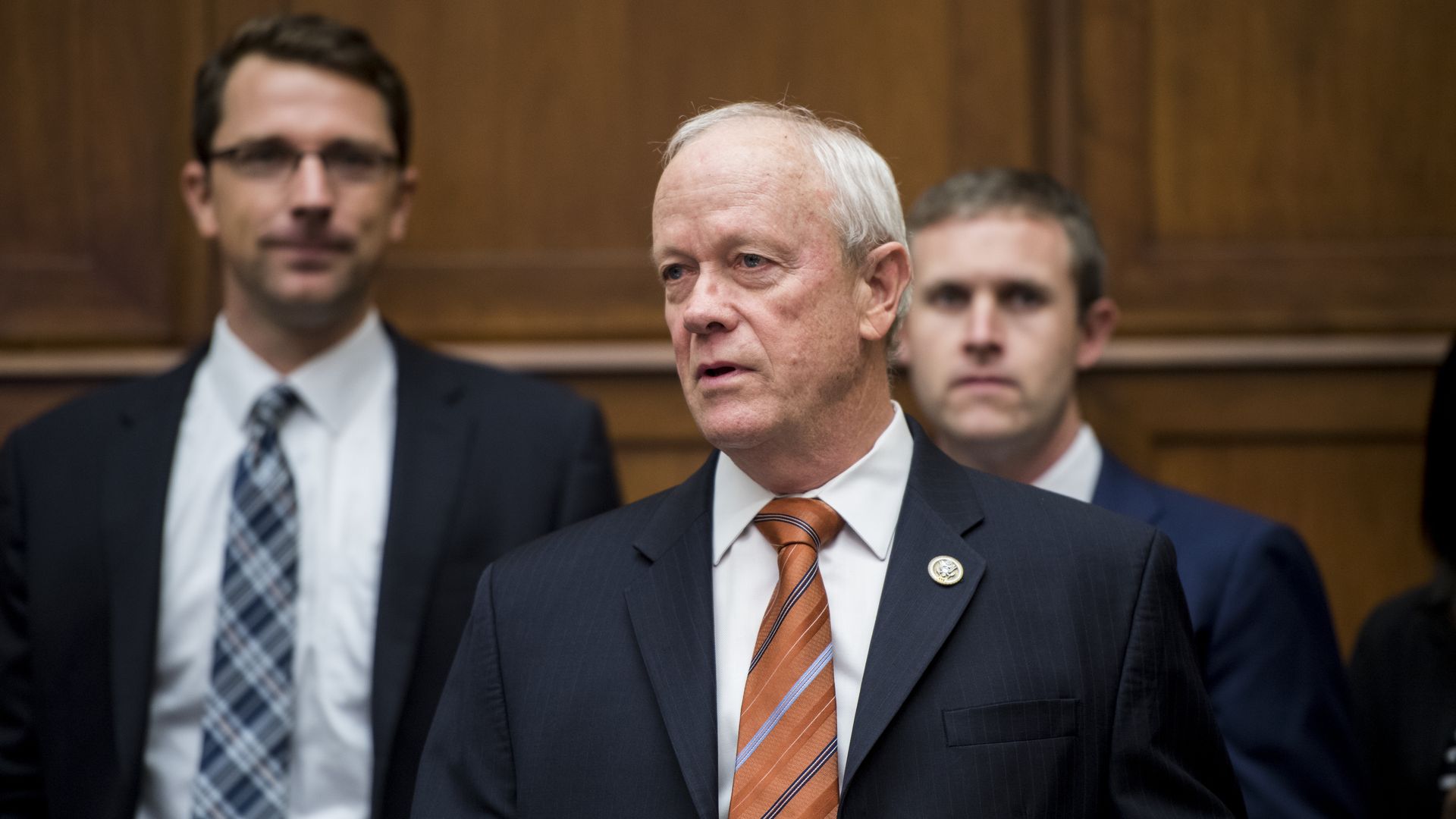
Rep. Pete Olson
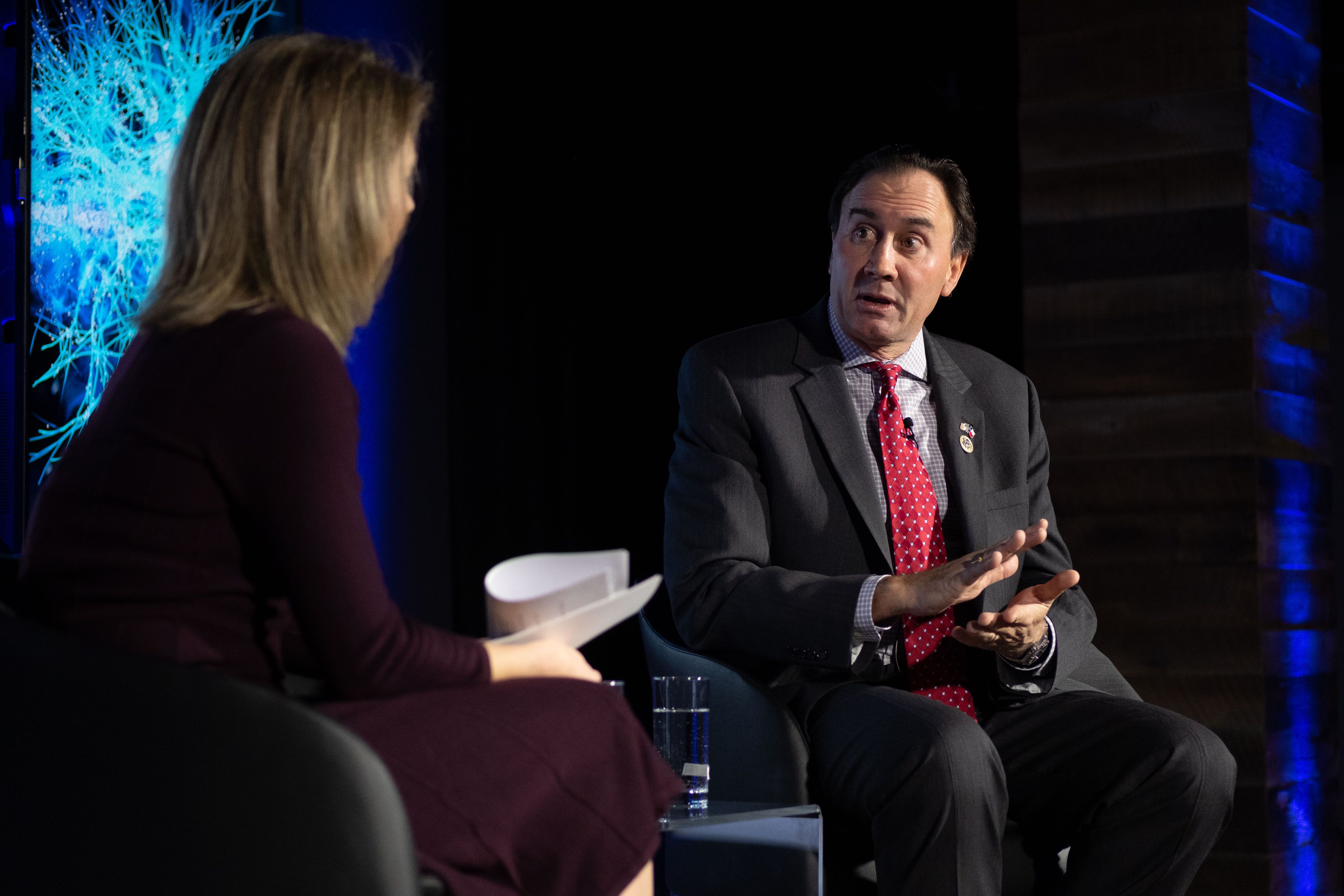
Rep. Olson, who is the co-chair of the House's AI Caucus, told Kim about his caucus, why he is passionate about AI, and how and why America as a country should embrace it.
- What inspired the A.I. Caucus: “AI is the future of not just America, but the entire world.”
- The caucus' motto: "Educate before we legislate."
- Cancer, cyber-attacks, and drunk driving, were all mentioned by Rep. Olson as problems that AI has the potential to solve.
- Rep. Jerry McNerney (D- Calif.) will be Rep. Olson's next AI Caucus co-chair, replacing Rep. John Delaney as he gears up for his presidential run.
Rep. Debbie Dingell
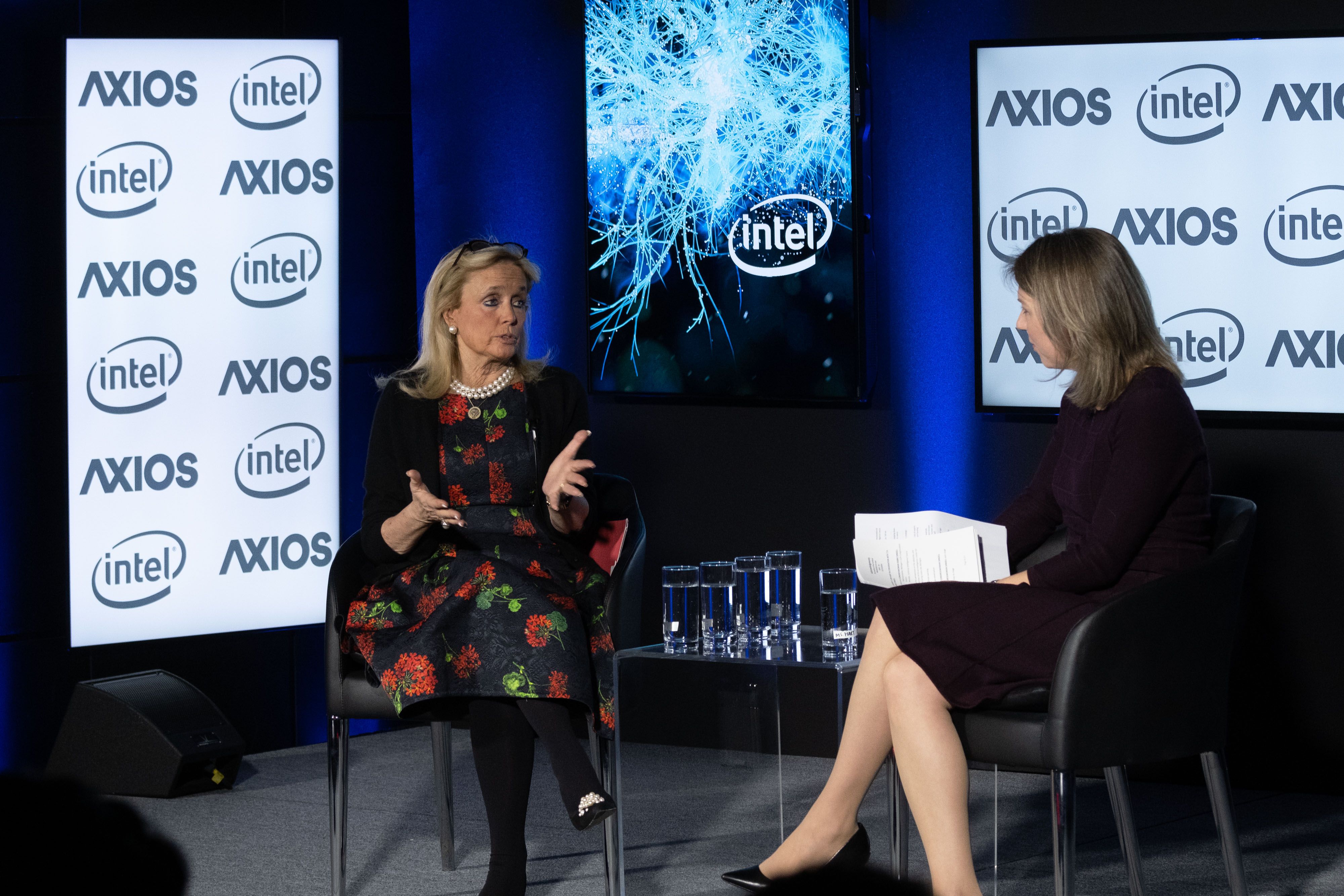
Rep. Dingell of Michigan, spoke about how she is embracing AI despite warnings that this technology could displace jobs in manufacturing states like her own.
- How AI, which will be an essential part of Autonomous Vehicles, will change Michigan: "Detroit was the birth place of the automobile and ... we are going to be the leaders in autonomous vehicles."
- Policy's role in AI: “One of the challenges, as we’re talking about AI, is how you create a regulatory environment for technology that is so rapidly changing ... at all times we have to make sure that the consumer is safe.”
- "AI is exciting. It's the future. We shouldn't be afraid of it. It's going to create jobs ... but there are a lot of issues we need to talk about."
Rep. John Delaney
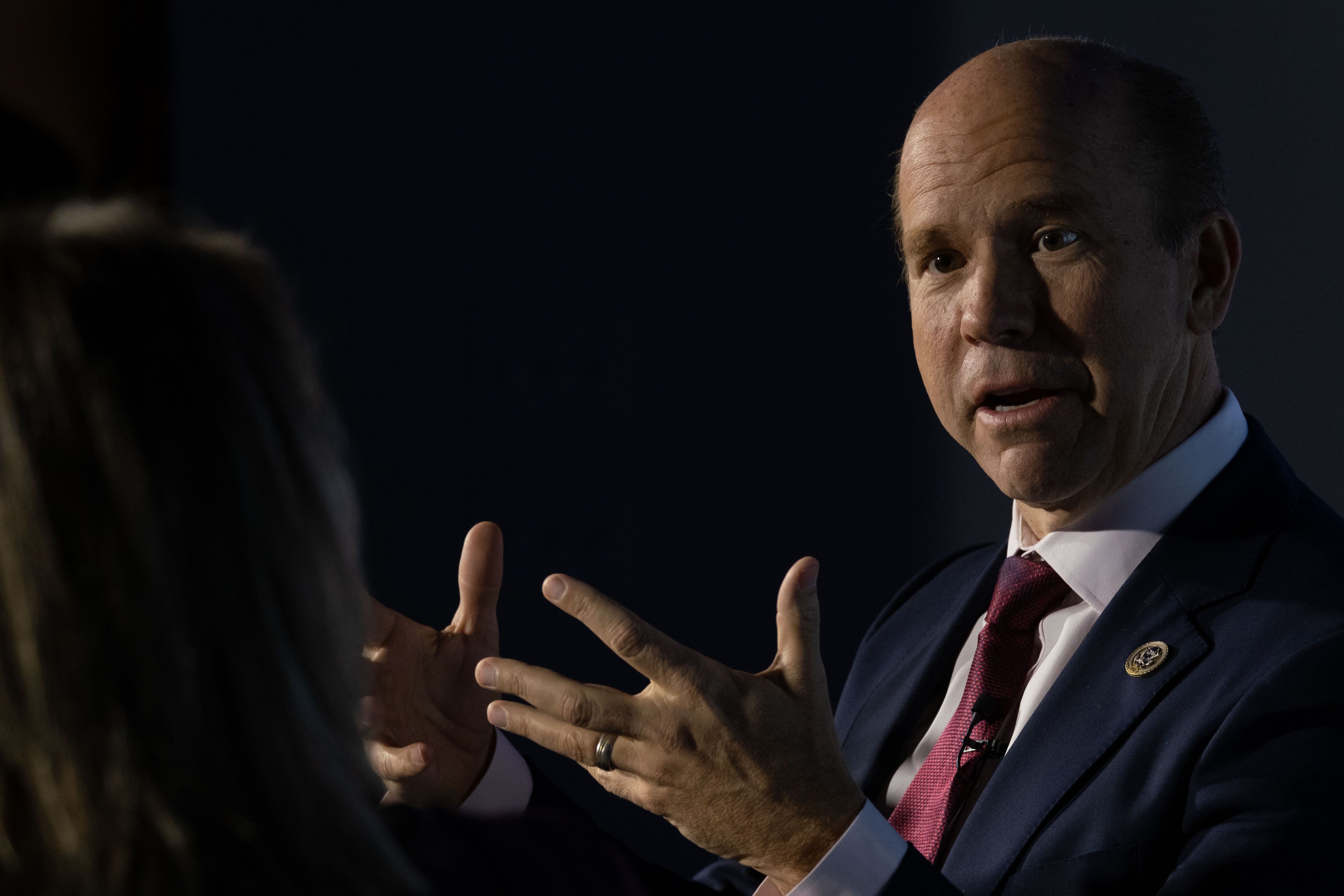
Rep. Delaney, who is stepping down as co-chair of the House's AI Caucus as he begins his run for president, discussed the importance of innovating, while protecting consumers and also spreading the wealth.
- AI is a critical issue. "There are three or four issues that will be incredibly important to the 2020 election and [AI] is one of them."
- Learning from the past to prepare for AI: "If you don't prepare your country for change it acts like a great sorting machine of winners and people who get left behind ... In the last couple decades we had great innovation, but we didn't do the right things in policy to spread them out."
- Balancing innovation and regulation: “I think we can have extraordinary innovation and put consumer safeguards in place at the same time … it starts with giving individuals some control over their data, so they have a sense for what it’s being used for.”
Why it Matters with Steve LeVine
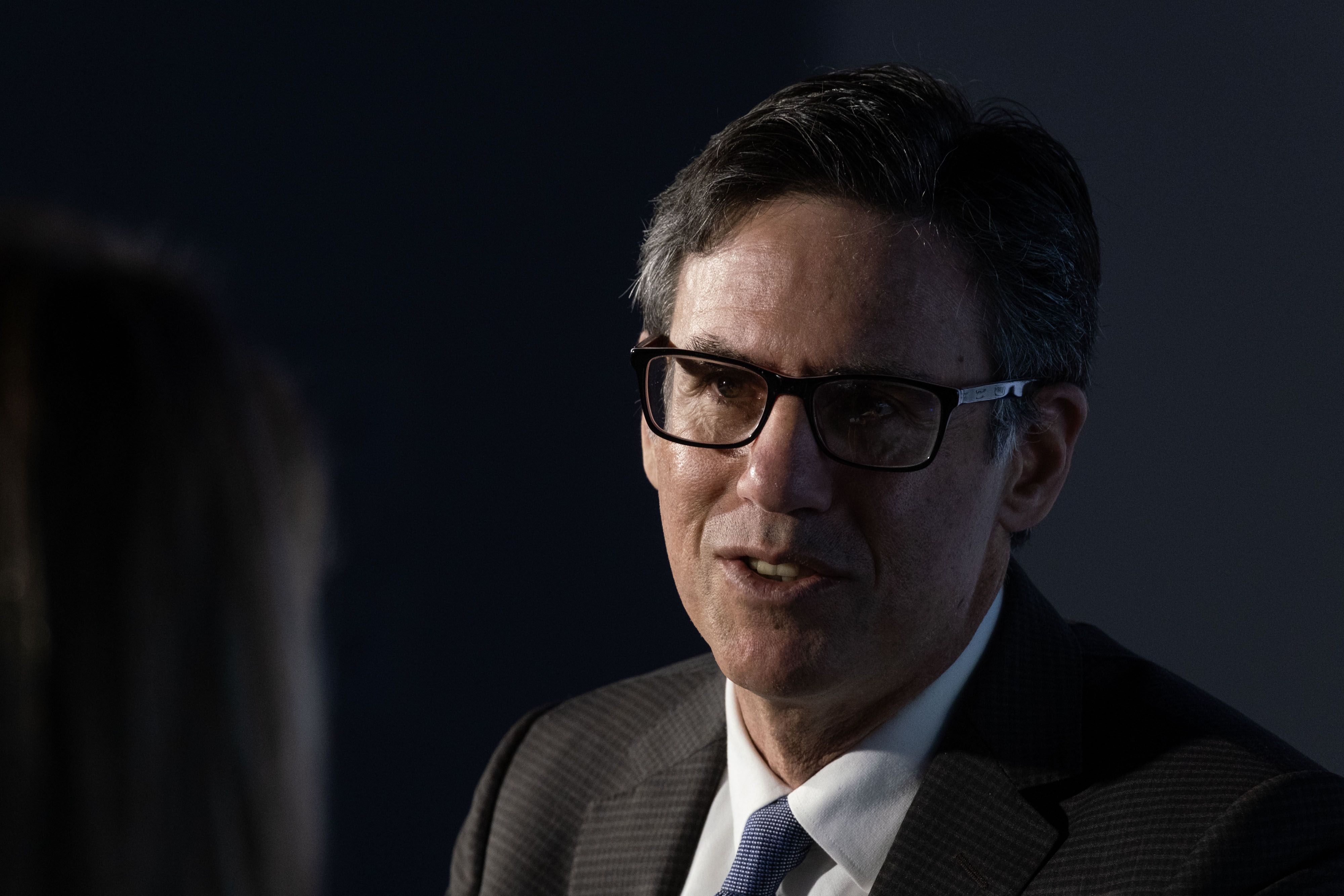
Kim closed out the event with Axios Future Editor and AI expert Steve LeVine, analyzing why this conversation mattered and what he sees as the future of AI.
- How the AI narrative evolved: “First we had this narrative 'apocalypse soon'. Then, for the past year we’ve been inundated with the narrative 'calm down, everything’s going to be fine — not only will we not lose our jobs, we’re going to have better jobs,' and that’s not true.”
- Where we go from here. "The way tech always happens, it goes slow and then really fast. We're in the slow period. We're seeing the impact on flat wages. No one disputes that over the next decade we're going to see a tornado rip through the workplace."
- "The optimistic take is that if we are super vigilant we can figure out how to re-skill these workers and new workers into other kinds of jobs."
- Eventually, AI will be commonplace. "[AI] is a technology that over the coming decades is going to be infused in all businesses — a general purpose application like electricity.
Thank you Intel for sponsoring this event.

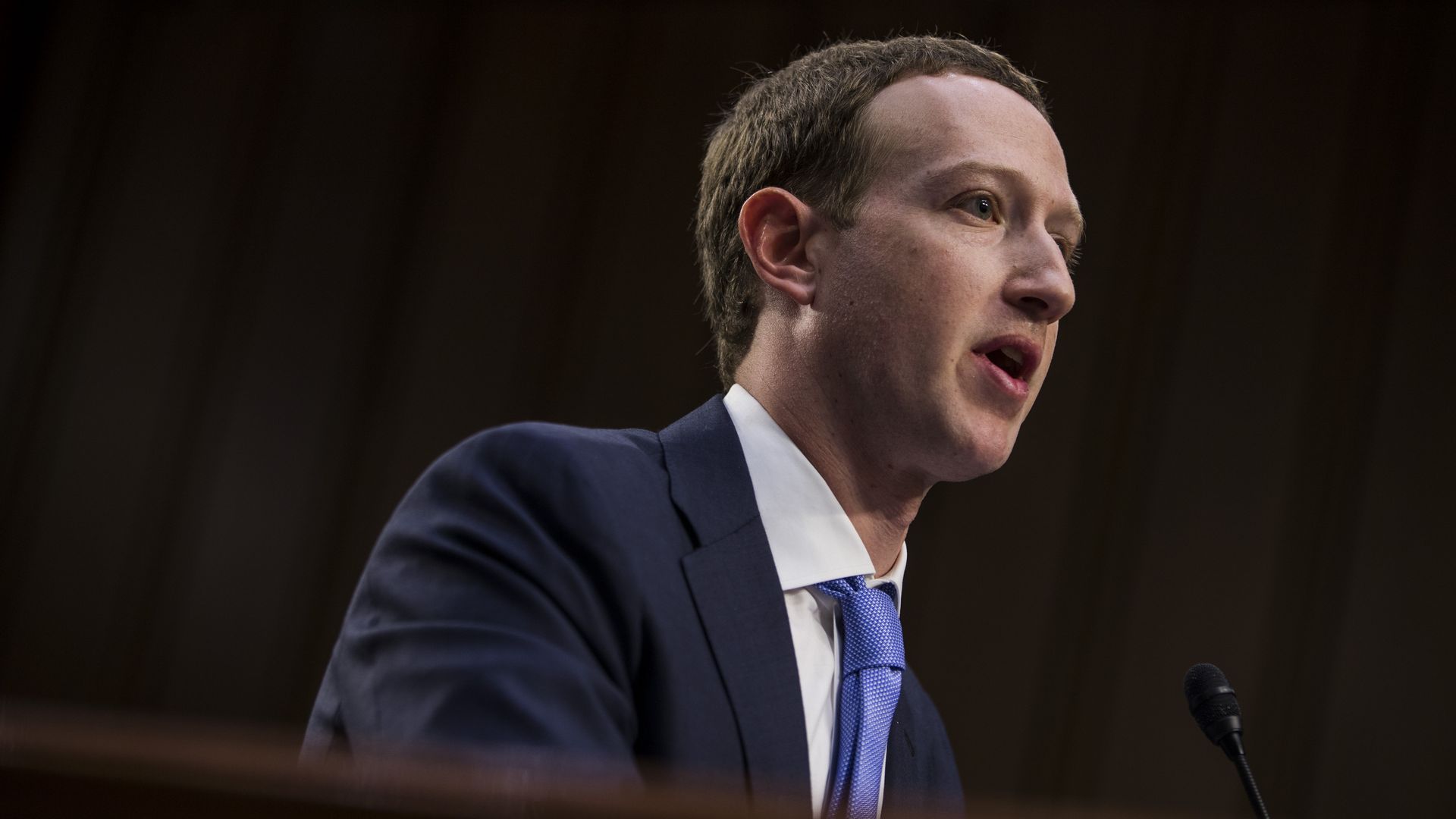
Facebook bug exposed photos for up to 6.8 million users
A Facebook bug in late September allowed outside apps to access photos they weren't supposed to, including some that users uploaded but hadn't posted. Facebook said on Friday.
Why it matters: Facebook is already facing skeptical users and regulators who believe it doesn't respect user privacy.

The hidden risks of remote software updates
To get a car with the latest automated driving features all it takes in some cases is a couple of software updates — a growing trend with potential safety and cybersecurity risks.
Why it matters: Using a built-in wireless connection to fix a bug or add new functions can be a welcome convenience that can also prompt people to make needed repairs. But if it means instantly handing over more of the driving task to your vehicle, you could be putting yourself at risk if the new software is glitchy or you don't understand and misuse the car's new capabilities.

What passenger and industrial AVs can learn from each other
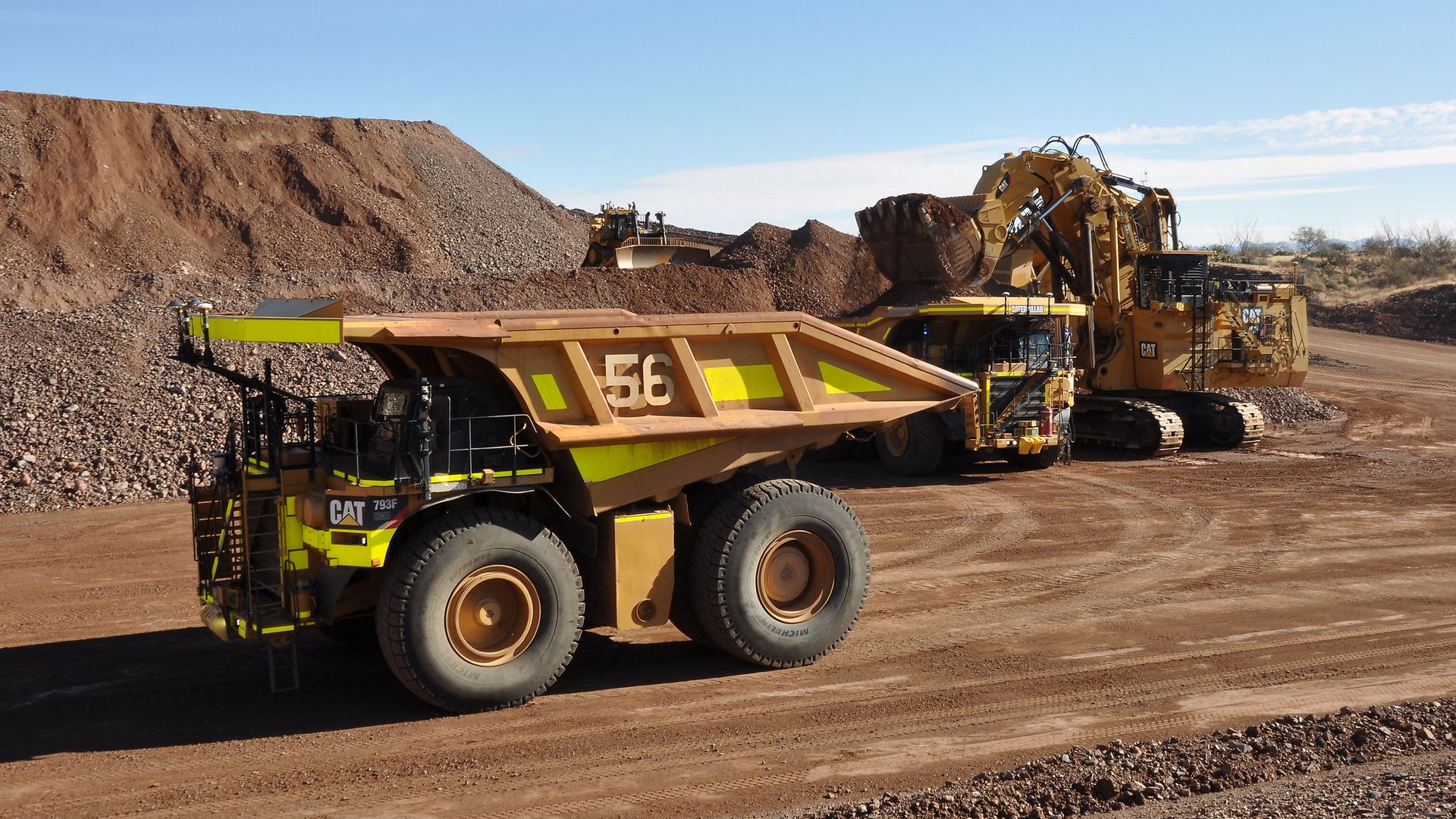
The future of AVs is a whirl of hype and uncertainty, but AV technology has been used in mining and construction for decades — an often overlooked point of reference.
Why it matters: Developers of passenger AVs should be working more closely with the heavy equipment industry, which has learned key lessons about developing functional, fully autonomous vehicles, and how to prepare people for the technology.

To avoid driving blind, AVs will have to clear blocked sensors
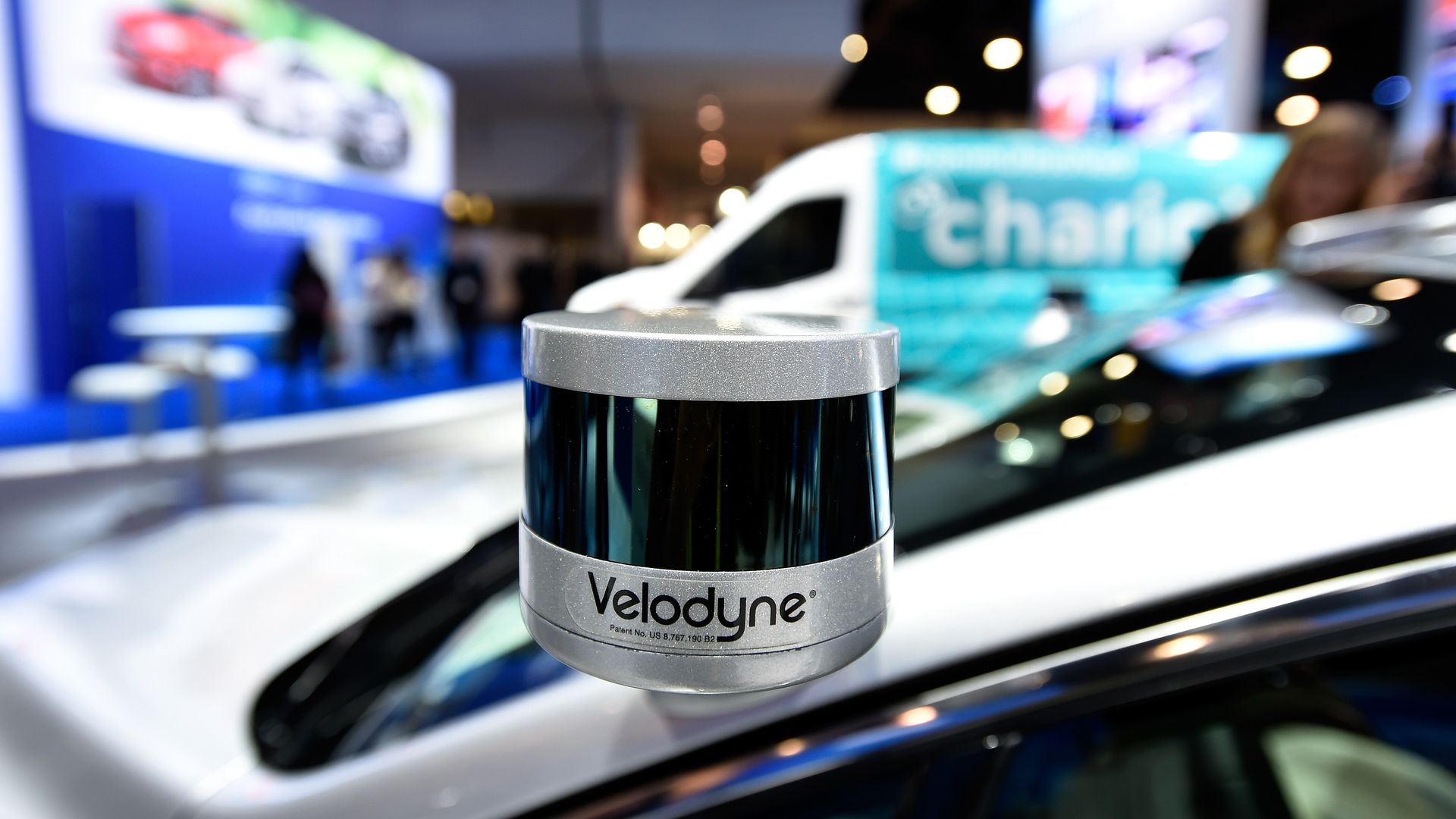
Inclement weather presents numerous challenges for AVs, including sensor obstructions caused by raindrops and ice — one reason U.S. developers most often test them in states with dry, sunny weather.
Why it matters: Obstructions from environmental conditions or physical damage to the sensor can impair an AV's navigation and decision-making, but developers are still learning how best to prevent and deal with them.

Facebook looks for new income as display ads stagnate
Three different recent moves by Facebook suggest the company is looking to aggressively expand its business beyond selling mostly display ads — the visual ads that appear in between "Stories" or as sponsored posts on Facebook and Instagram.
Why it matters: Executives have been warning investors for months that these ads are nearing a growth ceiling on its main app. And analysts say engagement on Facebook's main app (where it sells most of these ads) is declining, which puts even more pressure on the tech giant to quickly find new sources of revenue.

Starbucks to tackle slow growth with UberEats deal, China expansion
About 3,500 U.S. Starbucks stores will partner with UberEats beginning in 2019 and the company will double its outlets in China over the next four years to combat competition, Reuters said.
Why it matters: The Seattle-based coffee giant is fighting slow growth and as a result has slimmed down its brand by adding more drinks and food, closing Teavana stores, and shuttering 150 stores. Starbucks has not been able to drive customers into the stores based on hefty competition from small coffee chains and local coffee joints thats serve fresh food, per Reuters.

Facebook touts video metrics, outlines more scrutiny for show funding
Facebook announced Thursday that its video platform "Watch" has more than 400 million monthly users, and 75 million daily visitors.
Why it matters: That's a small number given how big Facebook's total audience is, but Facebook says that small number is highly-engaged, which will help it sell more ads.

Instacart to end partnership with Amazon's Whole Foods
Delivery startup Instacart announced Thursday that it will kill its four-year partnership with Whole Foods, the U.S. grocery chain acquired by Amazon in 2016, Bloomberg reports.
The big picture: Amazon's push into brick-and-mortar food sales with its Whole Foods purchase prompted other big retailers, like Walmart, to jettison their use of Amazon's AWS for their e-commerce platforms last year. Instacart's move away from Whole Foods is similar as the startup is wary of Amazon's own delivery capabilities.

Uber expands car rental partnership for drivers
Uber and Getaround, a startup known for its peer-to-peer car rental service, are extending a partnership that rents cars to ride-hailing drivers. The joint effort, which debuted in the Bay Area last year, is expanding to Los Angeles and San Diego, and soon to D.C. and Philadelphia.
The big picture: Driver supply has long been a problem for Uber. The company has experimented with various ways to provide vehicles to potential drivers, including its now-defunct car leasing division and its partnerships with Hertz, General Motors and Getaround.

Uber expands Getaround car rental partnership for drivers
Uber and Getaround, a startup known for its peer-to-peer car rental service, are expanding a partnership that rents cars to ride-hailing drivers. The service, which debuted in the Bay Area last year, will expand to Los Angeles, San Diego, and soon Washington, D.C. and Philadelphia.
The bigger picture: Driver supply has long been a problem for Uber. The company has experimented with various ways to provide vehicles to potential drivers, including its now-defunct car leasing division and its partnerships with Hertz, General Motors, and Getaround.

Rep. Jerry McNerney named co-chair of Congress' AI Caucus
Rep. Jerry McNerney (D-Calif.) will become the next co-chair of the bipartisan Congressional Artificial Intelligence Caucus, current co-chair Rep. Pete Olson (R-Texas) announced Thursday at an Axios event about the future of AI.
The big picture: Rep. John Delaney (D-Md.), the founder of the caucus, will be stepping down to concentrate on his presidential run.
Go deeper: The AI-optimist for president


How today's liability laws cover AV accidents
Autonomous vehicles are widely expected to reduce traffic fatalities, though the number of lives they could save is debated. When accidents do happen, however, self-driving cars aren't likely to present liability issues that current laws can't handle.
The big picture: The legal system already considers semi-autonomous vehicle technologies like anti-lock brakes, adaptive cruise control and electronic stability control. Although AVs may shift more liability risk to manufacturers, current laws around negligence and product liability should suffice for further increases in vehicle automation.

VIDEO: A conversation on the real-life impact of AI
Live from Washington D.C., Axios Managing Editor Kim Hart speaks with members of the Artificial Intelligence Caucus Rep. Pete Olson (R-TX), Rep. Debbie Dingell (D-MI) and Rep. John Delaney (D-MD) for a discussion on the impact of AI. She is also joined by Axios Future Editor Steve LeVine.

Apple has hired dozens of doctors to back up health offerings
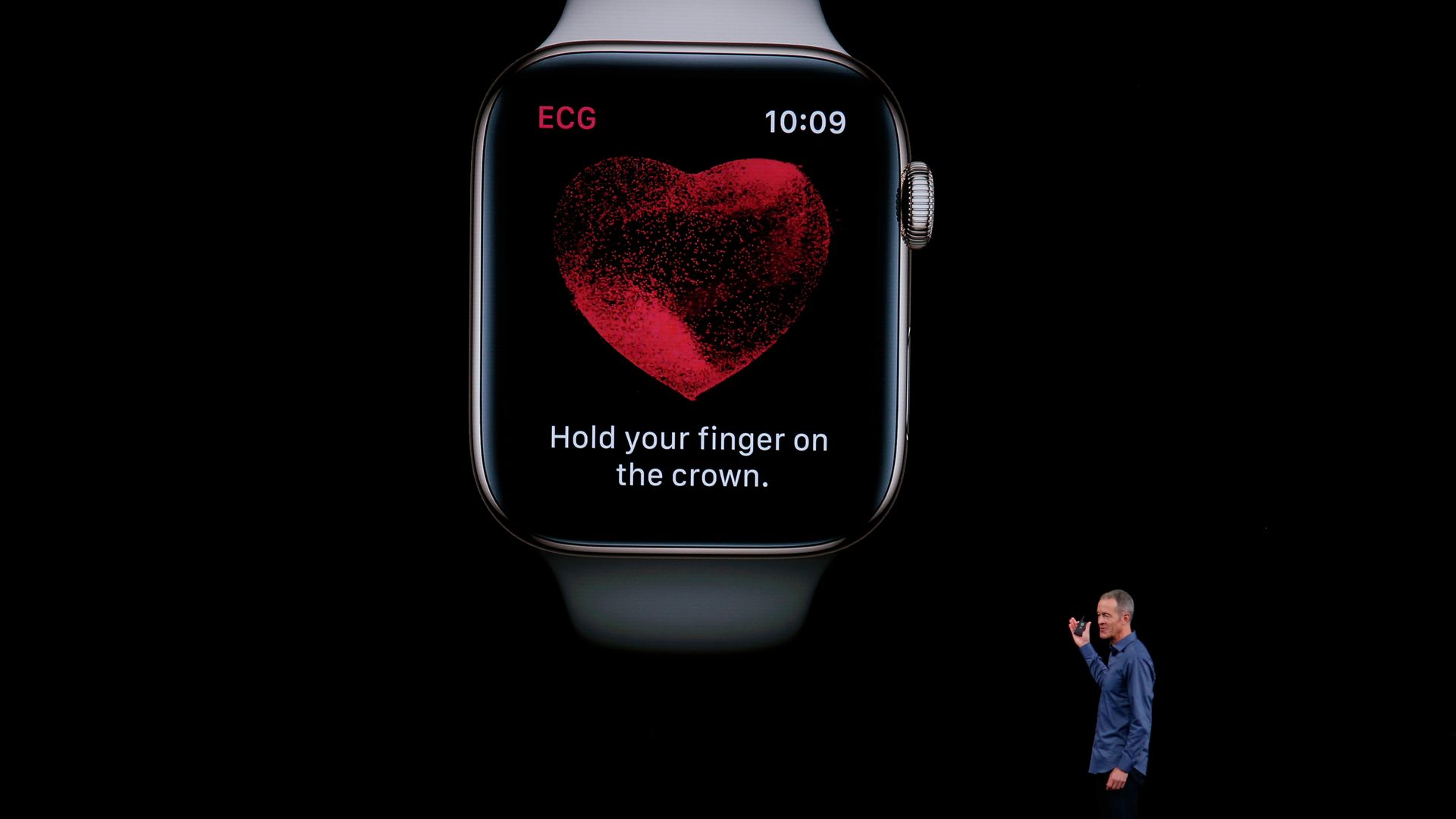
Apple quietly employs dozens of doctors, "an indication that Apple is serious about helping customers manage disease, and not just wellness or fitness," CNBC's Christina Farr reports.
Why it matters: Apple has already begun to roll out a handful of health-related offerings — mainly its tool for electronic medical records and the new heart-monitoring capabilities on Apple Watch. But having a fuller staff of doctors on board (good ones!) signals bigger aspirations.

Apple courts nervous publishers for new Apple News bundle
Apple has been rallying publishers to join a new premium bundle offering from Apple News that will launch next spring under the banner of Texture, a startup that Apple acquired earlier this year, Bloomberg reports.
Why it matters: Media companies, particularly those with dwindling print income, are desperate for new revenue but afraid of giving up control. Apple is a tempting partner, but publishers are wary of participating in "all-in-one" services that take a slice of subscription fees and control distribution.

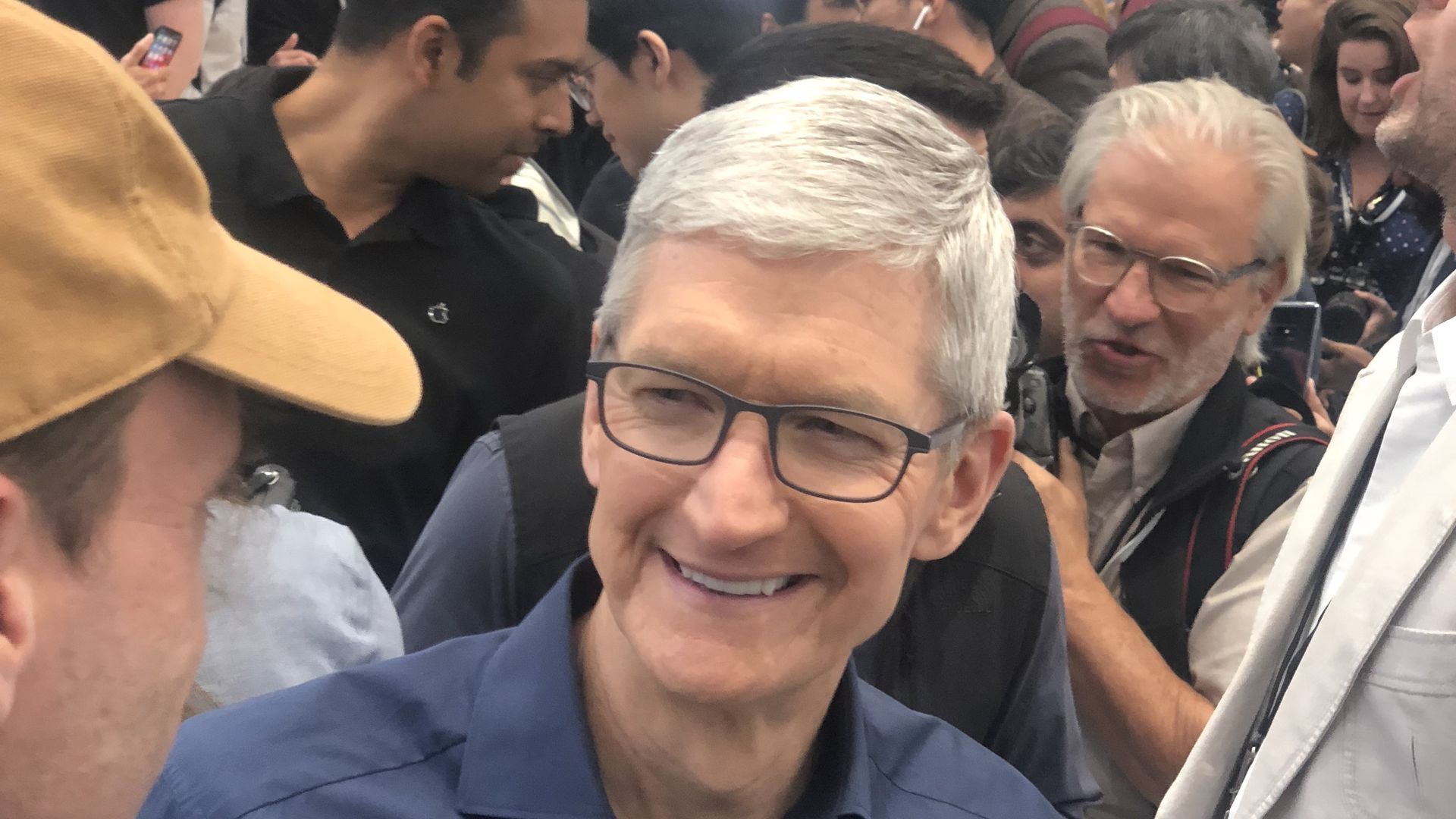
Apple to invest $1 billion in new Austin campus
Apple plans to build a new $1 billion campus in Austin, Texas, adding thousands of jobs, while also setting up new large offices in Seattle, San Diego and the Los Angeles area.
Big picture: Apple said in January that it would look for a new area to set up shop outside of California and Texas. For now, though, the company is doing most of its growing in those two states, while also adding and expanding smaller offices elsewhere.


Google's CEO weighs in on bigness
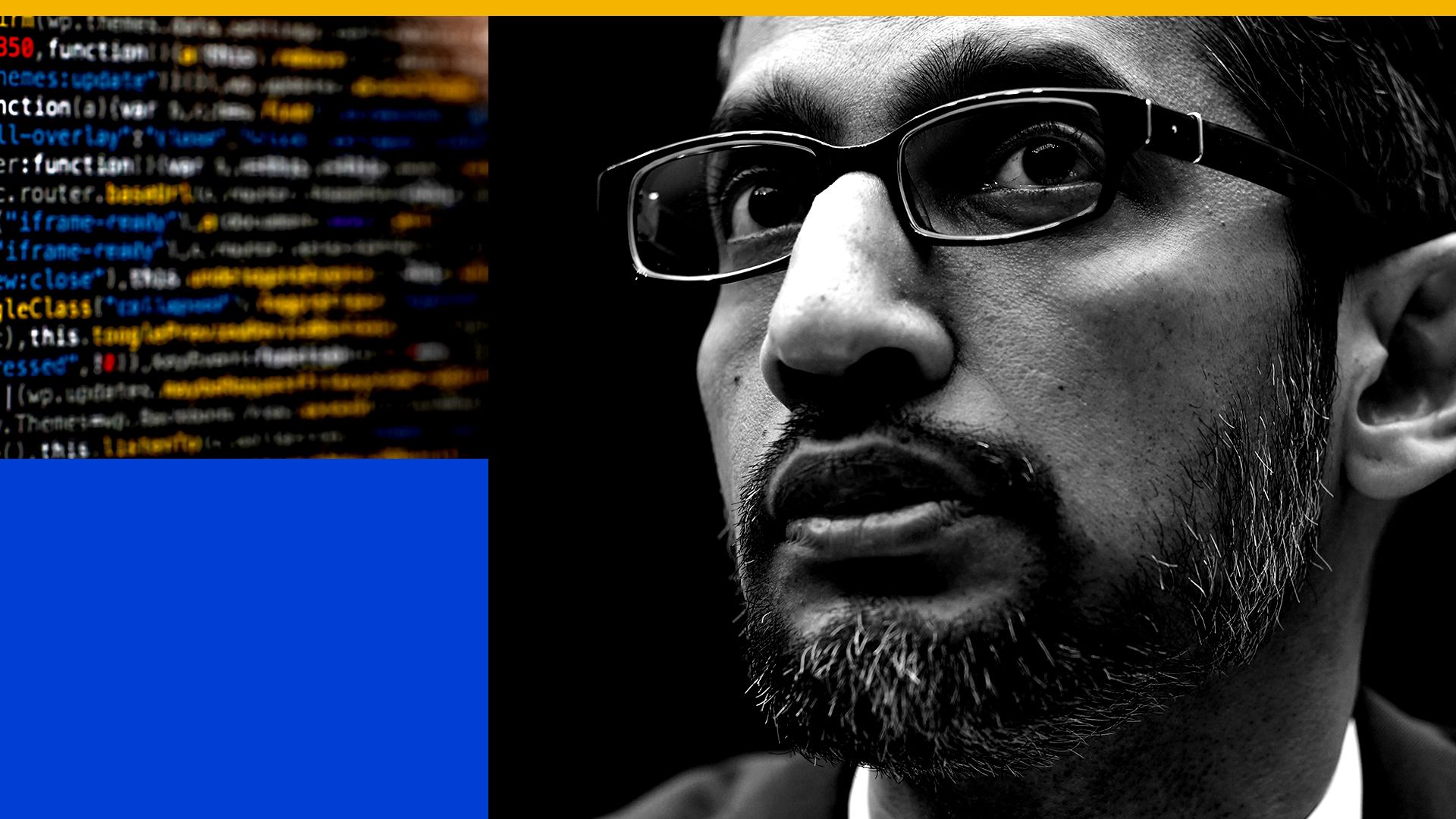
In 2000, when the Clinton administration was intent on breaking up Microsoft, CEO Bill Gates said his company only looked unassailable. Microsoft, he said, was actually vulnerable to being toppled by any number of as-yet-unseen Davids. Government anti-trust lawyers — and much of the country — scoffed. Just a few years later, in walked Google.
Driving the news: Now Google seems unassailable and, against fierce criticism that it is far too big, CEO Sundar Pichai is arguing much the same as Gates — that his company only seems impregnable.

Wanted: a killer app for quantum computing
Attracted by promising advances, high-profile companies like BMW and Goldman Sachs are pouring investment money into quantum technology or hiring their own talent in a long-shot bet that the field will be big.
Quantum computing is unproven, and even if it can be made to work at the levels experts think is possible, no one knows how just it might be used in business. But, disregarding the massive uncertainties, big companies for the first time are putting down stakes, fearful of being left behind if quantum becomes the next big thing.

Second Canadian missing in China, foreign minister says
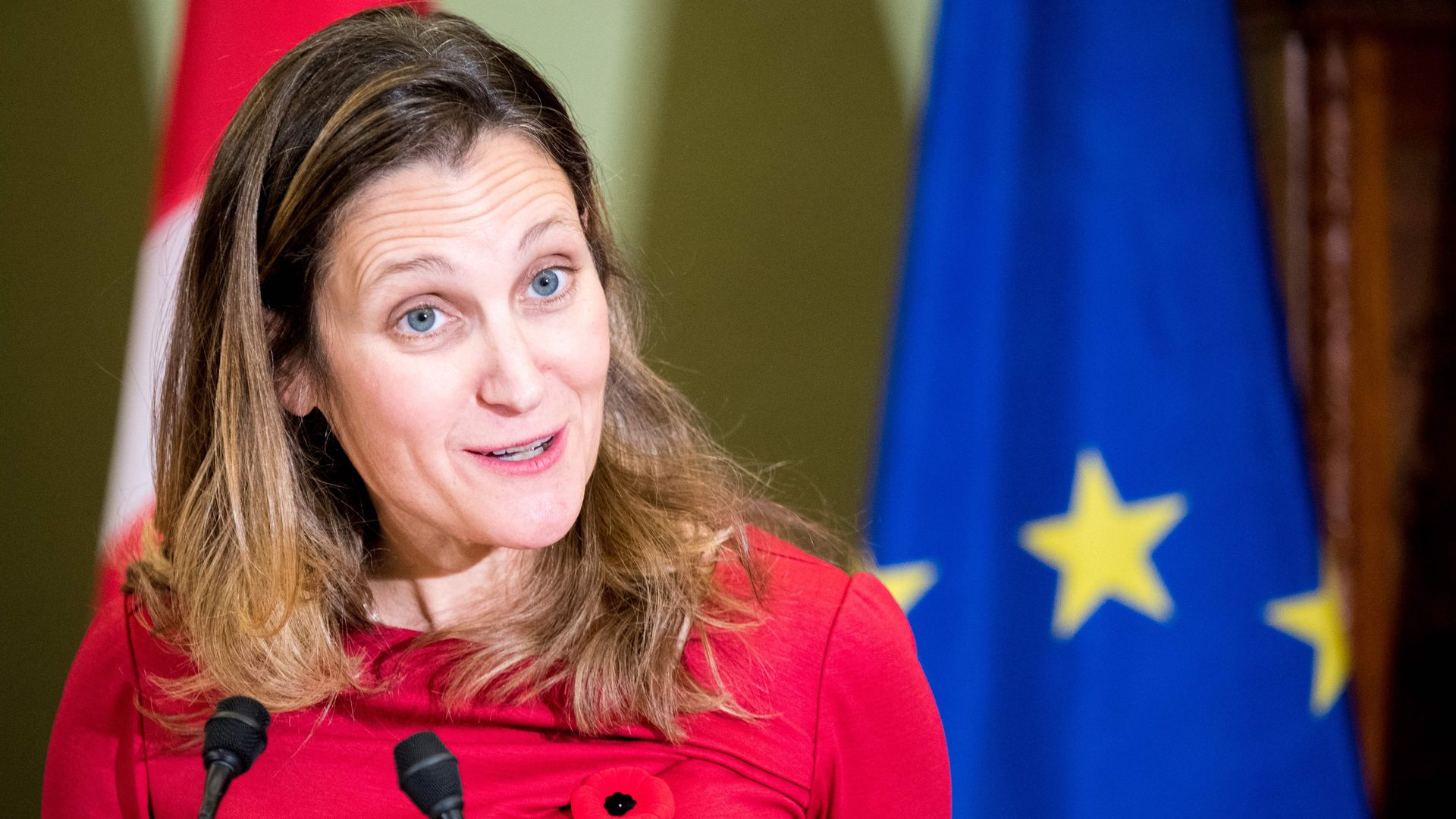
Canadian Foreign Minister Chrystia Freeland said Wednesday that Canada is trying to gain access to a Canadian ex-diplomat and employee of the International Crisis Group who was reportedly detained by Chinese security services in Beijing. She also revealed that the government has been unable to reach a second Canadian who was questioned by Chinese authorities.
Why it matters: This all comes after Canada arrested Meng Wanzhou, CFO of Chinese tech giant Huawei. Meng was released on bail yesterday, but faces extradition to the U.S. on fraud charges tied to the alleged evasion of U.S. sanctions on Iran. It's unclear what the connections are between these cases and the Huawei incident, but China had warned of "serious consequences" if Meng was not freed.


/2018/12/13/1544736572262.gif?w=3840)