Uber has picked Morgan Stanley to lead its IPO, per Bloomberg.
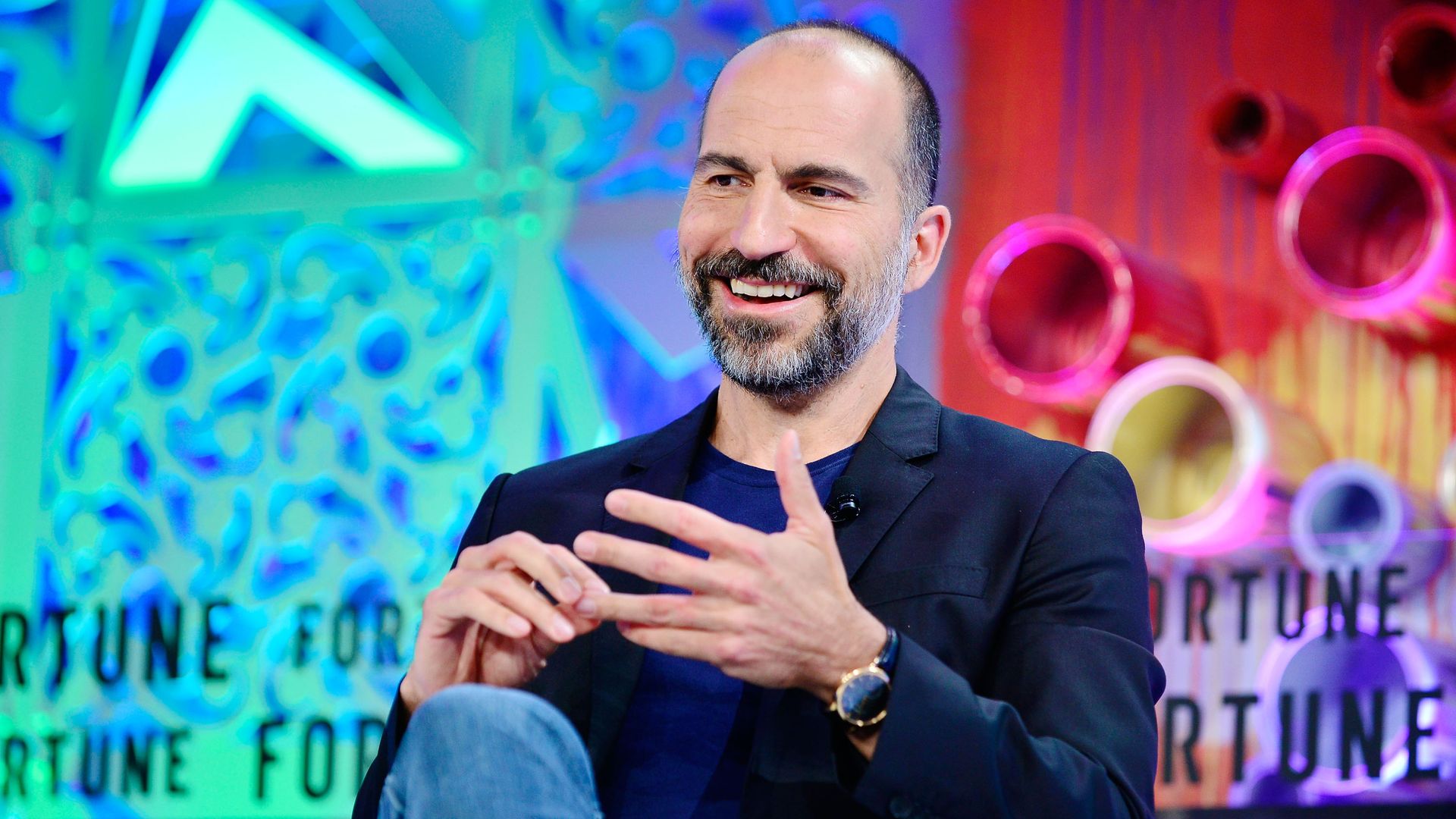
The big picture: That's a pretty big upset, given that Goldman Sachs was considered a shoo-in for the role before last year's Uber management shakeup. Got to wonder if it helped that Morgan Stanley's Michael Grimes moonlighted as an Uber driver.
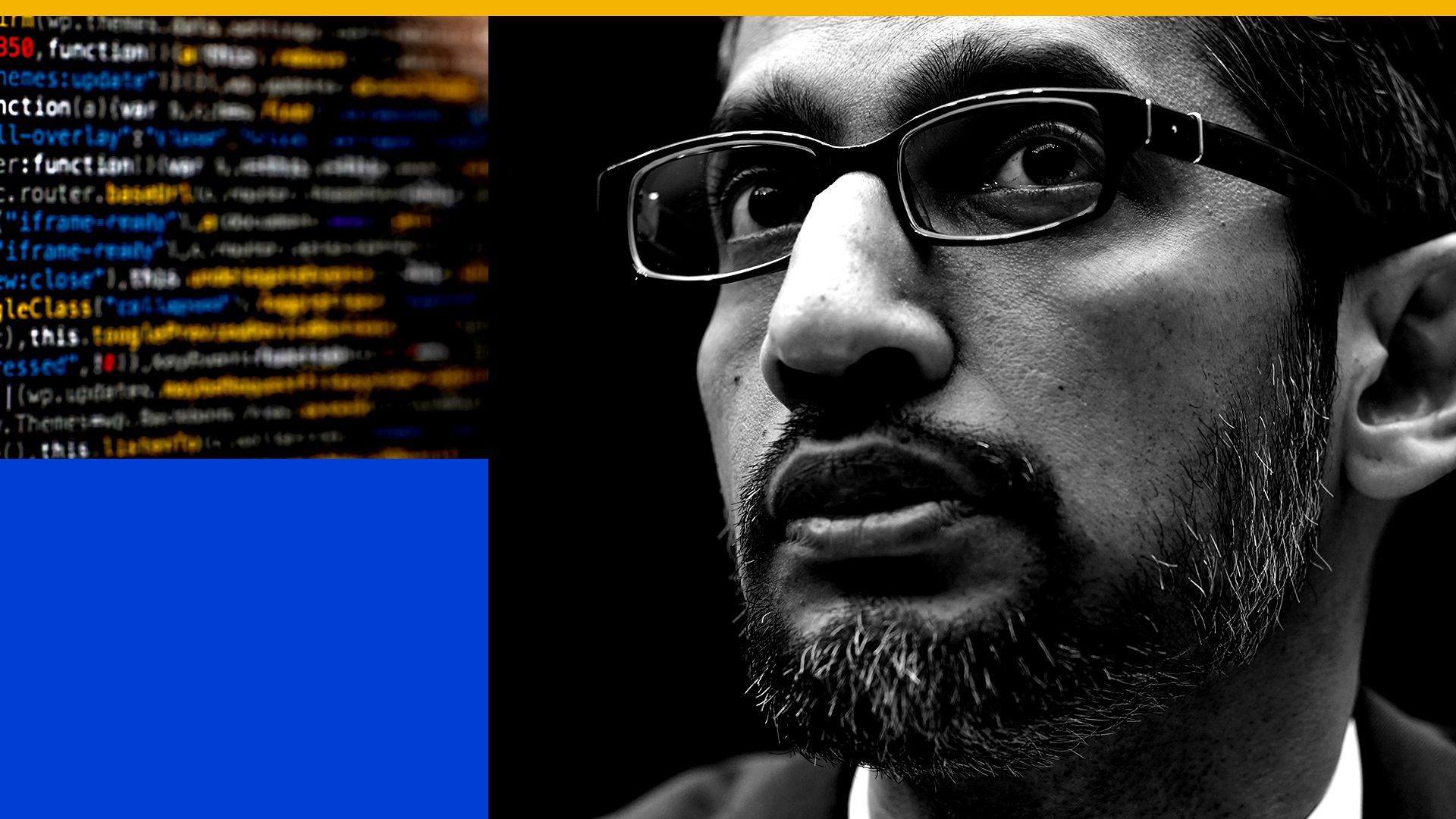
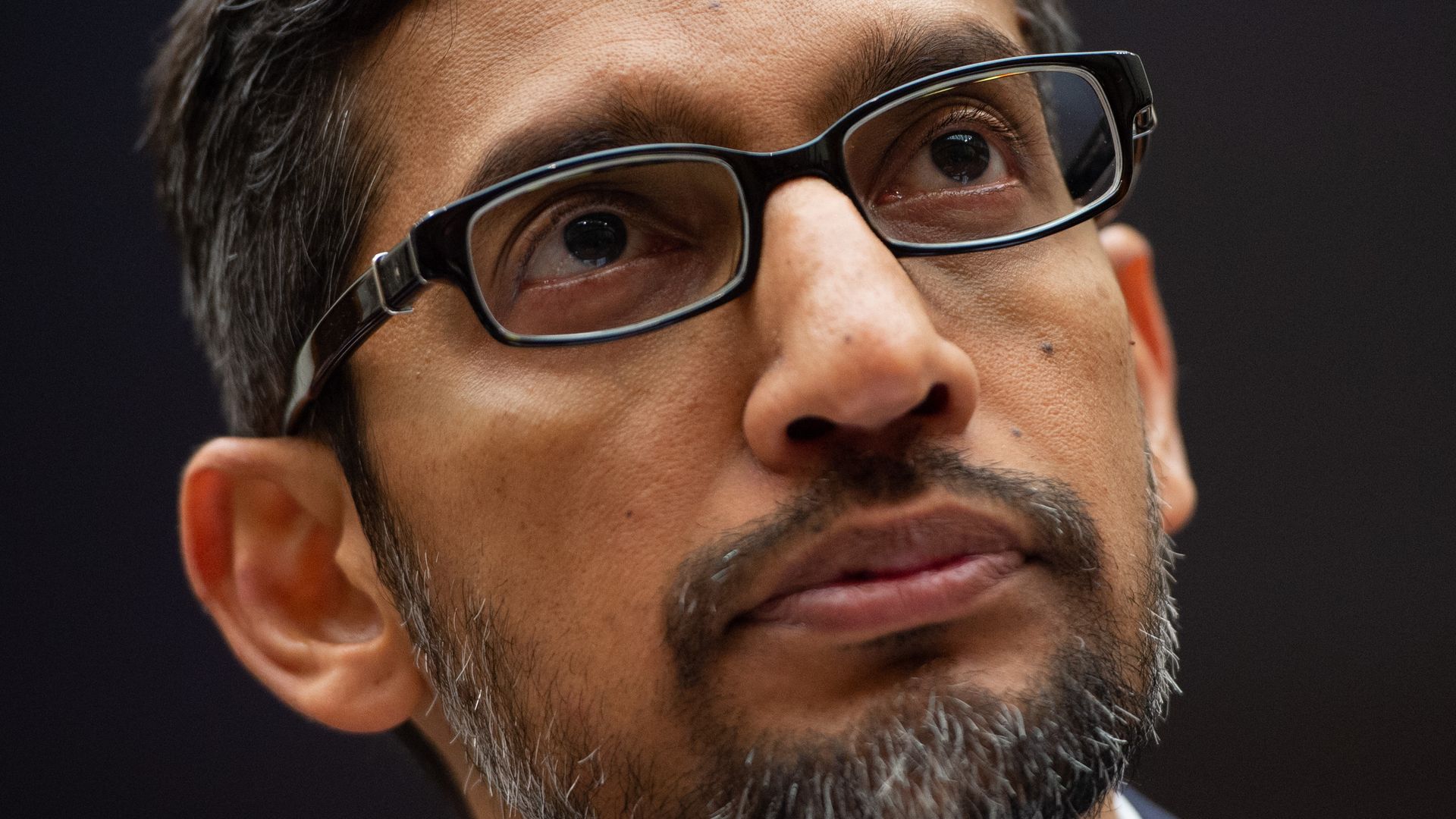
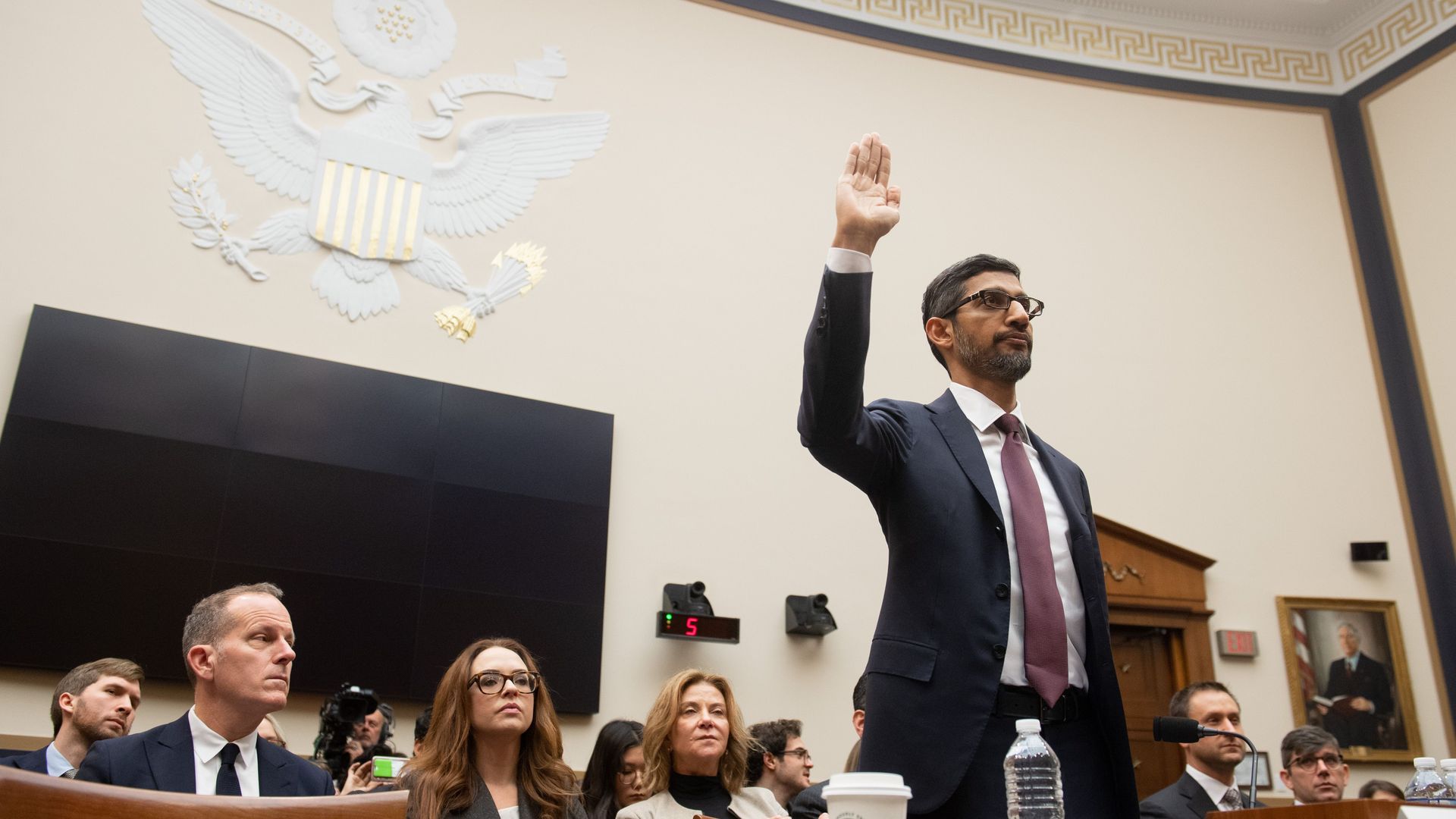
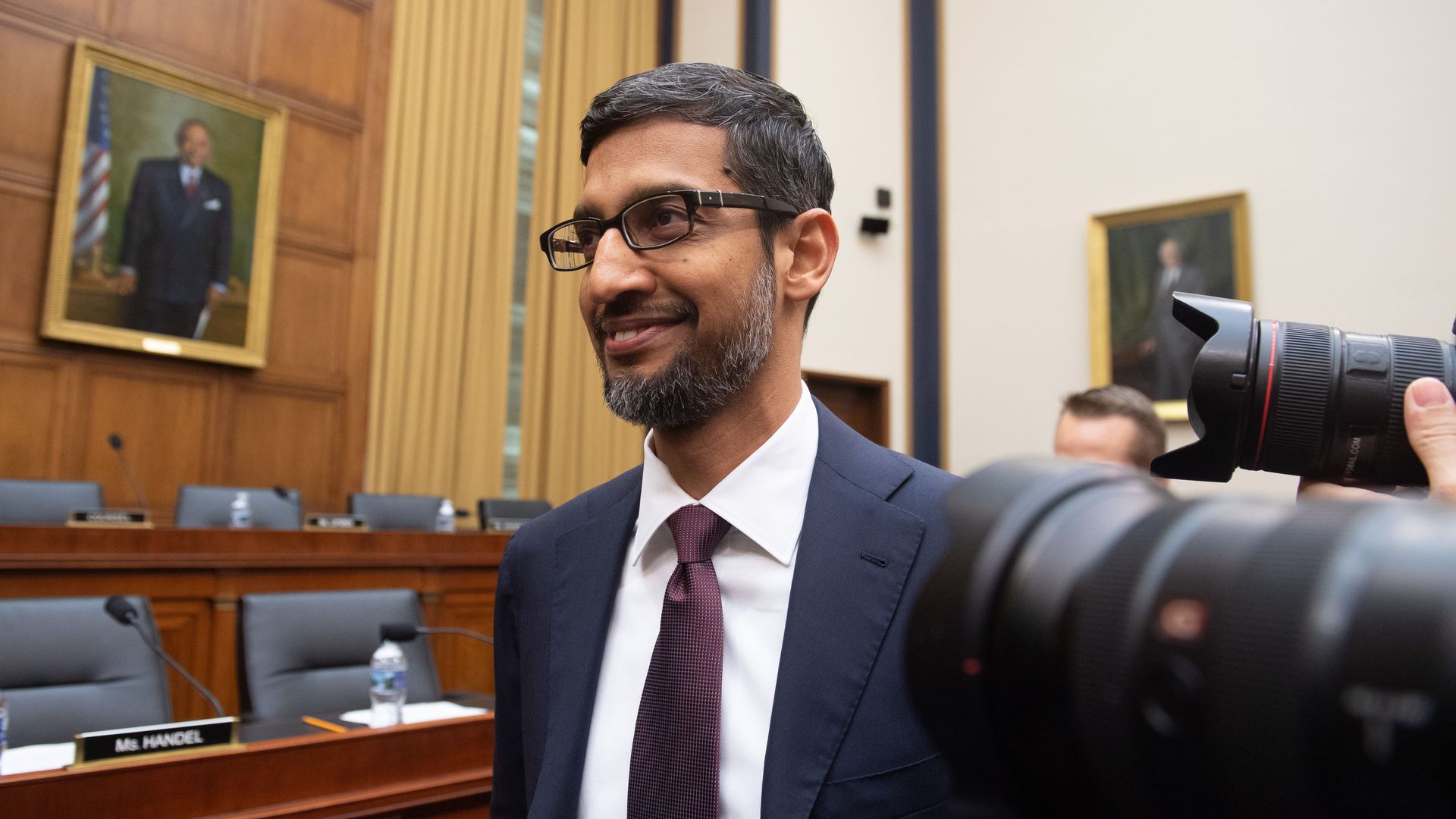
Google CEO Sundar Pichai spent most of his three hours of testimony before the House Judiciary Committee yesterday dealing with allegations of conservative bias, though he also got pushed on the company's policies on privacy and China.
During an interview with Axios following his interrogation, Pichai discussed his thoughts on whether Google might need to be broken up, pointing to the level of antitrust competition from large global companies and well-funded startups.
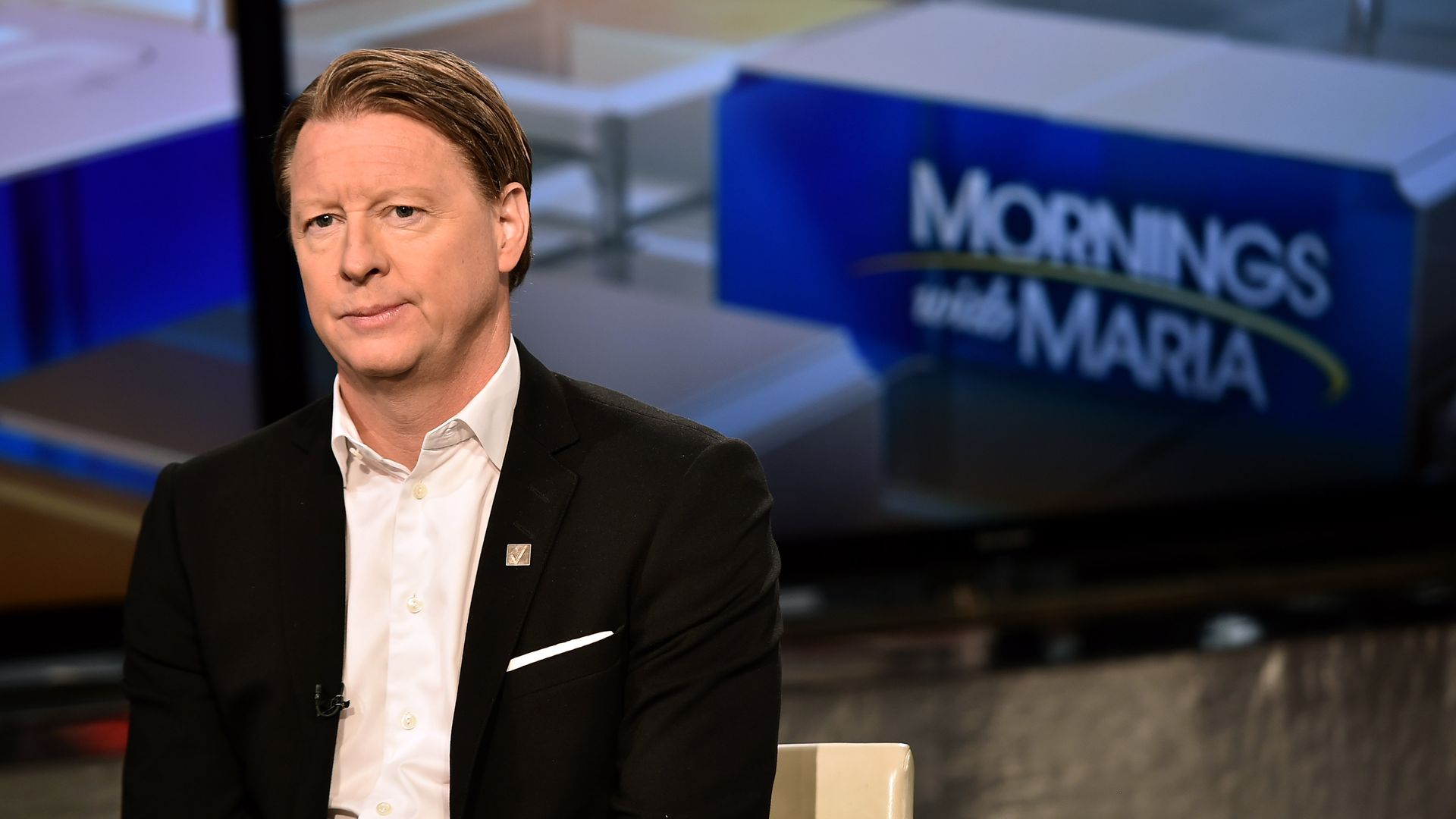
Verizon has finally figured out that it way overpaid for Yahoo and AOL, perhaps after going back and reading all the contemporaneous media analysis and armchair tweets.
Details: The company, now led by a CEO who prioritizes media like Bill Belichick prioritizes fashion, yesterday wrote down the value of its entire Oath unit by $4.6 billion. For context, Oath basically consists of Yahoo ($4.8 billion purchase last year) and AOL ($4.4 billion in 2015).
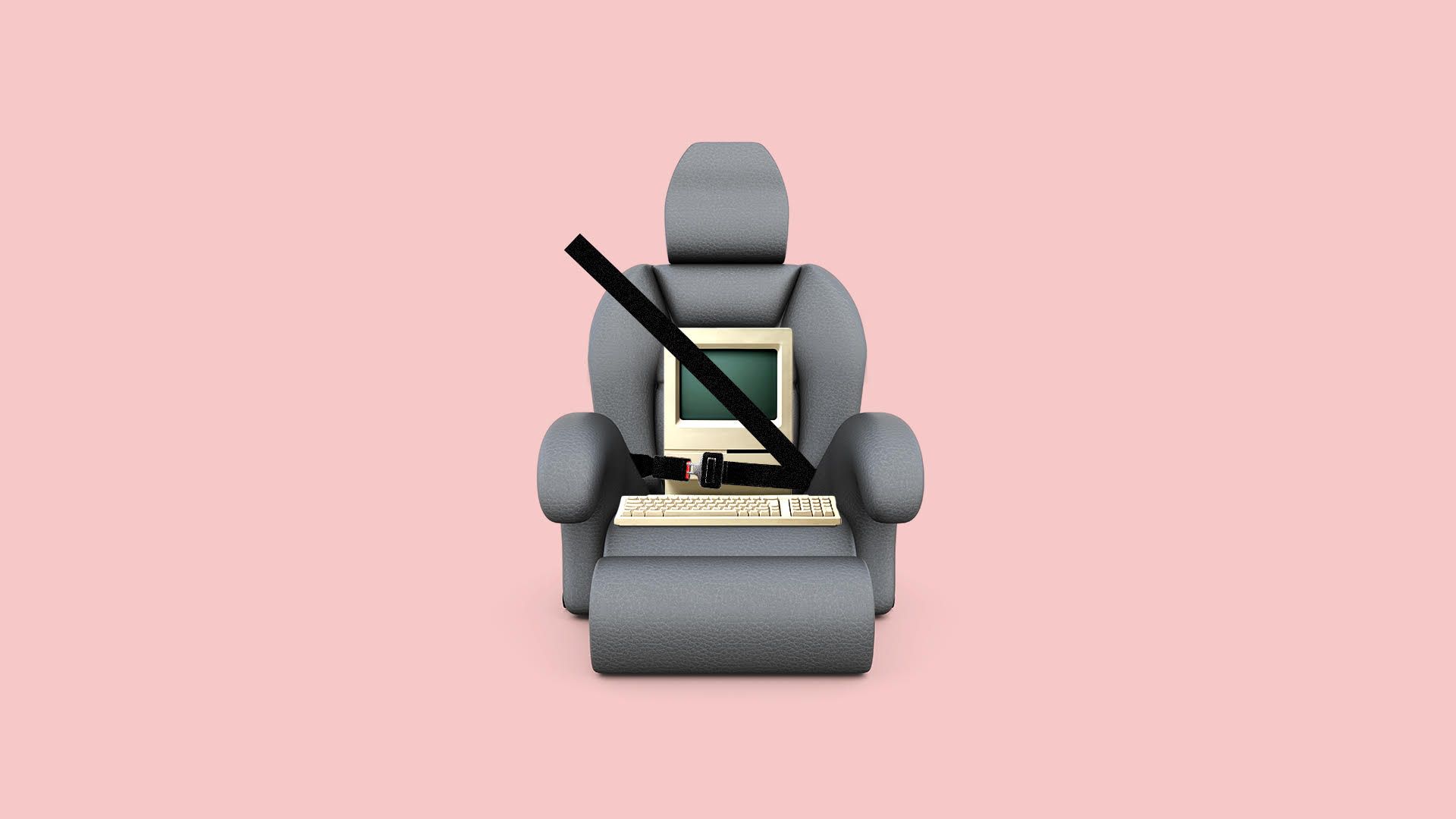
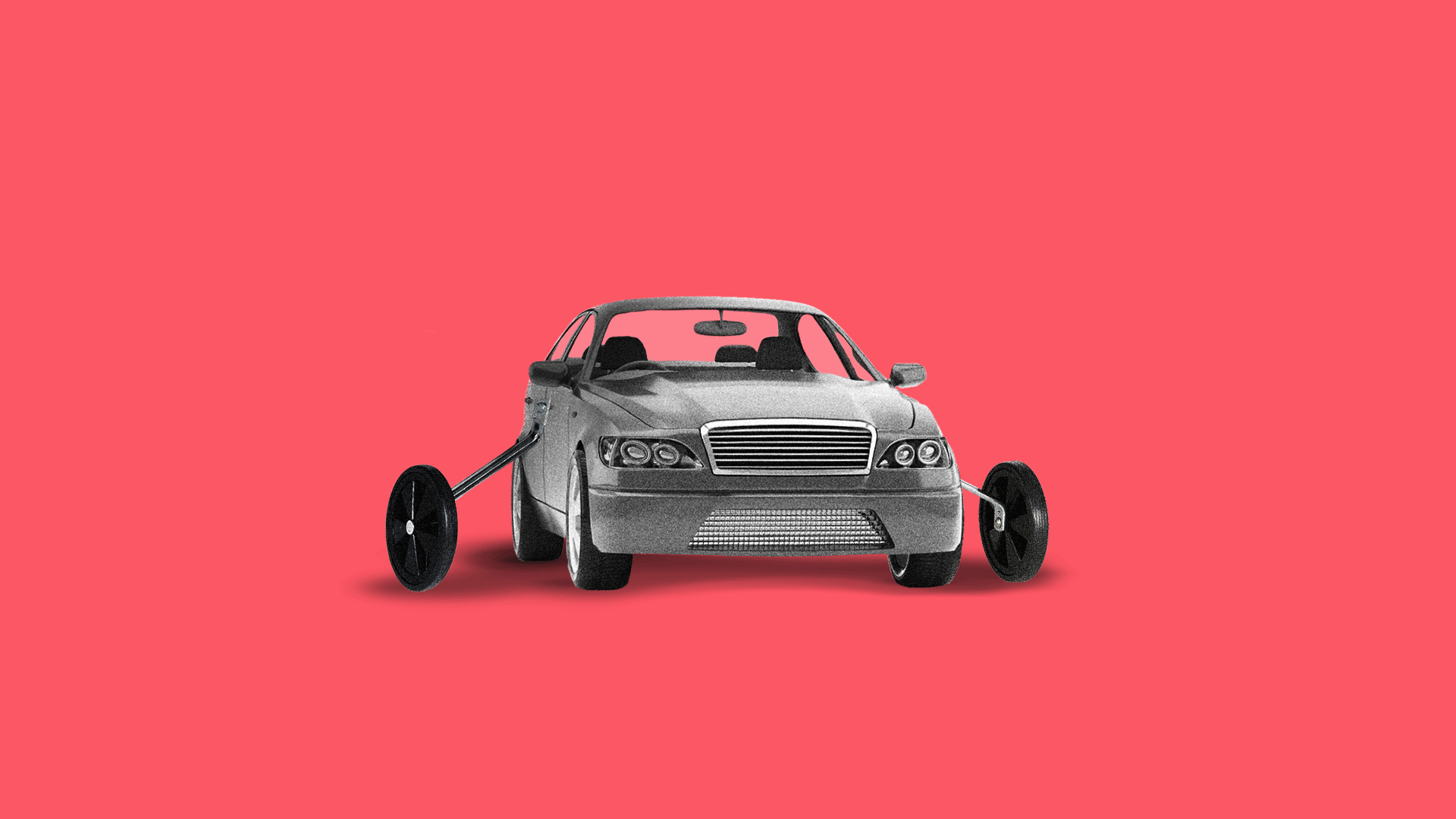
AV crashes will present automakers with complicated new questions about liability. To prepare for them, they will need to rethink their warranties and indemnities with suppliers.
Why it matters: An AV accident could be caused by anything from a programming bug to a mechanical failure. Given this complexity, automakers will need contracts that protect them from assuming liability for integrated software and hardware from their suppliers.
The sudden scrutiny and skepticism hitting Google and other Big Tech companies is "here to stay," Google CEO Sundar Pichai told Axios Tuesday after he testified for more than three hours on Capitol Hill.
Why it matters: Pichai has been the least public of the top tech CEOs, and he and Google are beginning an effort to engage more consistently and directly with policymakers
Thanks to advances in robotics and artificial intelligence, humans are on the cusp of being removed from the driver seat. But as drivers are asked to do less, they are becoming more complacent — and complacency breeds danger.
Why it matters: Autonomous vehicles promise safer roads and more freedom for the poor, the elderly and the disabled. But they're not ready to drive themselves yet. Some people are relying too heavily on their car's automated features, resulting in avoidable crashes and dangerous incidents that threaten to undermine public confidence in self-driving cars.
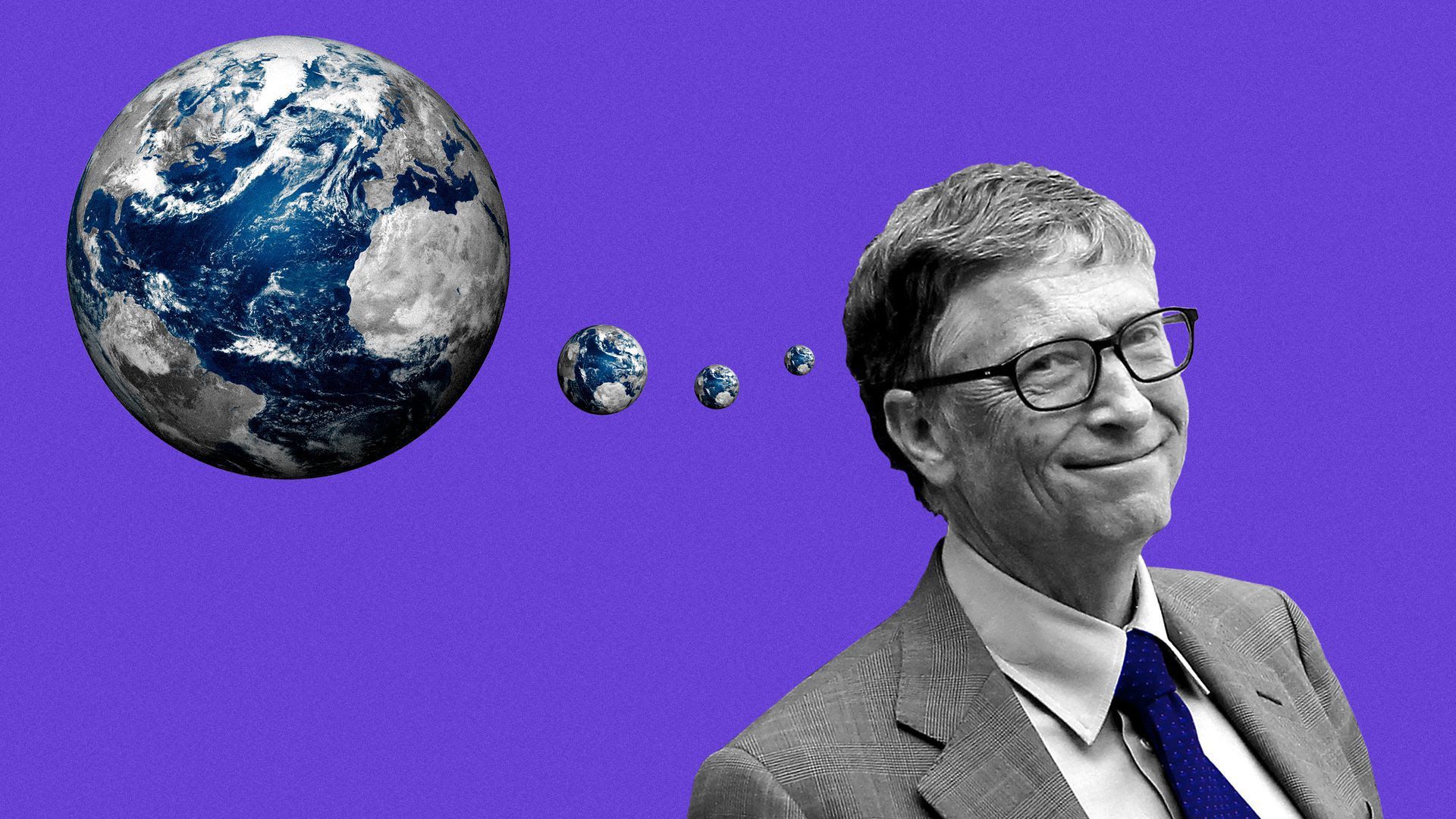
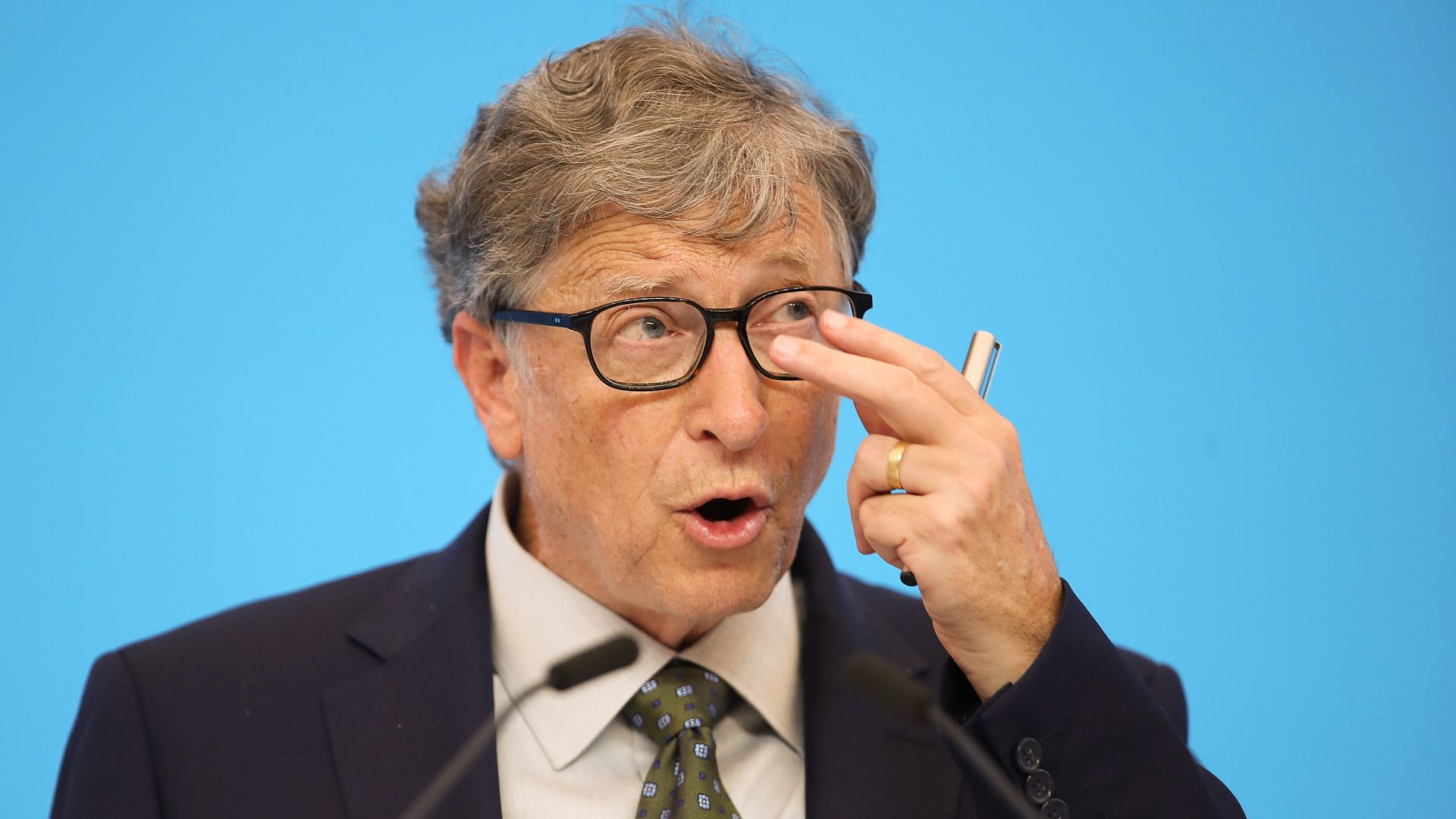
Governments and workers on both sides of the Atlantic are decrying the outsized influence of big companies. Bill Gates, however, doesn't understand the fuss.
The backdrop: Gates was in the trenches in 2000 when Microsoft was battling the U.S. government so as not to be broken up for alleged violations of antitrust laws. Now, with the microscope on his competition — Amazon, Google and Facebook — he cautions against what he suggests is a denunciation of bigness for bigness' sake.
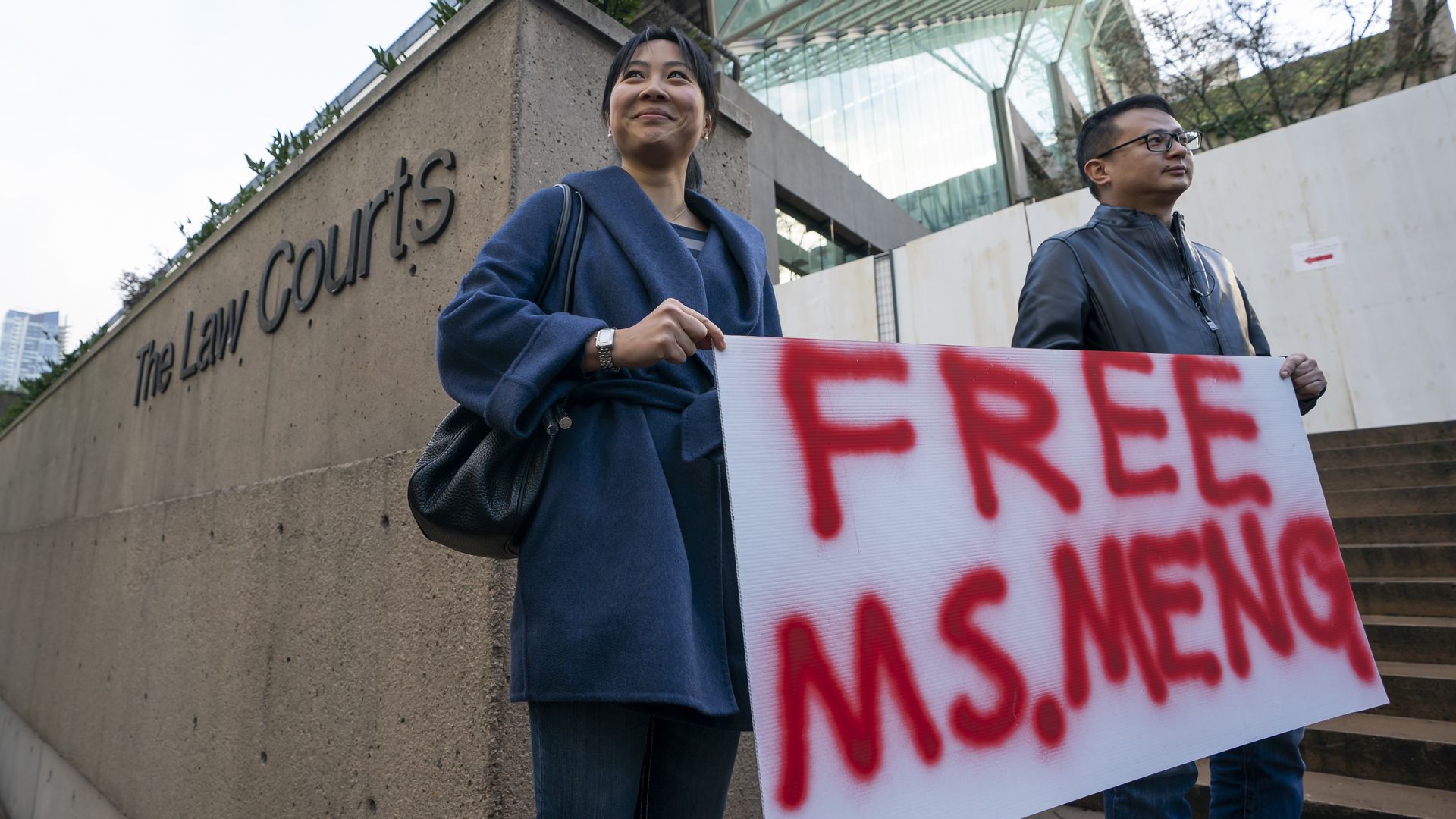
A Canadian court on Tuesday granted bail to Meng Wanzhou, the chief financial officer of Chinese tech giant Huawei, who had been arrested on fraud charges related to alleged violations of sanctions against Iran.
Why it matters: Wanzhou has become a flashpoint in trade tensions between China and the U.S., with China demanding her release and the U.S. asking Canada for her to be extradited to stand trial here. President Trump told Reuters today that he might act to get charges dropped against the CFO of Huawei as part of a trade deal with China.
Republican lawmakers from the House Judiciary Committee referenced studies whose accuracy has been disputed, as well as their own impromptu experiments, to press Google CEO Sundar Pichai Wednesday about bias against conservatives in its search algorithms.
Why it matters: Republican lawmakers cited less-than-authoritative sources to back their charges of political bias by Google. To date, no credible evidence has been presented that suggests Google engineers program the company's search, video or news algorithms to favor one political ideology over another.
Sidecar, a now-defunct ride-hailing company, is suing Uber for anti-competitive practices that "stifled competition in the market for ride-hailing applications" and put the company out of business, according to a new complaint filed in U.S. District Court in San Francisco.
The bottom line: "If Uber had won the ride-hailing market on a level playing field, we would have been disappointed, but that’s something we could have lived with," Sidecar co-founder Sunil Paul says in a new blog post. "That’s not what happened."
Google CEO Sundar Pichai sparred with conservative lawmakers who claim the search engine is politically biased while avoiding specific commitments on privacy and company's plans for a censored search engine in China.
Why it matters: Tuesday's three-hour-long hearing was Pichai's first appearance before Congress. Google has largely avoided the congressional scrutiny that hit Facebook and Twitter after its top executives declined a request to testify earlier this year.
Truepic, a startup that authenticates digital photos, is scooping up a rival technology developed by one of the field's leading experts. The company is buying San Jose-based Fourandsix Technologies, whose fake image detector was licensed by DARPA earlier this year.
Why it matters: Determining whether digital images are genuine has become increasingly important in an era of rampant misinformation, and it's already commercially critical in fields like insurance.
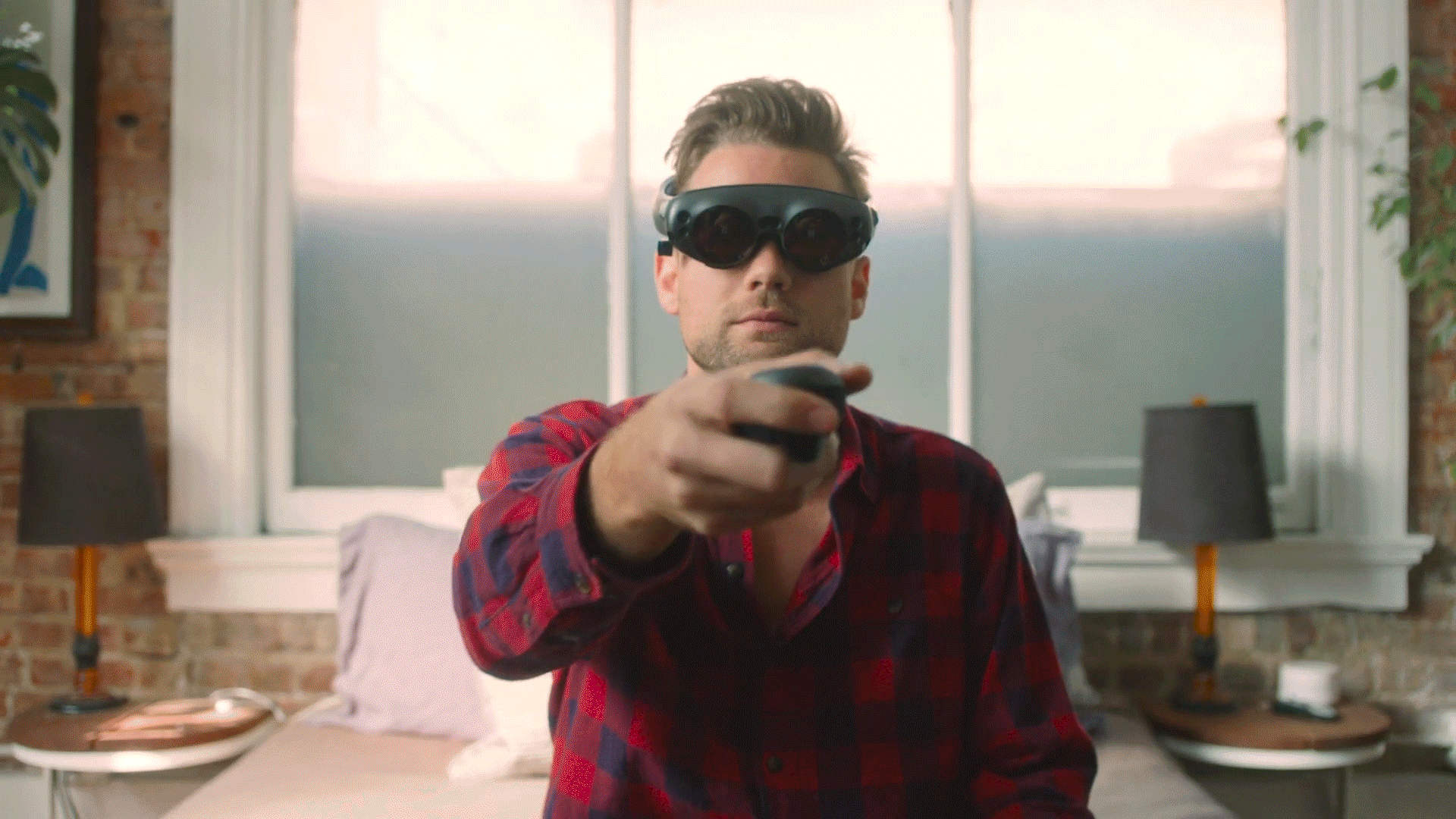
Cheddar, the streaming news service for millennials, and Magic Leap, a mixed reality company, are teaming up to put Cheddar's two live news networks on Magic Leap One augmented reality devices.
Why it matters: These will be the first live news channels made available in mixed reality to all Magic Leap One owners.
Microsoft founder and philanthropist Bill Gates, who’s in D.C. this week to meet with administration officials and members of Congress, told Axios he hopes the U.S.’ souring relationships with Europe and China — sparked by the Trump administration’s tariffs — won’t hurt long-term global health or climate change goals.
Between the lines: Gates always tries to keep his language diplomatic and above the political fights of the day — but he made it clear that trade wars aren’t helpful to his work.