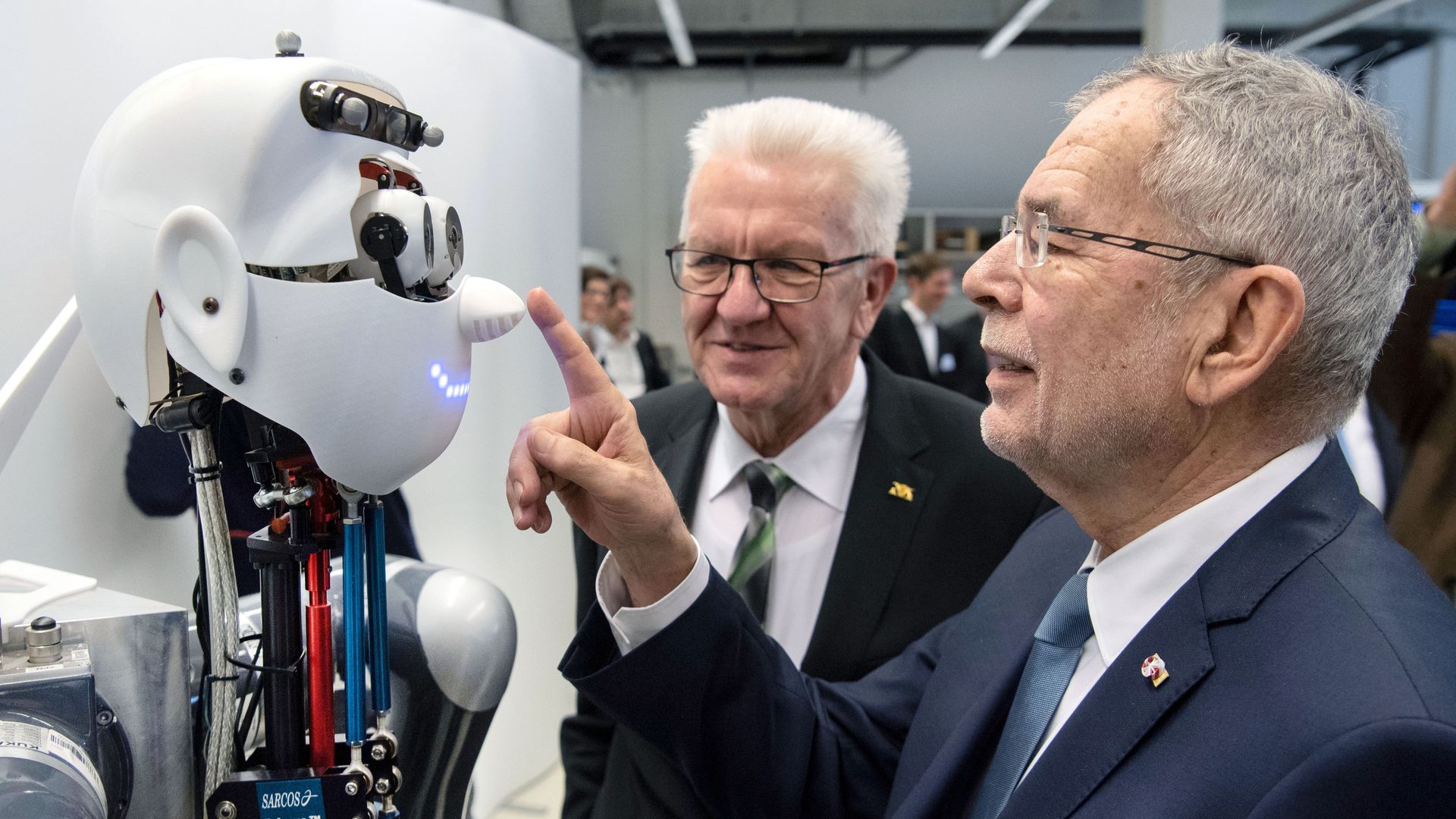
While researchers and business leaders barrel ahead to invent and apply artificial intelligence, a small, vocal minority has been sounding the alarm, urging the field to temper the technology’s dangers before widely deploying it.
Driving the news: In a new Pew survey of nearly 1,000 tech experts, fewer than two-thirds expect technology to make most people better off in 2030 than today. And many express a fundamental concern that AI will specifically be harmful.
Dozens of apps collect, analyze and sell users’ anonymous location data to third party companies, and although the data is anonymous in theory, a New York Times investigation shows that it's often easy to identify individuals and their paths.
Between the lines: The permissions users approve that allow a company to collect their location data don’t always disclose that the company may analyze and sell the data to third parties, too. That information is often hidden in the fine print of privacy statements, the Times investigation found, and there is no federal law regulating the collection and sale of such data.
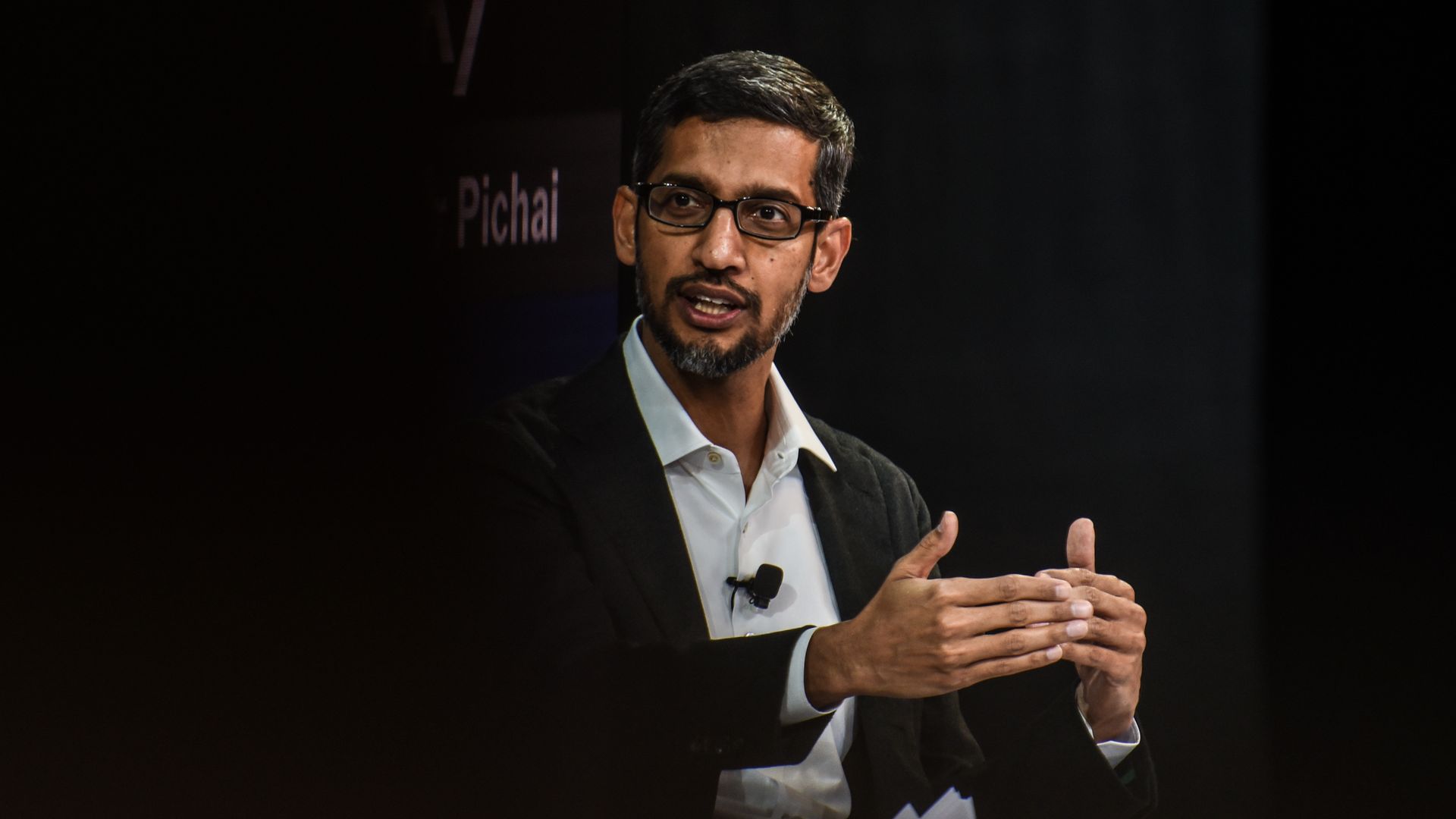
Google CEO Sundar Pichai will tell lawmakers Tuesday that the company takes user privacy seriously, doesn't bake political bias into its products and is proud to work with the U.S. government, according to his prepared testimony posted by the House Judiciary Committee.
Why it matters: Pichai will face tough questions from both Democrats and Republicans on the committee on a wide range of issues during the hearing, exposing him to the same frustrations Congress directed at execs from Facebook and Twitter earlier this year.
Google will accelerate the planned shutdown of its Google+ social networking service after discovering a bug that made it possible for developers to access private information on millions of users.
The big picture: Google chief executive Sundar Pichai will face questions about how the company protects user privacy when he testifies before a House committee Tuesday.
Dan talks with Axios China writer Bill Bishop on the Canadian arrest and possible extradition to the U.S. of a top Chinese tech executive, and what it means for trade negotiations and international business.
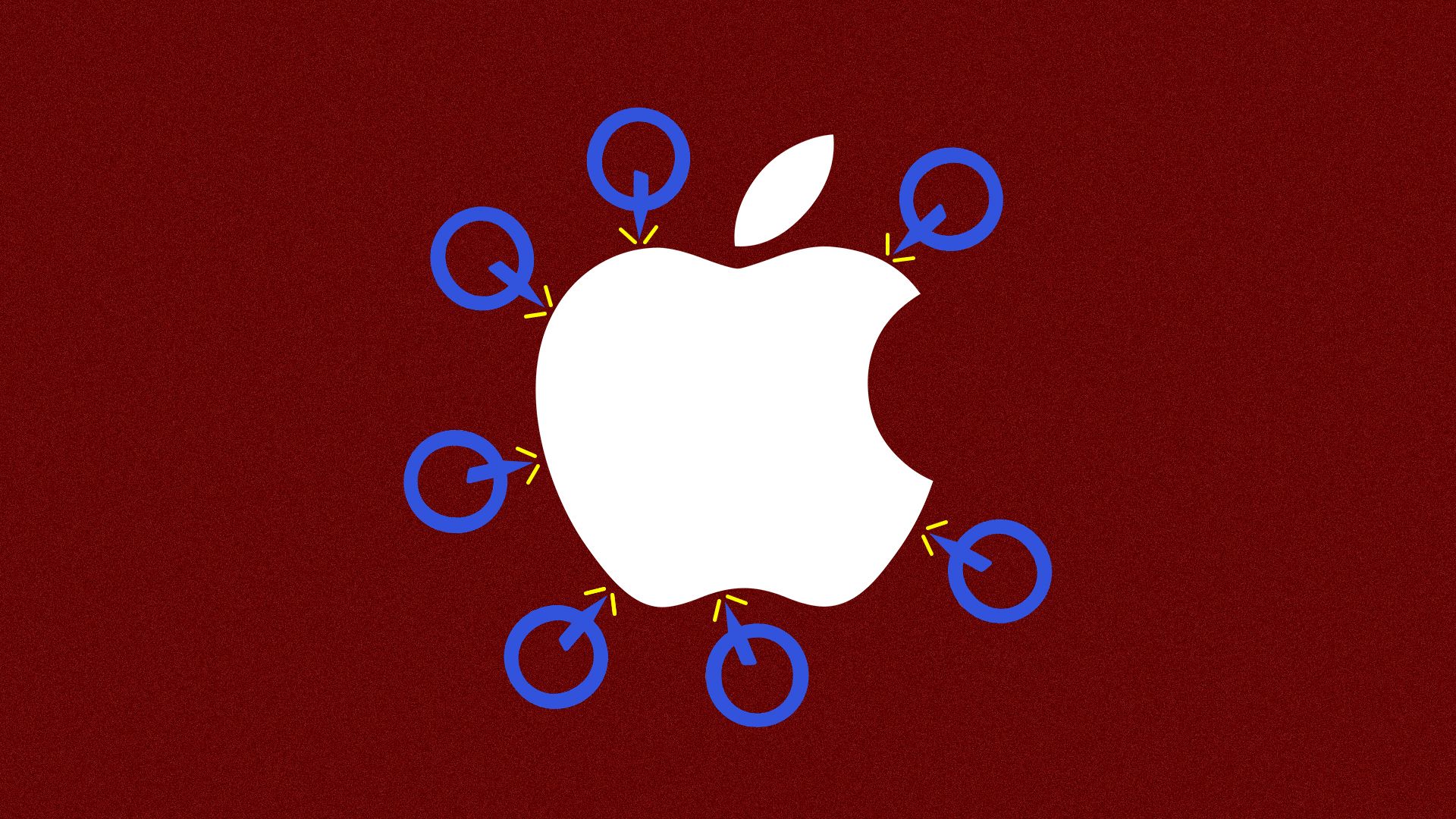
A Chinese court has banned the sale of a number of recent iPhone models citing infringement of two Qualcomm patents, the San Diego chipmaker said on Monday.
Why it matters: The preliminary injunction blocks the sale and import of iPhones into China, but not the manufacture or export of the devices, so the direct impact is limited to the domestic Chinese market. Still, it represents a significant disruption to Apple's business and could bring the two parties to the negotiating table in their long litigation war. Apple said Monday it has filed a request for reconsideration with the court, the first step in appealing the preliminary injunction.
After months of dodging requests to testify on Capitol Hill, Google's CEO is finally taking his turn in the hot seat.
Why it matters: Sundar Pichai, making his first-ever appearance before Congress Tuesday, will face the same grandstanding anger Facebook CEO Mark Zuckerberg encountered when he testified in April. The hearing will provide a fresh gut check on Washington’s willingness to clamp down on tech and start regulating it.
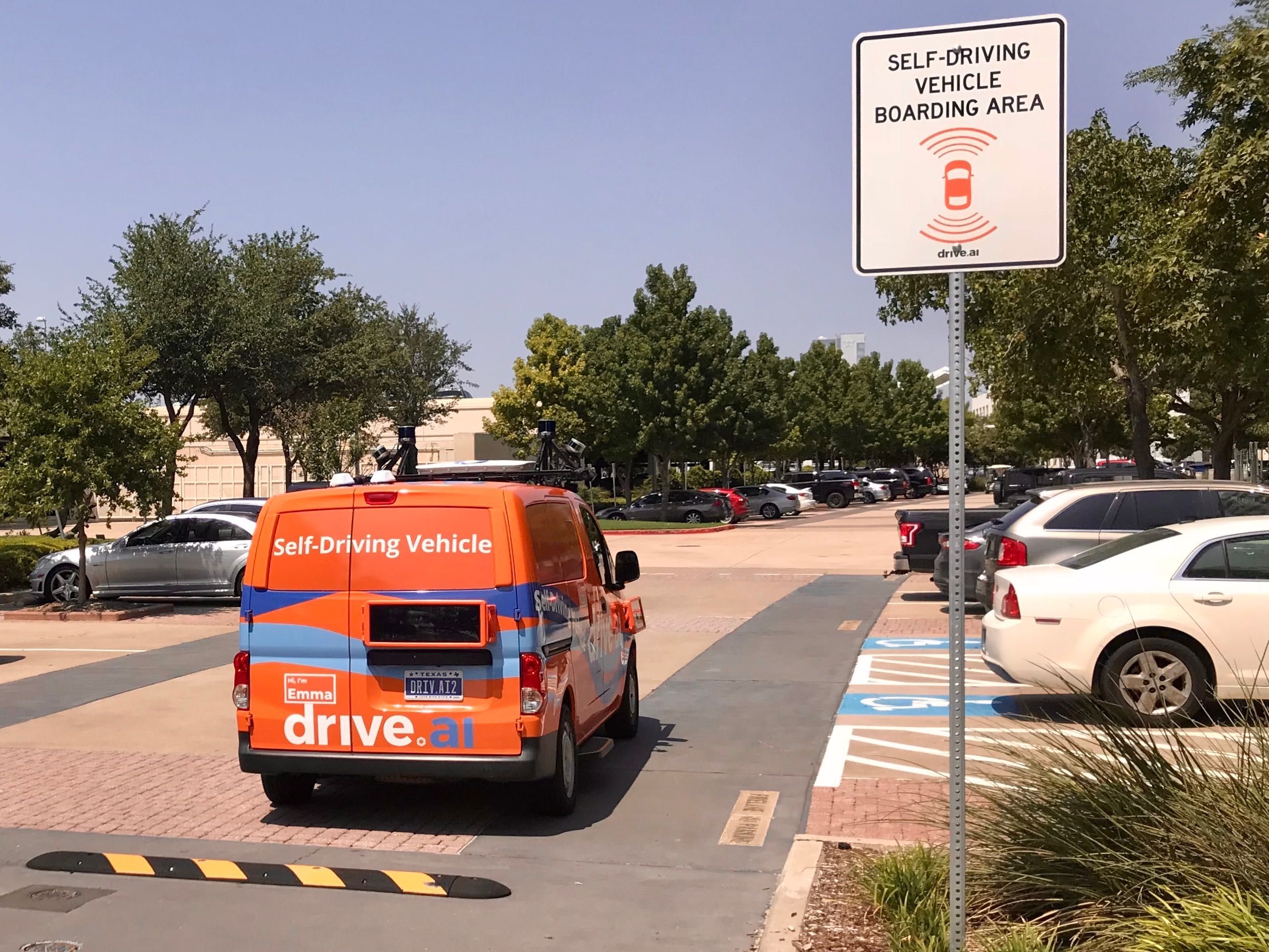
Early in the much-promoted new driverless age, autonomous vehicles are experimental and cost far too much for mass private ownership. So companies are asking cities, states and the federal government to shoulder the massive initial rollout.
Driving the news: A pair of little-noticed proposed contracts show the steep price of these first-time autonomous cars and shuttles, amounting to leasing costs of well over $100,000 each per year. The contracts raise questions about whether driverless cars are the best use of public funds.
Last week, I mentioned somewhat offhandedly that Microsoft had a larger market capitalization than Apple. I received a lot of responses to that item, mostly asking me to explain why, exactly, the difference in market cap doesn't matter.
At $804 billion, Microsoft's market cap is still marginally higher than Apple's $800 billion. That doesn't mean Microsoft is bigger than Apple.
The broad trajectory of the stock market last week can be explained pretty simply.
What happened: A Monday spike on optimism about a trade truce between China and America, followed by a downward spiral after news emerged that seemed to indicate the trade war continues to be prosecuted aggressively.
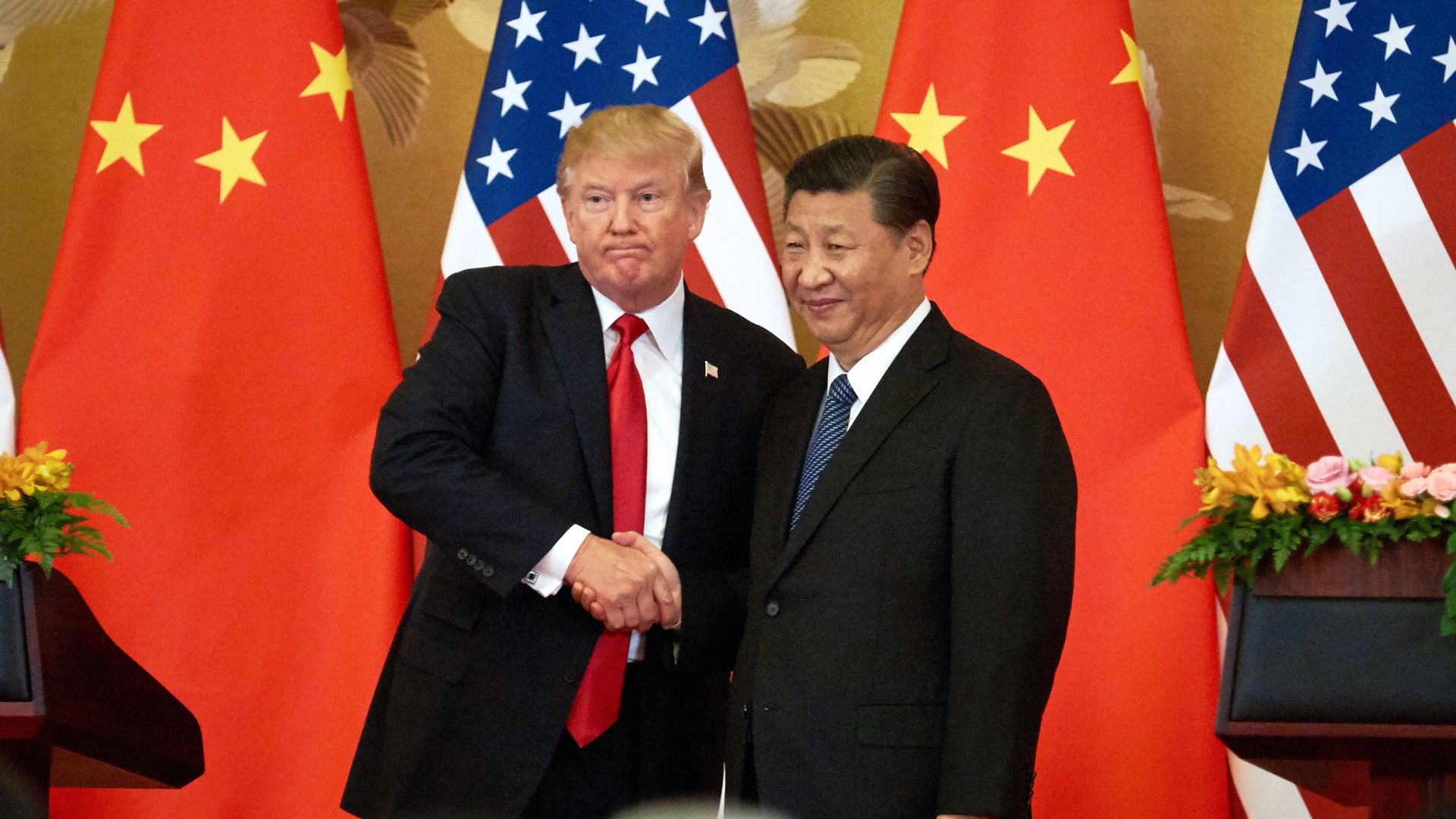
White House economic adviser Larry Kudlow said on "Fox News Sunday" that President Trump did not have prior knowledge about the arrest of Huawei CFO Meng Wanzhou, which took place the same evening Trump was negotiating a trade war truce with Chinese President Xi Jinping at the G20 summit.
Why it matters: The arrest and pending extradition of Meng in Canada for violating U.S. sanctions on Iran could have implications for Trump's trade war with China. With tensions already running high, experts tell Axios that China could retaliate against American businesses, especially if there are additional moves against Huawei from the U.S. executive branch.
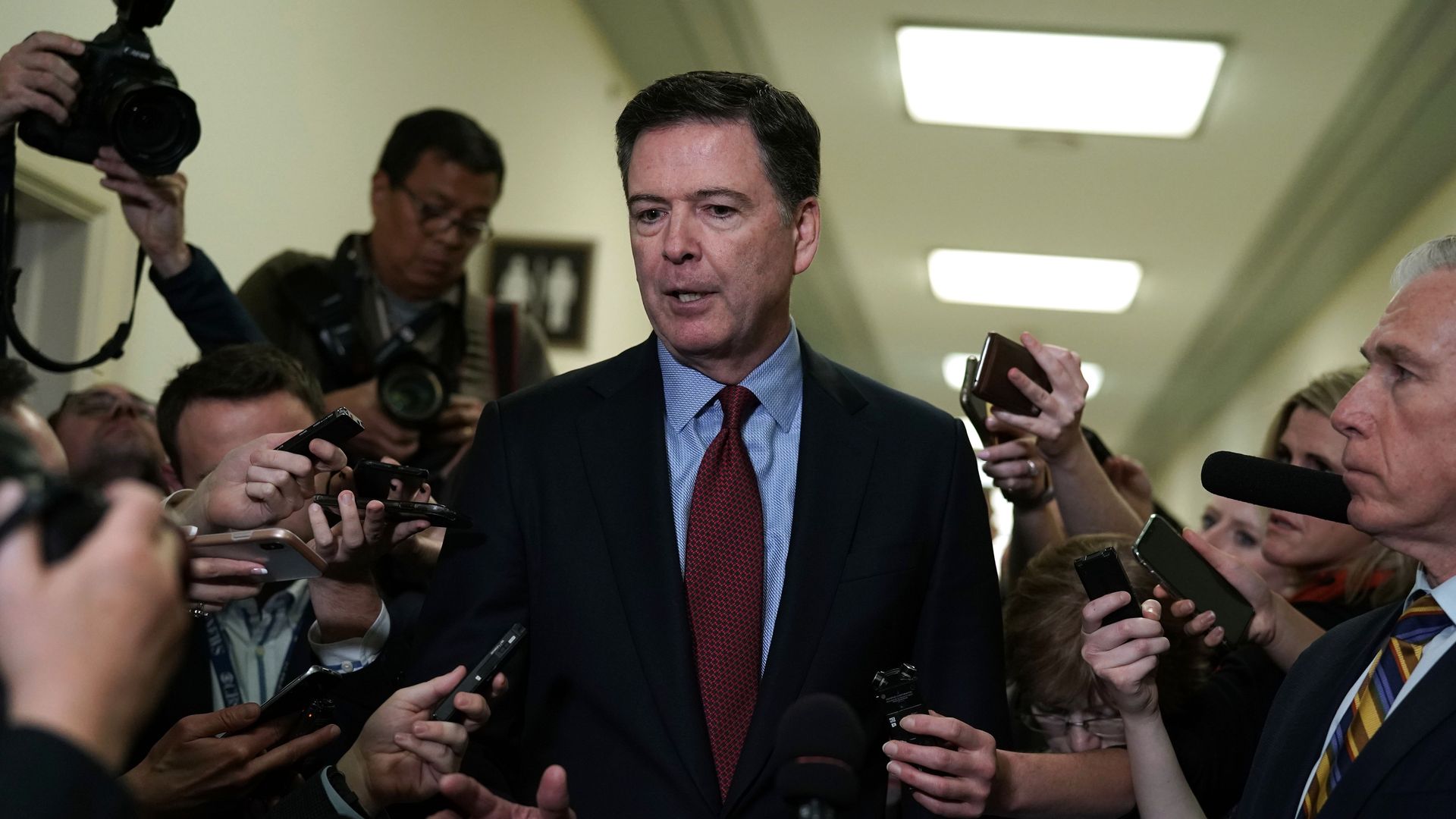
Former FBI Director James Comey told congressional investigators Friday that in the summer of 2016, the FBI opened counterintelligence investigations into four Americans connected to then-candidate Trump to determine if they played a role in Russian interference in the 2016 election.
The big picture: Comey, who testified for seven hours before the House Judiciary and Oversight committees, was unwilling to publicly reveal the identities of the four individuals. But the New York Times reported in May that four Trump associates — Paul Manafort, Michael Flynn, George Papadopoulos and Carter Page — were all investigated by the FBI for potential ties to Russia. Manafort, Flynn and Papadopoulos have since been indicted or pleaded guilty to the special counsel for various crimes.