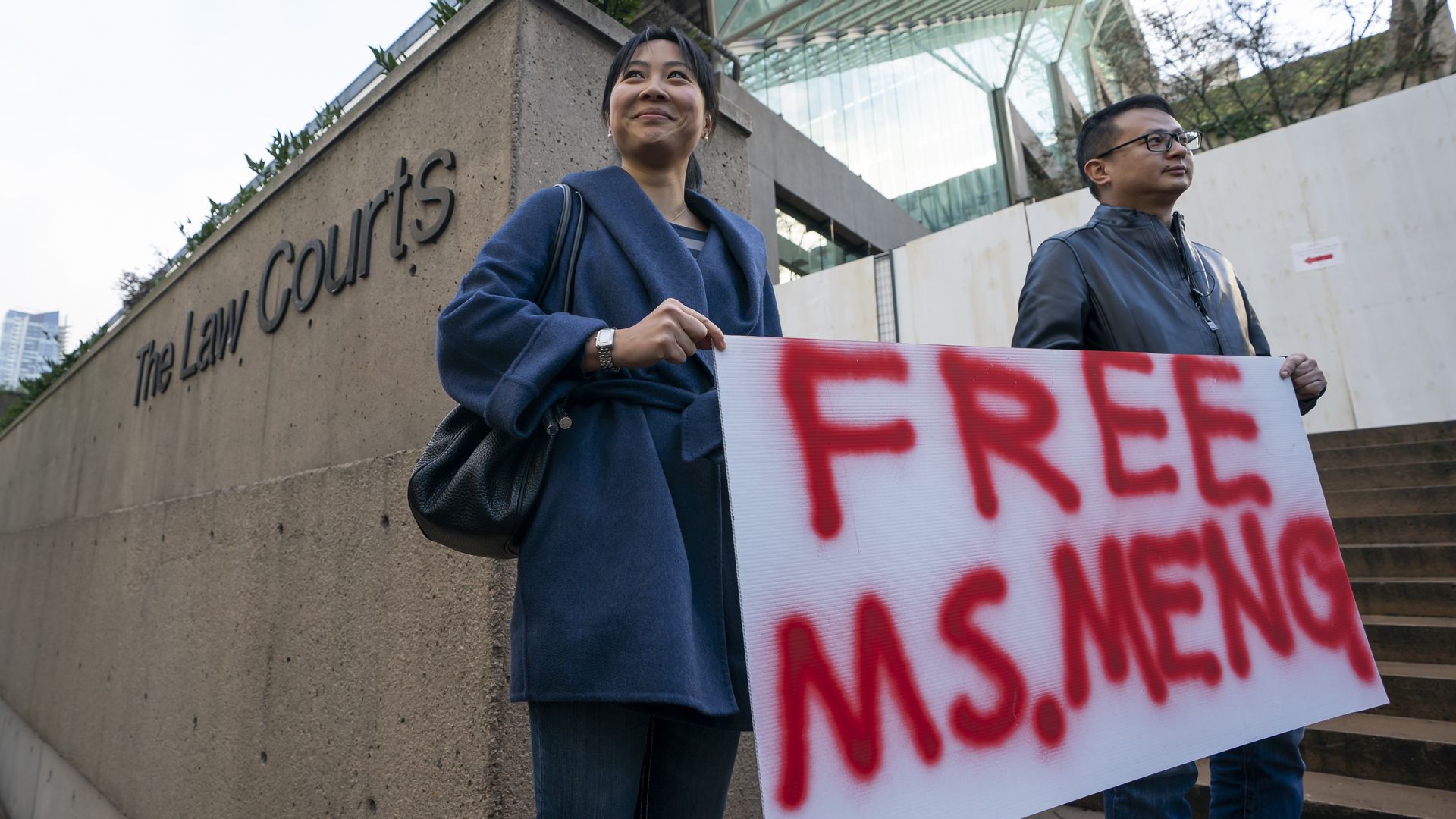
A Canadian court on Tuesday granted bail to Meng Wanzhou, the chief financial officer of Chinese tech giant Huawei, who had been arrested on fraud charges related to alleged violations of sanctions against Iran.
Why it matters: Wanzhou has become a flashpoint in trade tensions between China and the U.S., with China demanding her release and the U.S. asking Canada for her to be extradited to stand trial here. President Trump told Reuters today that he might act to get charges dropped against the CFO of Huawei as part of a trade deal with China.
Republican lawmakers from the House Judiciary Committee referenced studies whose accuracy has been disputed, as well as their own impromptu experiments, to press Google CEO Sundar Pichai Wednesday about bias against conservatives in its search algorithms.
Why it matters: Republican lawmakers cited less-than-authoritative sources to back their charges of political bias by Google. To date, no credible evidence has been presented that suggests Google engineers program the company's search, video or news algorithms to favor one political ideology over another.
Sidecar, a now-defunct ride-hailing company, is suing Uber for anti-competitive practices that "stifled competition in the market for ride-hailing applications" and put the company out of business, according to a new complaint filed in U.S. District Court in San Francisco.
The bottom line: "If Uber had won the ride-hailing market on a level playing field, we would have been disappointed, but that’s something we could have lived with," Sidecar co-founder Sunil Paul says in a new blog post. "That’s not what happened."
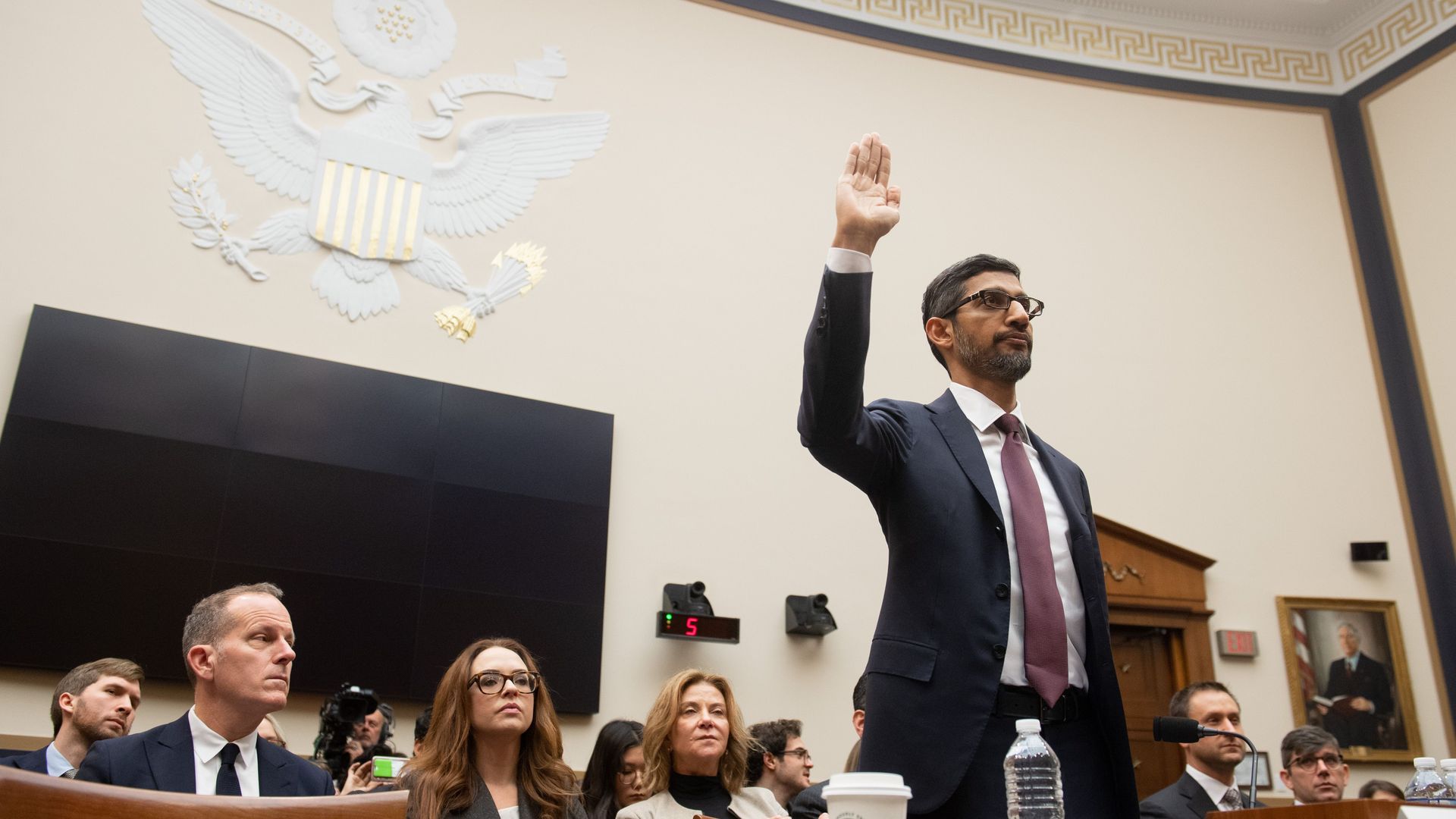
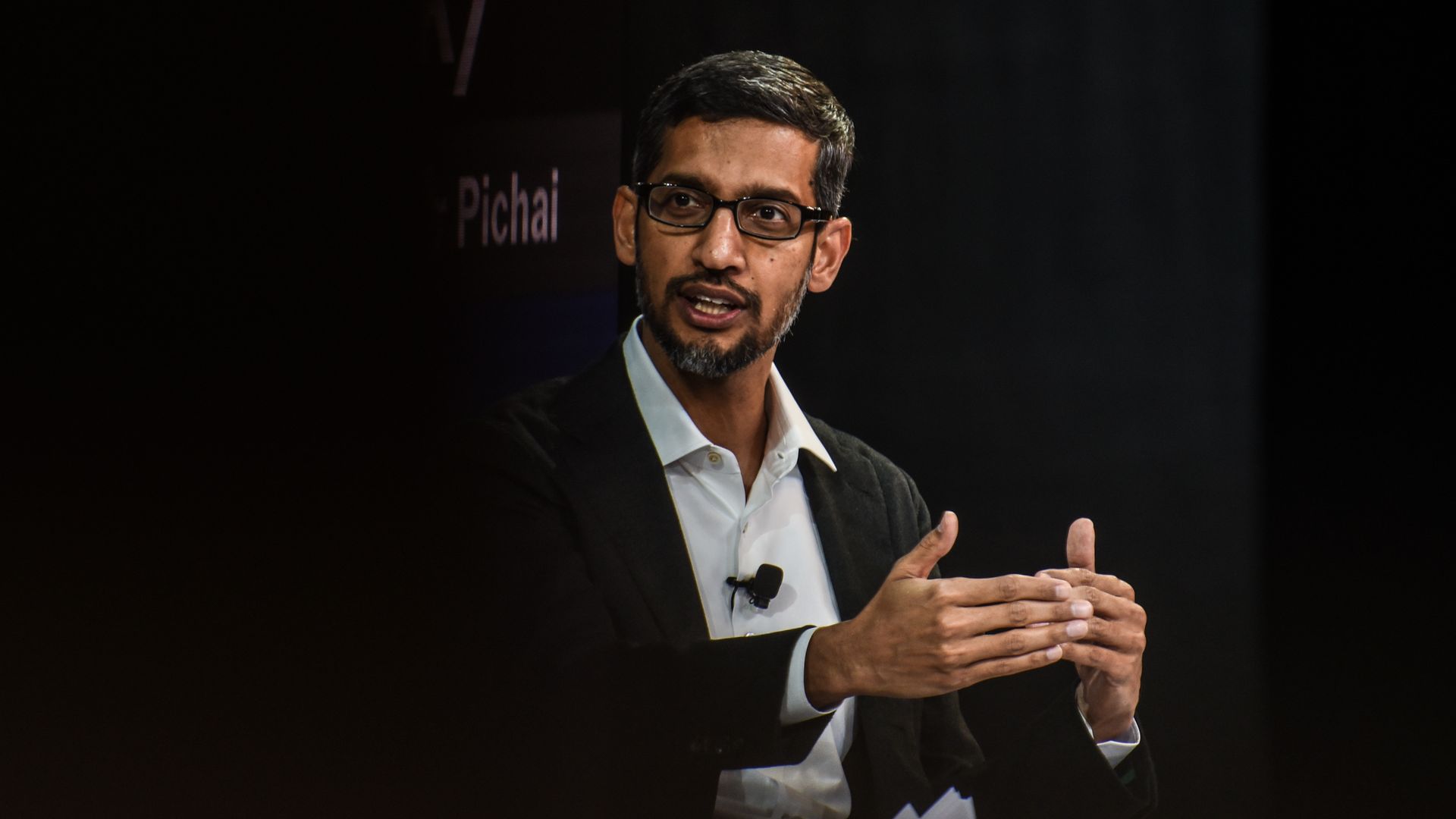
Google CEO Sundar Pichai sparred with conservative lawmakers who claim the search engine is politically biased while avoiding specific commitments on privacy and company's plans for a censored search engine in China.
Why it matters: Tuesday's three-hour-long hearing was Pichai's first appearance before Congress. Google has largely avoided the congressional scrutiny that hit Facebook and Twitter after its top executives declined a request to testify earlier this year.
Truepic, a startup that authenticates digital photos, is scooping up a rival technology developed by one of the field's leading experts. The company is buying San Jose-based Fourandsix Technologies, whose fake image detector was licensed by DARPA earlier this year.
Why it matters: Determining whether digital images are genuine has become increasingly important in an era of rampant misinformation, and it's already commercially critical in fields like insurance.
Cheddar, the streaming news service for millennials, and Magic Leap, a mixed reality company, are teaming up to put Cheddar's two live news networks on Magic Leap One augmented reality devices.
Why it matters: These will be the first live news channels made available in mixed reality to all Magic Leap One owners.
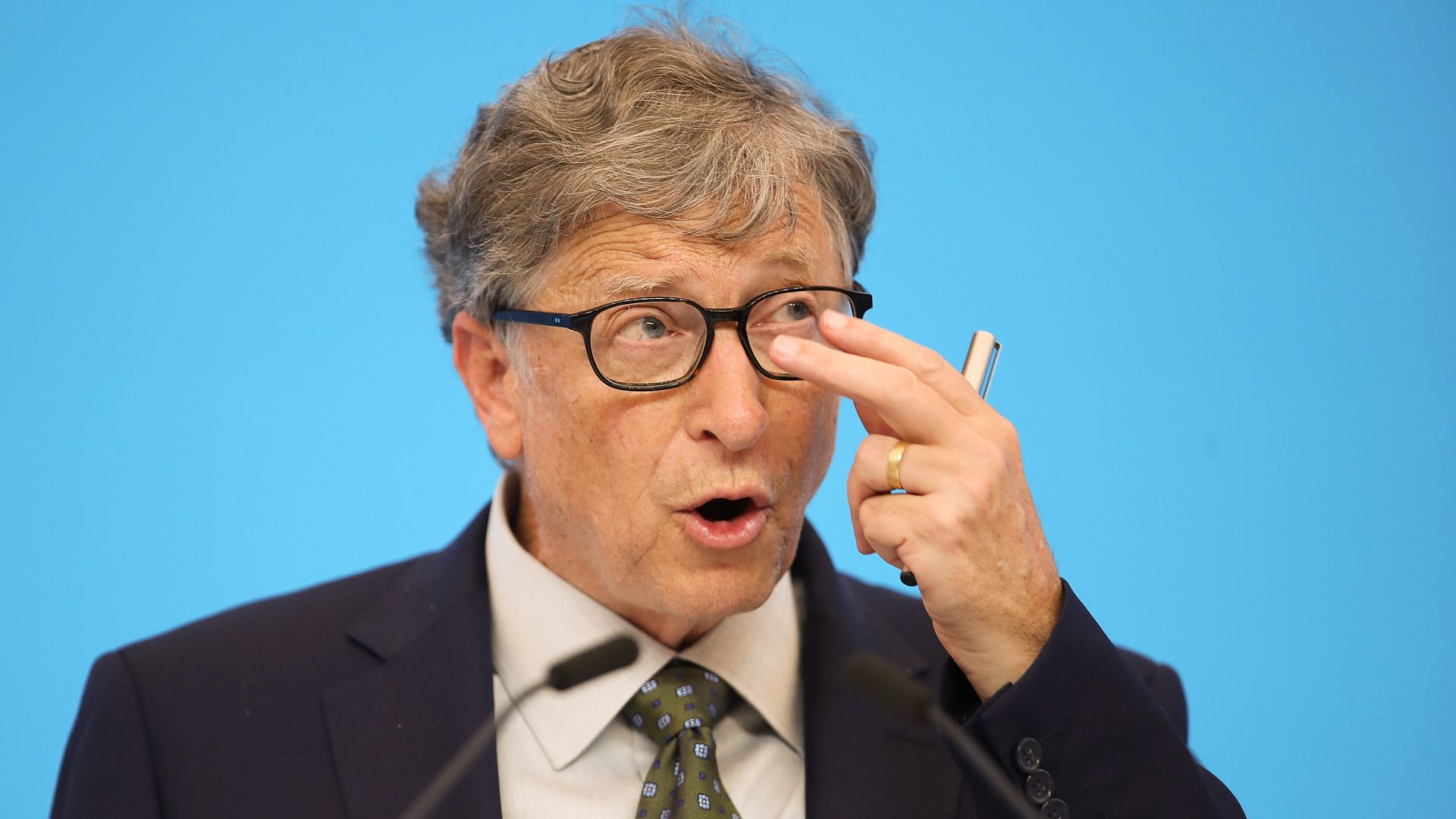
Microsoft founder and philanthropist Bill Gates, who’s in D.C. this week to meet with administration officials and members of Congress, told Axios he hopes the U.S.’ souring relationships with Europe and China — sparked by the Trump administration’s tariffs — won’t hurt long-term global health or climate change goals.
Between the lines: Gates always tries to keep his language diplomatic and above the political fights of the day — but he made it clear that trade wars aren’t helpful to his work.
While researchers and business leaders barrel ahead to invent and apply artificial intelligence, a small, vocal minority has been sounding the alarm, urging the field to temper the technology’s dangers before widely deploying it.
Driving the news: In a new Pew survey of nearly 1,000 tech experts, fewer than two-thirds expect technology to make most people better off in 2030 than today. And many express a fundamental concern that AI will specifically be harmful.
Dozens of apps collect, analyze and sell users’ anonymous location data to third party companies, and although the data is anonymous in theory, a New York Times investigation shows that it's often easy to identify individuals and their paths.
Between the lines: The permissions users approve that allow a company to collect their location data don’t always disclose that the company may analyze and sell the data to third parties, too. That information is often hidden in the fine print of privacy statements, the Times investigation found, and there is no federal law regulating the collection and sale of such data.
Google CEO Sundar Pichai will tell lawmakers Tuesday that the company takes user privacy seriously, doesn't bake political bias into its products and is proud to work with the U.S. government, according to his prepared testimony posted by the House Judiciary Committee.
Why it matters: Pichai will face tough questions from both Democrats and Republicans on the committee on a wide range of issues during the hearing, exposing him to the same frustrations Congress directed at execs from Facebook and Twitter earlier this year.
Google will accelerate the planned shutdown of its Google+ social networking service after discovering a bug that made it possible for developers to access private information on millions of users.
The big picture: Google chief executive Sundar Pichai will face questions about how the company protects user privacy when he testifies before a House committee Tuesday.
Dan talks with Axios China writer Bill Bishop on the Canadian arrest and possible extradition to the U.S. of a top Chinese tech executive, and what it means for trade negotiations and international business.
A Chinese court has banned the sale of a number of recent iPhone models citing infringement of two Qualcomm patents, the San Diego chipmaker said on Monday.
Why it matters: The preliminary injunction blocks the sale and import of iPhones into China, but not the manufacture or export of the devices, so the direct impact is limited to the domestic Chinese market. Still, it represents a significant disruption to Apple's business and could bring the two parties to the negotiating table in their long litigation war. Apple said Monday it has filed a request for reconsideration with the court, the first step in appealing the preliminary injunction.
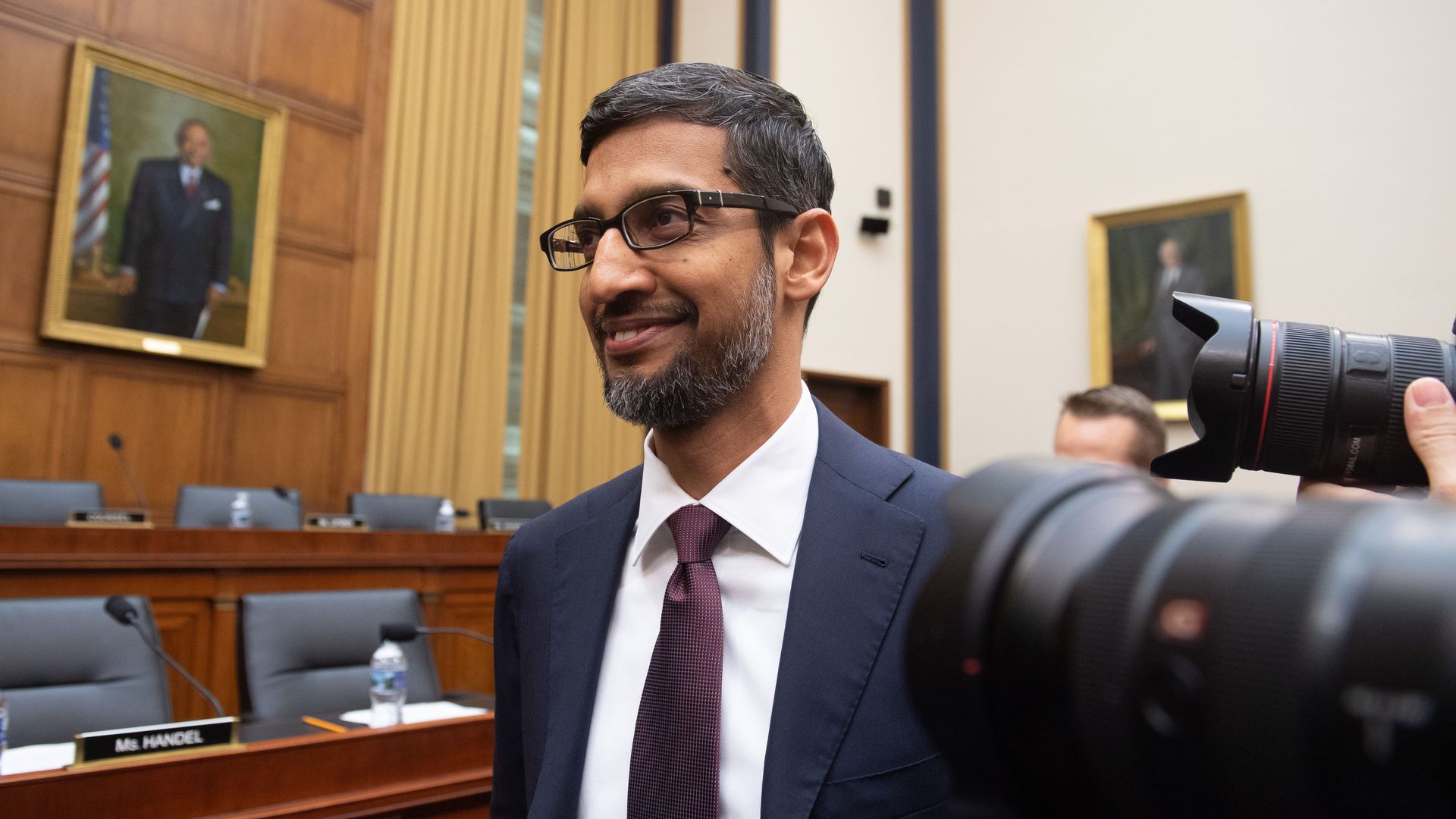
After months of dodging requests to testify on Capitol Hill, Google's CEO is finally taking his turn in the hot seat.
Why it matters: Sundar Pichai, making his first-ever appearance before Congress Tuesday, will face the same grandstanding anger Facebook CEO Mark Zuckerberg encountered when he testified in April. The hearing will provide a fresh gut check on Washington’s willingness to clamp down on tech and start regulating it.