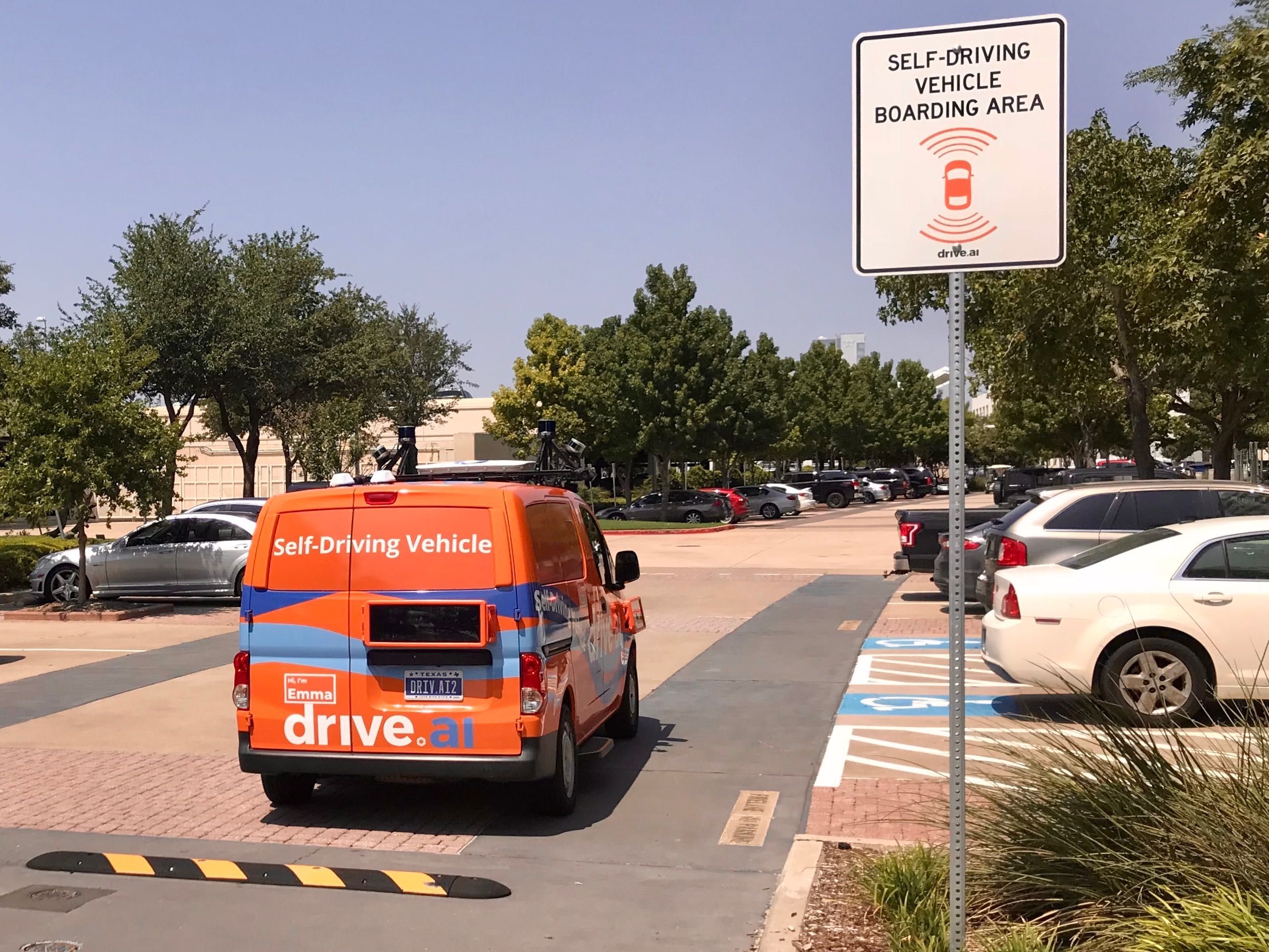
Early in the much-promoted new driverless age, autonomous vehicles are experimental and cost far too much for mass private ownership. So companies are asking cities, states and the federal government to shoulder the massive initial rollout.
Driving the news: A pair of little-noticed proposed contracts show the steep price of these first-time autonomous cars and shuttles, amounting to leasing costs of well over $100,000 each per year. The contracts raise questions about whether driverless cars are the best use of public funds.
Last week, I mentioned somewhat offhandedly that Microsoft had a larger market capitalization than Apple. I received a lot of responses to that item, mostly asking me to explain why, exactly, the difference in market cap doesn't matter.
At $804 billion, Microsoft's market cap is still marginally higher than Apple's $800 billion. That doesn't mean Microsoft is bigger than Apple.
The broad trajectory of the stock market last week can be explained pretty simply.
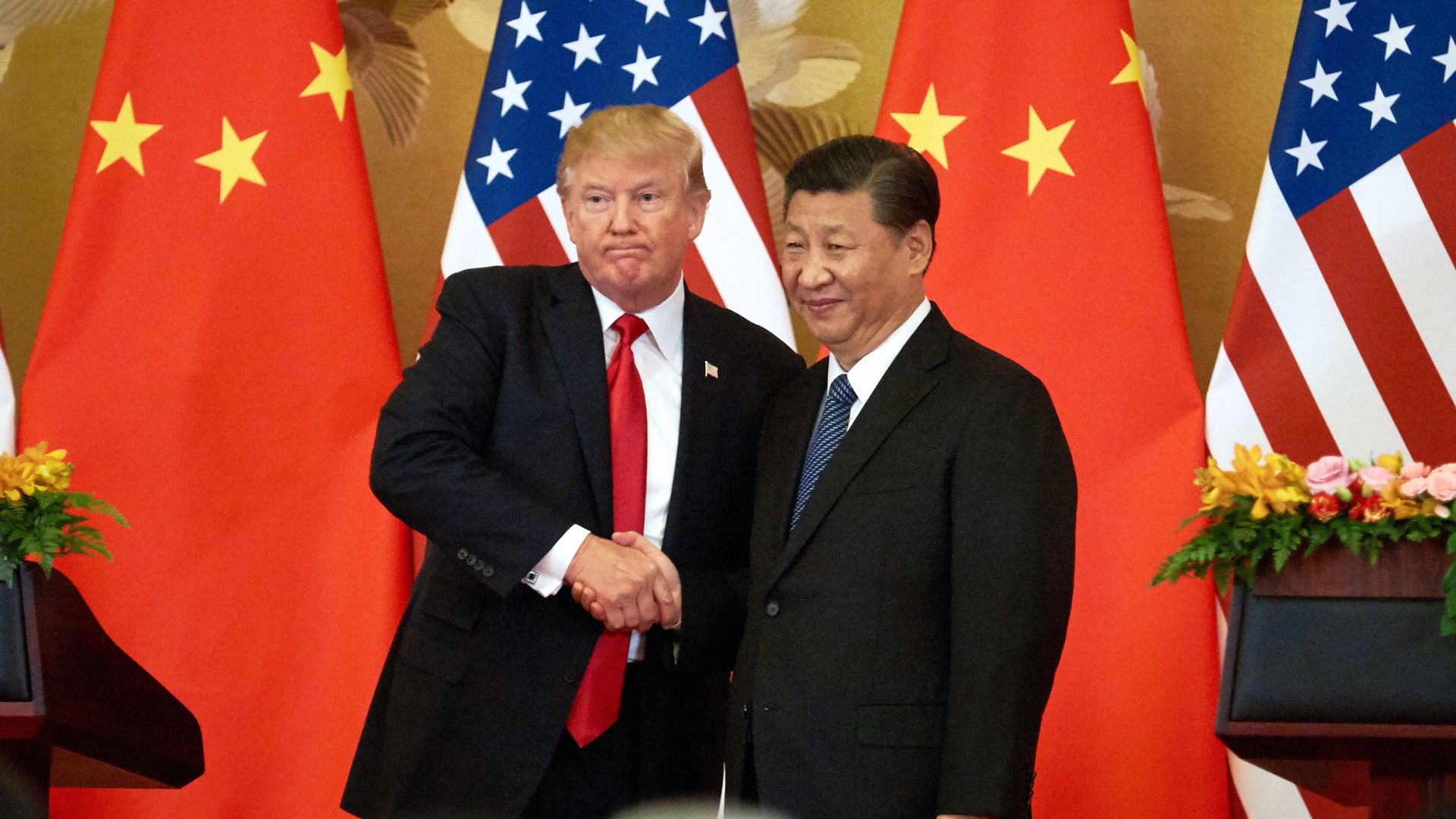
What happened: A Monday spike on optimism about a trade truce between China and America, followed by a downward spiral after news emerged that seemed to indicate the trade war continues to be prosecuted aggressively.
White House economic adviser Larry Kudlow said on "Fox News Sunday" that President Trump did not have prior knowledge about the arrest of Huawei CFO Meng Wanzhou, which took place the same evening Trump was negotiating a trade war truce with Chinese President Xi Jinping at the G20 summit.
Why it matters: The arrest and pending extradition of Meng in Canada for violating U.S. sanctions on Iran could have implications for Trump's trade war with China. With tensions already running high, experts tell Axios that China could retaliate against American businesses, especially if there are additional moves against Huawei from the U.S. executive branch.
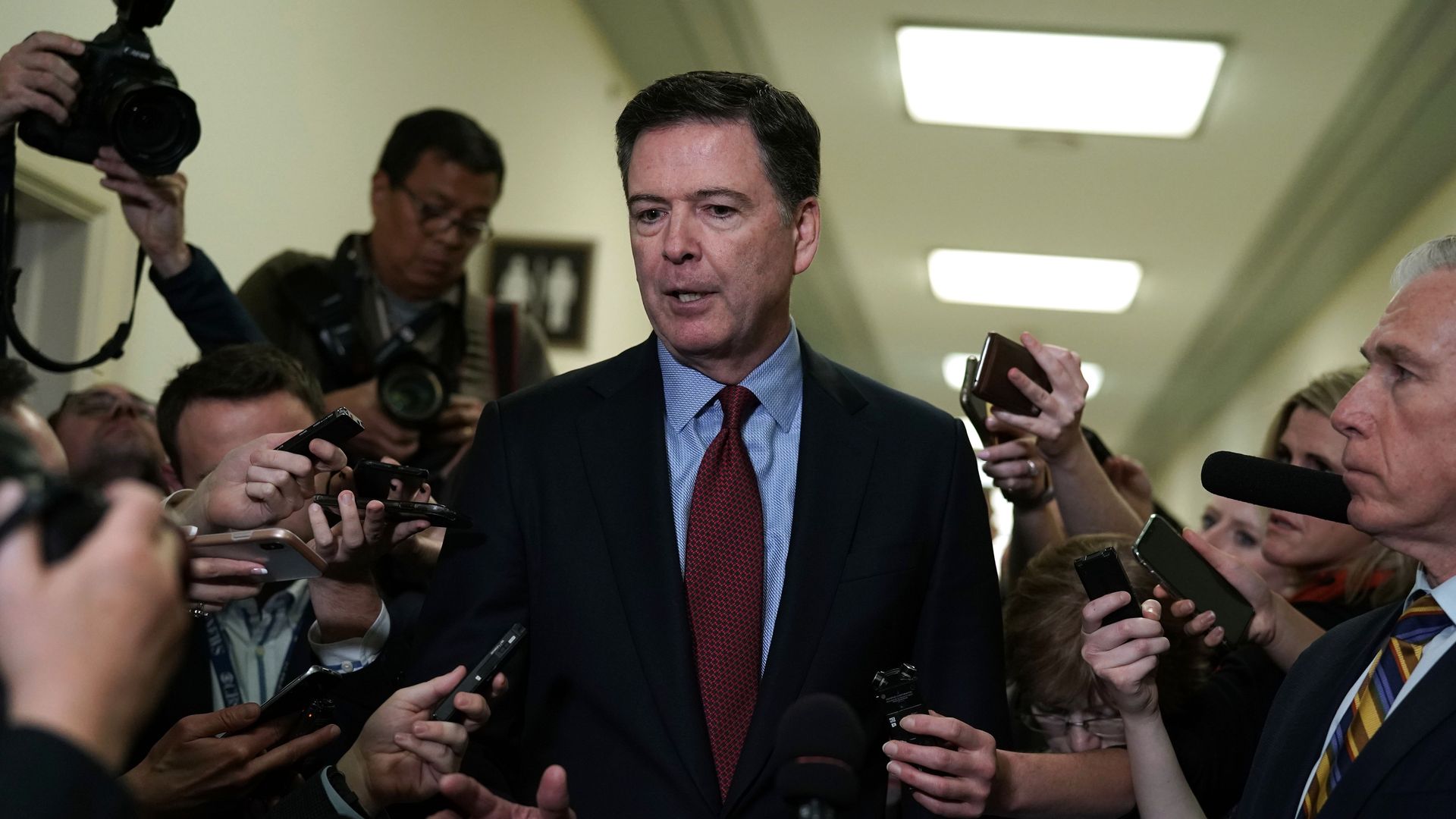
Former FBI Director James Comey told congressional investigators Friday that in the summer of 2016, the FBI opened counterintelligence investigations into four Americans connected to then-candidate Trump to determine if they played a role in Russian interference in the 2016 election.
The big picture: Comey, who testified for seven hours before the House Judiciary and Oversight committees, was unwilling to publicly reveal the identities of the four individuals. But the New York Times reported in May that four Trump associates — Paul Manafort, Michael Flynn, George Papadopoulos and Carter Page — were all investigated by the FBI for potential ties to Russia. Manafort, Flynn and Papadopoulos have since been indicted or pleaded guilty to the special counsel for various crimes.
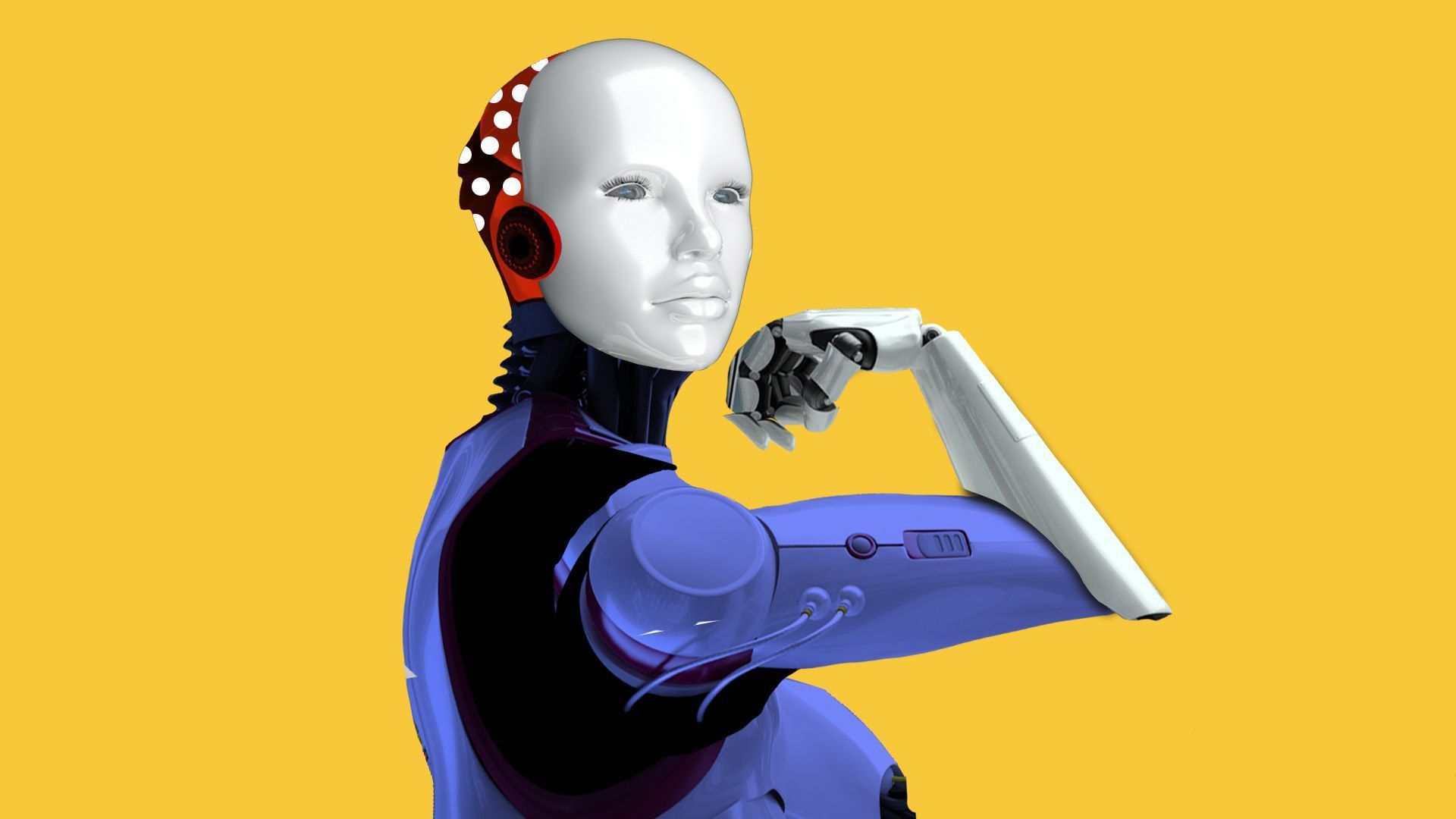
Over the coming years, the workplace in the U.S. and other advanced economies will see increased automation, and corporate leaders will face a stark choice: whether to keep humans in the mix or let them go. And if it's the former, to what degree?
What’s happening: A wave of studies and corporate PR campaigns argue that there is nothing to fear from artificial intelligence and robots — they will operate to enhance human labor, not to replace it. But Ravin Jesuthasan, author of "Reinventing Jobs," says that will only be the case if the bulk of companies decide to use AI and robots that way — a decision that hasn't been made yet.
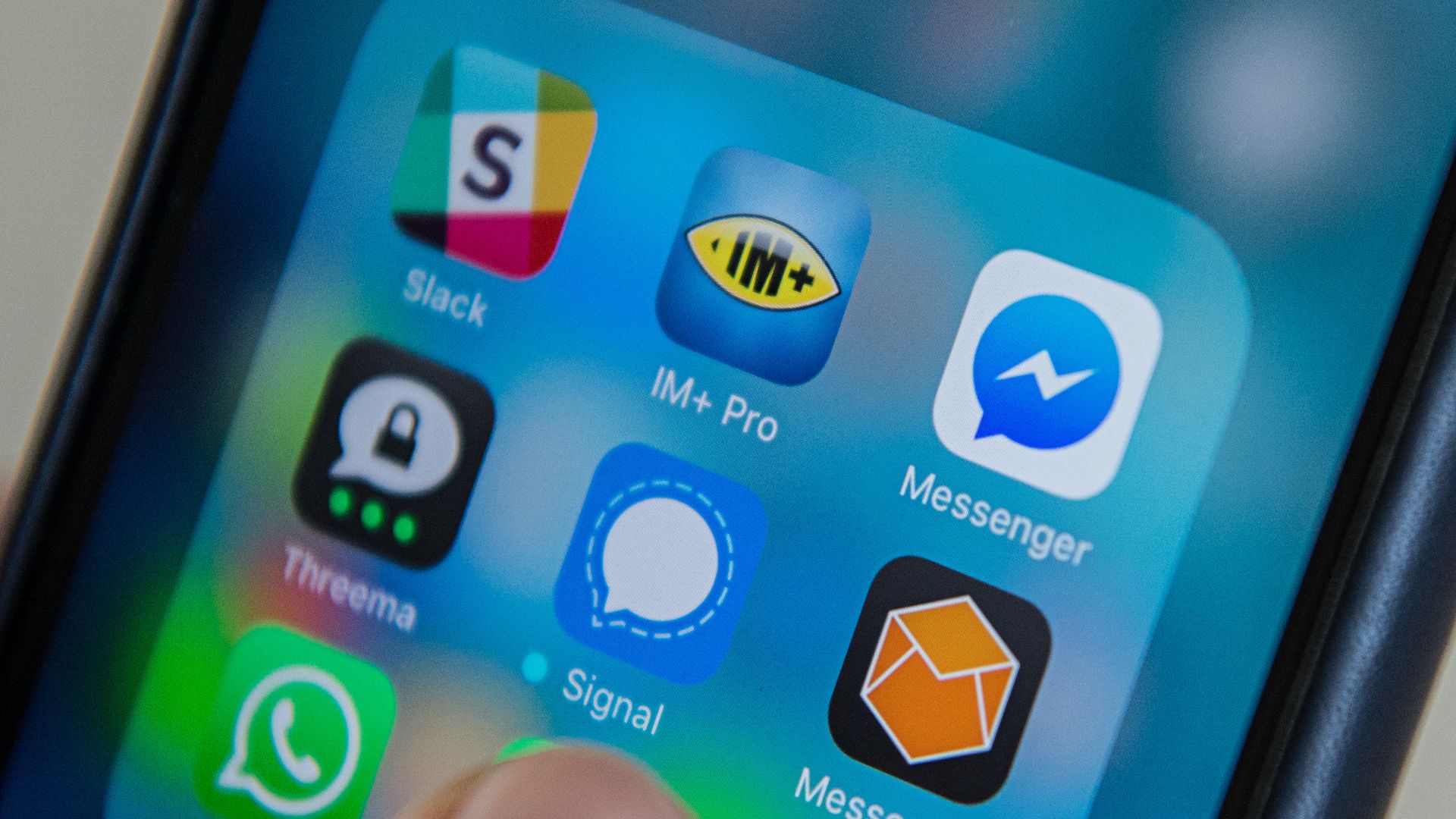
Workplace messaging application Slack has taped Goldman Sachs to spearhead its IPO next year, Reuters reports.
The big picture:Slack has been a part of a slew of Silicon Valley companies, including Uber, Airbnb and Lyft, that are planning to debut in the stock market in 2019. Reuters reports that Slack anticipates a valuation over $10 billion in its IPO.