Google says after analyzing 89% of its workforce's compensation (not including certain roles and top executives) for 2017, it has spent $270,000 to eliminate pay discrepancies for 228 employees.
Why it matters: Google has been under fire for allegedly underpaying women and people of color. Last year, the Department of Labor sought to obtain additional employee pay data after an audit found evidence of systemic gender-based pay discrepancies. Female former employees are suing the company with similar allegations, though Google has denied all claims.
The video audience for Amazon Prime, Amazon's subscription service, is roughly 26 million people, according to documents obtained by Reuters. It's top video shows drew more than 5 million viewers, per the files.
Why it matters: It's the first time any numbers around Amazon's media audience have been reported. The Seattle-based tech giant has been building a robust video business, spending upwards of $7 billion dollars on original content to compete with the likes of Netflix and Hulu. The numbers show that their efforts are paying off.
Global shipper DHL announced plans for Parcel Metro, a new service to help speed local deliveries, in part through the use of crowdsourced shipping options.
Why it matters: It comes as e-commerce shipments continue to grow, but online retailers face increased pressure from Amazon and others to offer same-day delivery.
Artificial intelligence researchers have tried unsuccessfully for decades to give machines the common sense needed to converse with humans and seamlessly navigate our always-changing world. Last month, Paul Allen announced he is investing another $125 million into his Allen Institute for Artificial Intelligence (AI2) in a renewed effort to solve one of the field's grand challenges.
Axios spoke with Yejin Choi, an AI researcher from the University of Washington and AI2 who studies how machines process and generate language. She talked about how they're defining common sense, their approach to the problem and how it's connected to bias.
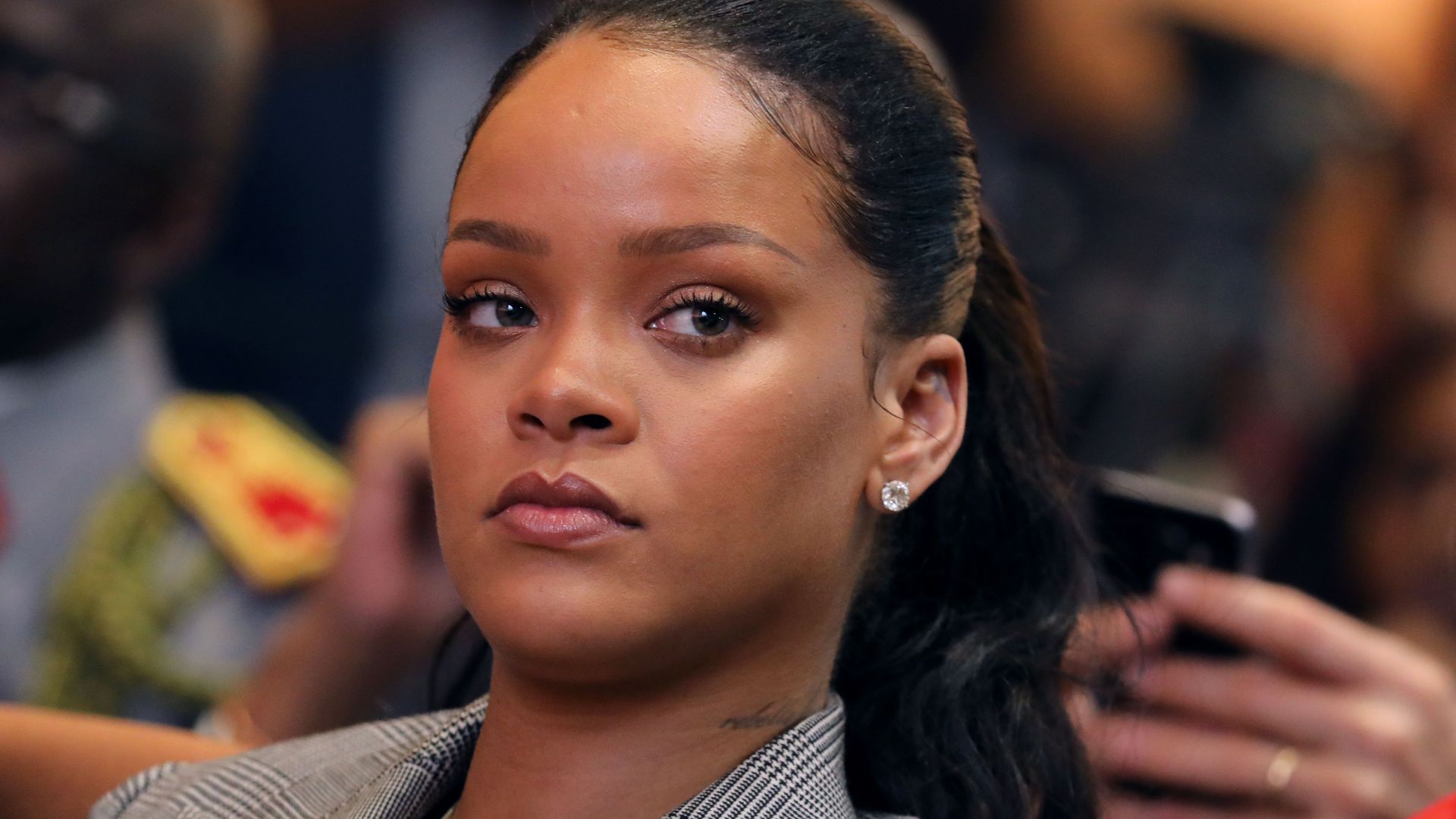
Snap fell 4% on Thursday after singer Rihanna blasted Snapchat for running an ad mocking her and former boyfriend, Chris Brown, reports Business Insider. The ad asked users if they'd "rather slap Rihanna or punch Chris Brown." Brown pleaded guilty to assaulting Rihanna in 2009 after the two got into an argument in a car.
Snapchat pulled the ad and released a statement to BBC: "The advert was reviewed and approved in error, as it violates our advertising guidelines. We immediately removed the ad last weekend, once we became aware. We are sorry this happened."
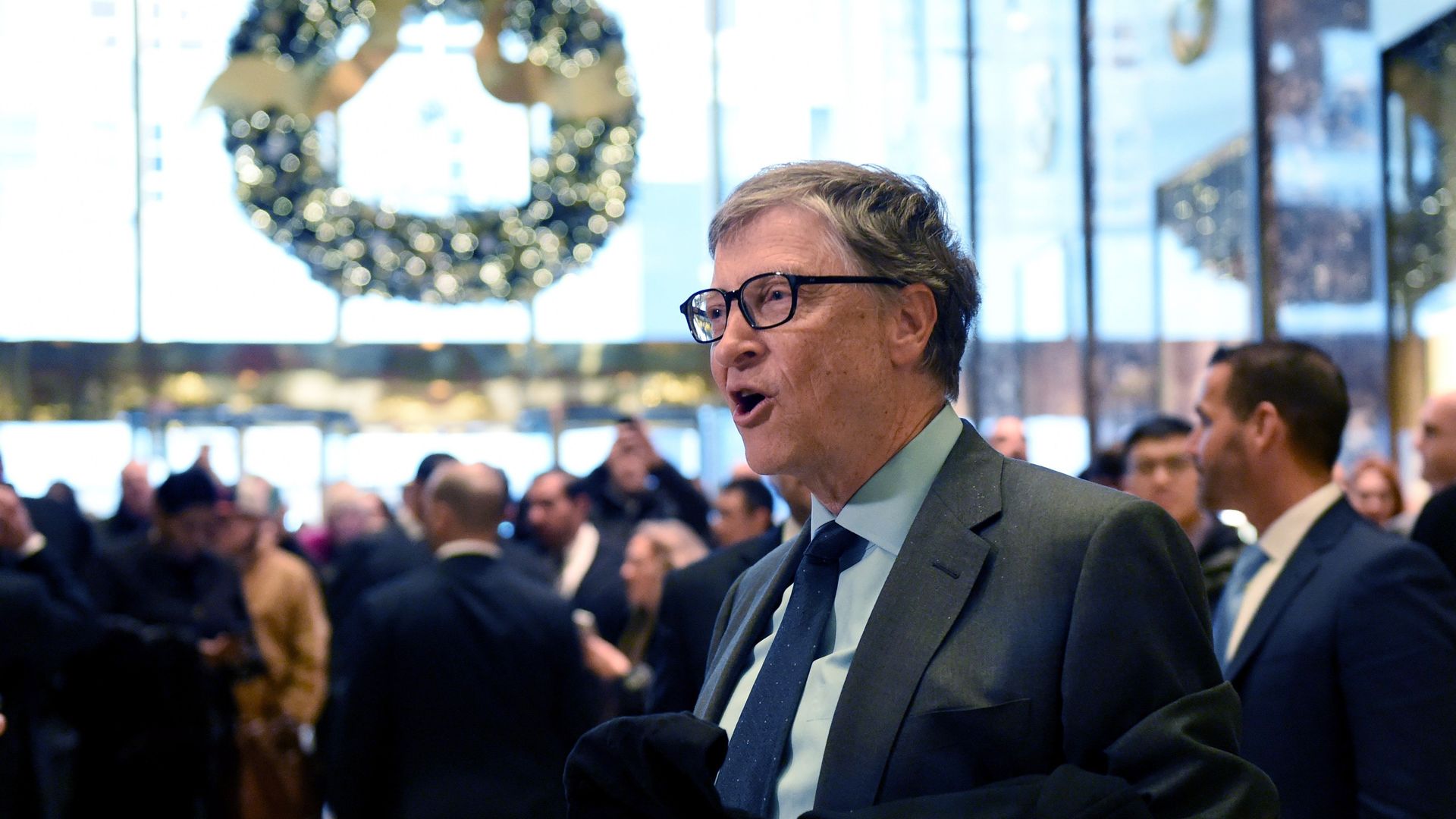
Microsoft co-founder Bill Gates is meeting with President Trump today at the White House. Ahead of that meeting, he told Politico's Anna Palmer and Jake Sherman that he'll try to impress upon Trump how crucial foreign aid is to the U.S.'s longevity.
"I’ll take his framework … and I’ll explain that even within that narrow framework where you don’t take into account things like saving lives in Africa and the pure humanitarian benefit, even without that, this is money well spent."
The company best known for making Post-It notes and Scotch Tape sees its next big opportunity in driverless cars. 3M CEO Inge Thulin told Axios in a recent interview that "automotive electrification" is a $6 billion market that will be a "big, big deal for us."
Why it matters: The chip and sensor makers that allow driverless cars to "see" often get most of the attention. But 3M is trying to leverage its history of making license plates, pavement marking, and traffic signs to be a major player in the autonomous vehicle market.
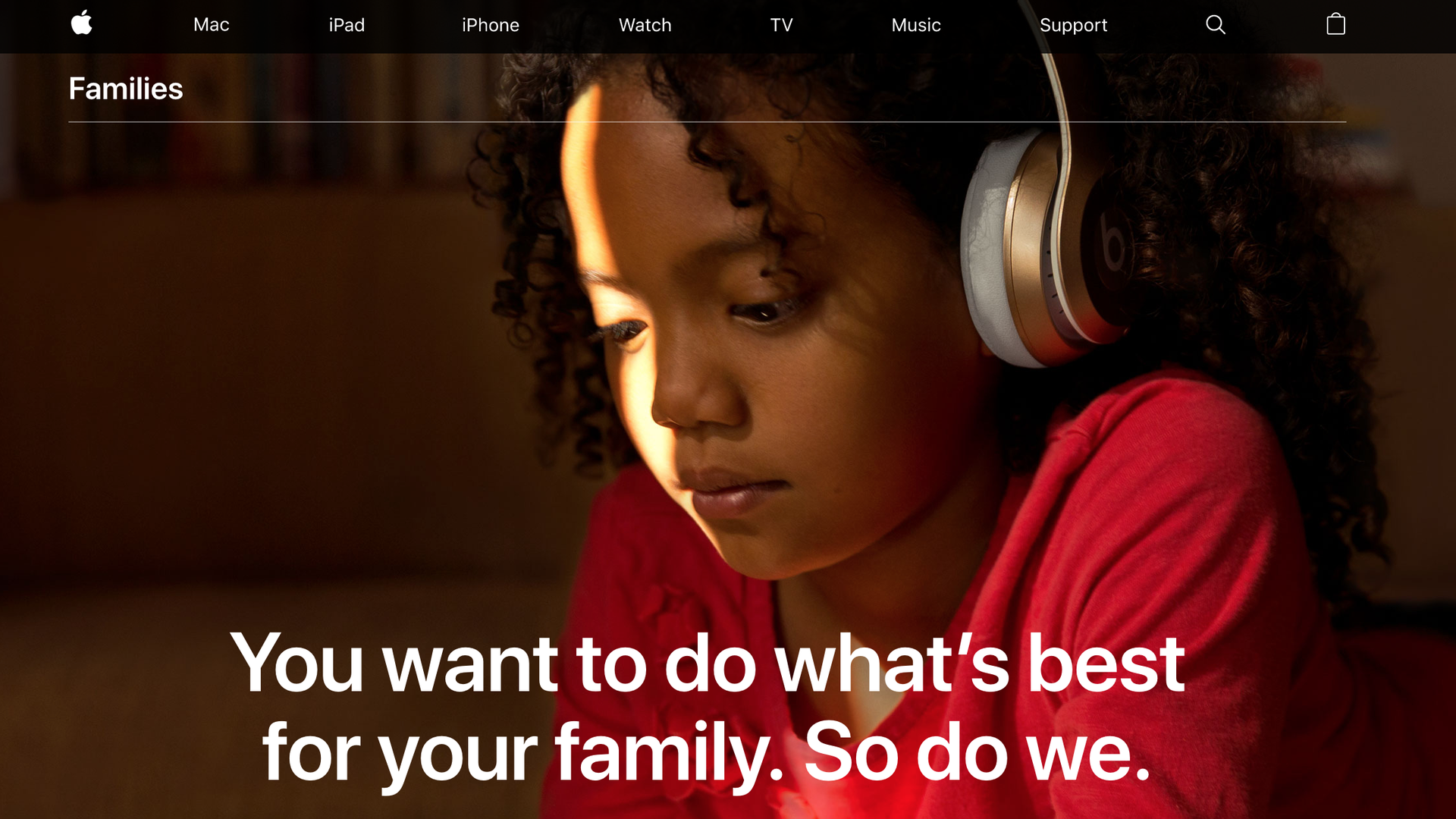
A new page on Apple's website details its efforts to make Macs and iPhones family friendly, including parental controls and other safety features. The move comes as Apple and other tech giants are under fire over whether their products are addictive, especially for children.
What's next: The new website highlights what Apple was already doing, but expect more work from Apple in this area. As first reported by Axios, Apple has delayed some features originally expected in the next version of iOS, but parental controls is expected to be an area that will still see an upgrade.
Magna, a Canadian automotive part supplier, is investing $200 million into Lyft for an equity stake, the companies said on Wednesday. They'll also work on self-driving car tech together, which will include integrating the technology into vehicles Magna helps manufacture.
Why it matters: Lyft is in the self-driving car race, along with rival Uber and a growing number of automakers and tech companies. In 2016, it took a $500 million investment from General Motors, also as part of a partnership to work on autonomous driving, and last year unveiled a Silicon Valley R&D office.
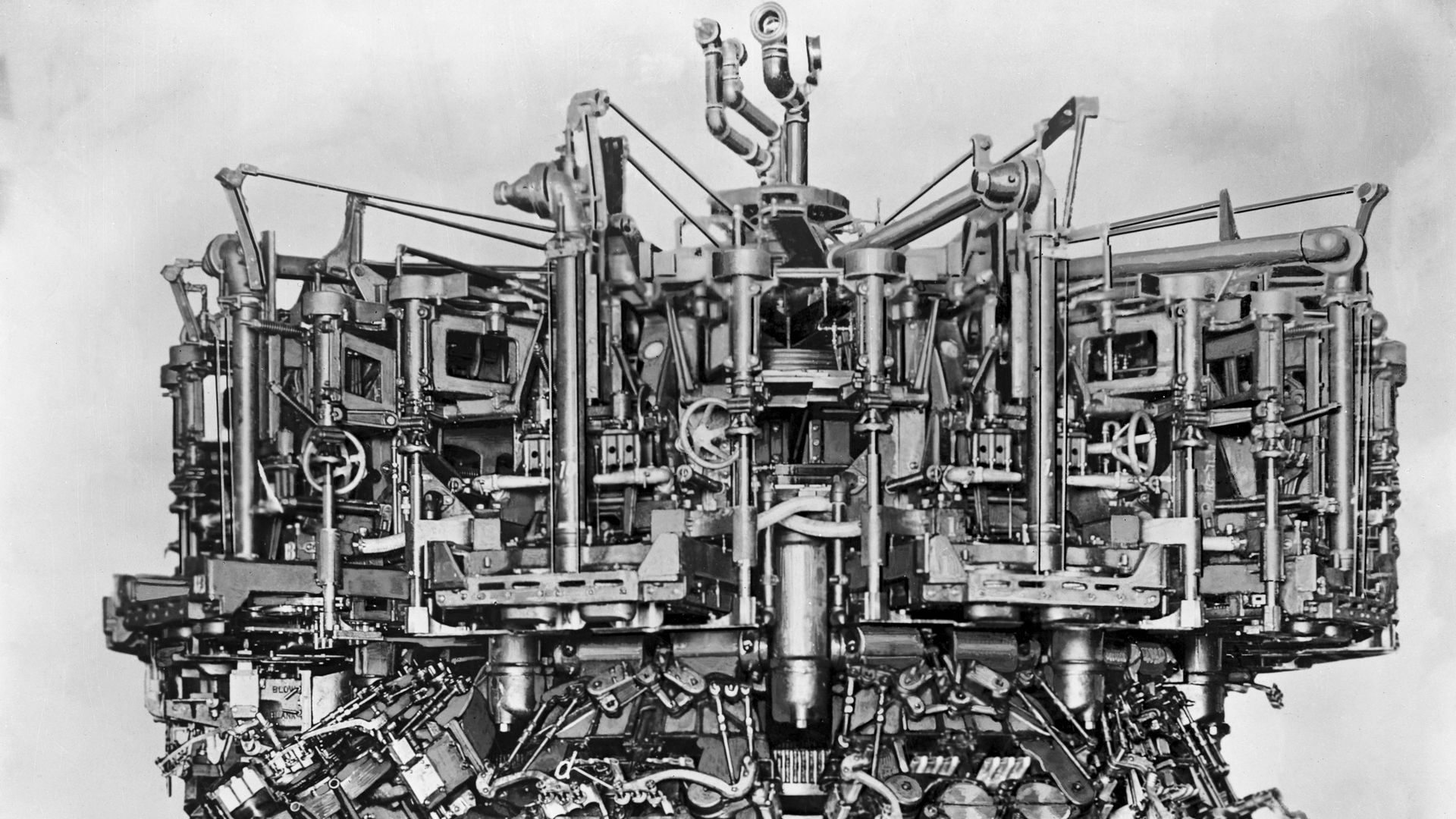
In the 19th century, it took six decades after the Luddites for the wages of textile workers to recover from the advent of weaving machines. We are in the midst of another such gap now, according to David Autor, a pioneering labor economist at MIT.
What's happening now: Machines are creating more wealth, but workers are not getting their usual cut of the pie, Autor told Axios.
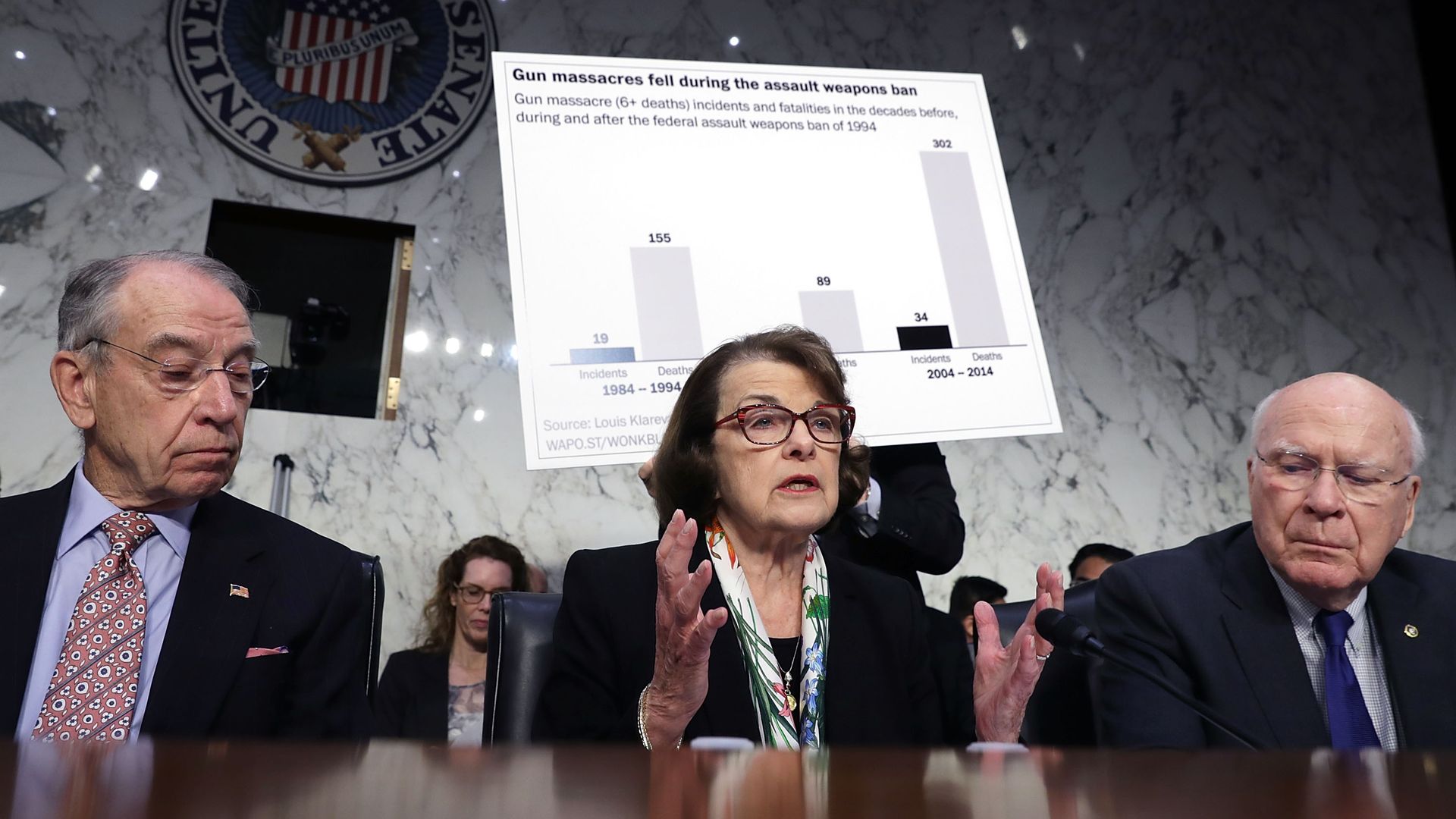
Lawmakers on Wednesday questioned what social media companies were doing to respond to threatening posts or messages that can presage acts of gun violence.
Why it matters: Online platforms have become vectors for threats of violence against schools — an issue brought to the fore by the shooting in Parkland, Florida earlier this year. A YouTube user shared the name of the shooter to the FBI, which was later overlooked, after the gunman reportedly left a comment on a video referencing a desire to be a school shooter.
Broadcom's abandoned pursuit of Qualcomm goes down as the fourth-largest merger offer ever to be withdrawn, according to Thomson Reuters (which includes debt in its calculations).
Facebook announced that it has removed the pages of the far-right ultranationalist group Britain First and its leaders, Jayda Fransen and Paul Golding, after they repeatedly violated the company's policies against hate speech. The group was thrust into the international spotlight in November, when President Trump retweeted anti-Islam hate videos from Fransen's Twitter account.
Why it matters: As Big Tech faces increasingly tough scrutiny for its role in spreading fake and damaging information, platforms have begun cracking down on questionable or offensive groups. YouTube announced today that it would act against outlets like InfoWars, which promote conspiracy theories. And Facebook came under fire this week from the U.N. for playing a role in the Rohingya refugee crisis in Myanmar by fueling the spread of hateful content.
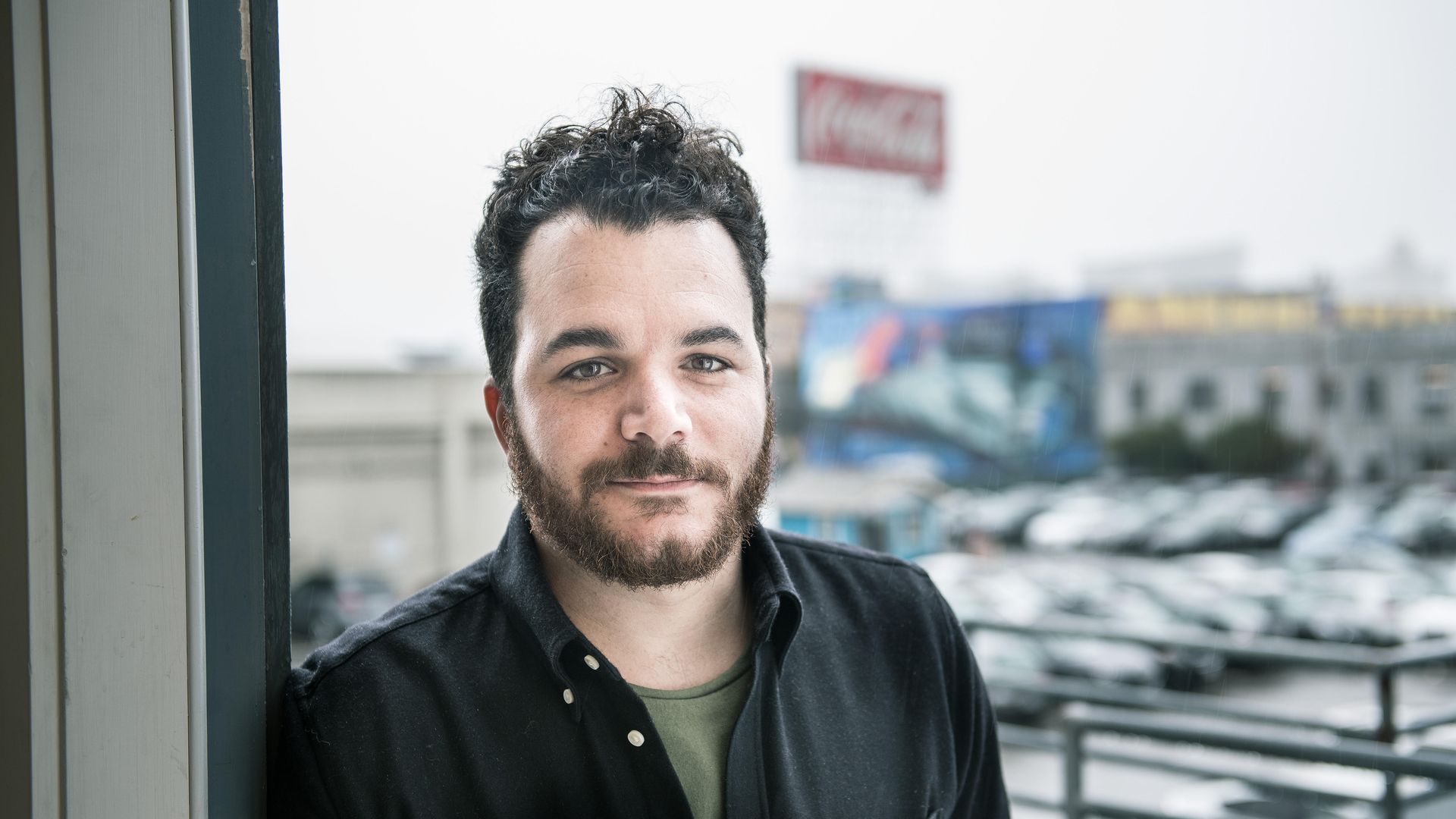
Three years after his live video app Meerkat was all the rage at SXSW festival, Life on Air co-founder and CEO Ben Rubin can deal with its short-lived success (they later pivoted to Houseparty app). It was simply one of his company’s many steps in figuring out how to help people connect with each other and be present, he tells Axios.
Why it matters: While chatting with Axios at SXSW this weekend, Rubin discusses the current state of the social media market and problems facing companies. Many have been criticized for exploiting human psychology and having harmful effects on people’s mental health, something Facebook has begun to admit recently.
Broadcom this morning withdrew its $117 billion offer to acquire Qualcomm, following President Trump's decision to block the deal for reasons of national security. The Singapore-based chipmaker also reiterated its previously-announced plans to redomicile in the U.S.
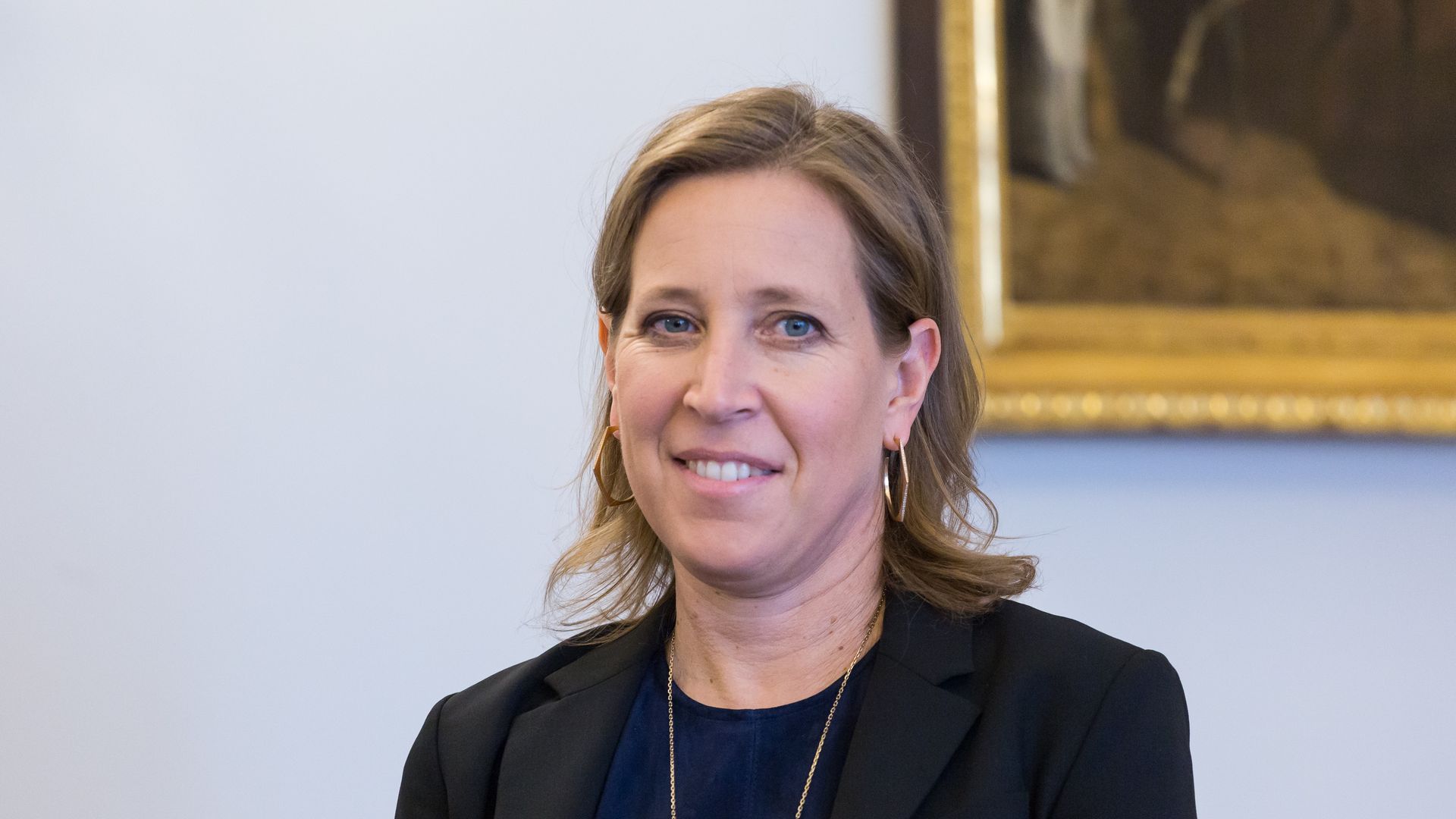
Youtube is introducing a new feature to help battle conspiracy theories that spread through videos on its platform, CEO Susan Wojcicki announced at South by Southwest Wednesday, according to Bloomberg.
Why it matters: YouTube has struggled to contain misinformation that spreads easily through automated distribution of videos within its feed. The company has faced pressure from advertisers and policymakers to curb the amount of misinformation on the platform that has led to discord and confusion.
Social media is being drawn into the gun debate, and one of the industry's top lobbyists will be grilled by lawmakers at a hearing Wednesday.
Why it matters: The Parkland shooter reportedly made violent references in social media messages before the shooting. Exploring the role of web platforms or video games in gun violence lets Republican policymakers direct the conversation away from new firearm restrictions while tapping into general rising concerns about the effects of tech on society.
Netflix is in the early stages of developing a "sharp, balanced" news show, sources tell MarketWatch. The show would be a weekly news magazine show, similar to the style of CBS's "60 Minutes" or ABC's "20/20."
Why it matters: The tech giant has invested upwards of $8 billion in content to lure viewers from tech and legacy television rivals, but has steered clear of original news so far — with the exception of mostly licensed documentaries.
Google is following in Facebook's footsteps and banning all ads related to cryptocurrencies, including initial coin offerings, tokens, wallets, and exchanges. The policy will go into effect in June, according to its website.
Why it's happening: The boom in cryptocurrencies and investing in token has attracted a fair share of fraudsters. Google is also among the Big Tech companies under government scrutiny for not doing more to stop the spread of fake news and political ads.
China, intent on dominating artificial intelligence in a race with the United States, is said to be on a steep ascent toward at least a tie. But a number of AI experts say that while China can come close, it will be hard to catch up completely.
Why it matters: Leading tech and geopolitical strategists believe that AI is the ultimate technology — whoever invents a super-intelligent machine first will gain undisputed leverage over everyone else. Last year, Russia's Vladimir Putin said the AI winner will be the "ruler of the world."