As part of its effort to rein in spam and propaganda, Twitter said it will now limit how users and apps automate tweets and is also banning systems that simultaneously post, like or retweet similar tweets from multiple accounts.
Why it matters: This is a major step for Twitter as it combats political propaganda on its platform and tries to get rid of bot accounts that help to "artificially inflate" the reach of a hashtag or topic through "inorganic" means. The move comes days after the Justice Department alleged that Russian operatives had heavily relied on social media platforms such as Twitter to manipulate the spread of fake, politically charged content.
Alibaba, the Chinese e-commerce rival to Amazon, is making its first big push into the American market with a substantial play by its affiliate, Alipay. It's built around China's two-week lunar new year celebration, which has brought thousands of Chinese tourists to the United States, most of whom prefer to spend at retailers that accept a mobile wallet.
Quick take: At home, some 520 million Chinese retail shoppers use Alipay. But last year they also took 135 million journeys abroad, including to Europe and the U.S. Given their payment preferences, shopping has been a stumbling block. But now, Alipay has payment agreements with some 170,000 North America retail locations, reports Fung Global Retail Tech's Deborah Weinswig.
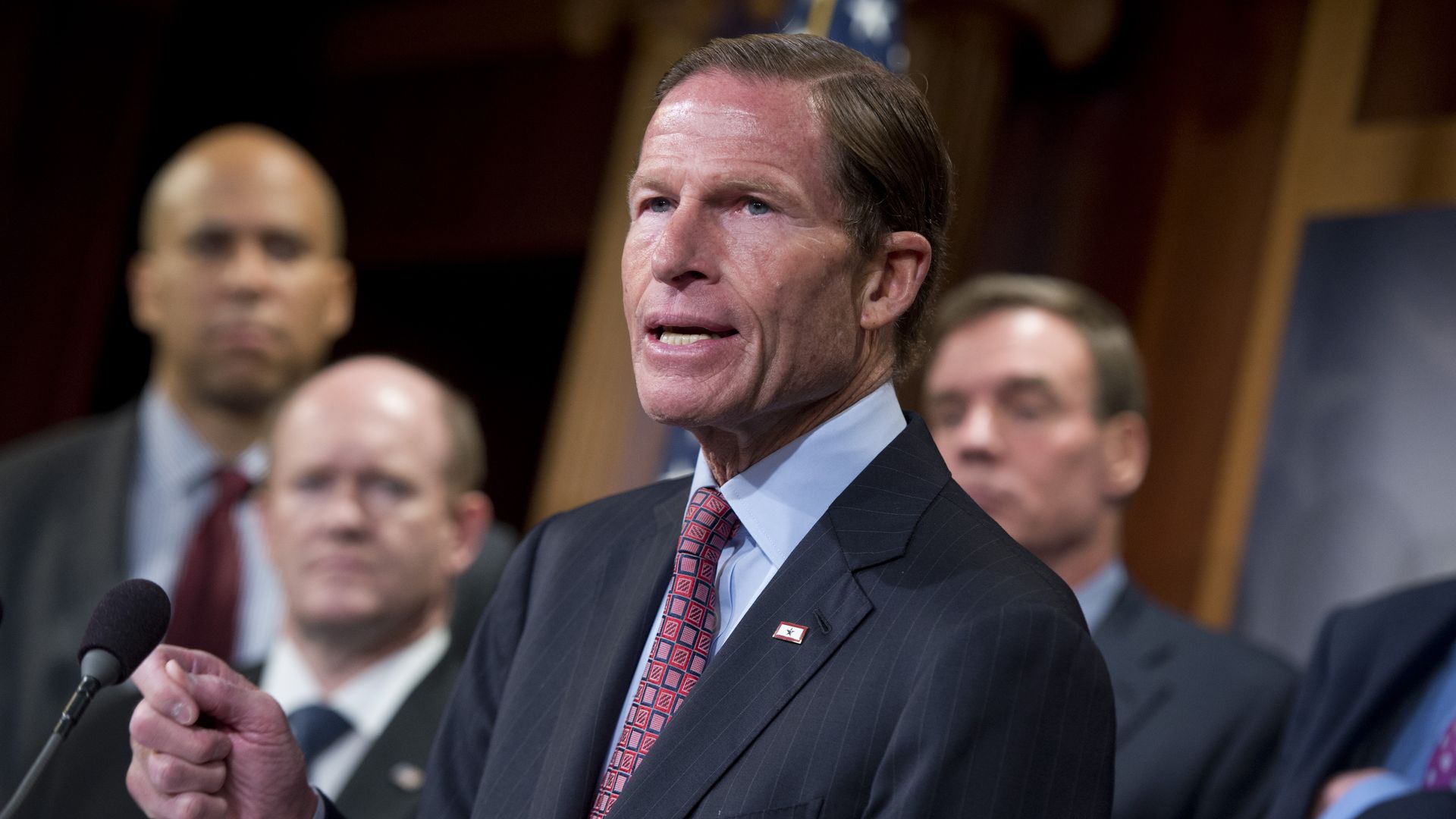
The House is expected to vote next week on anti-trafficking legislation that has represented a major fight for tech companies over the last year, according to multiple sources familiar with the matter.
Sources said the final measure may be a combination of language from the Senate, which would allow victims of online trafficking to sue the platforms that facilitated the crime, and a measure from the House that takes an approach that’s more palatable to tech. The news was first reported by Politico.
The bigger picture: The Senate bill would weaken legal immunity that enabled the growth of the modern web platform, since Facebook or Google could never afford to be liable for every piece of content their users post. But supporters of the anti-trafficking legislation say those concerns are overblown.
After recent testing in San Francisco and Boston, Uber is expanding the roll out of UberPool Express, its cheaper carpooling option that requires riders walk a block or two to a convenient pick-up location.
The big picture: Part of Uber and Lyft's appeal is the door-to-door service (unlike public transit,) but bothcompanies have long experimented with carpooling as a way to drive down cost. Despite the jokes that these companies are reinventing busses, it's already been proven that in some cities there is a demand for private alternatives to public transit.
A group linked to the Koch brothers is trying to convince young Americans to just say "No" to giving Jeff Bezos a tax break or other incentives.
What they're doing: Generation Opportunity — a right-leaning group for young people linked to the Koch-backed Americans for Prosperity — is running a digital ad campaign that calls big incentive packages for Amazon's second headquarters "sweetheart deals" that are "unfair to taxpayers."
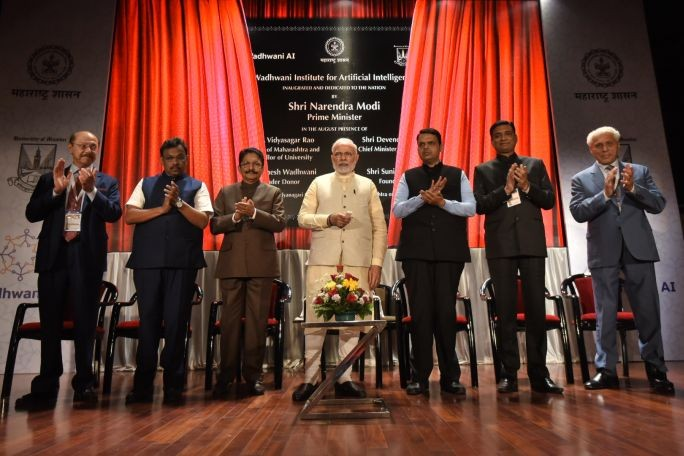
Indian Prime Minister Modi attended the recent opening of the Wadhwani Institute in Mumbai. Photo: Wadhwani Institute
A new research center in Mumbai aims to use artificial intelligence to help the hundreds of millions of people that live on less than $2 a day.
Why it matters:
"The benefits of AI are going to the top whatever — 5,10 20 percent. ... So far it's made relatively little difference to the bottom 20-30 percent of the world's population."
More than half of U.S. adults are uncomfortable with self-driving vehicle technology and would be unlikely to use it on a daily basis (though younger Americans are more positive).
Why it matters: Many automakers — ranging from the largest car companies to newer entrants like Waymo and Tesla — are making big bets on autonomous driving technology, which is also expected to help drive the expansion of electric vehicles. Public hesitation could hamper widespread commercial deployment of both technologies in the years and decades ahead.
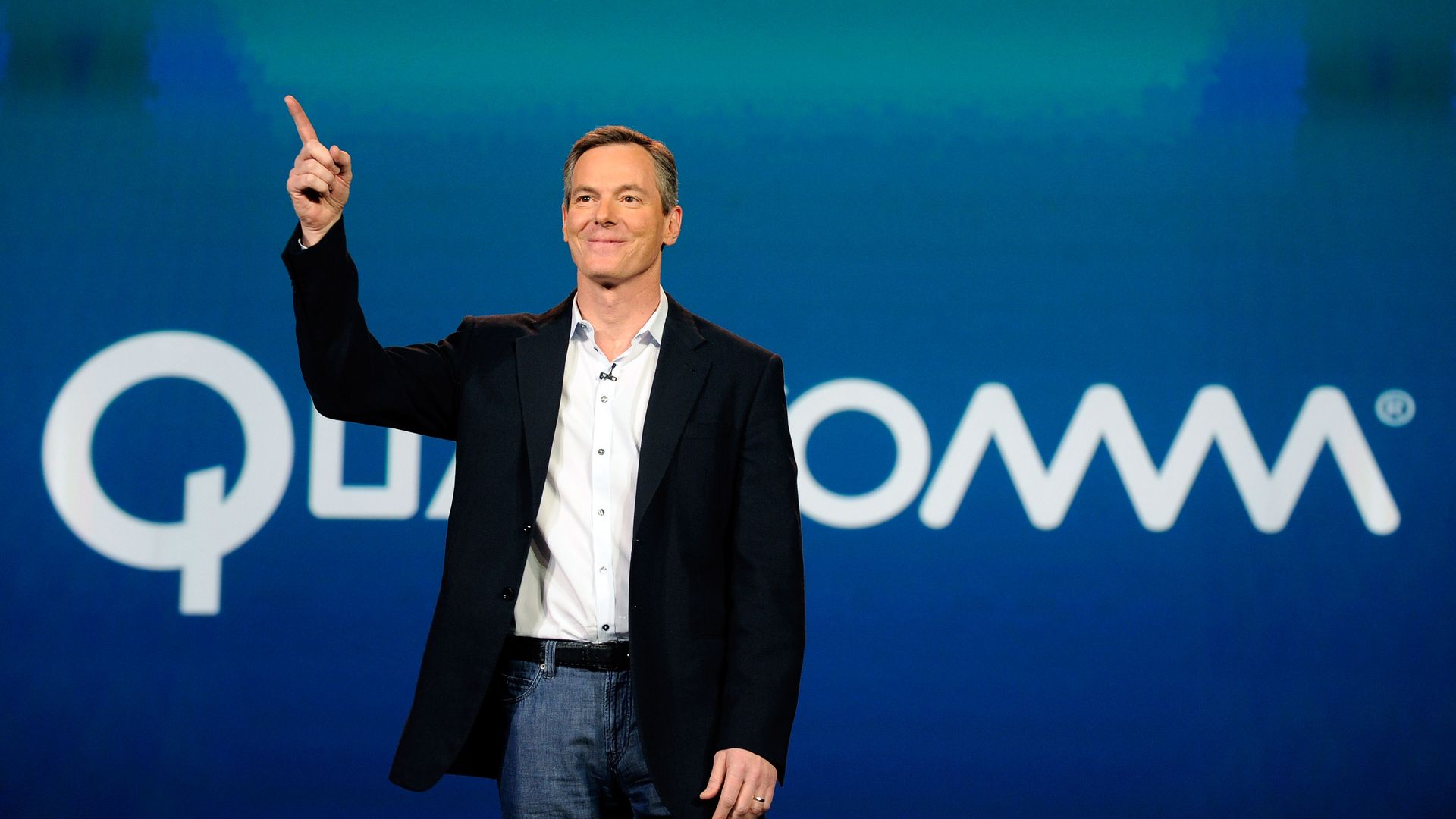
Qualcomm raised its offer for Dutch chipmaker NXP Semiconductors on Tuesday, possibly making that deal more likely to happen and a hostile takeover from Broadcom less likely.
The bottom line: This is the highest-stakes poker game in town and Qualcomm just significantly increased the pot.
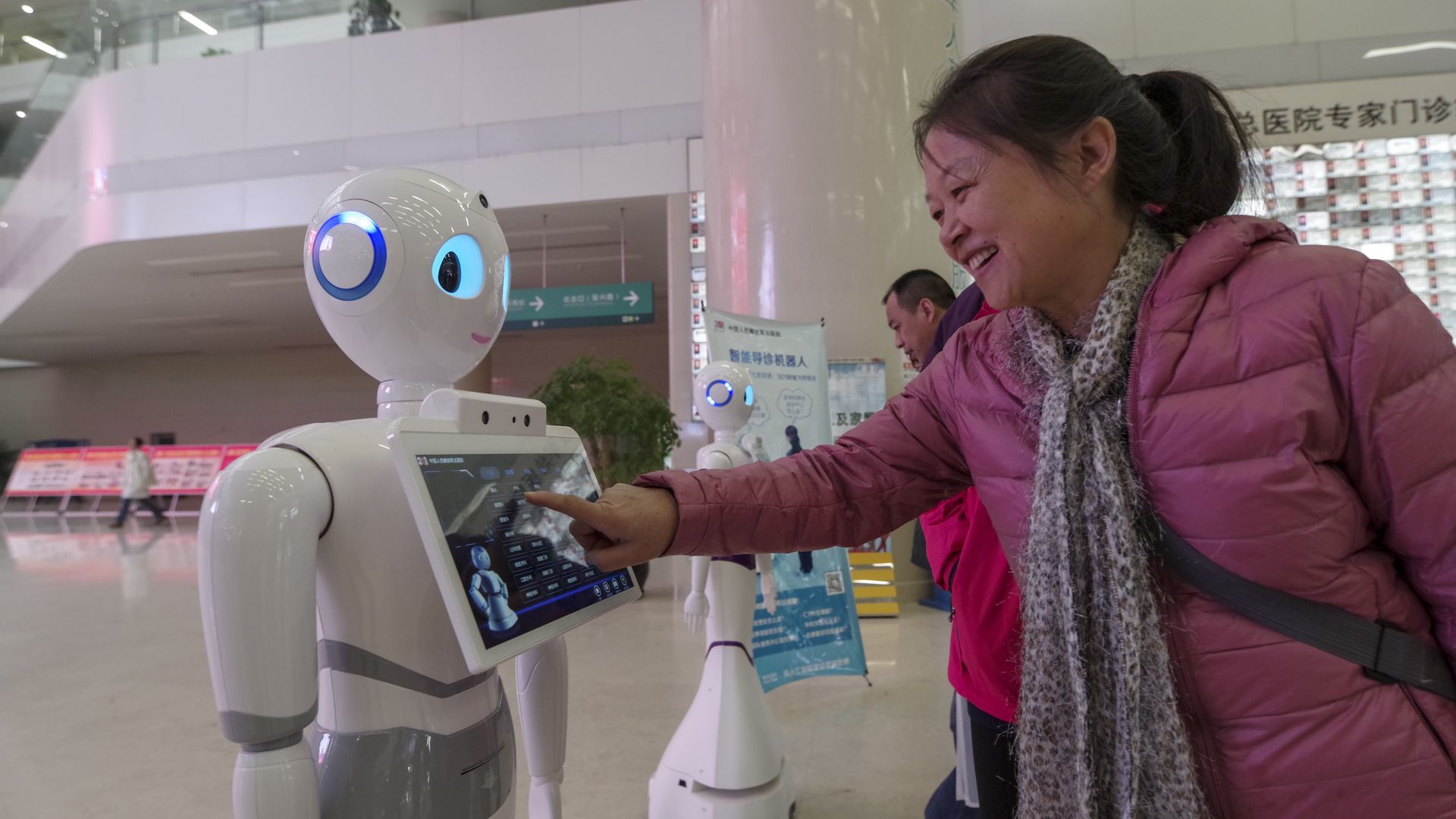
Artificial intelligence is all the rage in Silicon Valley, but it has so far not made much of a dent in health care. That’s largely because the technology just isn’t good enough yet, according to a report in VentureBeat.
The most interesting applications so far have focused on diagnostics — using algorithms to process and distill published medical research at a volume humans simply couldn’t handle, or having them read patient data and look for abnormalities, the report says.
Key quote: “I have no doubt that sophisticated learning and AI algorithms will find a place in health care over the coming years,” data scientist Andy Schuetz tells VentureBeat. “I don’t know if it’s two years or 10 — but it’s coming.”
Albertsons Cos., the owner of Safeway and other supermarket chains, is set to purchase the remainder of drugstore chain Rite Aid Corp. that won't be sold to Walgreens, per the WSJ. The deal would create a company with a combined value of $24 billion and allow the privately-held Albertsons to go public.
Why it matters: Both companies cited Amazon as a key reason for their merger, noting the need for retailers to offer expanded offerings in the face of the tech giant's purchase of Whole Foods last year. The Albertsons-Rite Aid merger would combine the former's strengths in e-commerce and fresh food with the latter's expansive pharmacy benefits.
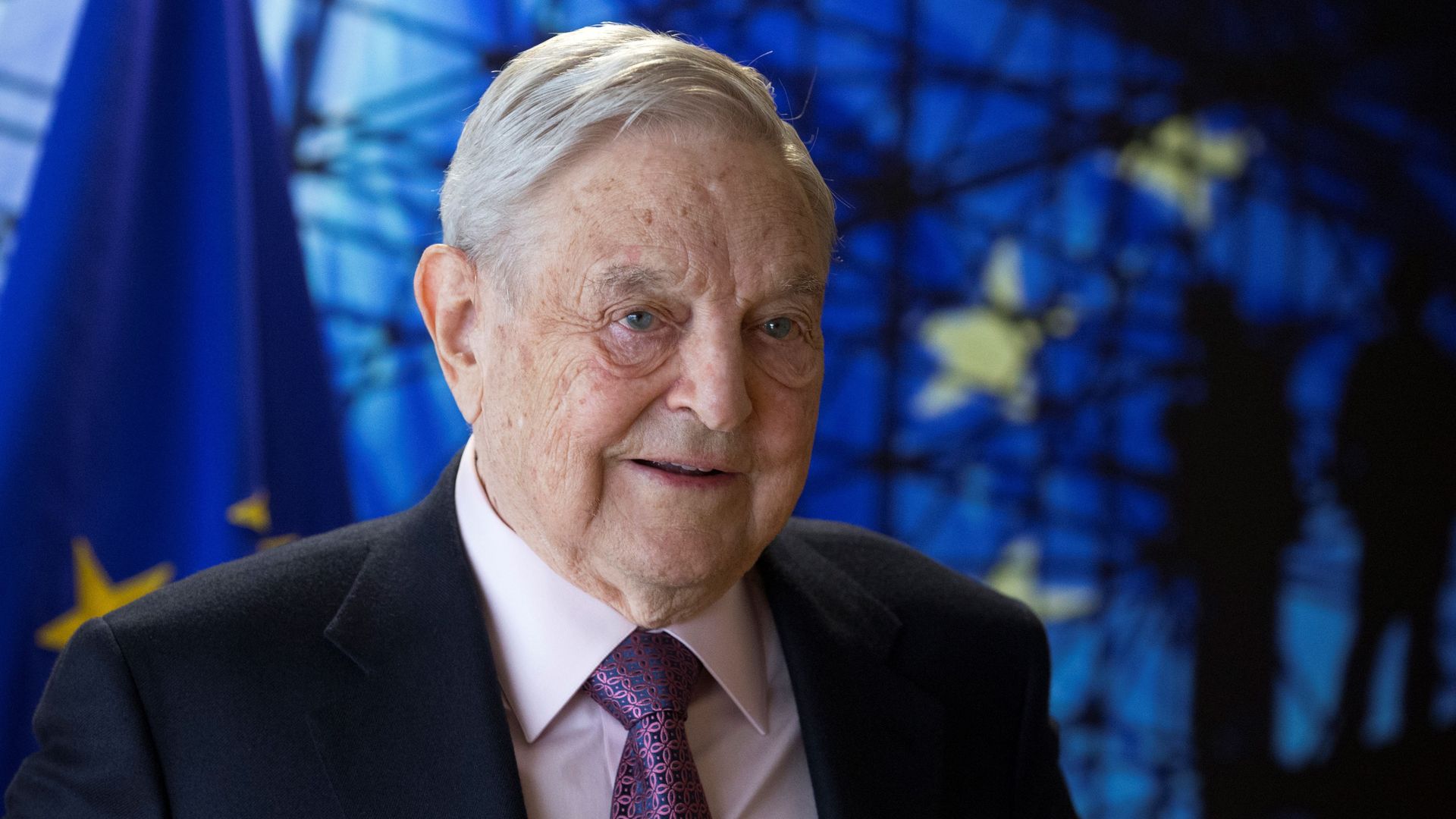
Billionaire investor George Soros launched a brutal attack on big online platform companies at this year’s World Economic Forum meeting in Davos. Now, his influential organization is "certainly examining new ways" to tackle the growing power of tech giants, according to an official at his influential philanthropy.
Why it matters: Soros may put his money where his mouth is. With a global reach and an annual budget of more than a billion dollars, the Open Society Foundations has the ability to significantly shape the growing debate over the power of Big Tech.
Critics are speaking out against using endorsements such as "likes" and "retweets" to surface content on social media platforms. The criticism comes in light of special counsel Robert Mueller's indictment Friday, which cited Facebook more than any other platform as a tool used for Russian meddling.
Our thought bubble: While Mueller's indictment did not touch on the commercial incentives for bad actors to use some platforms over others, it's becoming obvious that gaming social engagement was a part of the Russian's strategy and will be something Facebook will need to address moving forward.