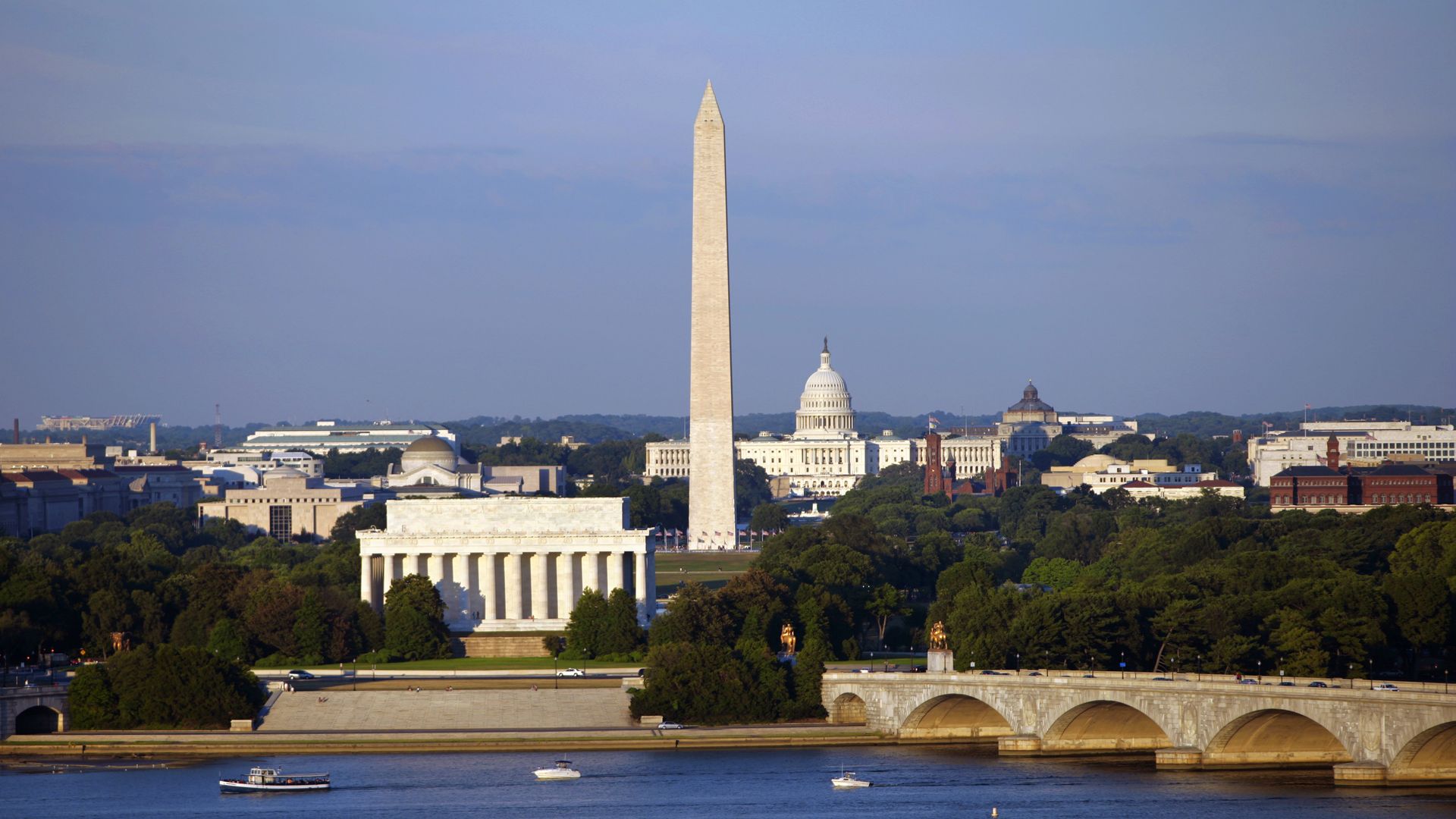
Three of the 20 finalists for Amazon's second headquarters — D.C., Maryland and Northern Virginia — are located in the Washington metropolitan area, leading some to speculate that the nation's capital could be the ideal landing spot for HQ2.
The bigger picture: As owner of the Washington Post and a sizable home in the city, Jeff Bezos has obvious ties to the region. And as Amazon continues to grow into new (and some highly regulated) business areas, it would make sense to be in the federal government's backyard.
A Belgian court has ordered Facebook to stop tracking web users who have not given their consent after it found that the company broke privacy laws by using cookies and social plugins to track people online as part of an effort to sell ads, TechCrunch reports.
Why it matters: This is the second time a court in Belgium ruled that the social media giant practice violates the law, per TechCrunch. Facebook will reportedly have to pay up to €100 million (~$124M), at a rate of €250,000 per day in fines, if it doesn't comply with the ruling. The social network company plans to appeal, according to TechCrunch, arguing that its tactic allows thousands of businesses to grow and reach customers across the Europe.
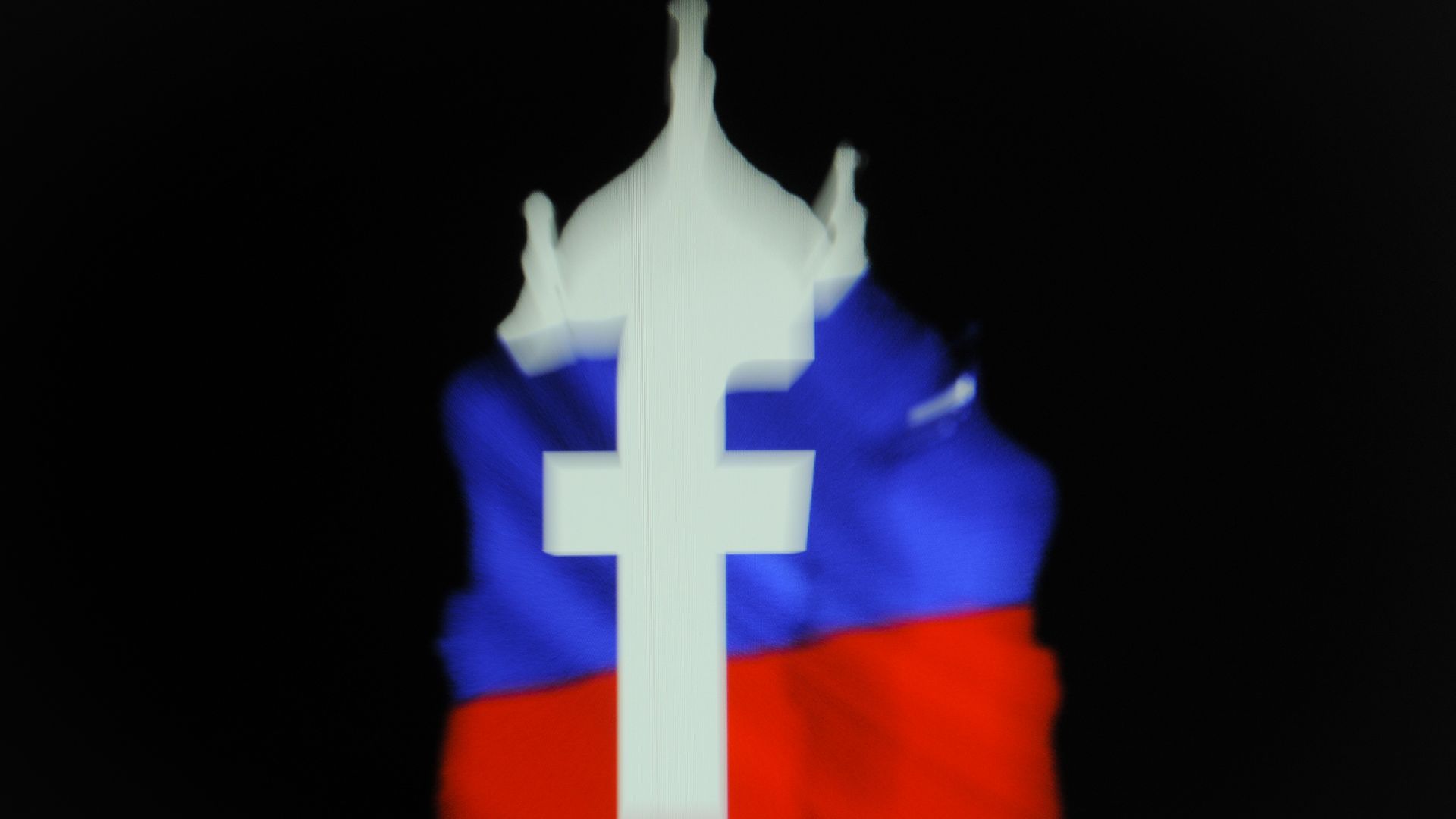
Facebook's carefully orchestrated damage-control PR campaign took a hit this weekend when President Trump quoted a Facebook ad executive's tweets suggesting that the media had unfairly covered the Russia scandal due to political bias.
Why it matters: The exec’s tweets threw a wrench in the company's months-long, carefully orchestrated political strategy to portray itself as empathetic and accountable for its mistakes that led to Russian election meddling.
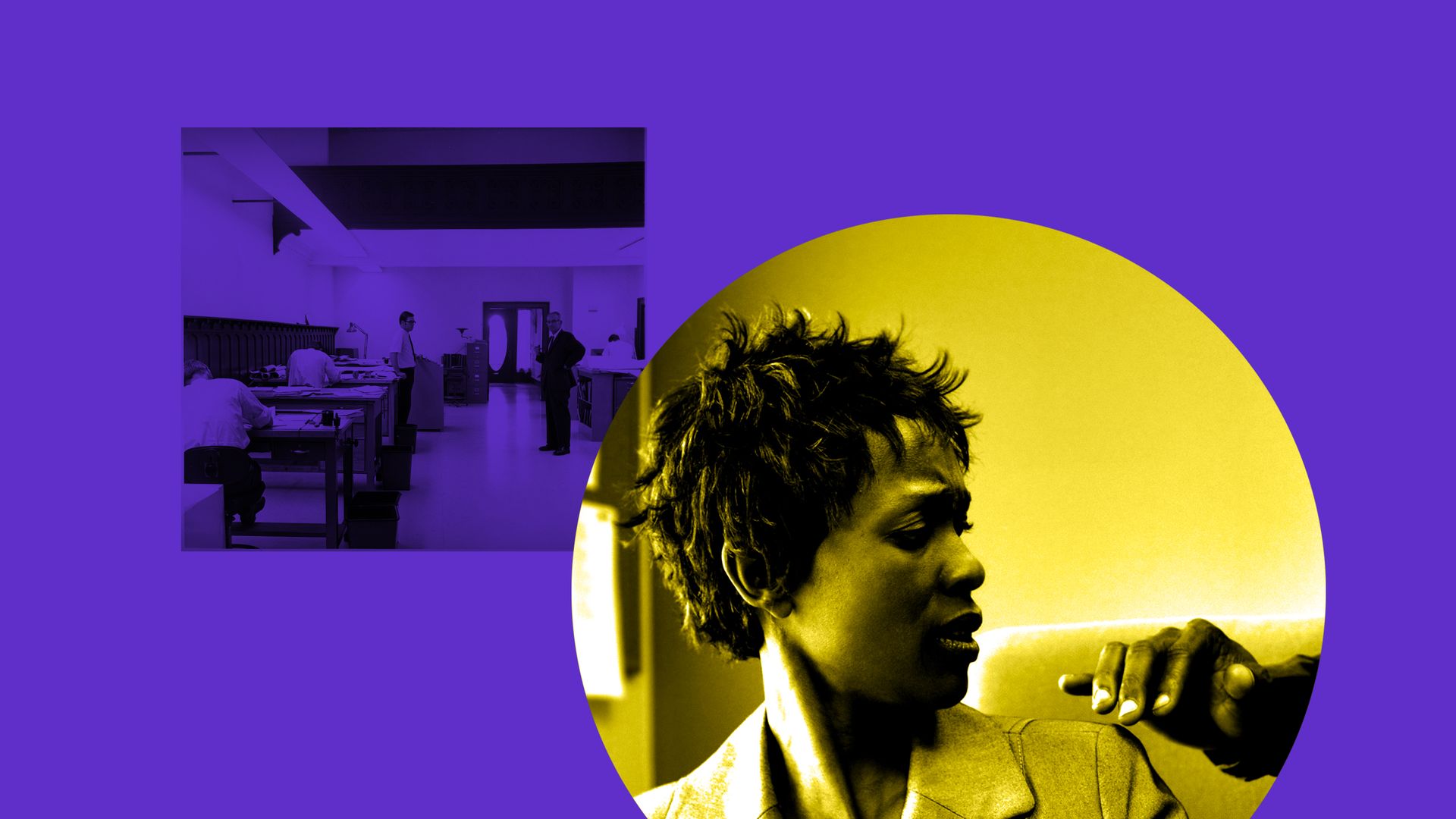
In the year since Susan Fowler's viral blog post about her experiences working at Uber, executives have lost jobs, dozens of women have spoken out about sexual harassment in the workplace, and the #MeToo movement's revival in October has spread throughout business, politics and Hollywood. (See our timeline here.)
Yes, but: Underneath Uber's changes and the broader embrace of women speaking out, holding employers accountable and rectifying other forms of workplace discrimination remains a challenge.
Since former Uber engineer Susan Fowler published her now-famous blog post one year ago, we've seen a tidal wave of women speaking out about sexual harassment in the workplace across industries.
Why it matters: For a long time, Silicon Valley's stories of harassment were chalked up to the industry's gender imbalance, but the past year has shown that it's part of a larger societal problem that's finally getting attention. Still, holding employers and harassers accountable remains a challenge.
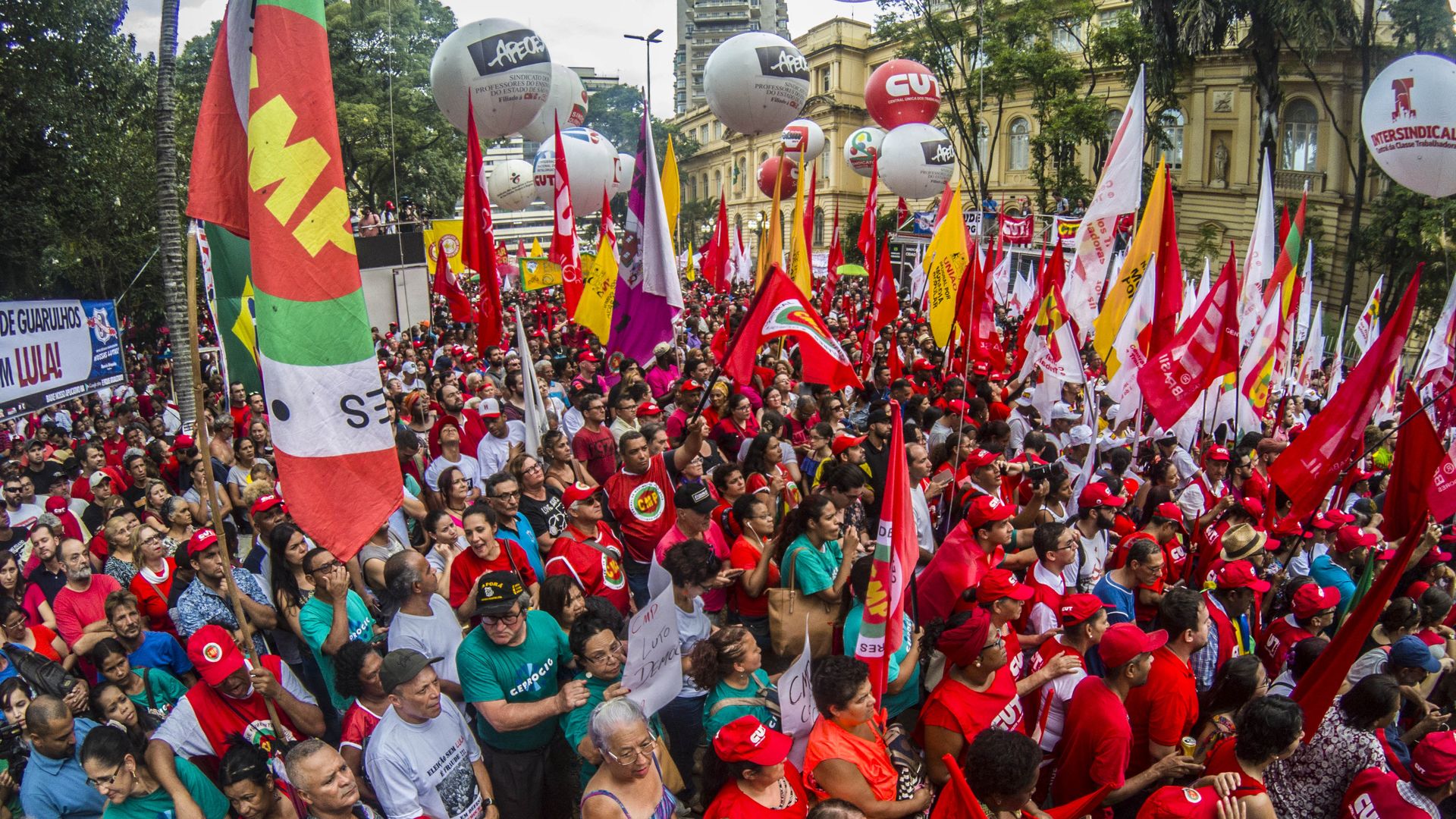
Officials in Brazil are growing wary of fake news flooding into Facebook timelines and other online outlets, both from domestic and foreign actors, ahead of October's presidential election. They're now trying to crack down on organized attempts to mislead voters, The New York Times reports.
Why it matters: Americans got a detailed picture of election meddling and misinformation in Robert Mueller's indictments on Friday — and the U.S. isn't the only country dealing with these issues.
Facebook cooperated with special counsel Robert Mueller, quietly supplying Russian-placed material that was cited in Friday's blockbuster indictment.
A Facebook source tells me: "[T]he level of detail in the indictment wouldn’t have been possible without the close cooperation of Facebook, particularly the details about the communication between IRA [Russians' Internet Research Agency] pages and unwitting Trump campaign staffers and volunteers about rallies in Florida.”
Facebook has traditionally been a reactive company, but it's learning that it needs to focus on communicating its strengths and weaknesses in preparation for a crisis.
Facebook was the first to respond to Mueller’s indictment. It’s taken a proactive stance on Russia, specifically, while its competitors have been more silent.