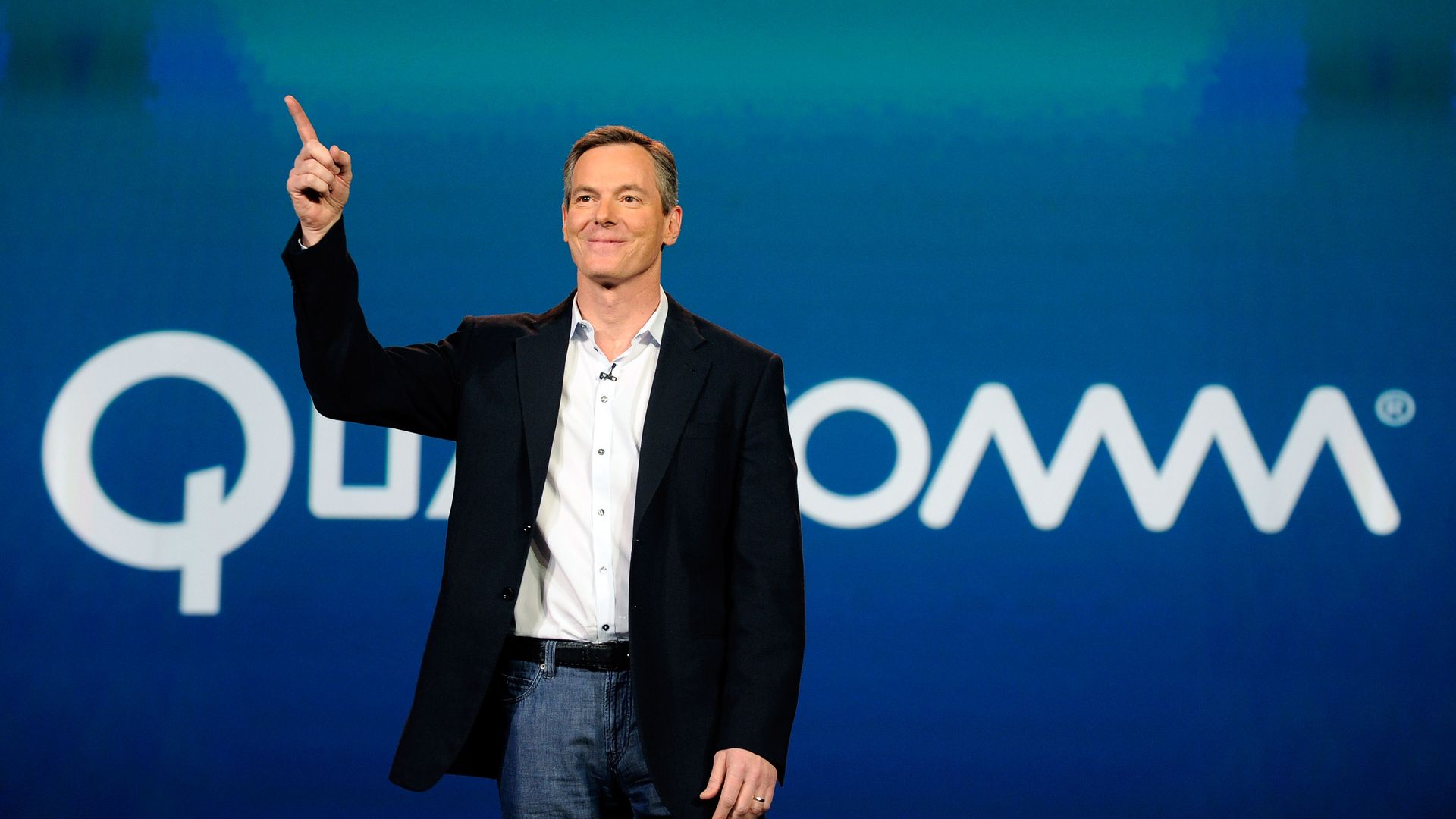
Qualcomm raised its offer for Dutch chipmaker NXP Semiconductors on Tuesday, possibly making that deal more likely to happen and a hostile takeover from Broadcom less likely.
The bottom line: This is the highest-stakes poker game in town and Qualcomm just significantly increased the pot.
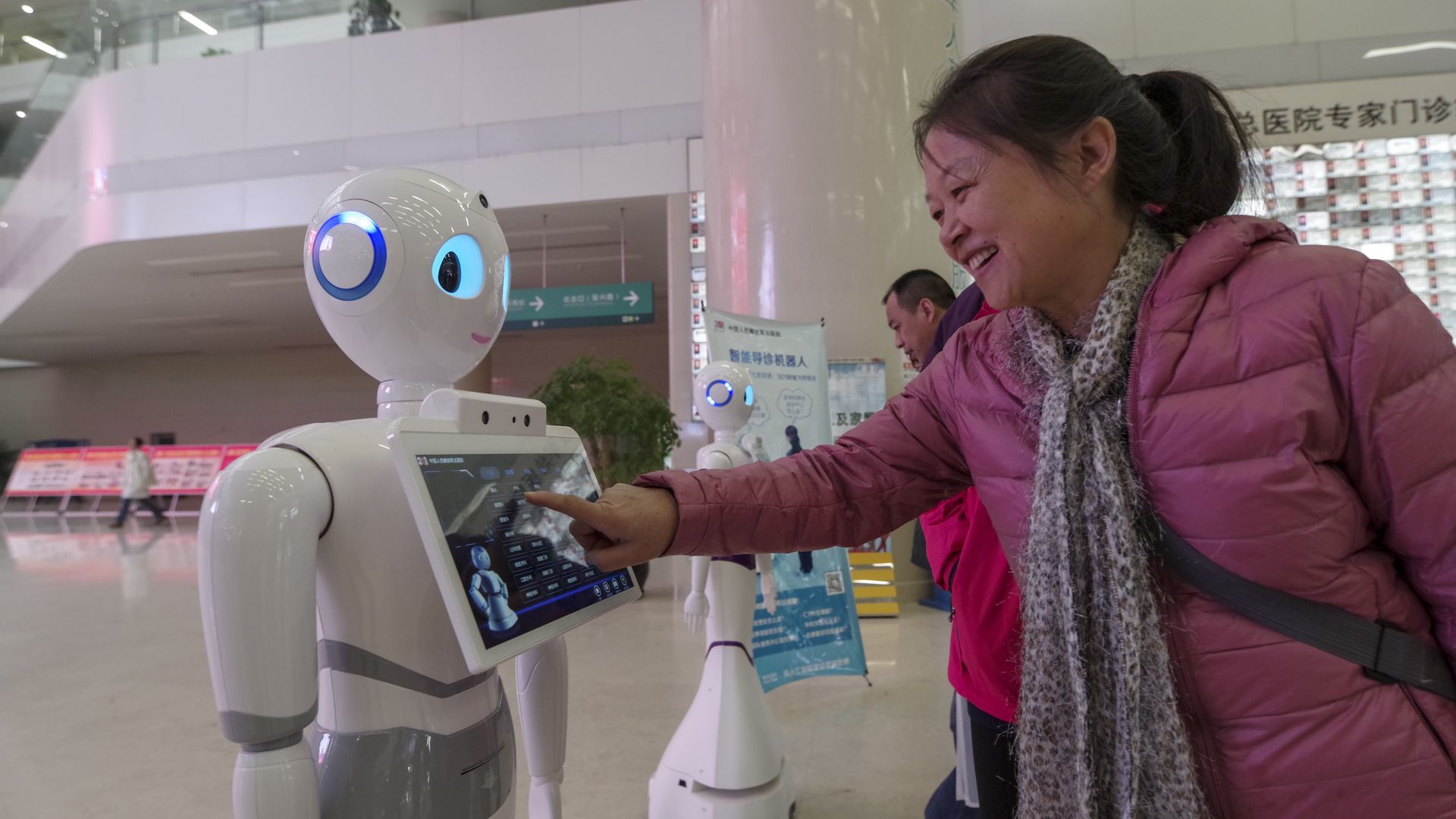
Artificial intelligence is all the rage in Silicon Valley, but it has so far not made much of a dent in health care. That’s largely because the technology just isn’t good enough yet, according to a report in VentureBeat.
The most interesting applications so far have focused on diagnostics — using algorithms to process and distill published medical research at a volume humans simply couldn’t handle, or having them read patient data and look for abnormalities, the report says.
Key quote: “I have no doubt that sophisticated learning and AI algorithms will find a place in health care over the coming years,” data scientist Andy Schuetz tells VentureBeat. “I don’t know if it’s two years or 10 — but it’s coming.”
Albertsons Cos., the owner of Safeway and other supermarket chains, is set to purchase the remainder of drugstore chain Rite Aid Corp. that won't be sold to Walgreens, per the WSJ. The deal would create a company with a combined value of $24 billion and allow the privately-held Albertsons to go public.
Why it matters: Both companies cited Amazon as a key reason for their merger, noting the need for retailers to offer expanded offerings in the face of the tech giant's purchase of Whole Foods last year. The Albertsons-Rite Aid merger would combine the former's strengths in e-commerce and fresh food with the latter's expansive pharmacy benefits.
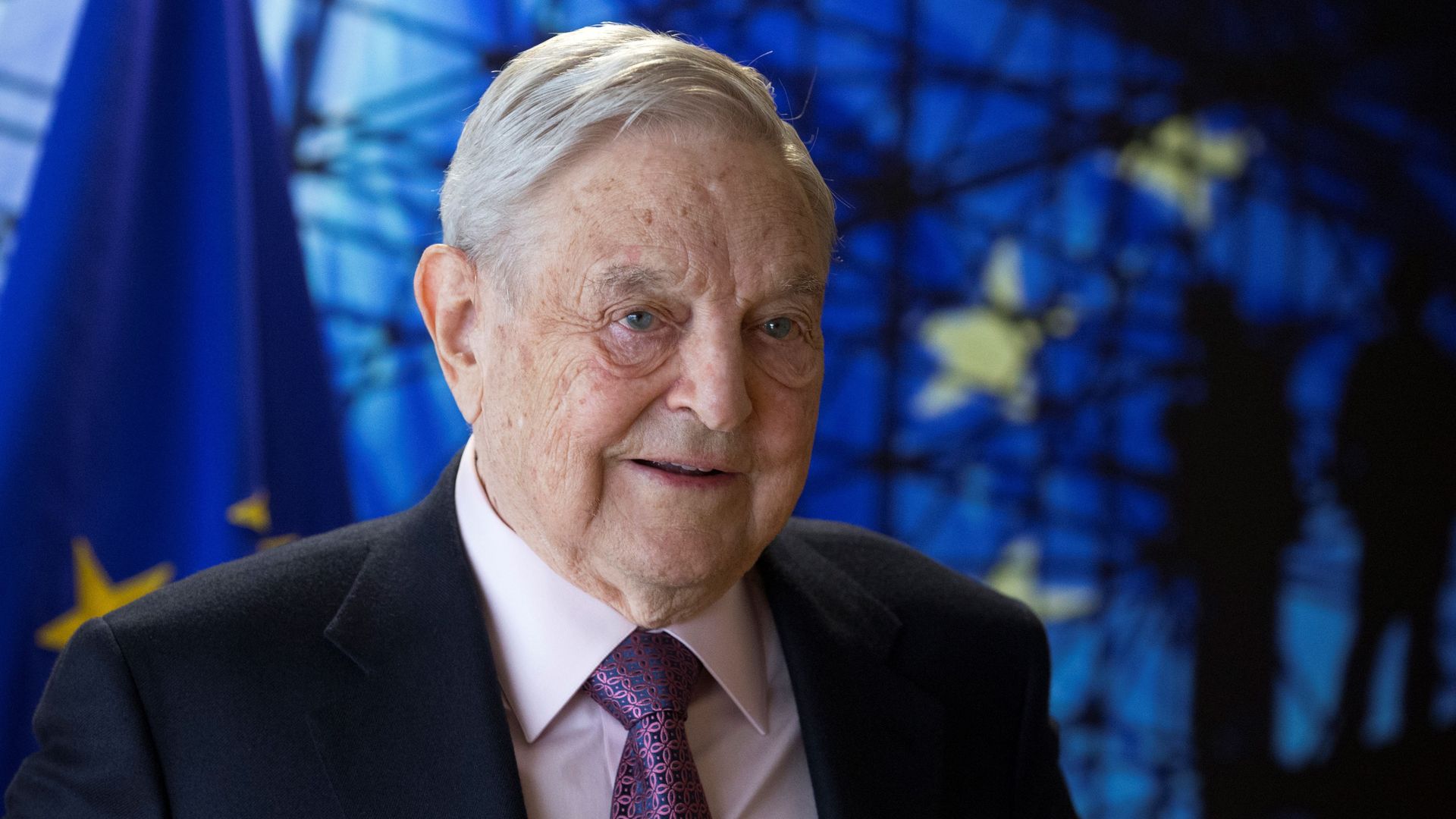
Billionaire investor George Soros launched a brutal attack on big online platform companies at this year’s World Economic Forum meeting in Davos. Now, his influential organization is "certainly examining new ways" to tackle the growing power of tech giants, according to an official at his influential philanthropy.
Why it matters: Soros may put his money where his mouth is. With a global reach and an annual budget of more than a billion dollars, the Open Society Foundations has the ability to significantly shape the growing debate over the power of Big Tech.
Critics are speaking out against using endorsements such as "likes" and "retweets" to surface content on social media platforms. The criticism comes in light of special counsel Robert Mueller's indictment Friday, which cited Facebook more than any other platform as a tool used for Russian meddling.
Our thought bubble: While Mueller's indictment did not touch on the commercial incentives for bad actors to use some platforms over others, it's becoming obvious that gaming social engagement was a part of the Russian's strategy and will be something Facebook will need to address moving forward.
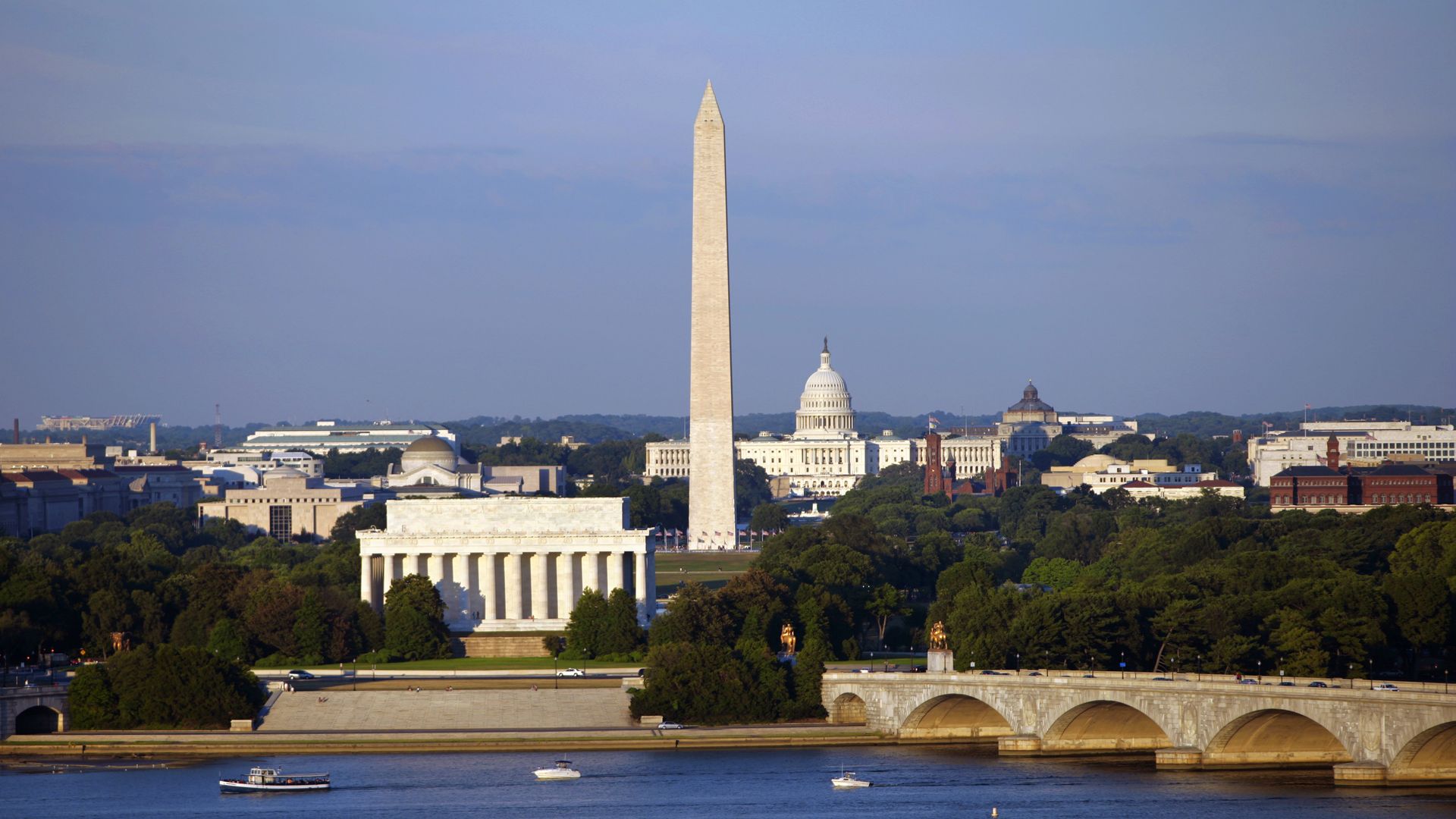
Three of the 20 finalists for Amazon's second headquarters — D.C., Maryland and Northern Virginia — are located in the Washington metropolitan area, leading some to speculate that the nation's capital could be the ideal landing spot for HQ2.
The bigger picture: As owner of the Washington Post and a sizable home in the city, Jeff Bezos has obvious ties to the region. And as Amazon continues to grow into new (and some highly regulated) business areas, it would make sense to be in the federal government's backyard.
A Belgian court has ordered Facebook to stop tracking web users who have not given their consent after it found that the company broke privacy laws by using cookies and social plugins to track people online as part of an effort to sell ads, TechCrunch reports.
Why it matters: This is the second time a court in Belgium ruled that the social media giant practice violates the law, per TechCrunch. Facebook will reportedly have to pay up to €100 million (~$124M), at a rate of €250,000 per day in fines, if it doesn't comply with the ruling. The social network company plans to appeal, according to TechCrunch, arguing that its tactic allows thousands of businesses to grow and reach customers across the Europe.
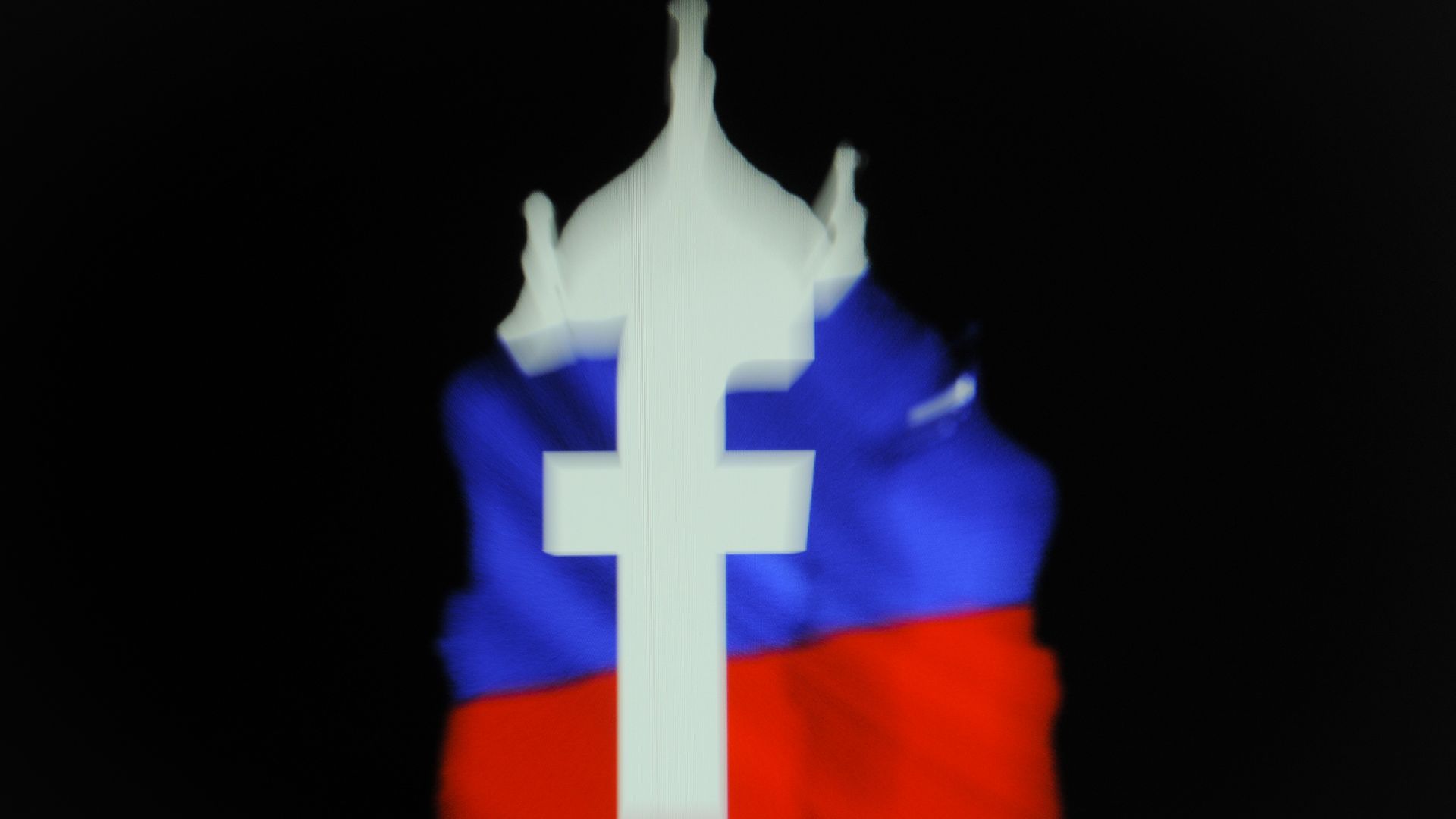
Facebook's carefully orchestrated damage-control PR campaign took a hit this weekend when President Trump quoted a Facebook ad executive's tweets suggesting that the media had unfairly covered the Russia scandal due to political bias.
Why it matters: The exec’s tweets threw a wrench in the company's months-long, carefully orchestrated political strategy to portray itself as empathetic and accountable for its mistakes that led to Russian election meddling.
In the year since Susan Fowler's viral blog post about her experiences working at Uber, executives have lost jobs, dozens of women have spoken out about sexual harassment in the workplace, and the #MeToo movement's revival in October has spread throughout business, politics and Hollywood. (See our timeline here.)
Yes, but: Underneath Uber's changes and the broader embrace of women speaking out, holding employers accountable and rectifying other forms of workplace discrimination remains a challenge.