The U.S. Postal Service is staring down a cash crunch within a year — just as its biggest customer, Amazon, prepares to sharply scale back deliveries.
Why it matters: Even as major retailers build their own logistics networks, millions of Americans — especially in rural areas — still rely on USPS for essentials like prescription medications and last-mile delivery.
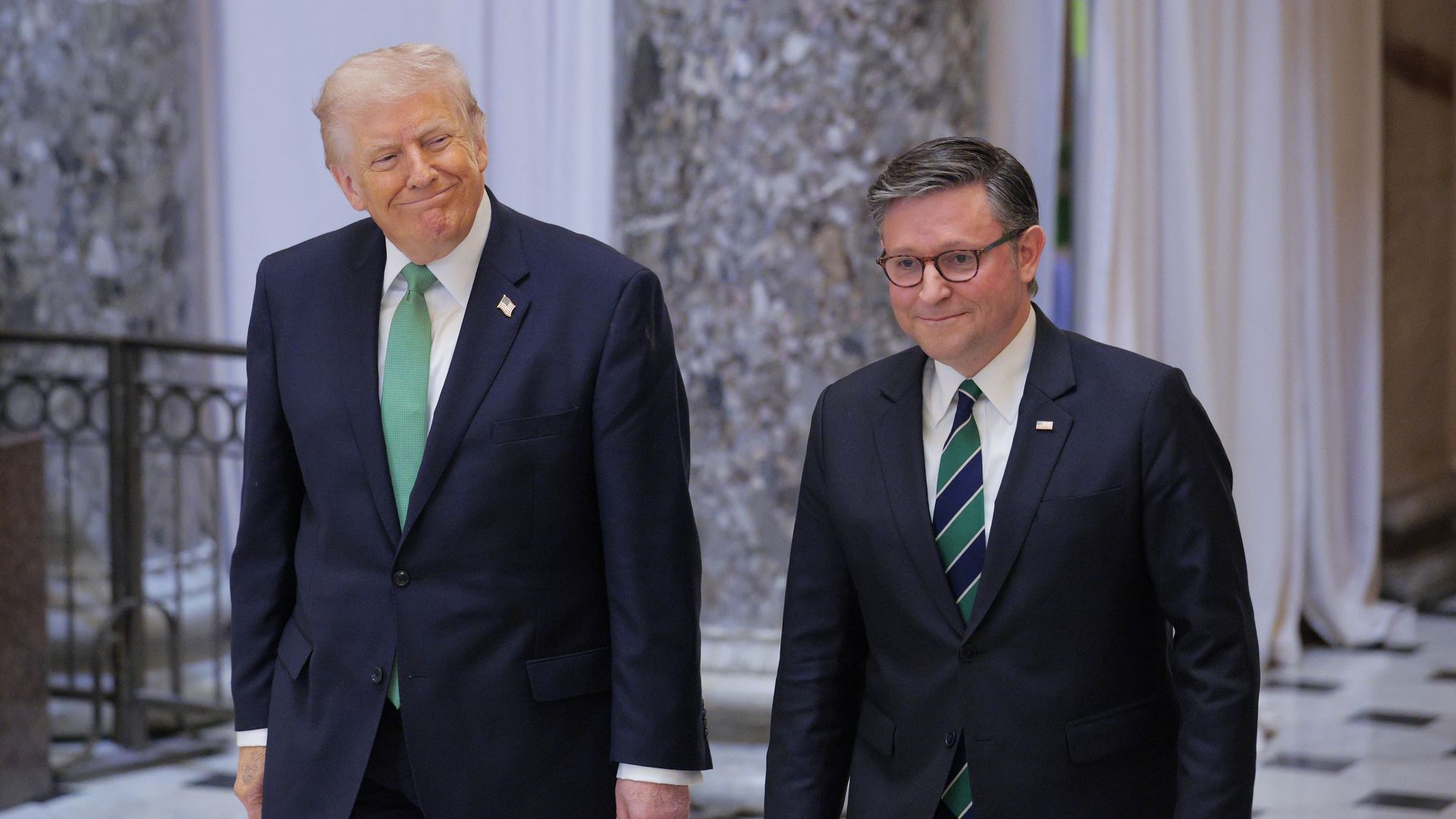
House Speaker Mike Johnson is running into early resistance from his right flank as he tries to move a clean reauthorization of a key U.S. surveillance tool next week.
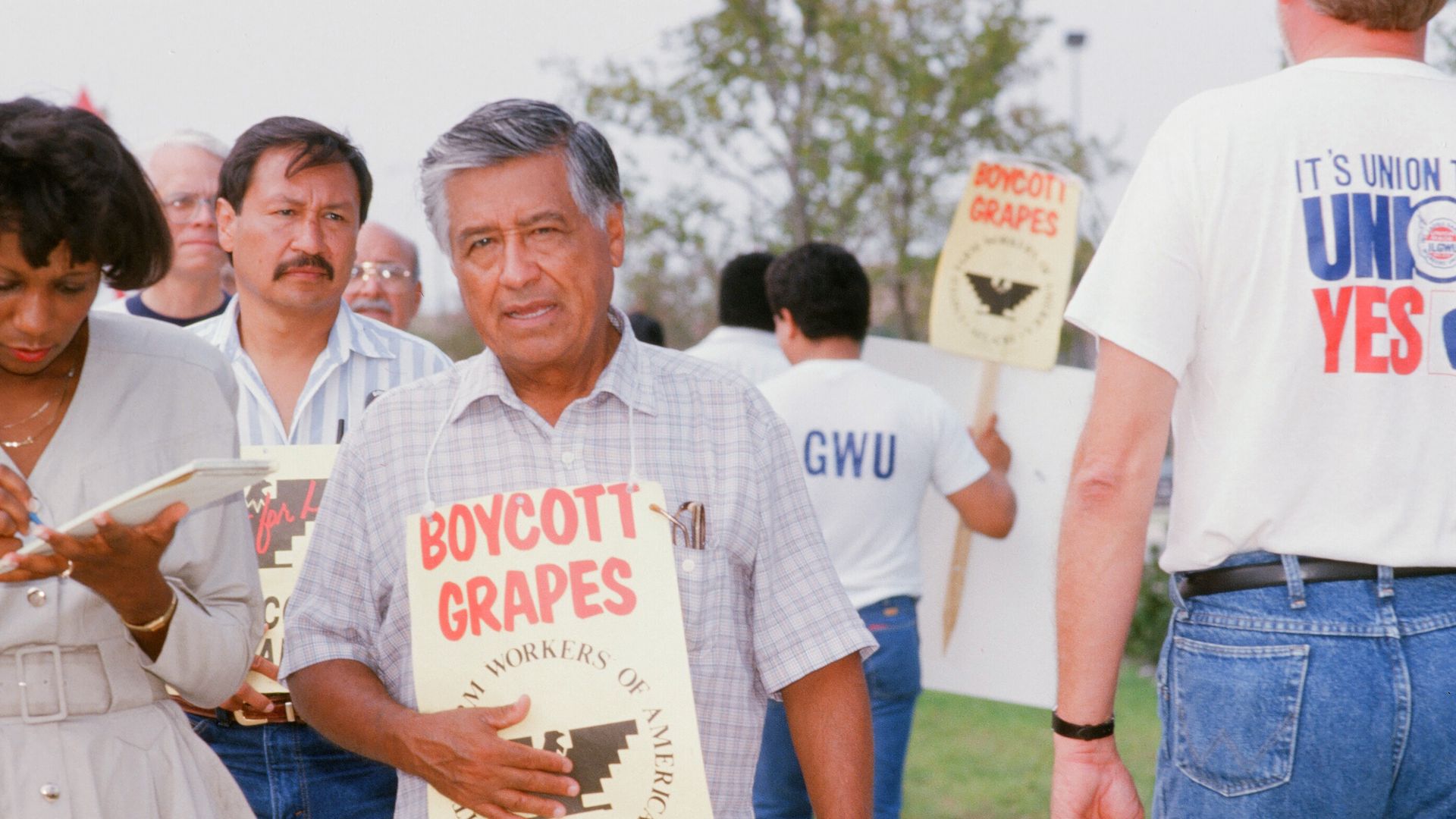
New allegations about César Chávez are prompting a swift and emotional reckoning with the legacy of one of the most iconic figures in Latino civil rights.
Why it matters: Chávez, who died in 1993, has long stood as a central symbol of Mexican American identity and labor activism — a legacy now being reassessed, with ripple effects already emerging in local governments, universities and beyond.
Labor and civil rights leader Dolores Huerta said Wednesday that she was sexually abused by farmworker leader César Chávez decades ago, becoming the most high-profile figure to accuse him of misconduct.
The latest: The allegation comes as the United Farm Workers union grapples with reports that their former leader abused girls and young women, prompting the cancellation of tributes and celebrations in his honor.
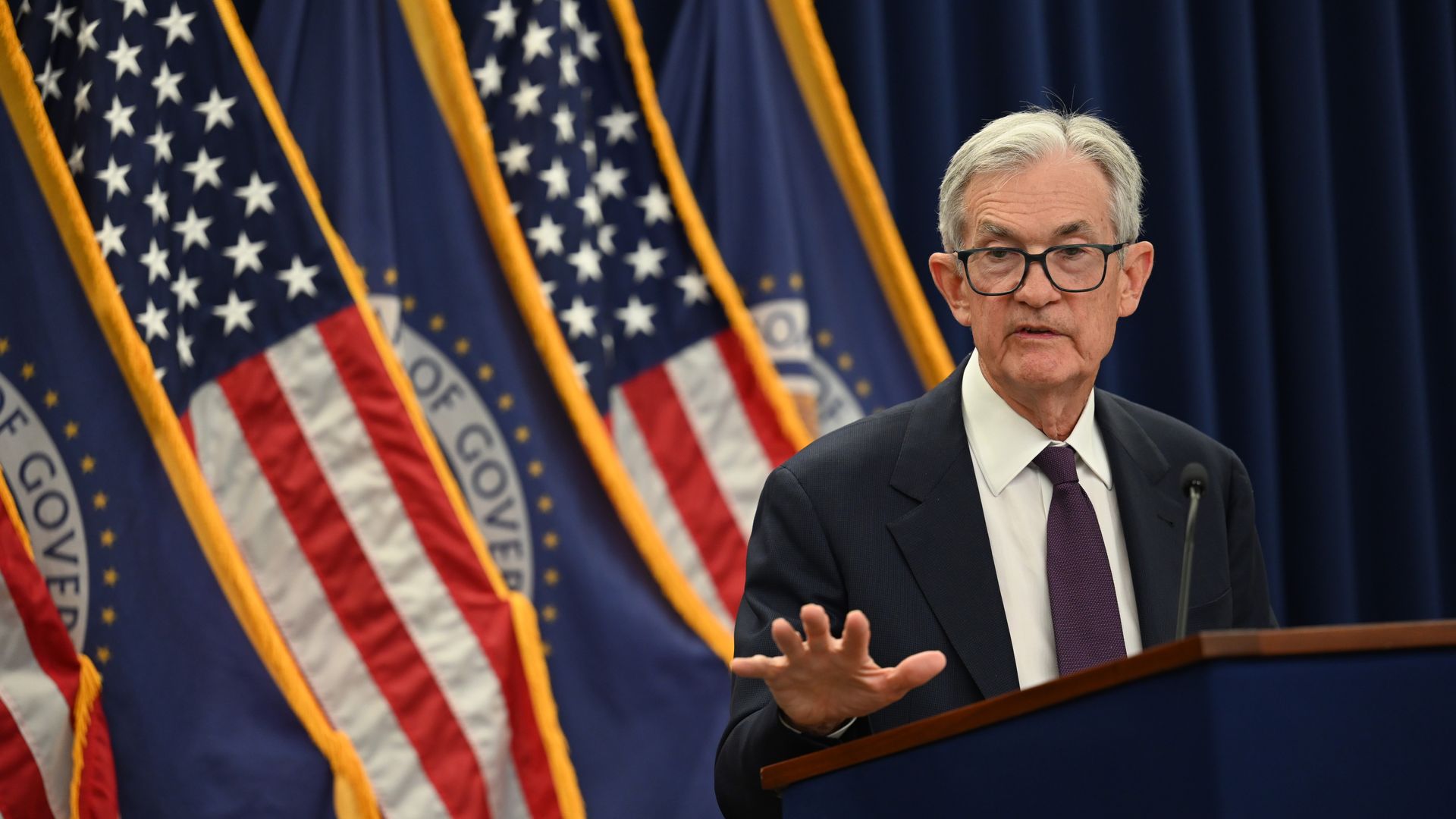
The Federal Reserve on Wednesday kept interest rates steady, and chair Jerome Powell said that he will remain in place until his successor is confirmed, raising the prospect that he could continue leading the central bank after his term is up May 15.
Why it matters: Powell's remarks set up a high-stakes standoff with the Trump administration over who will lead the world's most important central bank in less than two months.
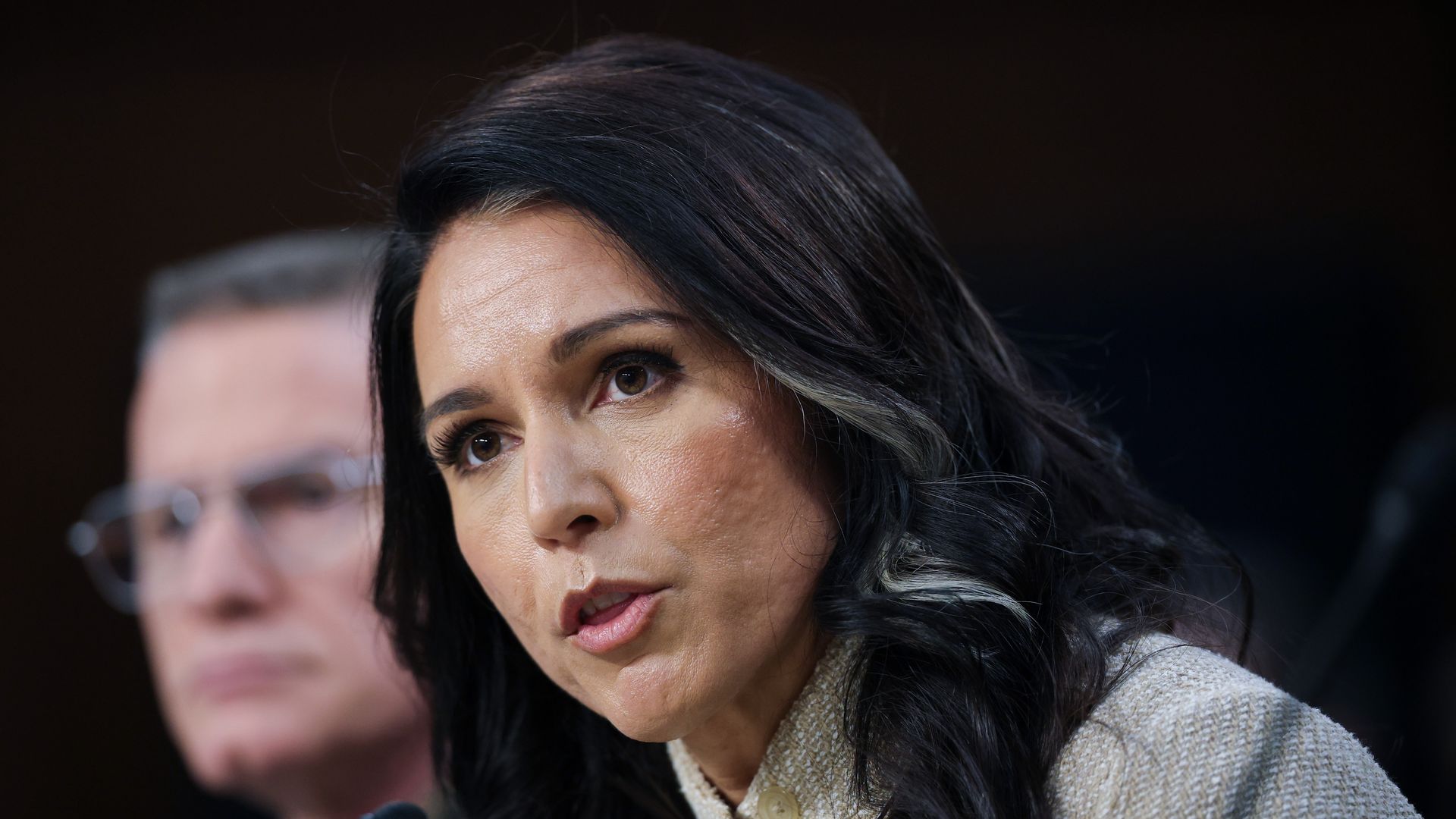
Director of National Intelligence Tulsi Gabbard said that only the president can determine if a nation poses an "imminent threat" during a Wednesday Senate hearing on worldwide threats.
Why it matters: The spotlight on Gabbard, who has been largely quiet about the U.S.-Israeli strikes on Iran, has intensified after top aide Joe Kent, who directed the National Counterterrorism Center, announced his resignation in a scathing letter about the war.
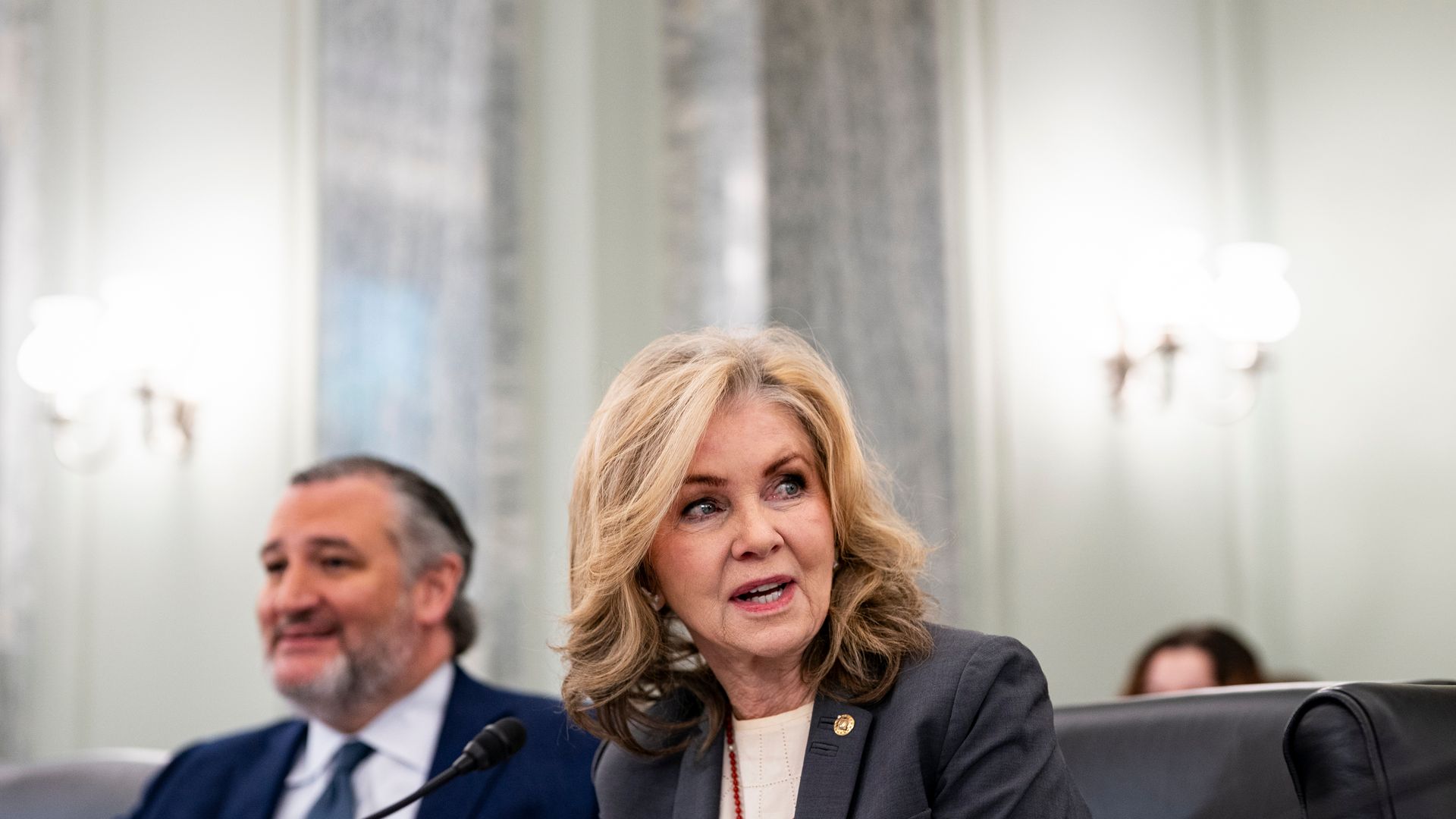
Sen. Marsha Blackburn (R-Tenn.) on Wednesday released an updated federal AI policy draft as the White House prepares to unveil its own plan.
Why it matters: Lawmakers on the Hill are vying to shape the Trump administration's AI agenda, and Blackburn is making her case to lead the effort in the Senate.
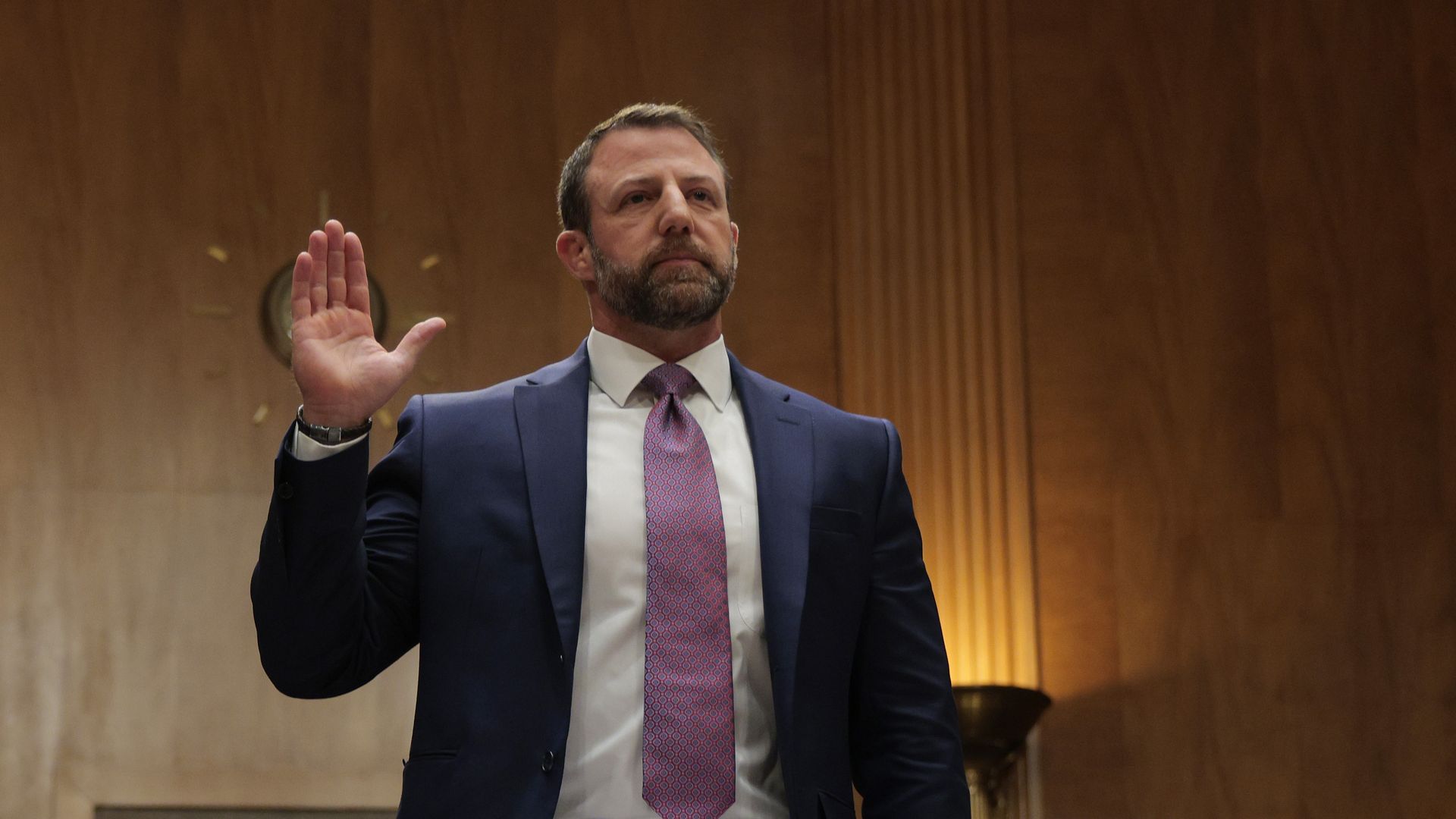
Sen. Rand Paul (R-Ky.) opened Sen. Markwayne Mullin's confirmation hearing with a remarkable challenge, daring the Homeland Security secretary nominee to "tell me to my face" why Paul deserved an assault that left him with broken ribs.
Why it matters:Mullin's hearing got off to a rocky start — and Paul said afterwards that he would vote against reporting Mullin's nomination out of the Homeland Security and Governmental Affairs Committee, which he chairs.
Sen. Mark Warner (D-Va.) has questions about a $10 billion fee that TikTok's buyers reportedly are paying the U.S. Treasury Department, on top of what they spent to buy the actual business from China's ByteDance.
The federal government is trying to clear a regulatory path for new types of vehicles that drive themselves and don't have a steering wheel or pedals.
Why it matters: Fully automated robotaxis don't need driver controls, but the law still requires them. Updating federal standards could determine who leads the global race in autonomous vehicle technology.
Sen. Markwayne Mullin (R-Okla.) told senators he took a "classified" trip to an undisclosed location in 2016 while serving in Congress.
Why it matters: It's Mullin's first acknowledgment that he was formally involved in a secret foreign assignment — presumably in a dangerous part of the world.
President Trump has formally waived requirements that only U.S. ships can carry cargo between domestic ports as officials look to ease access to fuel and supplies while the Strait of Hormuz remains throttled.
Why it matters: The White House is looking to pull multiple levers as the Iran war sends gasoline prices soaring and restricts access to goods needed by farmers and other industries.
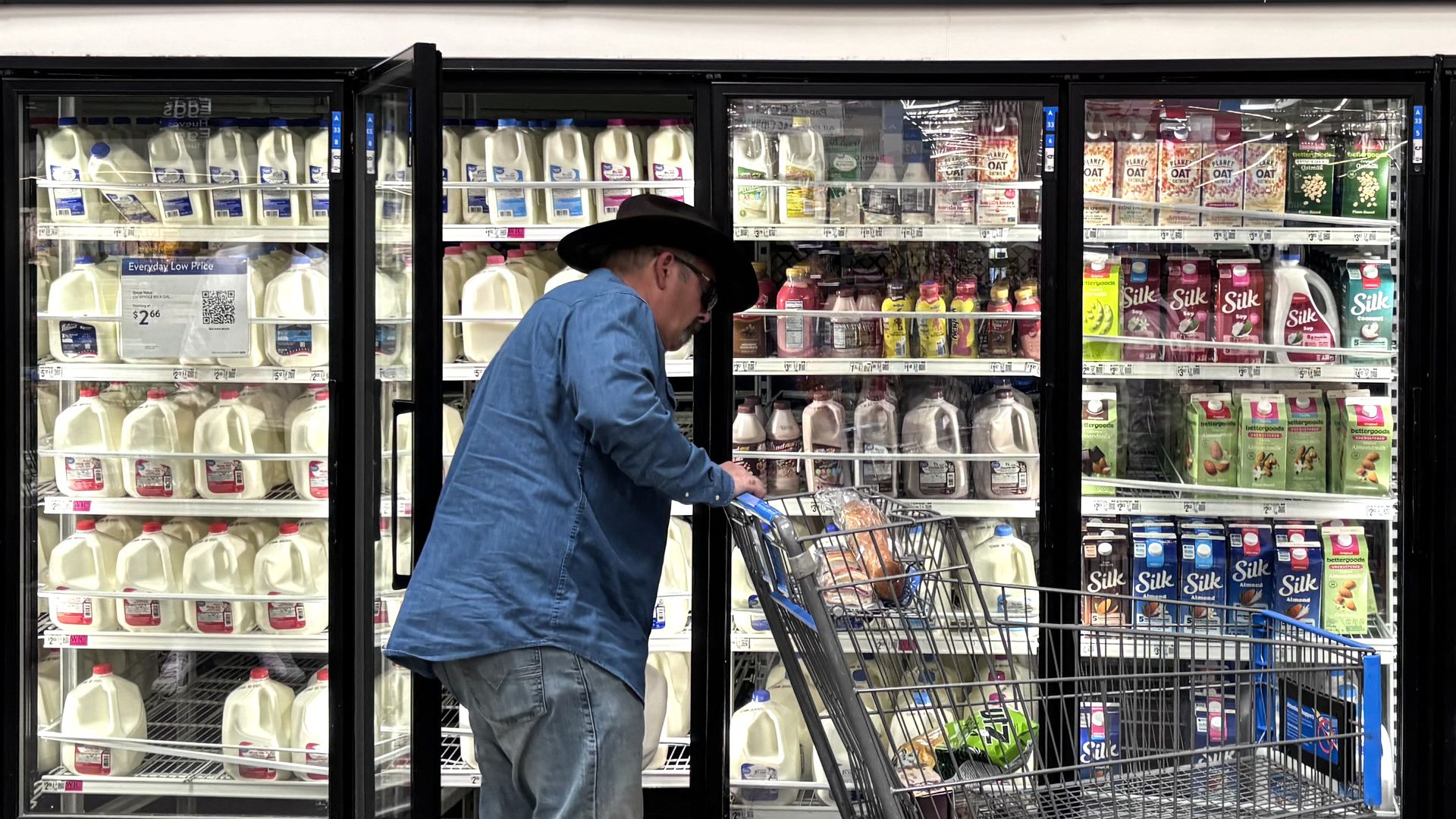
Wholesale prices — including for consumer staples like fresh vegetables — rose at a rapid clip in February.
Why it matters: It is a fresh warning for the Trump administration and the Federal Reserve. Price pressures were already building across the economy, even before the Iran war introduced new inflation risks.
New U.S. homebuyers spend a far higher share of their income on housing than existing homeowners — and that gap is growing, an analysis out this week finds.
Why it matters: There's a huge bipartisan push to make homeownership more affordable — but policy ideas often target existing homeowners, the ones least in need of help.
Worse, some efforts to increase affordability — particularly the push to lower mortgage rates — can exacerbate the problem.
How it works: New homeowners almost always spend more of their income on housing. They're typically younger, earn less money and face higher home prices.
But the share of income they're devoting to housing has spiked over the past four years, as the pandemic drove up home prices and then mortgage rates surged.
By the numbers: In 2024, the most recent year with available federal data, new homeowners — defined as those who bought a house within the past year — spent nearly 27% of their income on housing, according to the new analysis from the centrist Economic Innovation Group.
That's close to the level last seen in the years before the housing bubble began to burst in 2007, when buyers with bad credit were taking out mortgages they couldn't afford.
Existing homeowners, meanwhile, spent just 20% of their income on housing, near record lows.
The gap between the two groups is the widest in at least 40 years.
Friction point: President Donald Trump and many lawmakers like to focus on mortgage rates as a way to make homes more affordable for new homeowners.
"We got to get interest rates down even lower," Trump said at a Cabinet meeting in January. "To me, the biggest factor is interest rates for housing."
The White House has touted the decline in rates over the past year — though they've come back up over the past two weeks, as the war has raised borrowing costs.
Between the lines: Mortgage rates are big and splashy, but they don't actually do much to make homes more affordable, EIG finds.
Instead, when rates are low, more new buyers enter the market — and bid up prices.
Low rates do benefit existing homeowners, who can refinance.
"Rate cuts likely would help recent homeowners to refinance at lower rates, but it's unlikely that they would do much to lower the barrier to entry for new buyers," writes Jess Remington, a research analyst at EIG who links to similar research from the Dallas Fed.
Zoom in: When interest rates fell from 2019 to 2021, new homeowners' real monthly mortgage payments actually increased, the analysis notes.
That's been the pattern since 1980, other research finds.
The big picture: Buying a house — once the American dream — has increasingly become a fantasy for many.
There's remarkable bipartisan agreement that something needs to be done to bring down housing costs. Big housing affordability bills have now passed both the House and Senate — though have since stalled out, as Trump is focused on election legislation and the Iran war.
Still, Trump has floated ideas outside of Congress — introducing 50-year mortgages, preventing investors from buying single-family homes and directing the purchase of $200 billion in mortgage bonds.
Last week, he issued executive orders that would make it easier to build and finance homes.
The bottom line: Some of the policies that focus on building new supply could ultimately make homes less expensive — by addressing a housing shortage.
But those policies will succeed on fairly long-time horizons.
Mortgage rates move much faster than home builders ever could — don't expect anyone to stop talking about their benefits anytime soon.
The first production lines at Arsenal-1, the weapons mega-factory Anduril Industries is erecting in Ohio, will go hot "in a matter of weeks," founder Palmer Luckey told Axios.
"We're ahead of schedule," he said. The company previously teased July.
The big picture: The decade-long project is make or break for Anduril, which is now reportedly valued at $60 billion. It's also a major bet on American reindustrialization, a trend with its fair share of factory floor photoshoots.
Executives are billing Arsenal as the future of defense manufacturing. Getting there requires a chunk of the money it's raised thus far.
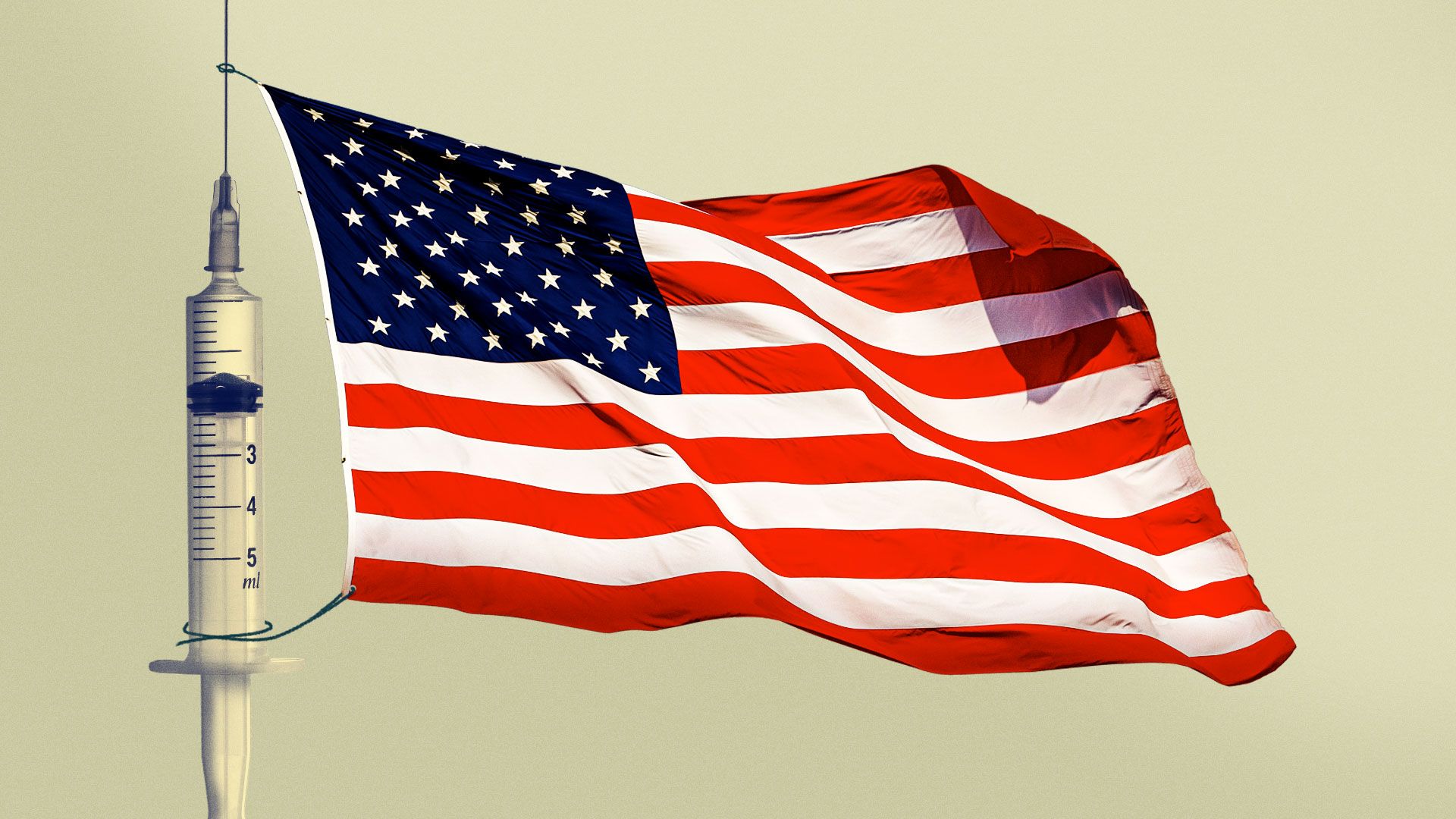
After being blocked by election-year political considerations and now the courts, vaccine critics' most impactful fights may play out at the state level — at least until the midterm elections are over.
Why it matters: The "Make America Healthy Again" movement and its allies were already targeting state legislatures but those campaigns could take on new significance with much of the federal agenda now frozen.
President Trump'seconomic pressure on Cuba is exacerbating a widespread humanitarian crisis as the U.S. continually threatens to intervene in the Caribbean island.
The big picture: Despite surviving 60 years of U.S. economic pressure, Cuban officials claim Trump is escalating the crisis by threatening to tariff its oil suppliers and openly musing about regime change.
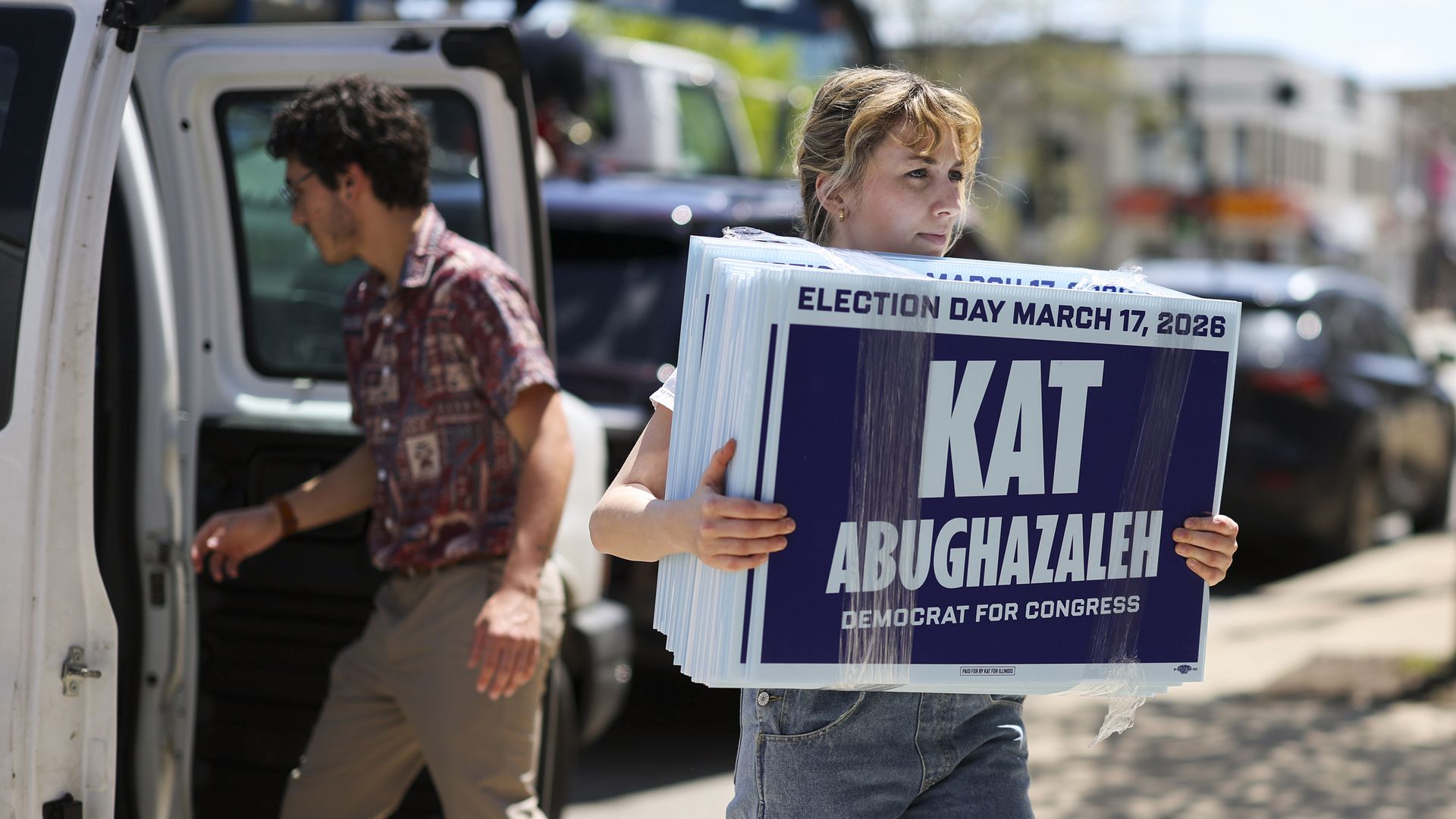
The left suffered a virtually total collapse in the Illinois Democratic congressional primaries on Tuesday night — even in races where the AIPAC-backed candidate lost.
Why it matters: It's a bad sign for the dozens of insurgent Democrats running in congressional races across the country, both in open seats and as primary rivals to older or more establishment-oriented incumbents.
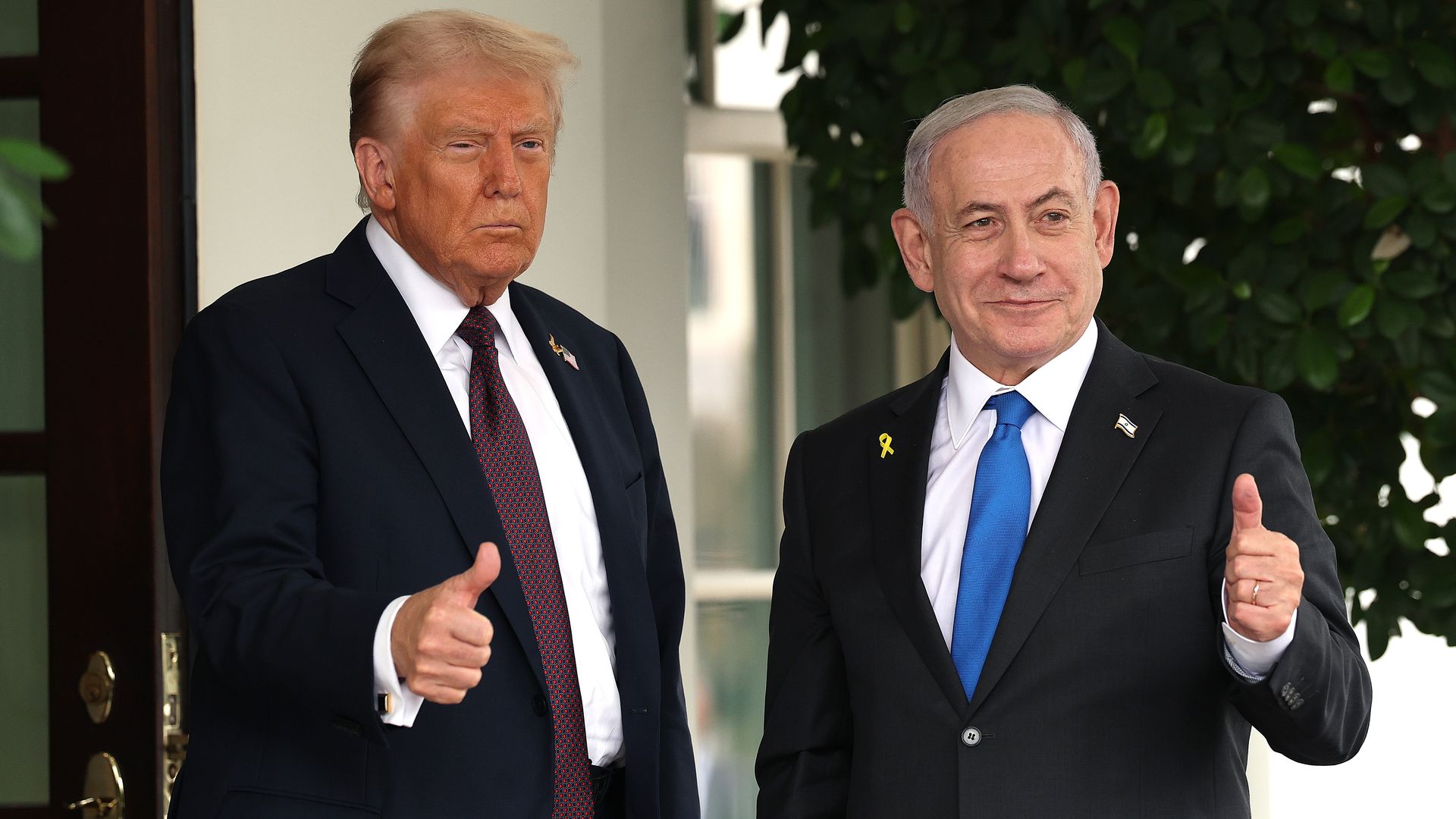
President Trump and Bibi Netanyahu have spoken almost every day since the war began. Trump told Axios that they're "working great together."
But U.S. officials realize the two countries' endgames and risk tolerance may diverge as the 19-day-old war continues.
Why it matters: Several U.S. officials described Trump as the most bullish person in the White House on going to war with Iran. He also appears more aligned with Netanyahu's maximalist objectives than many of his aides.
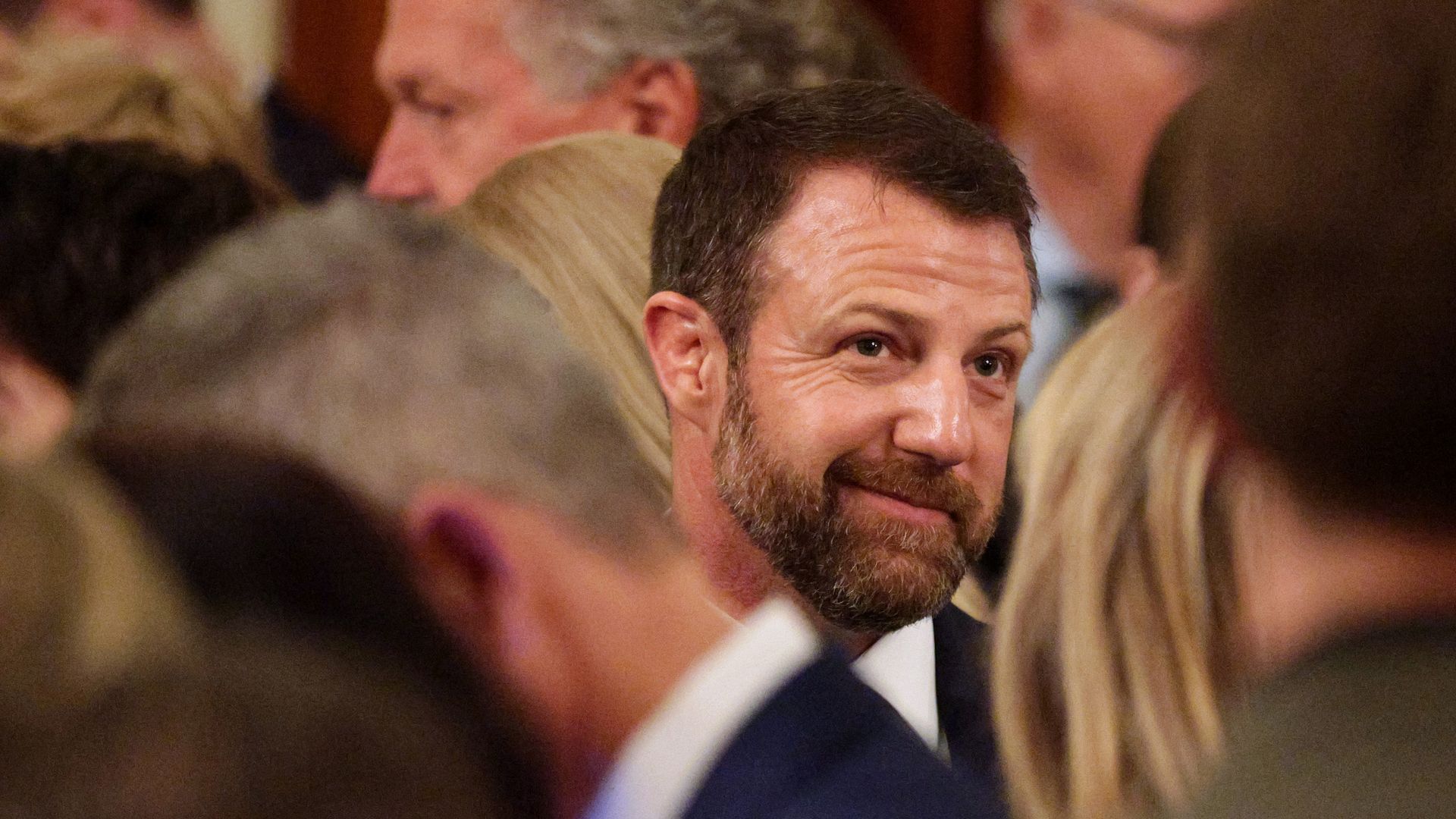
Sen. Markwayne Mullin (R-Okla.) has privately hinted to colleagues that he was involved in dangerous private security work in Middle East war zones before running for Congress in 2012, according to three people who have heard him discuss it.
Why it matters: It's a mystery likely to come up Wednesday at his Senate confirmation hearing, where he will face colleagues as President Trump's nominee to replace Kristi Noem as Homeland Security secretary.
The pro-Israel group AIPAC notched some much-needed victories on Tuesday night in Illinois, with two Democratic House candidates it backed winning their races.
Why it matters: Long a big spender in Democratic politics, AIPAC's reputation within the party's grassroots has never been worse. And yet, with some delicate maneuvering, it proved it can still use its massive campaign war-chest to devastating effect.
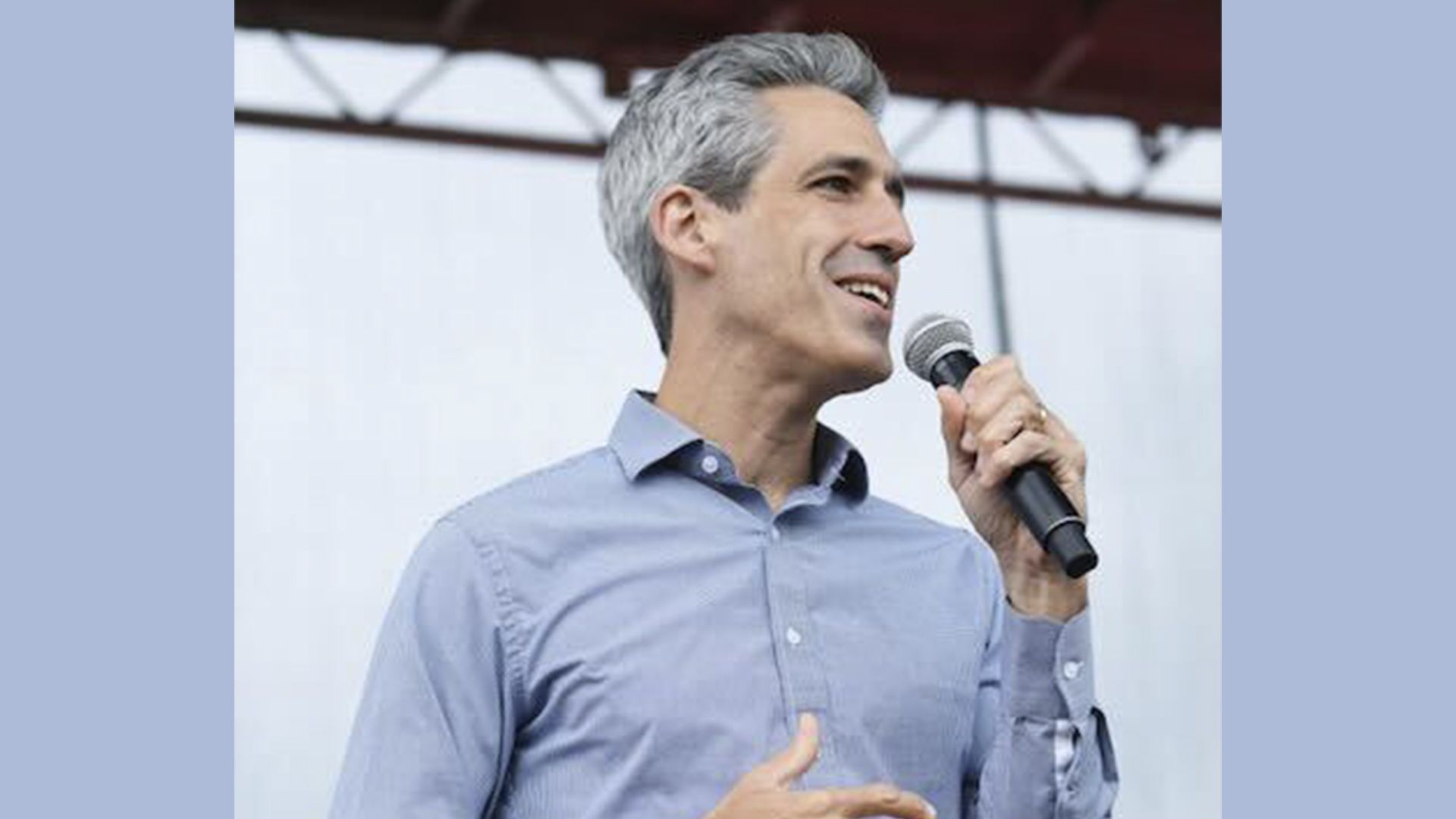
Daniel Biss defeated a crowded field in Tuesday's Democratic primary to represent Illinois' 9th District.
Biss faces Republican John Elleson in November.
Flashback: U.S. Rep. Jan Schakowsky's retirement announcement last year opened the seat for the first time in more than 25 years, prompting 15 Democrats and four Republicans to enter the race.
Zoom in: Biss has been mayor of Evanston, the northern suburb that's home to Northwestern University, since 2021 and has also served as both a state Senator and state Representative.
Schakowsky endorsed Biss, along with U.S. Senators Tammy Duckworth (D-Ill.) and Elizabeth Warren (D-Mass.).
Biss' calls to abolish ICE became more fervent after a standoff in December with Border Patrol Commander Gregory Bovino, as immigration officials made arrests in Evanston and nearby suburbs.
State of play: The district includes Rogers Park — one of Chicago's most diverse neighborhoods — and the affluent North Shore suburbs, home to what have long been known as "lakefront liberal" voters.
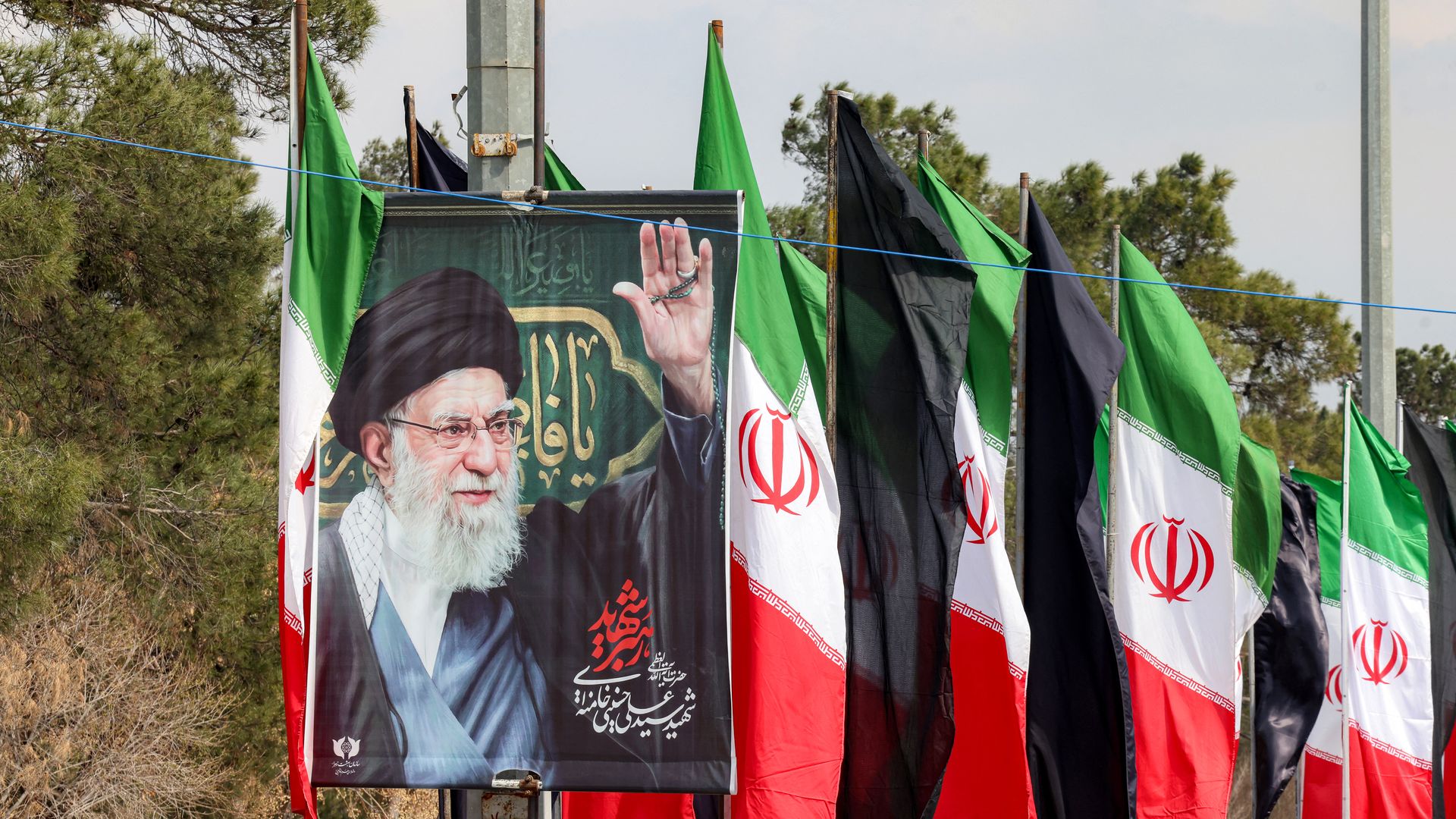
Israeli forces' killing of two top Iranian officialsin separate strikes Tuesday marked a major blow to Tehran's leadership, which has been decimated during the Iran war.
The big picture: National security chief Ali Larijani and Basij paramilitary commander Gholamreza Soleimani are among dozens of Iranian officials killed during the war. Many died along with the late Iranian Supreme Leader Ayatollah Ali Khamenei on Feb. 28, the first day of U.S. and Israeli airstrikes.
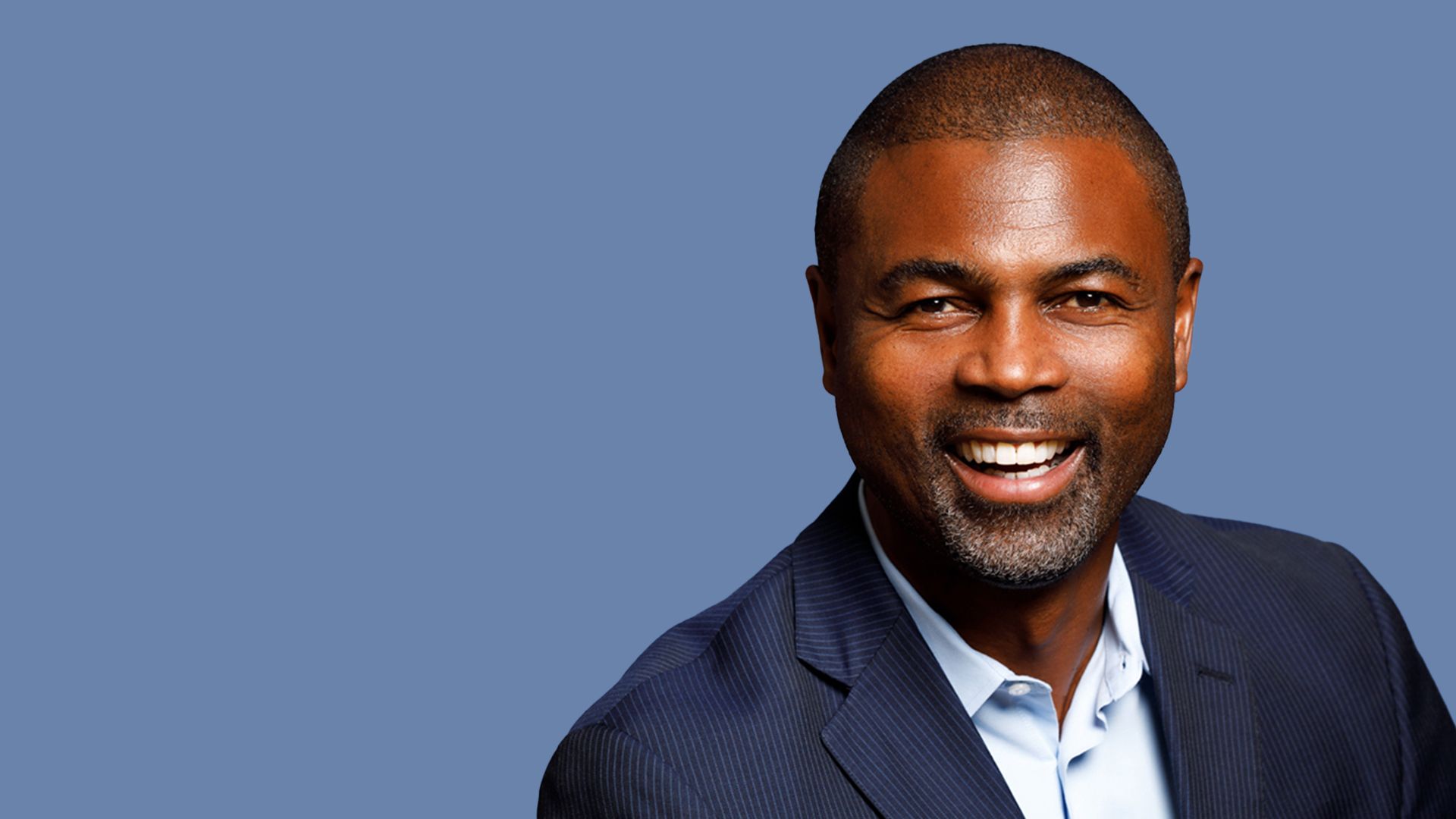
State Rep. La Shawn Ford has won the Democratic primary for Illinois' 7th District, a seat held for three decades by retiring Rep. Danny Davis, representing parts of Chicago's Loop, the West Side and western suburbs.
Zoom in: Ford, who has served as a state representative since 2007,scored a key early endorsement from Davisthe day the congressman announced his retirement last summer.
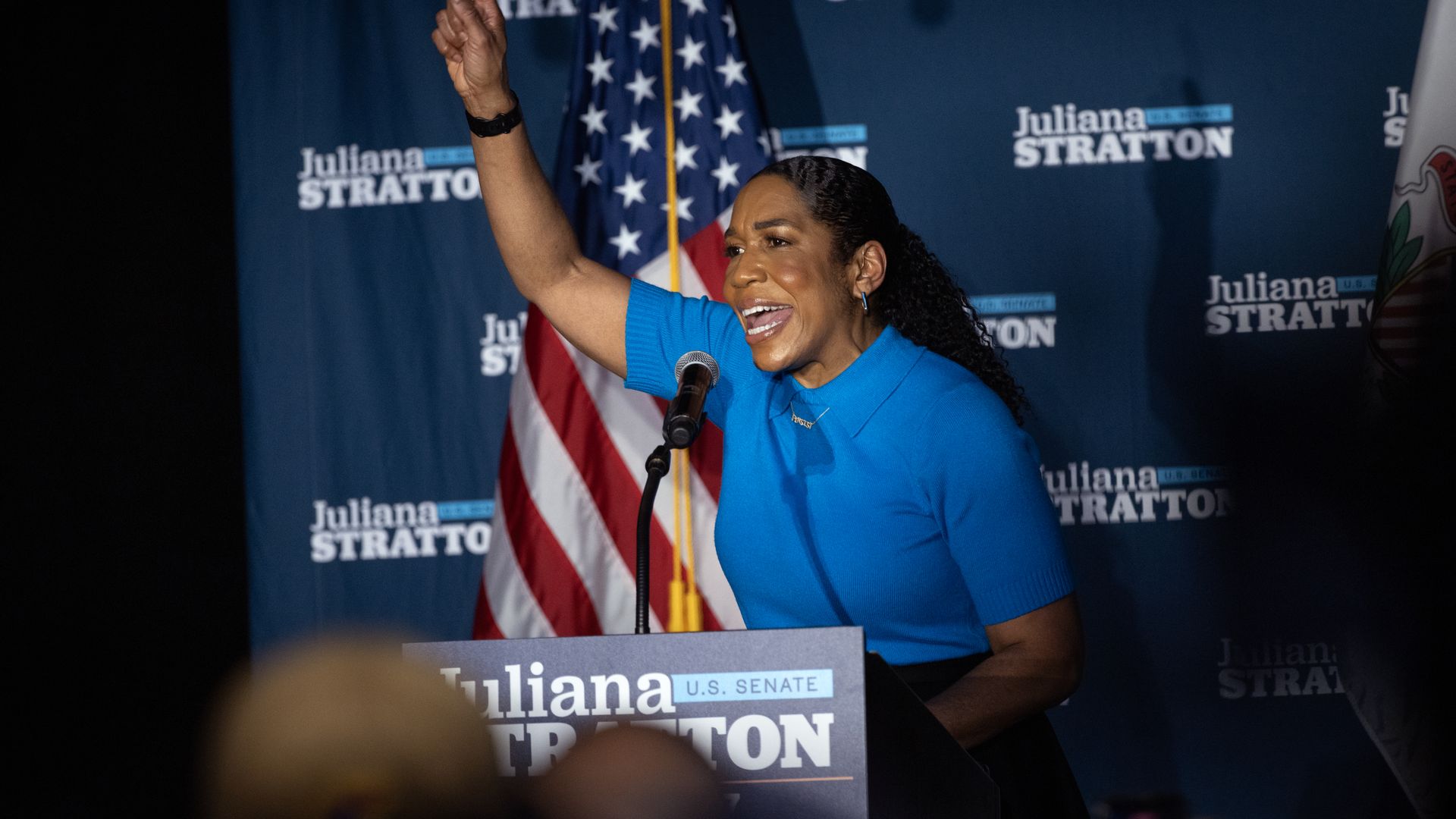
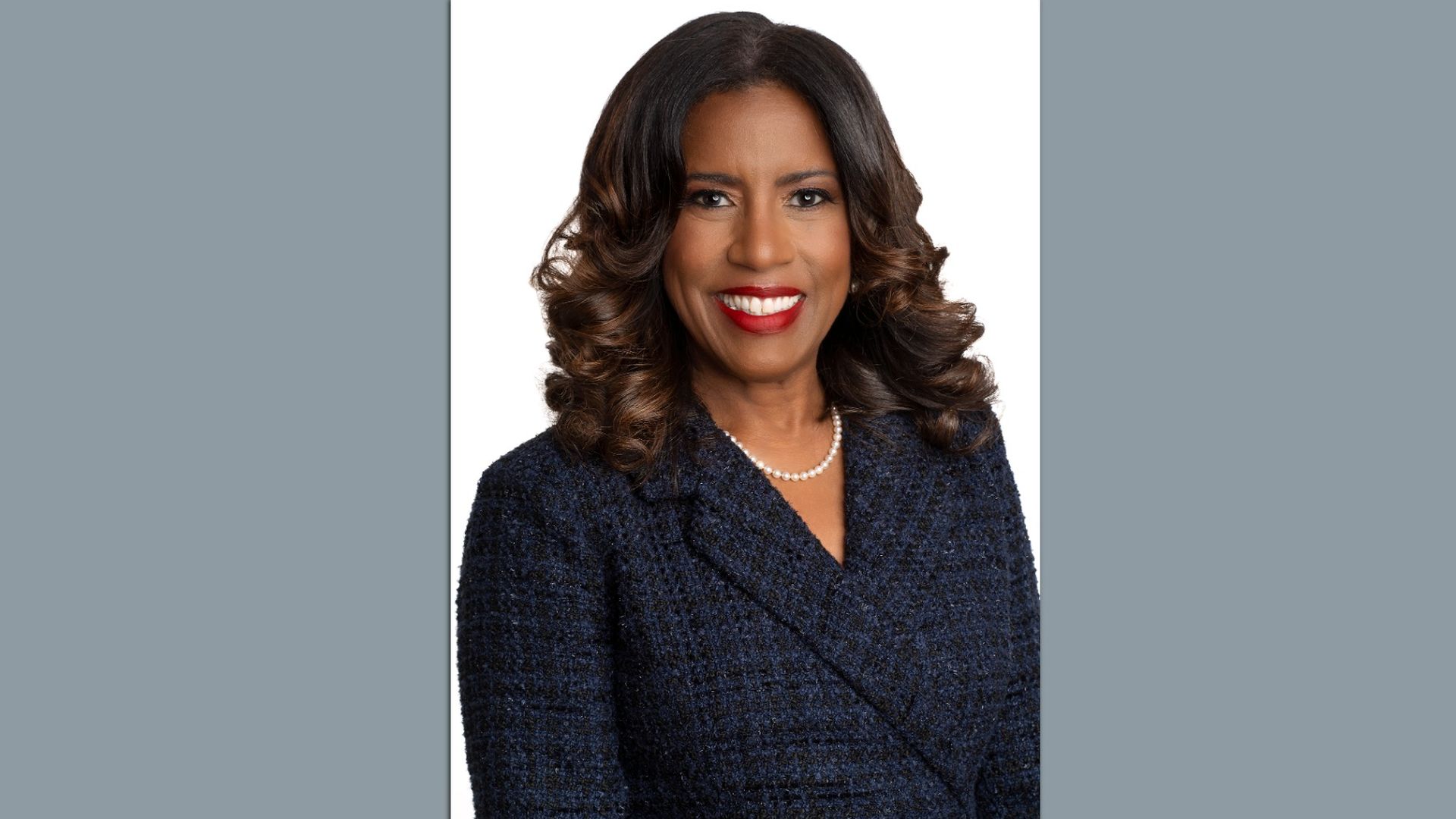
Illinois Lt. Gov. Juliana Stratton has won the Democratic primary for the U.S. Senate seat being vacated by Dick Durbin, the retiring minority whip, AP projects.
Why it matters: Stratton leaned on support from Gov. JB Pritzker and other high-profile Democrats to overcome rival Rep. Raja Krishnamoorthi's sizable fundraising advantage.
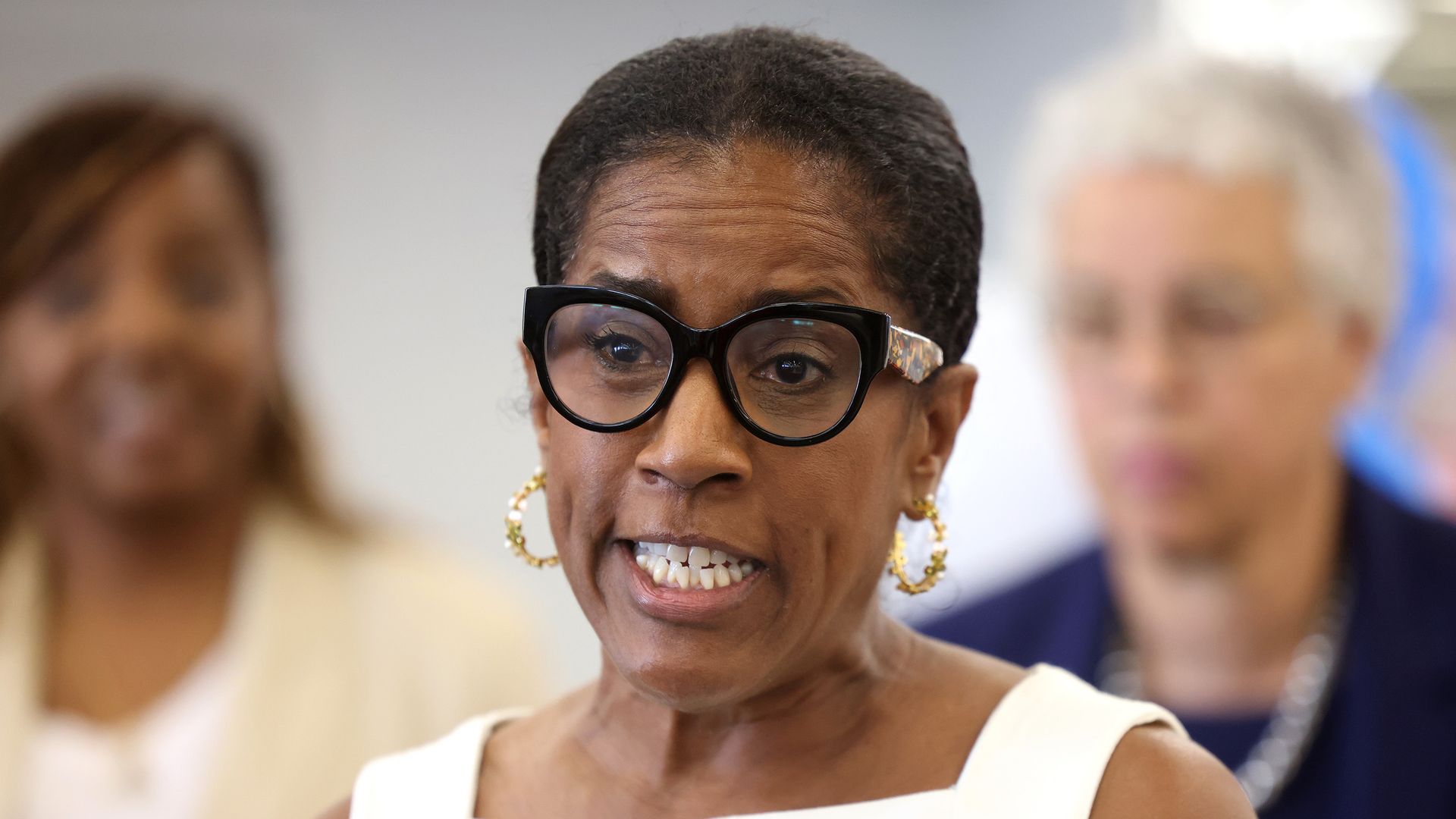
Donna Miller has won the Democratic primary for Illinois' 2nd District, a seat held by Rep. Robin Kelly, who is running for U.S. Senate.
The latest: Miller defeated former Rep. Jesse Jackson Jr., who was seeking a return to the seat after serving a federal sentence for campaign finance fraud.
Why it matters: The race is one of several Democratic primaries in which millions of dollars in outside PAC spending may have helped shape the outcome.
By the numbers: Miller received over 40% of the vote to Jackson's 28% when the Associated Press called the race.
Zoom in: Miller is a Cook County Board commissioner representing the 6th District and has spent decades working in health care. She previously served as board chair of Planned Parenthood of Illinois.
She also ran for state Senate in 2012, losing in the 15th District.
Zoom out: The district spans large swaths of the South Side of Chicago and the south suburbs, extending down to Peoria.
The heavily Democratic district means the primary often decides the seat.
Between the lines: The 2nd District represents one of several races that drew millions in outside PAC spending.
In February alone, Miller benefited from $2.4 million in ads linked to the American Israel Public Affairs Committee (AIPAC), while one of her opponents, Robert Peters, was hit with $735,000 in attack ads from the crypto industry-linked Fairshake PAC.
The intrigue: Miller's win shuts down a high-profile comeback attempt by Jackson, once one of Chicago's most prominent political figures.
What's next: In November, Miller will face Republican challenger Mike Noak for a seat that has been held by a Democrat since 1953.
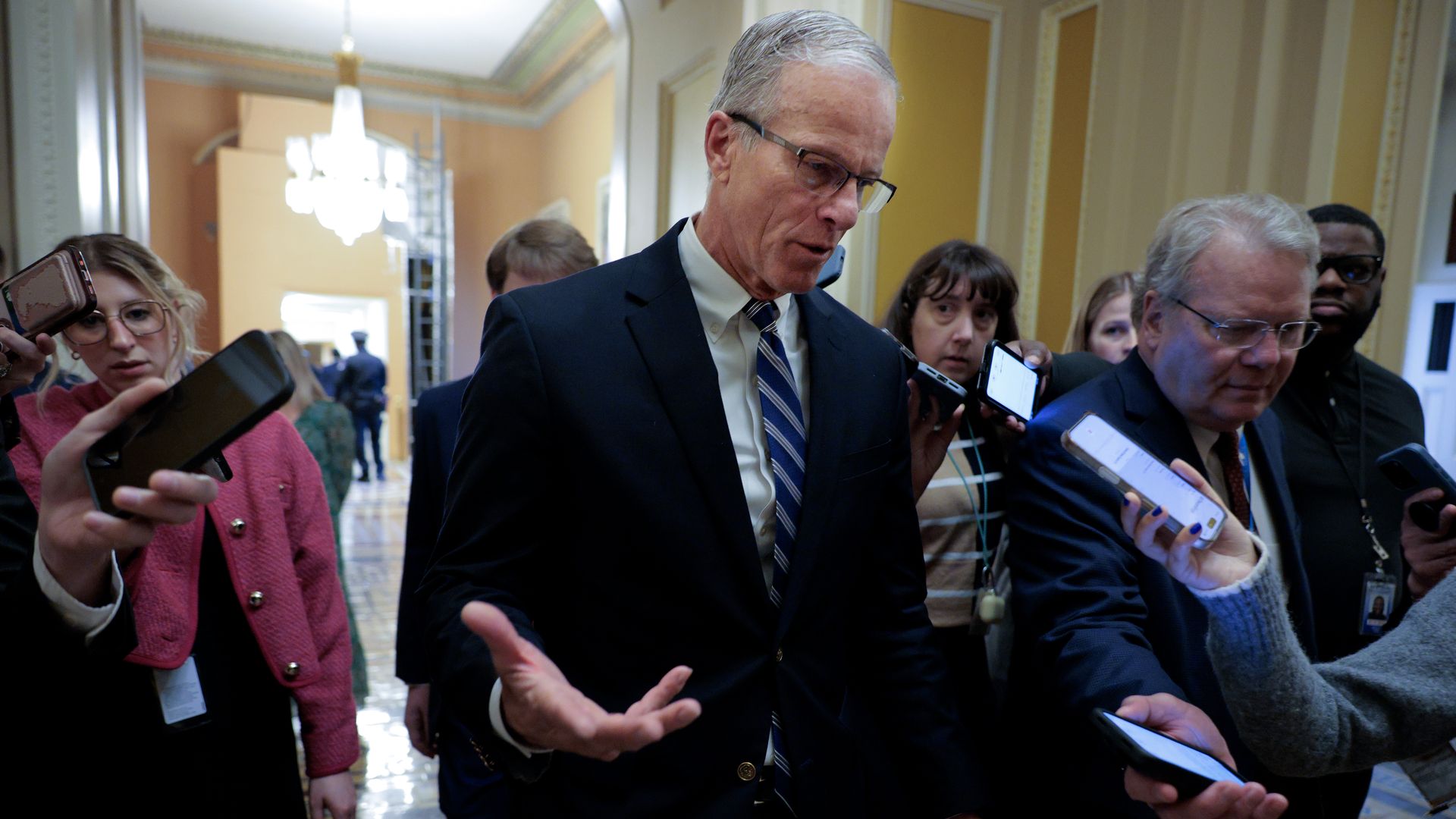
Senate Republicans opened debate Tuesday on the SAVE America Act. While discussions continue over whether the bill will be further modified, the outcome isn't in doubt: the legislation will not pass.
Why it matters: GOP leaders insist the open-ended debate will allow them to spotlight election fraud and draw attention to President Trump's proposed solutions.
But on day one, their internal divisions were already on display.