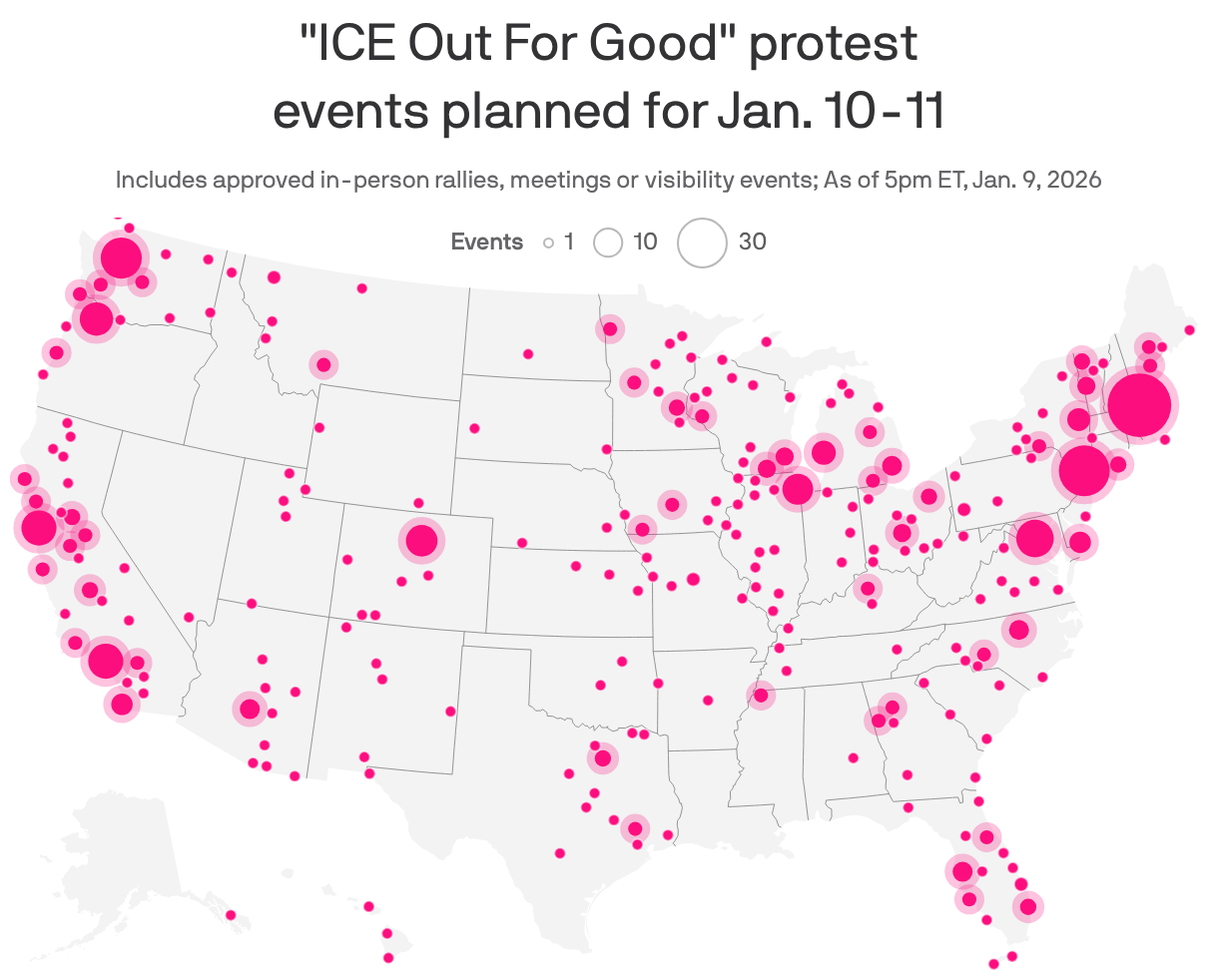
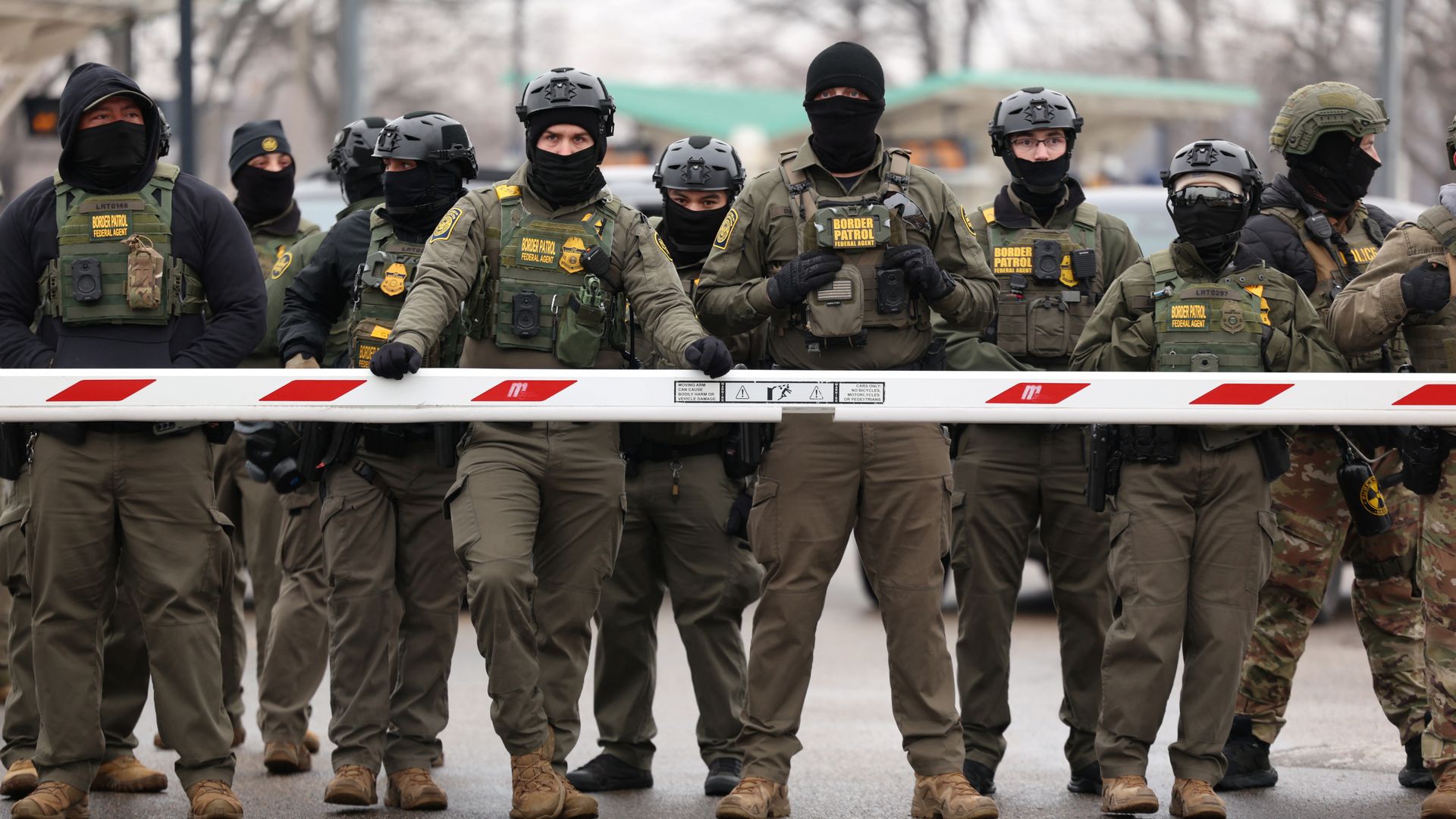
"ICE Out For Good" vigils and protest events were quickly planned nationwide for Jan. 10 and 11 in response to a fatal shooting by immigration officers in Minneapolis, organizers told Axios on Friday.
Why it matters: The killing and a subsequent Border Patrol shooting in Portland have sparked outrage and anger at the Trump administration, which has defended its agents.
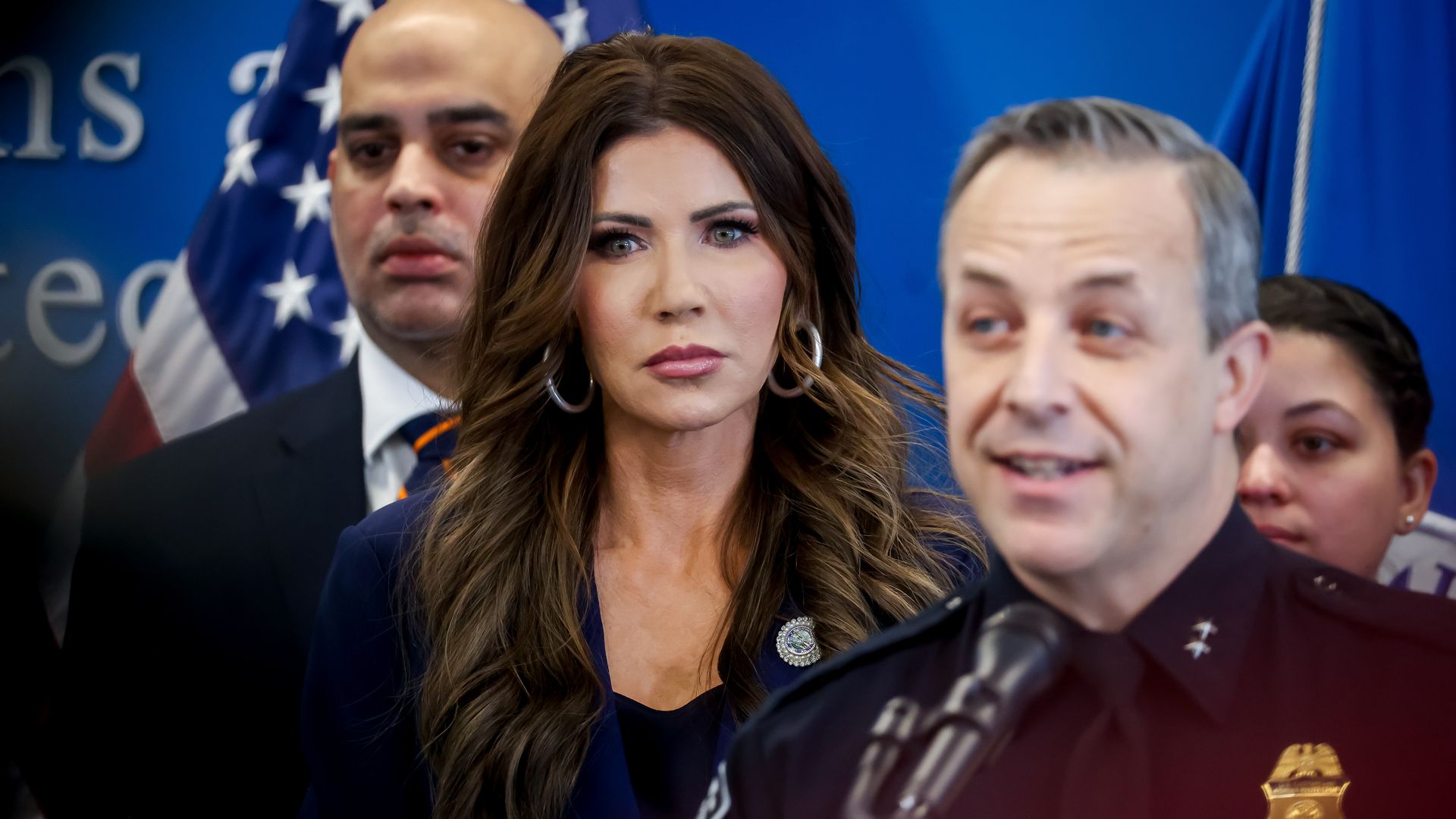
Democrats who wanted to impeach Homeland Security Secretary Kristi Noem were on the fringes. Then, the shootings in Minneapolis and Portland happened.
Why it matters: Ever since President Trump returned to office last January, just the hint of impeachment would be enough to bring Democrats to a frenzied rage. Now that sentiment is thawing, and impeachment is going mainstream.
House Speaker Mike Johnson and Minority Leader Hakeem Jeffries used to go out of their way to laud their positive working relationship. But those days are done, and the smack talk has gotten personal.
Why it matters: Their relationship may only further deteriorate this year as Congress tries to keep the gears of government churning during a bruising midterm election.
At least five Trump-appointed prosecutors have been disqualified recently after judges ruled they were serving unlawfully.
The big picture: President Trump has filled federal prosecutor vacancies with loyalists in interim U.S. attorney roles, but the rulings signal growing judicial resistance to the president sidestepping the Senate confirmation process.
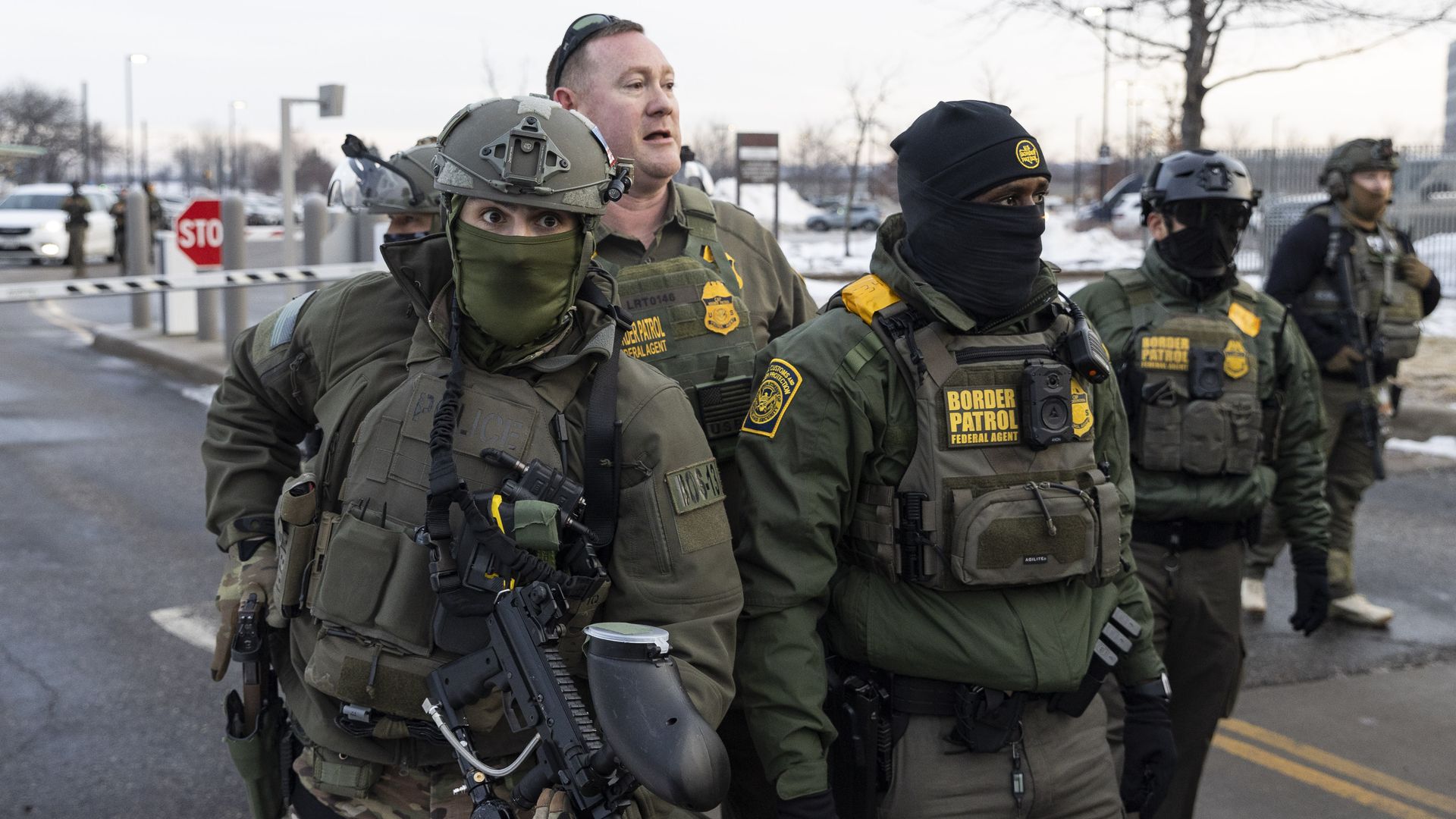
Two separate shootings by federal agents in Minneapolis and Portland this week have drawn widespread protests and concern from Americans — but the two agencies accused of the shootings have slightly different mandates.
The big picture: Despite many linking the two incidents together, the fatal shooting of a U.S. citizen in Minneapolis was done by an ICE agent, whereas two people were shot by U.S. Customs and Border Protection agents in Portland.
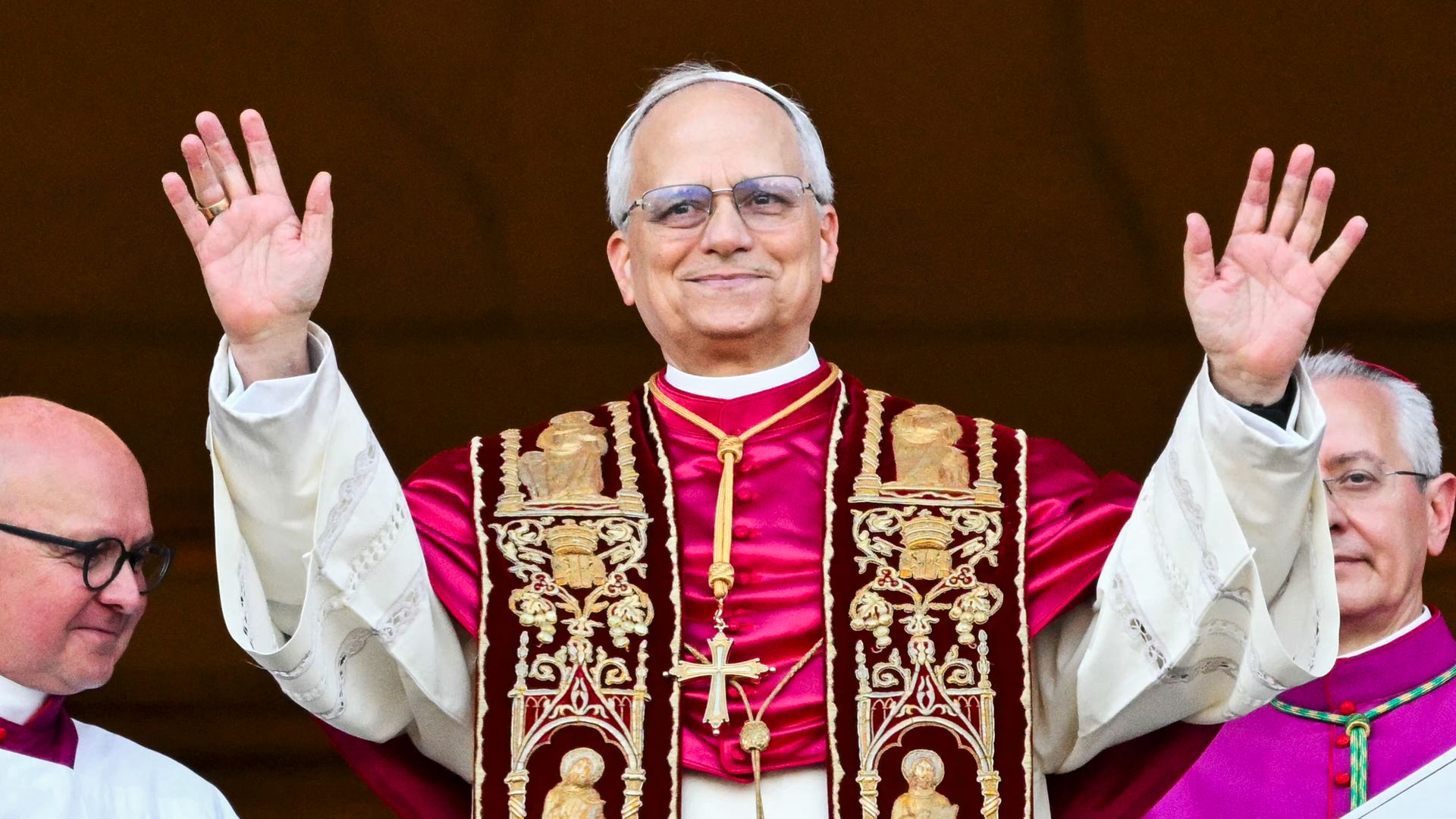
Pope Leo XIV is continuing to issue indirect critiques about President Trump's policies as the U.S. ramps up its intervention in Venezuela.
The big picture: Since becoming pope last May, Leo has made a number of critiques — both subtle and explicit — regarding Trump's treatment of immigrants as well as his foreign policies.
Americans now disapprove of ICE and support protests against the agency, according to a new poll conducted the same day a federal officer fatally shot a 37-year-old mother in Minneapolis.
The Democratic National Committee on Thursday sent letters to officials in 10 states urging them to reject a Justice Department request for unredacted voter files.
The big picture: The DNC is warning states that the proposed agreement — which would require election officials to remove any alleged ineligible voters found during a federal review of voter rolls — violates federal election law.
This week made it clearer than ever: Longtime vaccine critic Robert F. Kennedy Jr. is doing things his way as the nation's top health official, and President Trump appears thrilled with how it's going.
Why it matters: If anyone thought Kennedy would be kept on a leash when he became Trump's health secretary, they thought wrong.
"I think he's gaining capital," said one source who has spoken to the White House about vaccine issues. "This is a mindmeld between Kennedy and Trump."
But his latest move — cutting the number of recommended children's vaccines — could backfire if he falls short on his promises that anyone who wants the shots will still be able to get them.
Voters could also get spooked by the warnings about a rise in infectious diseases.
Driving the news: Exactly one month after Trump directed HHS to review the childhood vaccine schedule, officials on Monday slashed the number of recommended vaccines for children by roughly a third, down to 11.
There was no new supporting evidence or the customary public reviews, but the officials said the move better aligns the U.S. with peer nations. In reality, the U.S. now recommends fewer vaccines than most other developed countries.
Public health experts and medical groups quickly lined up against the change, saying it will cause a drop in vaccinations and a rise in preventable childhood disease.
Democrats also jumped to condemn the slimmed-down schedule, in a preview of what could become potent midterm messaging.
The big picture: Vaccines remain overwhelmingly popular in the U.S., and a survey of 35 competitive congressional districts by Trump pollster Tony Fabrizio late last year concluded that "skepticism toward vaccine requirements is politically risky for both parties."
"Republicans or Democrats adopting positions that remove long standing vaccine recommendations would negatively impact their party's performance," the polling memo adds.
Between the lines: If findings like Fabrizio's make Republicans nervous, they won't find much assurance from the White House.
Yes, but: On its face, the vaccine policy change may look self-destructive. But some sources close to the administration argue that it won't impact key voters in any meaningful way that would work against Republicans.
"The changes are somewhat defensible. They're not insane," said the source who has spoken to the White House about vaccine issues. "They didn't say don't vaccinate their kids at all. Unlike some of the attacks from the left, it's not really true you're not going to be able to get the vaccines."
What they're saying: "President Trump entrusted Secretary Kennedy to evaluate and realign the American childhood vaccine schedule using gold standard science," said White House spokesperson Kush Desai.
"HHS's historic undertaking doesn't alter access to or insurance coverage of any vaccine for Americans who want them, but instead will increase confidence in vaccine recommendations, including the vaccines that President Trump has himself urged Americans to take," Desai added.
Kennedy has created his own red line when it comes to vaccine access — one that some sources say neutralizes political risk associated with the schedule change.
Even as his health department slashed the number of vaccines it recommends all children get, Kennedy insisted that anyone who wants the no-longer-recommended vaccines can still get them, and insurance will still cover them.
"I've always promised I'm not going to take people's vaccines away from them," he said in a video posted on X by an official White House account. "Everybody who wants them can get all of the vaccines that were on the old schedule."
What they're saying: The schedule change was "incredibly shrewd and well executed," said David Mansdoerfer, a senior HHS official during Trump's first term, in part because "they eliminated the access argument by making no modifications on reimbursement."
"The timing of this happening right before midterms get started gives MAHA another notch in the win column," Mansdoerfer added.
"A middle-class suburban woman is not going to get terribly upset about the theoretical prospect of some child they don't know getting hepatitis B," a person familiar with internal discussions on health care policy at the White House and HHS told me.
"I think this becomes a nonevent politically."
Between the lines: The insistence that anyone who wants vaccines can still get them recalls another health care promise made more than a decade ago after the passage of the Affordable Care Act.
That promise — "If you like your health care plan, you can keep it," made by former President Obama — aged like milk in a heat wave.
No one tried to take people's plans away, but by creating a stronger set of minimum coverage rules, the law triggered changes that made it impossible for people with cheaper plans to keep them.
What we're watching: Whether parents who want the previously recommended pediatric vaccines can actually access them as easily for their children.
If that promise backfires, Republicans could pay a steep price come November.
And Kennedy allies have made clear they want the administration to go further, particularly around weakening or removing vaccine manufacturers' federal liability shield.
If the administration does eventually go down that path, it risks spooking vaccine makers out of the market — and creating the kind of availability problems it has vowed won't happen.
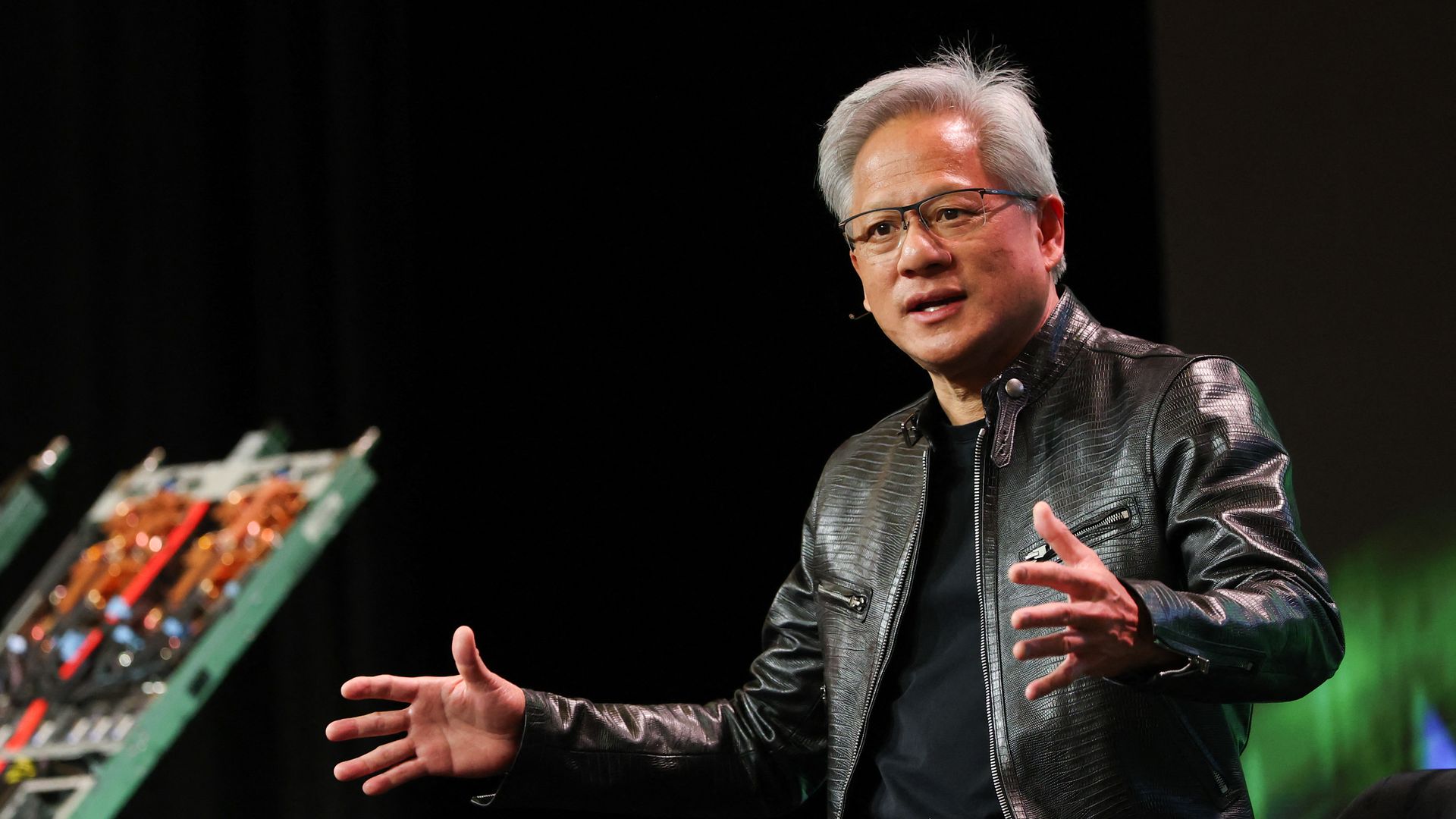
Every year, more than 140,000 people descend on Las Vegas for the Consumer Electronics Show to showcase new tech and discuss partnerships for the year ahead. Typically, the show is politically agnostic. But this year, leaders are leaning into President Trump's AI strategy.
Why it matters: The Biden era saw the White House pitted against Big Tech firms in an effort to rein in misinformation and monopolies. Trump's embrace of the AI industry has been a welcome reprieve for Silicon Valley.
Chinese crackdowns on fentanyl may have reduced overdoses and saved American lives, new research shows.
Why it matters: The data-backed explanation for the 34% plunge in overdose deaths from its peak suggests diplomatic pressure was more effective than decades of mass street-level arrests.
The good news in the December jobs numbers out this morning is in what didn't happen. Employment didn't flatline or go negative. The unemployment rate didn't continue an inexorable rise.
The big picture: At times last year, the wheels appeared to be coming off the U.S. labor market. But the final 2025 employment data points more to stagnation than to further deterioration.
The job market may not be thriving, but it isn't falling off a cliff, either.
That will give the Federal Reserve confidence that further interest rate cuts are not needed imminently — such as at its policy meeting later this month — to arrest some steep deterioration in labor market conditions.
The U.S. economy added 50,000 jobs in December, while the unemployment fell to 4.4%, the Labor Department said on Friday.
Why it matters: Last year ended with solid hiring and lower joblessness after months of weak job gains that raised fears about the health of the economy.
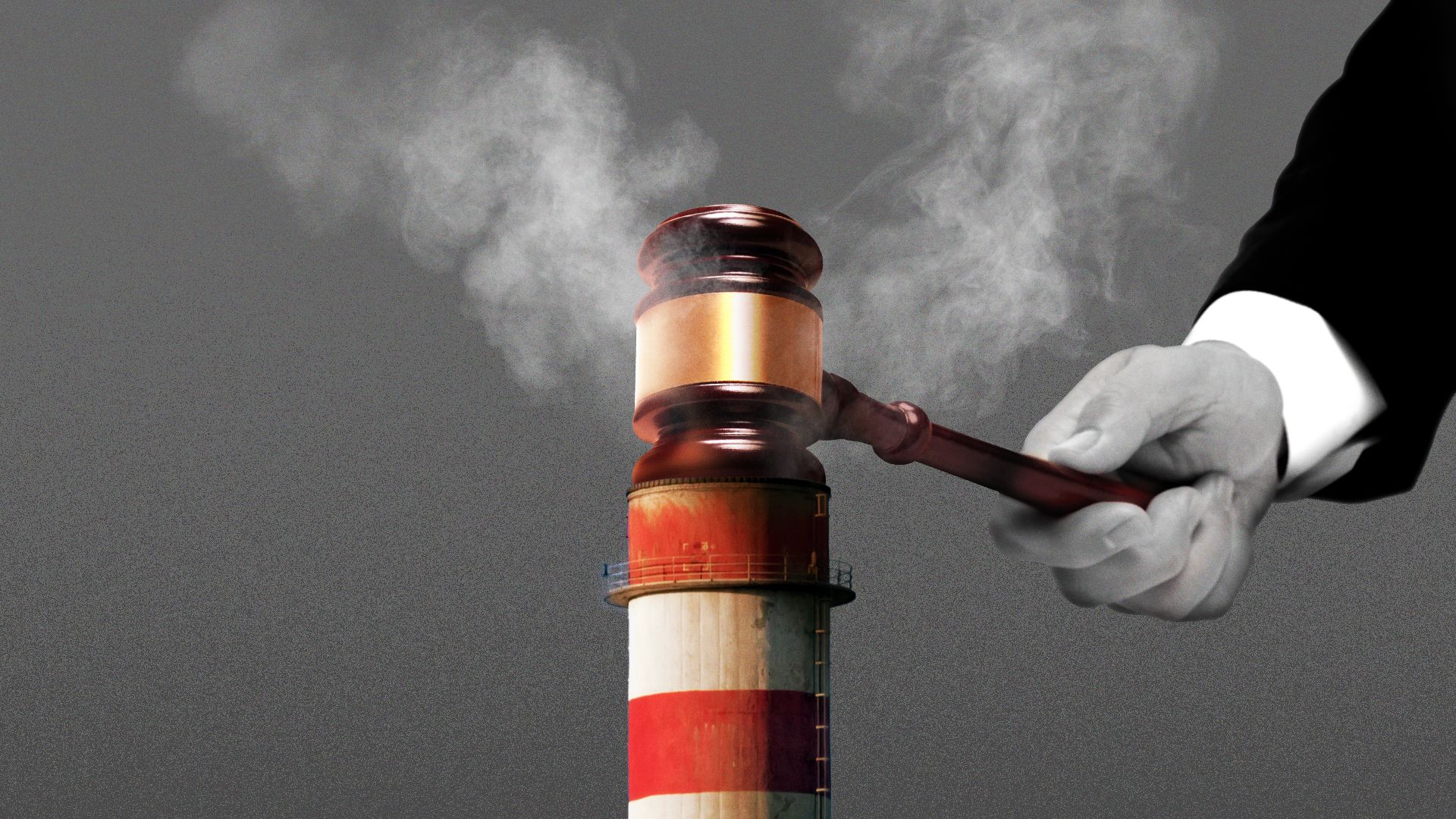
Some of President Trump's critics allege that his decision to pull the U.S. out of UN climate agencies' work is illegal — but legal experts aren't as certain.
Why it matters: Trump's withdrawal of the U.S. from nearly 70 groups — including the United Nations Framework Convention on Climate Change (UNFCCC) and Intergovernmental Panel on Climate Change — is among his biggest retreats from the global stage.
Defense stocks are catching a bid after President Trump announced he is considering a record $1.5 trillion U.S. defense budget. This comes after he floated limits on sector buybacks and dividends, which weighed on stocks.
Why it matters: This exemplifies the guessing game that Wall Street plays regarding policies from the White House, which can fundamentally change the base case for investing in a sector.
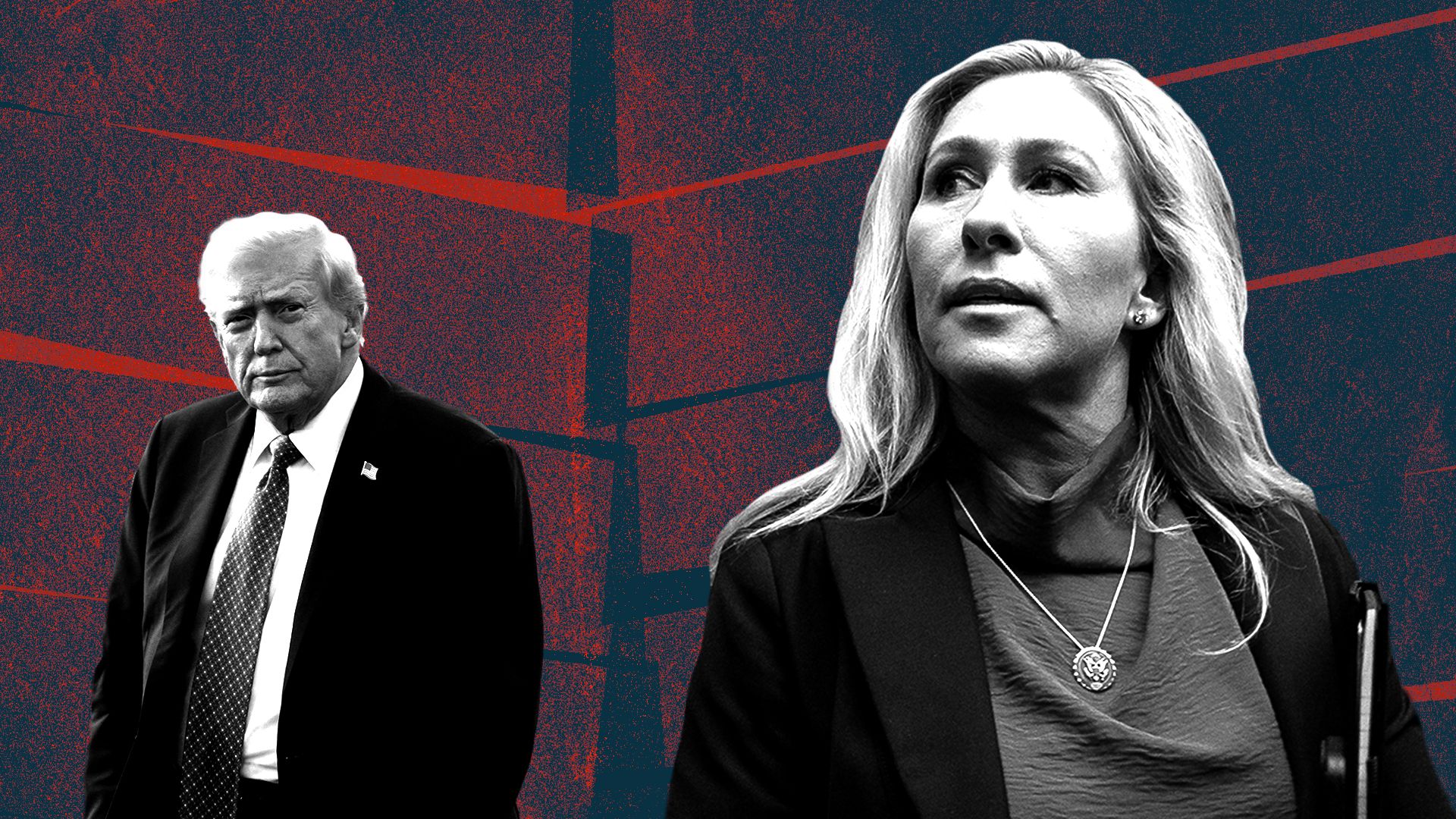
The relationship between President Trump and former Rep. Marjorie Taylor Greene grew so poisonous that the White House told the Secret Service that Greene may have tipped off Code Pink protesters about his surprise visit last fall to a D.C. restaurant she recommended, two sources on Trump's team tell Axios.
That episode — which involved a chaotic confrontation between anti-war activists and Trump — embarrassed the president and intensified concerns in the White House about his safety, a year after he narrowly escaped an assassination attempt.
Why it matters: Trump aides view the Joe's Seafood debacle as a point of no return in his relationship with Greene, a Trump ally-turned-critic who left office this week.
Iranian demonstrators crowded into the streets of Tehran and other cities on Thursday, with images circulating of government buildings on fire and the authorities blocking internet access but failing thus far to restore order.
The intrigue: Early this week, U.S. intelligence assessed that the protests lacked sufficient energy to challenge the stability of the regime, U.S. officials told Axios. But that view is being reassessed in light of recent events.
"The protests are serious, and we will continue to monitor them," a senior U.S. official said.
New York officials are kicking off 2026 with new AI proposals and probes aimed at protecting consumers.
Why it matters: The action is coming shortly after New York Gov. Kathy Hochul (D) signed the RAISE Act, a major frontier AI model safety bill, into law late last year.
Two people were shot by federal agents Thursday afternoon in Portland's Hazelwood neighborhood, according to the city's police department.
The big picture: Portland police said in a statement that officers responded to a report of a shooting near Adventist Health Portland in the 10200 block of Southeast Main Street at 2:18pm, and that a man and woman, whom they did not identify, were later hospitalized.
Democratic attorneys general fromfivestates sued to block the Trump administration's freeze of child care and social services funding Thursday evening.
Why it matters: The freeze would cut off more than $10 billion in federal money that supports low-income families — and imperil the child care programs, homeless shelters and other services that rely on the cash.
President Trump will meet with Venezuelan opposition leader María Corina Machado next week and welcomed her offer to give him her Nobel Peace Prize, per his interview on Fox News' "Hannity," broadcast Thursday night.
The big picture: Host Sean Hannity noted during his sit-down interview with Trump that Machado told Fox News this week that she wanted to give him her Nobel after praising the U.S. raid in Caracas that captured leader Nicolás Maduro.
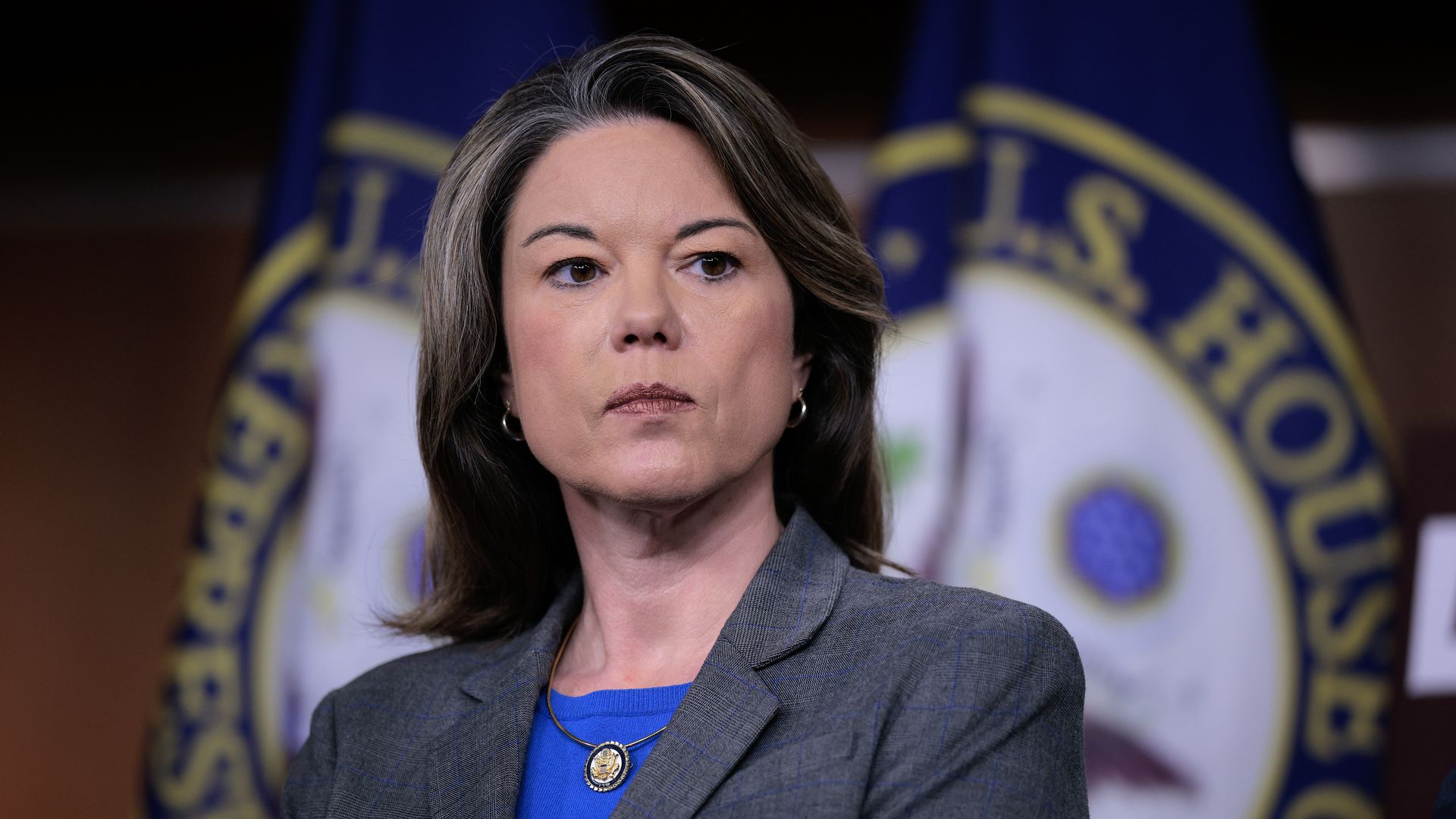
An ICE officer's fatal shooting of a woman in Minneapolis on Wednesday ignited tensions on Capitol Hill, with Democrats raging about both the shooting itself and their Republican colleagues' reactions to it.
Why it matters: The shooting led to at least one heated exchange on the House floor, with Agriculture Committee Ranking Member Angie Craig (D-Minn.) laying into Majority Whip Tom Emmer (R-Minn.).
A judge on Thursday blocked a Trump-appointed federal prosecutor from overseeing a criminal investigation into New York Attorney Letitia James.
Why it matters: U.S. District Judge Lorna Schofield ruled that Trump loyalist John Sarcone has been unlawfully serving as interim U.S. attorney for the Northern District of N.Y. and disqualified him from James' investigation and another case.
Seventeen Republicans voted with every Democrat to pass a bill to extend enhanced Affordable Care Act subsidies for three years.
Why it matters: They acted in rare defiance of President Trump and GOP leaders to pass the measure on a key health care affordability issue ahead of November's midterm elections, piling pressure on the Senate to reach a bipartisan deal.
More than a dozen House Republicans broke ranks with their party Thursday and voted for a Democratic bill to extend expired Affordable Care Act subsidies for three years without any restrictions.
Why it matters: It's a rare instance of Republican lawmakers defying President Trump — though the phenomenon has become less and less taboo in recent months.