House ACA vote could pressure Senate to act

Add Axios as your preferred source to
see more of our stories on Google.
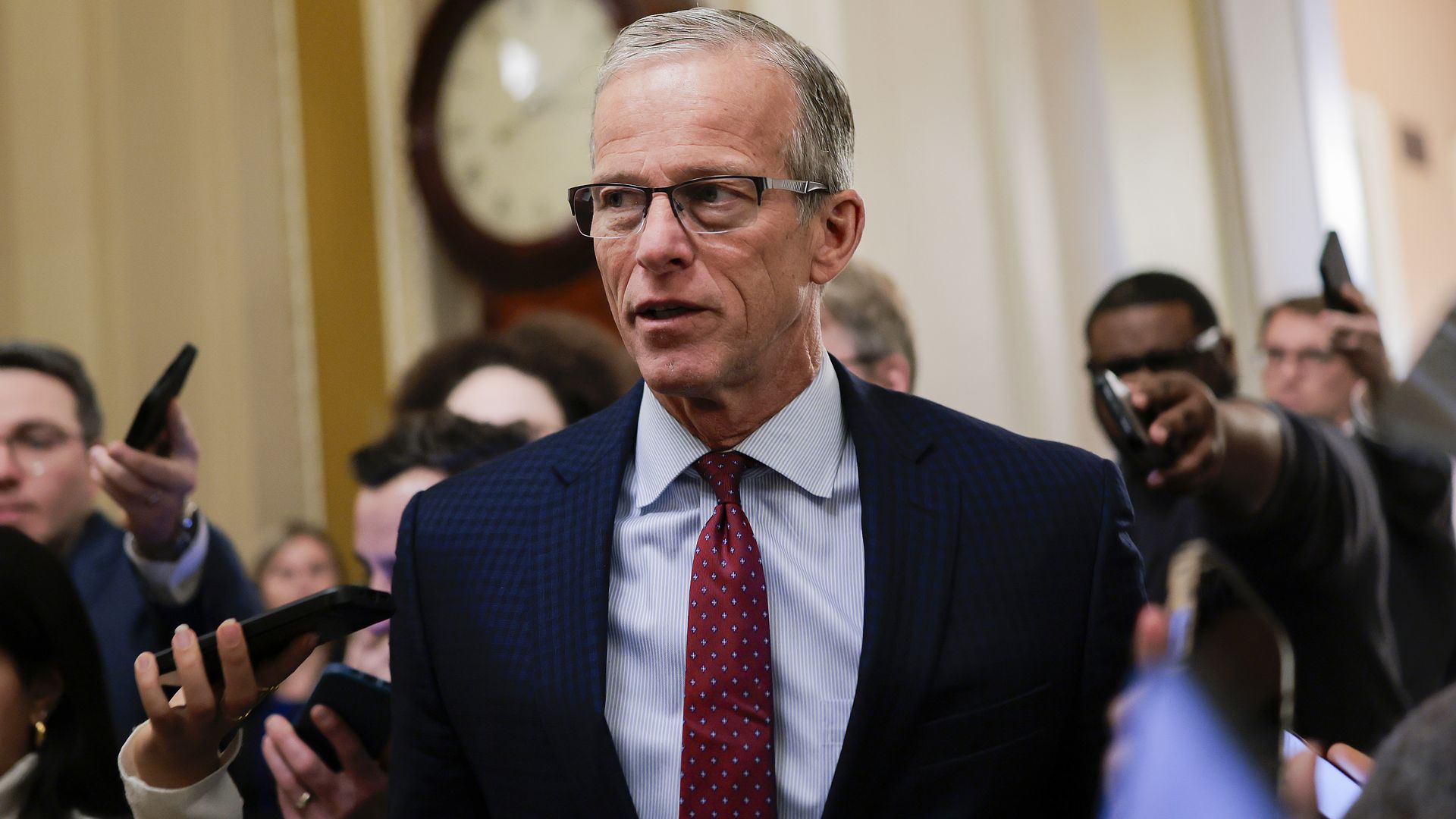
Senate Majority Leader John Thune (R-S.D.) in the Capitol on Jan. 5. Photo: Heather Diehl/Getty Images
The drama will be in the House on Thursday, when an extension of the enhanced Affordable Care Act subsidies is expected to pass — but the action to watch is the bipartisan talks in the Senate to hammer out a compromise.
Why it matters: The House bill isn't going to become law, but the vote is still likely to be a remarkable rebellion against the Republican leadership. And it could provide the pressure the Senate group will need to reach a bipartisan deal.
- The enhanced subsidies expired Jan. 1, leaving millions of ACA enrollees facing much higher out-of-pocket premium payments.
- There's growing interest in bringing back the tax credits and extending the ACA sign-up period, though most Republicans remain firmly against extending the Obamacare payments and any deal still faces tough odds.
Driving the news: The House on Thursday is expected to pass a Democratic bill to extend the subsidies for three years, after four House Republicans joined the chamber's Democrats to force a vote over the objections of Speaker Mike Johnson (R-La.).
- While the bill is expected to die in the Senate, there's growing pressure on the upper chamber to come up with a bipartisan deal that would include GOP changes tightening eligibility for the subsidies.
- A group of senators including Jeanne Shaheen (D-N.H.), Bernie Moreno (R-Ohio) and Susan Collins (R-Maine) has been meeting to suss out a deal.
- Their emerging outline includes a two-year extension, along with a new income cap and language eliminating $0 premium plans that the GOP says fuel fraud. It also would give patients the option of receiving funding in a health savings account, Moreno told Axios.
What they're saying: Sen. Dan Sullivan (R-Alaska) said lawmakers had a "quite productive" meeting earlier this week. "There's going to be some action in the House this week and then it's going to come over here, so we'll see," he said.
- "I know the White House is keeping a close eye on our discussion," he added.
Yes, but: There are still major obstacles, especially on the question of adding new limits on the funding going toward abortions.
- President Trump on Tuesday urging House Republicans to be "flexible" on the issue, but many within the GOP are still insisting on new funding restrictions to keep the aid from being used to fund the procedure.
- Democrats say the ACA already requires taxpayer funding to be segregated from paying for abortions, but Republicans say that's insufficient and that they simply don't want taxpayer money going to a plan that covers abortion.
- One leading Democrat, Senate Finance Ranking Member Ron Wyden of Oregon, also is pushing back on the idea of banning $0 premium plans, calling it a "rate hike."
Reality check: There's no guarantee that Senate GOP leadership will give any deal a vote.
- Senate Majority Leader John Thune (R-S.D.) has said any deal would have to get a "big vote" among Republicans. Moreno has indicated he'd need 35 GOP senators on board to feel comfortable with the Republican support for the bill.
- Many Republicans still view the subsidies as wasteful spending benefiting insurance companies and don't want any form of extension.
- Democratic leaders have also been pushing for the clean, three-year extension without changes, and it's not clear if they would back a bipartisan compromise, if it emerges.
The intrigue: Another route is for Republicans to go it alone on a party-line reconciliation bill that instead includes other health care priorities, such as expanding health savings accounts.
- "I'd love to do another reconciliation bill, but we have to build that consensus," House Majority Leader Steve Scalise (R-La.) told Axios on Wednesday.
- That could be a particularly tall order with Republicans' two-vote margin in the House.
Meanwhile, GOP leaders and health committees sent Democrats an offer this week on so-called health extenders, such as community health center funding, sources said.
- The offer resembles a December 2024 package that was later jettisoned, which also included PBM legislation and measures aimed at changing Medicare payments to hospital outpatient departments, the sources said. Democrats are reviewing the offer.
The bottom line: Many believe the subsidies are gone for good.
- "The minute we left [for holiday recess], the prospects dropped precipitously," said Sen. Thom Tillis (R-N.C.).
