Why the Minnesota, Portland shootings are not the same: ICE vs. Border Patrol, explained

Add Axios as your preferred source to
see more of our stories on Google.
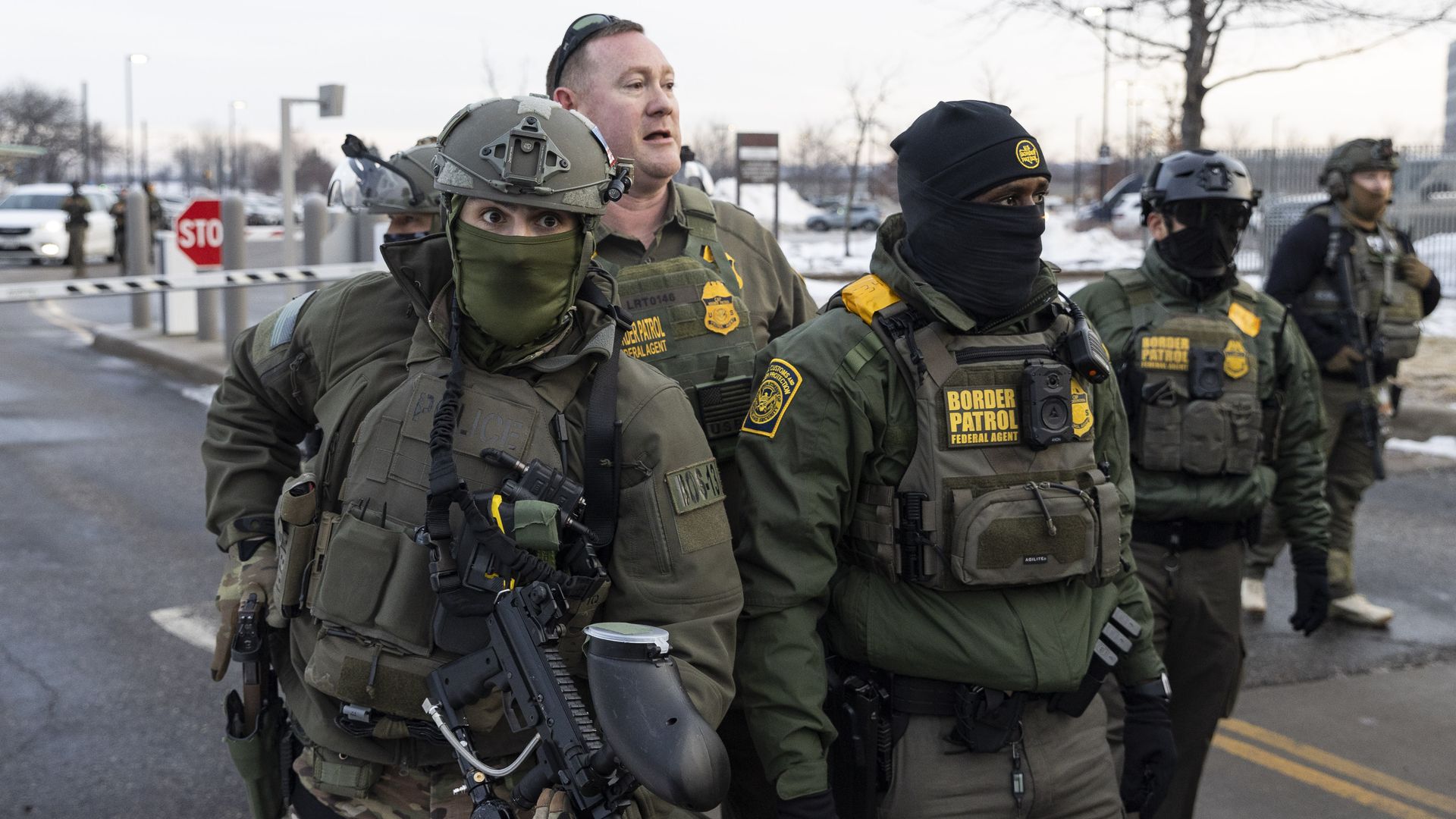
Federal agents monitor protesters outside an ICE facility in Minneapolis on Jan. 9, 2026. Photo: Mostafa Bassim/Anadolu via Getty Images.
Two separate shootings by federal agents in Minneapolis and Portland this week have drawn widespread protests and concern from Americans — but the two agencies accused of the shootings have slightly different mandates.
The big picture: Despite many linking the two incidents together, the fatal shooting of a U.S. citizen in Minneapolis was done by an ICE agent, whereas two people were shot by U.S. Customs and Border Protection agents in Portland.
- ICE and CBP both fall under the Department of Homeland Security. But these two agencies are vastly different and cover separate aspects of federal law and immigration enforcement.
- Both agencies have expanded and been given cash infusions by President Trump and DHS to support the White House's new immigration policy.
Read more about the differences between ICE and CBP.
What to know about ICE
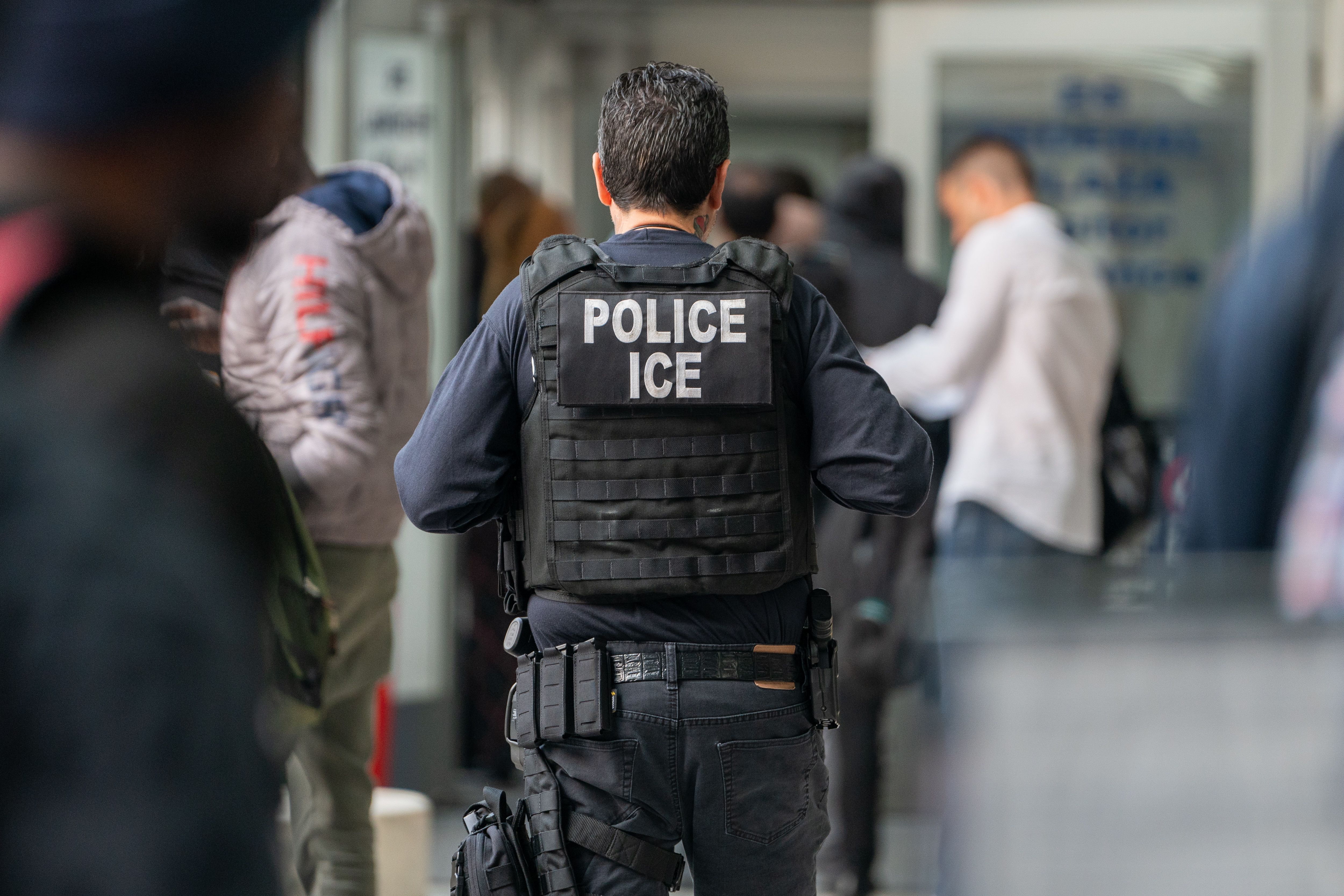
How it works: ICE — short for U.S. Immigration and Customs Enforcement — conducts criminal investigations and enforces immigration law across the country's interior.
- "Securing our nation's borders and safeguarding the integrity of our immigration system is a primary focus of ICE officers and agents throughout the country," the ICE website reads.
- ICE primarily operates within the United States.
Zoom in: ICE's Homeland Security Investigations arm investigates criminal enterprises involving drug smuggling, human trafficking and other major crimes.
- Another major aspect of ICE is Enforcement and Removal Operations (ERO), which is responsible for identifying, arresting and detaining noncitizens who violate U.S. immigration law.
What CBP covers and where it operates
CBP is mainly charged with securing the U.S. border, as well as enforcing the law when it comes to international travel and trade, including collecting tariffs.
- The agency looks to protect the border "against illegal entry, illicit activity or other threats to uphold national sovereignty and promote national and economic security," CBP website reads.
- CBP acts as a counter-terrorism unit and looks to combat transnational crime.
Context: CBP's Office of Field Operations typically operates at ports of entry — airports, seaports and land crossings.
- U.S. Border Patrol agents typically monitor the border and conduct traffic checkpoints.
- While ICE acts inside the country's interior, CBP generally patrols the U.S. border and 100 miles from it.
ICE vs. CBP over arrests, searches
Between the lines: ICE and CBP operate differently when it comes to searches and arrests.
- ICE agents don't need warrants from judges to make arrests, the agency says, but they need them to enter private homes for searches.
- CBP, meanwhile, can conduct searches without warrants or suspicion within the 100-mile zone of the border.
Yes, but: Legal experts warn that the Fourth Amendment still protects people and offers restrictions to both agencies.
Border Patrol in Minneapolis, Portland
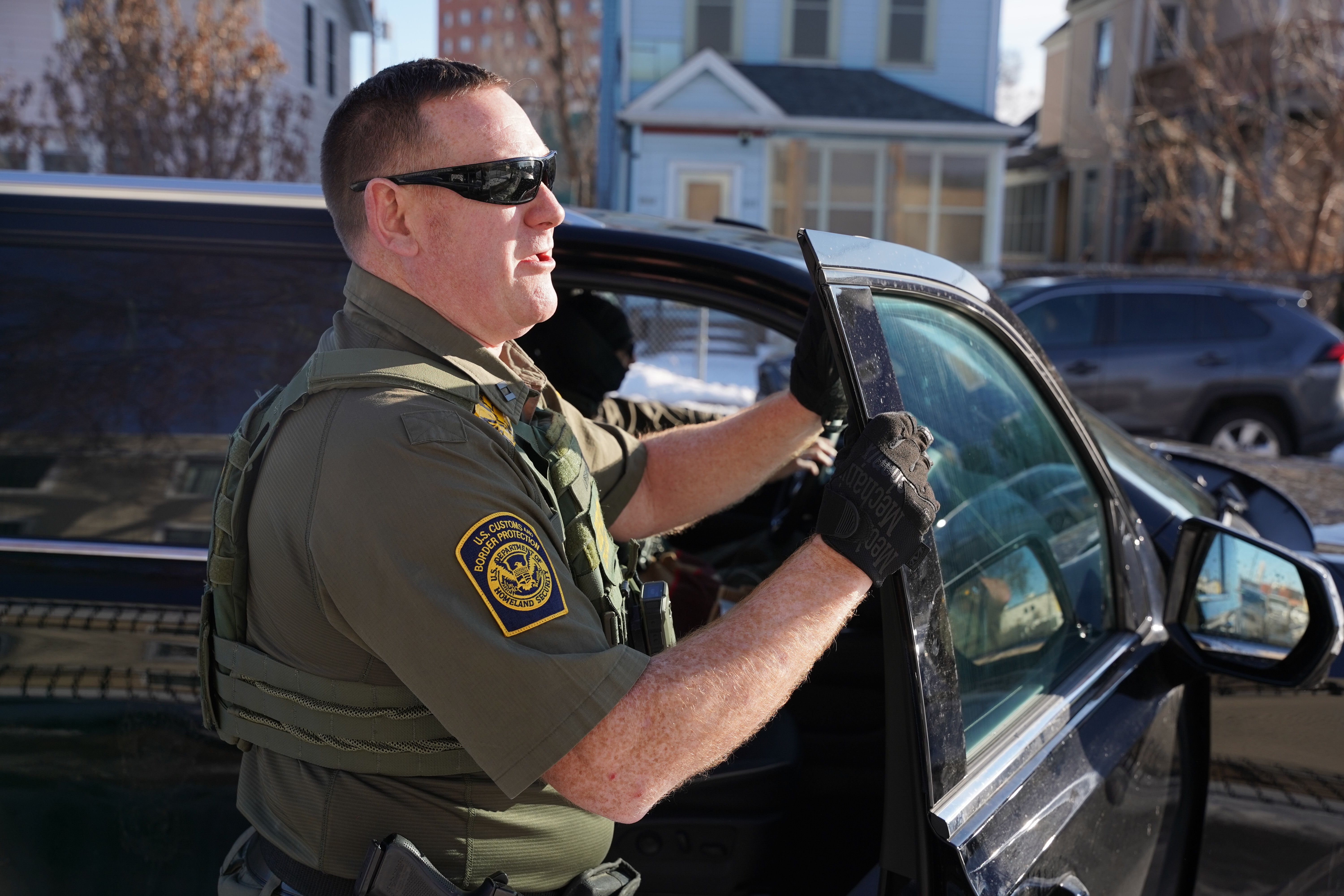
Border Patrol agents in Portland might seem odd, given there is no border near that area. However, the city is roughly 100 miles from the U.S. coastline, which gives CBP authority.
- Border Patrol has also been tasked with assisting ICE with interior enforcement in Trump's second term as the agency tries to surge the number of agents in specific cities.
- A federal law states that immigration officers within CBP can act "within a reasonable distance from any external boundary of the United States" — typically referred to as the 100-air-mile zone from the U.S. border and coastlines.
- Minneapolis sits roughly 300 miles from the border. It's unclear why members of CBP have been in the city. Top Minnesota officials have been aware of ICE's increased presence in the Twin Cities since at least a December Cabinet meeting, where Homeland Security Secretary Kristi Noem singled out the cities.
More from Axios:
