The Chinese Communist Party "maintained supreme access" to data belonging to TikTok parent company ByteDance, including data stored in the U.S., a former top executive claimed in a lawsuit Friday.
Why it matters: The allegations come as federal officials weigh the fate of the social media giant in the U.S. amid growing concerns over national security and data privacy.
Vice President Kamala Harris has been quietly forming a small, outside group of women allies to help amplify her role as the White House's leading warrior against GOP abortion bans, Axios has learned.
Why it matters: The 2024 election gives her an even bigger lane to lead on an issue that animates large swaths of the country, helped Democrats defy the odds in the 2022 midterms and that President Biden isn't as comfortable with.
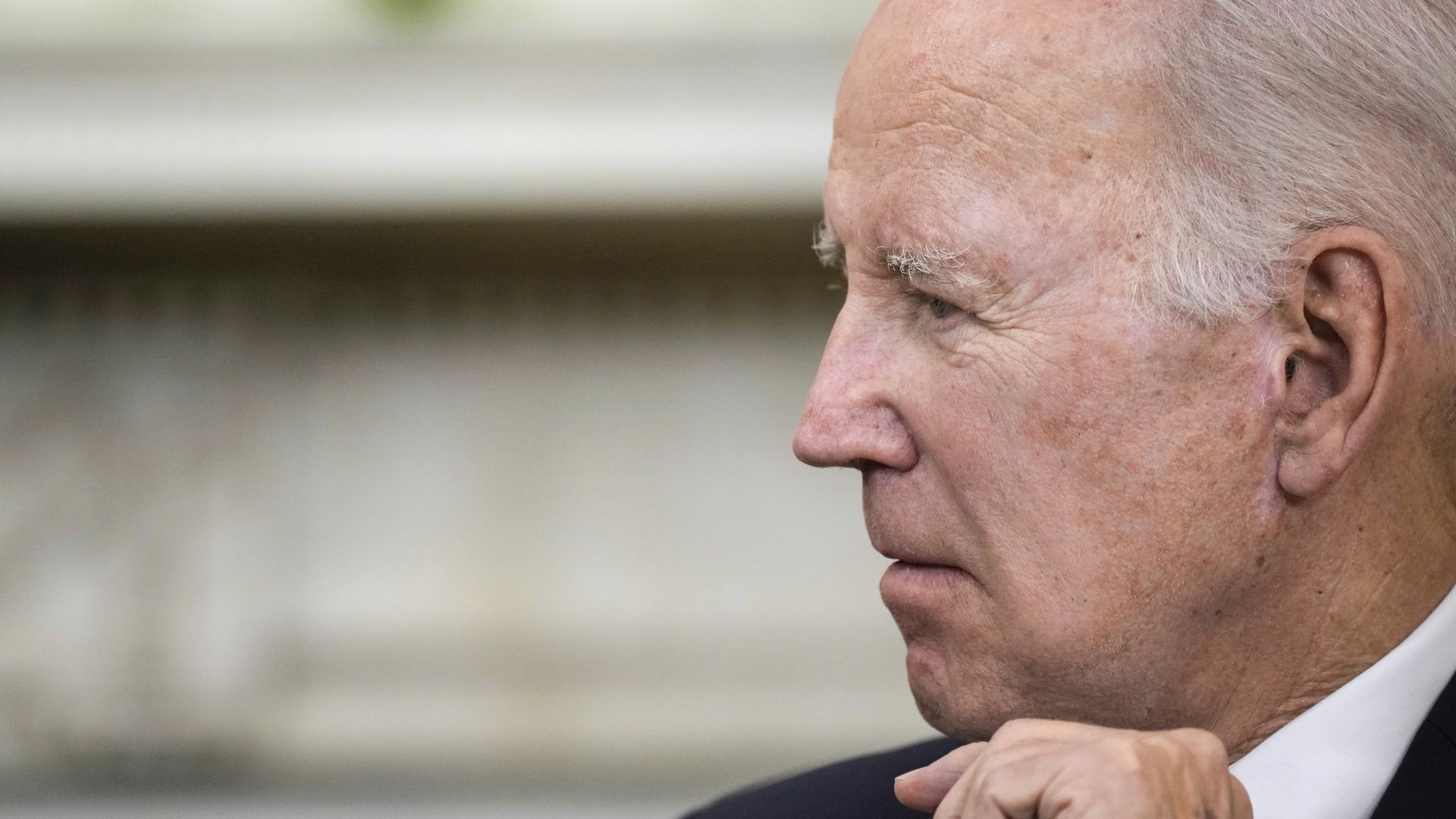
President Biden’s border moves have sparked legal attacks from both Republicans and immigration advocates which threaten to hamstring officials now grappling with a record 10,000 crossings a day.
Why it matters: The recent court maneuvers are a clear example of the legal, political and logistical complications faced by any administration stuck with decades-old immigration laws and new, unprecedented migration flows.
The White House on Friday said it would tap current Federal Reserve official Philip Jefferson to be second-in-command at the central bank, and nominated economist Adriana Kugler to fill the open governor position on the Fed board — filling two crucial policymaking roles.
Why it matters: The new appointments come as the economy faces a tricky backdrop: persistently high inflation and banking system jitters. The Fed faces a big decision in the coming weeks about when to stop raising interest rates, which have increased at a rapid clip over the past year.
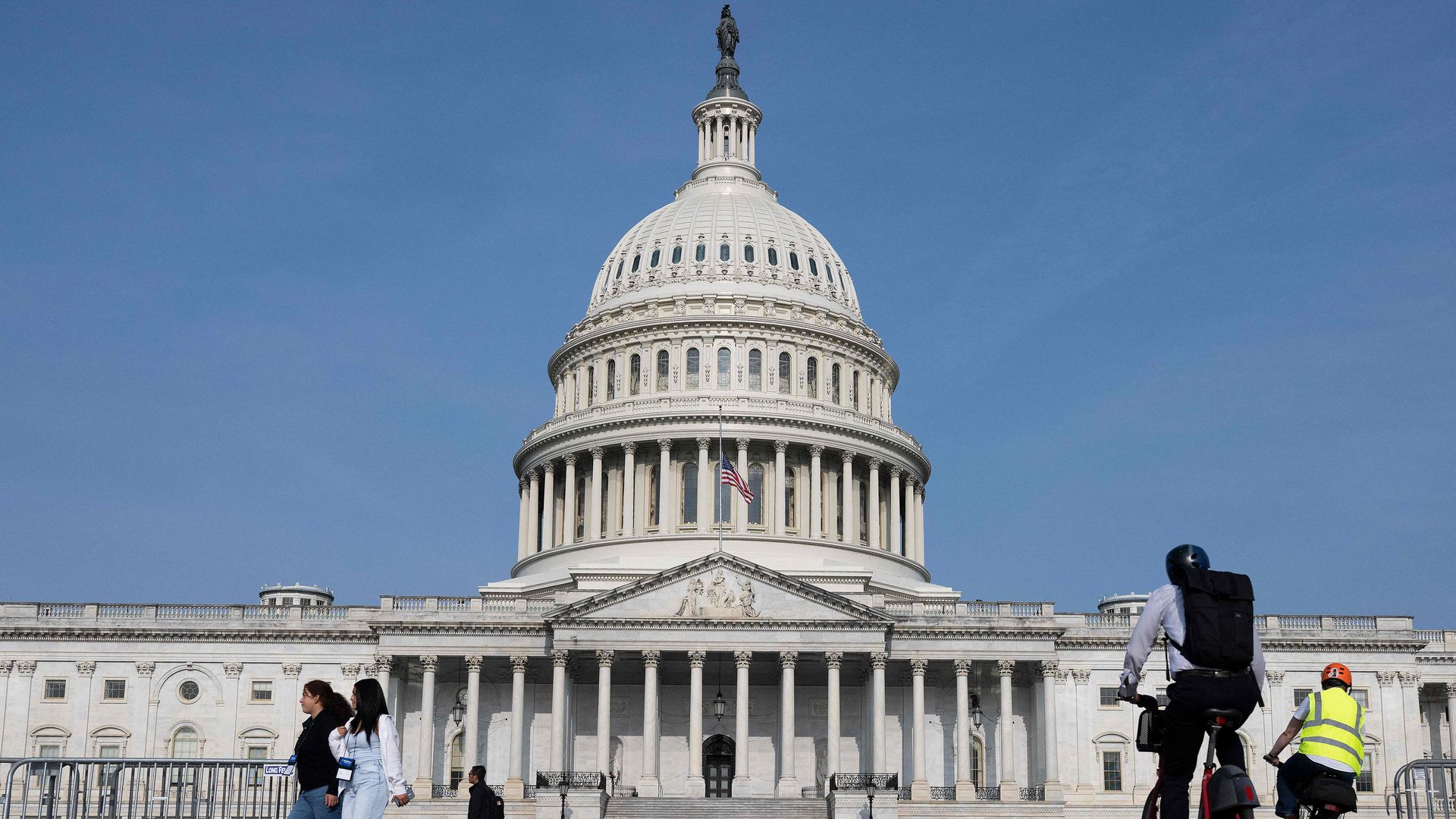
The Congressional Budget Office (CBO) warned on Friday that the U.S. is at "significant risk" of default on its debt for the first time in history "in the first two weeks of June" unless Congress and the Biden administration act to raise the country's debt ceiling.
Why it matters: Republicans and Democrats have been deadlocked over raising the debt ceiling for months, and the two parties remain far apart.
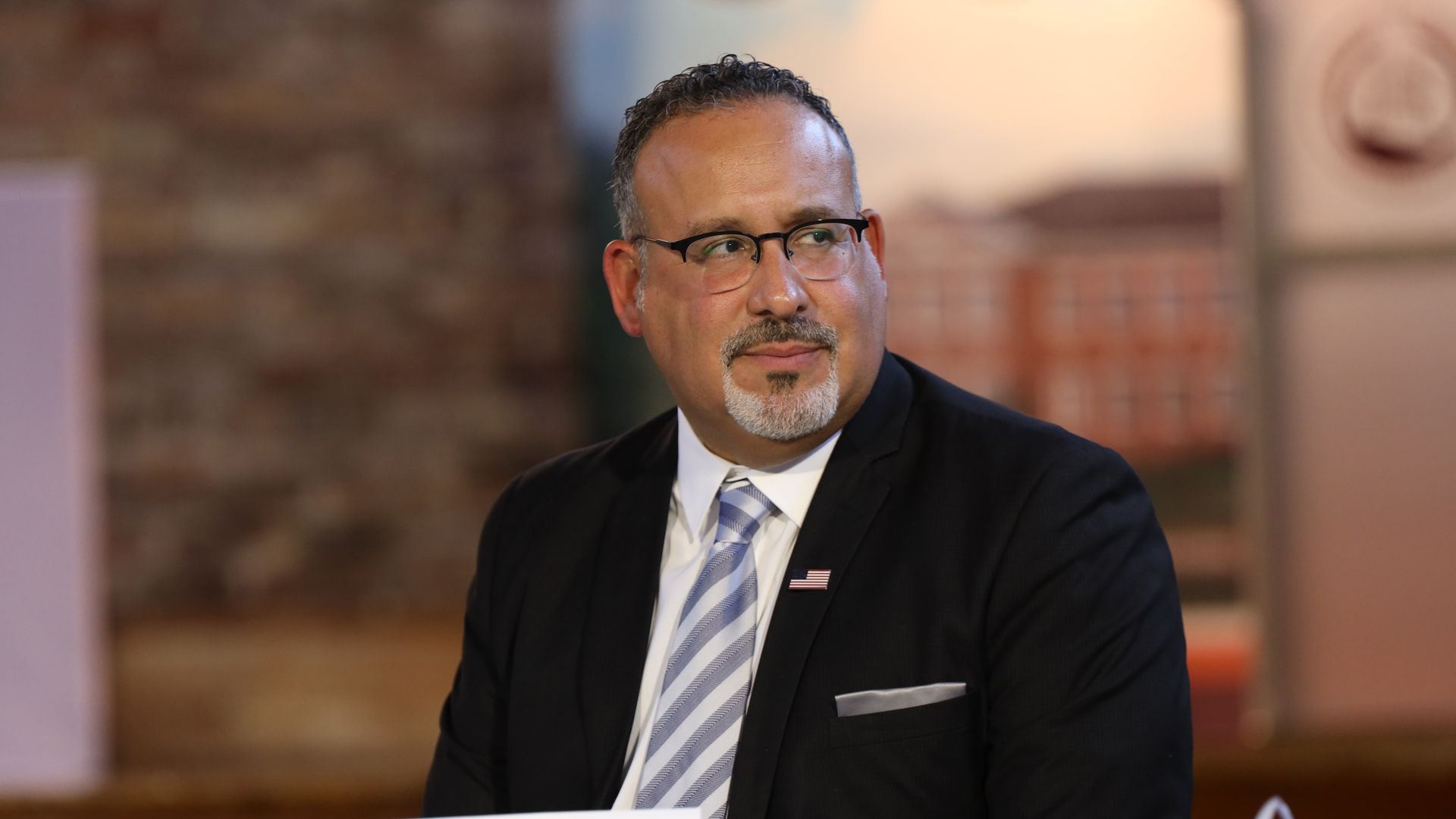
Driving the news: "The emergency period is over and we're preparing our borrowers to restart," Cardona said Thursday at a Senate appropriations committee hearing.
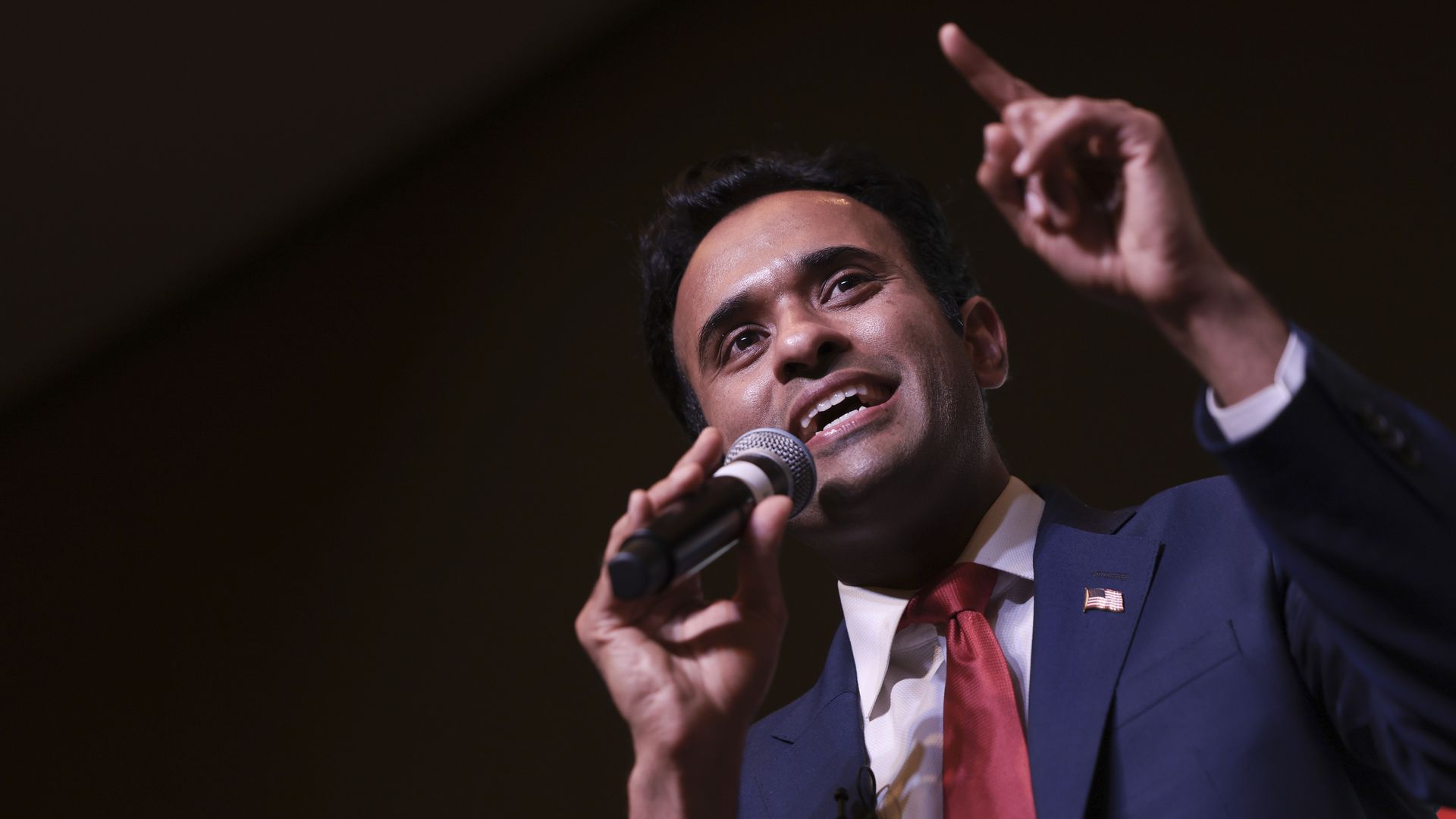
Vivek Ramaswamy — the little-known biotech multimillionaire who jumped into the ’24 GOP presidential race — is auditioning to be the party’s next Donald Trump, with hyper-Trumpian positions on the border, voting, culture wars and more.
Why it matters: By running to the right of Trump, the 37-year-old entrepreneur seems to be positioning himself as heir apparent to the former president, 76. Ramaswamy is an understudy in plain sight — and already mentioned as a plausible V.P. pick for Trump.
Former GOP Arizona gubernatorial candidate Kari Lake met with multiple Republican senators on Thursday amid speculation she is seriously weighing a 2024 Senate bid, Axios has learned.
Why it matters: Lake narrowly lost her gubernatorial race in 2022, but is seen as a top GOP contender to win the seat held by moderate former Democratic Sen. Kyrsten Sinema (I-Ariz.).
Why it matters: The confusion over changing U.S. policies has led many to rush to the border. Some who've crossed into the U.S. are being allowed to stay as they pursue their immigration cases — and are telling harrowing tales of their struggles.
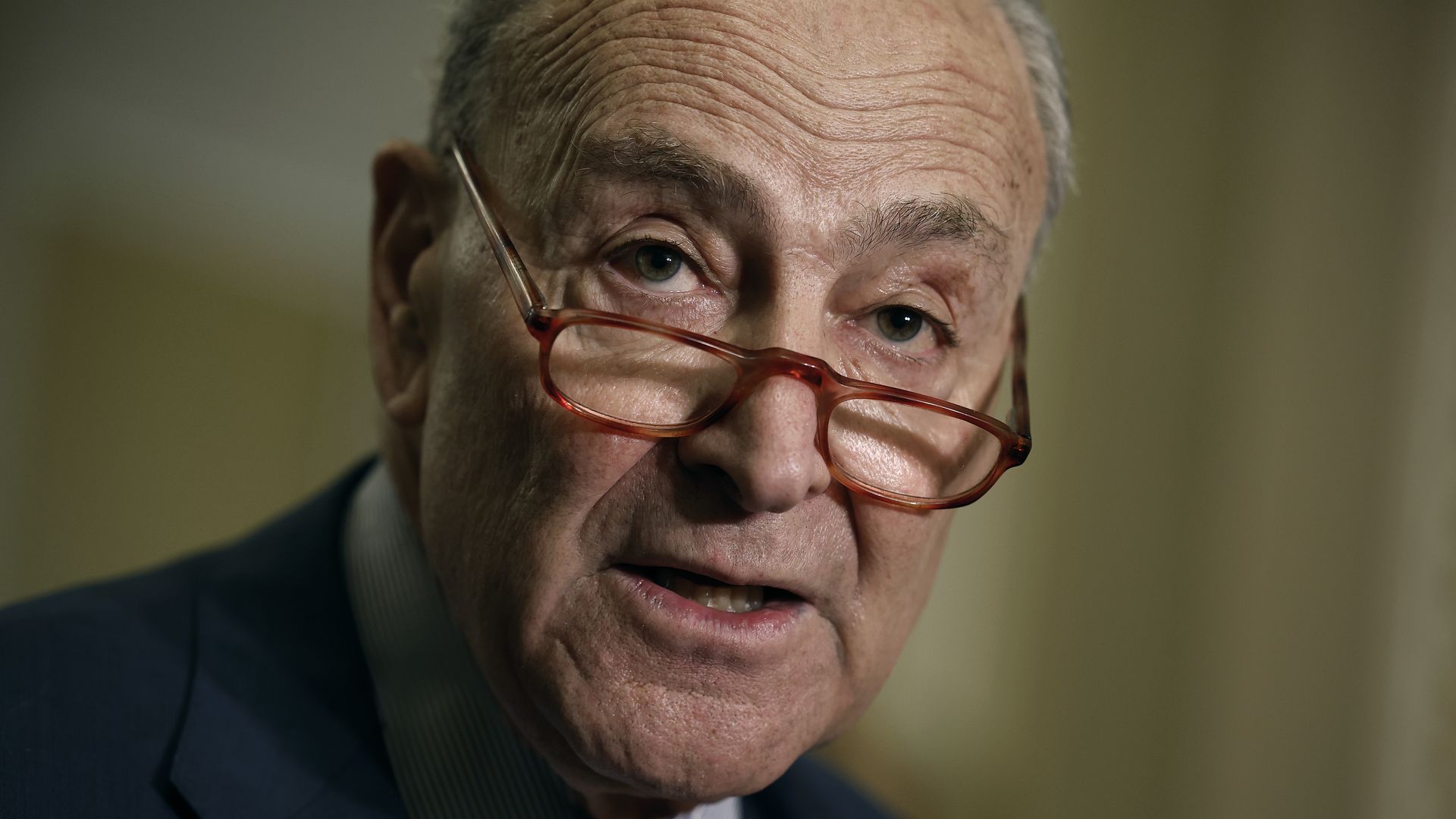
Senate Majority Leader Chuck Schumer (D-N.Y.) says he wants Republicans to help Democrats craft an ambitious plan to help the U.S. fight off competition from China — but so far, his calls for bipartisanship are falling flat.
Why it matters: Schumer is seeking to build on a $280 billion technology plan Congress passed last year to boost domestic chip-making. It won bipartisan support, but this year Republicans are balking at spending more on new initiatives as they focus on cutting the federal budget.
Zoom in: Over the next several months, Schumer wants to put together a "China Competition 2.0" plan to limit China's ability to develop leading technologies, possibly by imposing new sanctions and strengthening export laws.
Schumer also wants to find ways to deter China from starting a conflict with Taiwan, and limit what U.S. companies can invest in the Chinese government's and Chinese companies' technology development projects.
“The United States cannot sit idly by as the Chinese government continues to lie, cheat, and steal its way to global dominance. Time is not on our side,” Schumer said in introducing his plan last week.
Yes, but: Senate Republicans generally agree on the need to keep China in check as a matter of national and economic security, but they're wary about the details and costs of Schumer's initiative — and say they haven't been included in Democrats' discussions.
"If Senate Democrats are serious about this effort, they should be reaching out to Republicans instead of holding partisan press conferences," Sen. Marco Rubio (R-Fla.) said.
A senior aide for a Republican leader said Schumer's initial plan doesn't address some of the issues that concern GOP lawmakers most, such as technology theft.
Some Republicans also oppose the way last year's legislation, the Chips and Science Act, is bing implemented.
For example, Republicans have blasted the Biden administration for requiringmanufacturers who apply for Chips and Science funding toprovide child-care services to low-income households.
And then there's the question of how much the new legislation would cost.
"It would be challenging," Senate Minority Whip John Thune (R-S.D.) told Reuters about whether Republicans would back Schumer's initiative.
Thune cited the GOP's "concerns about too much spending and the impact it's had on inflation, the way the deficits exploded and ballooned."
What we're watching: Schumer has told leading Senate Democrats he wants to begin hearings on a new China bill in the coming months.
New York Democrats are asking President Biden to find ways to allow asylum seekers to get work permits faster, according to a letter first seen by Axios.
The number of internally displaced people worldwide increased by 20% in 2022, reaching a record 71.1 million, according to a new report.
The big picture: The steep spike in the forced movement of people within their own country came as a result of conflict and disasters, the report from the Norwegian Refugee Council’s Internal Displacement Monitoring Centre (IDMC) said.