Lawmakers spearheading the effort to repeal decades-old authorizations for the use of military force (AUMF) are already eyeing other ways to rein in executive power.
The big picture: The story of presidential power in the United States has been one of consistent expansion, and that growth has only accelerated in the 21st century. Now, some in Congress want to claw it back.
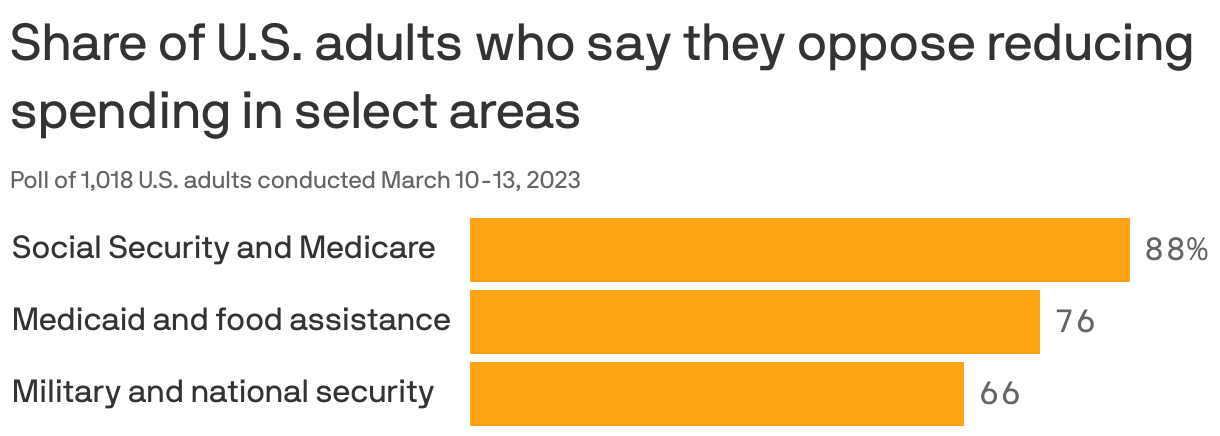
Data: IPSOS and Axios Two Americas Poll; Chart: Tory Lysik/Axios Visuals
Nearly 9 in 10 Americans say they oppose reducing spending on Social Security or Medicare, according to new polling from our Axios-Ipsos Two Americas Index.
Why it matters: The overwhelming consensus (96% of Democrats, 84% of Republicans) explains why any talk of cutting these programs has become a political lightning rod, even as lawmakers on both sides of the aisle recognize potential concerns regarding long-term solvency.
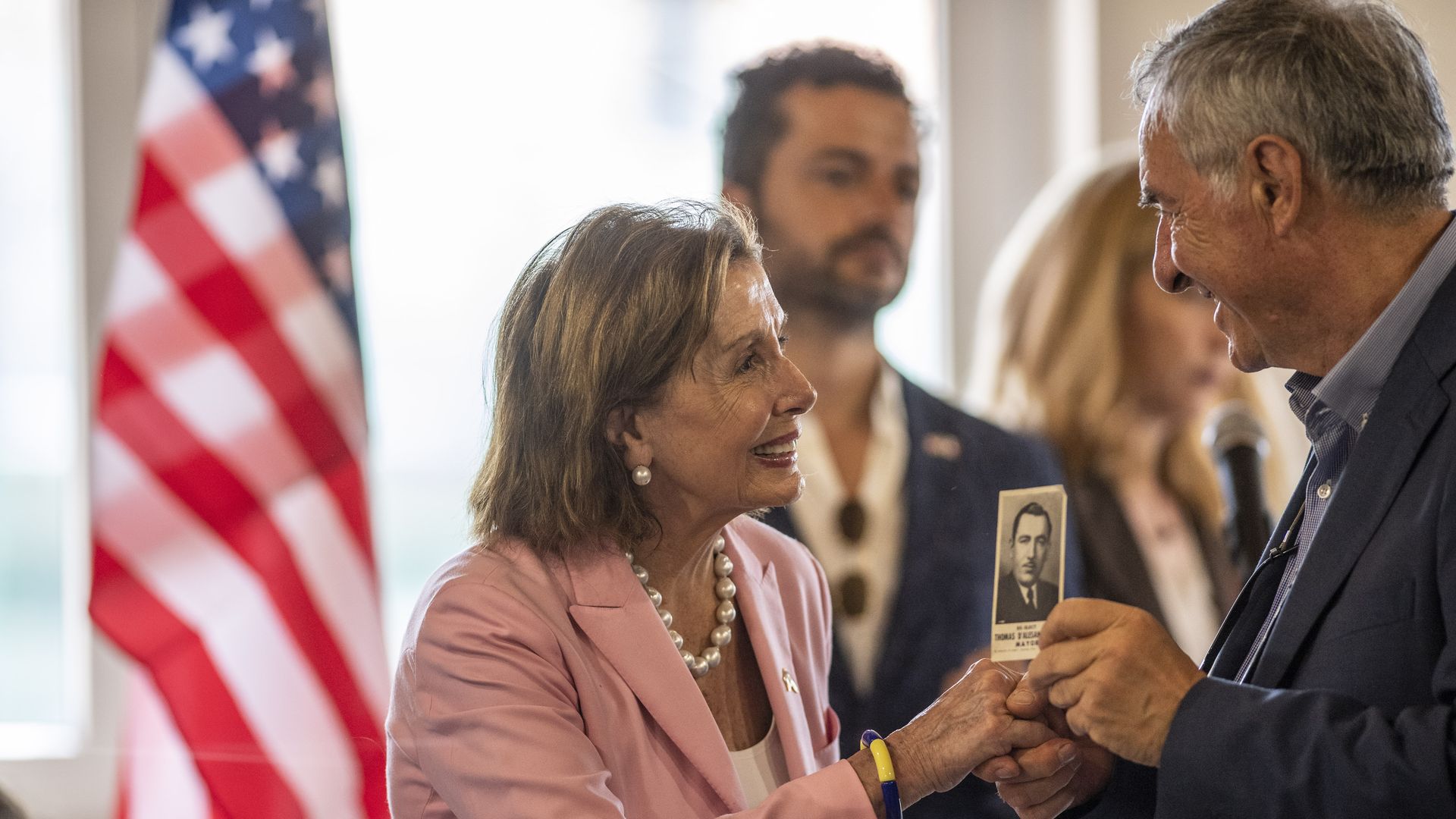
With the Senate finally voting to confirm Eric Garcetti as ambassador to India, senators and Democratic donors are turning their attention to something of a Biden-era mystery: the open embassy in Italy.
Why it matters: More than two years into his term, President Biden has yet to name anyone to serve as his ambassador in Rome, traditionally one of the choicest positions in the State Department.
Some Wisconsin swing voters don't feel like their TikTok time is a national security risk, dismissing bipartisan concerns and regulation efforts coming from D.C., according to our latest focus groups with Engagious/Sago.
Why it matters: These voters, who backed Donald Trump in 2016 and Joe Biden in 2020, were more troubled by Congress having the power to decide what’s downloaded onto your phone — and convinced that it won’t end with TikTok.
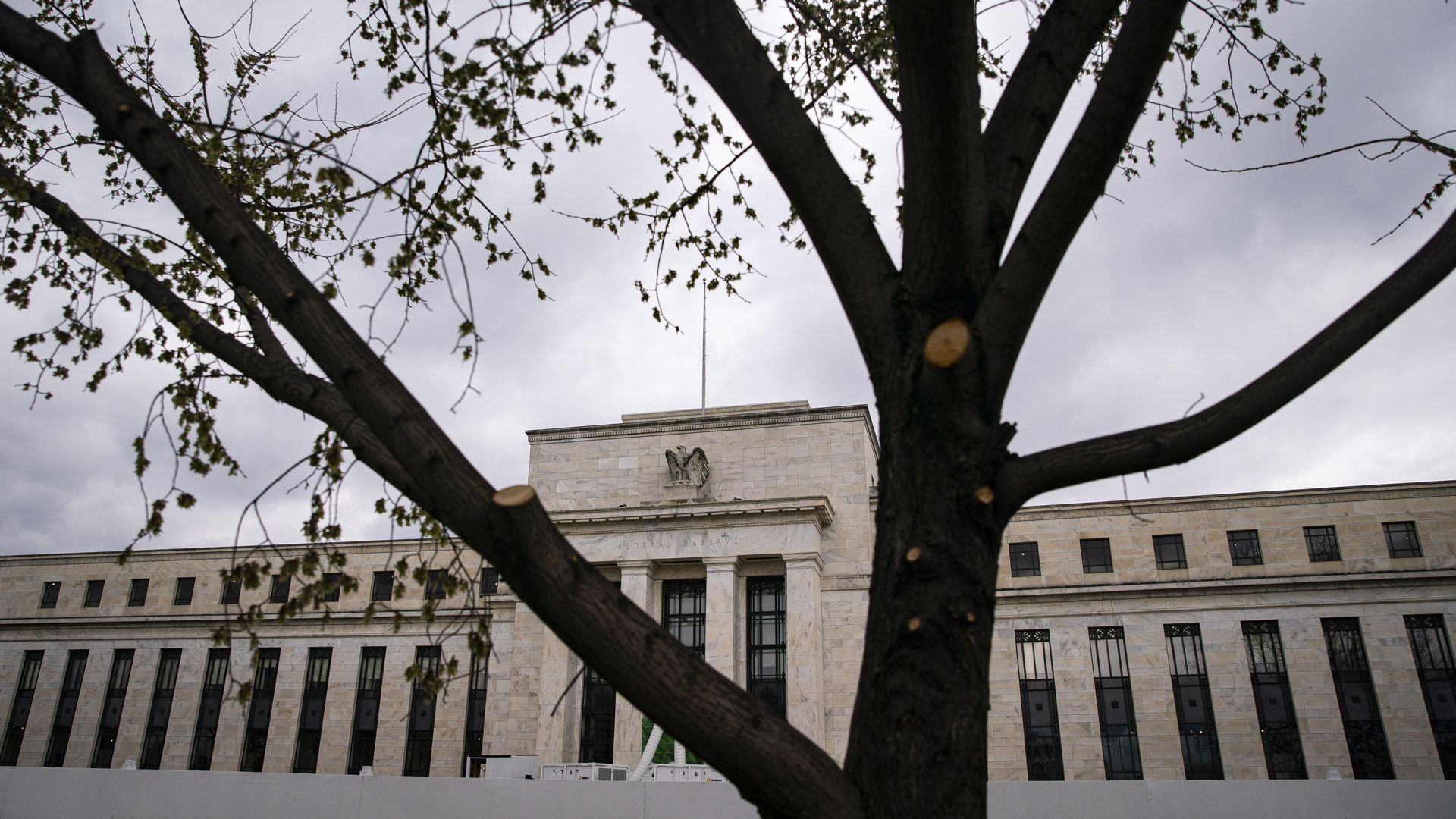
Emergency loans to banks spiked to a new record in the week through Wednesday, surpassing previous highs reached during the 2008 financial crisis.
Why it matters: The details came in a weekly Federal Reserve report released Thursday, which is sure to attract more attention for what it may reveal about stresses in the banking system after the failures of Silicon Valley Bank and Signature Bank.
One in five Americans say they'd support a "national divorce" in which Republican- and Democratic-leaning states split into separate countries, according to new findings from our Axios-Ipsos Two Americas Index.
Why it matters: Are you an optimist or a pessimist?
One way to look at it is... 20% of the U.S. population is such a small share that it's nowhere close to moving the needle.
Or... it represents 66 million people! That's roughly equivalent to everyone in Texas, Wyoming, West Virginia, North Dakota, Oklahoma, Idaho, Arkansas, Kentucky, South Dakota, Alabama, Georgia and Nebraska combined — and larger than the populations of most countries in the world.
Few statues honoring Latina civil rights and other influential Hispanic women have been erected in the U.S. or Latin America.
The big picture: Women of history are rarely memorialized in public spaces, and even fewer Latinas and other women of color are honored by public monuments, data shows. For Women's History Month, Axios Latino went searching.
Data: IPSOS and Axios Research; Chart: Tory Lysik/Axios Visuals
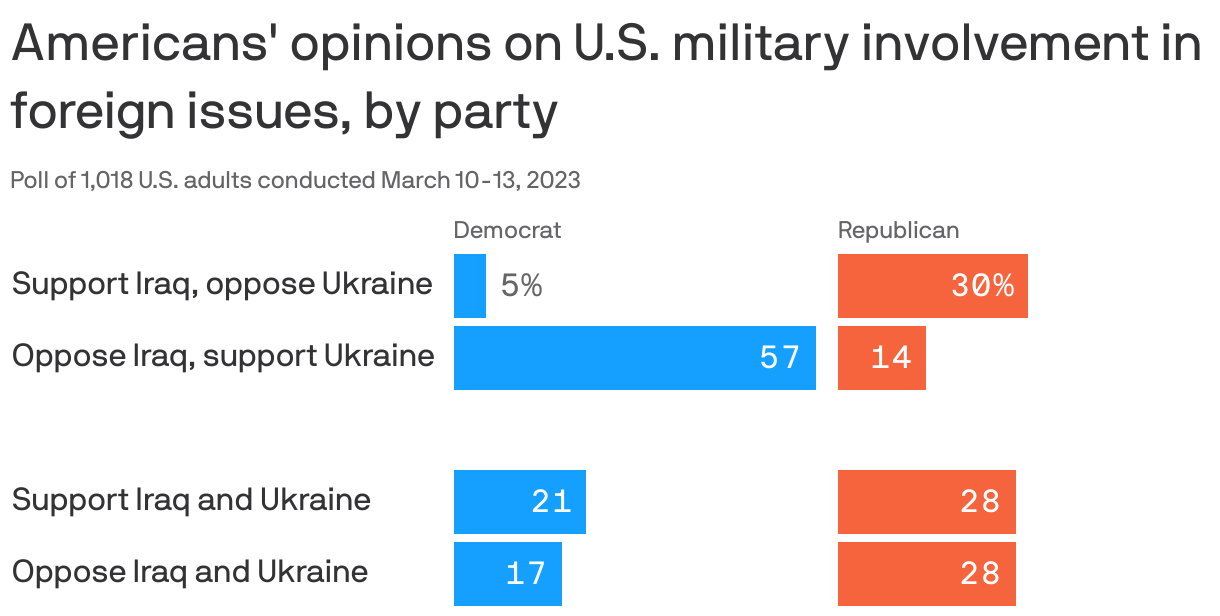
Four in five Republicans want the U.S. to remain the world's leading power — but fewer than half support giving Ukraine weapons and financial support to try to save itself from Russia, according to the latest wave of the Axios-Ipsos Two Americas Index.
Why it matters: These conflicting findings come amid a diplomatic crisis after Russia forced down a U.S. drone above the Black Sea — and a GOP identity crisis shaping the 2024 presidential race.
From New Mexico to Maine, a handful of states have pending waiver requests to tap Medicaid funds for food in pilot programs.
Why it matters: Thissignals growing support for "food is medicine" and food-based health interventions that are being echoed at both federal and state levels, despite mixed pilot reviews.
North Korea's military test-fired an intercontinental ballistic missile (ICBM) hours before the leaders of South Korea and Japan were due to meet for a key summit on Thursday, South Korean and Japanese officials said.
The big picture: The missile that the officials said landed in the sea between the Korean peninsula and Japan on Thursday morning local time came as U.S. and South Korean militaries conduct an 11-day joint drill that began Friday, which they said involves the integration of elements of "live exercises" and simulations to symbolize "the defensive nature of the exercise."
The National Audubon Society’s board of directors voted to keep the organization's name despite calls to cut ties with John James Audubon, a bird artist and enslaver the organization announced Wednesday.
The big picture: The decision follows a fierce debate over the past year and resulted in the society announcing a new $25 million commitment toward expanding equity, diversity, inclusion and belonging work.

/2023/03/16/1679009359191.gif?w=3840)