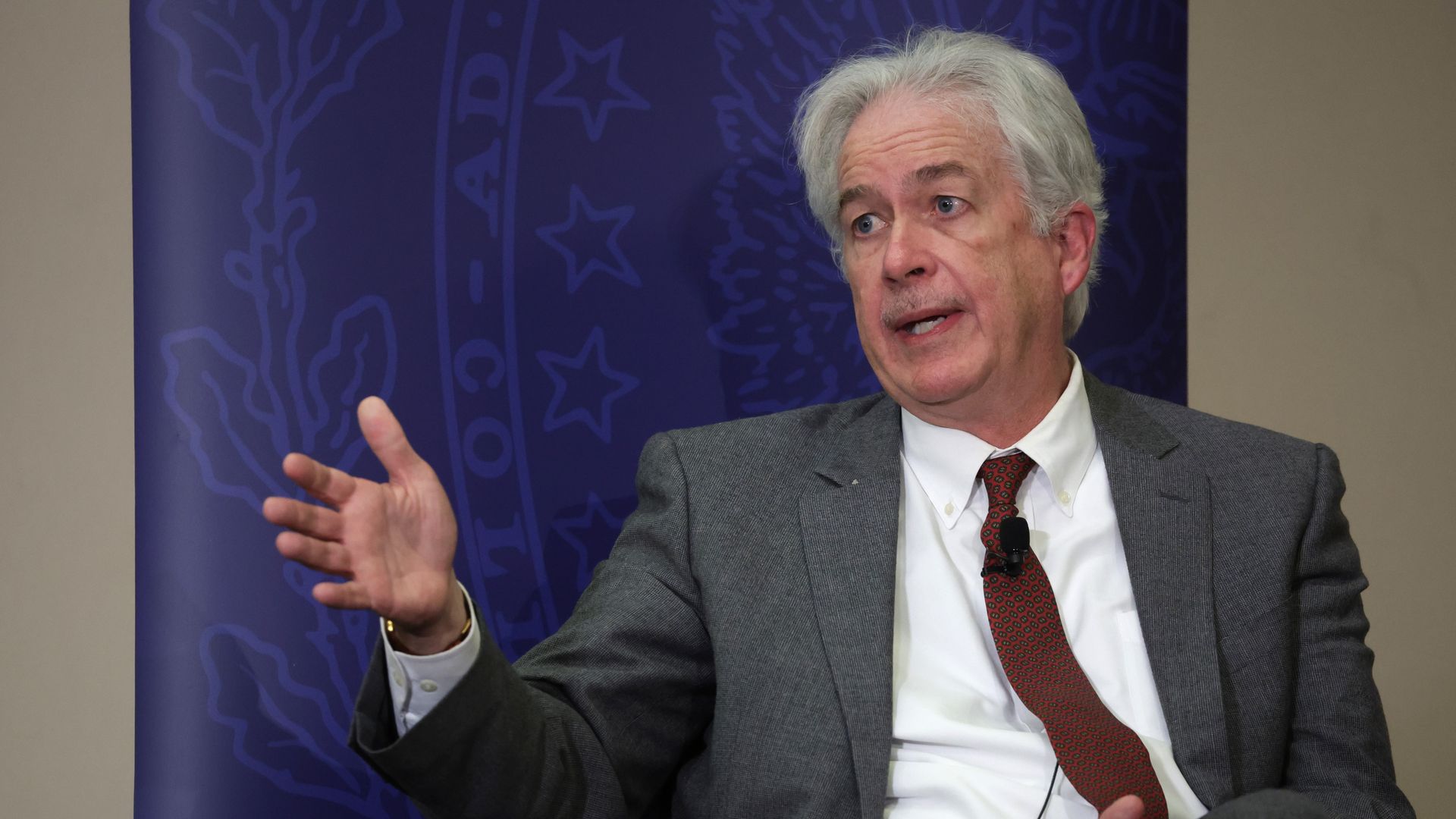
U.S. intelligence agencies say it is "very unlikely" a foreign adversary is responsible for cases of the mysterious illness known as "Havana Syndrome," according to a new intelligence review.
The big picture: The new assessment challenges long-held suspicions that a foreign adversary may have used directed energy attacks to targetU.S. diplomats and government officials.
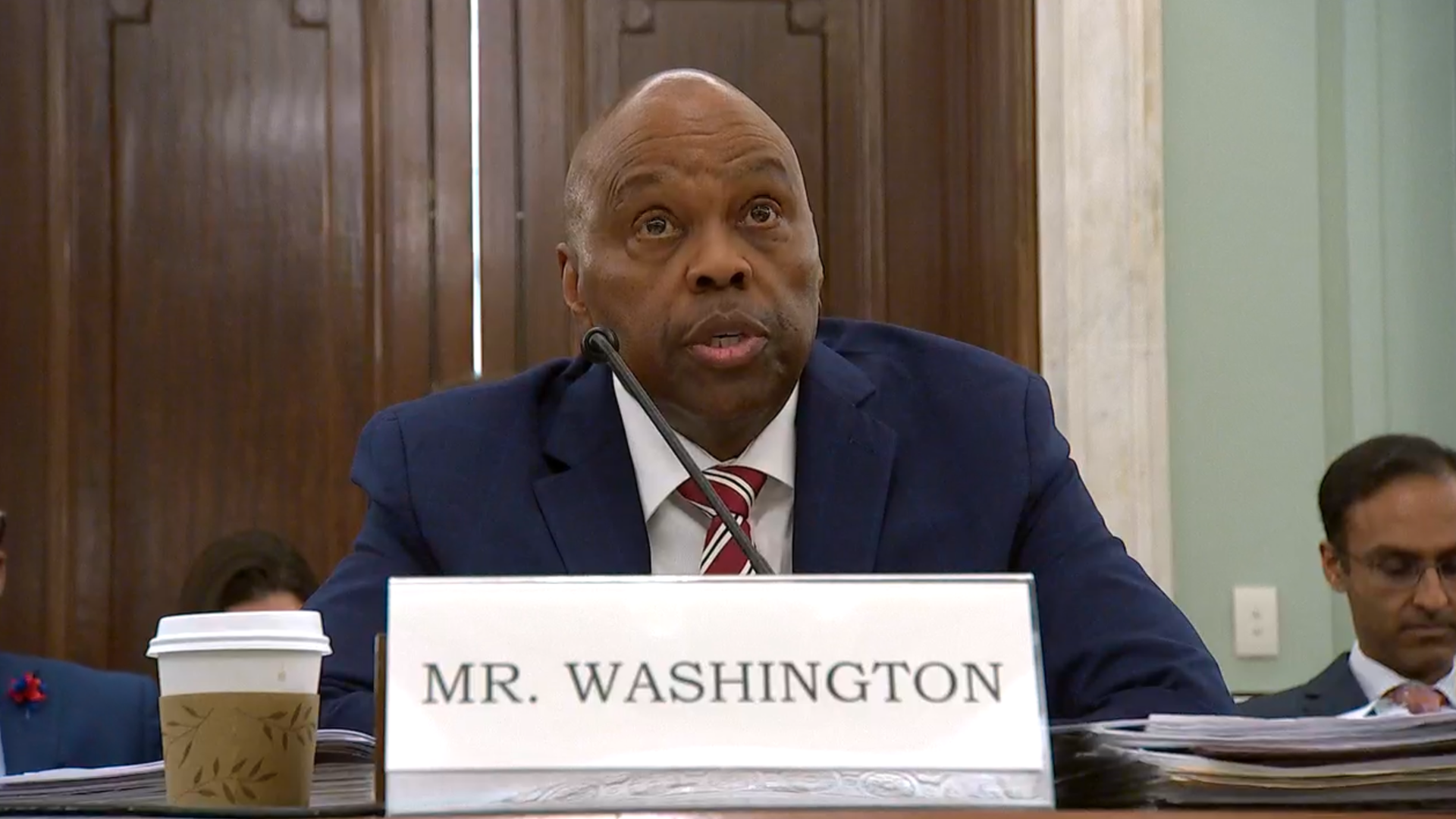
Denver International Airport CEO Phil Washington appeared on Capitol Hill Wednesday to face his long-awaited Senate confirmation hearing to lead the Federal Aviation Administration.
Why it matters: The divisive meeting marked the first public opportunity for President Biden's embattled nominee to defend himself.
An announcement from the Commerce Department this week raised a few eyebrows: Companies seeking a slice of billions in available federal dollars for U.S. semiconductor investment will have to develop a plan for their workers to obtain child care.
But this provision sheds light on a broader tension facing the Biden administration as it moves to implement major legislation passed in its first two years.
State of play: Whether it's the CHIPS Act, the Bipartisan Infrastructure Law passed in 2021 or energy investments in last year's Inflation Reduction Act, there are inherent tensions between achieving the primary goals of the legislation and other economic and social goals.
Why it matters: These laws have been sold as essential for America's national security and climate adaptation. But those imperatives would be undermined if government restrictions result in less bang for the buck.
This balance will be struck in dozens of decisions on policy execution across government departments, each one small in itself, but collectively huge for determining how different imperatives are balanced.
What they're saying: "There's a tension between achieving the stated objective of the laws at issue, environmental benefits or infrastructure, and achieving these other things," Scott Lincicome, a Cato Institute senior fellow, tells Axios.
"If they weren't in conflict, the government wouldn't need to mandate it," he said.
The details: Inflation legislation includes "Buy American" provisions that try to ensure clean energy projects that get federal money are constructed with U.S.-made materials — which may add to the cost.
The Office of Management and Budget issued proposed guidance on the implementation last month, and President Biden pledged in his State of the Union to strictly enforce those principles.
"Tonight, I'm also announcing new standards to require all construction materials used in federal infrastructure projects to be made in America. American-made lumber, glass, drywall, fiber optic cables," Biden said.
As for the CHIPS Act, the Commerce Department said this week that child care provisions are intended to make sure semiconductor manufacturing facilities can attract the workforce they need, rather than some attempt to engineer social policy.
"We are not asking companies to do anything that is outside their commercial interests," Commerce senior adviser Caitlin Legacki said. "Everything we are asking them to do is good for their business."
The bottom line: The fine print of regulatory rulings in the months ahead will determine just how much bang is obtained for the billions in federal bucks newly allocated to address the age's great challenges.
Go deeper: The New York Times on Tuesday explored the Biden team's use of federal spending to shape corporate behavior, and the Wall Street Journal's Greg Ip on Wednesday examined the uneven history of U.S. industrial policy.
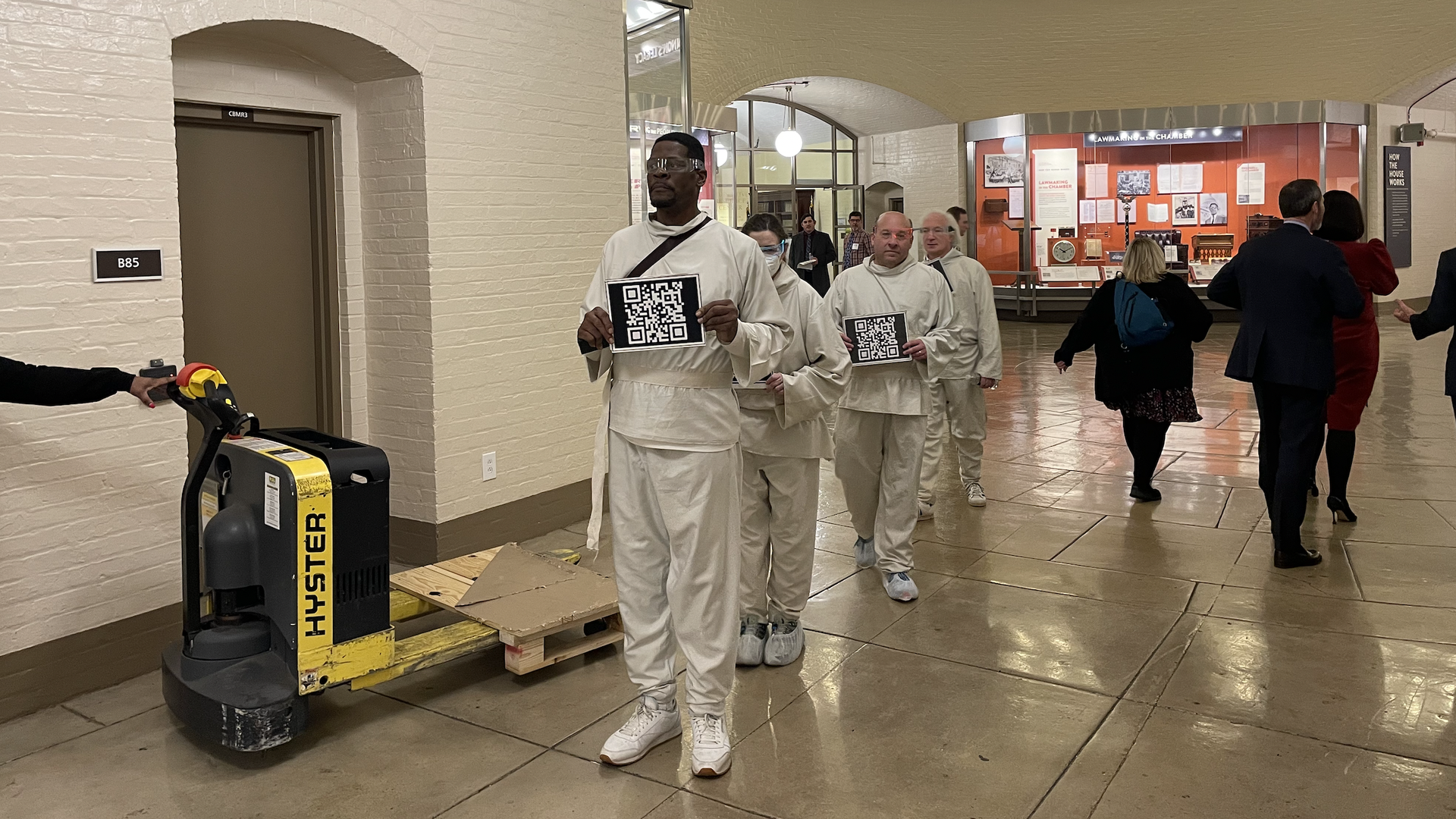
Former Rep. Adam Kinzinger (R-Ill.) turned heads on Capitol Hill this week by sending performance artists dressed in straitjackets and blue-and-red tinted glasses to the House offices.
Why it matters: It's part of a campaign Kinzinger is launching against political extremism and attention-grabbing political antics at a time when the House is focused on flashy hearings and probes into the Biden administration.
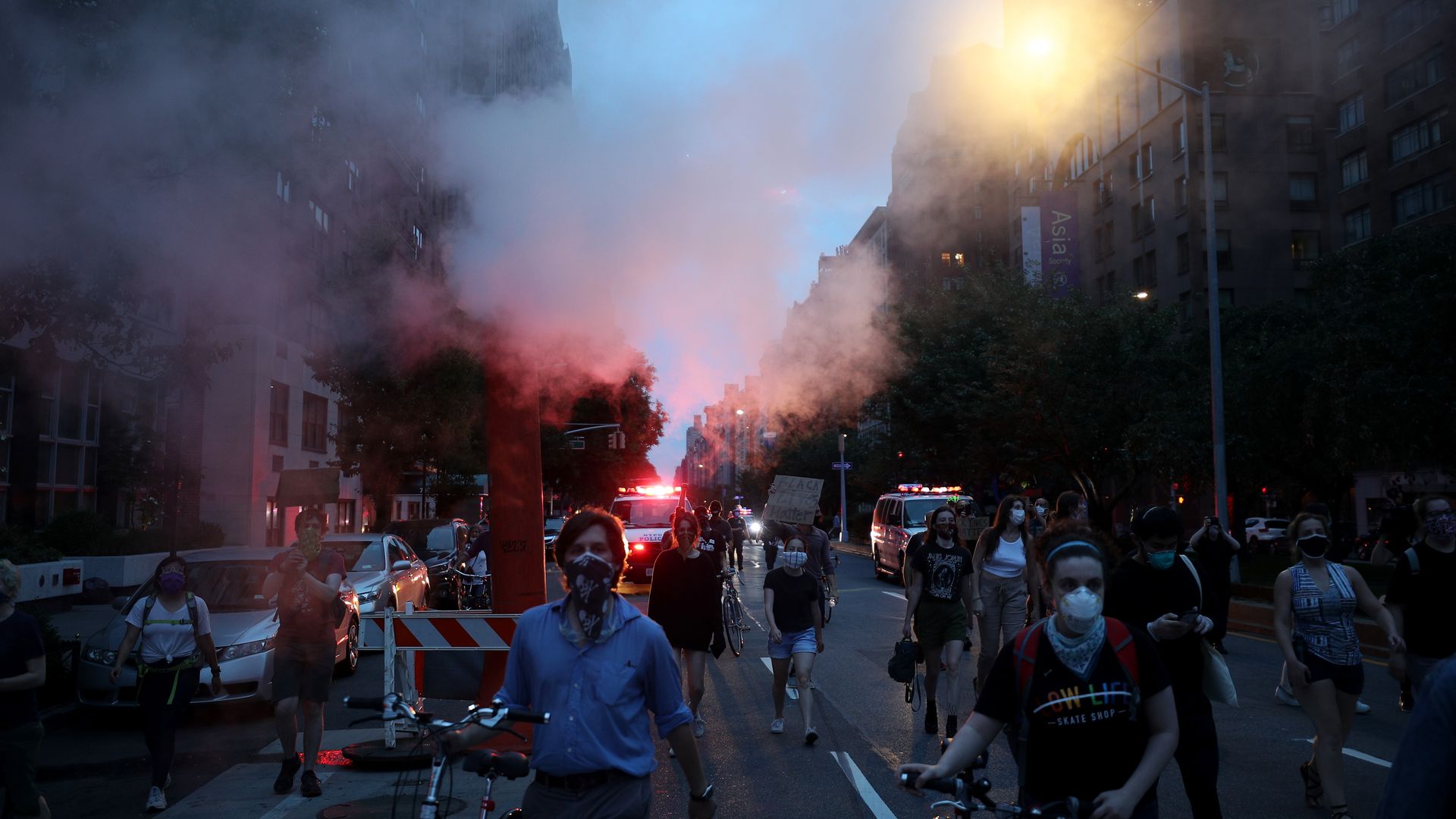
New York City will pay $21,500 each to hundreds of protesters who were boxed in by police during racial justice protests in 2020, according to a court filing.
Why it matters: If a judge approves the settlement, it would be one of the largest sums ever awarded per person in a class action case surrounding mass arrests, the New York Times reports.
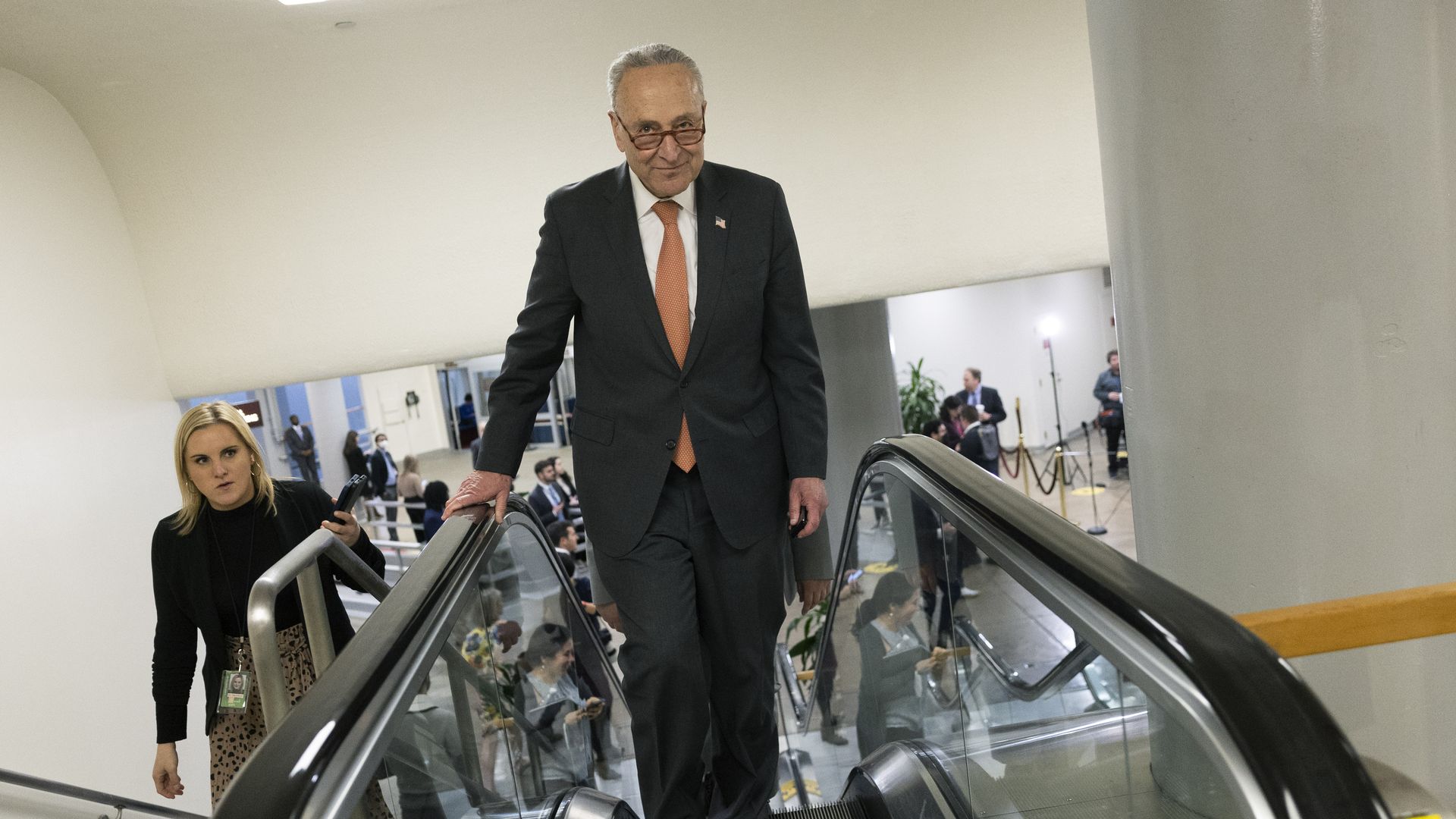
Senate Majority Leader Chuck Schumer and House Minority Leader Hakeem Jeffries sent a letter Wednesday calling for Fox Corp. Chairman Rupert Murdoch to direct his network's hosts to "stop spreading false election narratives."
The big picture: The demand letter comes after Murdoch acknowledged in a newly unsealed legal deposition that Fox News hosts knowingly promoted the false theory that the 2020 election was stolen from former President Trump.
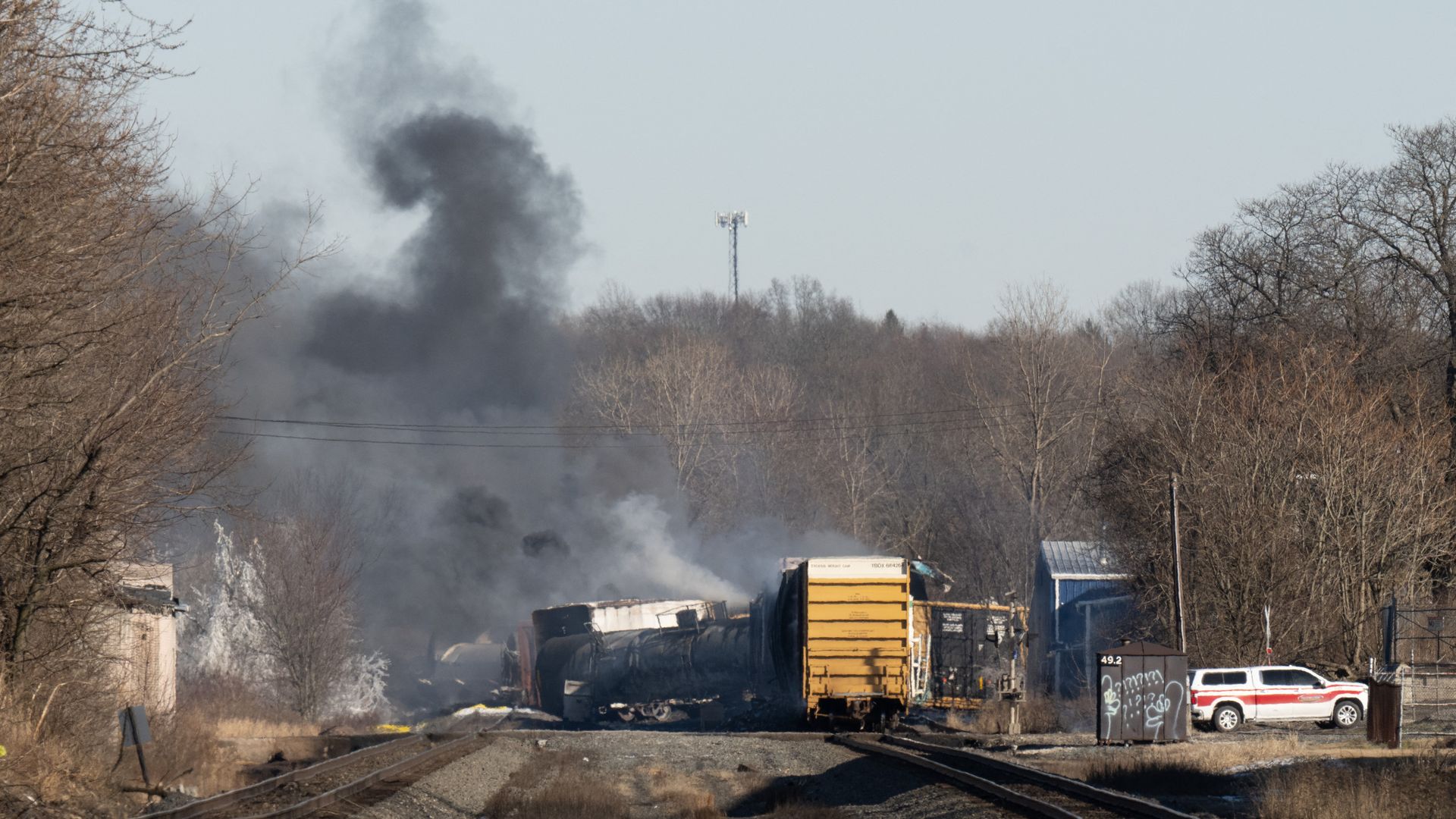
A bipartisan group of senators will introduce legislation Wednesday aimed at promoting rail safety in the aftermath of the train derailment in East Palestine, Ohio.
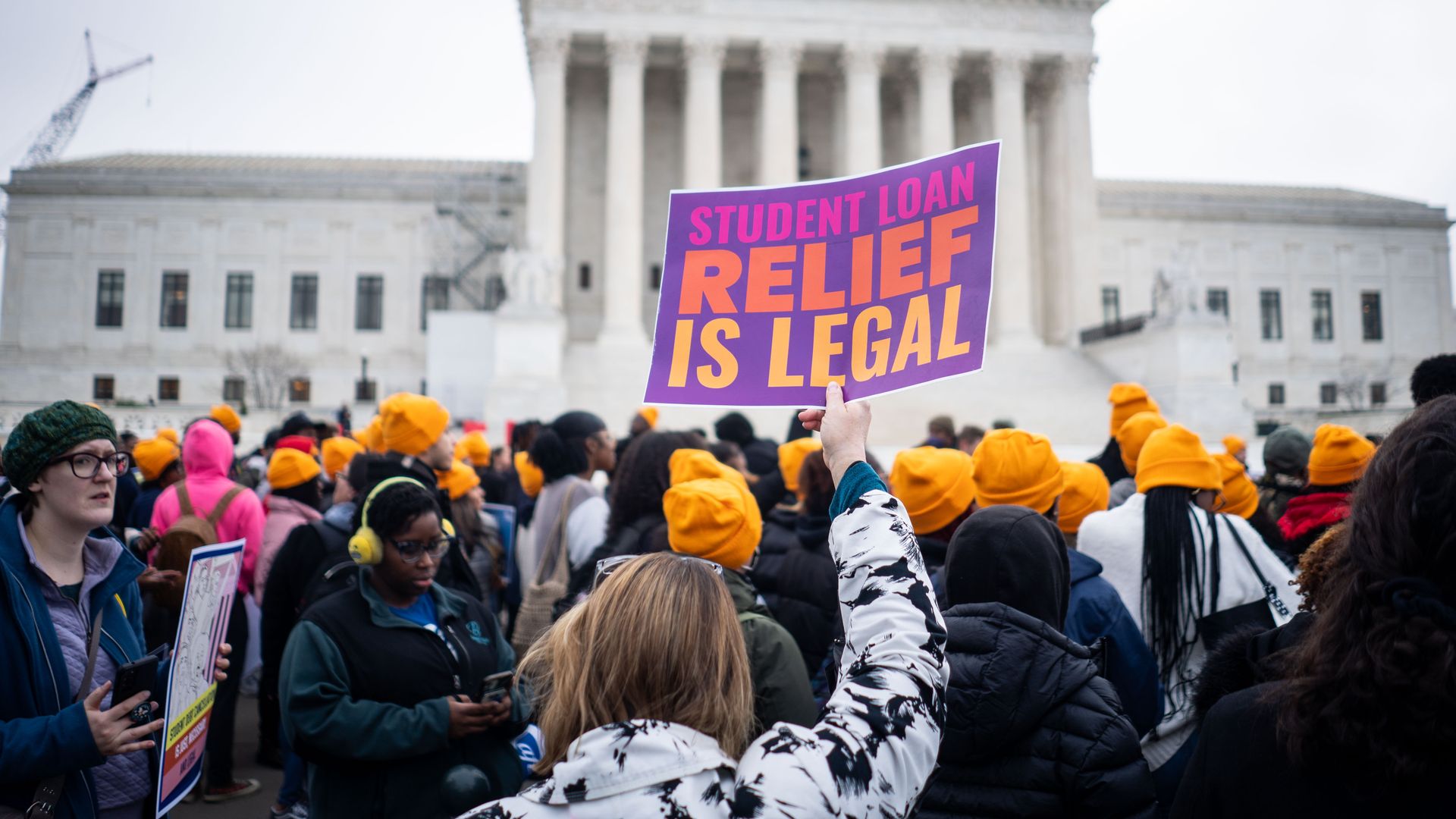
President Biden's most ambitious executive actions seem all but destined to die at the hands of the courts.
Why it matters: Divided government often nudges presidents to lean more heavily on unilateral action. But the Supreme Court will likely prevent Biden from achieving very much on his own.
Congress' stall on tech policy is empowering courts to handle important decisions about everything from liability to content moderation.
What's happening: Technology moves faster than Congress can keep up with, and in the absence of new laws, lasting decisions about tech regulation are being determined by judges and courts across the country.
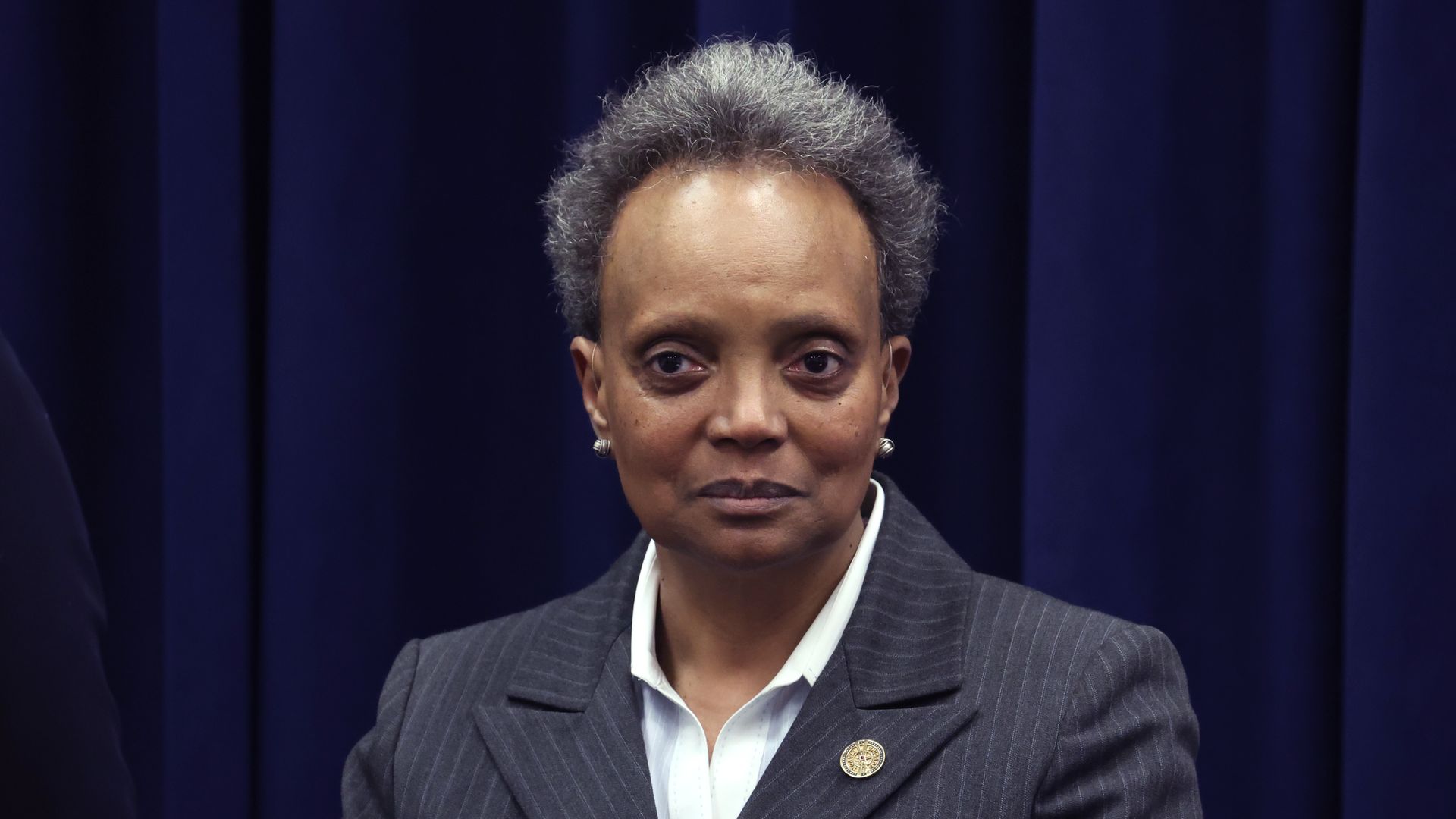
Chicago's next mayor will be either progressive county commissioner Brandon Johnson or a former schools chief named Paul Vallas after incumbent mayor Lori Lightfoot was knocked out of the race Tuesday night, AP reports.
Why it matters: It's a stunning upset for Lightfoot, a first-term incumbent who was Chicago's first Black female and first openly gay mayor.
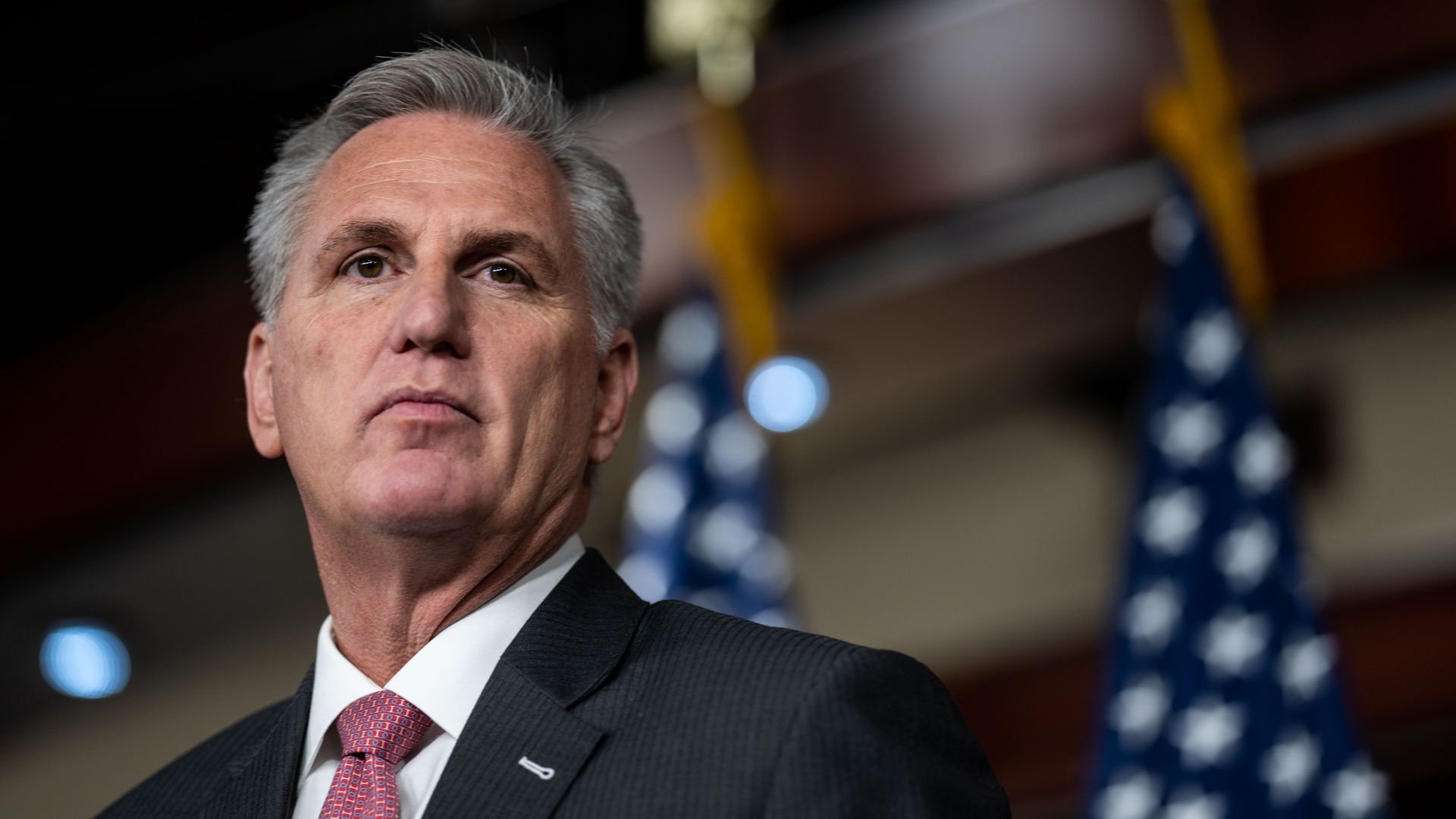
House Speaker Kevin McCarthy (R-Calif.) defended his decision Tuesday to give Fox News' Tucker Carlson exclusive access to 41,000 hours of Capitol footage from the Jan. 6 riot.
The big picture: McCarthy, who dodged reporters on the topic Monday, is facing backlash from top congressional Democrats who say it could reveal sensitive security information about the Capitol.
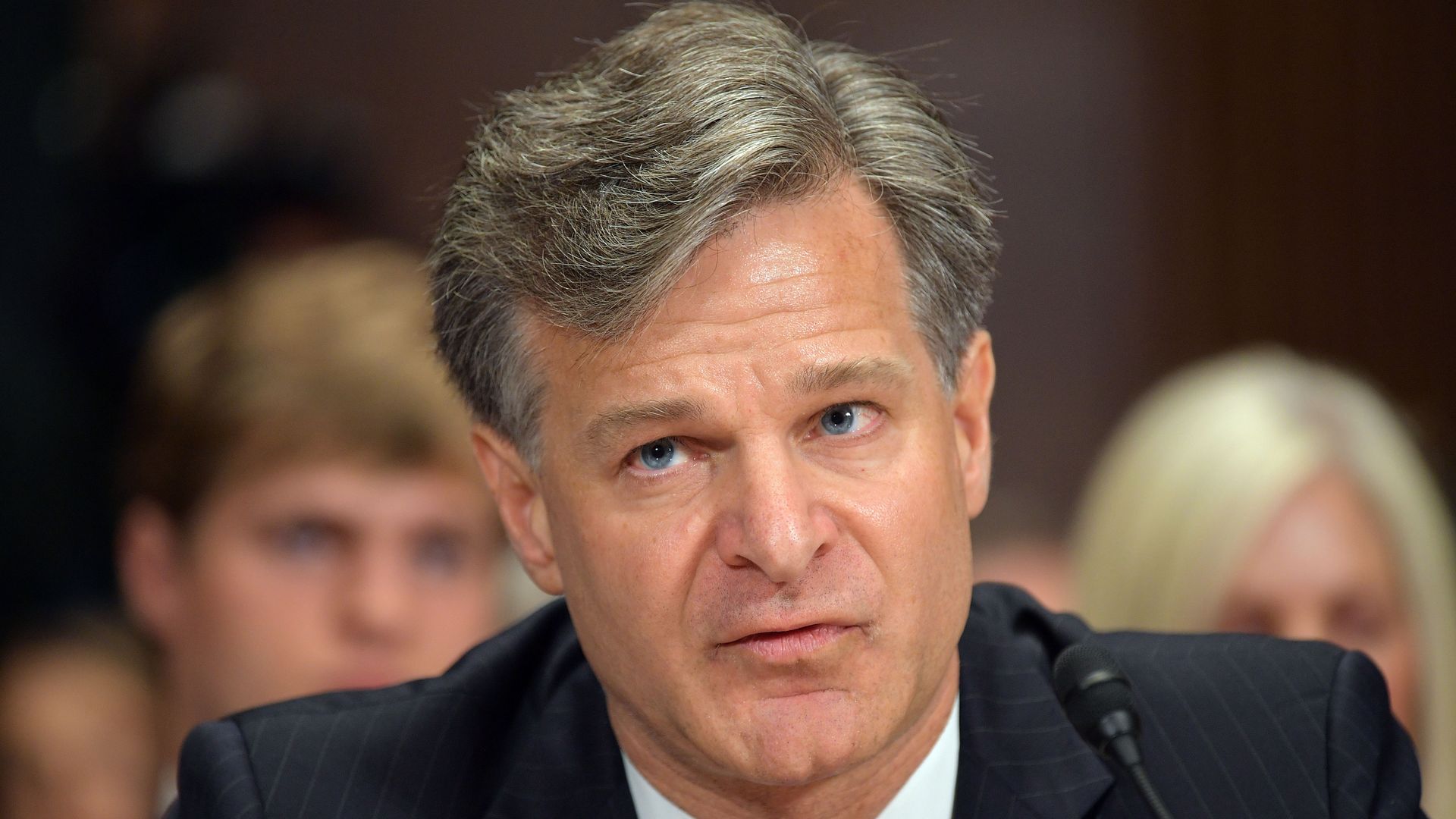
FBI Director Christopher Wray said Tuesday that the COVID-19 pandemic "most likely" resulted from a potential lab leak in Wuhan, China, as the debate continues over the coronavirus' origins.
The big picture: The new lab leak assessment could have broader implications for U.S.-China relations at a particularly sensitive time.
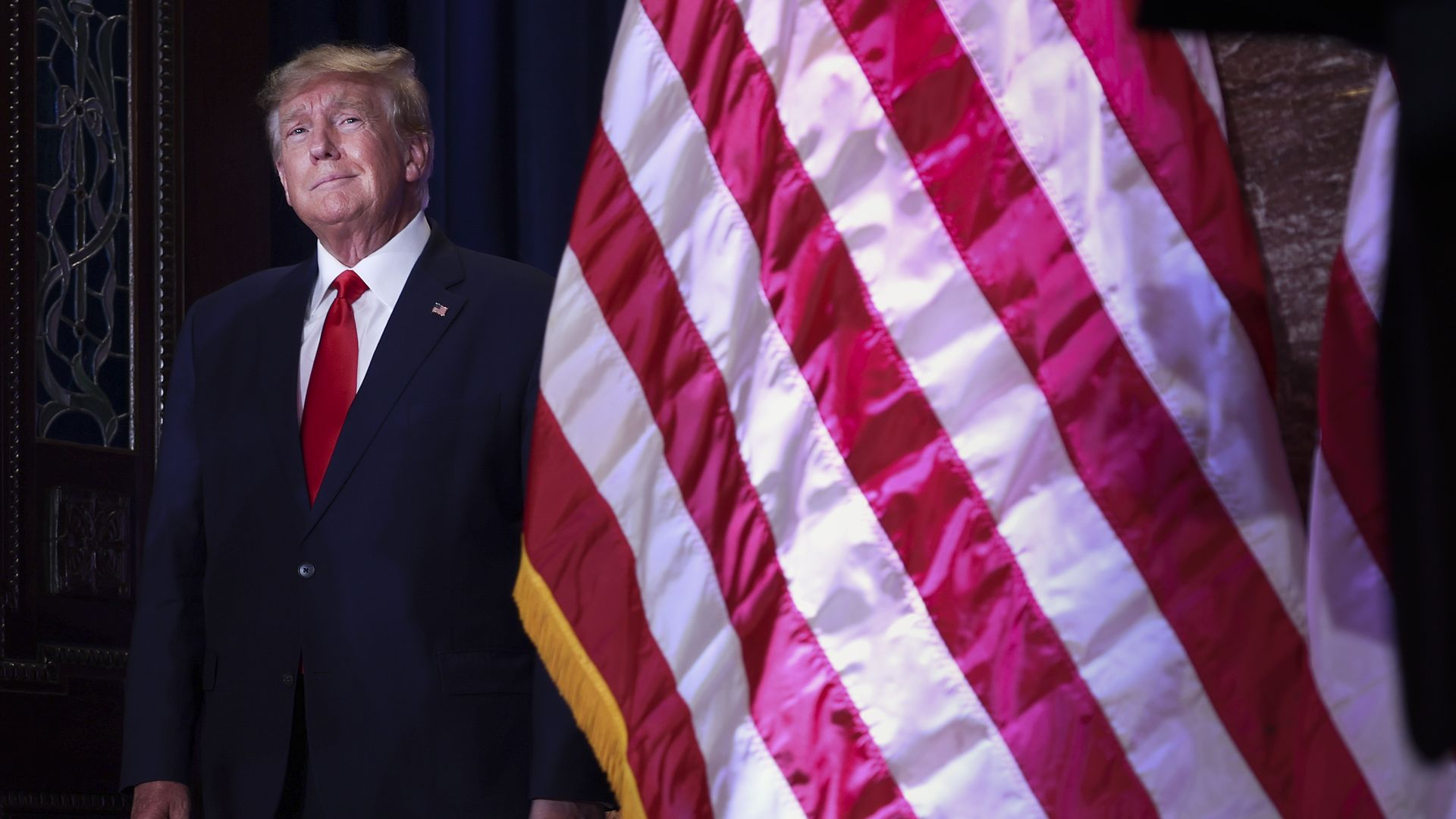
Four new polls show former President Trump has received a boost in Republican support — with one survey showing him hitting 50% support in a crowded GOP field.
Why it matters: After a shaky start to his presidential campaign, Trump has quietly found his footing over the last month.
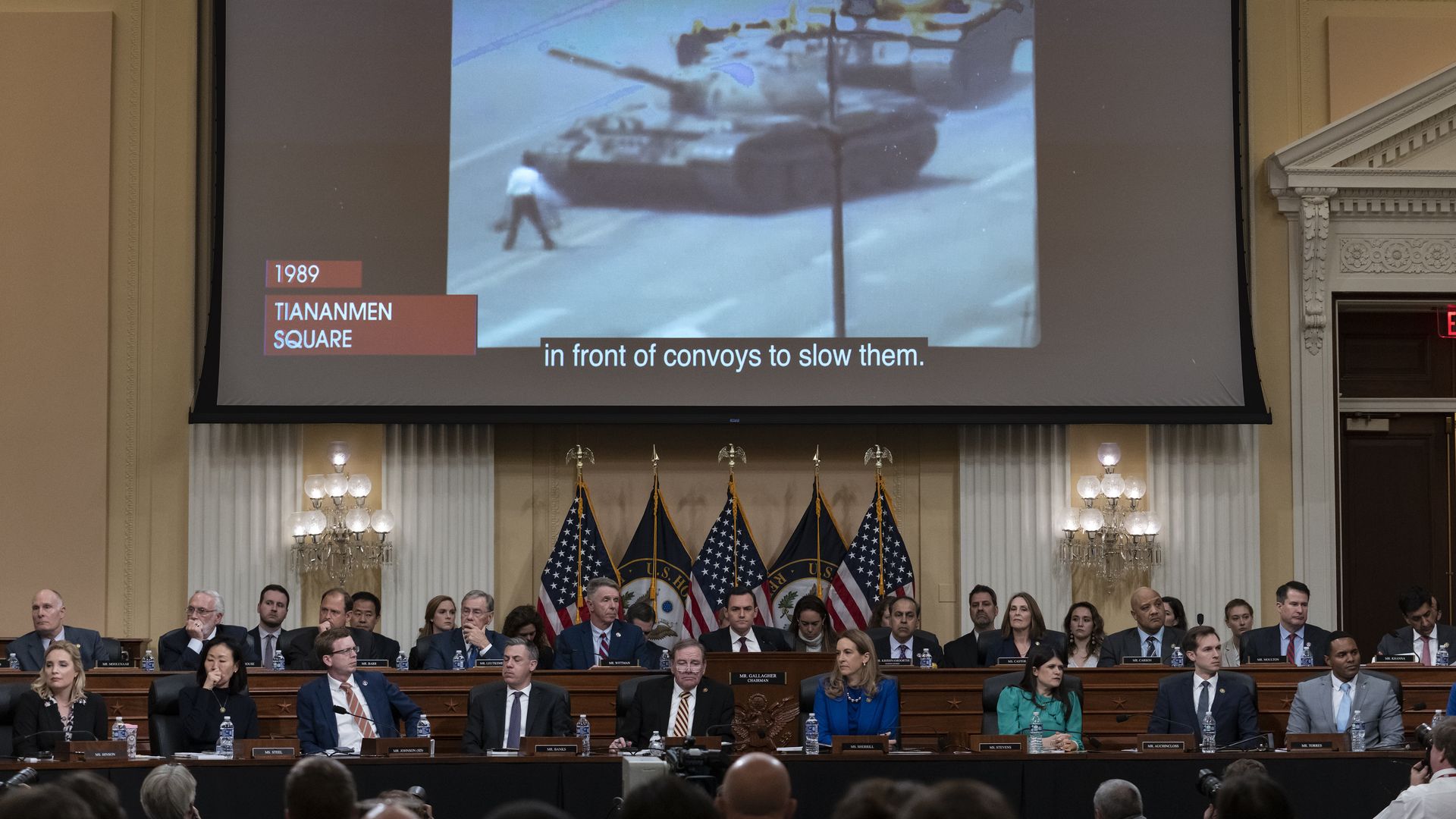
The legacy of the 118th Congress — even amid its high-profile divisions — is set to be defined by an unprecedented focus on the threat emanating from the Chinese government.
Why it matters: With President Biden wielding a veto and Republicans prioritizing sweeping investigations, China is the only issue positioned to pierce Capitol Hill's bitter partisan bubble on a consistent — and meaningful — basis.
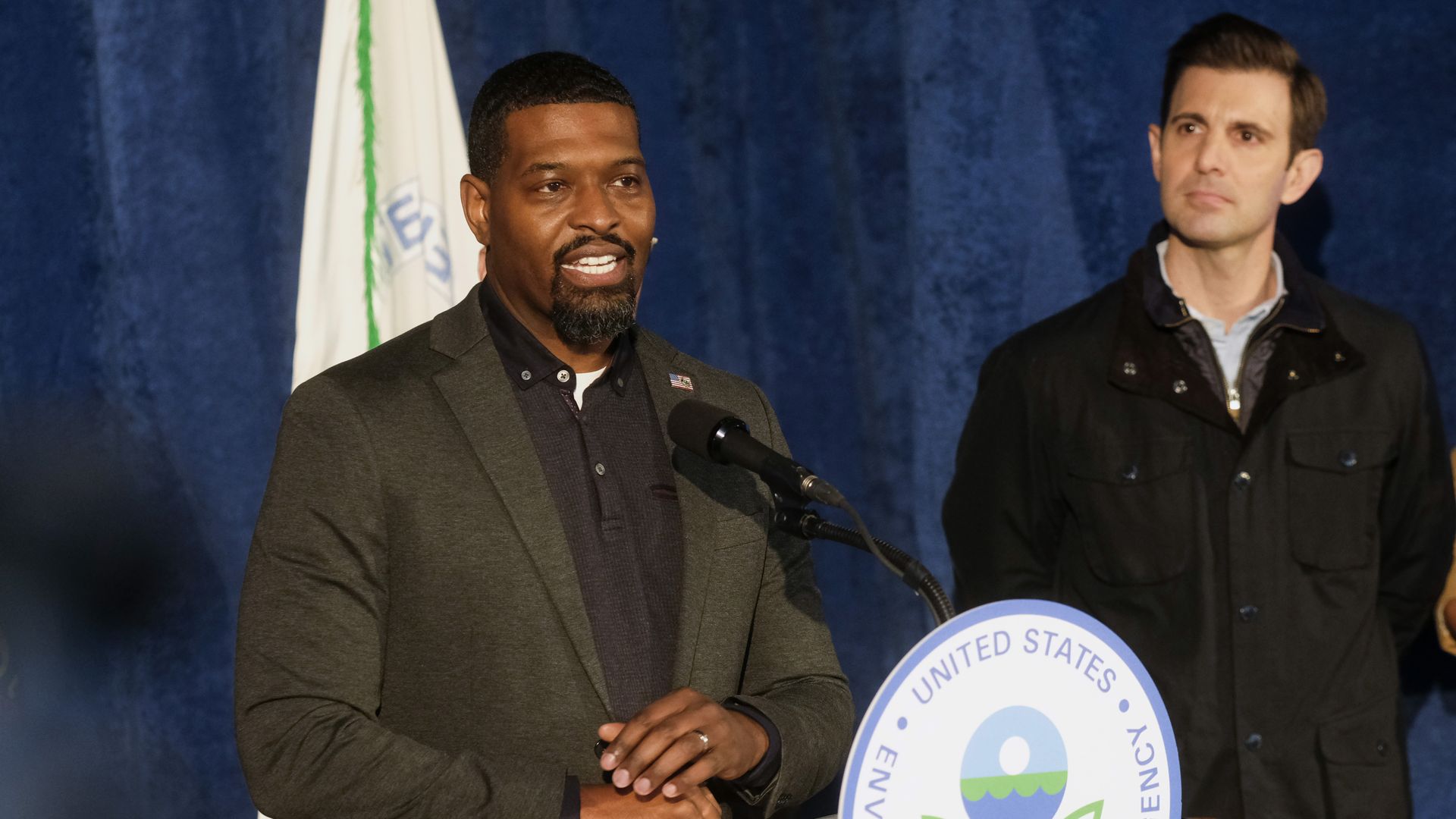
The Department of Justice announced Tuesday that it has filed a lawsuit against a chemicals manufacturer in Louisiana over hazardous emissions from its manufacturing facility and their threat to public health in the nearby majority-Black community.
Driving the news: The plant operated by Denka Performance Elastomer LLC is heightening cancer risks by producing high levels of chloroprene emissions, alleges the complaint, which was filed on behalf of the Environmental Protection Agency (EPA).
House Democrats are preparing a library of videos showing threats and assaults against school officials — and looking to a ruling by a Trump-appointed judge — to counter GOP claims that the Biden administration has treated school board protesters unfairly.
Why it matters: Republicans on the House Judiciary Committee have subpoenaed three top administration officials as part of a GOP probe into U.S. agencies' actions as protesters and parents, many organized by conservative groups, were disrupting school board meetings across the country in 2021.