Pennsylvania could determine the outcome of this election. We check in on one county that voted blue for decades before it went for Trump by 20 points in 2016 with WITF reporter Emily Previti about how things have changed since the last presidential election.
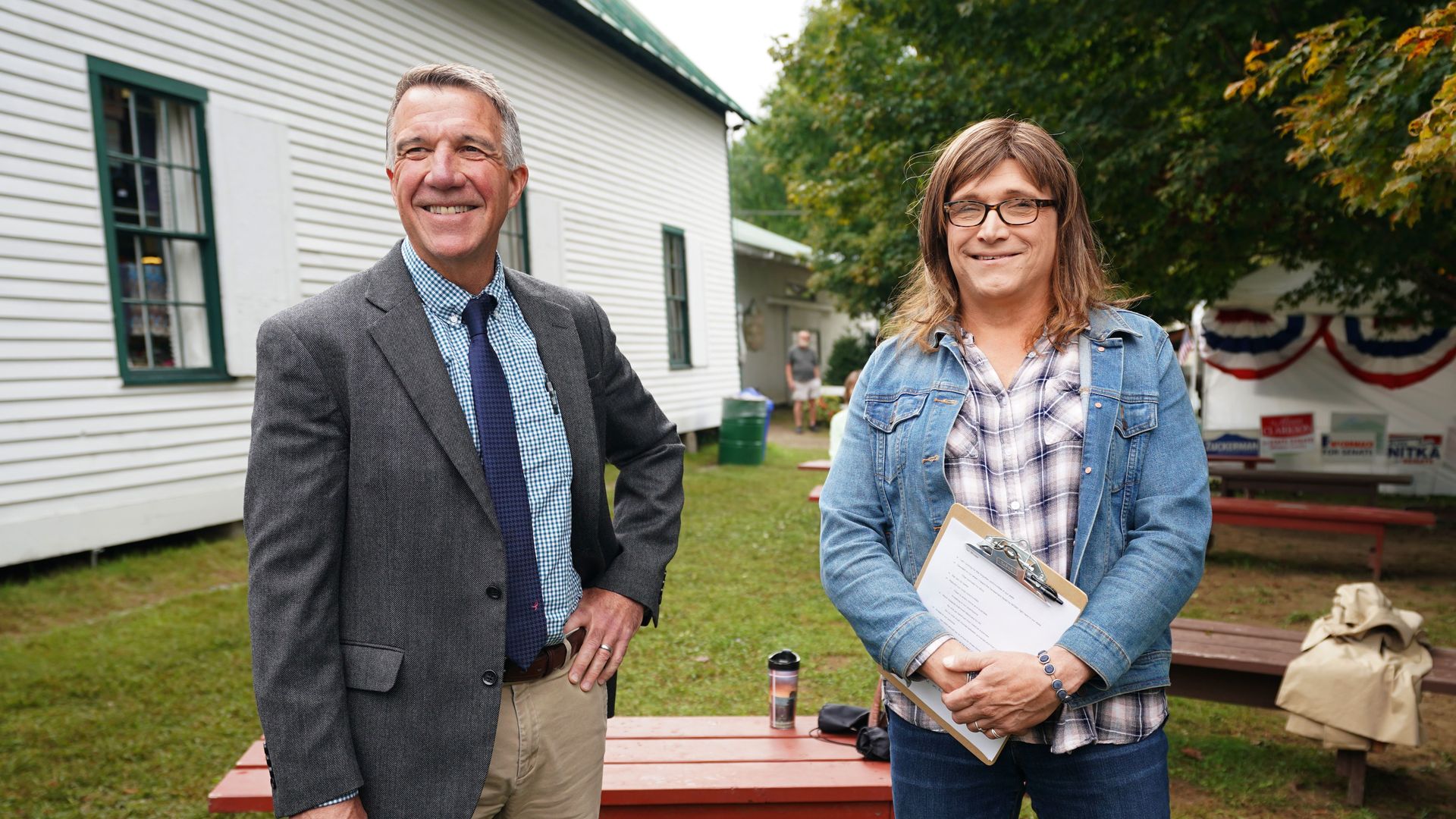
Vermont Gov. Phil Scott, a Republican, told reporters on Election Day that he voted for Joe Biden, breaking from his party, per local newspaper Seven Days.
Why it matters: Scott's decision makes him the only incumbent Republican to publicly disclose his vote for the former VP in the election.
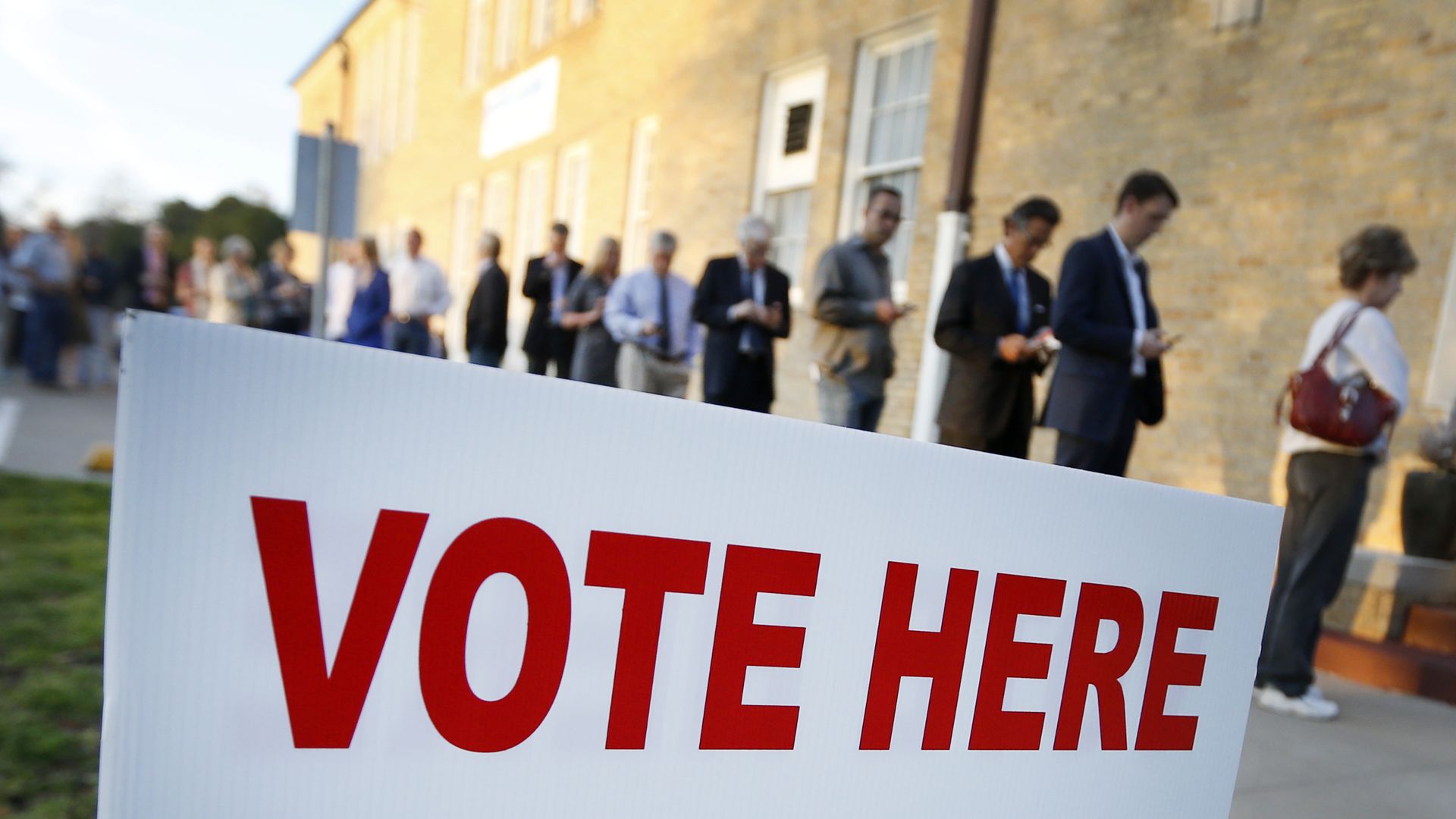
There have been some significant voting problems thus far this Election Day, including wrongly programmed poll books in parts of Georgia. But "the whole country is not on fire," according to Kristen Clarke, president of the National Lawyers’ Committee for Civil Rights Under Law.
Tonight could be the start of days of suspense before we know who the next president will be. But it could also be effectively over by the end of the week — and there's a small chance we could even know tonight.
Here are the three scenarios for election night and beyond, and how we'll know which one we're seeing tonight.
State election officials across the U.S. are warning voters of a wave of unidentified robocalls and texts that suggest voters stay home.
Why it matters: The robocall campaign has sparked fresh fears that misinformation could spread on Election Day, targeting Americans' cellphones to scare them away from the polls.
More than 100 million Americans voted early in the 2020 election across the U.S., according to state data compiled by the U.S. Elections Project.
Why it matters: The coronavirus pandemic and its resultant social-distancing measures prompted a massive uptick in both mail-in ballots and early voting nationwide, setting up an unprecedented and potentially tumultuous count in the hours and days after the polls close on Nov. 3.
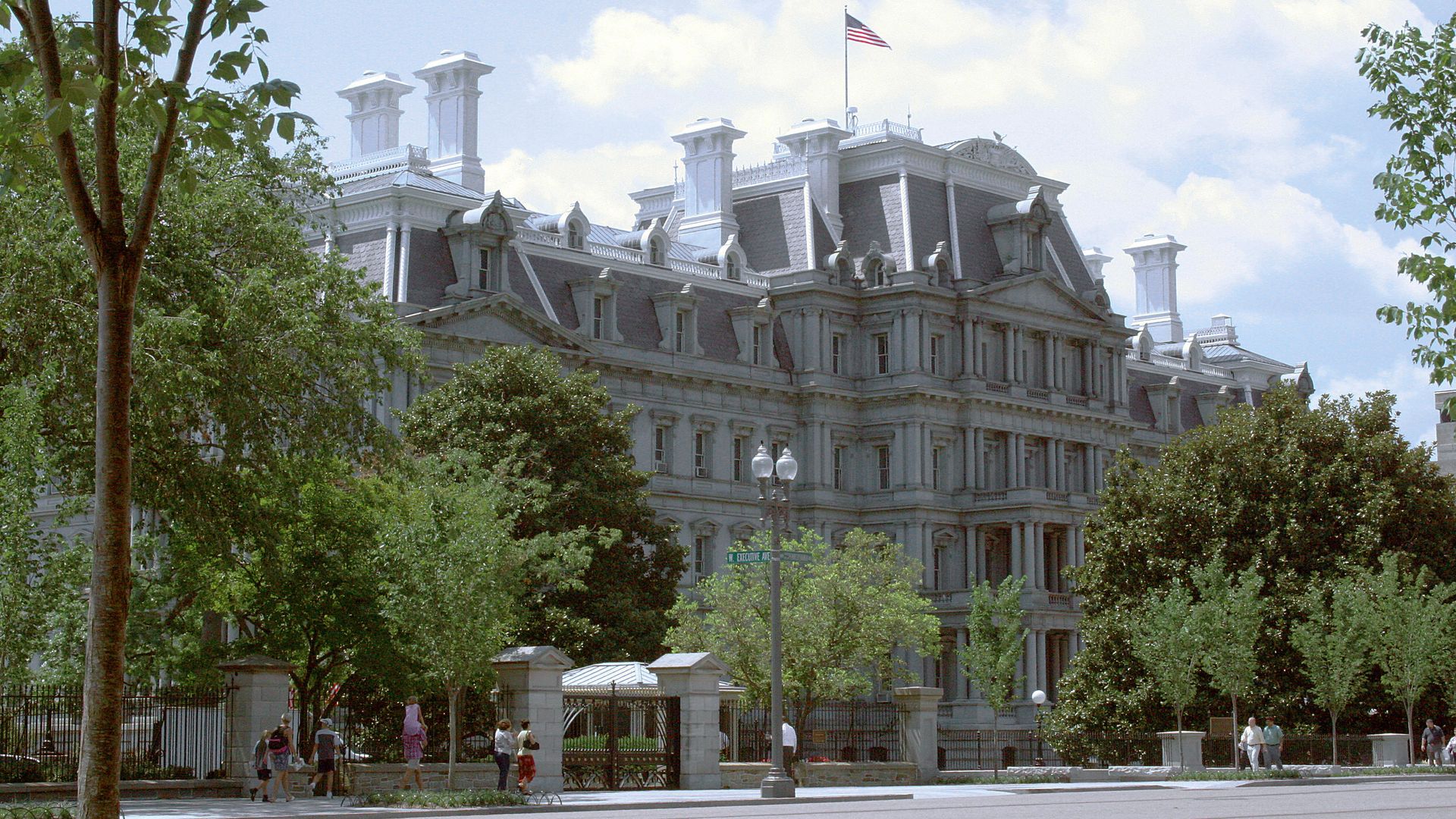
The Trump campaign will run itselection night war room at the Eisenhower Executive Office Building, located steps from the West Wing, the campaign confirmed to Axios.
Why it matters: The decision to move the main political operation from the campaign's headquarters in Arlington, Virginia, to the White House complex is the latest example of the Trump administration blurring the lines between governing and political activity.
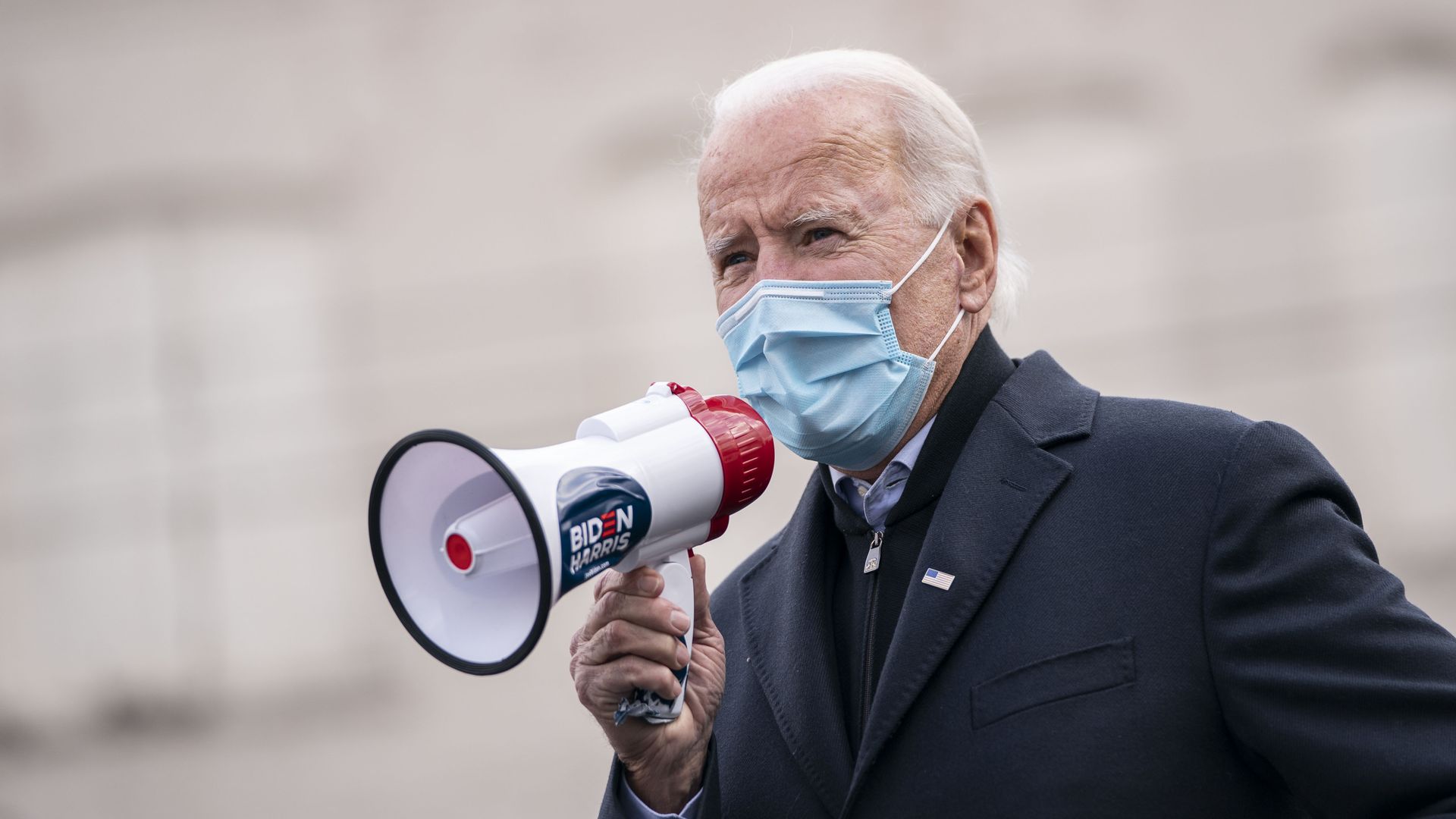
Joe Biden's campaign said Tuesday that it believes it has at least an 8-point advantage in battleground states after analyzing the nearly 100 million ballots that were cast early.
Why it matters: The campaign is arguing that it will be mathematically difficult for President Trump to close the gap with in-person voting on Election Day, and it's working to create the impression that a Biden victory is most likely.
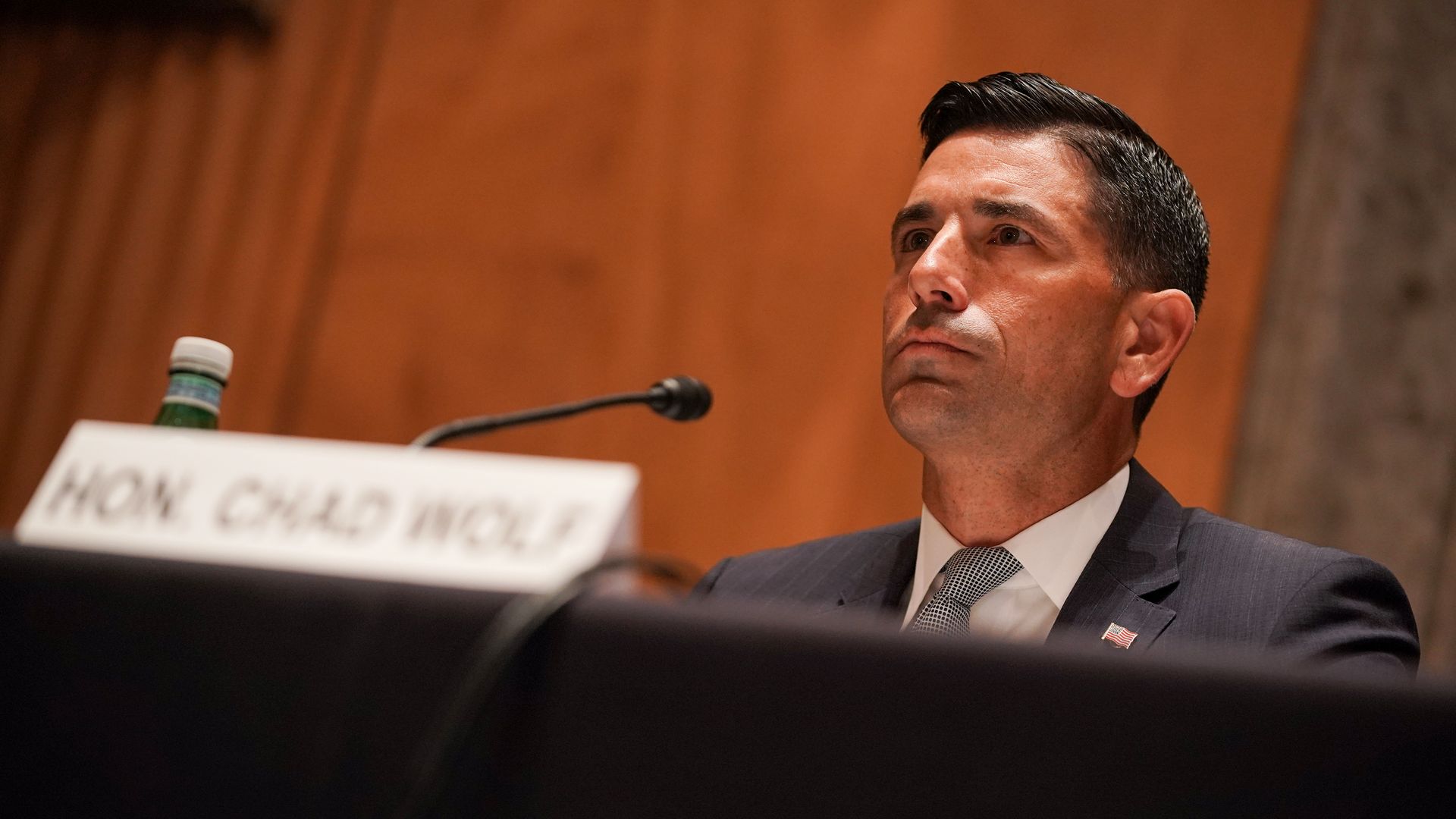
Acting Homeland Security Secretary Chad Wolf said on Tuesday there is no evidence so far that a “foreign actor” compromised votes in the 2020 election, Reuters reports.
Why it matters: Since Russians interfered with the 2016 election and hacked the emails of Democratic officials, the country has been antsy about a potential repeat in an already closely contested election.
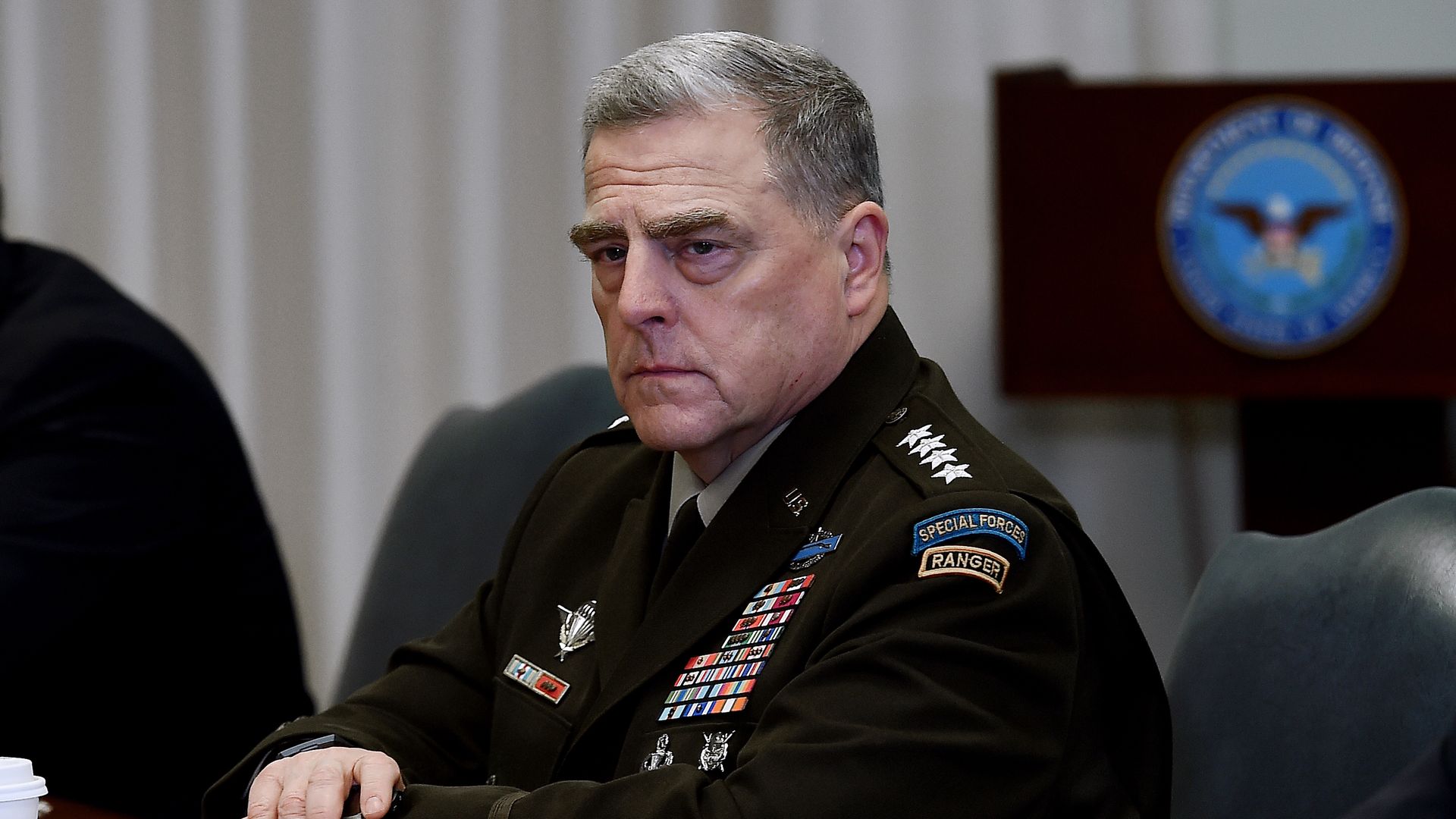
Chairman of the Joint Chiefs of Staff Mark Milley held an off-the-record video call with top generals and network anchors this weekendto tamp down speculation about potential military involvement in the presidential election, two people familiar with the call tell Axios.
Why it matters: The nation's top military official set up Saturday's highly unusual call to make clear that the military's role is apolitical, one of the sources said — and to dispel any notion of a role for the military in adjudicating a disputed election or making any decision around removing a president from the White House.
When President Trump first took office, there was lots of talk about "normalization."
The state of play: Today, American voters will either codify a new normal or relegate many of Trump's unconventional tactics to history's anomalous footnotes. Among them is browbeating and boycotting U.S. companies.
Trump's tweeting habits are one sign of how much the president hopes his strong support for fossil fuels will help get him over the top today.
Why it matters: Pennsylvania, a state critical to Trump's re-election chances, is the nation's second-largest natural gas producer. And polls show Texas, which is at the top in oil and gas production, is also in play this year.
Today will be hard enough for many of us to get through without also falling for misinformation that may enrage, depress and deceive. Here are a few tips from team Axios and experts designed to relieve at least a little of the Election Day stress.
Why it matters: The intentional spread of false information aims not just to mislead, but also to keep voters from the polls and to undermine public faith in institutions.
Market forces have been in the driver's seat during President Trump’s first term, which means oil-and-gas kept growing (until the pandemic), he couldn’t revive coal, and the country stayed far away from policies that would drive steep future carbon cuts.
Where it stands: The administration launched a big deregulatory push to scuttle Obama-era climate policies and support coal, oil and gas. Here are a few snapshots of what happened over the last four years.
News outlets are shying away from trying to quickly predict elections, and are instead focusing more on explaining how the races are unfolding, executives tell Axios.
What to expect: Most news executives concede that some networks won't be able to call elections with certainty for days — or longer.
The 5th Circuit Court of Appeals denied late Monday a Republican effort to block drive-through voting in Harris Country, Texas, on Election Day.
Where it stands: The county will allow one drive-through voting at only one location on Election Day — instead of 10 — to stay fully within state code that allows the practice in "buildings," as the other centers were in tents, according to county clerk Chris Hollins.
While legal wagers on the election aren't offered through U.S. sportsbooks, betting operators have launched free contests to drive sign ups and engagement.
Driving the news: DraftKings'$100,000 pool has attracted nearly 400,000 entries, and those who pick the winner overall and in 11 states have a chance to win.
Financial services and the banking sector could undergo significant changes if Joe Biden wins and Democrats take control of the House and Senate.
What we're hearing: "With a couple of vote margin in the Senate there's a lot that Democrats can try to do to go after how financial products are accessed and how they're priced," Jaret Seiberg, financial services and housing policy analyst for Cowen Washington Research Group, told me on the "Voices of Wall Street" podcast in early October.
The outcome of the 2020 election will greatly impact the sports world. And through its efforts to increase voter turnout, the sports world could greatly impact the outcome of the 2020 election.
Where it stands: College sports are off. The NCAA is requiring that all Division I programs give their student athletes the day off from sports today, an idea that was first introduced in June by Georgia Tech assistant basketball coach Eric Reveno.
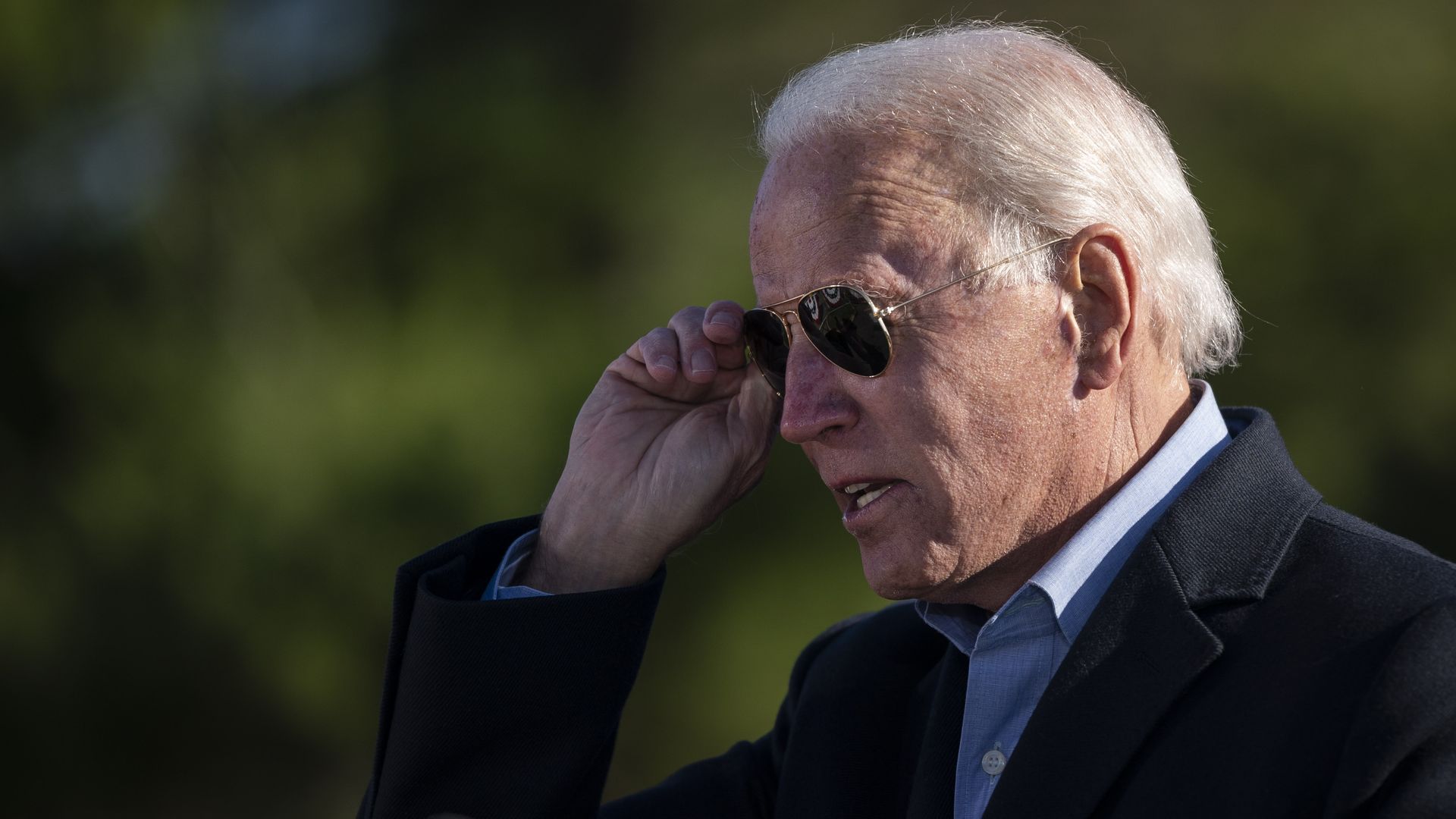
If news organizations declare Joe Biden the mathematical president-elect, he plans to address the nation as its new leader, even if President Trump continues to fight in court, advisers tell Axios.
Why it matters: Biden advisers learned the lesson of 2000, when Al Gore hung back while George W. Bush declared victory in that contested election, putting the Democrat on the defensive while Bush acted like the winner.
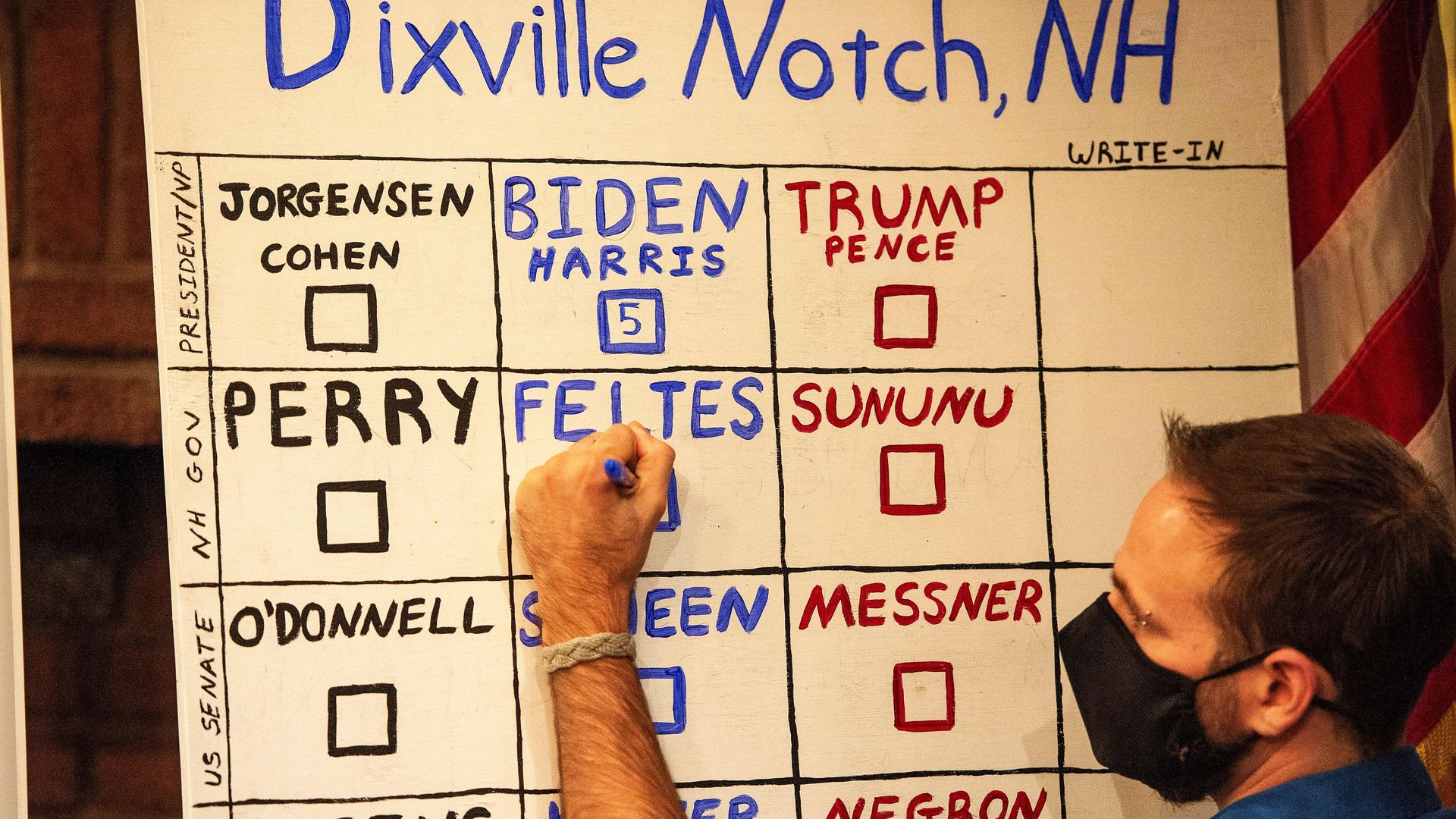
Democratic presidential candidate Joe Biden defeated President Trump by 5 votes to 0 in Dixville Notch, New Hampshire, officials declared in their Election Day result on the 60th anniversary of the midnight voting tradition.
The big picture: Les Otten, a local selectman who ran for Maine governor in a 2010 GOP primary, was among those to vote for Biden in the township near the border with Canada, per WMUR9. "It's time to find what unites us as opposed to what divides us," he said. It was better news for Trump in nearby Millsfield, where he beat Biden by 16 votes to 5 in the township's midnight vote, AP notes.
The media and its gatekeepers have managed to make themselves a central story in the 2020 presidential election.
Why it matters: This is especially true on cable news, where mentions of terms like "misinformation" and "disinformation" have skyrocketed in the past few weeks, surpassing mentions of issues voters typically say they care about like "social security," "climate change," and "immigration."
The Democratic firm that predicted an election-night "red mirage" for President Trump — an early lead it says that Joe Biden will overtake when mail-in ballots are counted — is standing by its prediction, but with a smaller mirage than expected.
Driving the news: Updated modeling from analytics firm Hawkfish, reviewed by Axios, says Trump may look as if he's on track to cross 270 electoral votes and approach a 286-252 victory. But in the end, it predicts, Biden could win by as much as 334-204, or a more modest 279-259, once all mail-in ballots are counted.
We're not going to know the next president until we have a clear idea of who's winning the battleground states — and some of those results will be delayed as states sortthrough an avalanche of mail-in ballots.
The big picture: If it's close, Americans could face a days-long waiting game to find out who the president-elect will be — especially if it comes down to Pennsylvania, where we might not know the results until at least Friday.
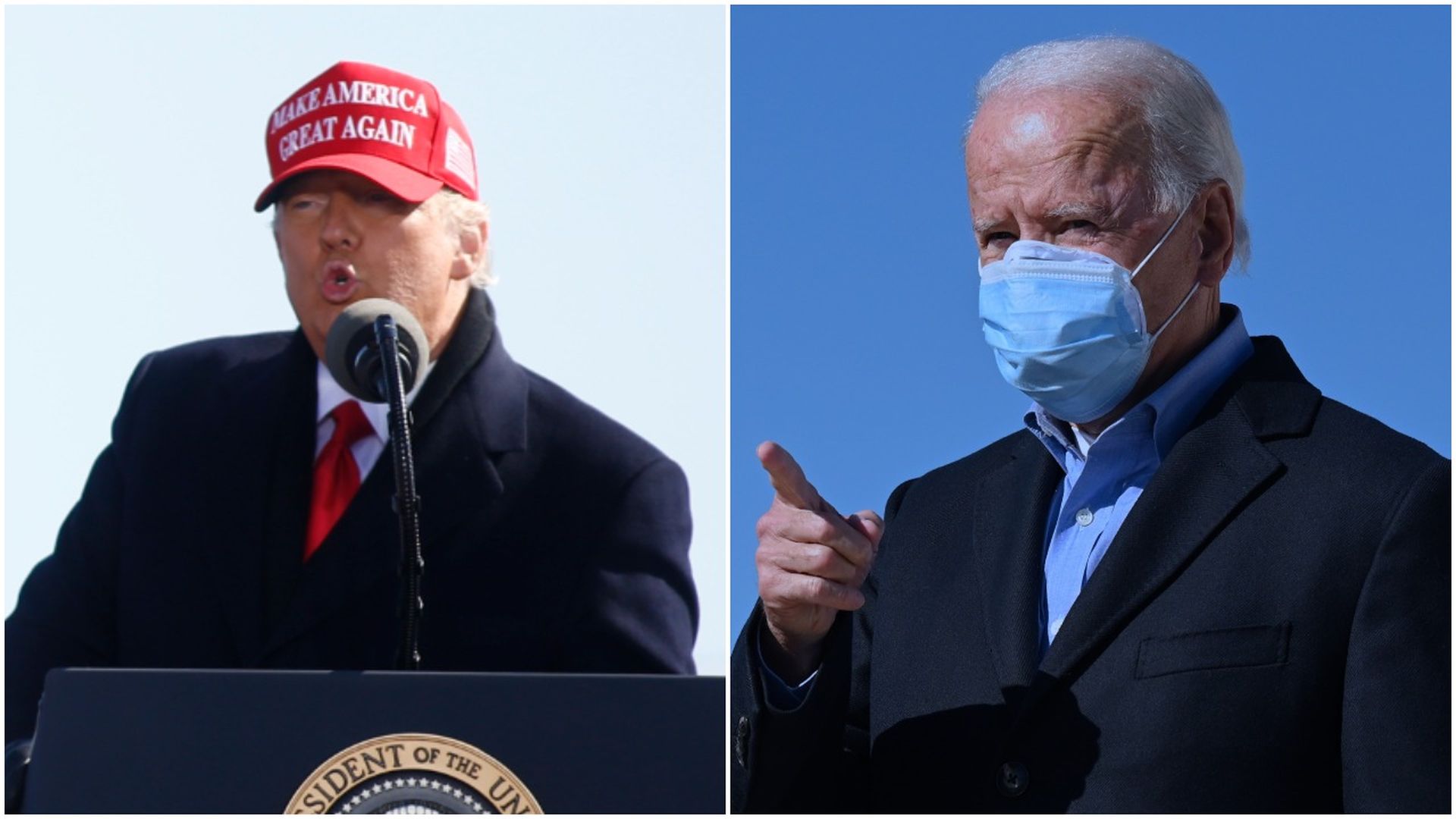
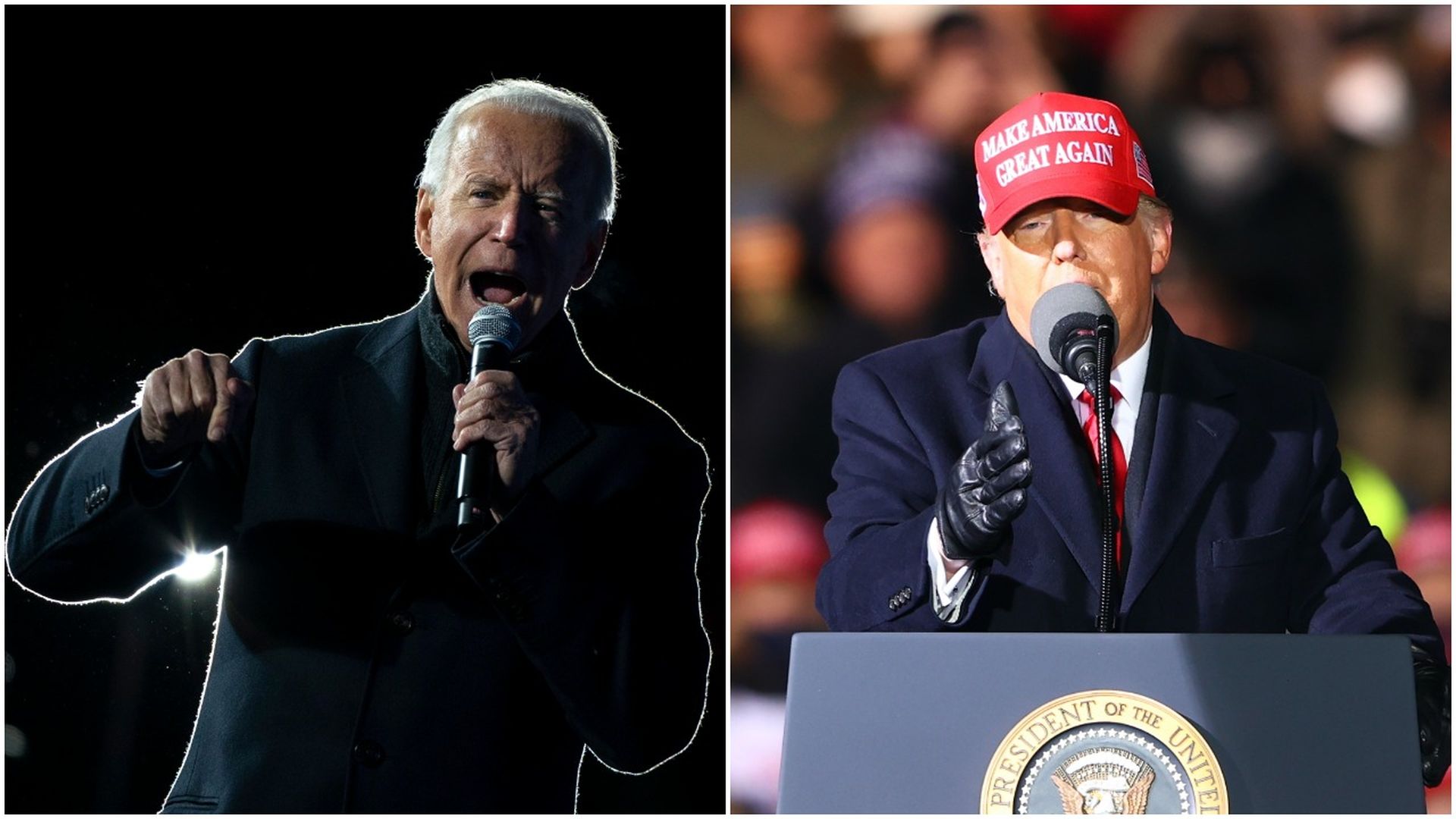
President Trump and Democratic presidential candidate Joe Biden's contrasting styles and attitudes toward the coronavirus pandemic were starkly evident on their final day of campaigning before the election.
The big picture: Trump held packed rallies as he criss-crossed states, with events in North Carolina, Michigan, Pennsylvania and Wisconsin on Monday. Biden's campaign focused on Ohio and Pennsylvania, seen as crucial to the election. His campaigning has been notable for precautions against COVID-19, such as holding drive-in rallies.
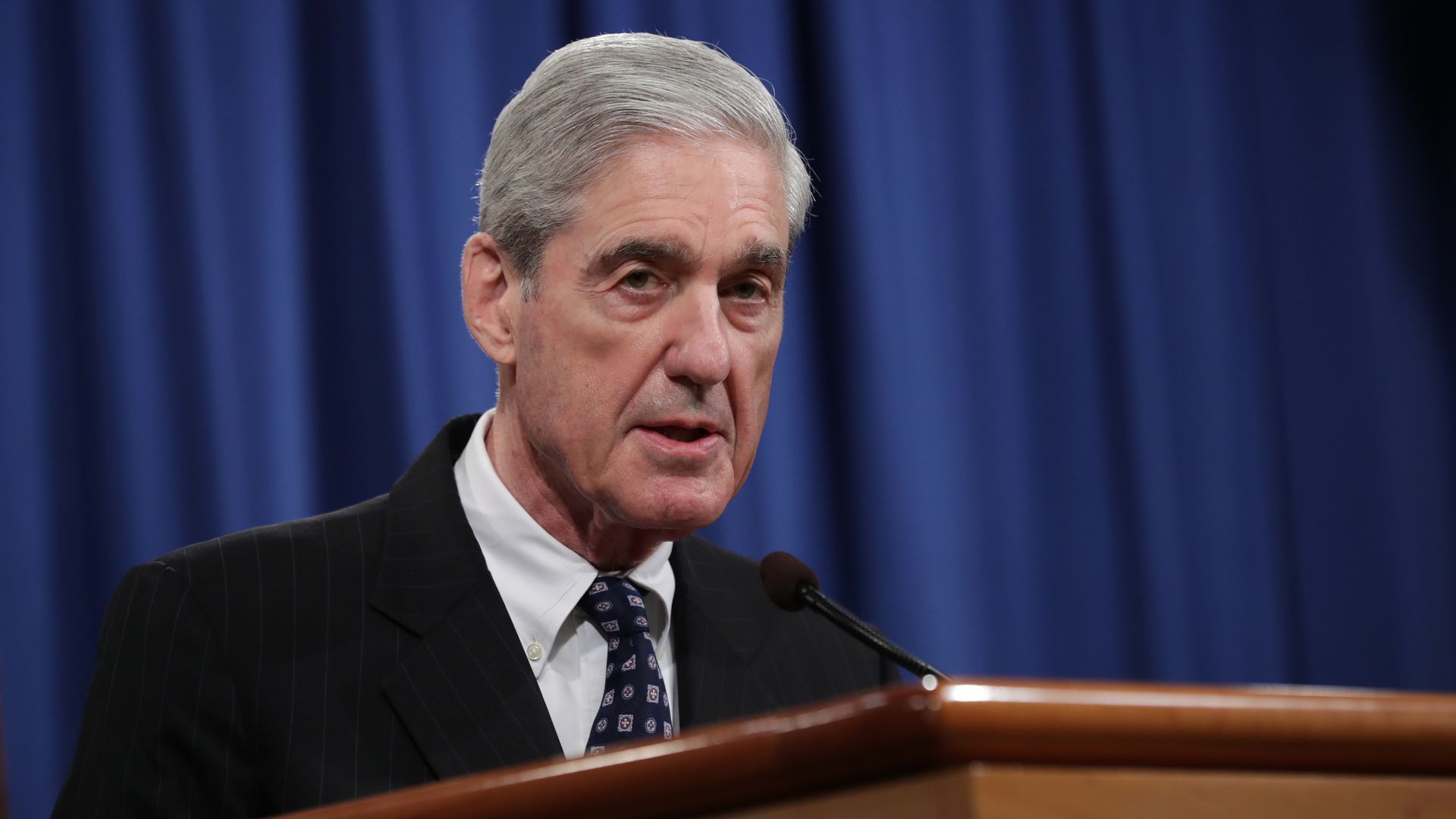
Prosecutors investigated Trump associate Roger Stone, Julian Assange and WikiLeaks over the hacking of Democrats' servers and possible campaign finance violations but decided against charging them, newly unredacted Mueller report information shows.
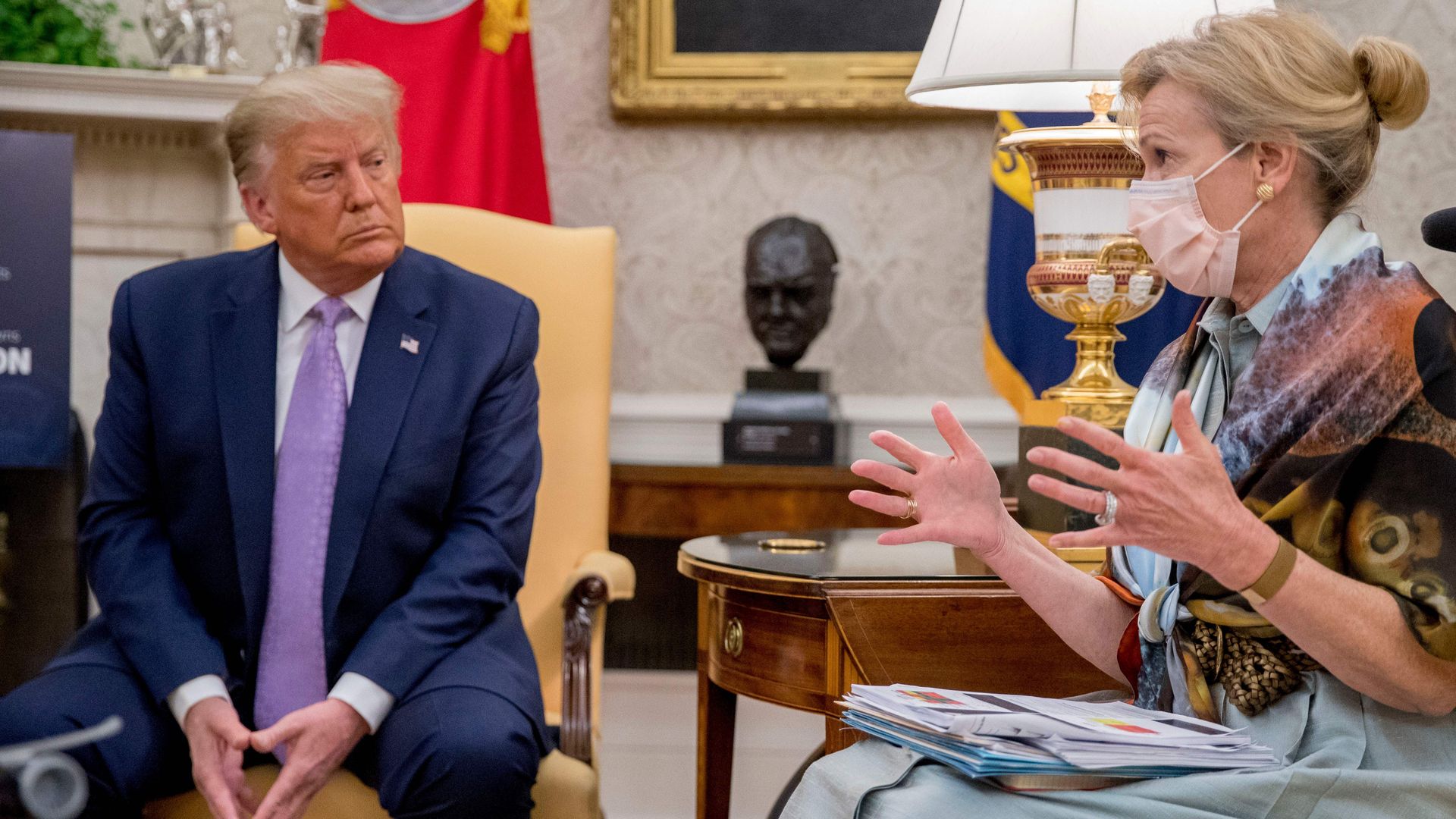
White House coronavirus task force coordinator Deborah Birx said in a memo Monday first obtained by the Washington Post that the U.S. is "entering the most concerning and most deadly phase of this pandemic."
Why it matters: In the memo on the eve of the election, Birx contradicts President Trump's repeated claims that the U.S. is "rounding the corner" in the virus fight, as she calls for "much more aggressive action" on the COVID-19 response.
Twitter and Facebook on Monday added labels to posts from President Trump that baselessly claimed a state Supreme Court ruling on absentee ballots in Pennsylvania will "allow rampant and unchecked cheating" and "induce violence in the streets."
Why it matters: Twitter has taken a more direct stance in labeling political tweets as misinformation than some counterparts, like Facebook, ahead of the 2020 election.
The Centers for Disease Control and Prevention said in a post Monday that people with coronavirus "have the right to vote, regardless of whether they are sick or in quarantine."
The state of play: Voters who are sick should "take steps to protect poll workers and other voters," like washing their hands before and after voting, wearing a mask, and keeping at a distance from others, the CDC wrote.