Thursday's politics & policy stories

Trump hates his press shop but loves Sanders
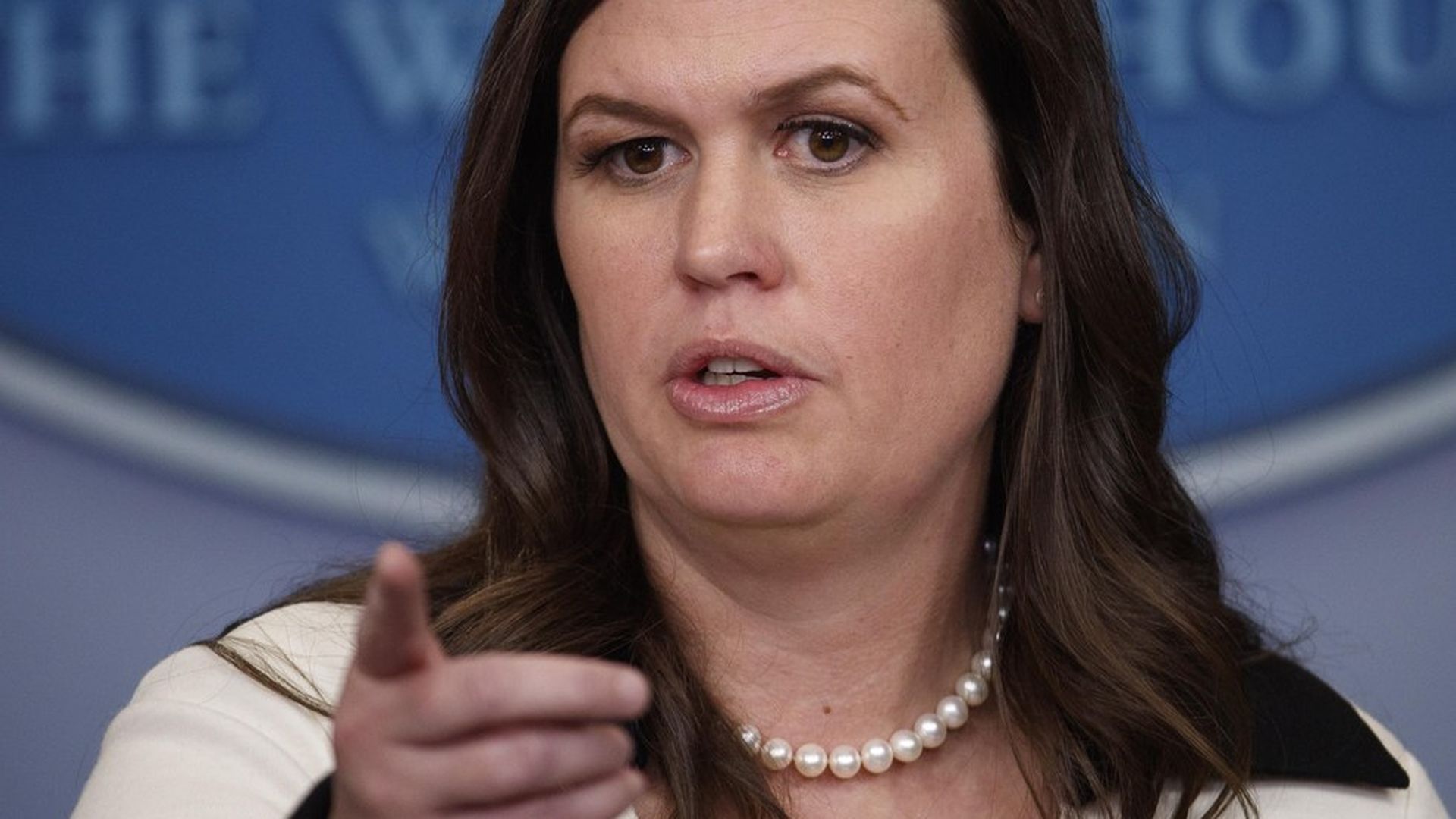
President Trump has found someone other than himself to blame for the bungled firing of James Comey: his press shop.
Trump believes the communications team let him down badly on Tuesday evening in the minutes and hours after his decision to fire the FBI director, according to two White House sources. The one exception to his ire is Sarah Huckabee Sanders, who has been performing as a stand-in press secretary while Sean Spicer is on Naval reserve duty.
Trump has no patience for the defense that the press team didn't get enough time to prepare for Comey. The near universal view among senior White House officials is that Tuesday night's fiasco was a competence problem not a lack-of-time problem.
A source with direct knowledge tells me the president has been openly sounding people out about removing Spicer, but it's not clear whether any decision has been made. I emailed Sanders and Spicer about this last night and Sanders told me, "the entire premise of your story is wrong."

Majority of Americans disapprove of Comey firing
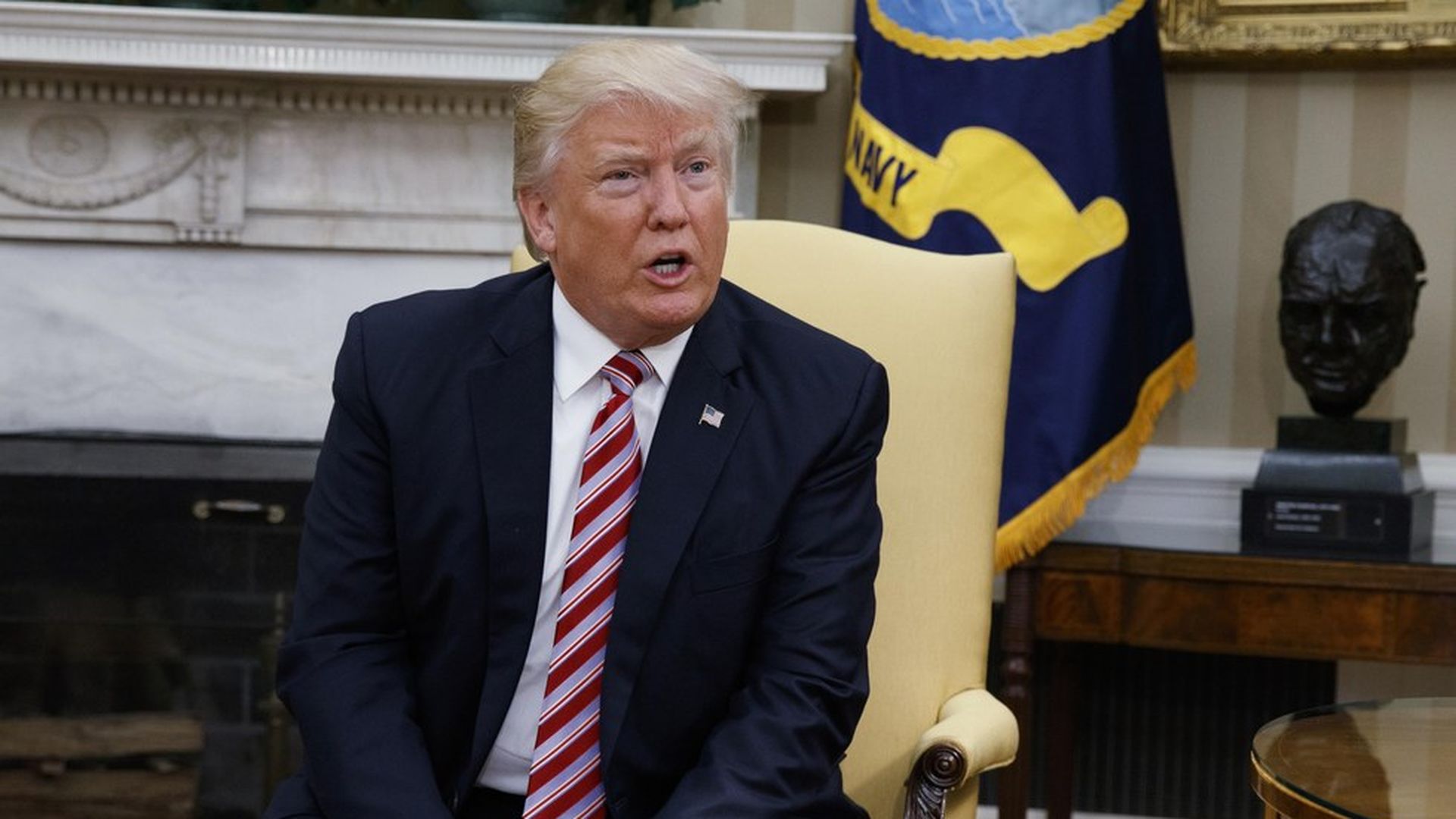
The majority of Americans — 54% — disapprove of Trump's dismissal of FBI Director James Comey, according to a new NBC News/Survey Monkey online poll, and 55% say the dismissal makes them less confident the Russia probe will be conducted fairly.
It's not an endorsement of Comey: 34% approved of the way Comey was handling the Russia investigation, 19% approved of his handling of Hillary Clinton's email practices, and 6% strongly approved of how he handled his job.
46% thought Trump fired Comey over the Russia probe. Only 22% believed the dismissal was about the Hillary Clinton email investigation. 54% said the probe is a serious issue.
What to watch: Trump's approval rating has fallen to 36%, per new Quinnipiac poll out Wednesday, and it's unclear whether the Comey controversy will cause that number to drop further still.

Trump orders review of federal cybersecurity defenses
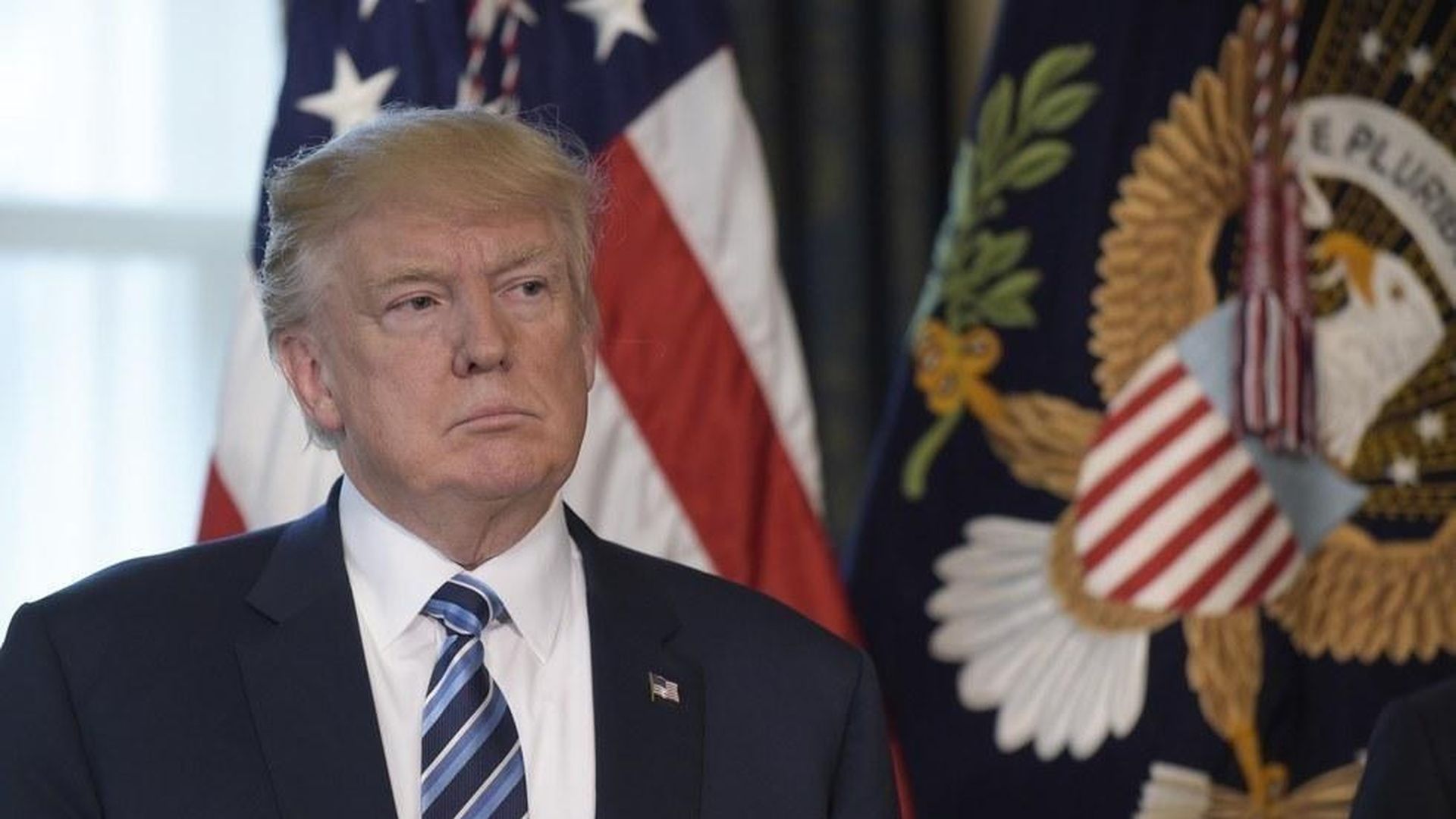
President Trump has signed a long-awaited executive order that focuses on gathering more information about how to strengthen the nation's cybersecurity efforts.
The order:
- Looks at how federal agencies can work to protect critical infrastructure, like communication networks and energy grids.
- Orders reviews of plans to handle cybersecurity risk at federal agencies.
- Asks for a report "on the Nation's strategic options for deterring adversaries and better protecting the American people from cyber threats."
What it doesn't address: Tom Bossert, homeland security adviser at the White House, said the administration wasn't looking to draw a "red line" about what constituted cyberwar. "If somebody does something to the United States of America that we can't tolerate, we will act," he said.
The Russia connection: Bossert said that recent alleged Russian digital aggression wasn't the main factor behind the order and instead tied it to a larger trend in digital incursions. "The Russians, the Chinese, the Iranians are motivated to use cyber capacity and cyber tools to attack our people and our governments and their data," he said. "And that's something we can no longer abide."

A look at Acting FBI Director Andrew McCabe
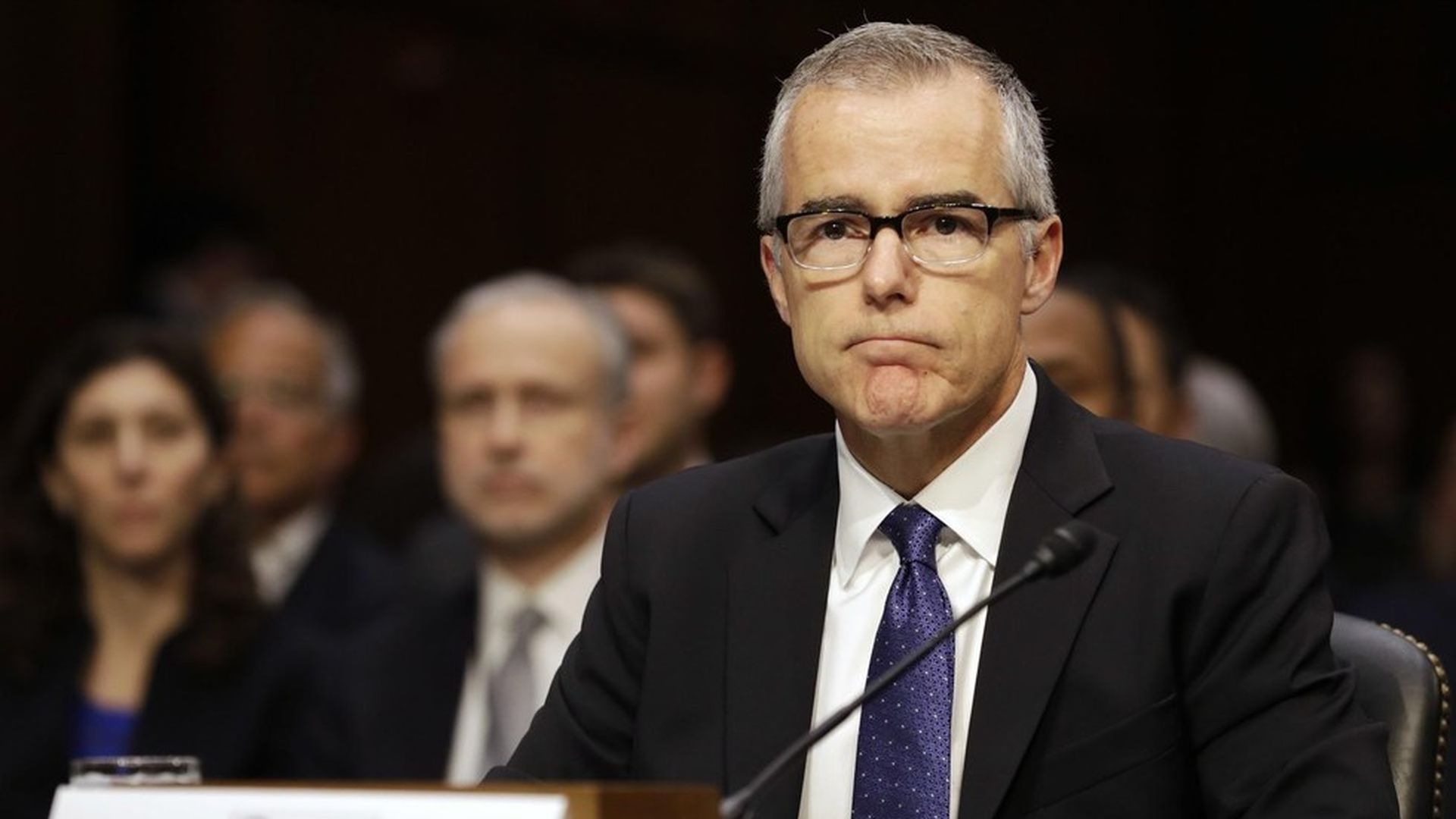
Acting FBI Director Andrew McCabe made headlines this morning during his testimony to the Senate Intelligence Committee regarding the state of the Russia investigation and James Comey's termination.
A steady hand: McCabe's testimony jived precisely with his comments in a Los Angeles Times profile last year, shortly after becoming FBI Deputy Director:
My focus is on the stuff we have done for 100 years and do every day that people never hear about.

Sanders admits she didn't have all the facts on Comey
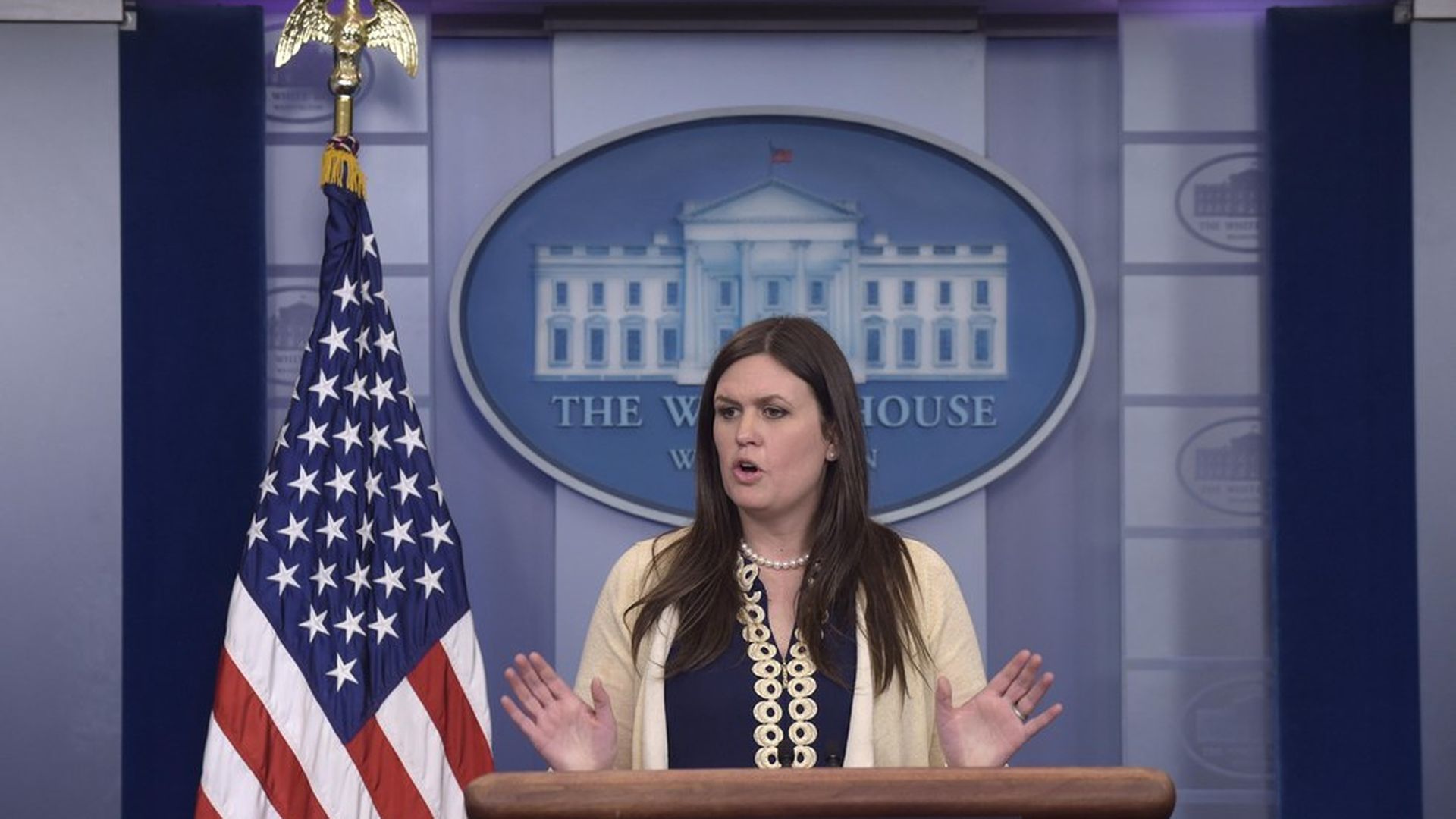
Deputy Press Secretary Sarah Sanders said Thursday that she didn't originally have all of the facts regarding Trump's decision to fire FBI Director James Comey. "I gave you the best information that I had at the moment," she said.
Other takeaways from the White House briefing:
- Why fire Comey now? "There's never a good time to fire someone," said Sanders. "He fired him because he was not fit to do the job."
- On Trump asking Comey if he was under investigation: "I don't see that as a conflict of interest," said Sanders. According to "several legal scholars" it was "not inappropriate" for Trump to do that.
- On pinning the Comey firing on Deputy Attorney General Rod Rosenstein: Sanders said there was never an attempt to do that. "The president makes the decision. The buck stops with him."
20 State AGs want an independent special counsel
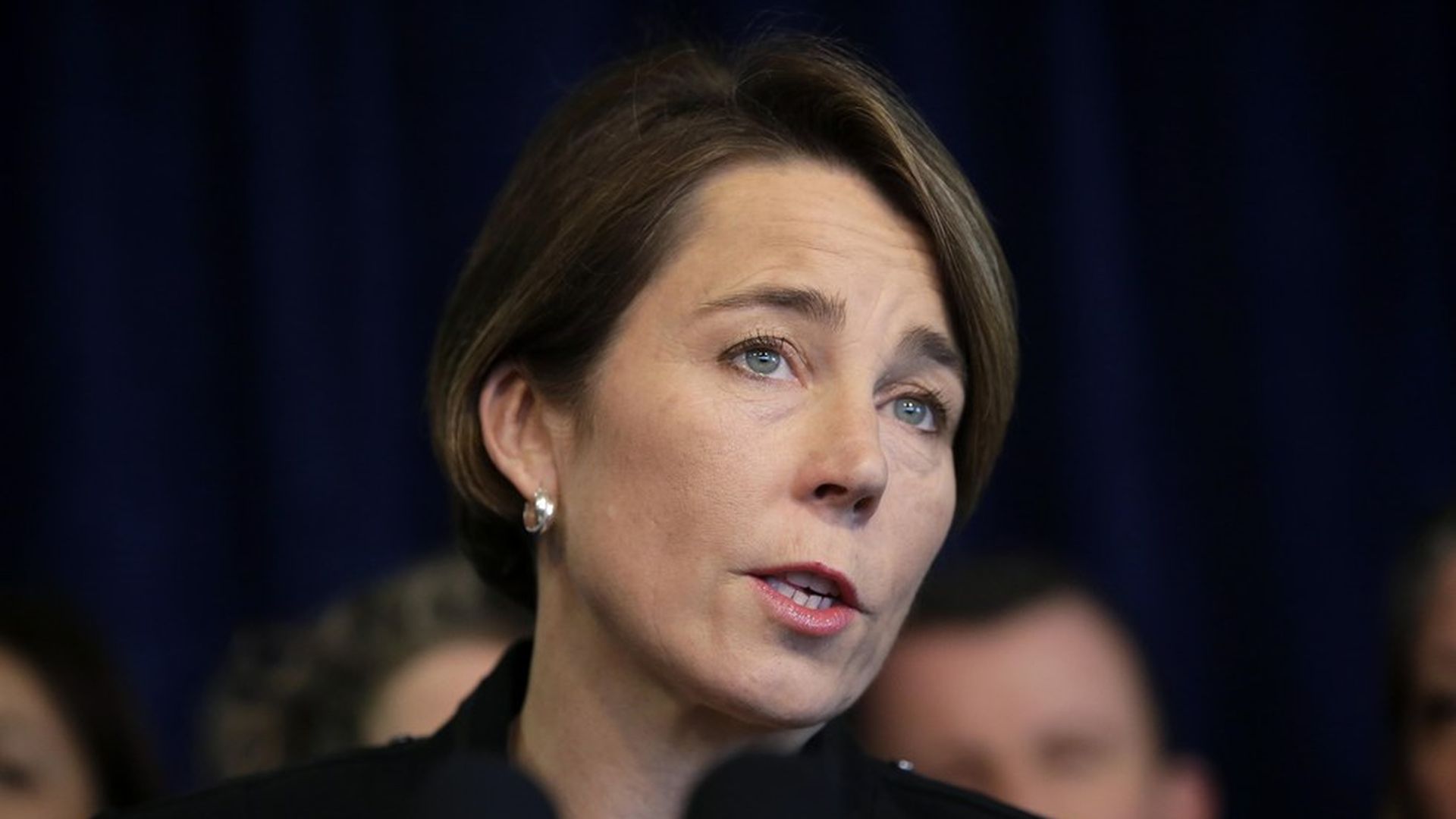
20 state attorneys general penned a letter calling for an independent special counsel to probe Russian interference into the election, as Reuters first reported. This adds to the many calls around Capitol Hill to appoint a special prosecutor in charge of the probe after Trump fired FBI Director James Comey.
They agree that the situation was a "violation of the public trust" and they say it is an attempt by the administration "to derail and delegitimize the investigation." Plus, they want to know if this is a cover-up: "The residents of our states and the American people deserve a thorough investigation that makes clear the extent of Russian meddling, any collusion by Trump campaign officials, and any cover-up."
Track your state: Massachusetts, Connecticut, Maine, New York, Pennsylvania, Rhode Island, Vermont, California, Hawaii, Iowa, Illinois, Maryland, Delaware, the District of Columbia, Minnesota, New Mexico, North Carolina, Oregon, Virginia and Washington.
Trump: I asked Comey if I was under FBI investigation
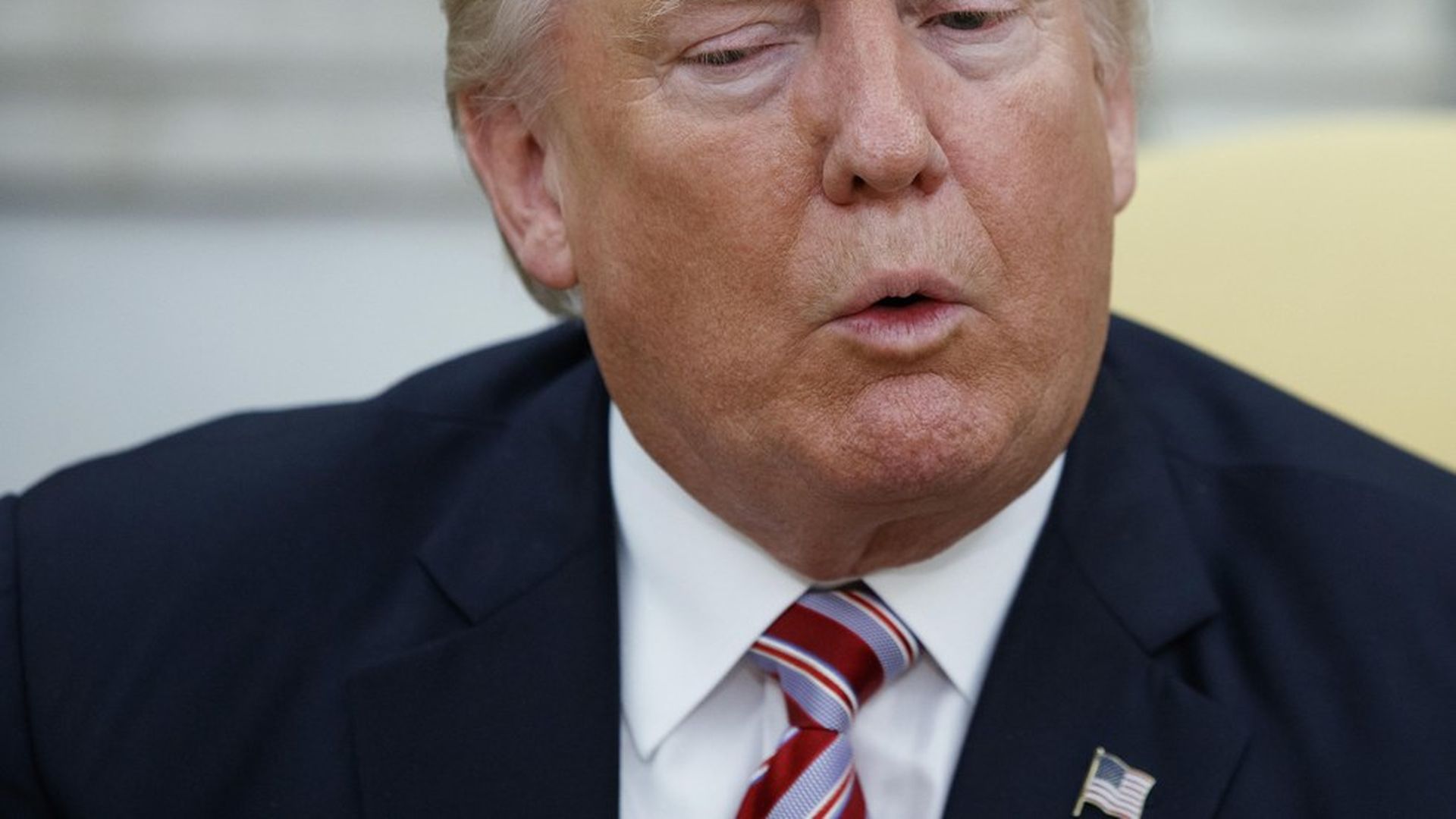
Trump told NBC's Lester Holt he decided to fire James Comey before meeting with Jeff Sessions and Deputy A.G. Rod Rosenstein, contradicting repeated White House statements.
- Trump says Comey told him once at dinner and twice over the phone that he was not under investigation. "I said, 'if it's possible, would you let me know, am I under investigation?'"
- Trump said the dinner came about "because he wanted to stay on" as FBI Director, and he told Comey "we'll see what happens."
- Trump: "I know that I'm not under investigation. Me. Personally. I'm not talking about campaigns, I'm not talking about anything else. I'm not under investigation."
- Does it cross any lines? No, per Pete Williams' sources, who say the conversations would violate no laws.
- Pulling no punches: Trump called Comey a "grandstander" and a "showboat."

Here are the times the dictionary corrected Trump
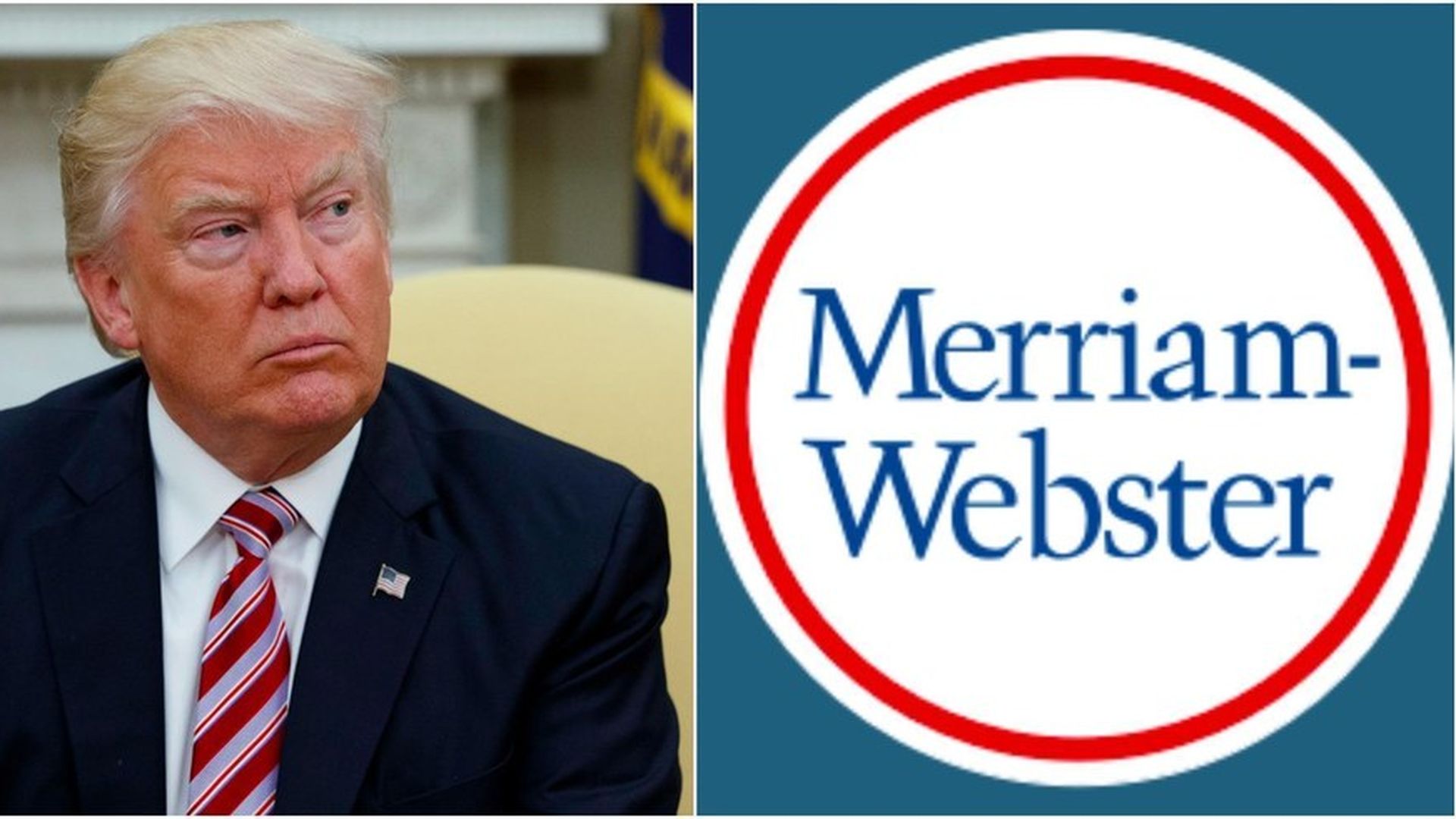
The Merriam-Webster Twitter account has been trolling Trump since the primaries. Just this morning, the account tweeted, "The phrase 'priming the pump' dates to the early 19th century," after Trump claimed to have thought of the phrase himself during an interview with the Economist.
Here are some of the best Trump subtweets from Merriam-Webster to date.
Ex-Congressman Mike Rogers could be FBI Director
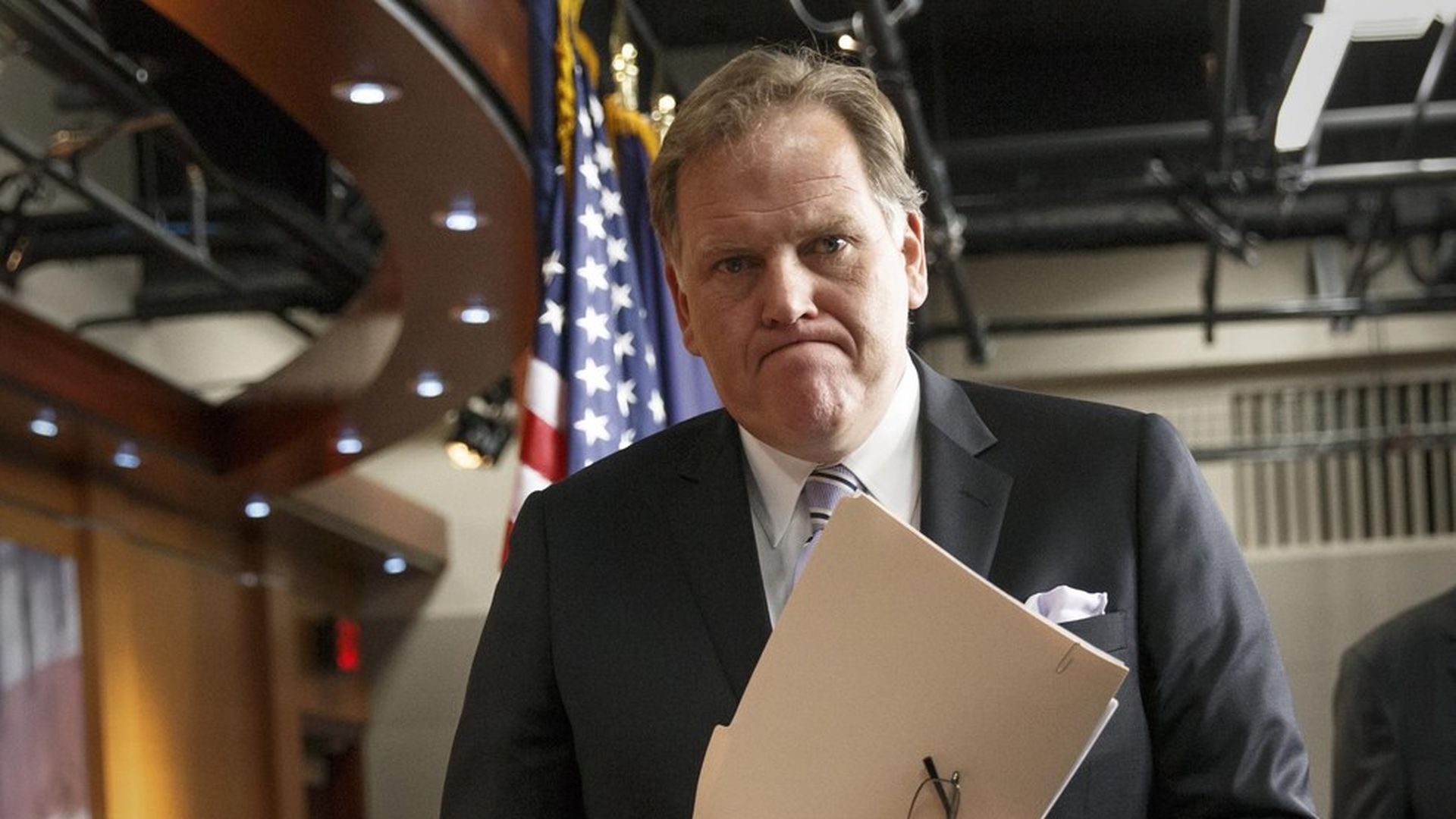
Trump is mulling whether to tap Mike Rogers, a former FBI agent who served as chair on the Intelligence Committee, to step in to serve as FBI Director in Comey's wake, Bloomberg reports and a source with direct knowledge confirmed to Axios. After serving seven terms, Rogers retired from Congress two years ago to pursue talk radio, but you may remember him for his report on the 2012 Benghazi attack.
The Trump connection: Rogers used to advise the Trump transition team on national security issues, which Dems could use against him, arguing it would cloud his investigation of Russia's interference in the election if selected as FBI director. Rogers was asked to leave Trump's transition team around the same time Chris Christie was booted as head of the transition.
Rogers isn't afraid to break from party line: Republicans were not happy with his Benghazi report. Rogers told NPR: "They all...are upset that it didn't find what they wanted to find. And, to me, that tells me I probably got the investigation just about right."
Acting FBI Director: Trump-Russia probe "highly significant"
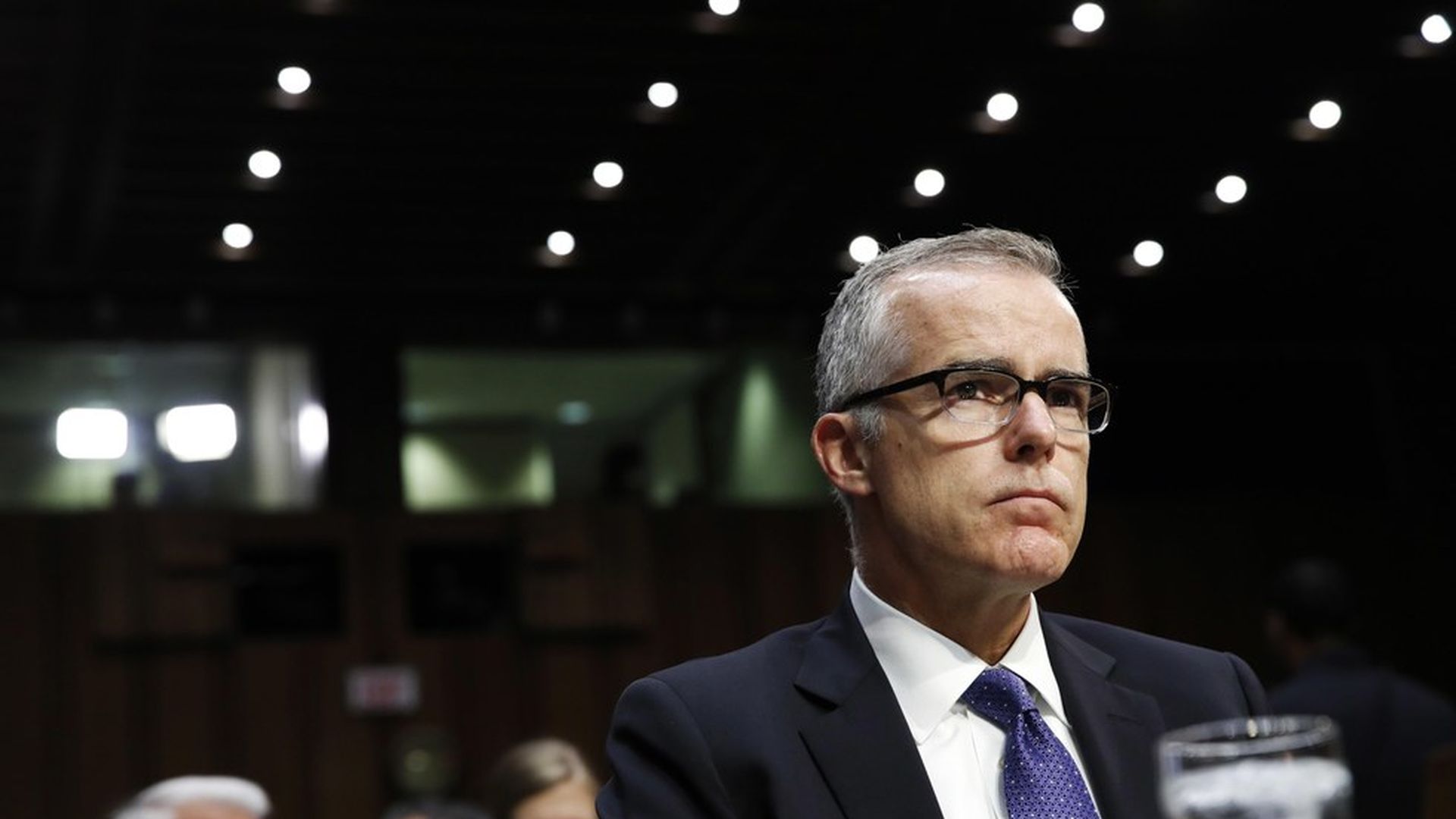
Andrew McCabe, the acting FBI director, told the Senate Intelligence Committee on Thursday that former FBI Director James Comey had not, as the White House said, lost the broad confidence of the bureau's employees:
"I can tell you that I hold Director Comey in the absolute highest regard... It has been the greatest privilege and honor of my professional life to work with him... I can confidently tell you that the vast majority of FBI employees enjoyed a deep and positive connection to [him]," said McCabe.
And a twist: Deputy Attorney General Rod Rosenstein, who penned the memo recommending Comey's termination, showed up in the hearing room for an apparently unscheduled meeting, causing the abrupt departure of Chairman Richard Burr and Vice Chairman Mark Warner.

Twitter CEO: Trump tweets are "really important"
Twitter CEO Jack Dorsey doesn't buy critics' arguments that his company gives President Trump a huge platform to blast out often-controversial tweets, he said on NBC News' "Sunday Today with Willie Geist" that will air Sunday.
I believe it's really important to hear directly from our leadership. And I believe it's really important to hold them accountable. And I believe it's really important to have these conversations out in the open, rather than have them behind closed doors. So if we're all to suddenly take these platforms away, where does it go? What happens? It goes in the dark. And I just don't think that's good for anyone.
Censorship claims: Meanwhile, Mashable reports that Donald Trump, Jr. accused Twitter of censorship after one of his tweets was not visible to some. "I don't think there is anything remotely controversial or offensive about the truth here and yet it seems @twitter decided to at least partially censor the tweet," Trump Jr. wrote in his Instagram caption about a tweet about an Obamacare news story. As Mashable explained, Twitter users can flag potentially inappropriate tweets and Twitter staff will review the content and decide if it requires a warning message — which appears to be the process playing out in this case.

White House launching election fraud investigation
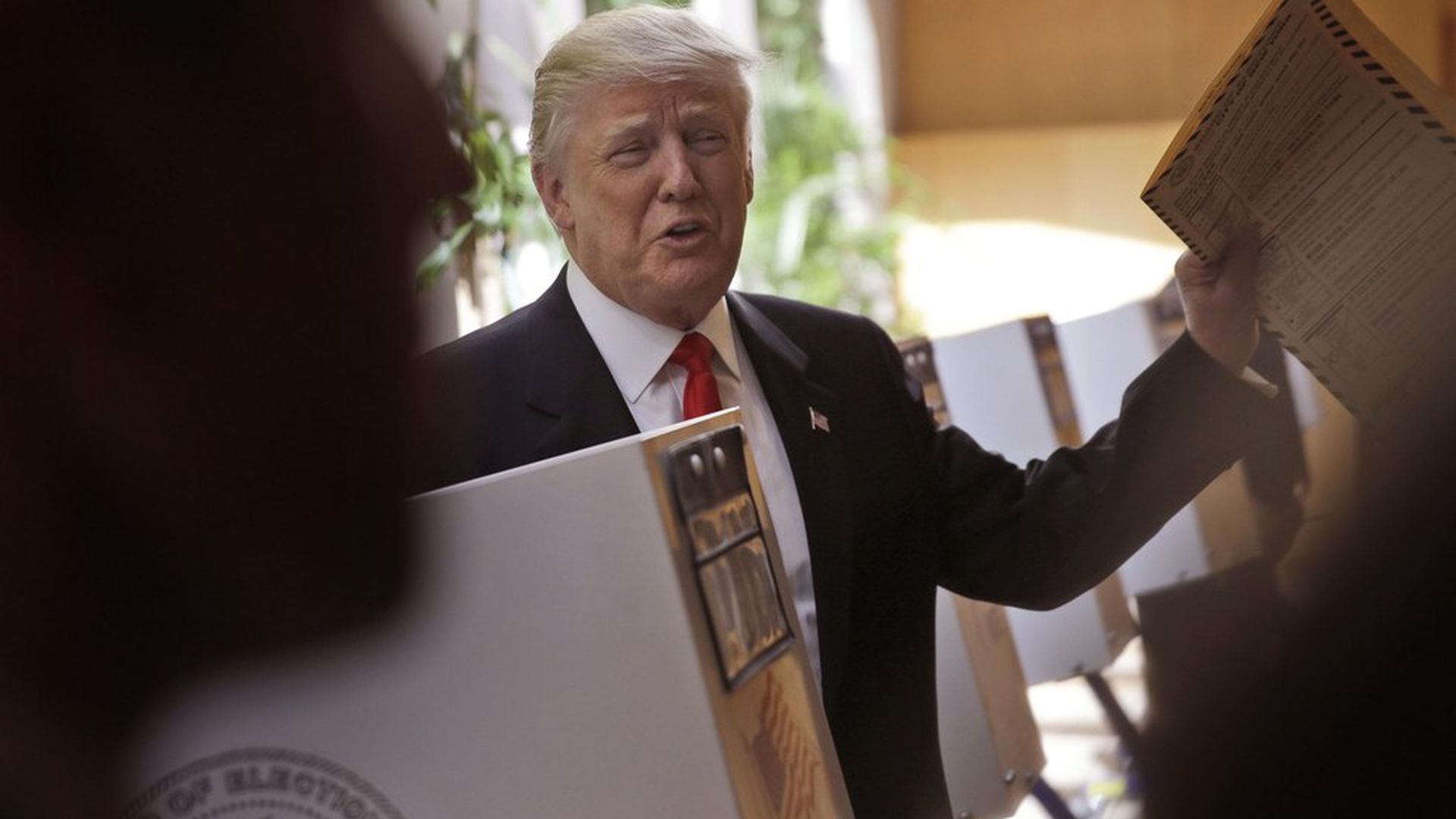
Trump will sign an executive order today officially launching a commission to investigate his claims of rampant voter fraud and voter suppression in the 2016 election. ABC News reported it first, followed by AP.
The commission: "Presidential Commission on Election Integrity," reportedly led by VP Mike Pence and Kansas Secretary of State Kris Kobach. The commission will be made up of various Republican and Democratic representatives.
What they're investigating: Administration officials were vague about the details when speaking with ABC. They said it will be "broad in scope," addressing "systemic issues that have been raised over many years in terms of the integrity of the elections," and not just the 2016 election.
Senate Republican: Replace Comey with Merrick Garland
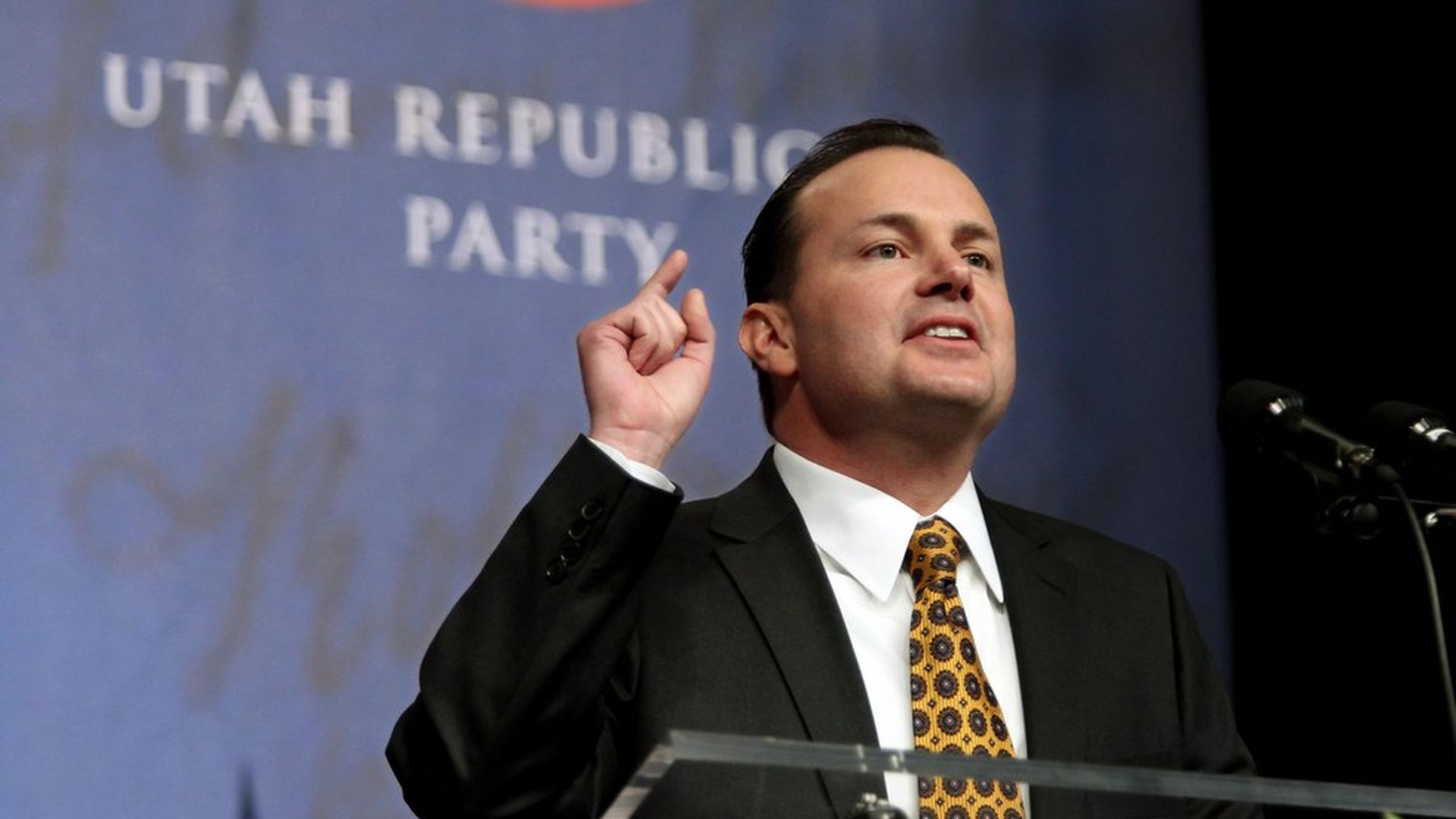
Senator Mike Lee (R-UT) offered President Trump some surprising advice Wednesday morning, tweeting that he thinks Trump should nominate Judge Merrick Garland — former President Barack Obama's last nominee to the Supreme Court — to be the new FBI Director.
On the Twitters: Politico's Seung Min Kim tweeted that Lee's spokesperson told her the senator "has raised his Garland proposal with White House officials."
Other potential replacements: Axios' Alexi McCammond has listed the 7 people who could potentially replace James Comey.
Trump defines "Trumponomics" for The Economist
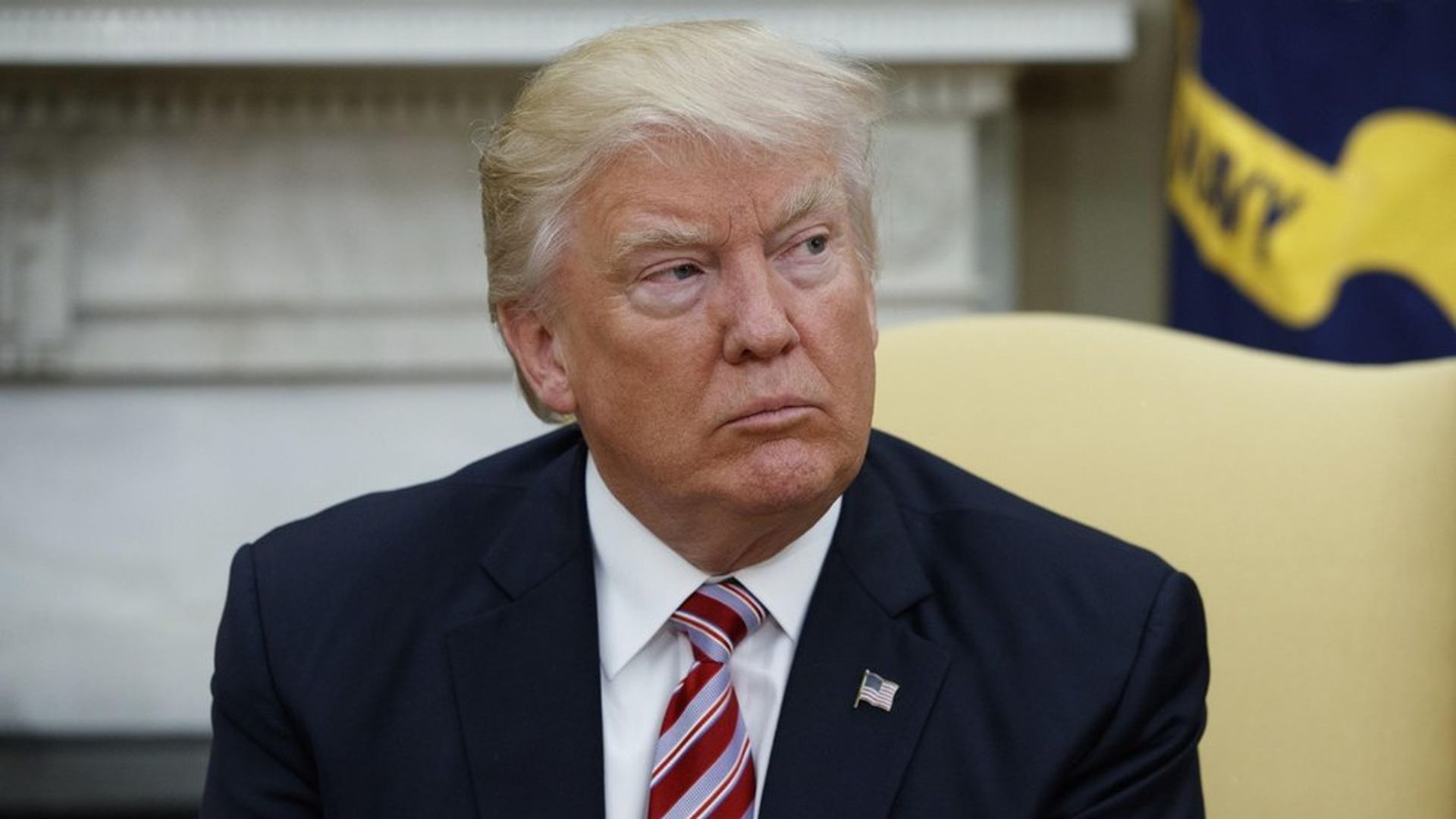
President Trump sat down with The Economist last week to talk trade, immigration, taxes, and health care. The complete transcript is absolutely fascinating (hint: Vice President Pence makes a surprise appearance).
His definition of "Trumponomics": "It has to do with trade deals that have to be fair, and somewhat reciprocal, if not fully reciprocal. And I think that's a word that you're going to see a lot of, because we need reciprocality in terms of our trade deals … I'm absolutely a free-trader. I'm for open trade, free trade, but I also want smart trade and fair trade."
On the phrase "priming the pump": "Have you heard that expression used before? Because I haven't heard it. I mean, I just… I came up with it a couple of days ago and I thought it was good."

Trump puts agenda, presidency at risk
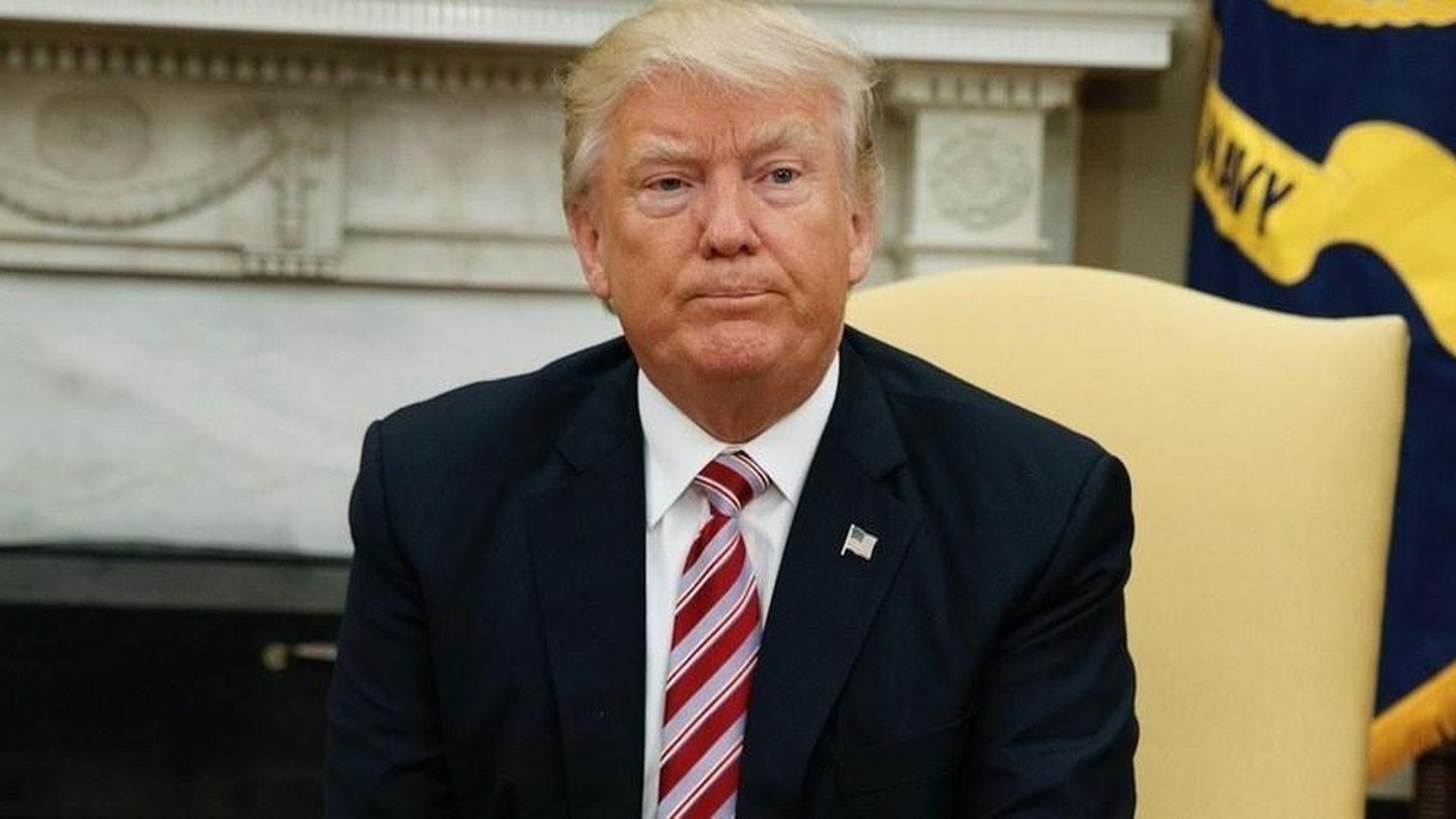
The answers to why Trump canned Comey are becoming clear: The president was filled with grievance about the FBI probe and acted on impulse without clearly thinking through the fallout, numerous sources tell me.
The consequences are also becoming clear: This one quick decision put everything at unnecessary risk, from his legislative agenda to his public standing — and potentially his presidency.
"It is a debacle," said one Republican in constant touch with the West Wing. "They got everything — timing, rationale, reaction — completely wrong."
The fallout from Trump firing Comey has only just begun
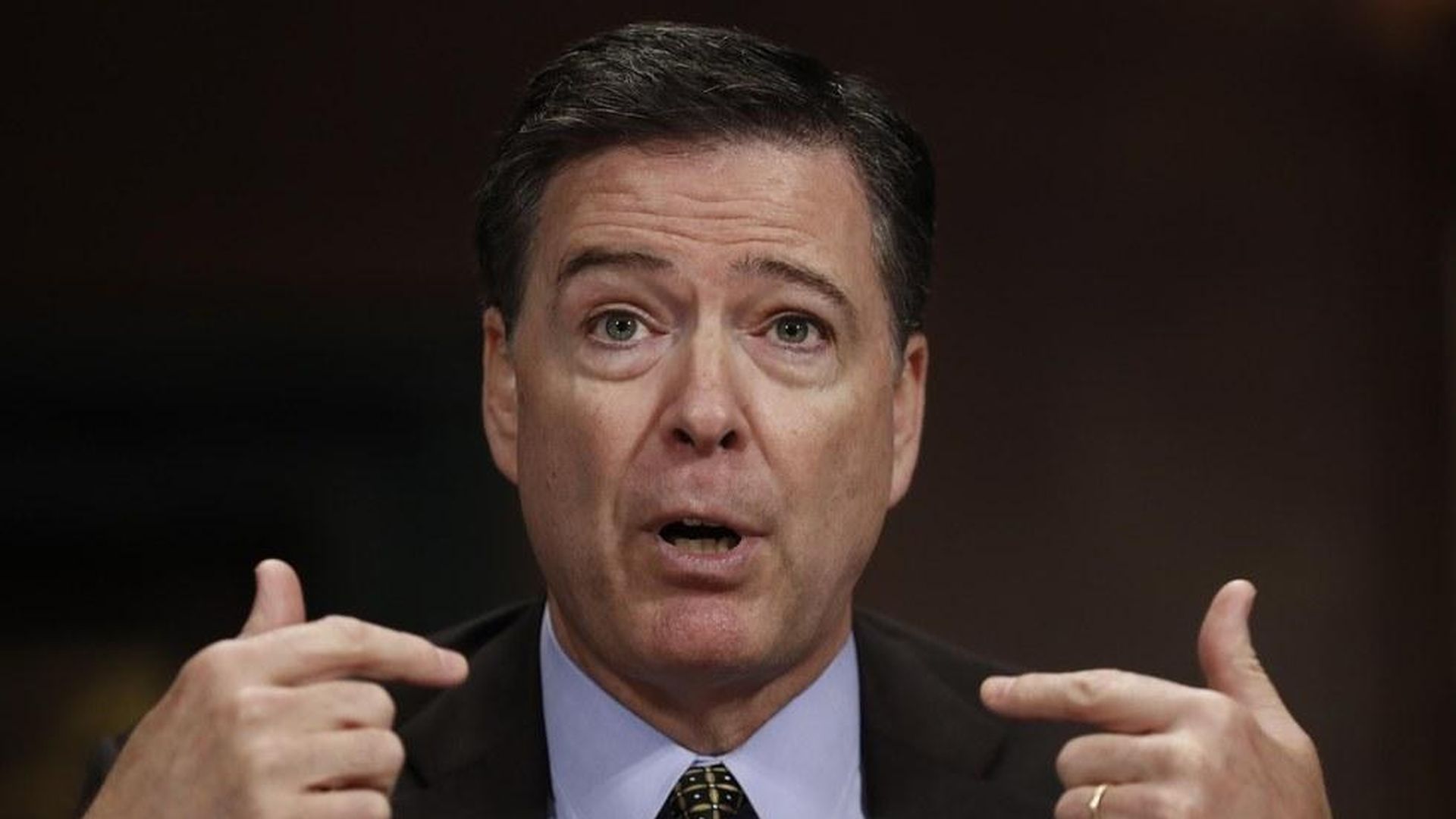
Trump on Comey: "infuriated" ... "white hot" ... "enraged ... fuming about Russia" ... "impatient with what he viewed as his sanctimony" ... "There was 'something wrong with' Mr. Comey, he told aides."
Blows massive hole in White House account — WashPost's Philip Rucker, Ashley Parker, Sari Horwitz and Robert Costa: Deputy Attorney General Rod Rosenstein "threatened to resign after the narrative emerging from the White House on Tuesday evening cast him as a prime mover of the decision to fire Comey and that the president acted only on his recommendation."

Roger Stone to Trump: I'm not the source on Comey stories
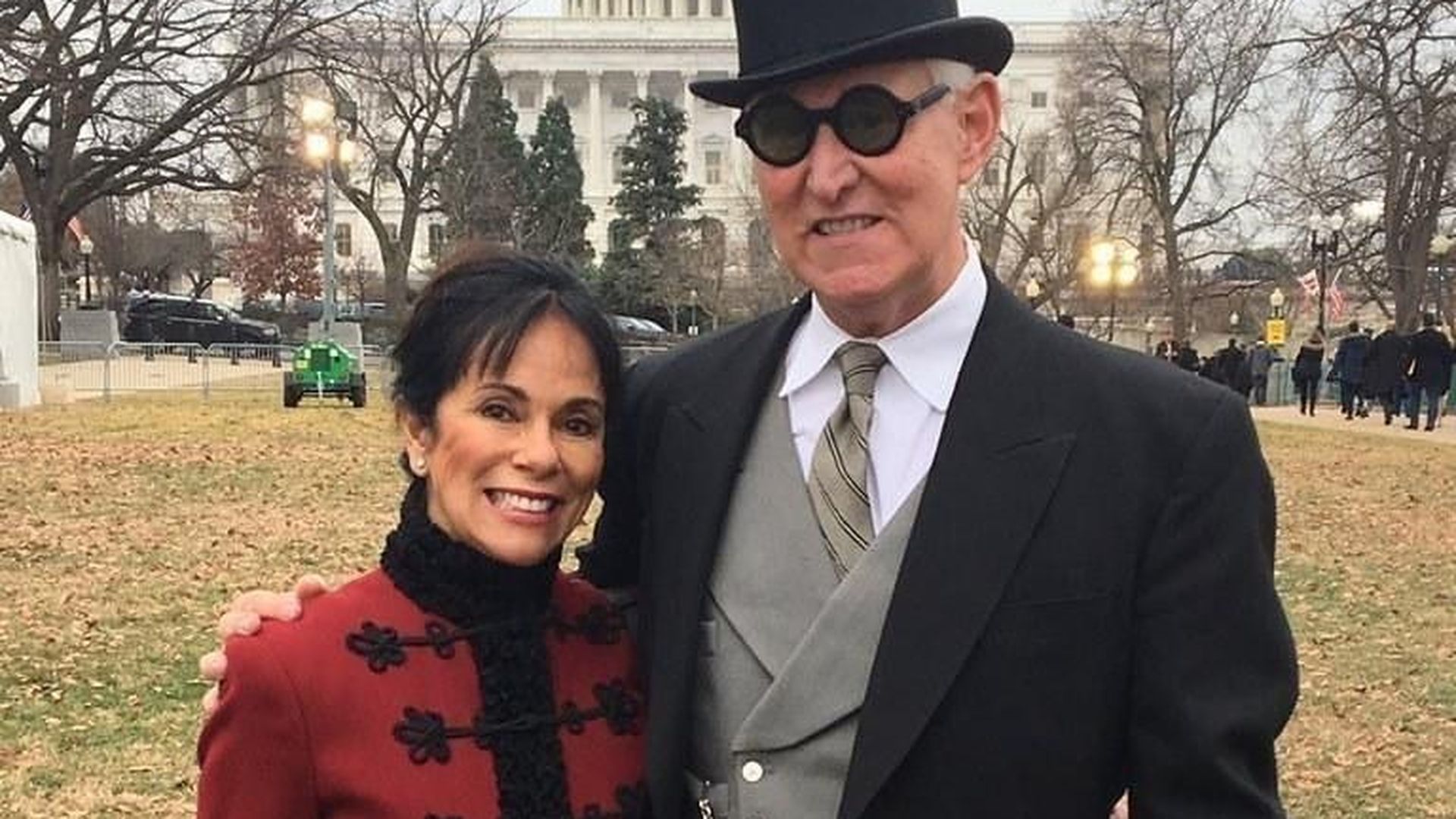
Roger Stone is joining Donald Trump in swearing that he had nothing to do with pushing for the firing of FBI Director James Comey.
Why Stone is speaking out: CNN, Politico and the NYT all reported that he was part of Trump's decision.
As the Times put it in a story last night: "Roger J. Stone Jr., a longtime informal adviser to Mr. Trump who has been under F.B.I. scrutiny as part of the Russia inquiry, was among those who urged the president to fire Mr. Comey, people briefed on the discussions said."
Stone's quote: "With all due respect to the President, I am not the source of the New York Times, Politico or CNN stories and have never claimed I convinced the President to fire FBI Director Comey. Both Politico and the Times claim to have multiple credible sources for their reports. I offered no comment."

Why Trump fired Comey
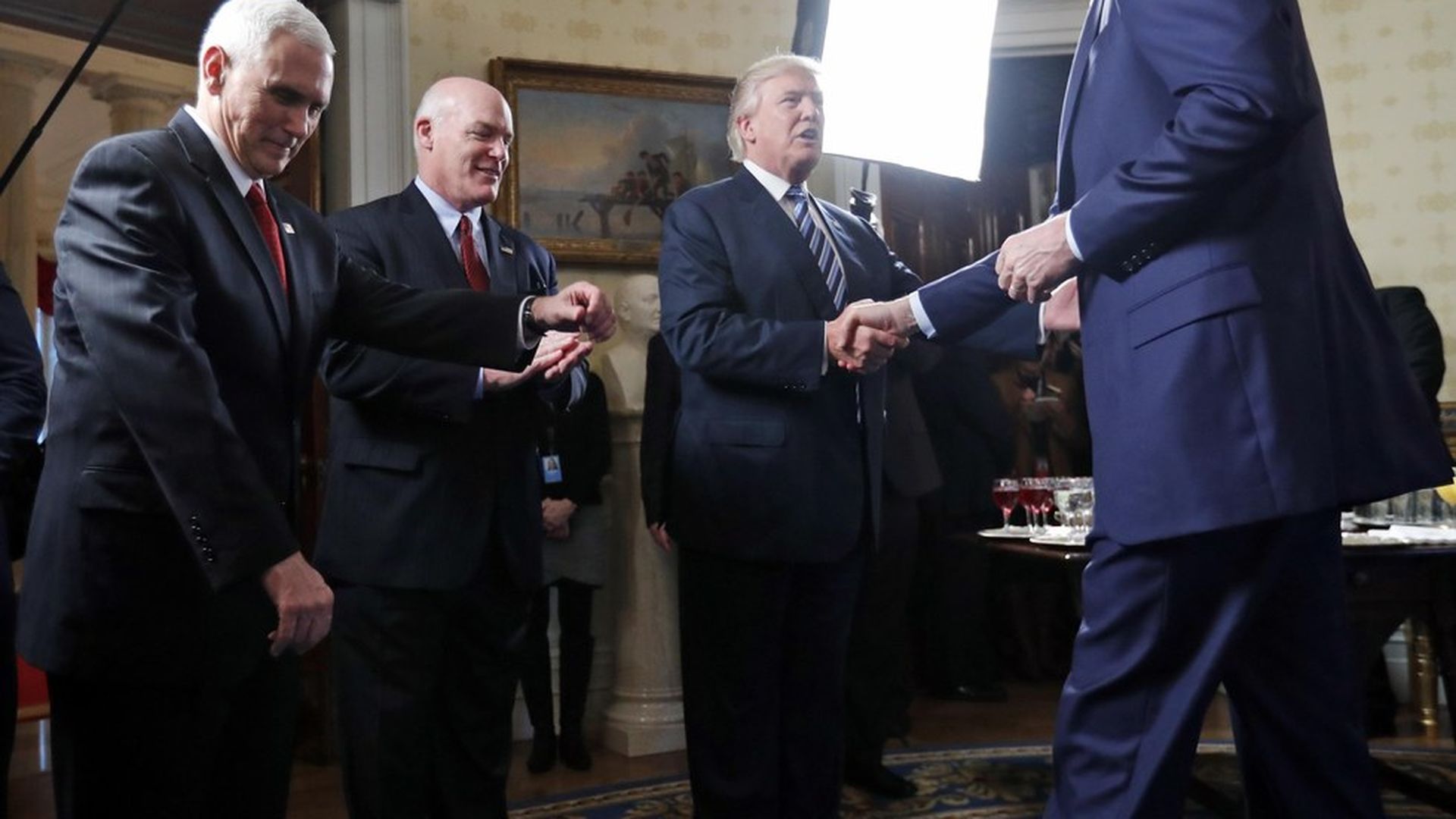
Details are being filled in on how and why President Trump decided to fire James Comey:
- Washington Post: Trump was "increasingly agitated" by Comey's statements drawing attention to the Russia probe, "angry" that Comey wouldn't investigate leaks or his wiretapping claims and had "long questioned Comey's loyalty and judgement."
- NY Times: Trump openly talked about firing Comey for a week — eventually coming up with a plan while watching the Sunday shows at Bedminster. Pence, McGahn and Kushner were on board, Priebus and Bannon more resistant.
- CNN's Jake Tapper: "Comey's refusal to provide the president of any sort of assurance of personal loyalty," and his acceleration of the Russia probe.
- WSJ: Beginning about three weeks ago, Comey started receiving daily instead of weekly updates on the Russia investigation as he became increasingly "concerned by information showing possible evidence of collusion."
- Axios' Jonathan Swan: This was a POTUS-driven decision. Staff had almost zero impact, and the vast majority learned about it on TV.
Full coverage: Comey's farewell letter, the Russia probes, Flynn subpoenas, where the staff stood, money laundering investigated, Russia/Trump links, Schumer on prosecutor, Comey invited to testify, bizarre scenes, the WH scramble.