Thursday's health stories

Many policies targeting alcohol use during pregnancy don't work: study

Policies intended to discourage or criminalize drinking while pregnant have no effect on infant health, or in some cases can actually be harmful, a new JAMA Network Open study finds.
Why it matters: The study is the latest research supporting evidence that criminalizing alcohol and drug use during pregnancy is leading to worse outcomes among newborns, experts say.
- "Unfortunately, these pregnancy-specific alcohol policies — all of the ones we look at — none of them seem to do anything consistently good for babies," said study author Sarah Roberts, a professor at the University of California, San Francisco.

CDC endorses first RSV shot for all infants

The Centers for Disease Control on Thursday adopted an expert panel's recommendation to administer an antibody shot to protect infants against respiratory syncytial virus.
Why it matters: The $495 shot becomes the first in the U.S. to protect all infants from RSV, the most common cause of hospitalization of children under the age of 1 in the U.S.

Doctors say insurers are ignoring orders to pay surprise billing disputes

Insurers are sometimes ignoring rulings to pay providers, or failing to pay them in full, under the arbitration system established by the new federal surprise billing law, providers tell Axios.
Why it matters: The No Surprises Act, a bipartisan effort to limit unexpected out-of-network medical bills, required that insurers and providers undergo an independent arbitration process to settle their differences without involving patients. The complaints from providers are the latest snag with the arbitration system that launched last year.
Biden aims to diversify research ranks with cancer moonshot awards

The Biden administration is committing $5.4 million to support a cohort of 11 "cancer moonshot scholars" in a new early career fellowship aimed at building a more diverse cancer research workforce, officials told Axios first.
Why it matters: The National Cancer Institute-led program is part of President Biden's "unity agenda" aimed at cutting the cancer death rate in half over 25 years.

Axios Speed Read: Peter Attia's new book on living longer
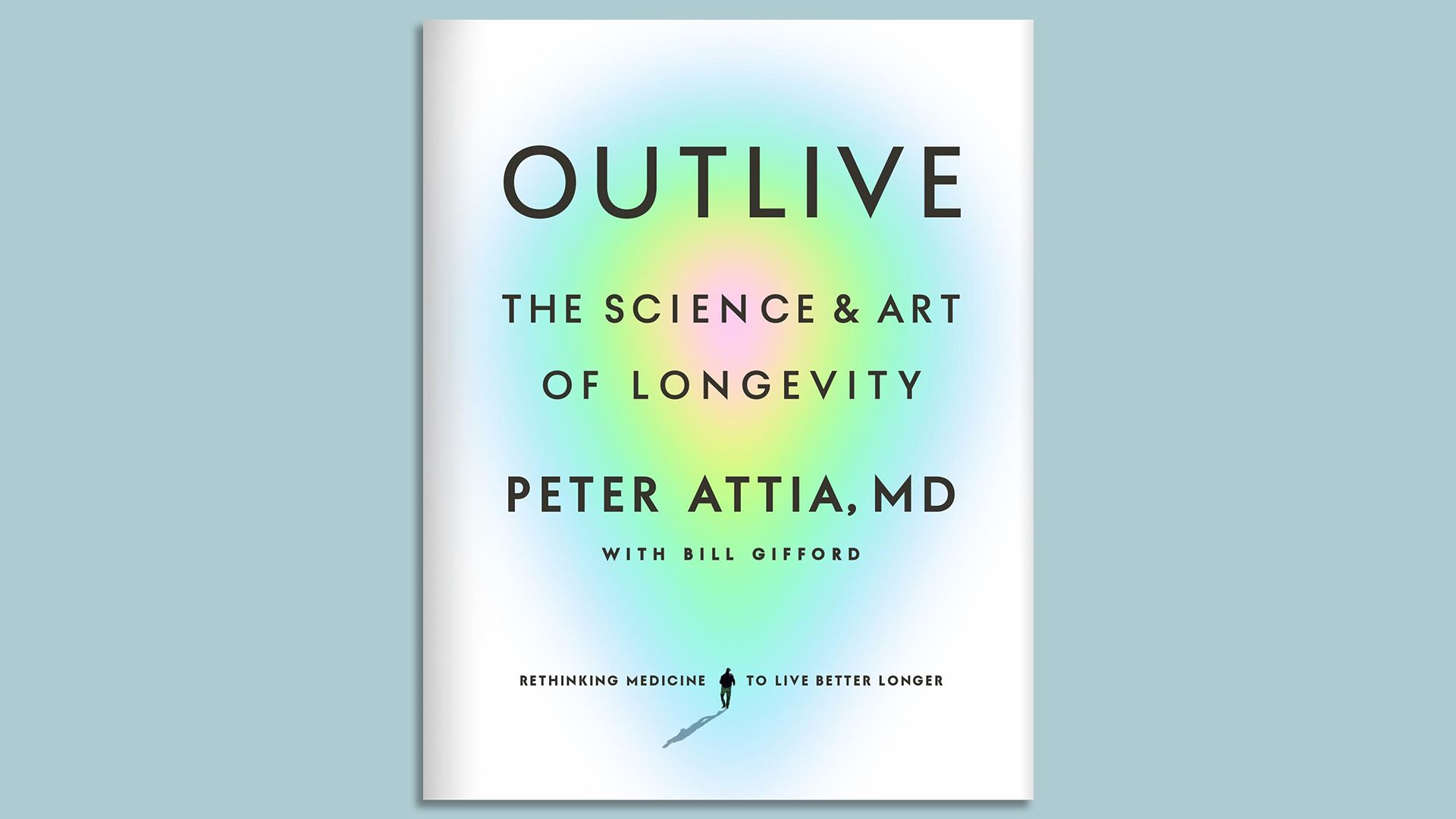
I'm going to start bringing you Smart Brevity™ versions of books I find worthy of your time.
Zoom in: "Outlive: The Science & Art of Longevity," by Peter Attia, M.D., is getting tons of buzz, and has spent 18 weeks on the N.Y. Times bestseller list (no. 2 for hardcover nonfiction in the list for Aug. 13).
Uninsured rate hit record low in early 2023, CDC says

The uninsured rate hit an all-time low in early 2023 with just 7.7% of Americans without health coverage, new data from the CDC's National Center for Health Statistics show.
Yes, but: Medicaid disenrollments that accompanied the end of the COVID-19 public health emergency could quickly throw that trend in reverse.

It's good for your health: Be a better neighbor

A Mister Rogers-like approach to being a neighbor could be good for you.
Why it matters: The U.S. is experiencing an epidemic of loneliness, and studies suggest that cultivating better relationships with the people who live nearby is crucial for your happiness.

Alabama women's health researcher picked to head NIH's infectious disease work
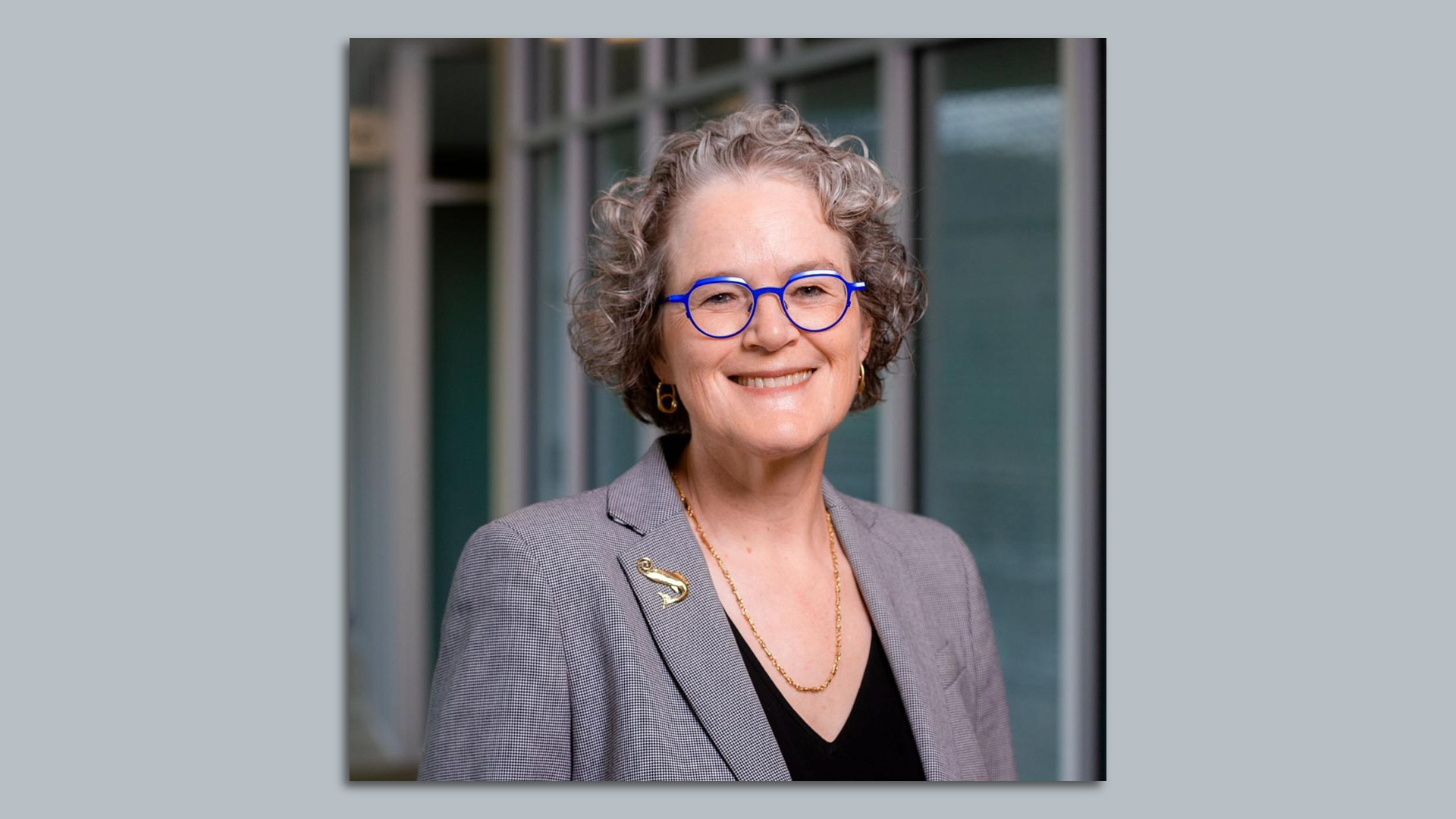
A noted reproductive health researcher at the University of Alabama at Birmingham will succeed Anthony Fauci as director of the National Institute of Allergy and Infectious Diseases this fall.
What's happening: Jeanne Marrazzo was selected Wednesday to head the $6.3 billion institute, which is part of the National Institutes of Health and served as a key research hub during the HIV/AIDS epidemic and COVID-19 pandemic.
- Marrazzo is currently director of the Division of Infectious Diseases at the University of Alabama at Birmingham. Her work has focused on female reproductive tract infections and hormonal contraception, prevention of HIV and antibiotic resistance in gonorrhea.
Catch up quick: Fauci retired in December after leading NIAID since 1984 and is now a distinguished professor at Georgetown University. Hugh Auchincloss, Fauci's longtime deputy, had been serving as acting director.
- Congressional Republicans have cast a spotlight on the institute's work since taking control of the House, specifically how it oversees research on pathogens that can cause pandemics.
- President Biden's fiscal 2024 budget proposed only a small funding increase for NIH, leaving it without a clear-cut champion for more money next year. The nomination of Biden's pick to lead NIH, Monica Bertagnolli, is also facing headwinds.
What they're saying: "Dr. Marrazzo brings a wealth of leadership experience from leading international clinical trials and translational research, managing a complex organizational budget that includes research funding and mentoring trainees in all stages of professional development," said NIH interim director Lawrence Tabak.
Fauci praised Marrazzo on CNN but added she'll face a complicated set of emerging diseases and "a very divisive political setting, where there's been an unfortunate politicization of some of the science."
Medicare could save billions covering obesity meds: study

Medicare coverage of obesity drugs could save taxpayers as much as $245 billion over a decade by reducing demand for hospital care and skilled nursing, according to new research from the USC Schaeffer Center for Health Policy and Economics.
Why it matters: The study attempts to put a price tag on the public health benefits from expanding coverage as a new class of obesity drugs hits the market.

Public health crises collide in new chemical regulation

Medical device makers and health care providers want to move away from using a likely carcinogenic gas to sterilize devices — but they say it's not that simple.
Why it matters: Because eliminating ethylene oxide is expected to take so long, federal regulators must weigh the risks and benefits of using the chemical, also known as EtO, at its current scale — and stakeholder groups are at odds over the right path forward.
Where it stands: FDA in April announced a radiation sterilization pilot program to incentivize companies to find better ways to sterilize medical devices.
- FDA has launched other initiatives to reduce EtO reliance, including one program that has allowed some facilities to cut emissions as much as 35%, the agency said.
- But no alternatives can sterilize devices at the scale of EtO at this point, according to the agency.
The process of finding new sterilization methods shouldn't be rushed, said AdvaMed CEO Scott Whitaker.
- "We're better off taking our time and getting the science right rather than rushing to something," Whitaker told Axios.
- Industry groups feel there's a clear path forward. "EPA's estimated health risks are based on maximum emission levels for hypothetical and unlikely exposure scenarios; permanent and fatal outcomes to actual people can happen in minutes without adequate medical supplies," the Medical Device Manufacturers Association wrote in a comment letter to EPA.
The other side: Consumer and environmental advocates say industry should've expected EPA's regulations, and the rules provide more than enough time to come into compliance with new standards.
- In fact, EPA should shorten its proposed 18-month compliance timeline in final EtO regulations, a group of Democratic lawmakers wrote to the agency last month.
- Illinois passed a law in 2019 requiring sterilization facilities to greatly reduce their EtO emissions. Facilities that fail emissions tests must close and get state approval before reopening.
- The state "has demonstrated that there are steps companies can take to make sure to continue operating and make sure that the air their employees and their neighbors are breathing is safe," Rep. Brad Schneider told Axios.
- Illinois temporarily shut down a sterilization facility in 2019 over EtO emissions concerns, resulting in the shortage of a particular breathing tube for children. But that's after FDA had warned that 594 types of medical equipment could be in short supply because of the shutdown. The facility permanently closed later that year.
The bottom line: EtO regulation highlights the importance — and difficulty — of solving one public health issue without creating another one.
- The trade-offs presented by EtO are "not unusual in the complex nature of delivering health care," said Nancy Foster, vice president for quality and patient safety policy at the American Hospital Association.
- "You have to take what you've got now, think about how to make it safer as is, and think about what alternative might be developed that would be even safer beyond that," she added.

Allurion, maker of weight loss balloons, goes public

Allurion Technologies, a Massachusetts-based maker of swallowable gastric balloons, today will go public on the New York Stock Exchange.
Why it matters: Anti-obesity is health care's new big thing, thanks to the popularity of new drugs like Ozempic, after a long history of most prescribed treatments being behavioral.
Pfizer signals future cuts amid waning COVID demand

Pfizer says it's eyeing possible cost-cutting measures to manage potential losses from low uptake of its COVID-19 vaccine and antibody treatment — a sign of how the market for COVID products has weakened, even as hospitalizations and cases tick up again.
Why it matters: The pharmaceutical giant's disclosure on a quarterly earnings call Tuesday reflects both the public's apathy for booster shots and declining support from governments for its COVID products.

Giving birth in America continues to get deadlier

It's becoming ever more dangerous to give birth in America, especially for Black women, older women and those living in rural areas, according to a pair of new reports from March of Dimes and Milken Institute.
Why it matters: The dismal U.S. maternal health statistics are usually a sidebar in the abortion wars, but many experts believe that increasing the number of births by further restricting access to abortion will only worsen the situation.