A recent uptick in COVID-19 cases and hospitalizations is hinting at how the virus will keep raising a predictable seasonal threat. But experts warn the U.S. is lacking critical tools to help manage future waves.
The big picture: Infection levels are still relatively low, and immunity from prior infections and vaccinations means the virus is unlikely to reach the same high levels seen during past fall and winter waves.
But that's only if the new treatments don't get caught up in broader vaccine skepticism — or just cause confusion by expanding childhood immunization options.
Almost half of adults (45%) say they would be interested in taking a prescription weight-loss drug, but interest sharply waned after being told of possible drawbacks, a new survey from KFF finds.
Why it matters: With the rise of a new class of drugs that helps people lose weight, like Novo Nordisk's Wegovy, most adults have heard about their development but are not yet comfortable with how they could be used.
Policies intended to discourage or criminalize drinking while pregnant have no effect on infant health, or in some cases can actually be harmful, a new JAMA Network Openstudy finds.
Why it matters: The study is the latest research supporting evidence that criminalizing alcohol and drug use during pregnancy is leading to worse outcomes among newborns, experts say.
"Unfortunately, these pregnancy-specific alcohol policies — all of the ones we look at — none of them seem to do anything consistently good for babies," said study author Sarah Roberts, a professor at the University of California, San Francisco.
The Centers for Disease Control on Thursday adopted an expert panel's recommendation to administer an antibody shot to protect infants against respiratory syncytial virus.
Why it matters: The $495 shotbecomes the first in the U.S. to protect all infants from RSV, the most common cause of hospitalization of children under the age of 1in the U.S.
Why it matters: The No Surprises Act, a bipartisan effort to limit unexpected out-of-network medical bills, required that insurers and providers undergo an independent arbitration process to settle their differences without involving patients. The complaints from providers are the latest snag with the arbitration system that launched last year.
The Biden administration is committing $5.4 million to support a cohort of 11 "cancer moonshot scholars" in a new early career fellowship aimed at building a more diverse cancer research workforce, officials told Axios first.
Why it matters: The National Cancer Institute-led program is part of President Biden's "unity agenda" aimed at cutting the cancer death rate in half over 25 years.
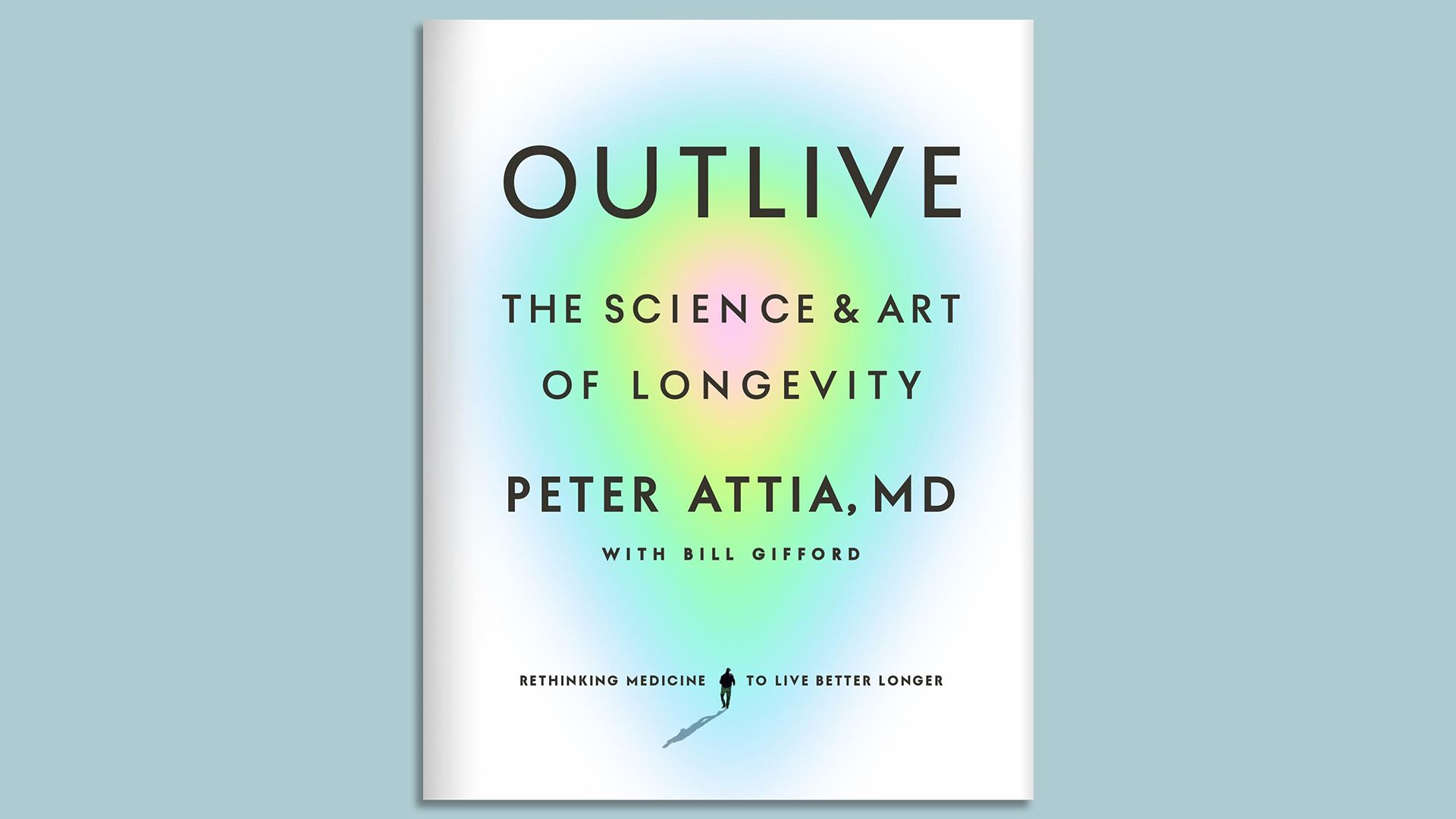
I'm going to start bringing youSmart Brevity™ versions of books I find worthy of your time.
Zoom in: "Outlive: The Science & Art of Longevity," by Peter Attia, M.D., is getting tons of buzz, and has spent 18 weeks on the N.Y. Times bestseller list (no. 2 for hardcover nonfiction in the list for Aug. 13).
The uninsured rate hit an all-time low in early 2023 with just 7.7% of Americans without health coverage, new data from the CDC's National Center for Health Statistics show.
Yes, but: Medicaid disenrollments that accompanied the end of the COVID-19 public health emergency could quickly throw that trend in reverse.
A Mister Rogers-like approach to being a neighbor could be good for you.
Why it matters: The U.S. is experiencing an epidemic of loneliness, and studies suggest that cultivating better relationships with the people who live nearby is crucial for your happiness.