About half of the world's population "can expect to develop" at least one type of mental disorder by the time they are 75 years old, according to a new study published in the scientific journal The Lancet Psychiatry.
Why it matters: The number of Americans experiencing mental health challenges has risen in recent years, particularly during the pandemic. The study finds evidence that certain disorders — such as depression and addiction — are also on the rise at the global level.
If you see a tick, experts say not to crush it. But you might want to flush it.
Why it matters: Some ticks have hard shells that protect them from being crushed — such as the black-legged tick that can transmit Lyme disease — and touching a tick can increase your exposure to infectious material, says Dr. Paul Mead, CDC chief in the National Center for Emerging Zoonotic Infectious Diseases.
A recent uptick in COVID-19 cases and hospitalizations is hinting at how the virus will keep raising a predictable seasonal threat. But experts warn the U.S. is lacking critical tools to help manage future waves.
The big picture: Infection levels are still relatively low, and immunity from prior infections and vaccinations means the virus is unlikely to reach the same high levels seen during past fall and winter waves.
But that's only if the new treatments don't get caught up in broader vaccine skepticism — or just cause confusion by expanding childhood immunization options.
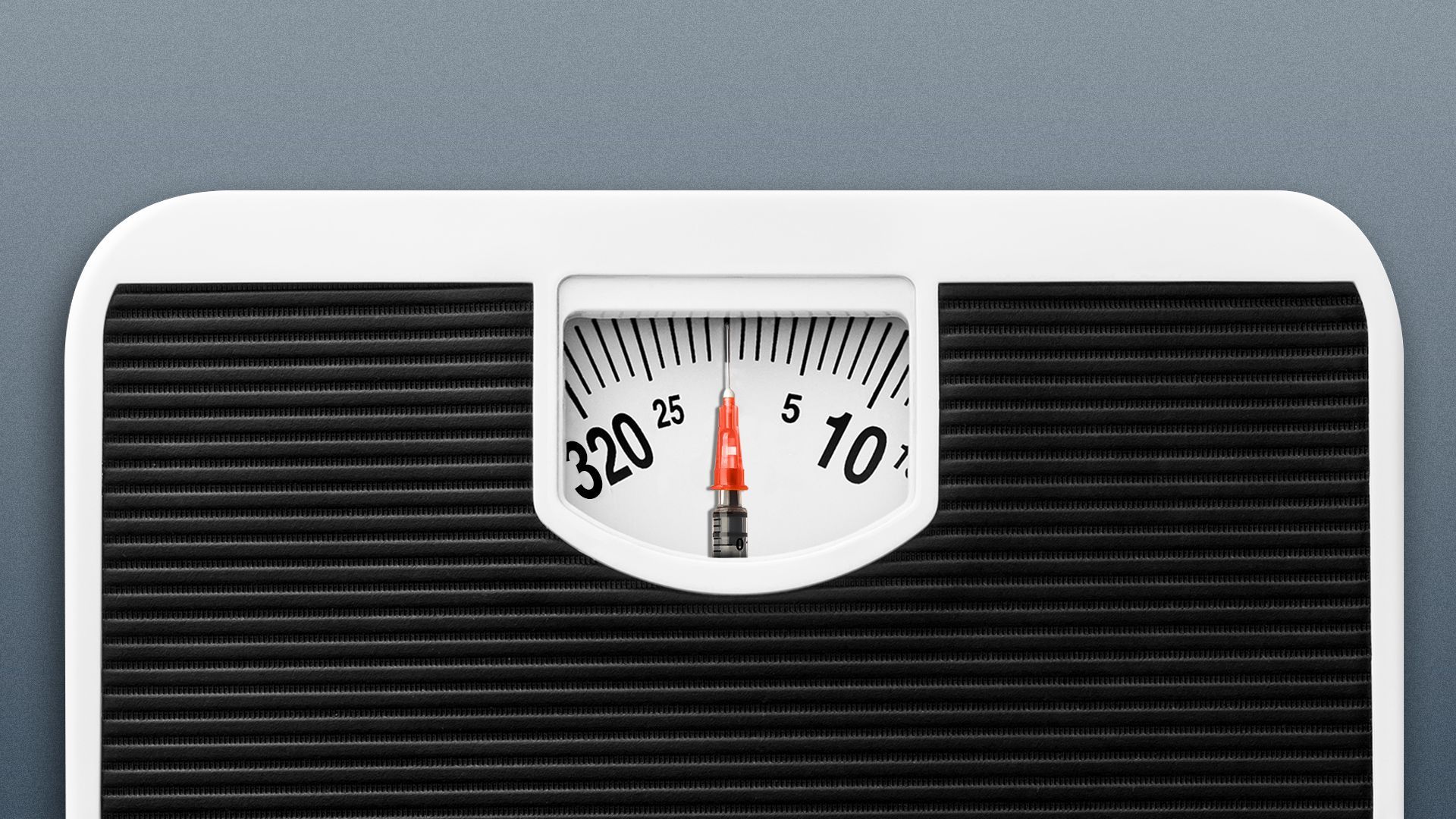
Almost half of adults (45%) say they would be interested in taking a prescription weight-loss drug, but interest sharply waned after being told of possible drawbacks, a new survey from KFF finds.
Why it matters: With the rise of a new class of drugs that helps people lose weight, like Novo Nordisk's Wegovy, most adults have heard about their development but are not yet comfortable with how they could be used.