Why it matters: The agency is still recommending that Americans avoid international travel to these countries due to serious risks associated with the pandemic, in its second-highest warning level.
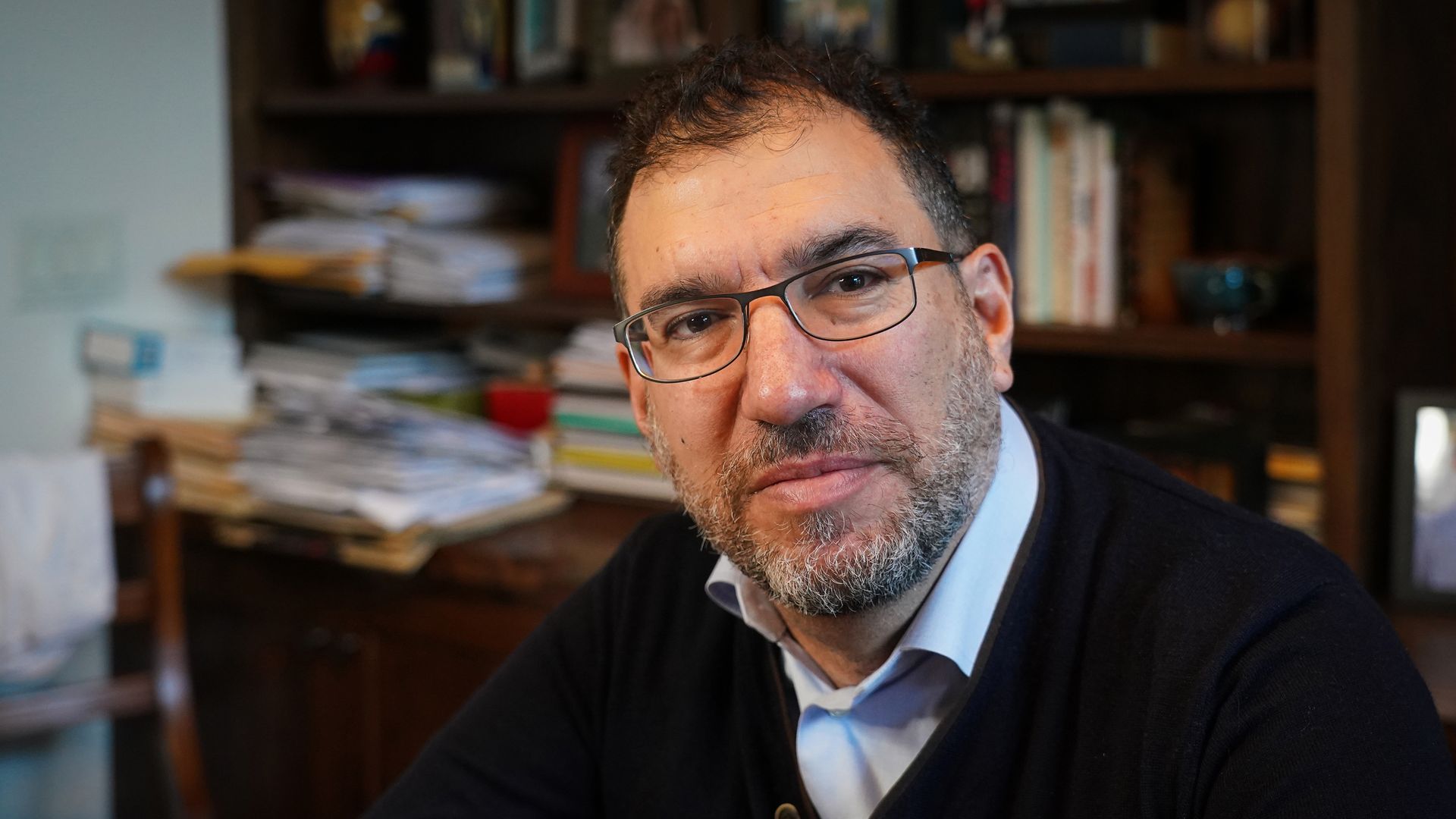
Andy Slavitt, the White House senior adviser for coronavirus response, announced on Tuesday he is leaving his temporary role.
Why it matters: Slavitt, who was appointed to the position in January and was expected to leave this month, urged Americans in his final press briefing to not "let our progress be a reason for taking our foot off the pedal."
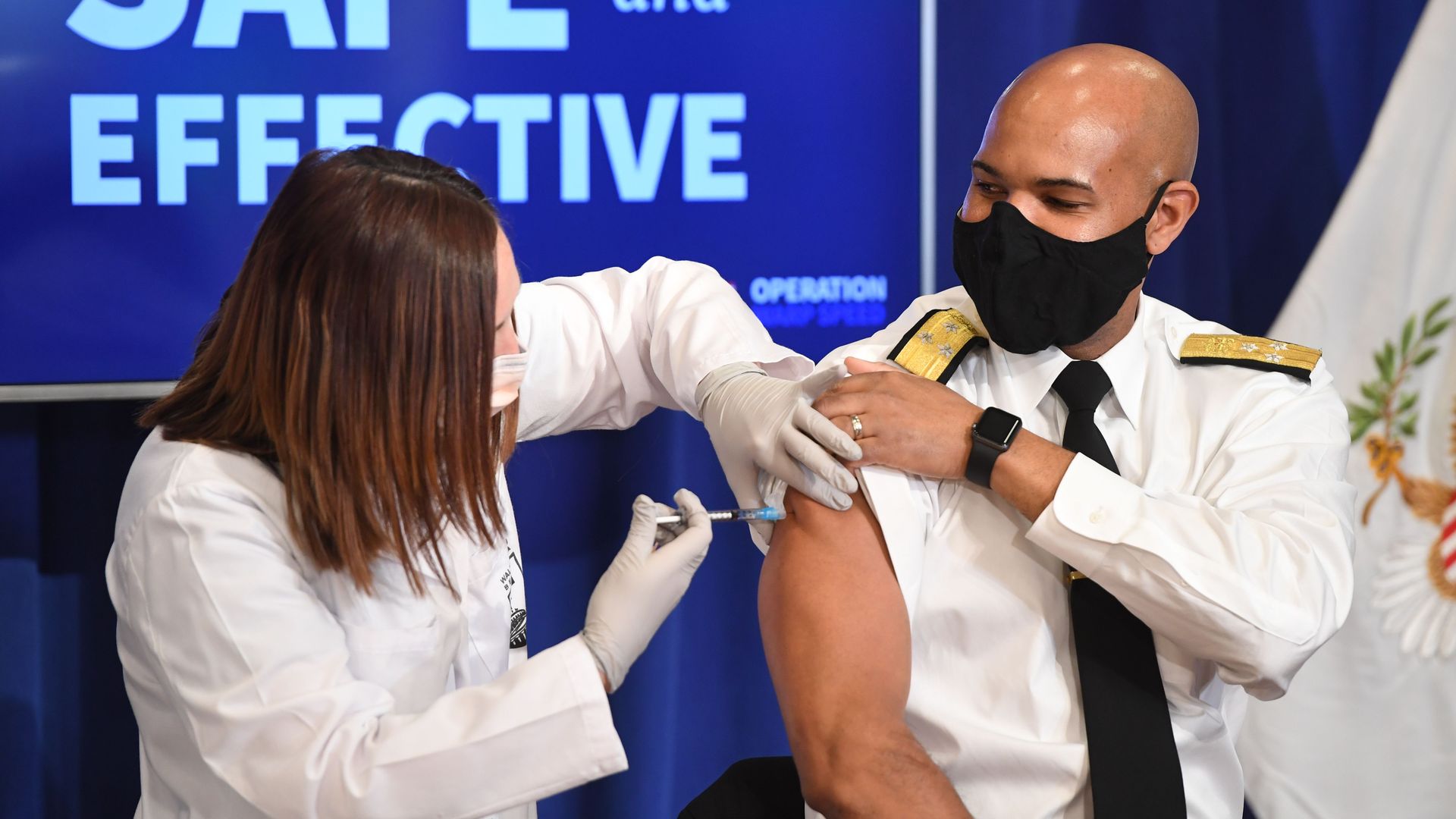
Jerome Adams, the U.S. surgeon general under former President Trump, criticized states who are offering lottery tickets, beer and donuts as prizes for getting the coronavirus vaccine.
Why it matters: Adams said he was "uncomfortable" with the "public health trade offs" involved with certain kinds of vaccine incentives, pointing to a report put out by the current surgeon general warning about the health effects of alcohol consumption.
The Mastercard Foundation announced a $1.3 billion donation aimed at improving Africa's coronavirus response Tuesday, the Washington Post reports.
Why it matters: The funding will be distributed over three years and is intended to help acquire vaccines for more than 50 million people and improve manufacturing and delivery systems.
In a very short time, Americans have returned to doing the things many haven't done in a long time — and now see less risk than ever in returning to their pre-pandemic lives, according to the latest installment of the Axios/Ipsos Coronavirus Index.
The big picture: The number of people who say they've ventured out to eat or see friends and relatives has been inching up steadily as Americans get their shots. And compared to just three months ago, their perception of the risk has plummeted.
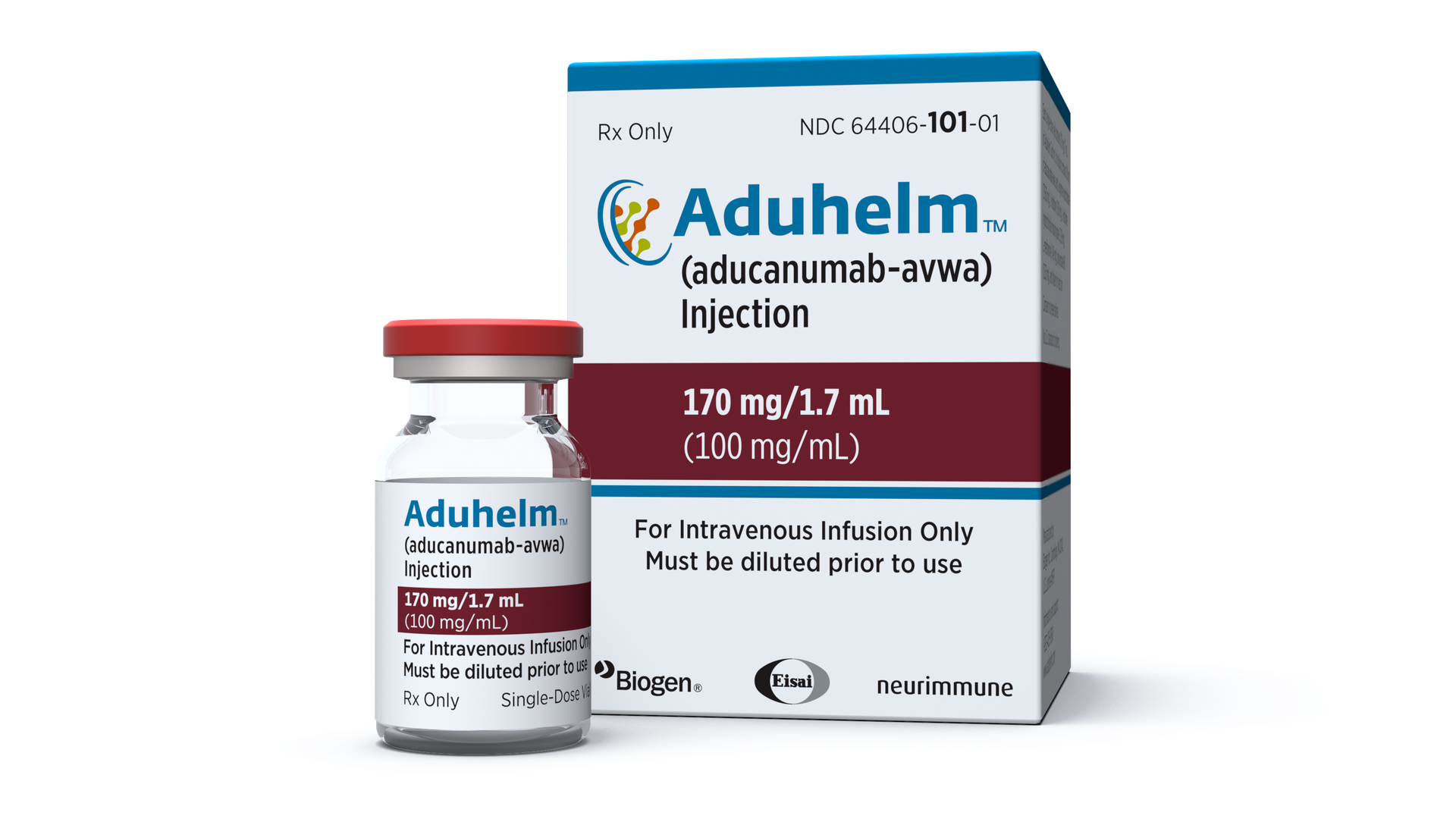
Following the FDA's approval of Biogen's Alzheimer's treatment Aduhelm, experts fear the approval — based on weak scientific data — is a sign the agency is putting speed over rigor.
The big picture: "A general signal being sent to the rest of the drug industry is: If you can get uncertain, maybe suggestive data and a post-hoc analysis — get that threshold to us — we may approve your drug," said Peter Bach, a drug researcher at Memorial Sloan Kettering Cancer Center.
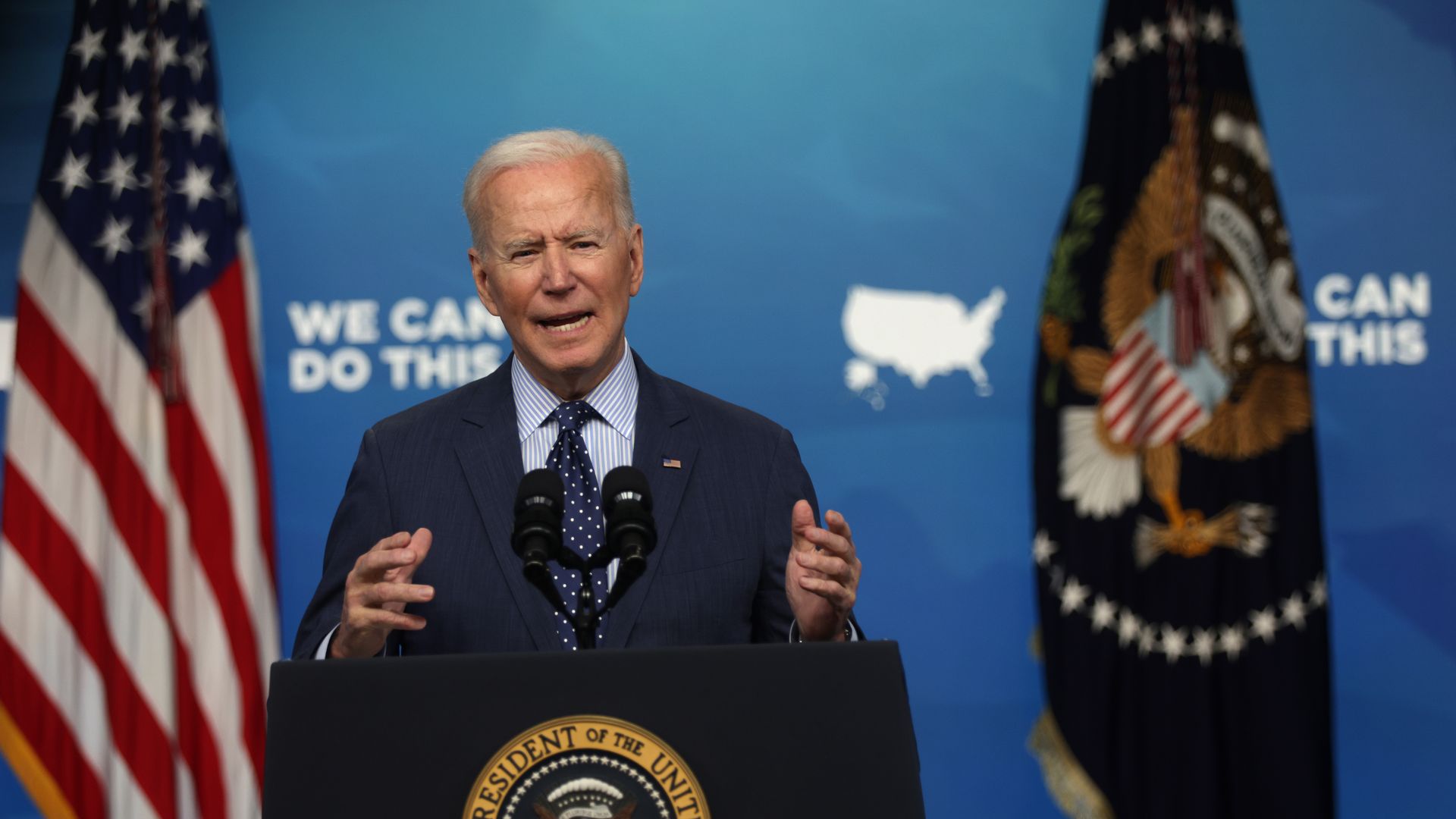
President Biden will announce a new task force today to focus on the supply chain disruptions created by the pandemic and economic shutdowns, according to administration officials.
Why it matters: By naming Commerce Secretary Gina Raimondo, Transportation Secretary Pete Buttigieg and Agriculture Secretary Tom Vilsack to the new task force, Biden is trying to ensure that the economy reopens as smoothly as possible as more Americans return to work.
Emergency room visits decreased drastically at the beginning of the pandemic, even among patients suffering from the most severe health conditions, according to a new study released yesterday in Health Affairs.
Why it matters: The study suggests that patients avoided a wide range of care — including for some life-threatening conditions — and not just care that is easily delayed.
More than 90% of people with Alzheimer's disease are 65 and older, which means Medicare (i.e., taxpayers) will shoulder the load for Aduhelm's $56,000 annual list price.
Why it matters: Aduhelm could create massive strains on Medicare spending and could create financially ruinous prospects for patients and their families.
Three investment firms with deep health care investing experience are forming a new SPAC that will seek to buy a diagnostics company and take it public, Axios has learned.
Between the lines: New SPAC formation has slowed, due to a glut of offerings and new SEC scrutiny, but plenty of veteran investors are continuing to jump into the arena.
Starting July 1, UnitedHealthcare says it plans to reduce coverage of — or stop paying for — non-emergency trips to the ER.
Why it matters: Unnecessary emergency room visits are a major source of wasted spending in U.S. health care. But critics say this policy from the nation's largest health insurer could hurt patients who mistakenly believe they'll be covered.
The FDA has approved Biogen's Alzheimer's drug, aducanumab, which will be marketed as Aduhelm. Biogen is charging $56,000 per year for the drug.
Why it matters: Aduhelm is the first federally approved Alzheimer's treatment in roughly 18 years, but there is no conclusive evidence the drug slows the decline of memory and brain function.
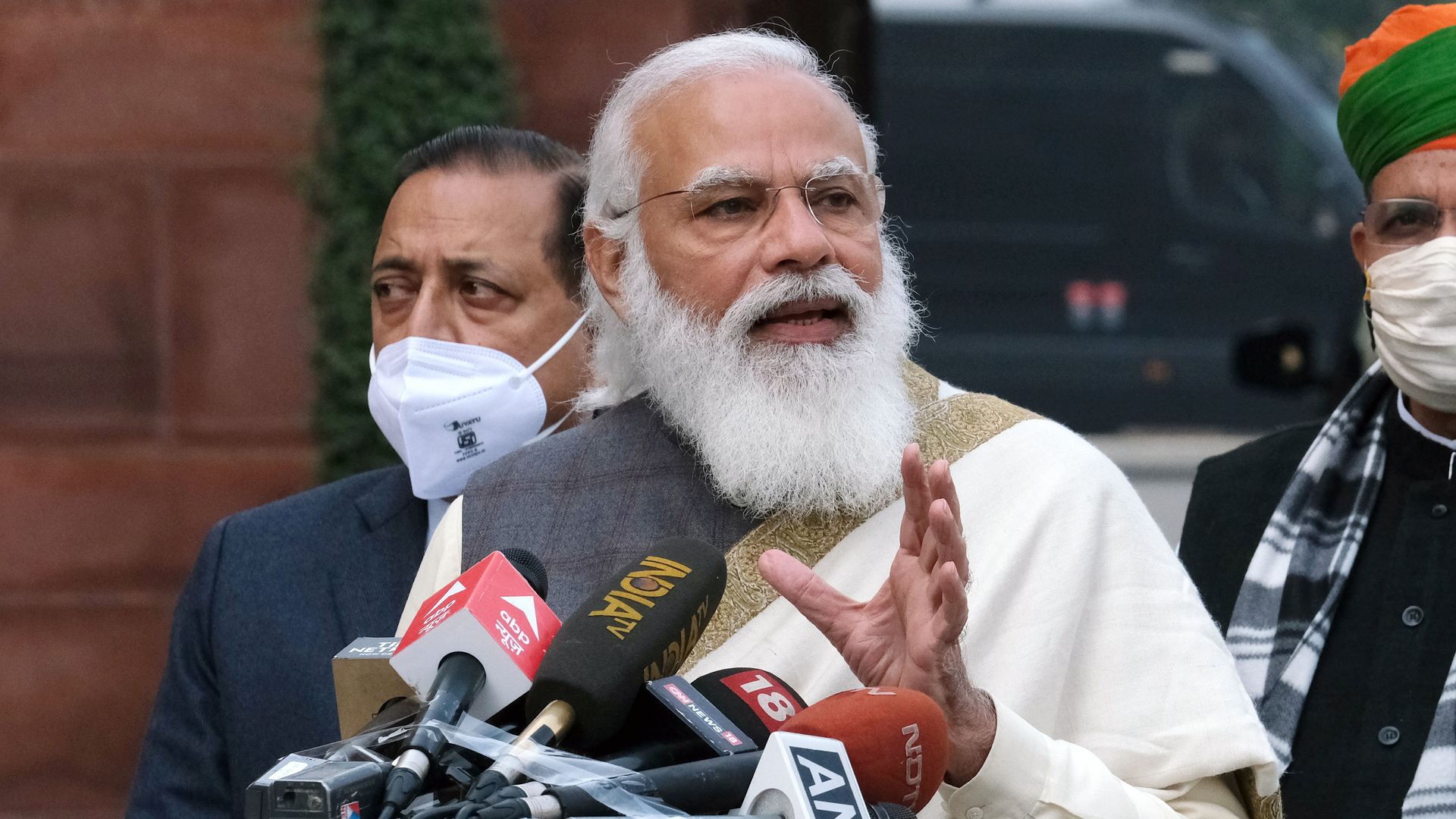
India's Prime Minister Narendra Modi announced Monday that the government would offer free COVID-19 vaccines to all adults later this month, Reuters reports.
Why it matters: Previously, India had only provided free vaccines to elderly adults and front-line workers — meaning most people within the 18–45 age group would have to pay a fee in order to be vaccinated.
A leader of the global vaccination effort tells "Axios on HBO" that leaders of rich countries who "ignore the rest of the world" during pandemics are failing at their jobs.
The big picture: Countries like the U.S. have moved on to vaccinating children while health care workers in many countries still don't have enough doses to be fully vaccinated.
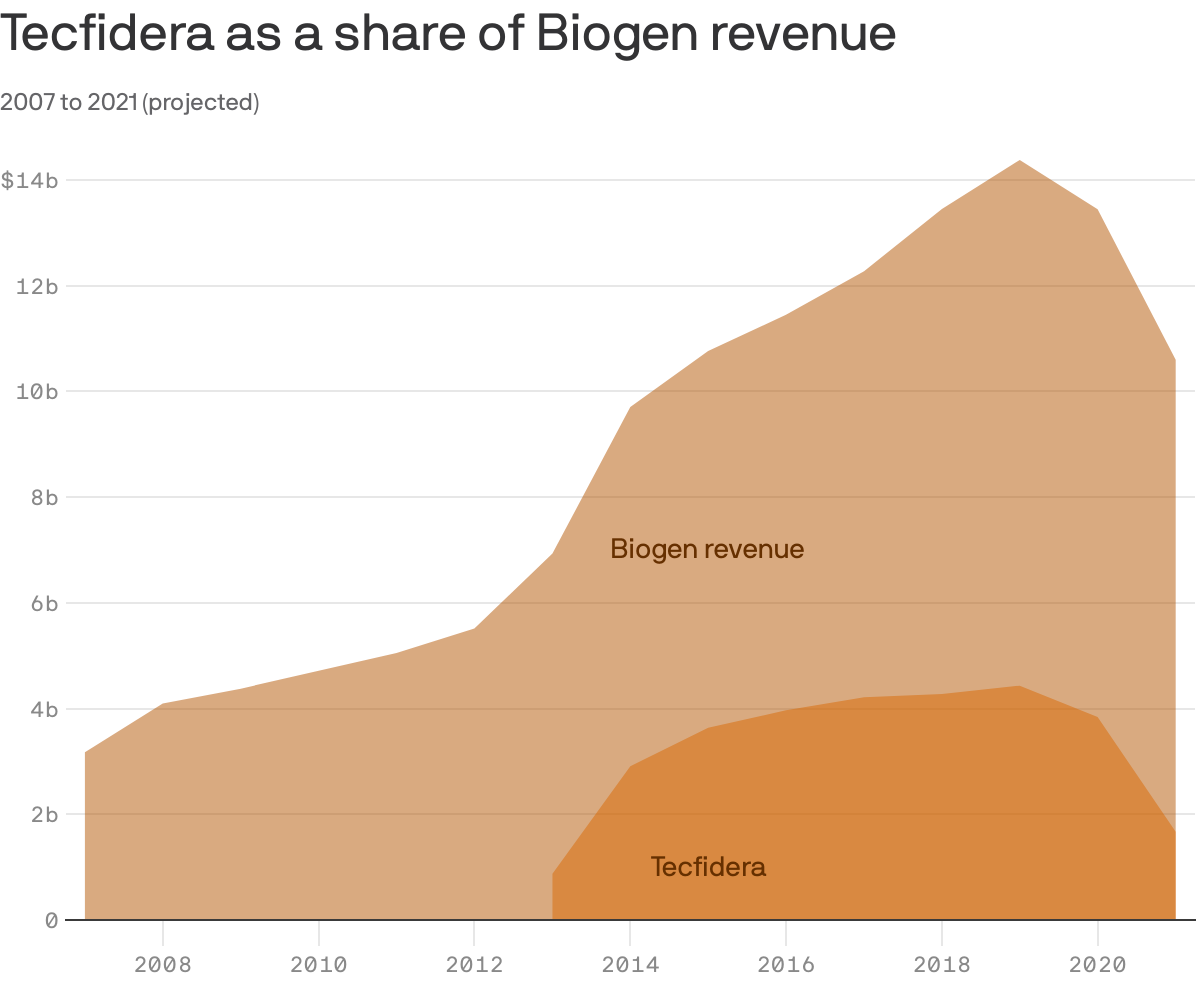
Data: Company filings; Chart: Danielle Alberti/Axios
Multiple sclerosis drug Tecfidera has propped up Biogen for the past eight years, representing more than a third of the company's sales. But that revenue wave is coming to an end after generic versions of the pill entered the U.S. market last year.
Between the lines: Biogen is banking on federal approval of its Alzheimer's drug, aducanumab, to boost its financial future and offset the decline of Tecfidera.
Turns out that wearing a mask and social distancing really weren't a waste of time.
Driving the news: Exclusive polling data from our Axios-Ipsos Coronavirus Index, which started in March 2020, shows that the respondents who reported never wearing masks were twice as likely to test positive for COVID as those who said they wore masks all the time.
Influenza cases and other common viruses have been at historically low numbers for the past year due to the safety precautions taken by the public to stifle the spread of COVID-19. But that could change soon.
Driving the news: Experts say the last year and a half, we've largely gone without "boosts" to our adaptive immunity from exposure to viruses, as STAT News reported recently. And if flu cases start to rise in the fall, buckle up.
What they're saying: If the U.S. starts seeing the uptick in flu cases in October or November, "that would be a sign that we’re going to be in for ... a strong flu season," said Andy Pekosz, professor of Molecular Microbiology and Immunology at the Johns Hopkins Bloomberg School of Public Health.
A typical flu season begins in late December, early January.
"You’ve lost one pathway to immunity, which is natural infection," last flu season, said Ryan Langlois, associate professor in the microbiology and immunology department at the University of Minnesota. "We’ve never been in this situation."
State of play: Already, cases of respiratory syncytial virus, or RSV, have surged across the country in recent weeks for the first time since the pandemic started as the country started to open back up.
What to watch: Last year's flu vaccination rates were the highest seen in years. If we see an early flu season, the public health guidance to get the flu vaccine will be that much more important and, in some cases, it may make sense to ask individuals who are high-risk to wear masks, Langlois said.
More than 300 million COVID-19 vaccine doses have now been administered in the U.S., the Centers for Disease Control and Prevention confirmed Sunday.
Why it matters: The latest CDC figures show that 41.9% of the U.S. population has been fully vaccinated against the coronavirus and 51.5% has received at least one dose.
Senate Sergeant-at-Arms Karen Gibson told CNN in an interview broadcast Sunday there's been an increase in threats against lawmakers in the past year, and "political rhetoric is a key driver" of anger toward elected officials.
Driving the news: CNN's Pamela Brown asked Gibson if the threats stem from the Jan. 6 Capitol riot that led to her predecessor Michael Stenger resigning. Gibson replied: "I would not say since the insurrection, but certainly in 2020 it began to go up considerably and it has remained heightened for a number of members."