In a national address with no precedent in her 14 years as chancellor, Angela Merkel said Germany now faces the gravest challenge since World War II.
What she’s saying: “Take it seriously. Since German unification, no, since the Second World War, there has been no challenge to our nation that has demanded such a degree of common and united action," Merkel said, per DW.
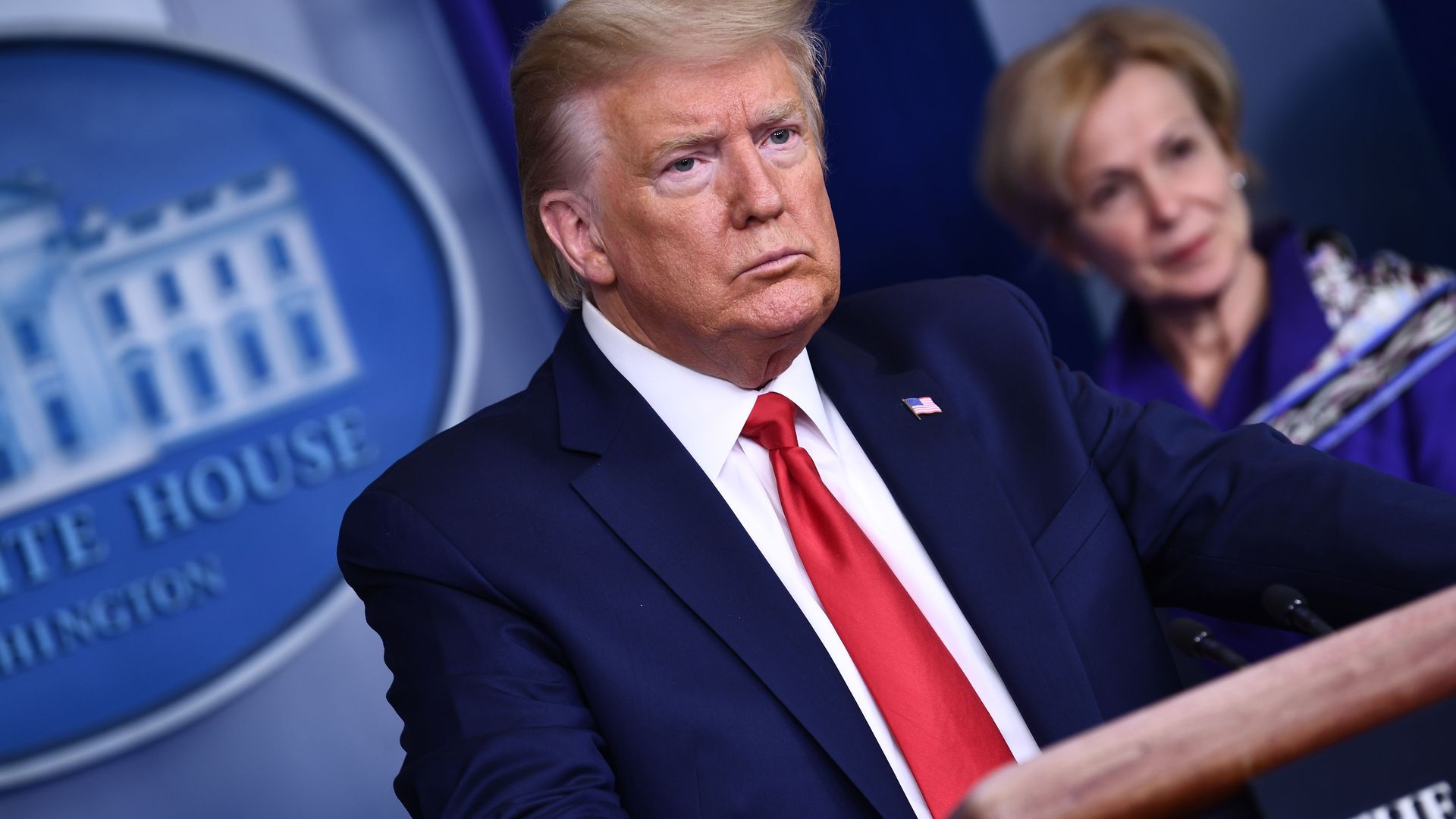
The White House is working with the Ad Council, a nonprofit that produces public services announcements (PSAs), and many of the country's top TV and radio networks to develop a set of coronavirus-related PSAs, it announced Wednesday.
Why it matters: The Trump administration is pulling out all stops to make sure the public is aware of safety measures and precautions around the novel coronavirus. TV ads are particularly important to this effort, given that most people are stuck at home and, presumably, watching more television.
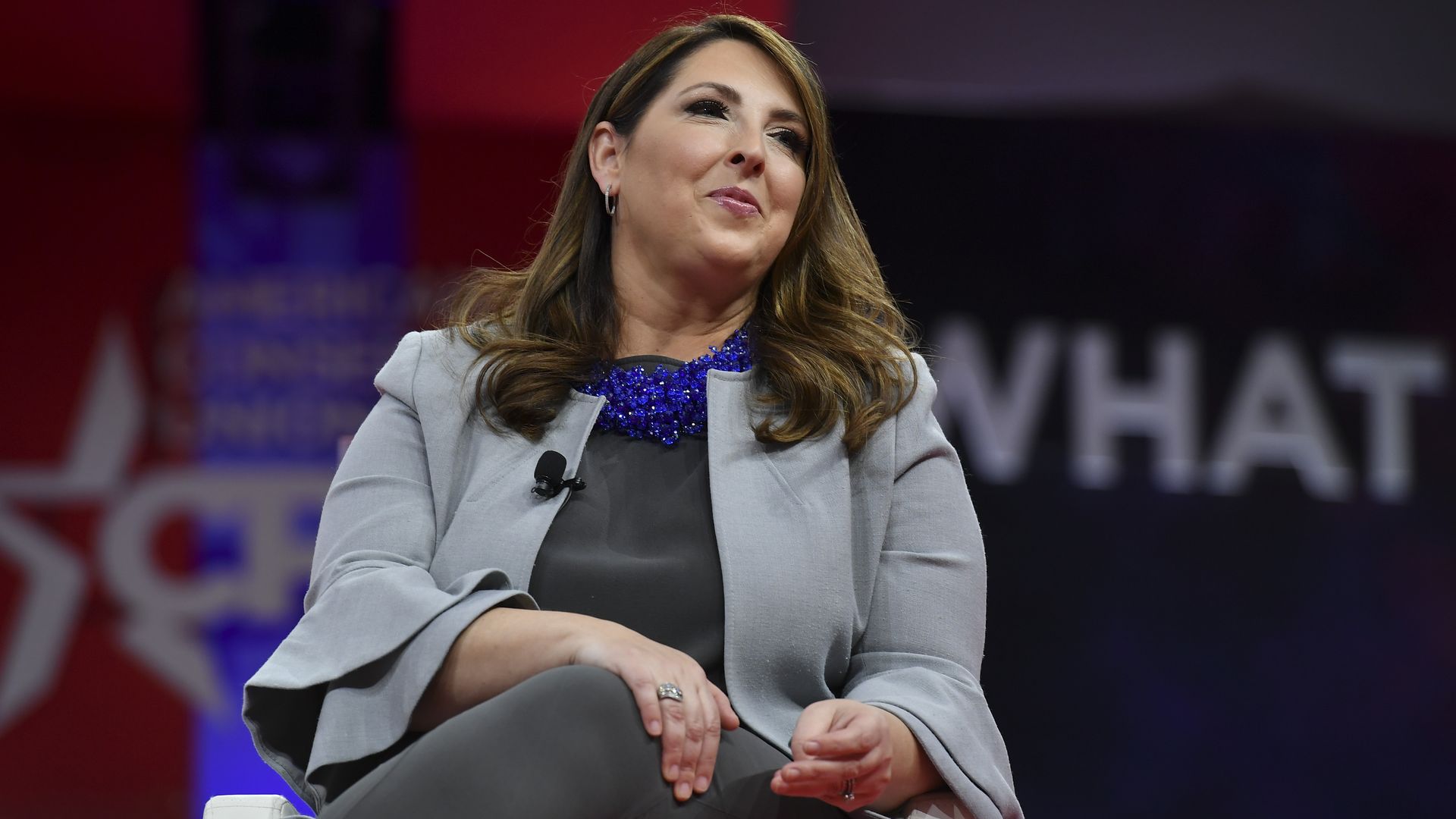
Republican National Committee chair Ronna McDaniel tested negative for the novel coronavirus after experiencing a fever and flu-like symptoms, RNC communications director Michael Ahrens said on Wednesday.
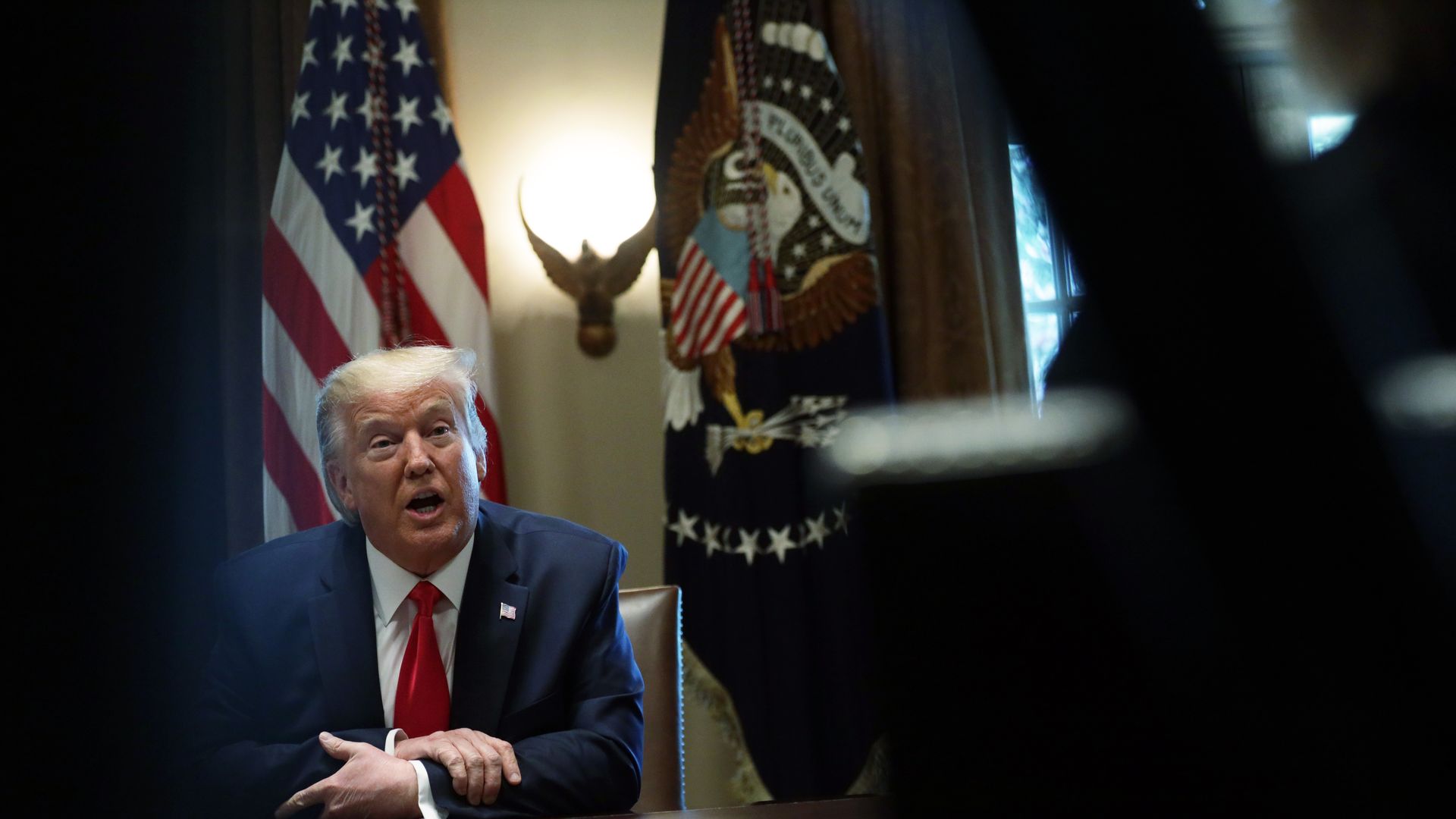
Flashback: McDaniel's test was first announced on the same day President Trump told reporters that he took a test for COVID-19, which later came back negative, his physician said.
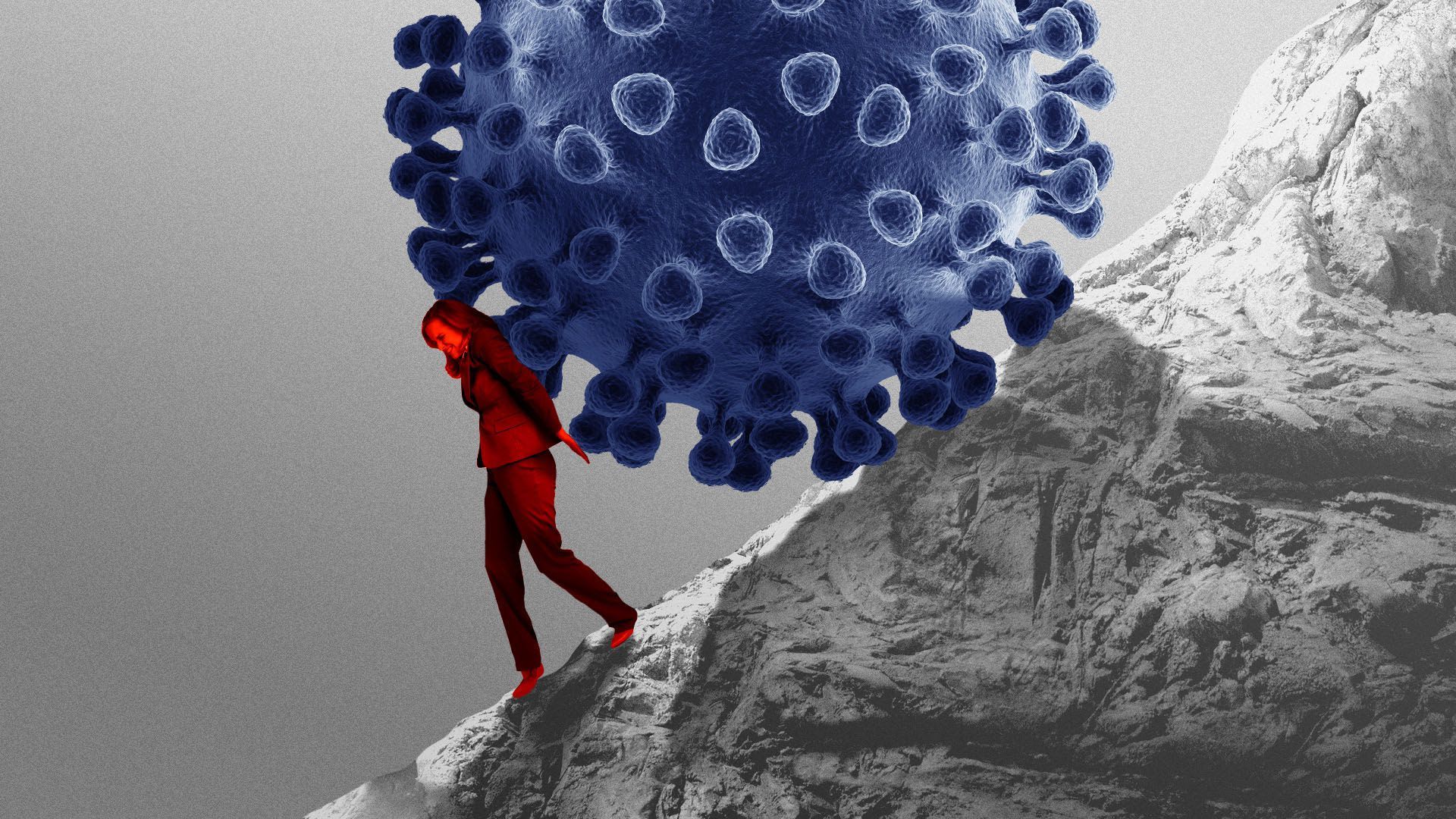
Two aspects make the COVID-19 pandemic unlike any disaster we've experienced in memory: its global nature and its unknown duration.
Why it matters: As the coronavirus spreads across the country, we'll need to fight a medical war on all fronts at the same time, stressing our ability to respond. And we may need to keep up that fight — and the disruptive social distancing accompanying it — for months or longer.
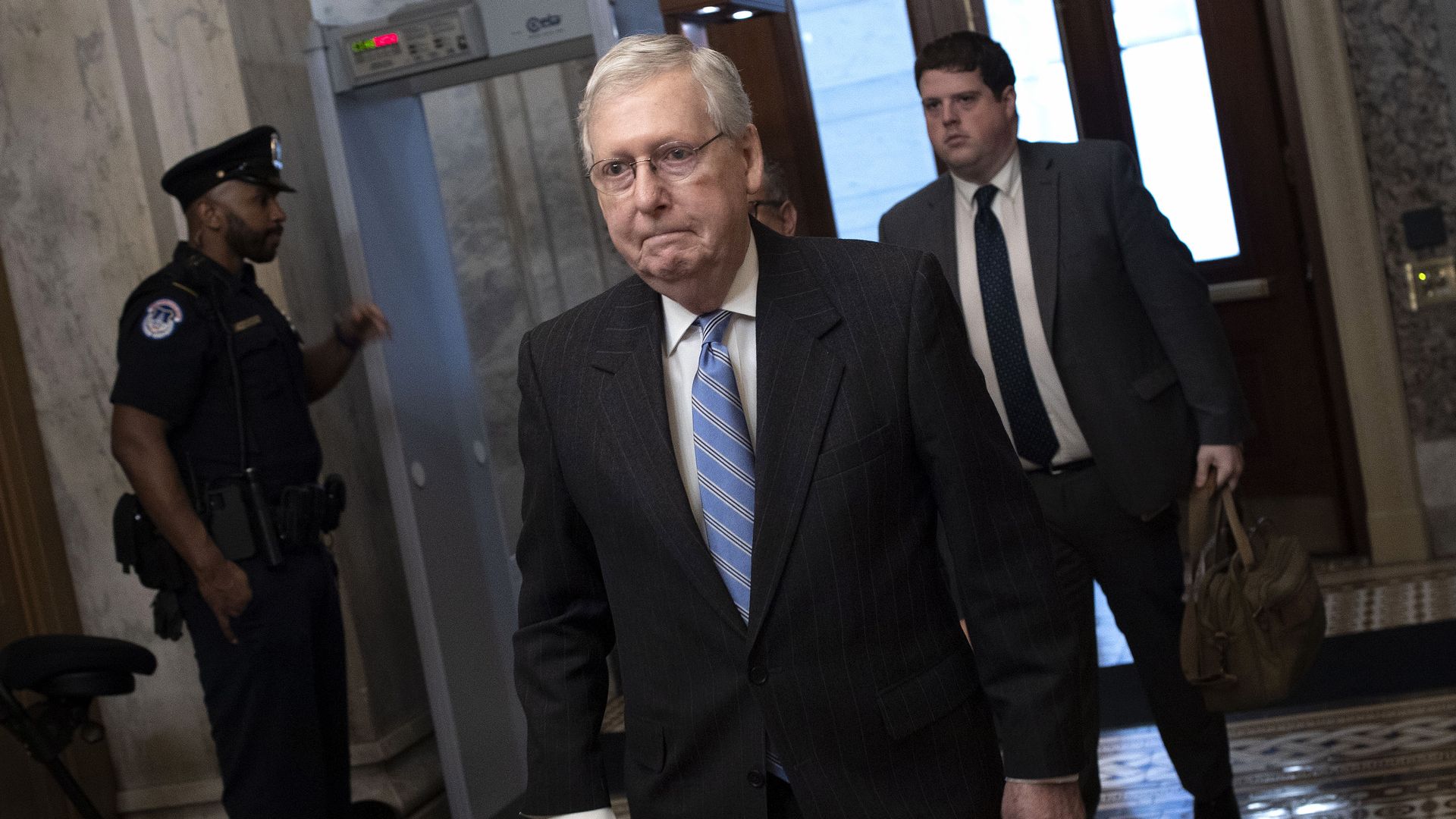
The Senate passed the House coronavirus relief bill 90-8 without changes Wednesday, freeing up Congress to focus more energy on passing subsequent legislation that will likely amount to one of the largest emergency spending packages in modern history.
The big picture: The deal, negotiated between Speaker Nancy Pelosi and Treasury Secretary Steven Mnuchin, includes free coronavirus testing — even for the uninsured; two weeks of paid sick and family leave; increased federal funds for Medicaid and food security programs, like food stamps; and increased unemployment insurance benefits.
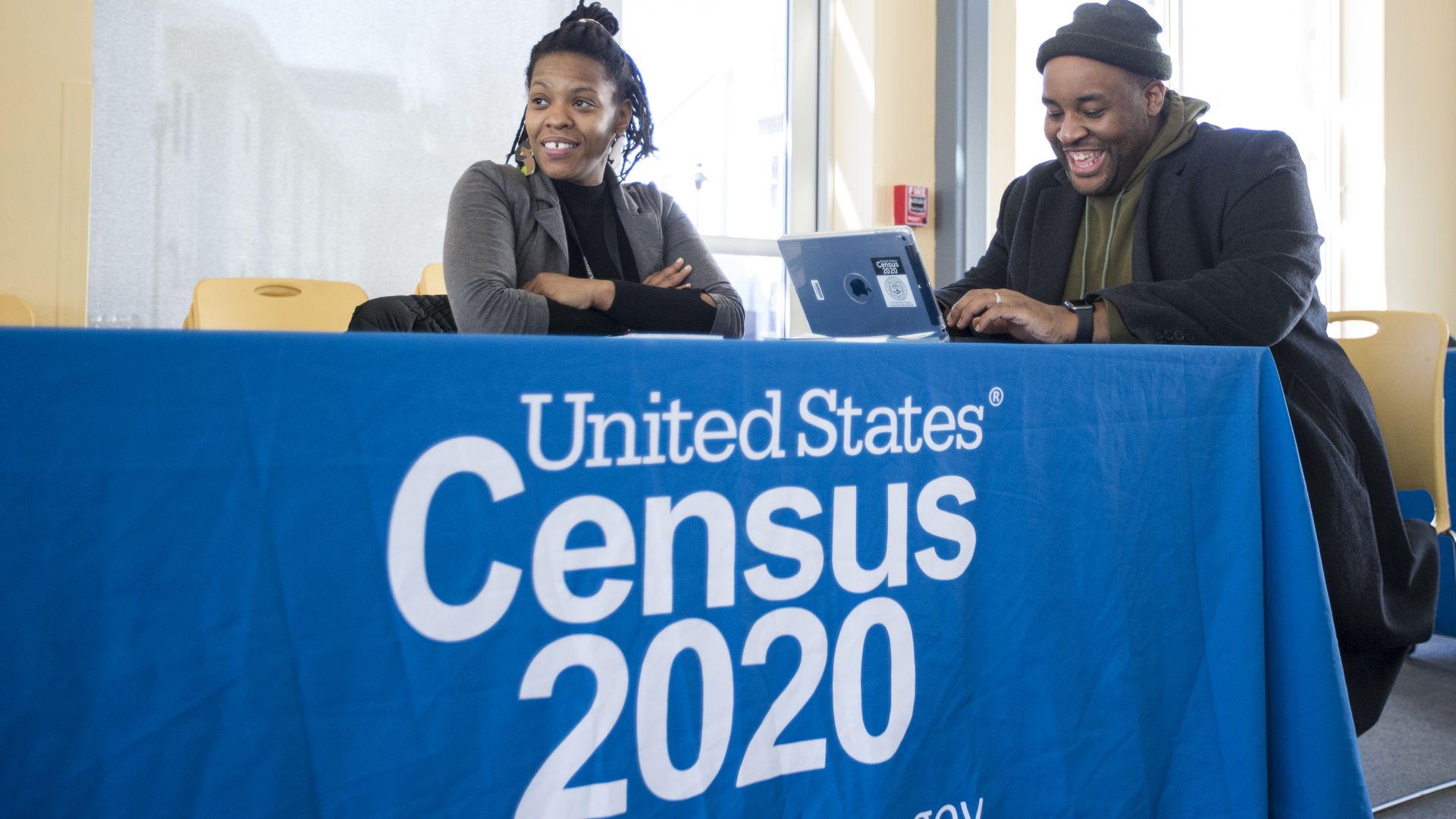
The U.S. Census Bureau will suspend field operations for two weeks to help fight the spread of the novel coronavirus, the agency announced Wednesday.
What's happening: Census takers are scheduled to start visiting houses to collect the information of those who have not responded in late May to complete the count, but the agency said it will follow federal and state health guidelines amid the COVID-19 pandemic and make changes as necessary.
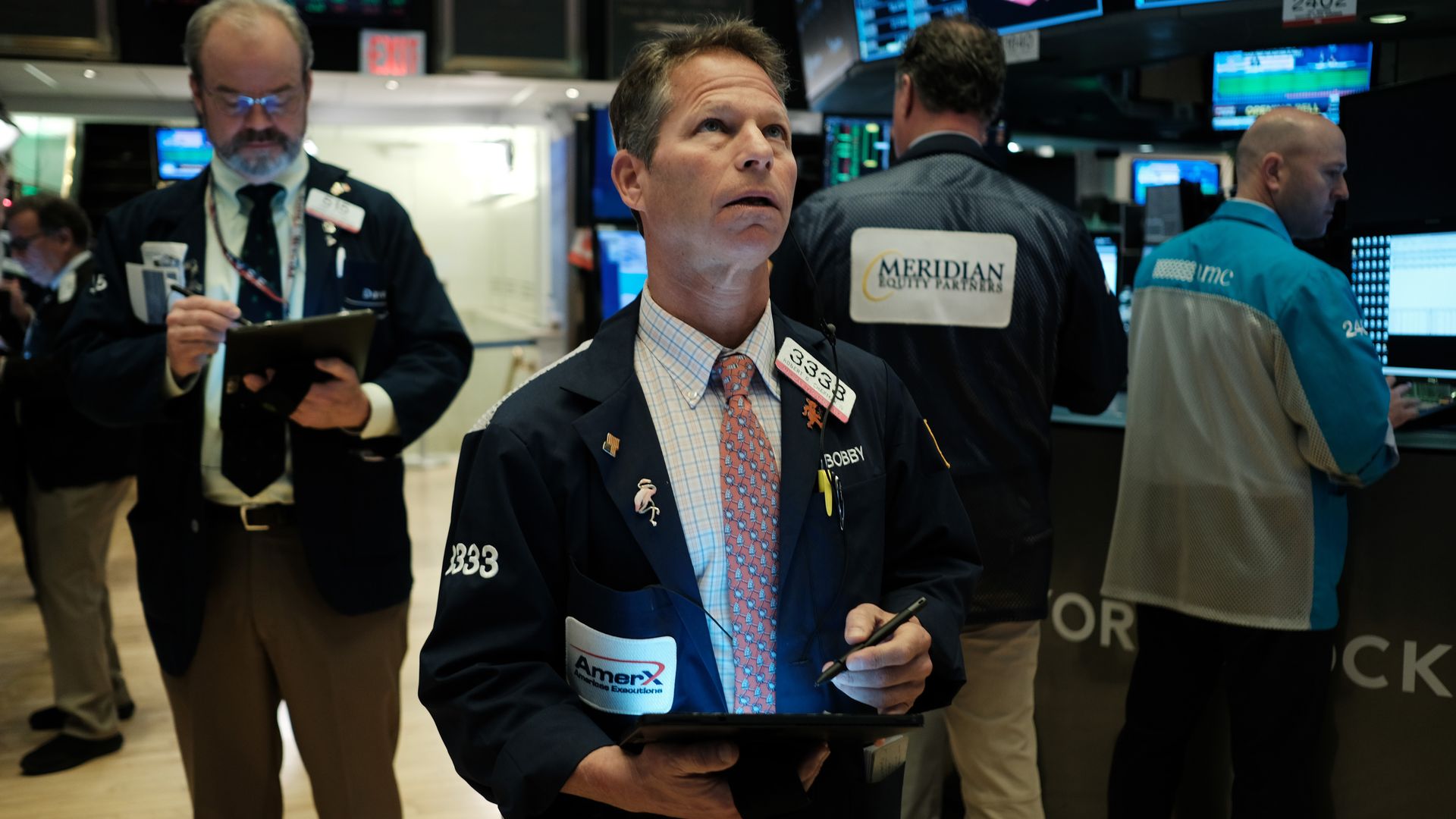
Stocks closed down more than 5% on Wednesday after a volatile day that saw trading halt for the fourth time this month amid novel coronavirus concerns.
Why it matters: Stocks swung lower as the White House unveiled its stimulus plan, before recovering some ground. The S&P 500 is 29% below its February record-high.
New York Gov. Andrew Cuomo announced Wednesday that President Trump has agreed to deploy a floating hospital called the USNS Comfort to New York Harbor to assist the state with the novel coronavirus outbreak.
Why it matters: The ship's nearly 1,000 hospital beds aim to help reduce the risk of a severe bed shortage if the virus rapidly worsens and strains the state's health care system. New York has so far reported more than 2,300 cases of the virus, according to the New York Times.
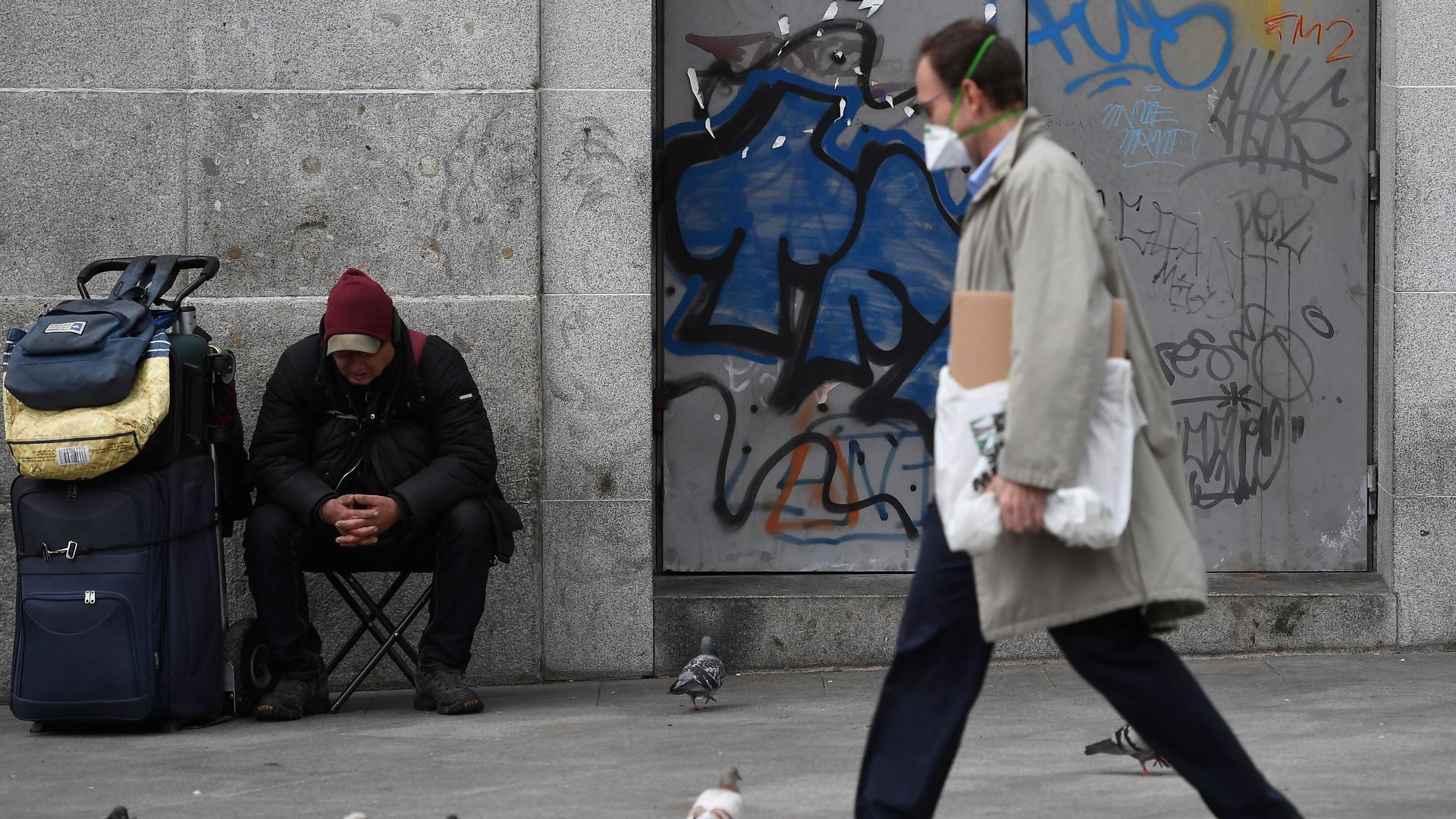
People experiencing homelessness don't have access to the recommended precautions to stave off the coronavirus.
The state of play: They often don't have access to places to wash their hands, many sleep outside in crowded encampments, and social distancing is next to impossible in crowded shelters.
The novel coronavirus can spread faster in densely populated cities than in rural areas, but rural America has a higher-risk population and fewer safety-net programs for people who get sick.
By the numbers: Rural residents are, overall, older than urban dwellers and are therefore more susceptible to this virus. Per Census Bureau data, 17.5% of the rural population is 65 or older.
Local leaders have seized the reins during the novel coronavirus outbreak, amid frustrations that the federal government's efforts have fallen short.
The big picture: Governors and mayors have been the ones dictating the pace of the response — closing schools, banning large gatherings and updating their residents. But cities also say they need more money from the federal government, and more help understanding how they're allowed to use the money they have.
The National Park Service will temporarily suspend entrance fees at all parks that remain open during the coronavirus crisis, Interior Secretary David Bernhardt announced Wednesday.
What he's saying: National parks across the country will help "to recreate, embrace nature and implement some social distancing," Bernhardt said in a press release.
Vice President Pence said during a White House press conference Wednesday that hospitals should move to delay elective procedures, as the nation's medical system scrambles to deal with those sickened by the coronavirus.
Why it matters: His request comes as states have already reported inadequate supplies of protective gear for health care workers — and as the country faces a potential severe shortage of hospital beds as the outbreak worsens.
The White House is asking Congress for a $1 trillion coronavirus relief and economic stimulus plan that would include industry-specific bailouts and payments to individual taxpayers.
The big picture: This is more than the $900 billion that the U.S. government initially committed to bailouts in the 2008 financial crisis.
The White House is considering sending a check to every American to offset the financial burdens caused by the novel coronavirus. Dan and Axios Felix Salmon dig into the idea, including how it could impact both the labor force and essential supply chains.
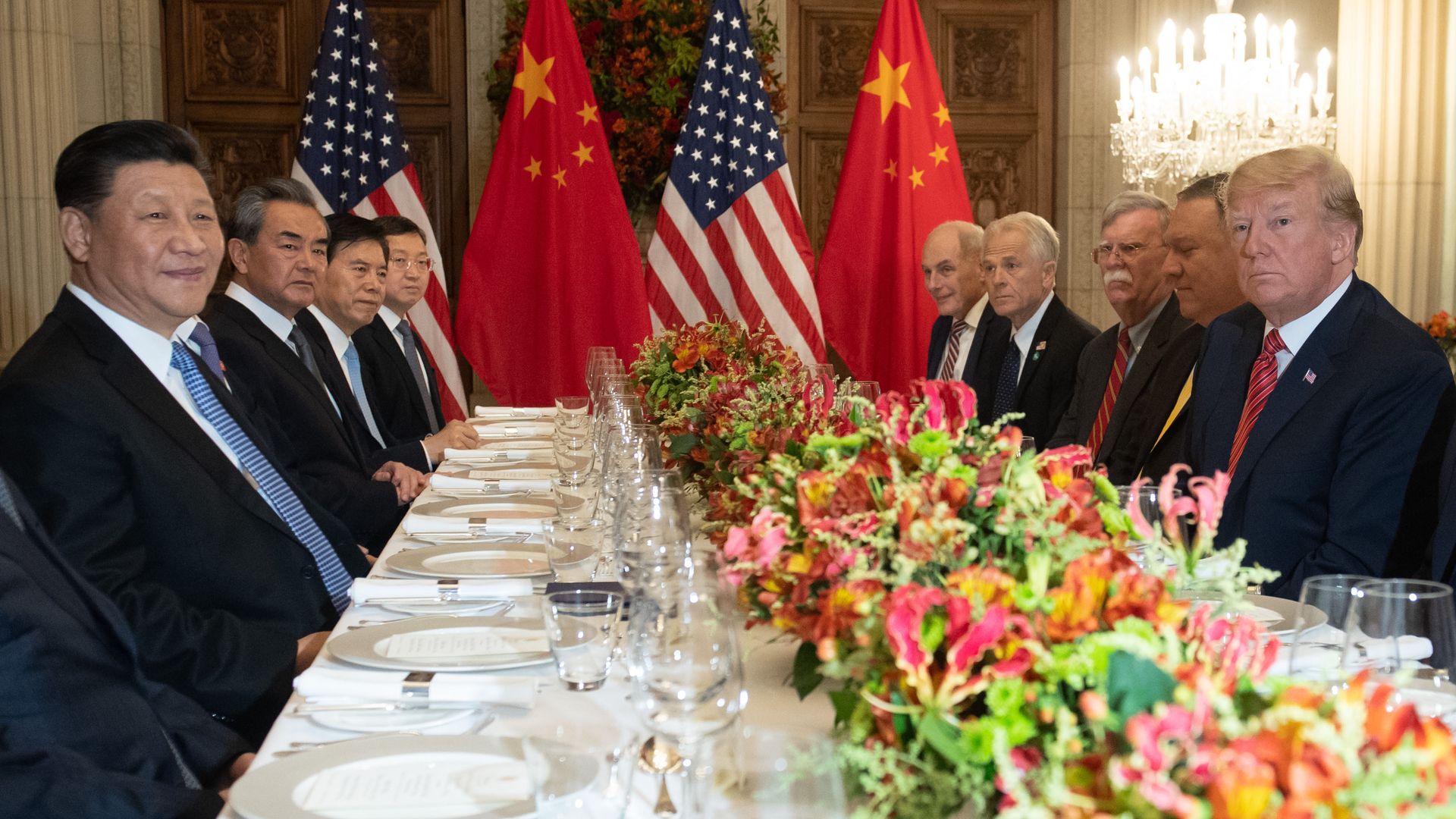
The top Republican on the House Foreign Affairs Committee has accused China of carrying out "one of the worst cover-ups in human history" over the novel coronavirus outbreak and inflicting a pandemic and economic calamity on the world.
Why it matters: Rep. Michael McCaul's rhetoric is characteristic of the growing hawkishness toward China among many in Washington, D.C. even, or especially, amid a crisis that is battering both countries.
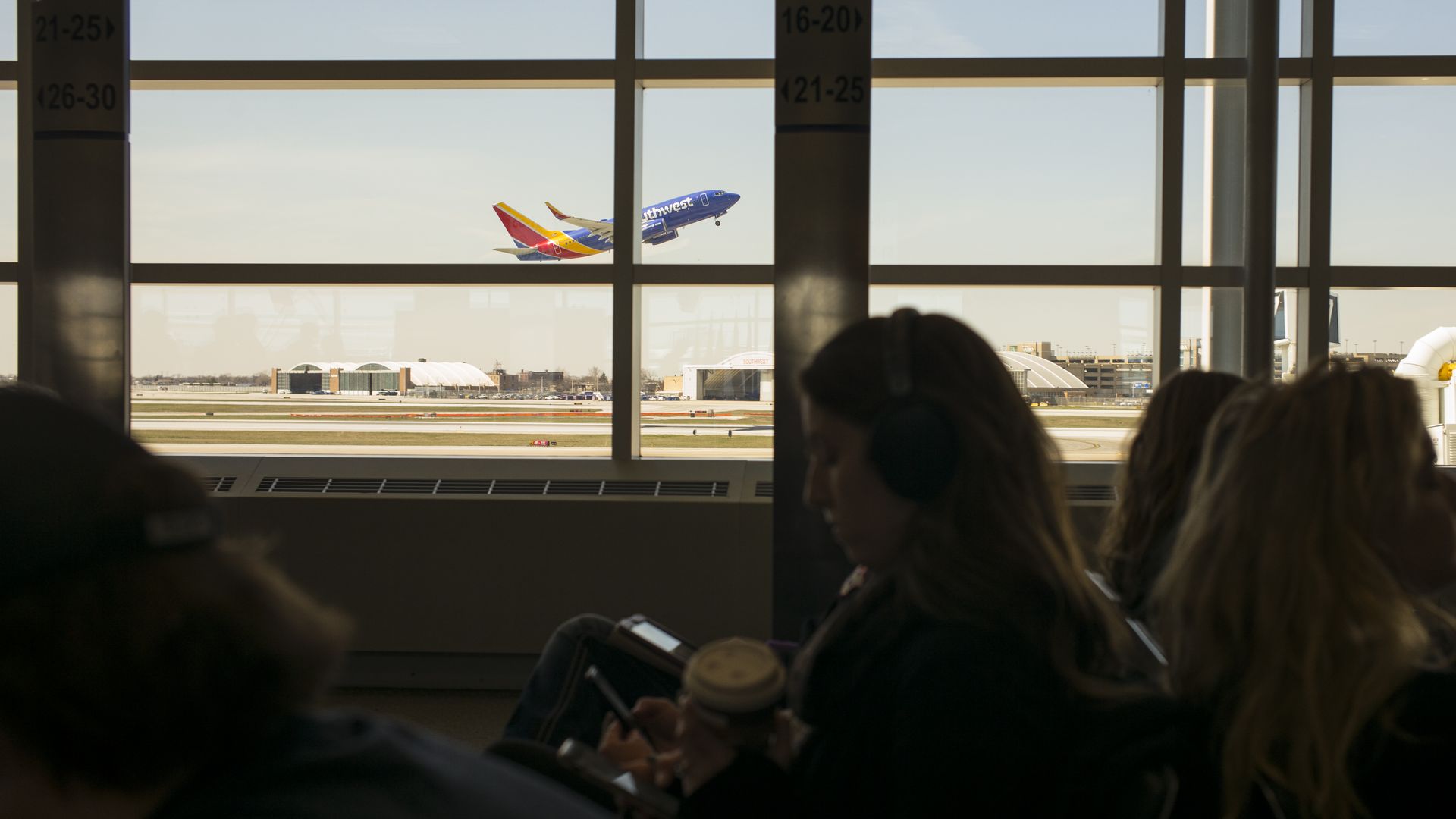
The control tower at Chicago's Midway International Airport closed Tuesday after "several" employees tested positive for coronavirus, the Federal Aviation Administration said, per CNBC.
The state of play: Midway, Illinois' second-largest airport and the nation's 27th-busiest, remained open thanks to backup facilities but still faced dozens of cancellations.
One complicated dimension of the unfolding coronavirus tragedy is what it ultimately means for carbon emissions in China, by far the world's largest greenhouse gas emitter.
Driving the news: A Rhodium Group analysis shows China's emissions grew by another 2.6% last year.
Pharma company Bayer will soon make a large donation to the U.S. government of a drug that has shown some promise in helping patients suffering from the novel coronavirus, according to a senior Health and Human Services official and another source with direct knowledge.
Why it matters: It doesn't hurt to have a potential treatment on hand, but we're still a very long way from having an approved, clinically tested treatment for the coronavirus.
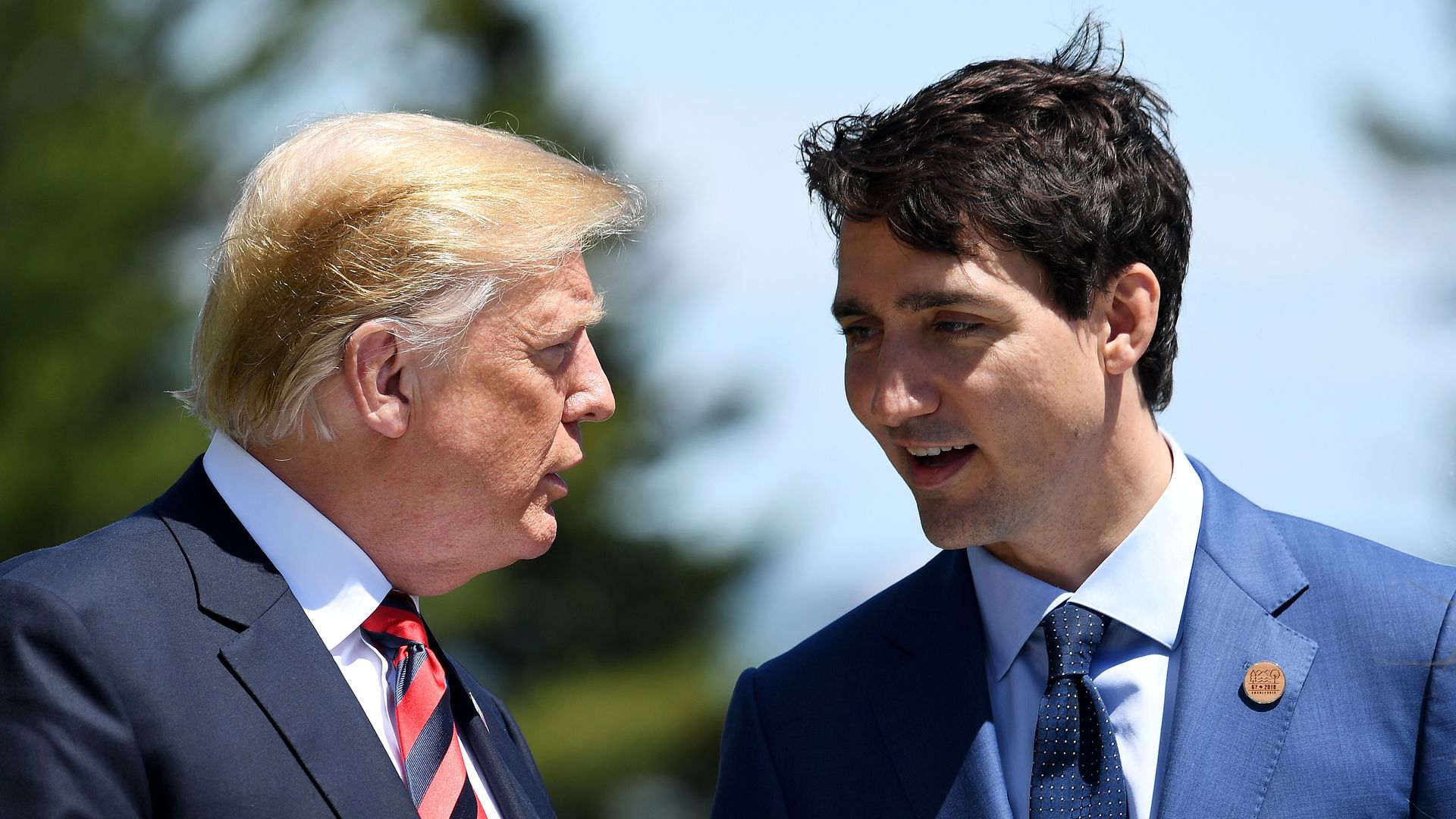
President Trump tweeted Wednesday that the U.S. and Canada had reached a "mutual" decision to close their border to "non-essential traffic" in an effort to mitigate the spread of the novel coronavirus.
What he's saying: "We will be, by mutual consent, temporarily closing our Northern Border with Canada to non-essential traffic. Trade will not be affected. Details to follow!"
"We really have a choice to make right now as a nation. Do we want to go the way of Italy and see our numbers increase rapidly? Or do we want to go the way of South Korea and China, who aggressively leaned into mitigation measures and were actually able to level off their peak?"
Four in five Americans are worried about the coronavirus, with twice as many Democrats as Republicans saying they're very concerned, according to the nearly 1,100 adults polled for the debut installment of the Axios-Ipsos Coronavirus Index.
The stark new reality in America: 10% told not to work in the past week, 10% say they're self-quarantining, and 22% say their mental health got worse in the past week.
The Glastonbury Festival, the largest music festival in the U.K., announced Wednesday that it had canceled its yearly iteration — due to be headlined by Paul McCartney and Taylor Swift — amid the coronavirus outbreak.
The state of play: The event, which would have celebrated its 50th anniversary, was expecting at least 200,000 people. It's one of many festivals around the world impacted by coronavirus, as Coachella, the premier festival in the U.S., has also been postponed until October.
Consumer confidence has fallen over the past two weeks to its lowest level since January 2019, according to a reading that updates daily from Hamilton Place Strategies and data firm CivicScience.
Why it matters: The index's two-week average, provided first to Axios, dropped to 49.4, with the daily reading drifting even lower to 45.5 on Tuesday. Traditional data metrics are all lagging behind the spread of the coronavirus outbreak, which is the primary driver of markets at the moment.
Medicare said yesterday that it will temporarily pay providers for a much broader range of telehealth services.
Why it matters: This will allow seniors — who are particularly vulnerable to the coronavirus — to avoid going to hospitals or doctors' offices for routine care that can be provided virtually. This, in turn, reduces their exposure to the virus.
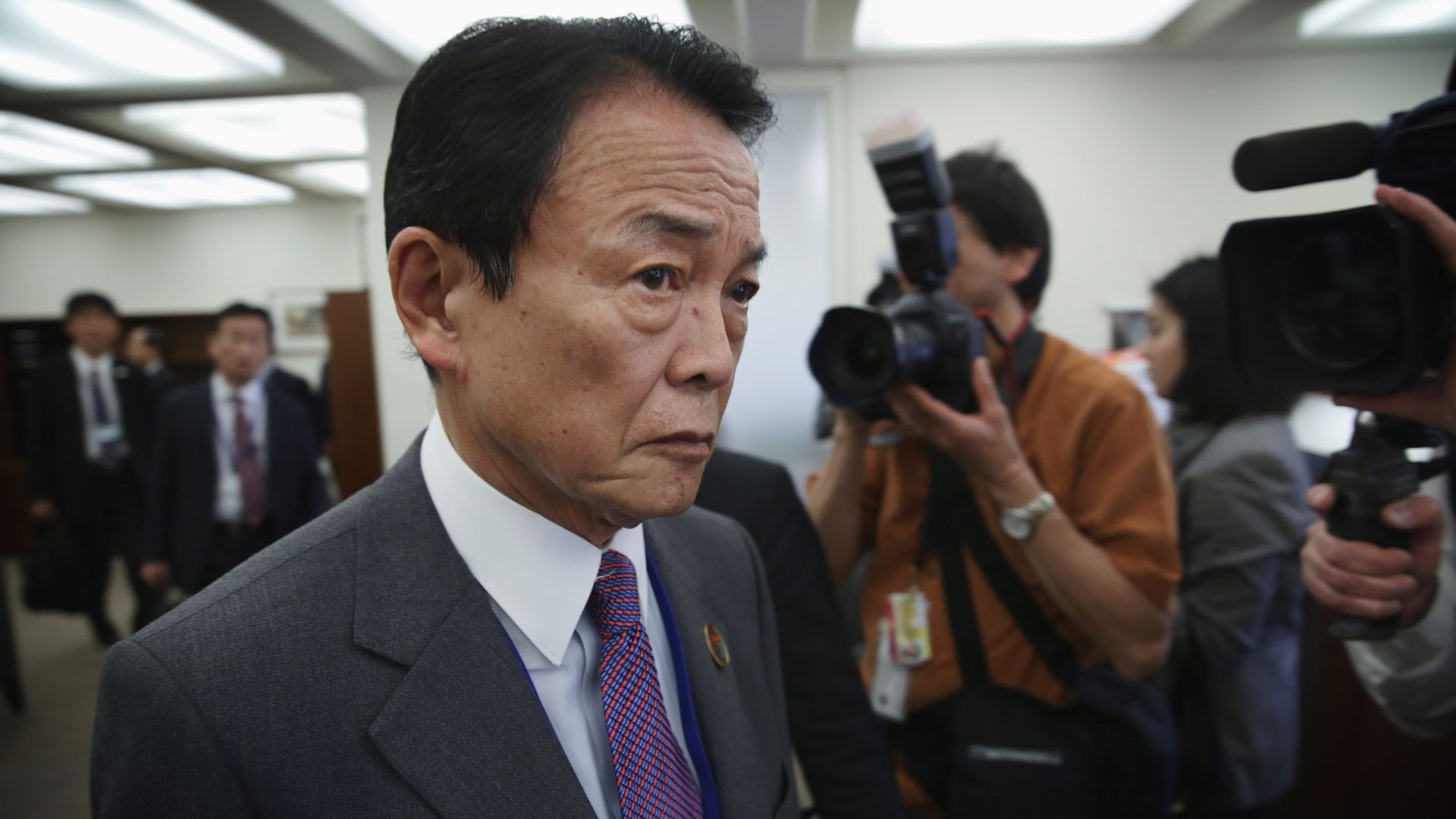
Taro Aso, Japan's deputy prime minister, said Wednesday that holding the 2020 Summer Olympics in Tokyo "would not make sense" if other countries cannot send their athletes, while the government's top spokesperson insisted the Games were still on, per Reuters.
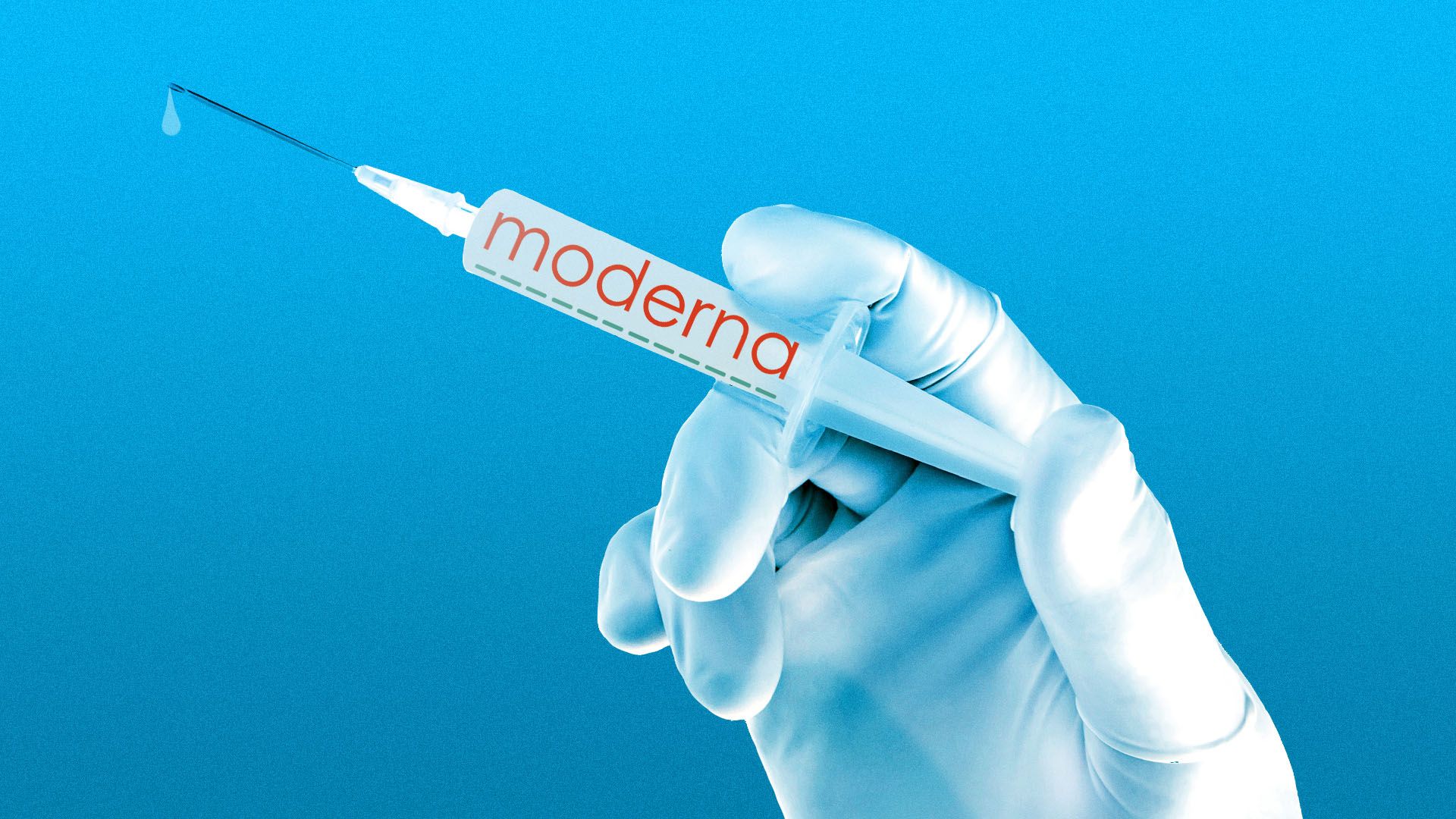
Moderna has moved incredibly quickly to begin testing a potential vaccine for the new coronavirus in U.S. patients. The biotech company went from taking the genetic sequence of the new coronavirus to manufacturing its first batch of vials in less than a month.
Reality check: Best-case scenario, a vaccine could be ready for production by next year — but that's assuming the drug proves to be both safe and effective, which is completely unknown right now.
The threat of a coronavirus outbreak started to weigh on Americans’ mental and emotional health even before they began to embrace the most important preventive measures, according to a new polling partnership between Axios and Ipsos.
Why it matters: Several more weeks of social distancing, including school closures and widespread shutdowns of public spaces, while the outbreak itself continues to grow, will only make that existential toll grow larger.
Roughly half the country says they don't trust traditional media, like cable TV and newspapers, very much or at all to accurately deliver information about the novel coronavirus, according to a new Axios/Ipsos poll. That number sinks even lower for digital media and online news companies.
Why it matters: While the government and health officials are able to provide important safety and procedural information about the virus, it's the role of the media to provide key research and analysis that enriches the public's understanding. The lack of trust in the media means society could be less informed.
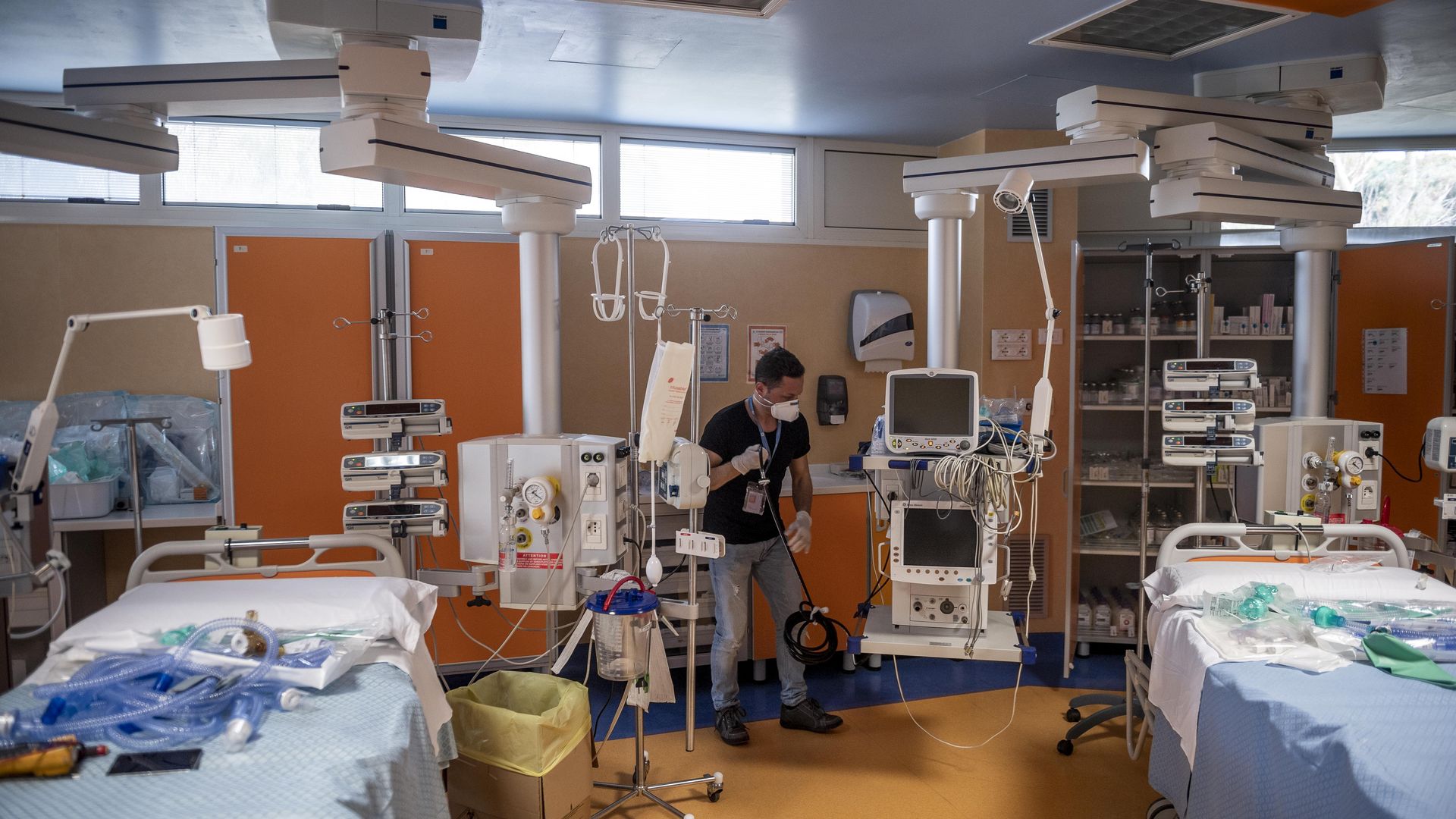
Every corner of the U.S. is at risk for a severe shortage of hospital beds as the coronavirus outbreak worsens, according to new simulations from Harvard, mapped out by ProPublica and the New York Times.
Why it matters: Total nationwide capacity for health care supplies doesn't always matter, because hospitals in one area can help out neighboring systems when they're overwhelmed by a crisis. But these projections indicate that won't be an option with the coronavirus — everybody will be hurting at the same time.
Experts and lawmakers are beginning to call for extraordinary measures to alleviate medical shortages that could cripple the U.S. response to the coronavirus.
Why it matters: These shortages affect both testing and treatment, and if they persist, could also thin the ranks of health care workers able to help treat coronavirus patients. And the only solution may be for the federal government to get involved.
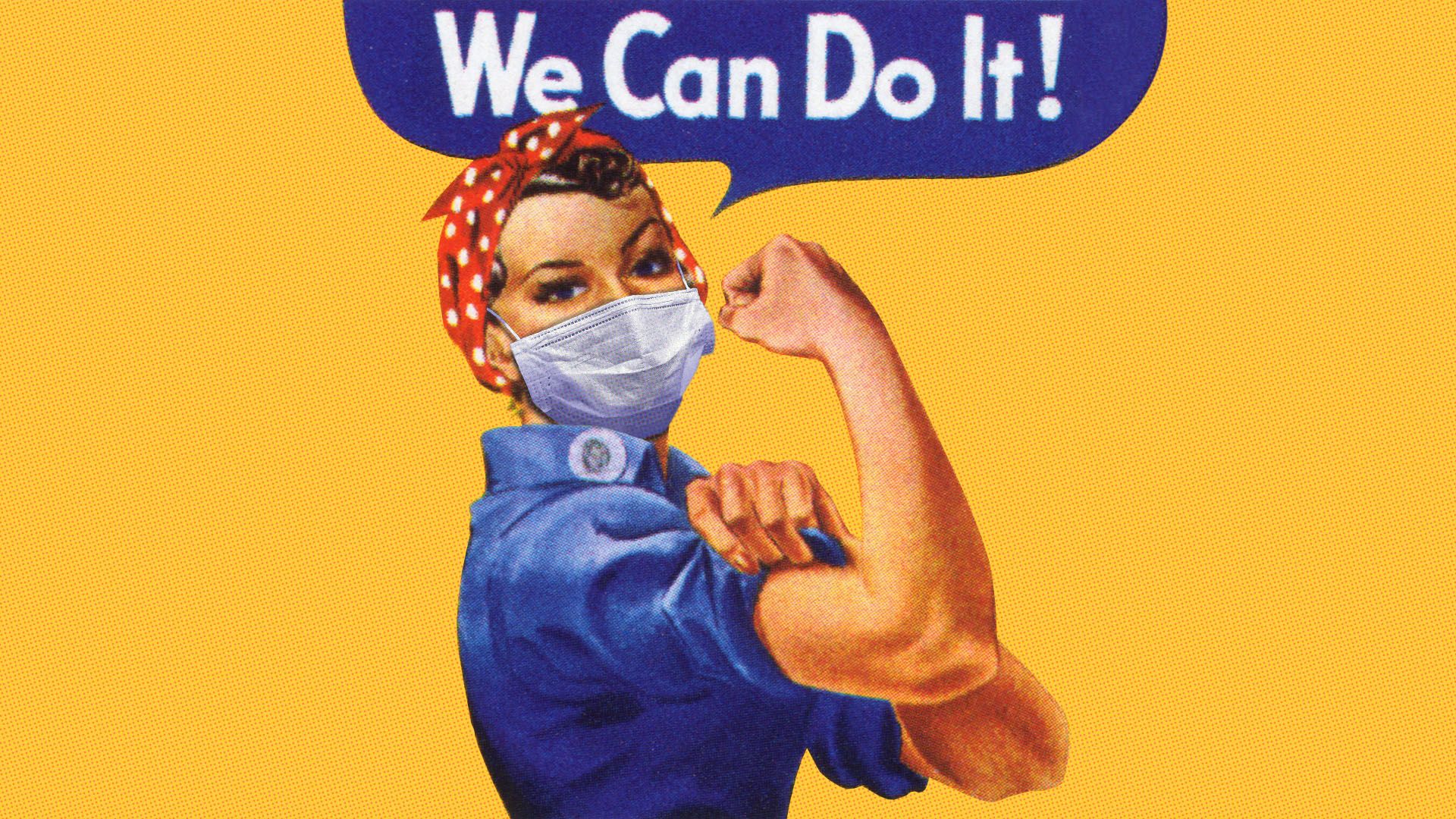
China's successful fight against the coronavirus has exacerbated a pre-existing crisis of confidence in Western democracies. But many of China's measures to combat the coronavirus aren't authoritarian; they are the kind of total social mobilization that happens during war.
Why it matters: In the fight against the coronavirus, as in wartime, democracies are perfectly capable of taking extreme measures when necessary.
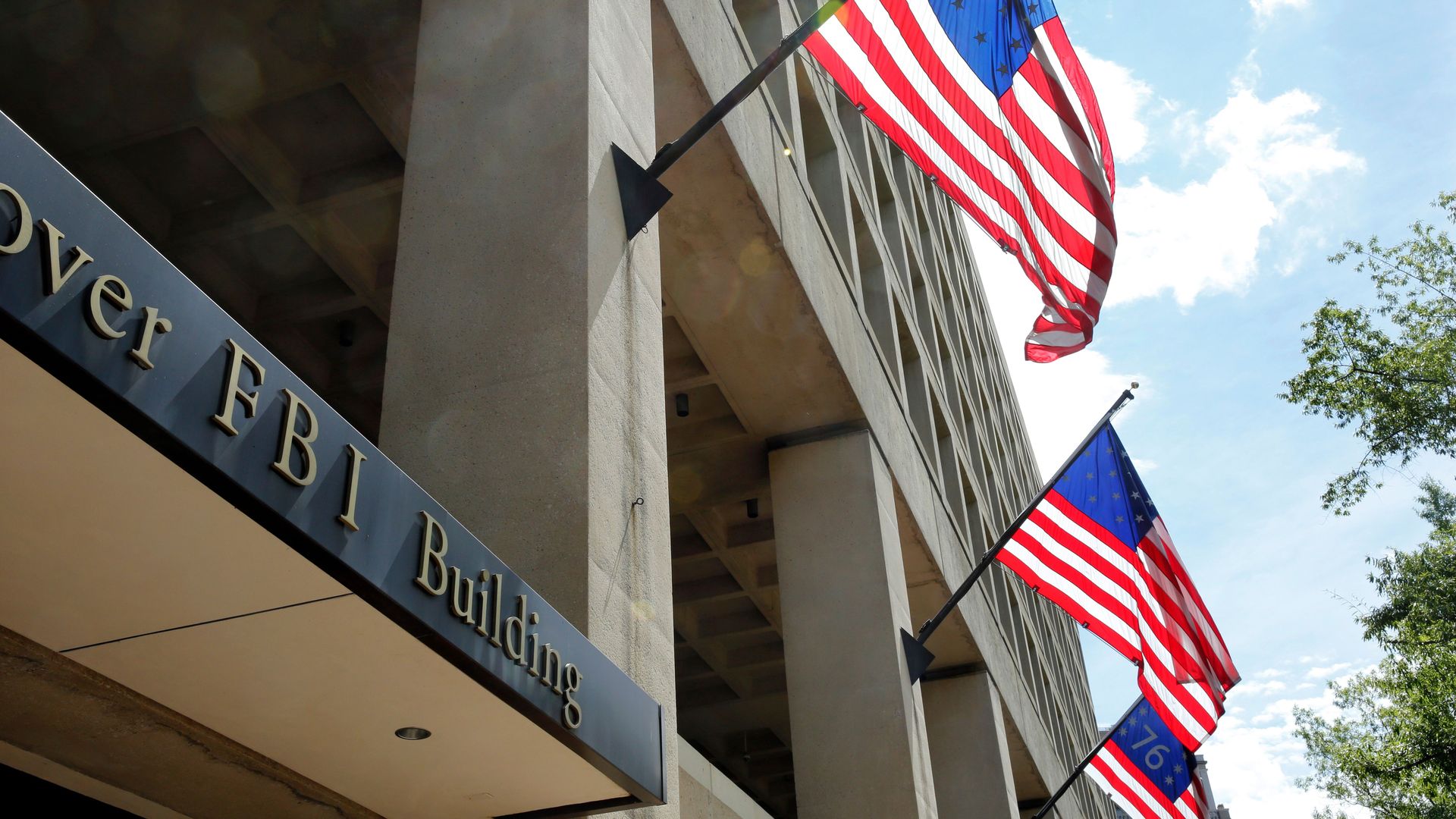
The FBI announced on its website for Freedom of Information Act matters Tuesday that it's only accepting requests sent through the mail and won't process electronic ones "[d]ue to the emerging COVID-19 situation."
Why it matters: New Trump administration guidelines in response to the novel coronavirus outbreak recommend social distancing measures, including limiting social gatherings of more than 10 people. There's a global push for people who are able to switch to online work remotely to do so.
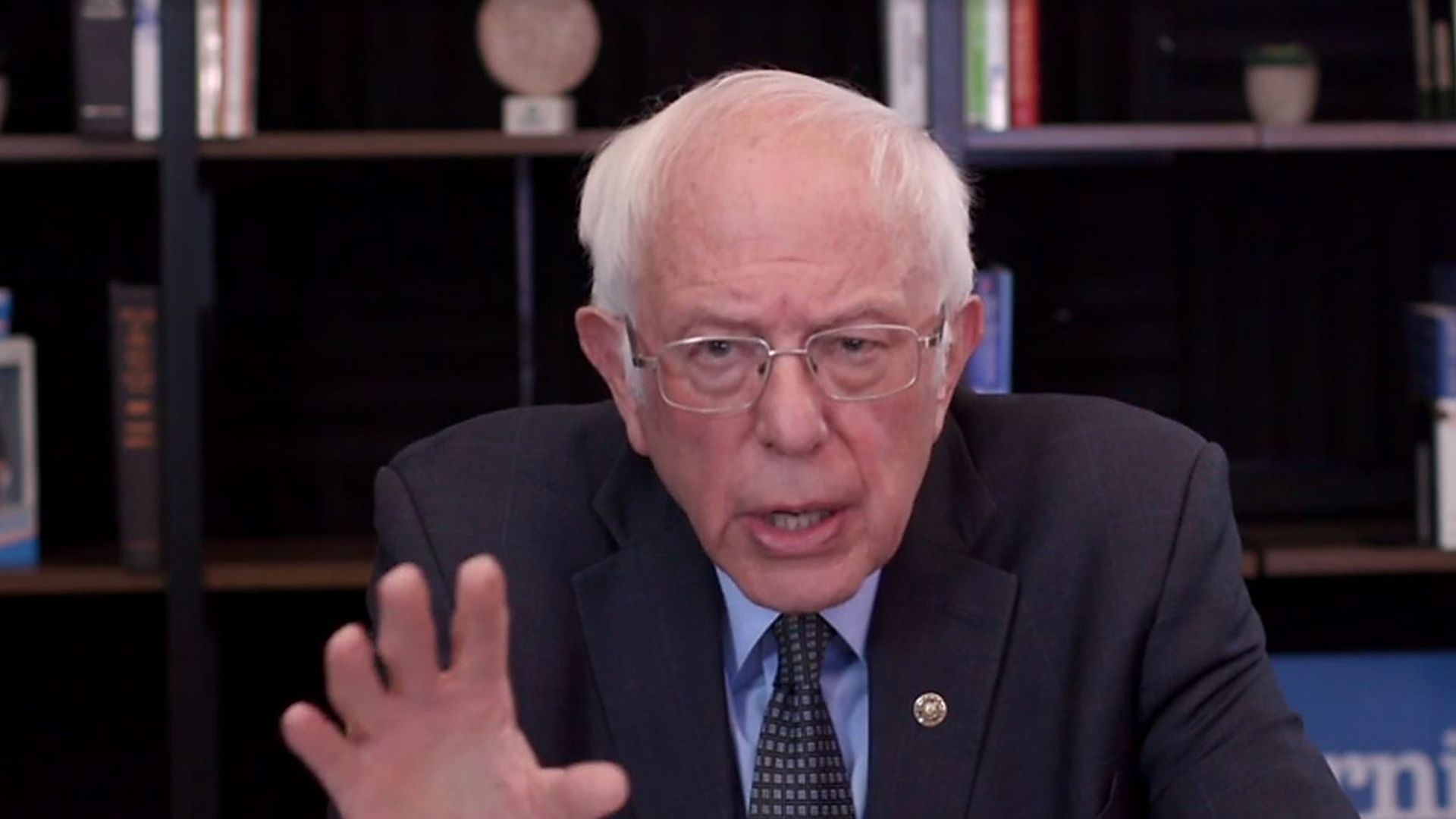
Democratic presidential candidate Sen. Bernie Sanders announced Tuesday a plan to give American households $2,000 a month and for gig economy workers to receive unemployment payouts during the novel coronavirus outbreak.
What he's saying: "In this unprecedented moment, this will require an unprecedented amount of money. My own guess is that we’ll be spending $2 trillion in funding to prevent deaths, job losses, and to avoid an economic catastrophe."