A 6-week-old infant who died in Hartford County, Connecticut, last week received positive test results for the novel coronavirus on Tuesday night, Gov. Ned Lamont said on Wednesday.
The FBI processed a record 3.7 million gun background checks in March — more than any month previously reported, according to the agency's latest data.
Driving the news: The spike's timing suggests it may be driven at least in part by the coronavirus outbreak.
Social distancing measures around the world are so great they have actually caused the Earth to move less.
The big picture: There is no shortage of ways to measure how much responses to the pandemic have slowed human movement. But the idea that the planet itself has become stiller is truly mind-blowing.
We know COVID-19 will fundamentally alter the world, but those changes may not be the ones you expect.
The big picture: While much of the focus has been on the rush to remote work in the early stages of the pandemic, the longer-term consequences of COVID-19 may have more to do with how we keep ourselves healthy than how we work.
COVID-19 has brought the arcane work of mathematical disease modelers to the forefront, as politicians search for ways to flatten the curve.
Why it matters: Models are the only way we can plan out effective steps now to prevent more deaths in the future. But modeling a disease in mid-pandemic isn't easy, and important nuance can be lost in the translation between academic modelers and policymakers.
What they're saying: Trump administration officials are anonymously sounding the alarm that America's emergency stockpile of personal protective equipment is running dangerously low, the WashPost reports this afternoon
Acting Navy Secretary Thomas Modly said at a Pentagon news conference Wednesday that the nuclear aircraft carrier docked in Guam will move 2,700 members offshore, as more crew members test positive for the coronavirus.
Why it matters: In a rare plea to the U.S. Navy, Capt. Brett Crozier asked Monday that the crew be quarantined off the ship due to lack of space and concerns of rapid infection.
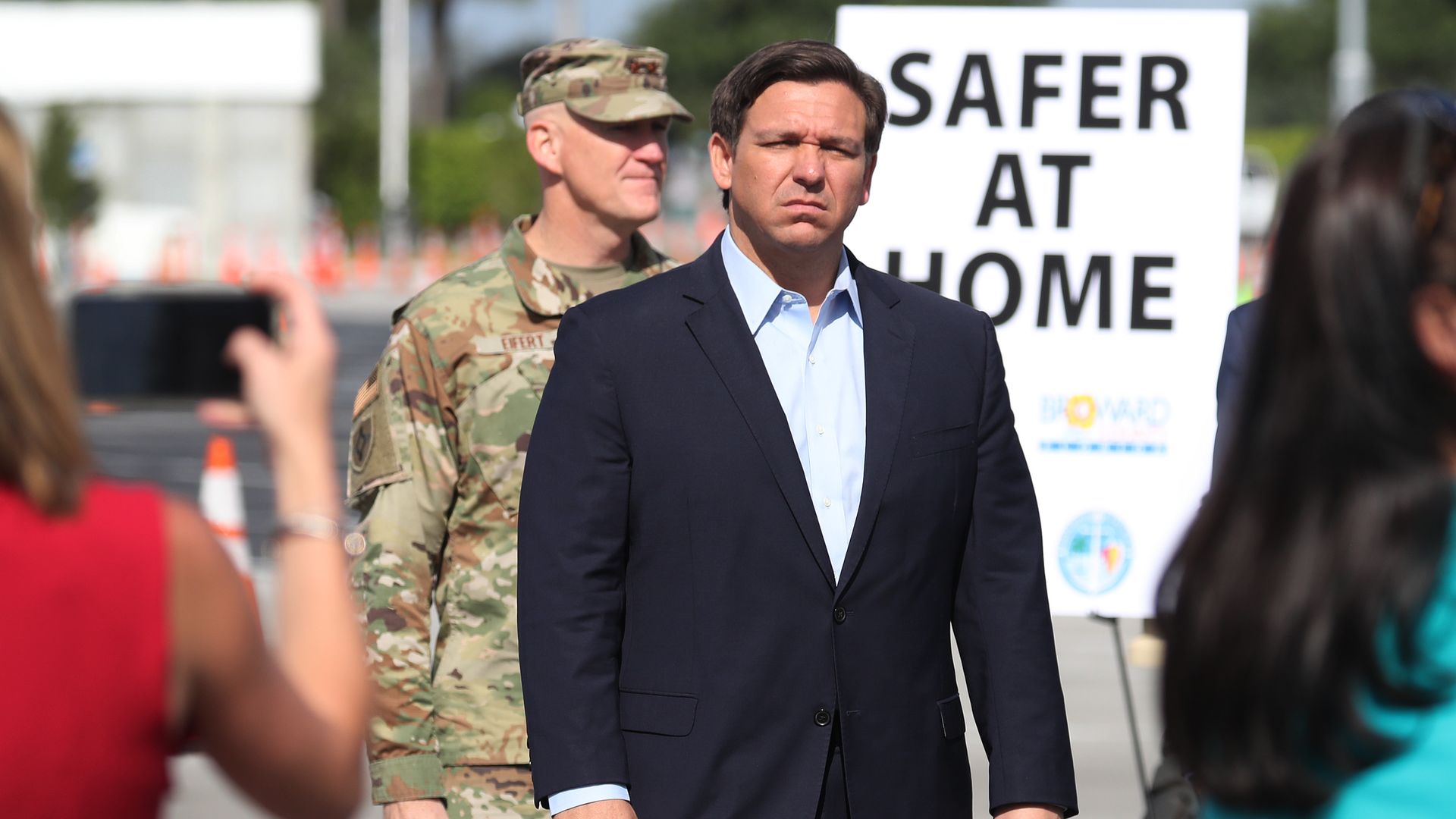
Florida Gov. Ron DeSantis ordered a statewide stay-at-home order on Wednesday after the number of coronavirus cases in the state rose to nearly 7,000.
Why it matters: DeSantis has been criticized for declining to order any statewide mandates to curb the spread of the coronavirus even as Florida — home to a significant elderly population — was increasingly becoming a hotspot. The order will go into effect Thursday at midnight and last for 30 days.
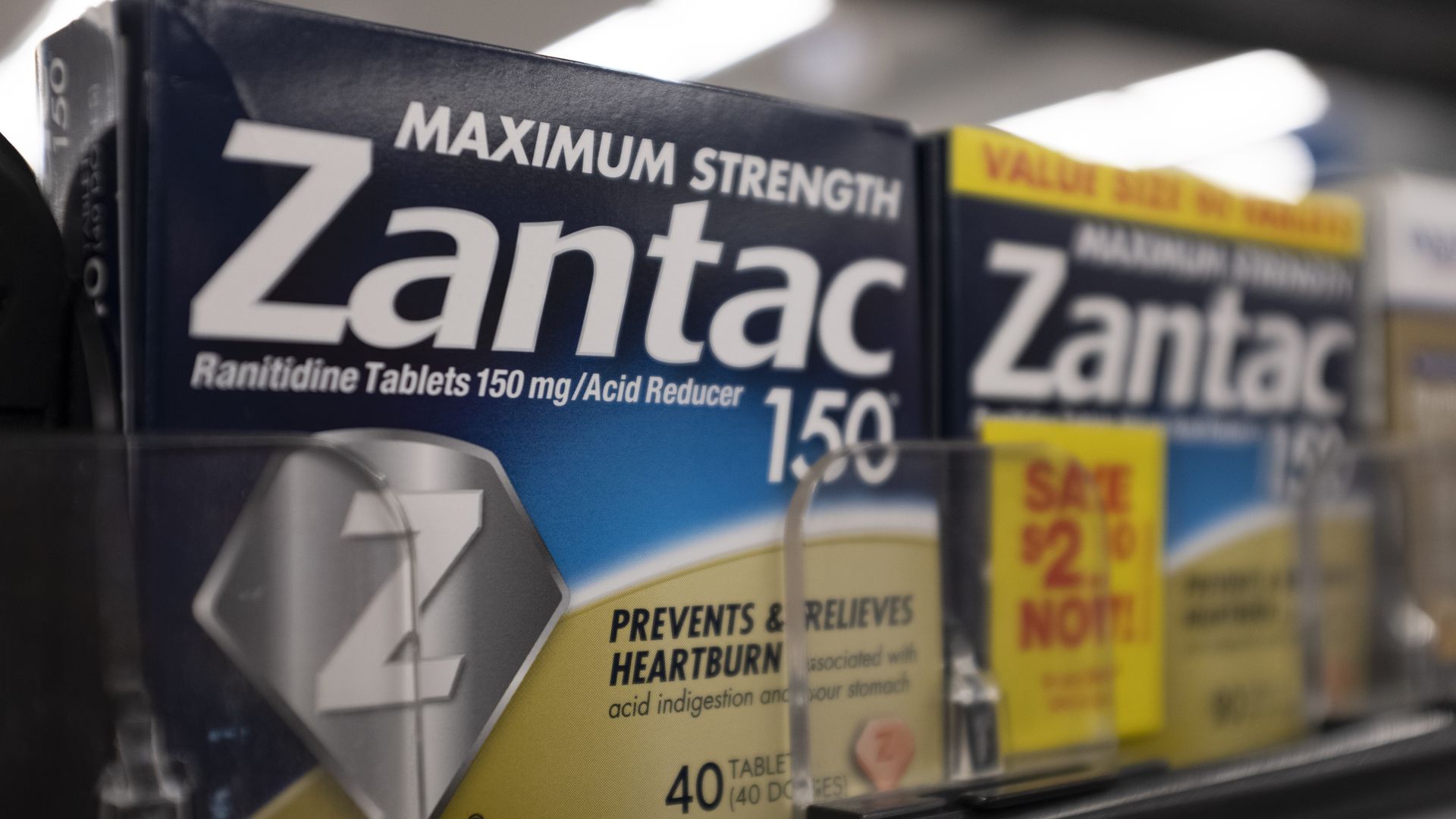
The Food and Drug Administration is asking all makers of ranitidine, a heartburn drug most commonly known by the brand name Zantac, to pull all forms of the medicine from the market.
The bottom line: Don't take any versions of this drug, which has been linked to cancer-causing contaminants.
The coronavirus pandemic is laying bare America's stark class inequality and, some experts say, should lead to more urgent policy conversations about housing, wages and worker rights.
Why it matters: The real measure of a city's resiliency is the ability of its residents to survive a crisis and bounce back.
The Trump administration has been hesitant to fully invoke the Defense Production Act to address medical supply shortages during the novel coronavirus outbreak. The New York Times reports that the Department of Defense has implemented the DPA regularly during Trump’s presidency. Dan goes deeper with the Times' Zolan Kanno-Youngs.
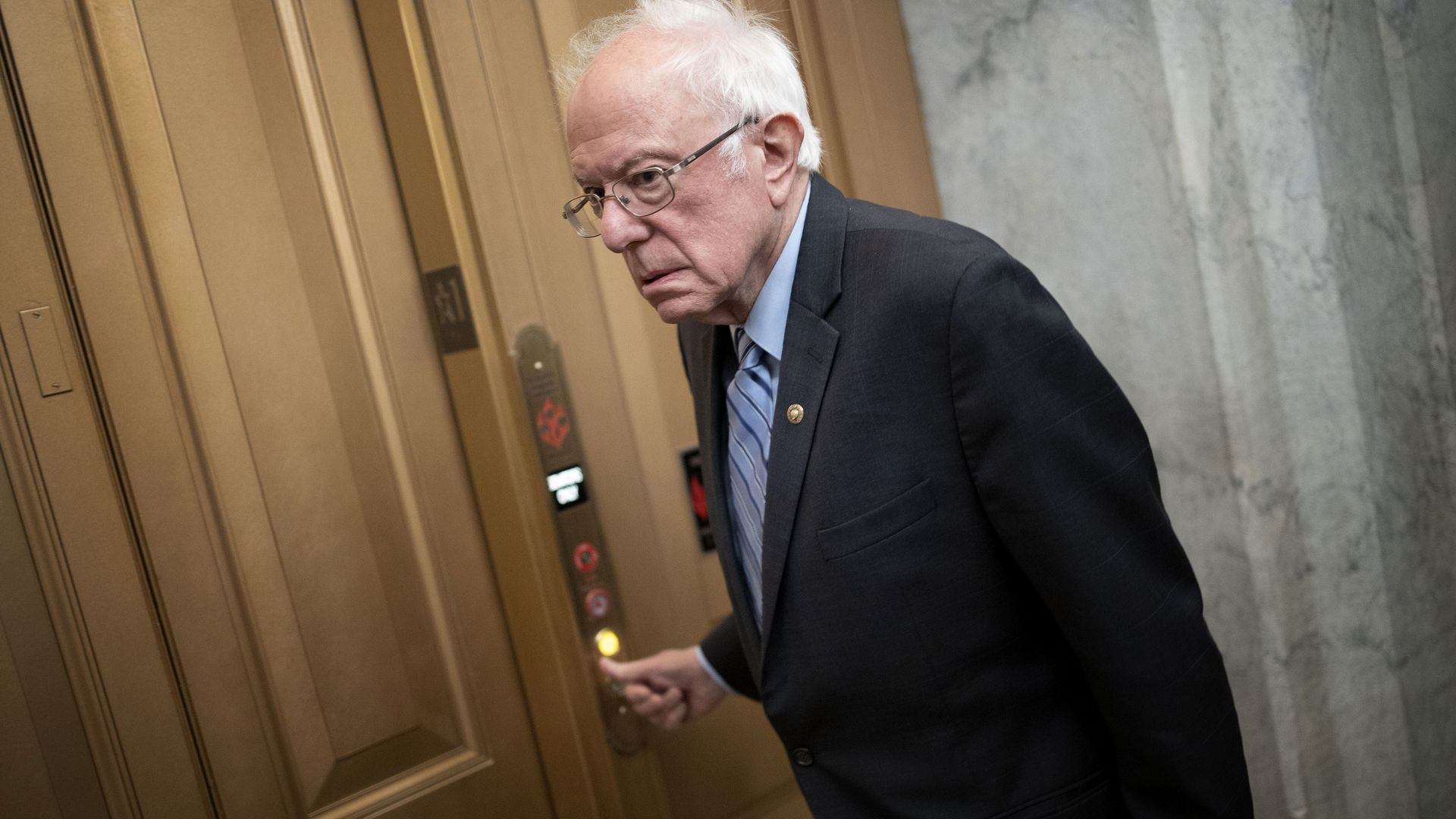
Bernie Sanders called for Wisconsin to delay its April 7 primaries to help curb the spread of the coronavirus, according to a press release from his campaign on Wednesday.
Why it matters: So far, 14 states and one territory have postponed their primaries because of the pandemic, but Wisconsin has held firm to its date.
Vice President Mike Pence told CNN Wednesday that White House modeling suggests "Italy may be the most comparable area to the United States" in terms of the impact of the coronavirus pandemic.
Why it matters: Italy has become one of the global epicenters of the pandemic, with 105,792 cases and 12,428 deaths. Public health experts have warned for weeks that the U.S. would be on the same path if it didn't take drastic measures to stem the spread of the virus.
The oil-and-gas producer Whiting Petroleum said Wednesday that it filed for Chapter 11 bankruptcy protection, citing the "severe downturn" in prices stemming from the Saudi-Russia price war and the novel coronavirus pandemic.
Why it matters:The Wall Street Journal notes that Whiting, a substantial producer in North Dakota's prolific shale regions, is the "first sizable fracking company to succumb to the crash in oil prices."
Wednesday is April Fools' Day, but this year it's decidedly the wrong moment for online pranks — even though tech companies have reveled in them for several years now.
The big picture: The genre was getting a bit tired even before the pandemic — and many things that might be funny in ordinary times simply aren't funny right now.
Private equity is still working on opportunistic deals when it can get a break from portfolio triage, but it's also boarding up the exits amid new questions about the speed of the coronavirus recovery.
The state of play: Sale processes are being shelved daily, even ones that already launched with investment bankers, data rooms, and interested suitors.
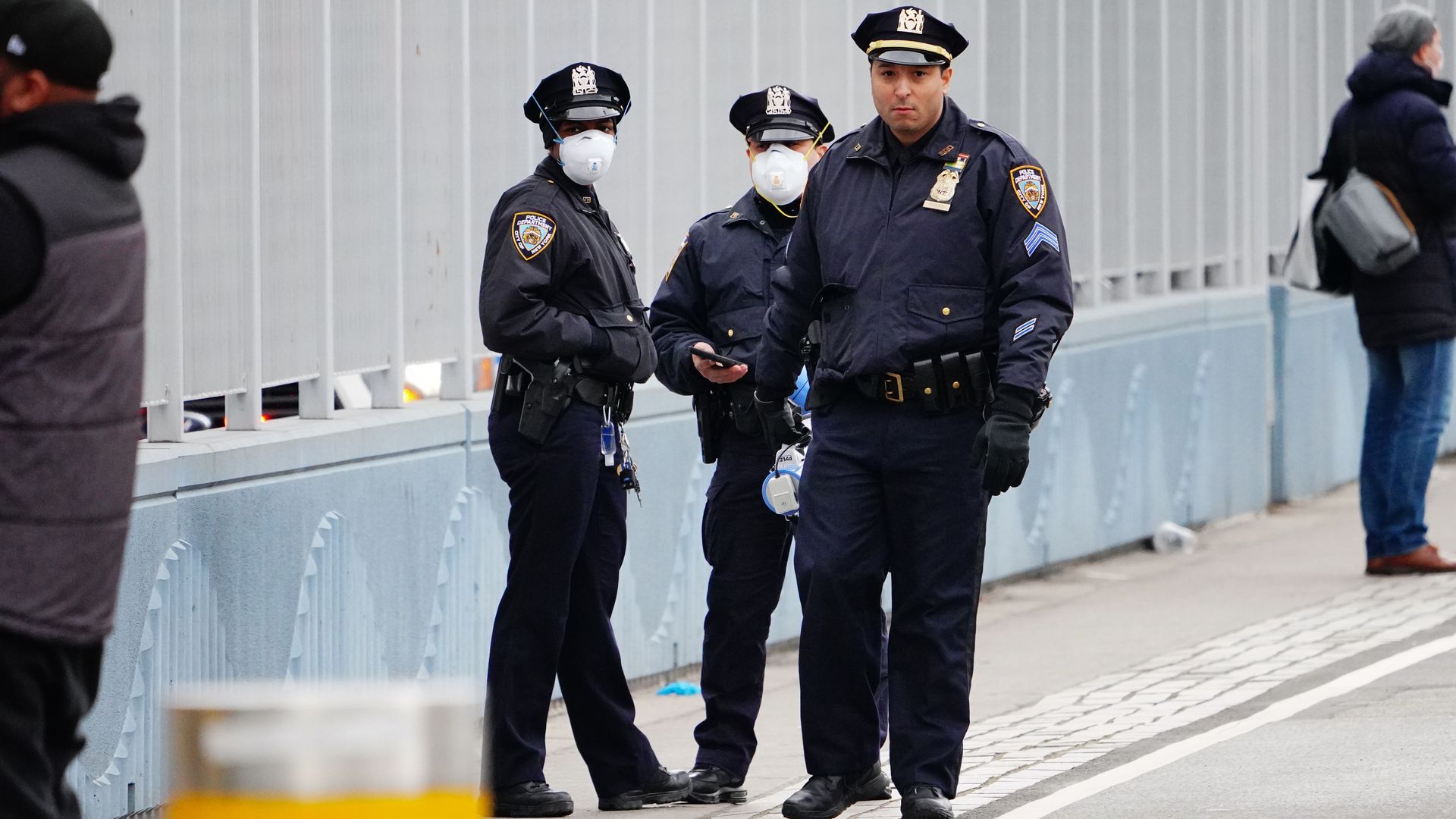
About 17% of New York Police Department officers have called out sick, while 1,418 have tested positive for COVID-19 as of Wednesday, according to CNN.
Why it matters: New York City has become the epicenter of the virus in the United States, with over 43,000 cases as of Tuesday. The Department has about 36,000 officers, and five have already died as a result of the coronavirus.
What was once unthinkable, even as recently as two weeks ago, is now being discussed openly throughout college sports: coronavirus could force the cancellation of the 2020 college football season.
Why it matters: 80% of FBS athletic budgets are made up of football revenue. So if the season was canceled — or even shortened — the economic fallout would be exponentially worse than what we saw with March Madness.
The renewable energy sector is pressing for the "phase 4" coronavirus response bill to provide the aid that was omitted from the recent $2 trillion rescue package — and they might have a wider opening this time around.
Why it matters: Wind and solar developers are warning of project cancelations and layoffs as activity is frozen, supply chains are disrupted, and companies risk missing deadlines to use tax credits.
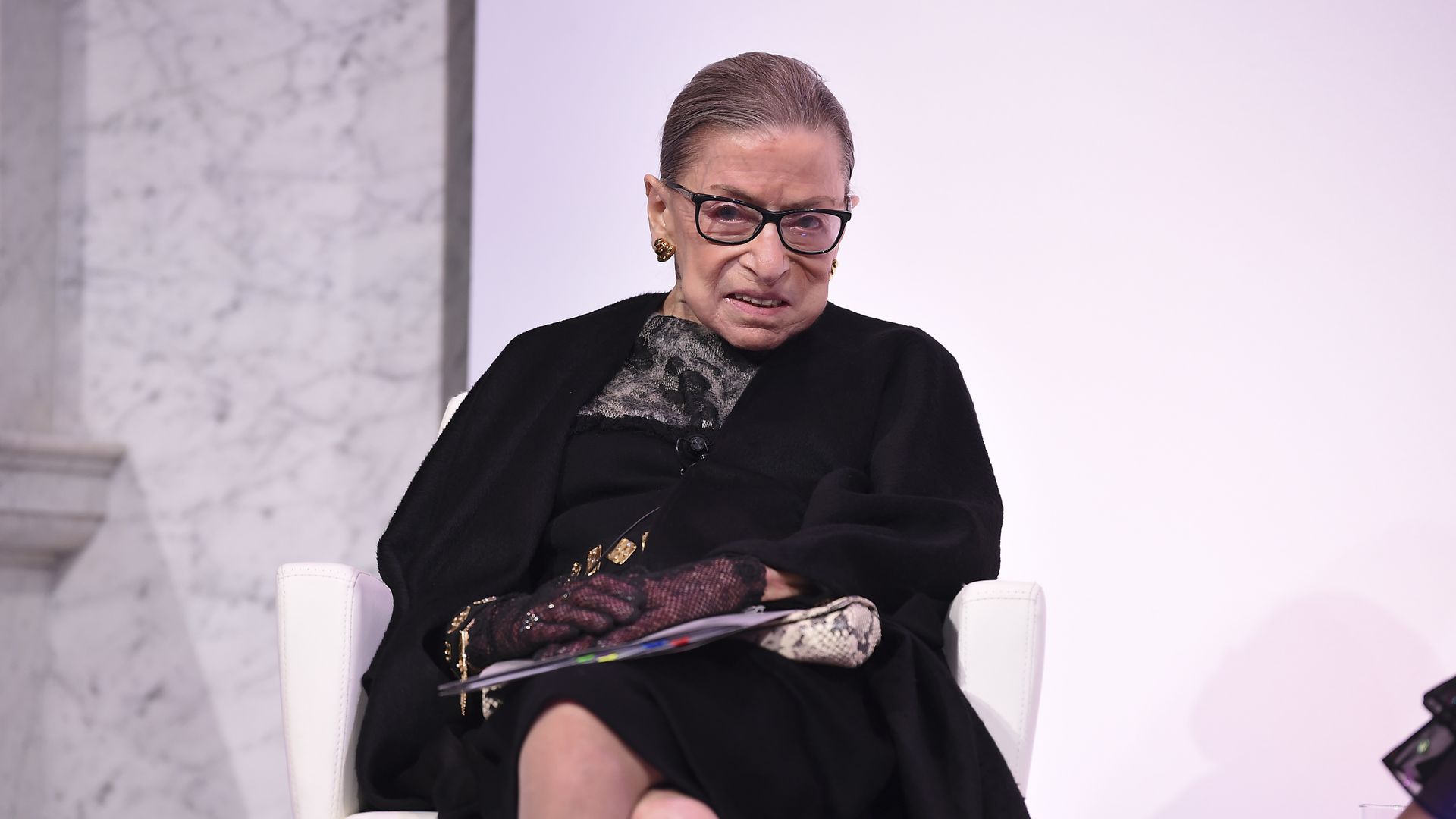
Supreme Court Justice Ruth Bader Ginsburg's personal trainer Bryant Johnson told Law360 that she's continuing her famous twice-weekly workout in the Supreme Court's private facility despite the coronavirus outbreak.
Why it matters: The CDC notes that those who are over 65 and immunocompromised are at particular risk for severe complications from coronavirus. Ginsburg is 87 and has survived cancer four times.
Americans have become more optimistic about the state of their finances in the last week, a new survey from Axios and Ipsos shows.
The state of play: While some remain worried, particularly those at the lower end of the economic spectrum, the data shows people are more confident about the security of their jobs and ability to take care of expenses after the passage of the $2.2 trillion CARES Act.
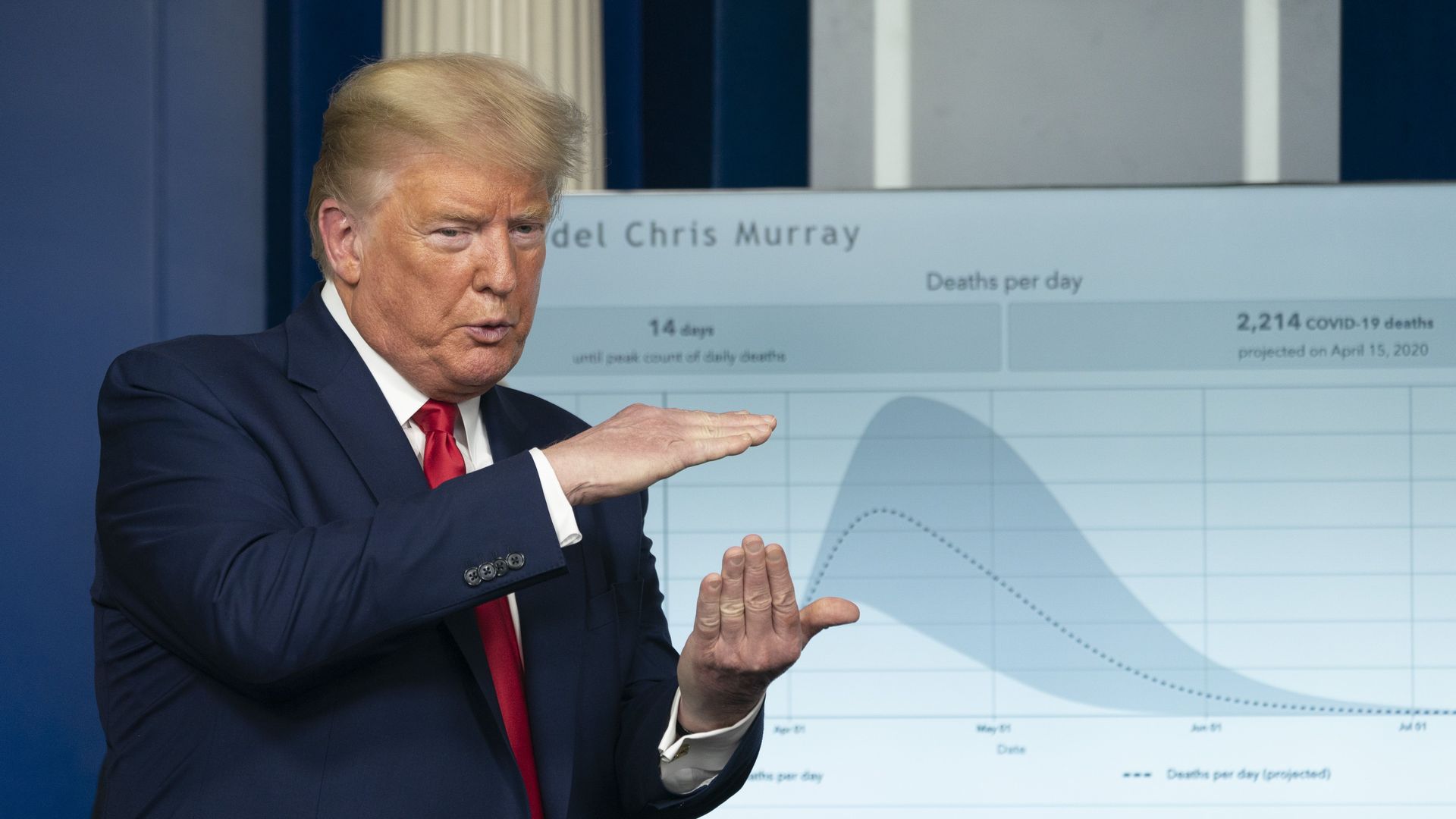
Never has President Trump looked and sounded so somber and downbeat as he did at dinnertime yesterday as he walked America through the "very, very painful" days of death ahead.
Why it matters ... It was a moment the history books won’t forget: Trump, who a week ago was talking about an Easter-time return to work, warned in grim detail of the potential for 100,000 to 240,000 deaths.
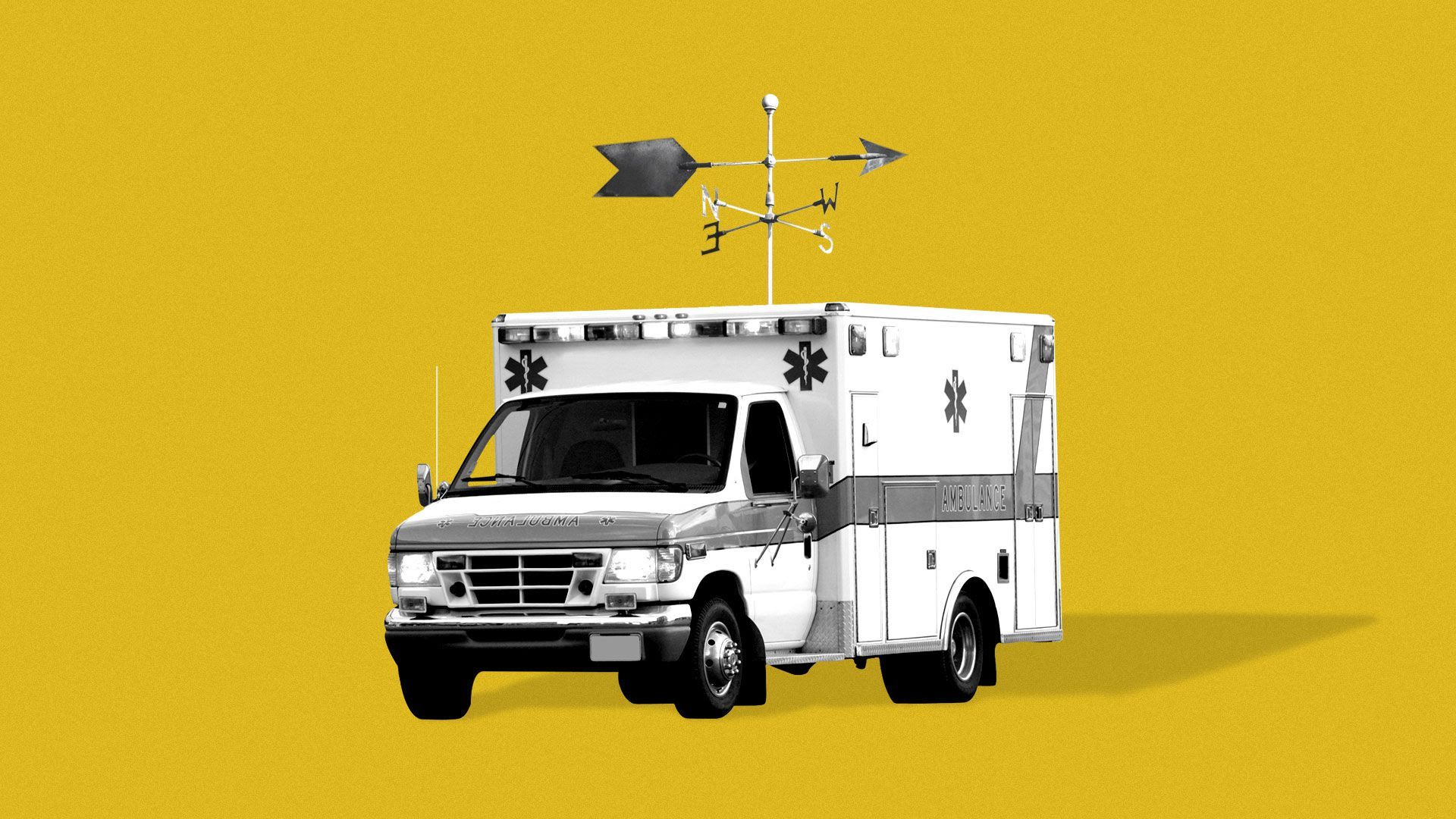
Washington and California, which originally appeared to be epicenters of the coronavirus outbreak in the U.S., have slowed their surges of new cases — although it can't be ruled out that California is just behind on testing.
Why it matters: These states were early adopters of stringent social distancing measures, and these policies appear to be making a difference. That should offer us all fresh encouragement to keep staying home and practicing good hygiene.
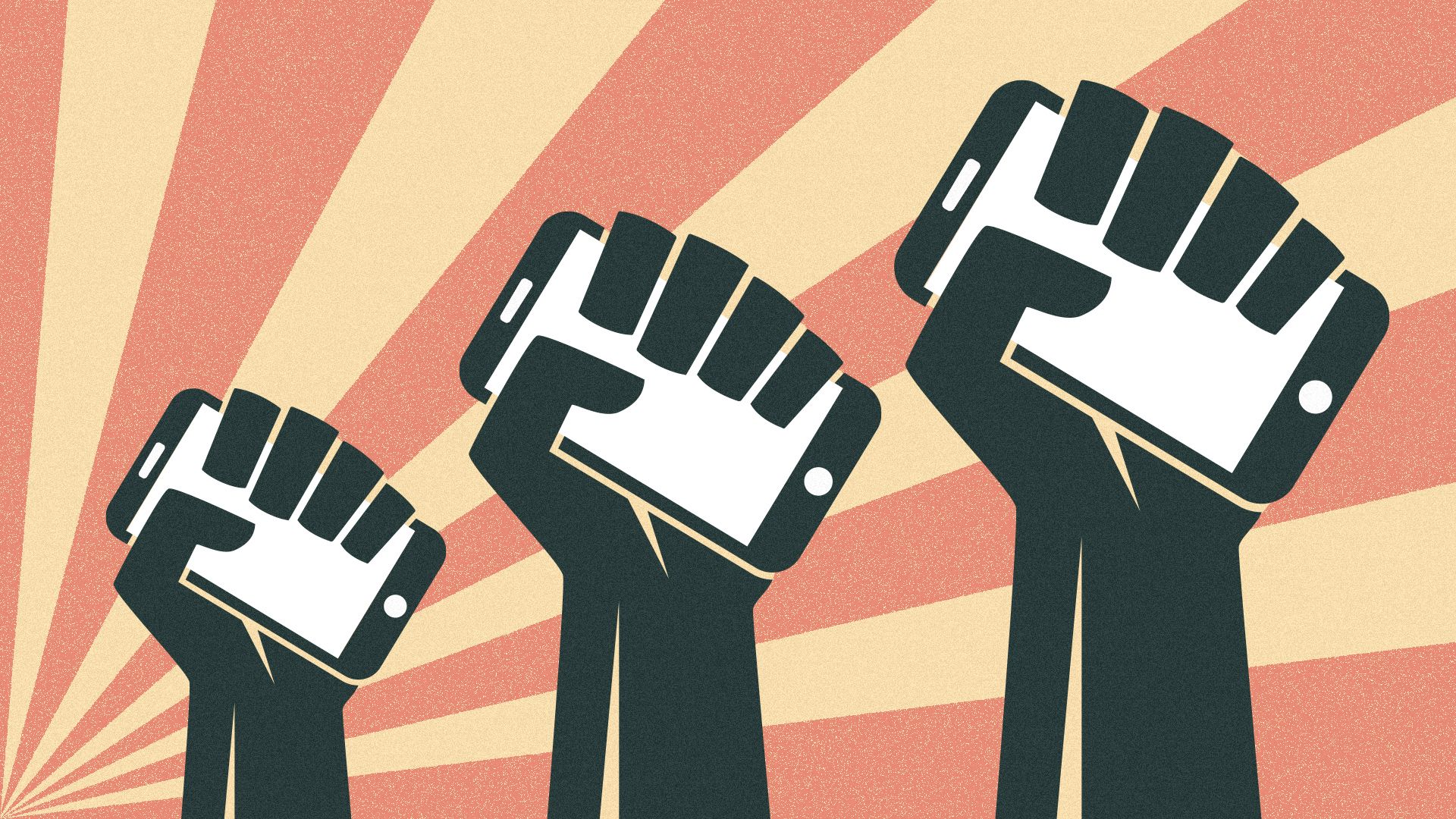
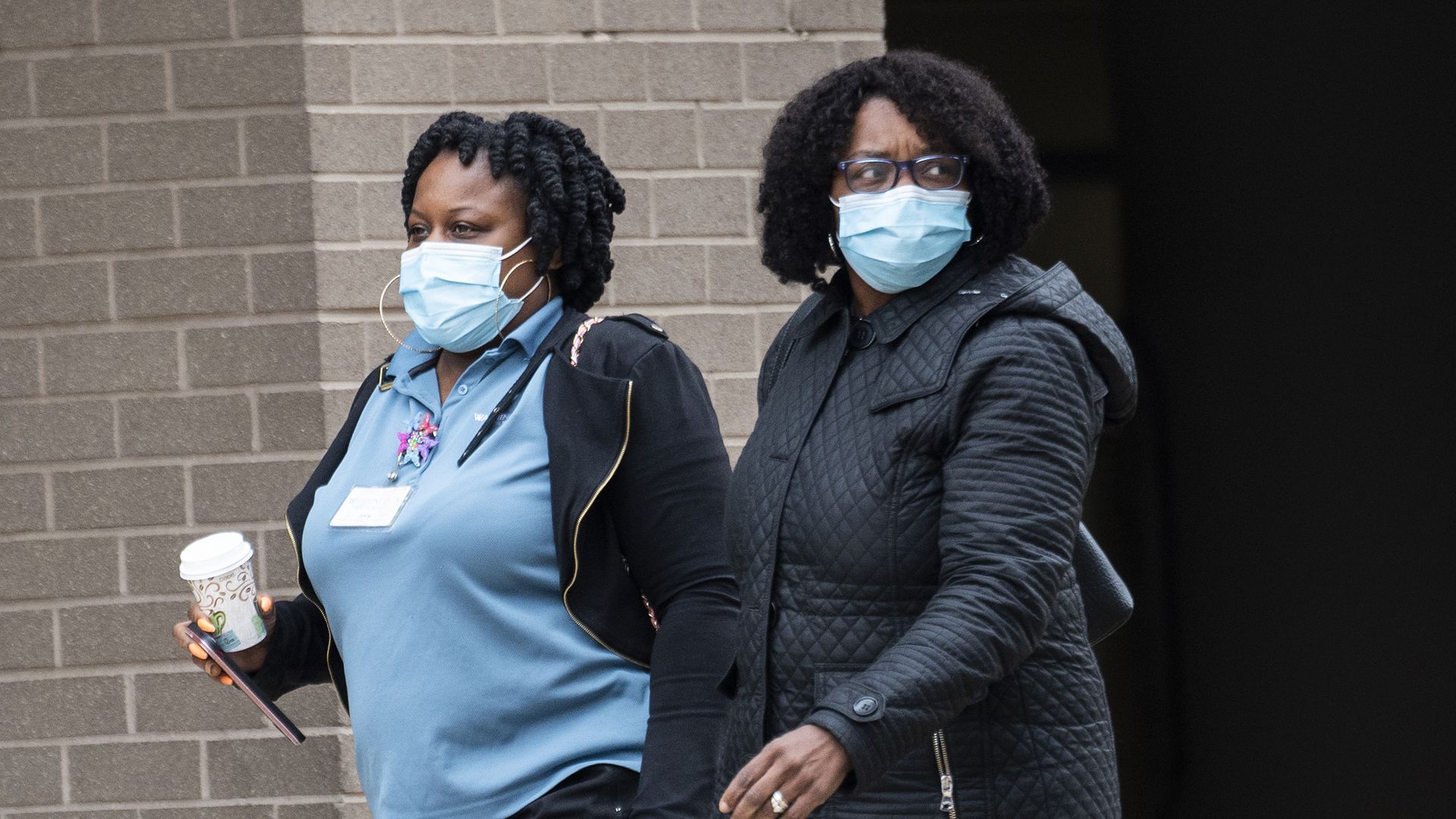
The coronavirus pandemic has had a big impact on working people, who are increasingly banding together to put pressure on employers and raise public awareness about health and safety issues they're facing on the job.
Why it matters: After years of declining union membership, a new labor movement is rising, amplified by the power of social media and fueled by concerns that workers deemed essential during the crisis are putting their lives at risk to ensure the well-being of others.
Medicaid will be a lifeline for droves of Americans affected by the coronavirus pandemic.
Why it matters: Medicaid has long been the safety net that catches people during hard times, but a crisis of this magnitude will call upon the program — and strain states' budgets — like never before.
The coronavirus is spreading a dangerous strain of inequality. Better-off Americans are still getting paid and are free to work from home, while the poor are either forced to risk going out to work or lose their jobs.
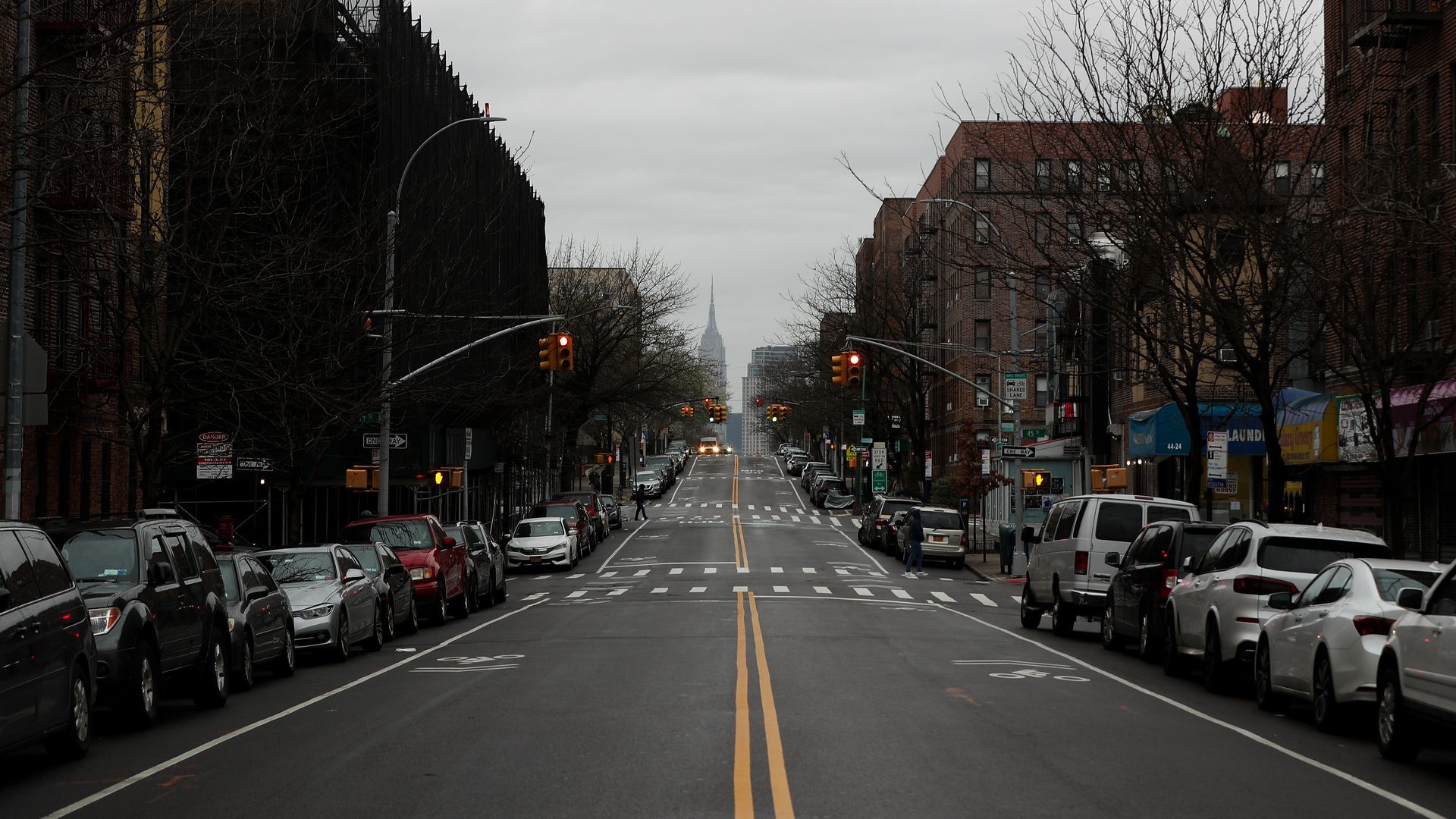
The coronavirus pandemic will leave its mark on urban centers long after the outbreak itself recedes.
Why it matters: The most densely populated cities are ground zero for the virus' rapid spread and highest death tolls — and they're also likely to be pioneers in making lasting changes to help prevent the same level of devastation in the future.
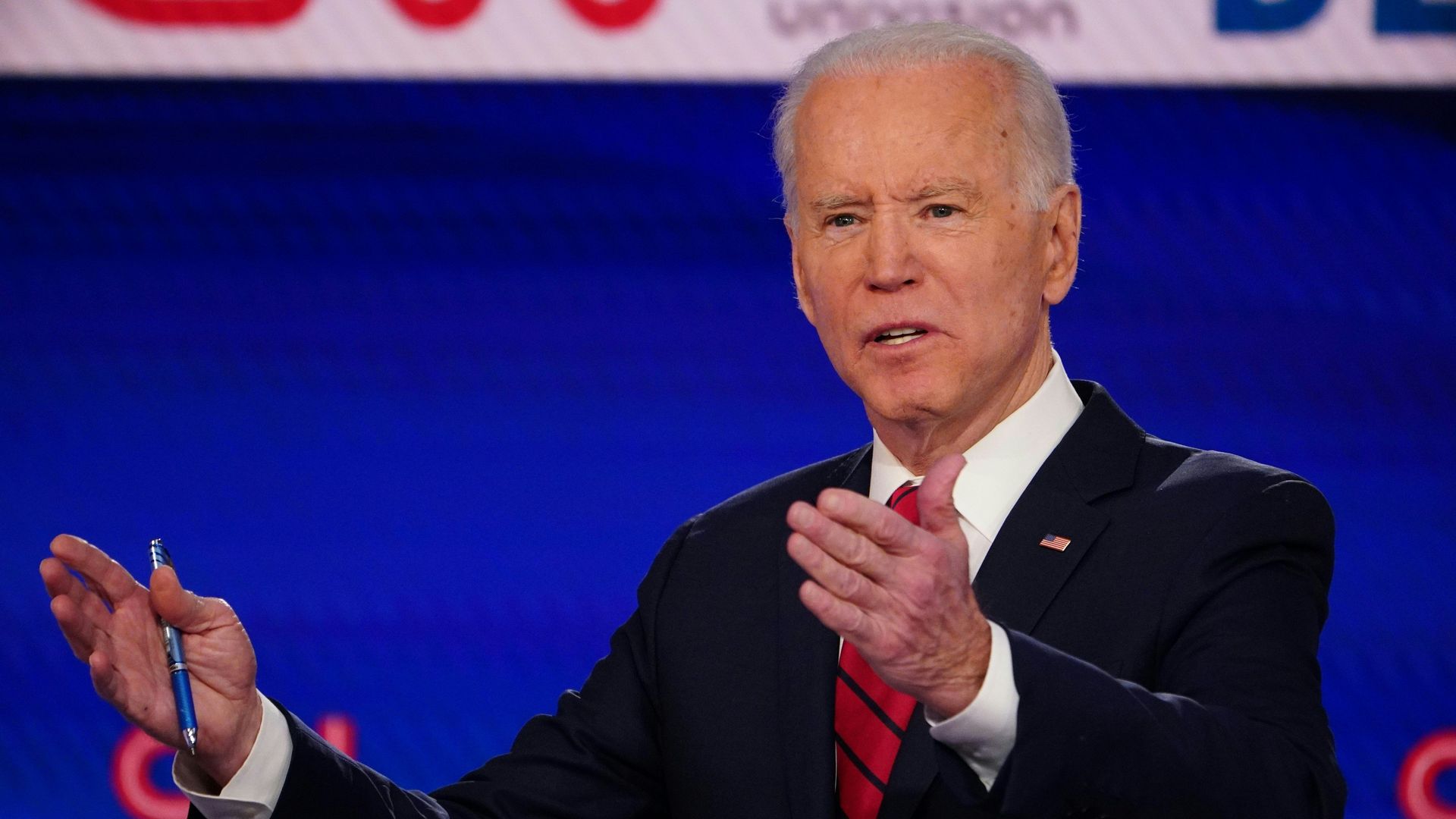
2020 candidate Joe Biden said on MSNBC Tuesday evening it's "hard to envision" the Democratic National Convention going ahead as planned in July when cases of the novel coronavirus continue to rise. But he believes elections can take place during pandemics if alternative methods are used — like "drive-in voting."
The big picture: President Trump said earlier Tuesday projections indicated COVID-19 could kill 100,000–240,000 Americans. The virus has killed more than 4,000 people and infected almost 190,000 others as of Wednesday morning, per Johns Hopkins data.
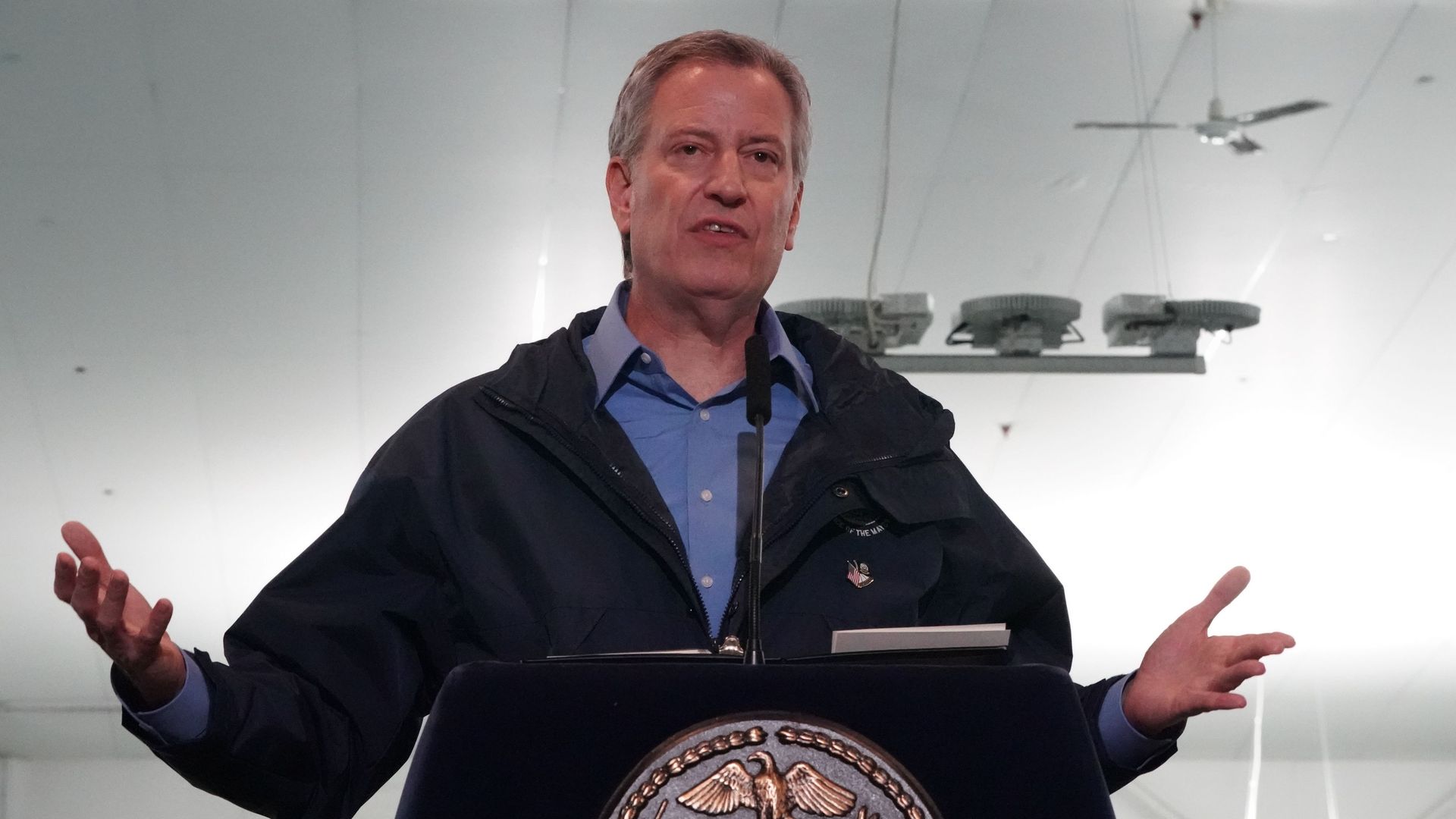
New York City Mayor Bill de Blasio told a news conference Tuesday of plans to triple hospital bed numbers to combat the novel coronavirus by transforming facilities into makeshift hospitals — including U.S. Open tennis courts.
The big picture: The city now accounts for a quarter of all COVID-19 deaths in the U.S. — more than 1,000 as of Wednesday morning. De Blasio said NYC had "about 20,000 working hospital beds in our major hospitals" before the outbreak. "We now need to, in just the next weeks ... produce three times that number," he said.
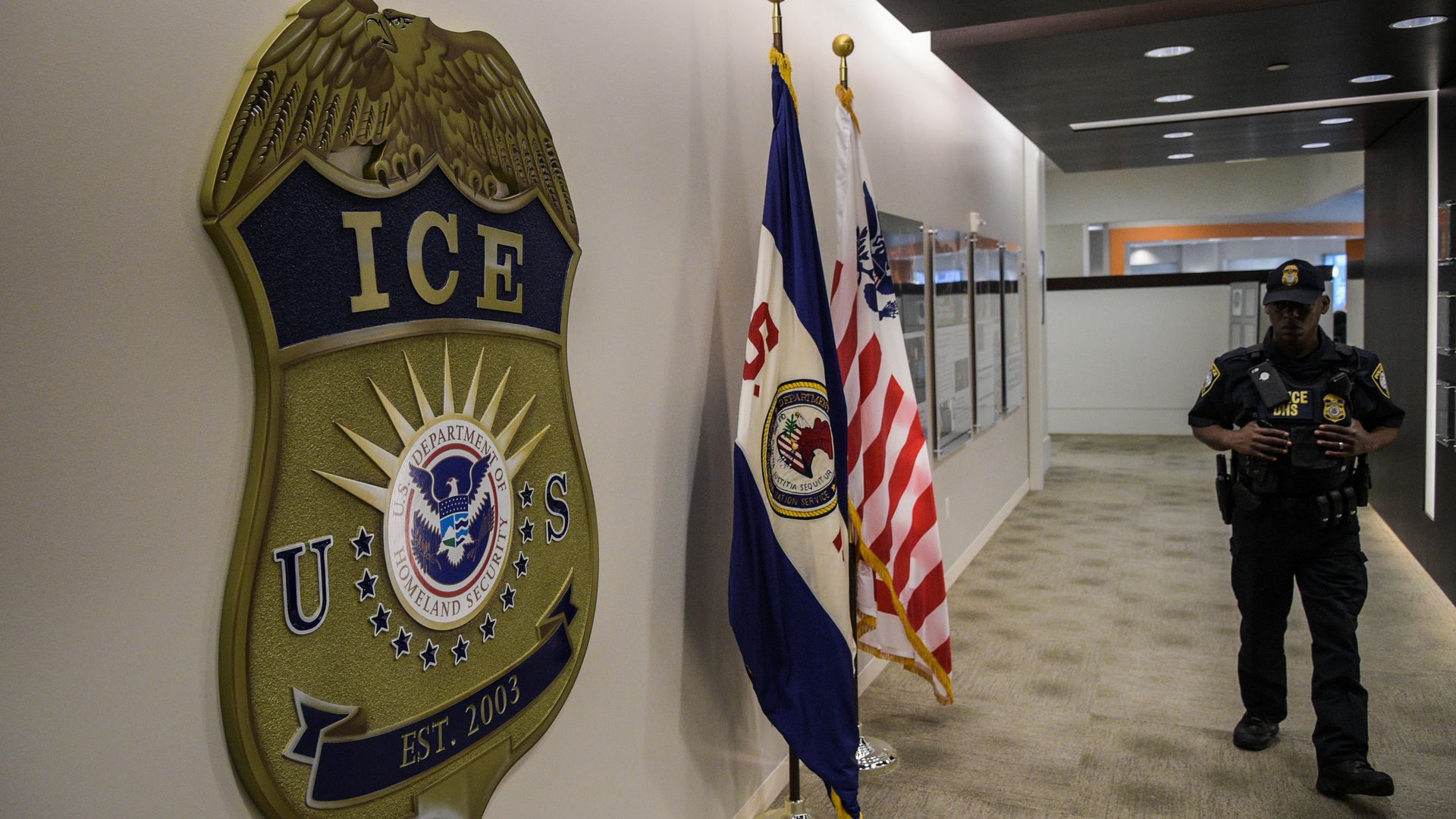
Why it matters: Immigration advocates have been pushing for the release of at-risk individuals in ICE custody. Many detention centers offer little room for social distancing and therefore serve as potential hubs for COVID-19's spread.
Inmates in all U.S. federal prisons "will be secured in their assigned cells/quarters" for 14 days beginning on April 1 to slow the spread of the novel coronavirus, the Bureau of Prisons announced on Tuesday.
The big picture: State-run jails in regions with high infection rates are freeing prisoners to fight the spread of COVID-19 between those who live in overcrowded and often unsanitary spaces that make social distancing near impossible.
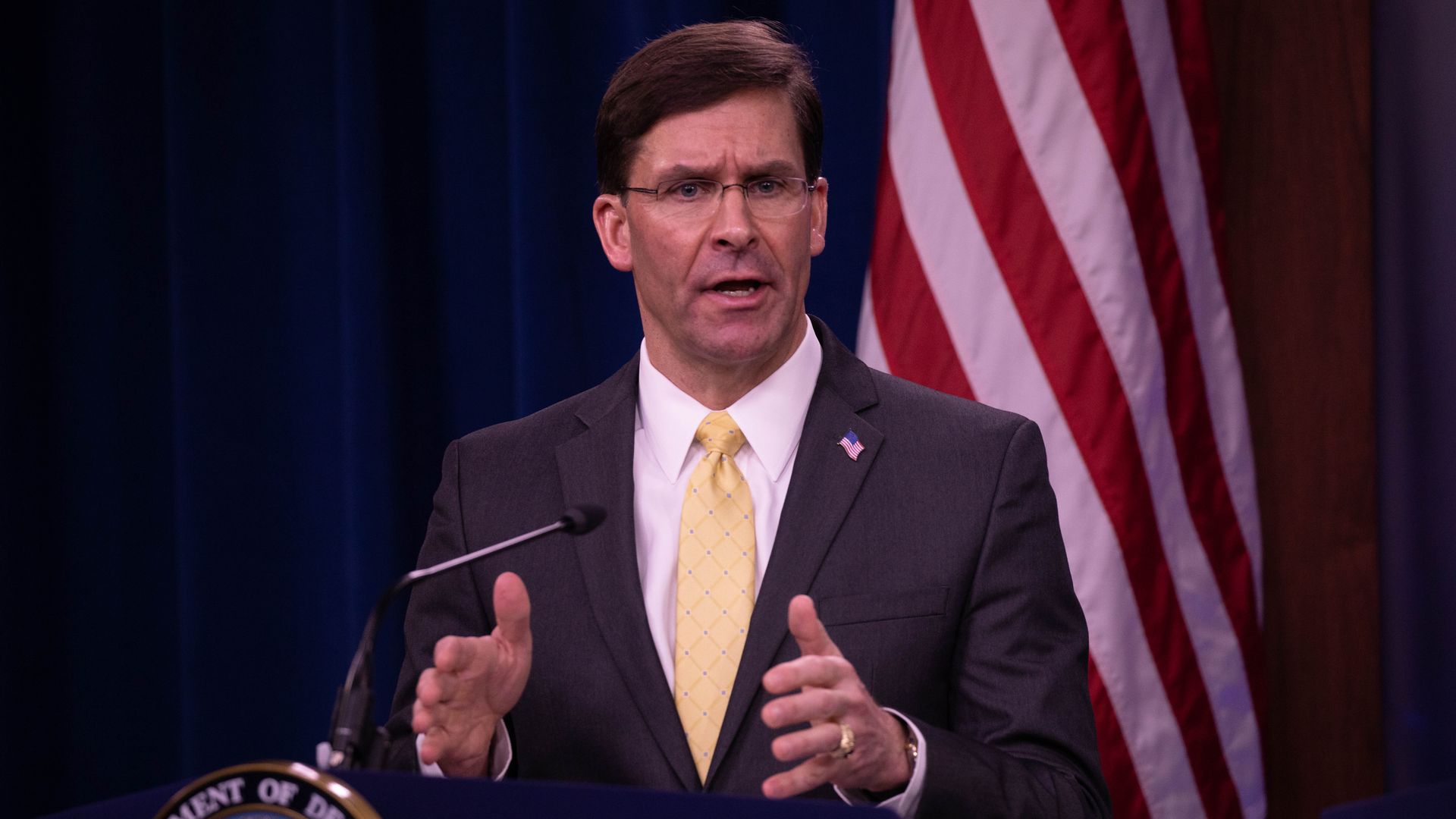
Defense Secretary Mark Esper told CBS' "Evening News" Tuesday he doesn't think "we're at that point" of evacuating a nuclear aircraft carrier docked in Guam with more than 100 crew members infected with the novel coronavirus.
The big picture: The captain of the U.S.S. Theodore Roosevelt has asked the U.S. Navy for more resources. Esper said he'd yet to read the letter in detail, but they're trying to contain the virus aboard the ship. "We're providing additional medical personnel as they need it," he said. Acting Navy Secretary Thomas Modly told CNN earlier Tuesday they were working to remove most of the 4,000 people on board the vessel.


















/2020/04/01/1585752187023.gif?w=3840)