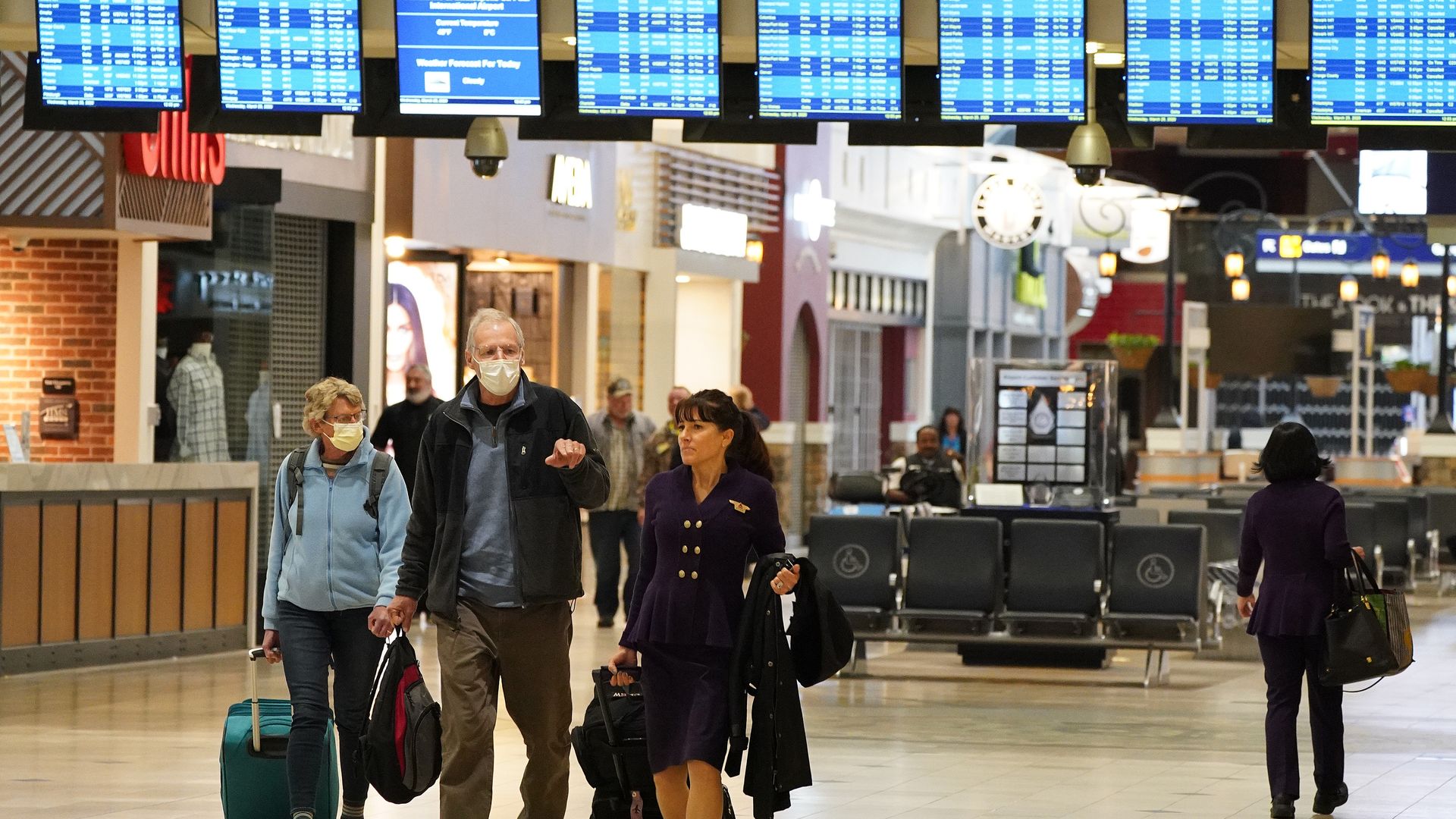
The Department of Transportation on Friday urged domestic and foreign airlines to refund passengers due to canceled or rescheduled flights amid the novel coronavirus pandemic.
Yes, but: The agency said it will not take enforcement action against airlines that provide vouchers or credits instead of a refund, provided that the airline promptly tells passengers they can get a refund, reminds its employees how refunds should be made, and updates its policies to make clear that it provides refunds.
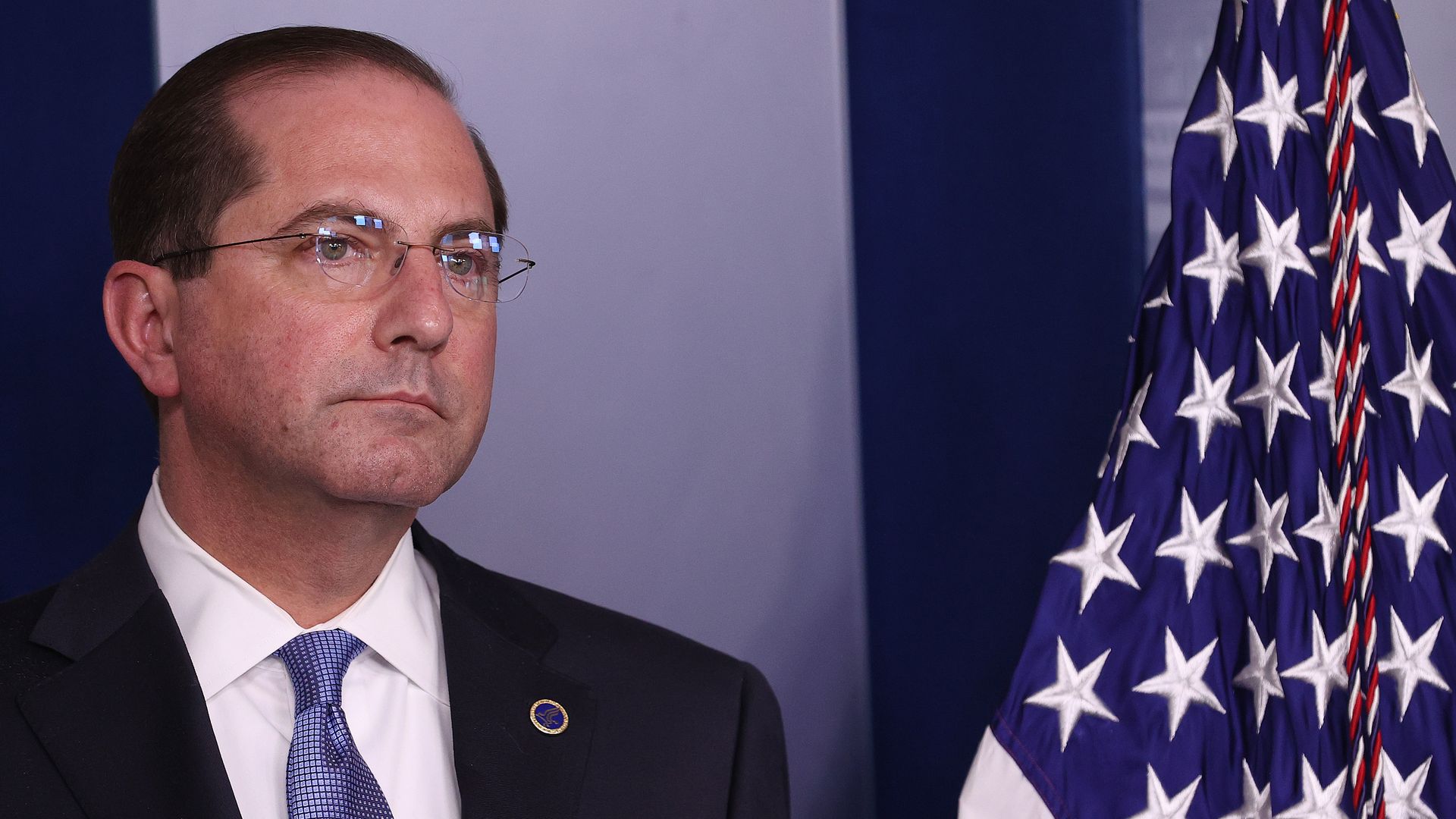
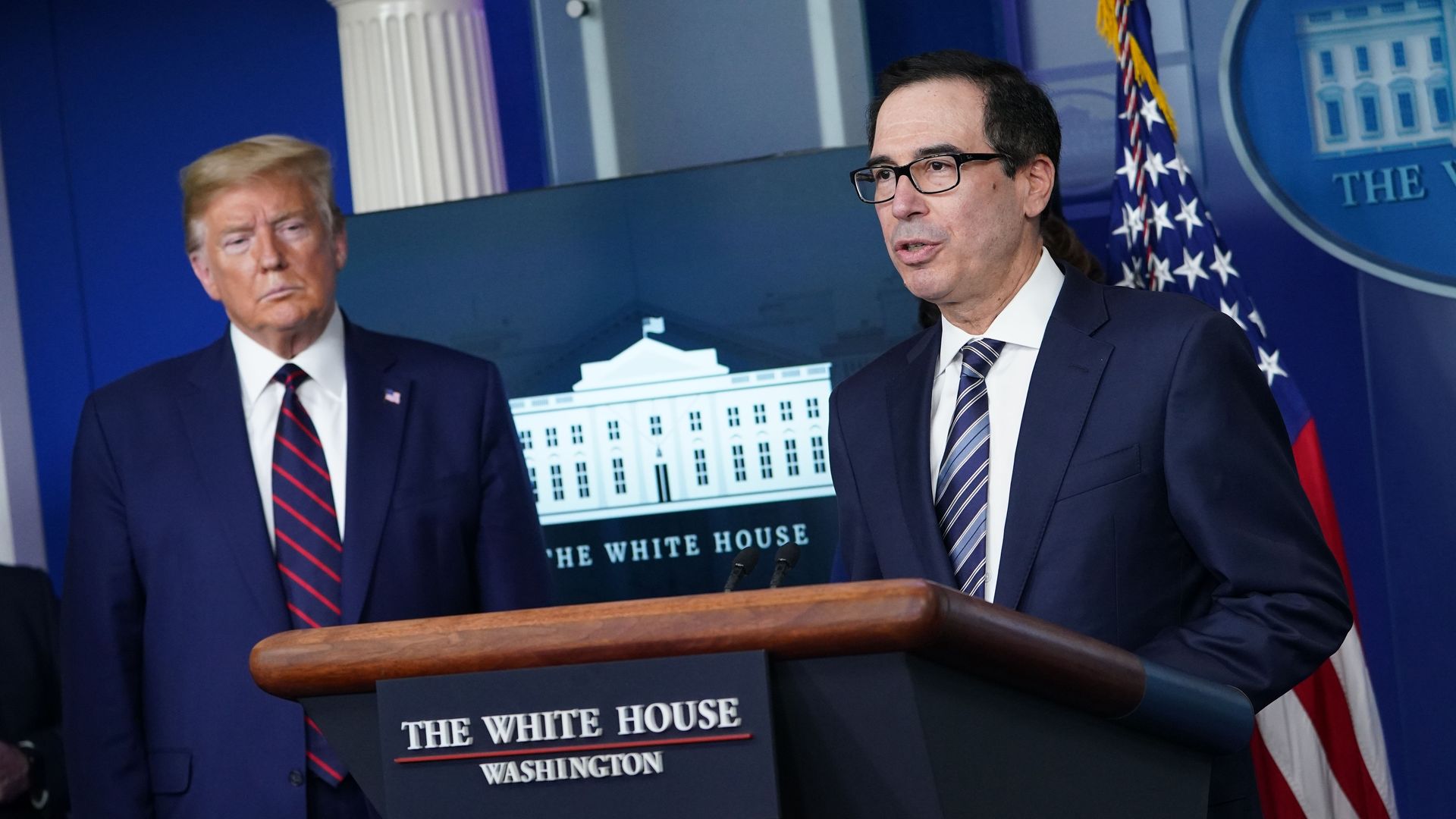
The federal government will cover the costs of coronavirus treatment for the uninsured, Health and Human Services Secretary Alex Azar said at a White House briefing Friday.
How it works: The money will come from a $100 billion pot set aside for the health care industry in the most recent stimulus bill. Providers will be paid the same rates they get for treating Medicare patients, and as a condition of those payments, they won't be allowed to bill patients for care that isn't covered.
Twitter will now allow advertising containing references to the coronavirus under certain use cases, according to a note from Twitter sent to clients on Friday that was obtained and confirmed by Axios.
Why it matters: The news comes one day after Google lifted its advertising ban on coronavirus-related terms. Groups have argued against the policy, as it restricts them from running messages about relief efforts or policies on the virus.
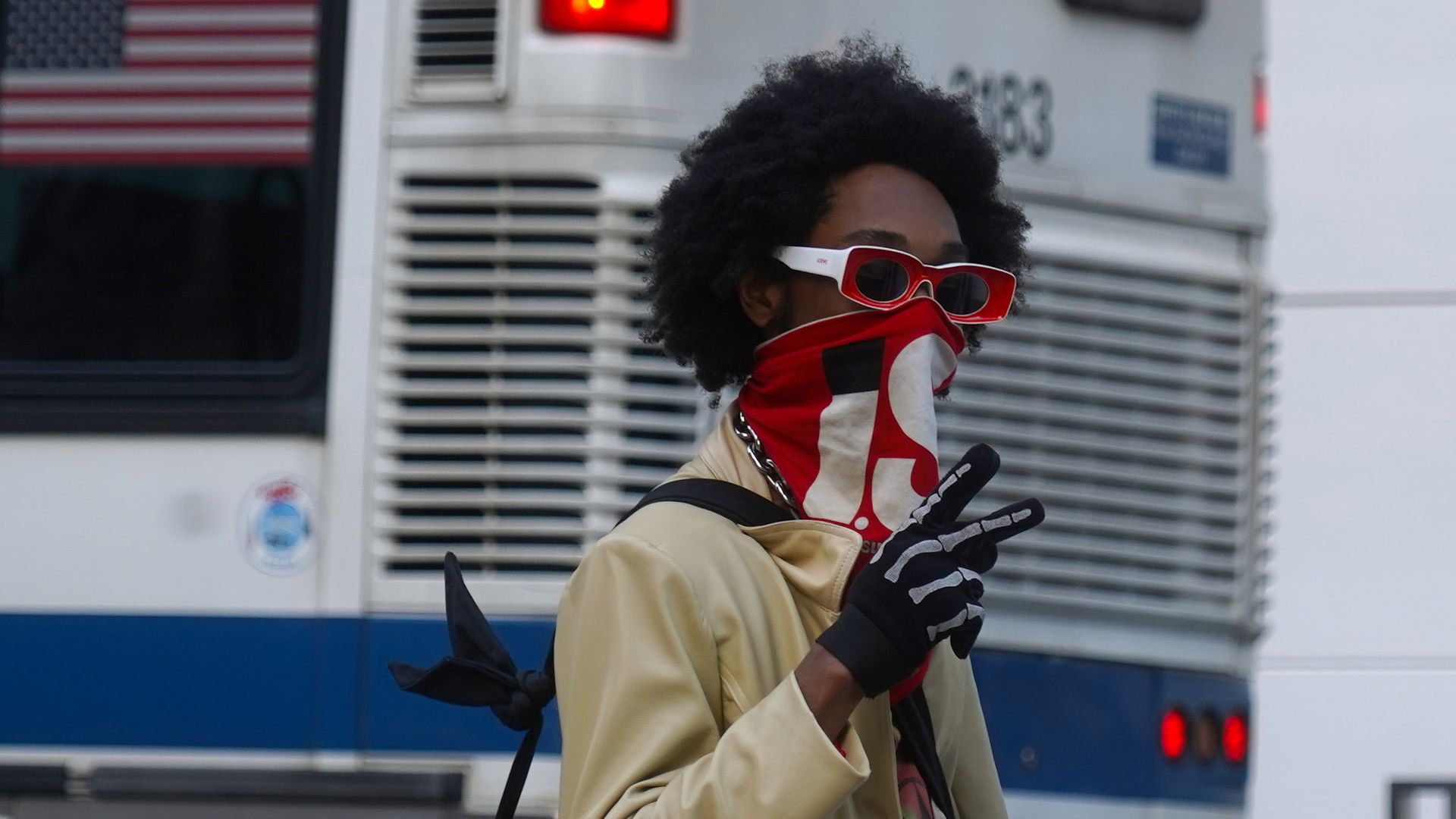
The White House announced that the CDC is recommending Americans wear cloth masks or face coverings in public to help stop the spread of the coronavirus, President Trump said at a press briefing on Friday — emphasizing the guidance is "voluntary."
Why it matters: The use of face coverings could stop people who have the virus, whether they have symptoms or not, from spreading it further when they go out in public.
A group of Democratic senators asked the office of the Department of Defense Inspector General on Friday to investigate the U.S. Navy's response to the coronavirus outbreak aboard the U.S.S. Theodore Roosevelt and the firing of its captain.
Why it matters: The Pentagon's decision to relieve Capt. Brett Crozier of the nuclear aircraft carrier on Thursday sparked criticism from politicians and others. Later, videos were posted of his crew cheering him on as he was leaving his post.
Websites have crashed, phones are jammed and confusion reigns as businesses rushed at today's kickoff to get their chunk of the $350 billion Paycheck Protection Program.
Why it matters: This is a race to save jobs in the present and the future, and to ensure that as many workers as possible keep their benefits and paychecks during the coronavirus lockdown.
The amount of gasoline American drivers are consuming dropped to levels not seen in more than 25 years, government data shows.
Driving the news: When most of us are staying home and not driving, this is one of the most predictable—but nonetheless still staggering—upshots of the unfolding coronavirus crisis.
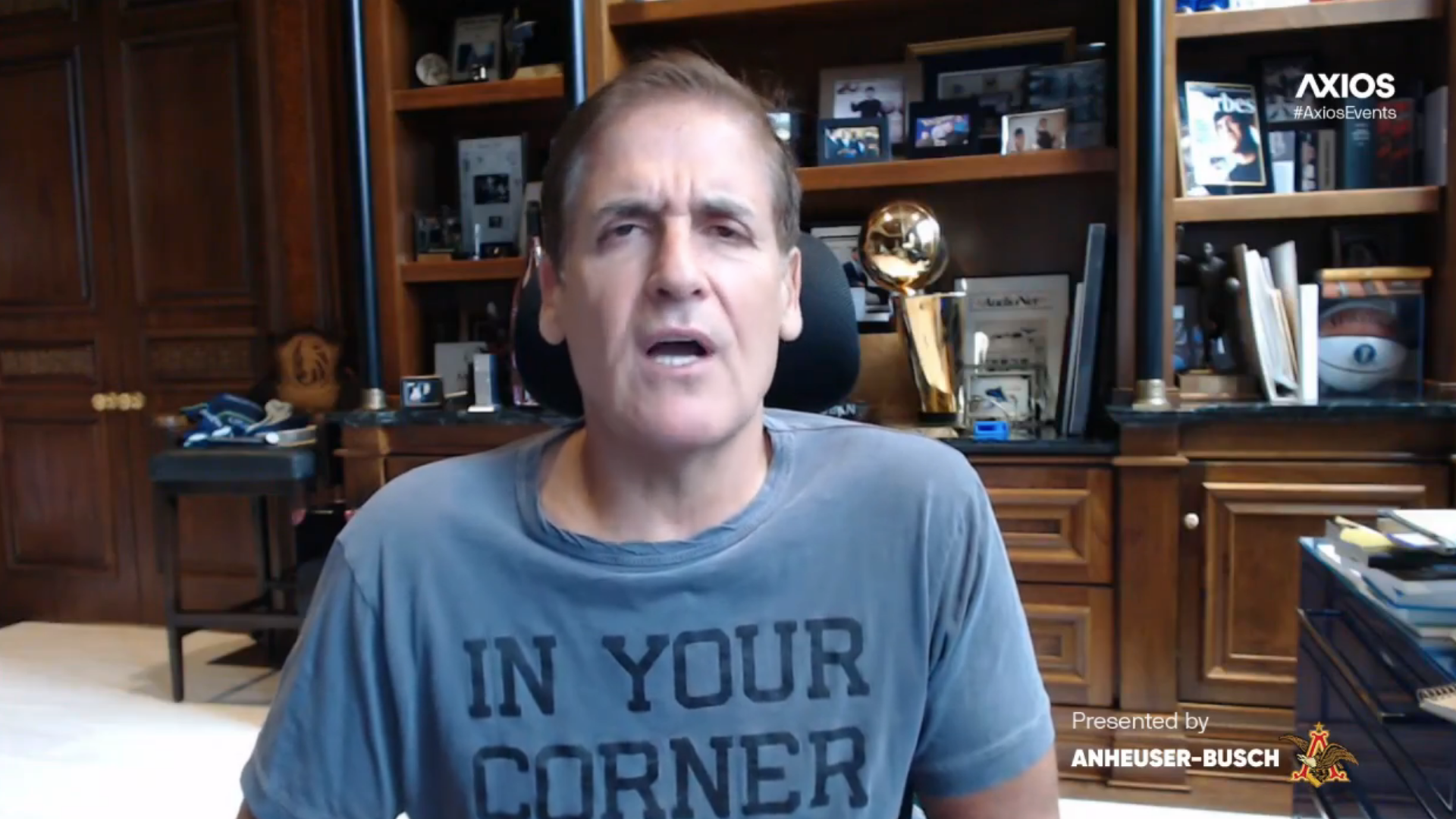
Businessman and Dallas Mavericks owner Mark Cuban revived talk of an improbable 2020 presidential bid during an Axios virtual event on Friday.
"Everything's a reset right now," Cuban told Axios CEO Jim VandeHei from Dallas. "If this would would've been a month ago, I would have said absolutely not. But obviously things are crazy, things are changing. So I'll keep an open mind. But I seriously doubt it."
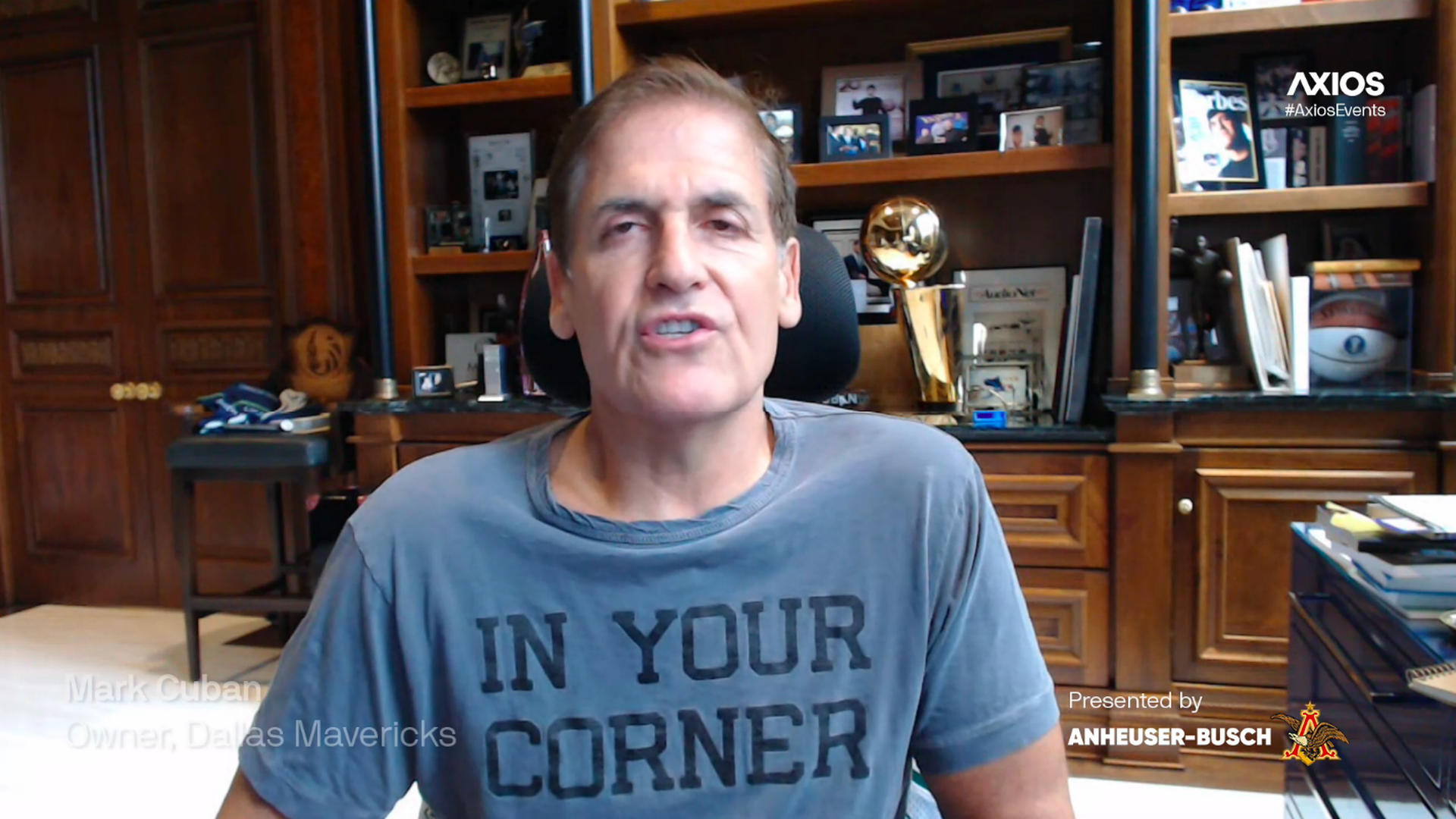
Businessman and Dallas Mavericks owner Mark Cuban said during an Axios virtual event Friday that 3M is "arrogant" for not speaking up about respirator production in the midst of the coronavirus outbreak.
What he said: Cuban criticized the company for "making more globally than domestically," echoing a similar line from President Trump now that the U.S. is the epicenter of the pandemic. "You can't ghost the American people," he told Axios CEO Jim VandeHei from Dallas.
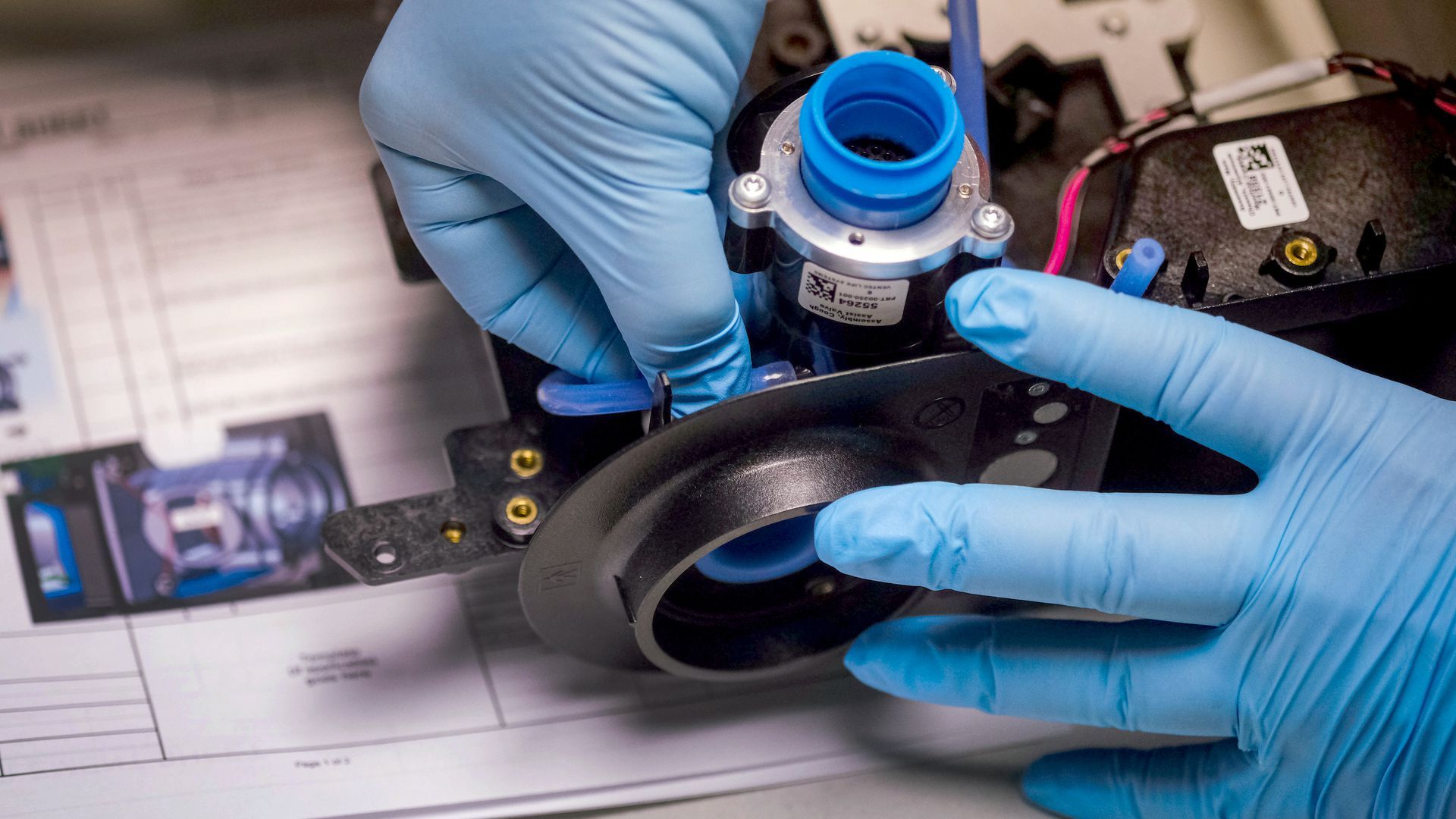
Sadly, it's clear the wartime mobilization effort to produce ventilators and medical supplies got started too late to help patients and medical personnel before the coronavirus peaks in some cities like New York. But those supplies will be available for the next wave of the pandemic.
Driving the news: American manufacturers are saying it will be months before they meet demand for high-quality masks, the Wall Street Journal reports.
In two weeks, the coronavirus has brought the entire U.S. auto industry to a screeching halt. When it finally sputters back to life, many companies may be forced to change, defer — or even abandon — their ambitious plans for self-driving vehicles.
The big picture: Auto factories are shut down across North America to prevent the spread of the virus among workers, while stay-at-home orders have kept car shoppers away from showrooms. The resulting financial shock means carmakers have shifted their focus to survival, not investing in expensive technologies with no clear payoff.
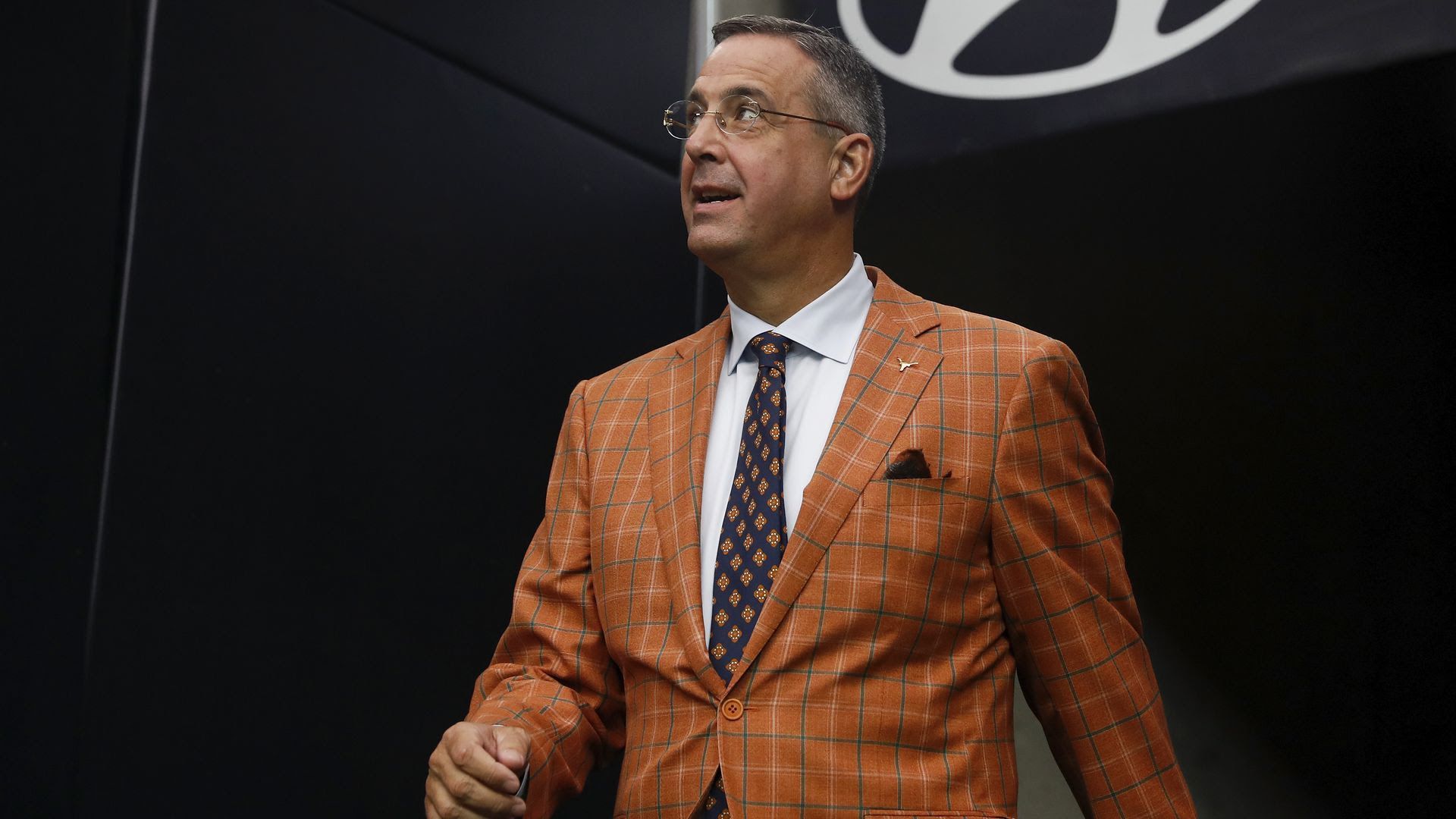
Athletic departments are reeling from the loss of conference tournaments and March Madness revenues and could face a financial crisis in the coming months, especially if the football season is canceled.
The U.S. economy shed 701,000 jobsin March, ending a decade-long stretch of job gains, according to government data gathered before many states instituted economy-shutting measures to contain the coronavirus outbreak.
The big picture: It's a way bigger job loss than economists expected the report to pick up — and it still understates the unprecedented turmoil that the job market is currently facing.
The COVID-19 outbreak has encouraged many cooped-up households to try online shopping, but the growth rate has plateaued as many report bad experiences.
What's happening: After rising consistently, the number of people who say they are doing more online grocery shopping declined last week, data from CivicScience show, retreating 5 percentage points from its level the week before.
The divergence between professional money managers and retail investors continued this week, as the pros again flocked to cash at a record pace.
What happened: Data from the Investment Company Institute shows institutional asset managers moved $163 billion into money market funds in the week ending April 1, the second-largest move to cash ever recorded, dating back to January 2007.
Thursday's initial jobless claims reading has made clear that the scope of U.S. job losses as a result of the COVID-19 outbreak will be significant, but what comes next is still very uncertain.
Driving the news: Lawmakers are divided on whether to push forward immediately with a "phase 4" relief bill to back up the $2.2 trillion CARES Act, and concern already is growing about provisions in that legislation.
Congress passed a $2.2 trillion stimulus bill to help struggling Americans and businesses hit hard by the coronavirus. Now, lawmakers on both sides of the aisle worry the agencies responsible for delivering the aid may not be ready for the task.
Why it matters: People are desperate for federal help to dig them out of the economic hardship brought on by the pandemic.
People are more likely to purchase something from a company during and after the coronavirus crisis if that company speaks out appropriately about the pandemic now, according to a new survey from Edelman.
The big picture: Data shows that consumers overwhelmingly want brands to speak out regularly during the pandemic, but that they don't want to be sold anything that isn't going to help make the situation better.
New data provided to Axios spells out just how outsized a role immigrants play on the high- and low-skilled ends of the economy keeping Americans alive and fed during the coronavirus crisis.
By the numbers: Immigrantsmake up an estimated 17% of the overall U.S. workforce. But the analysis by New American Economy (NAE) shows they're more than one in four doctors, nearly half the nation's taxi drivers and chauffeurs and a clear majority of farm workers.
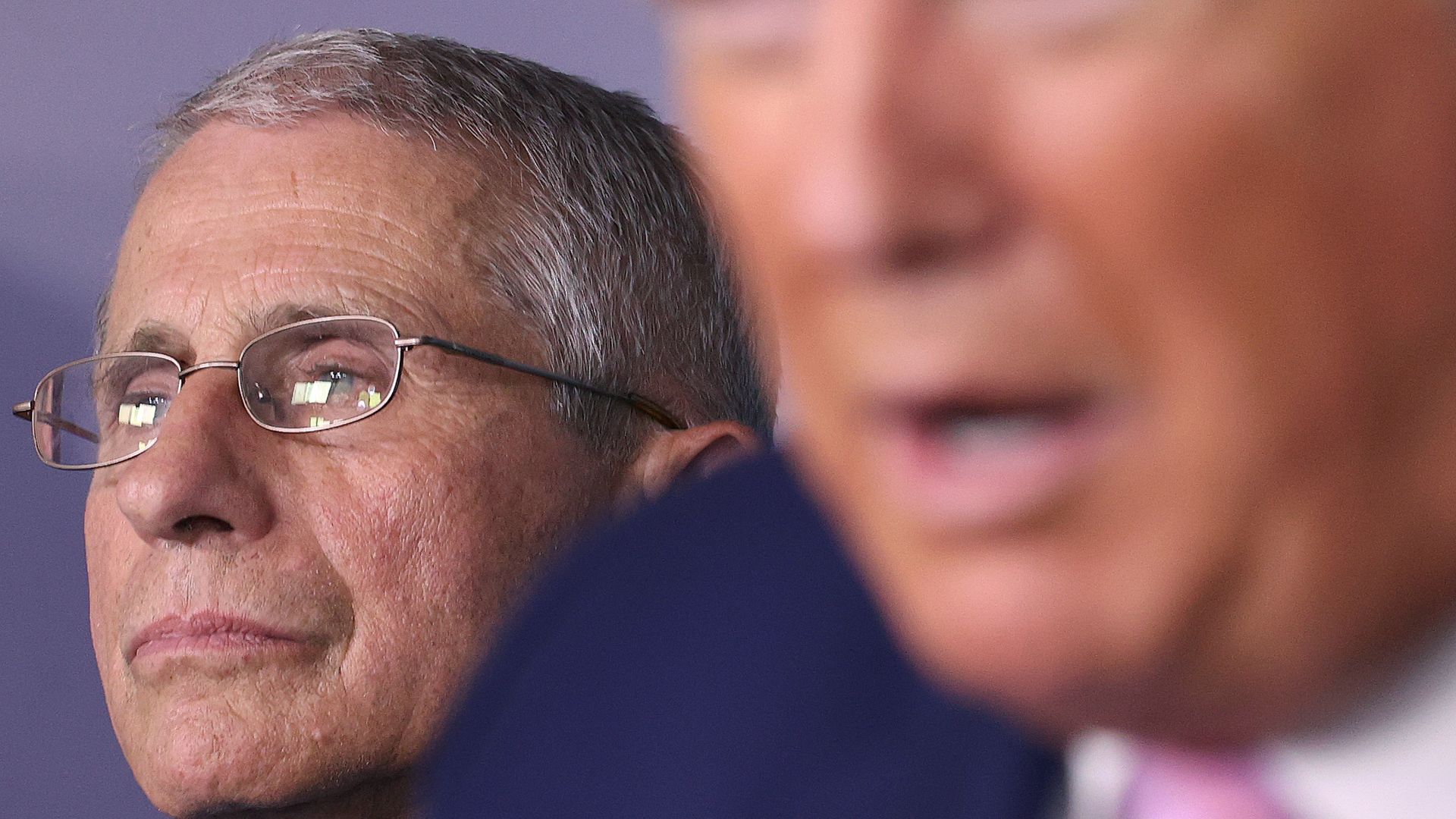
If you feel like you're suddenly spending a surprising amount of your days thinking and talking about Anthony Fauci, you're not alone. He's become the third-most talked about person online, according to data from NewsWhip provided to Axios.
Why it matters: Fauci, the director of the National Institutes of Health office that deals with infectious diseases, has quickly become a household name, and one of the few household names with (mostly) bipartisan credibility.
Health care workers and the federal government are scrambling to stretch limited supplies of medical equipment.
Why it matters: We can’t manufacture enough medical masks or ventilators in time to meet the enormous surge in demand that's expected to hit in mid-April. The next-best thing is trying to make what we have last as long as possible.
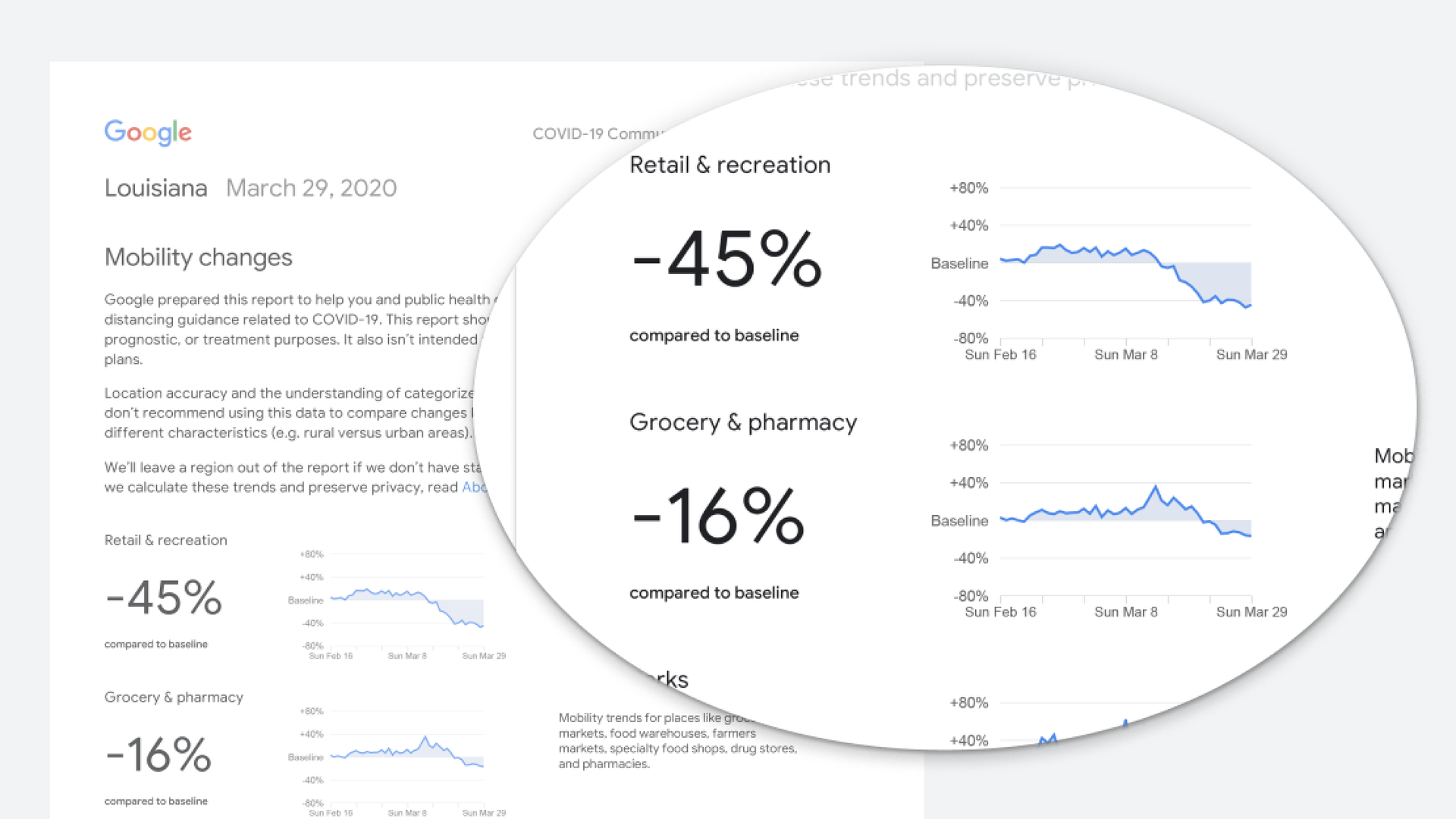
Google late Thursday announced a program to give leaders around the world more data during the coronavirus crisis on where people are traveling (and where they aren't) based on aggregate, anonymous data collected by Google Maps.
Why it matters: Health experts have been asking for more location data to make decisions. This move aims to meet some of those needs without sharing sensitive individual data.
Director of the National Institute of Allergy and Infectious Diseases Anthony Fauci recommended on Thursday that all states across the U.S. implement stay-at-home orders, at a CNN town hall.
Why it matters: The recommendation stands in contrast to President Trump's calls for "flexibility." Nearly 4o states have issued stay-at-home orders to promote social distancing as a way to combat the novel coronavirus — but the orders vary in strictness and duration.