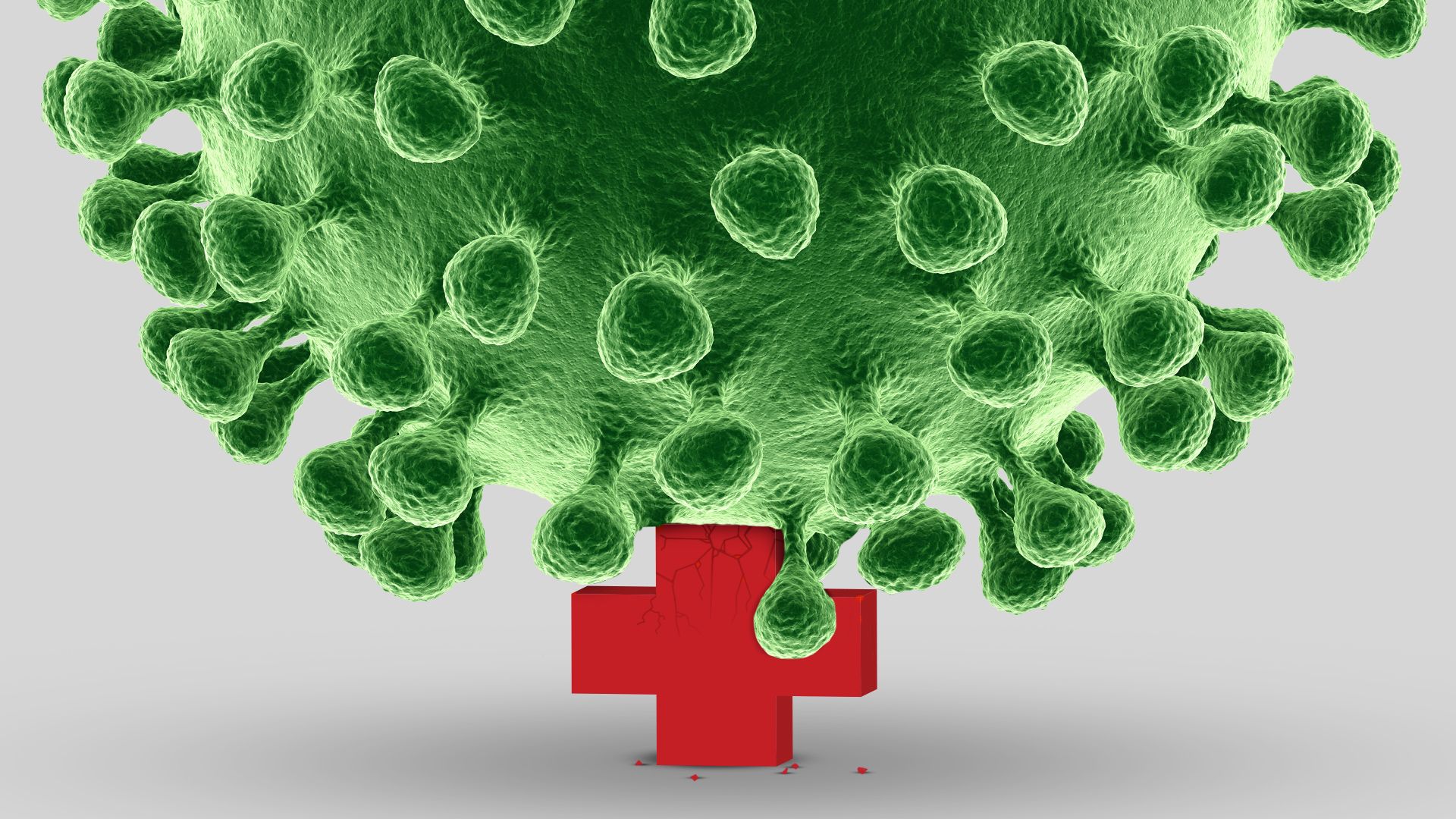
The world was not prepared for a pandemic. When one struck, international coordination broke down rather than ramping up.
Why it matters: The lack of preparedness has left countries, including the U.S., scrambling to craft a response once the novel coronavirus had already reached their shores. The dearth of global coordination could both exacerbate the crisis and make it more difficult to recover from.
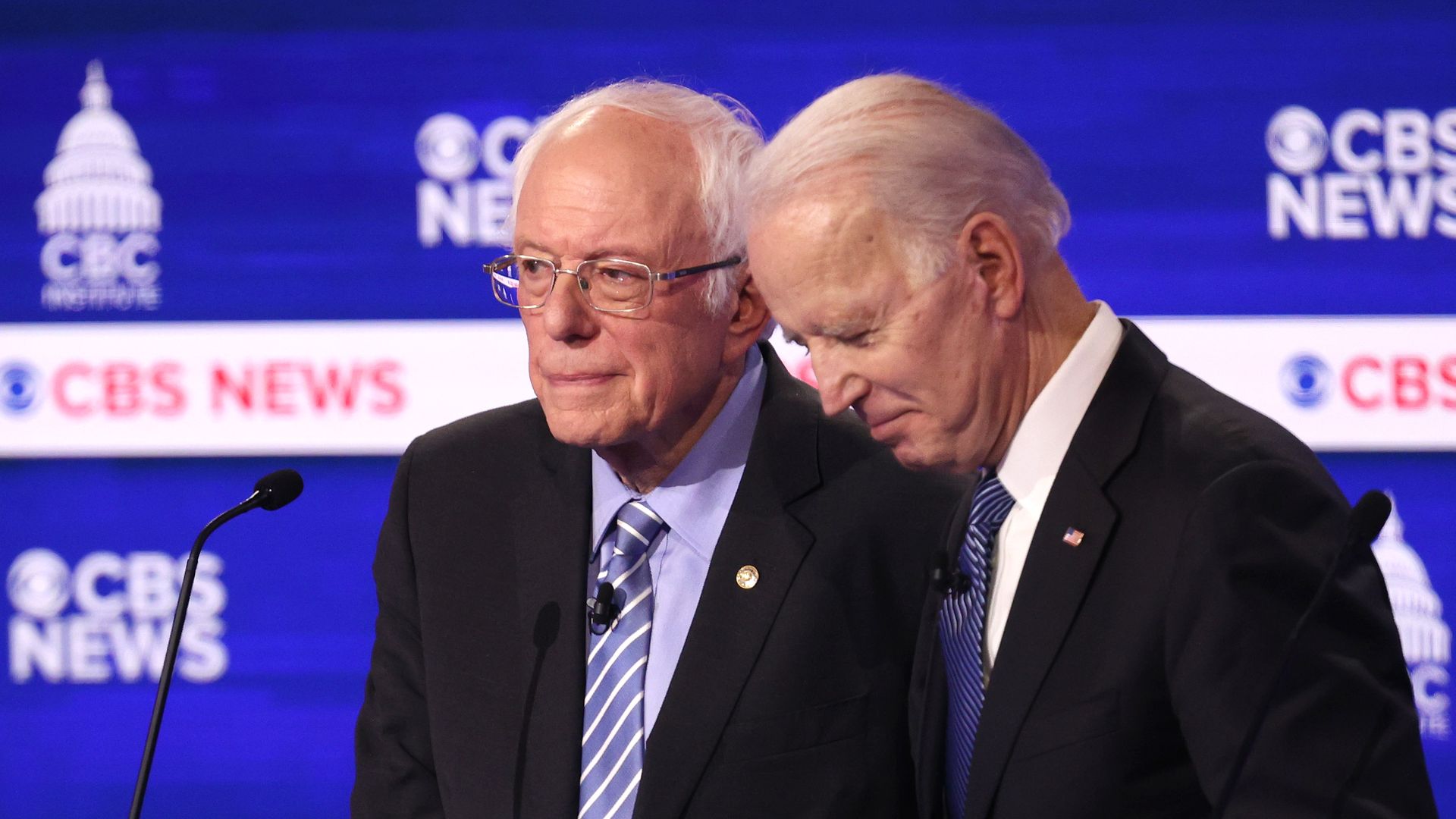
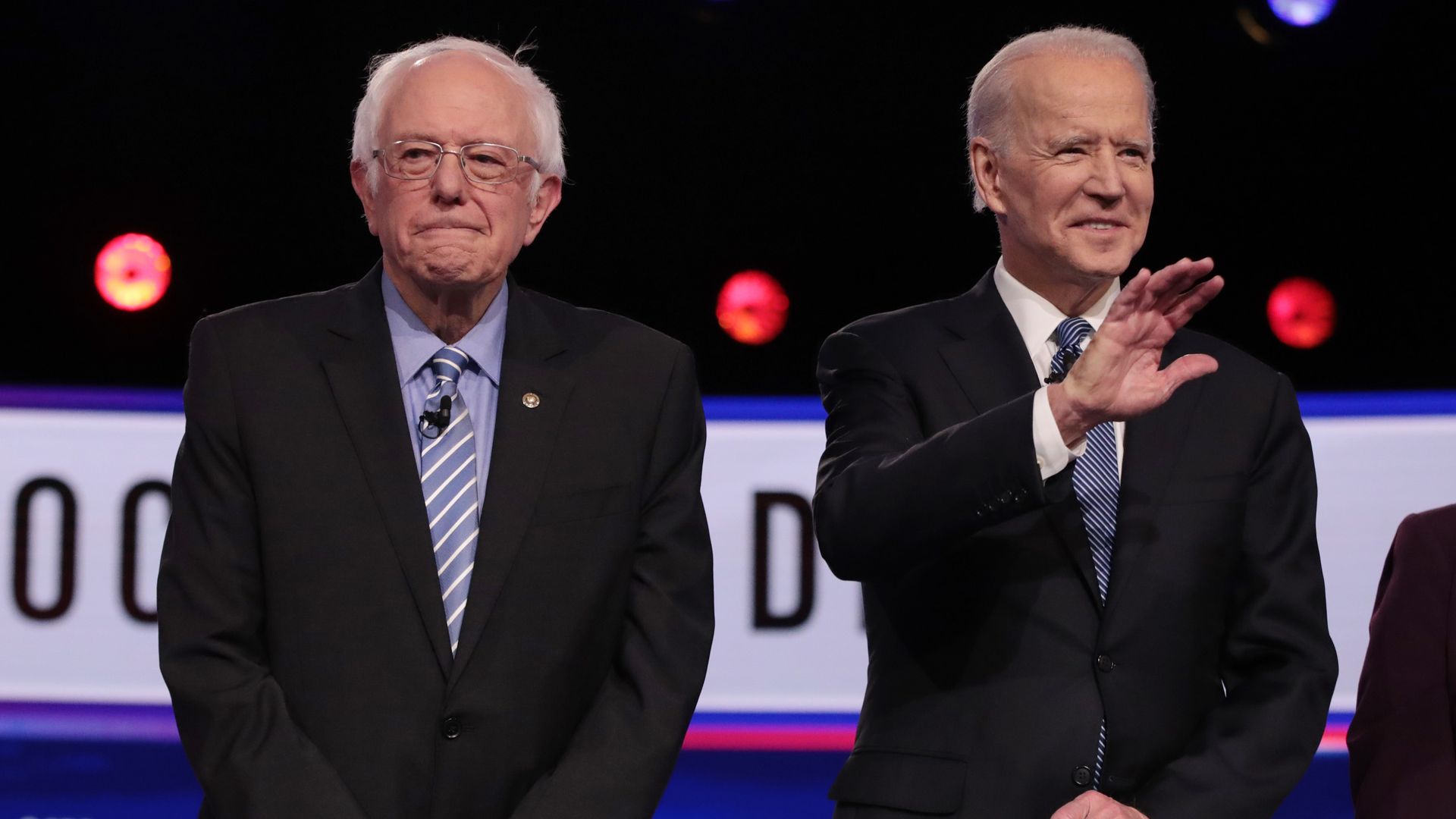
Both former Vice President Joe Biden and Sen. Bernie Sanders spoke on Thursday to address Americans and weigh in on the novel coronavirus pandemic.
The big picture, via Axios' Margaret Talev: Biden and Sanders are looking to establish their own credentials for crisis management as they compete for the nomination to challenge President Trump in November. But they're also part of a broader pushback against the administration'scoronavirus response, which has been criticized for being too slow, not aggressive enough in terms of testing and containment, and undercut by Trump's own rhetoric.
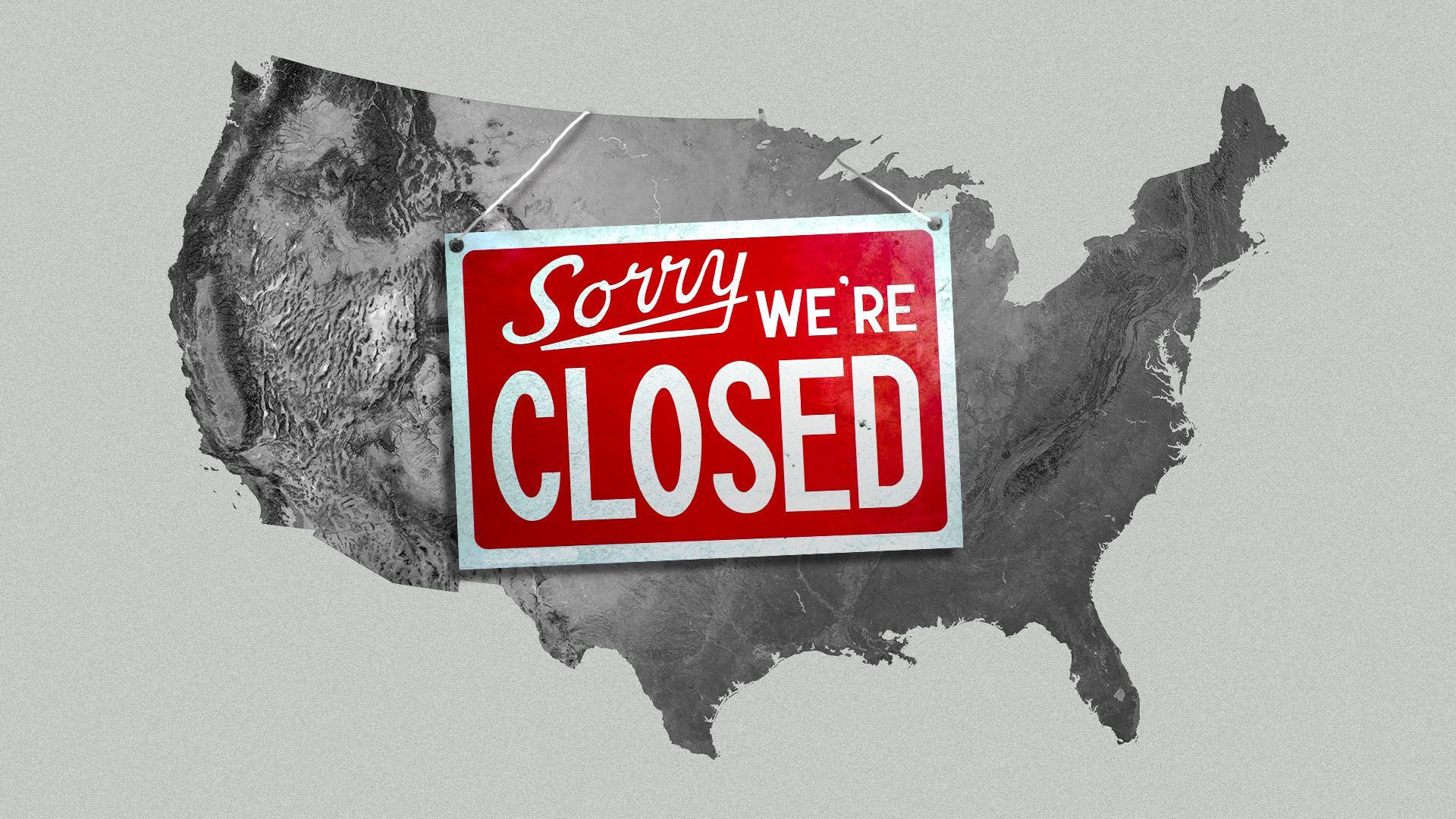
The big picture: State and local governments — combined with big cultural institutions and corporations — are rapidly making social distancing a reality felt by all Americans.
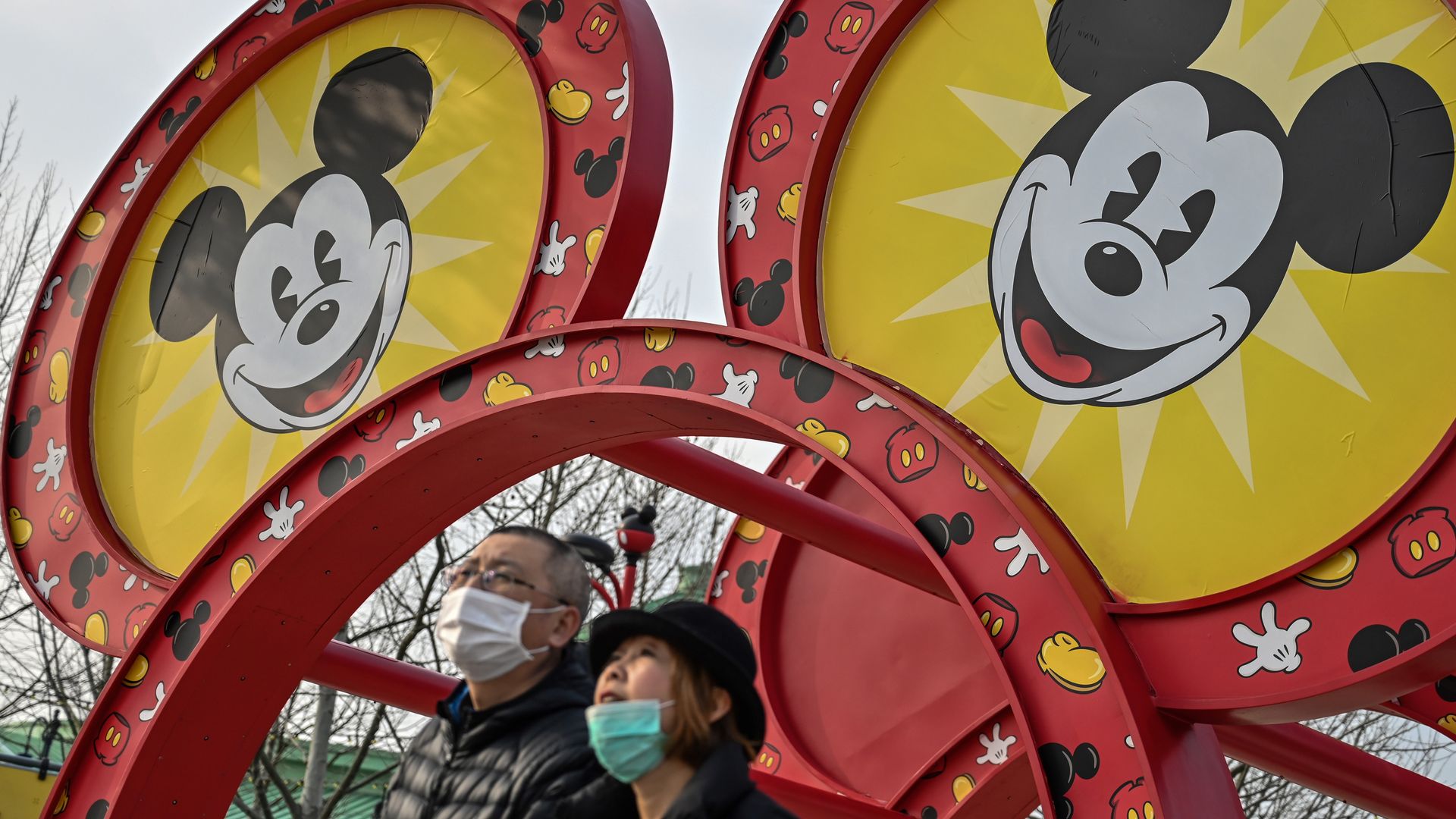
California's Disneyland and Florida's Disney World announced they will close this weekend and through the rest of the month, as the novel coronavirus continues to spread across the U.S.
Why it matters: There are currently 198 positive COVID-19 cases in California as of Thursday and four reported deaths. There are 35 coronavirus cases in Florida and two deaths reported as of Thursday. The heaviest concentrations of the virus in the U.S. are in California, Washington and New York.
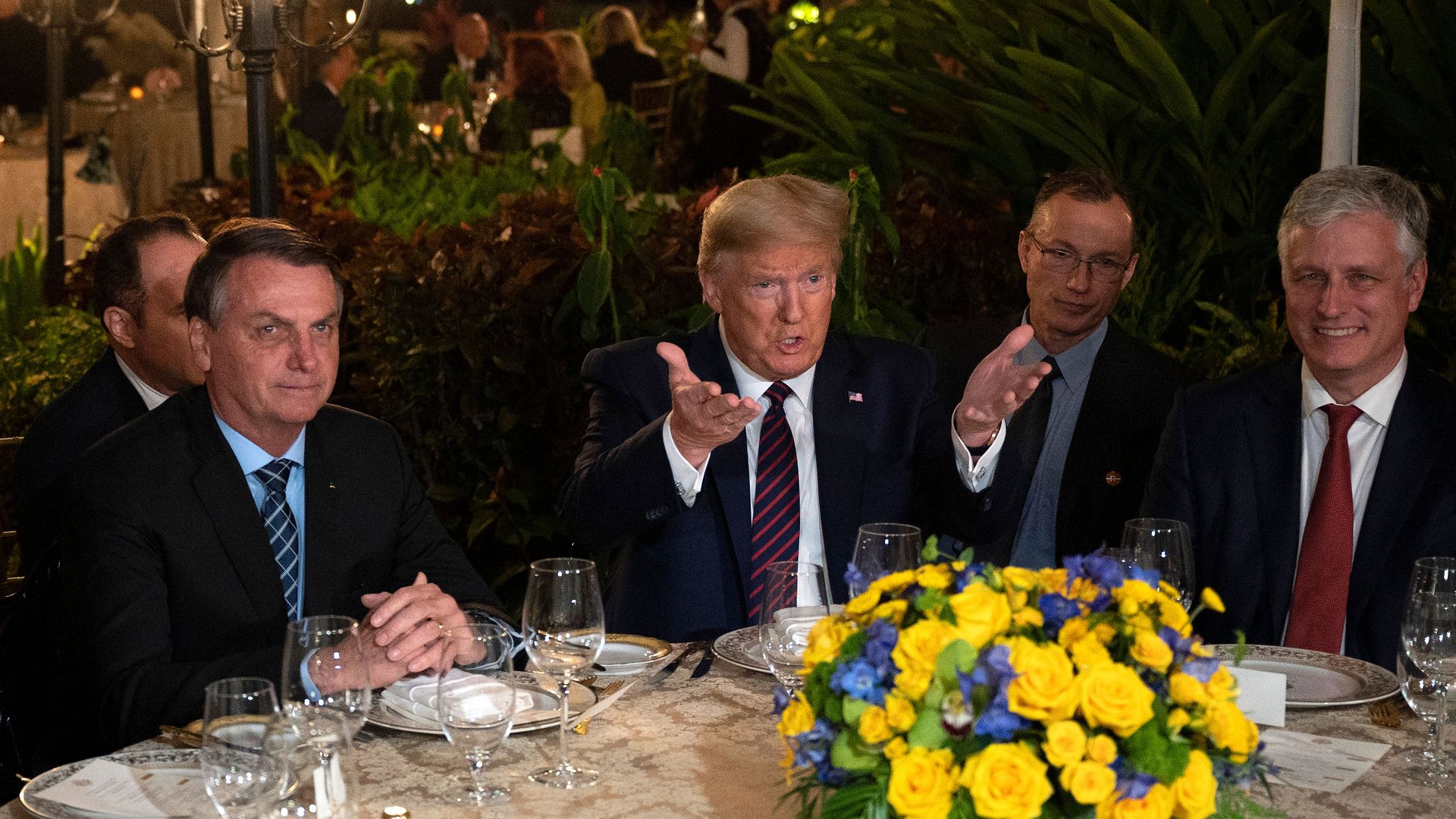
Brazilian President Jair Bolsonaro's press secretary tested positive for coronavirus days after taking part in meetings with President Trump at Mar-a-Lago, Brazilian newspaper O Estado de S. Paulo reports and multipleAmericanoutlets have confirmed.
The latest: Bolsonaro is currently being monitored, according to Brazilian media. Fabio Wajngarten, the aide, was photographed with Trump on Saturday.
The World Health Organization finally declared COVID-19 to be a pandemic on Wednesday.
What they're saying: "Pandemic is not a word to use lightly or carelessly. It is a word that, if misused, can cause unreasonable fear, or unjustified acceptance that the fight is over, leading to unnecessary suffering and death," said WHO Director-General Dr. Tedros Adhanom Ghebreyesus."
Dr. Anthony Fauci, director of the National Institute of Allergy and Infectious Diseases, testified at a House hearing Thursday that the current system of making coronavirus testing available in the U.S. is not set up in a way that we need it to be.
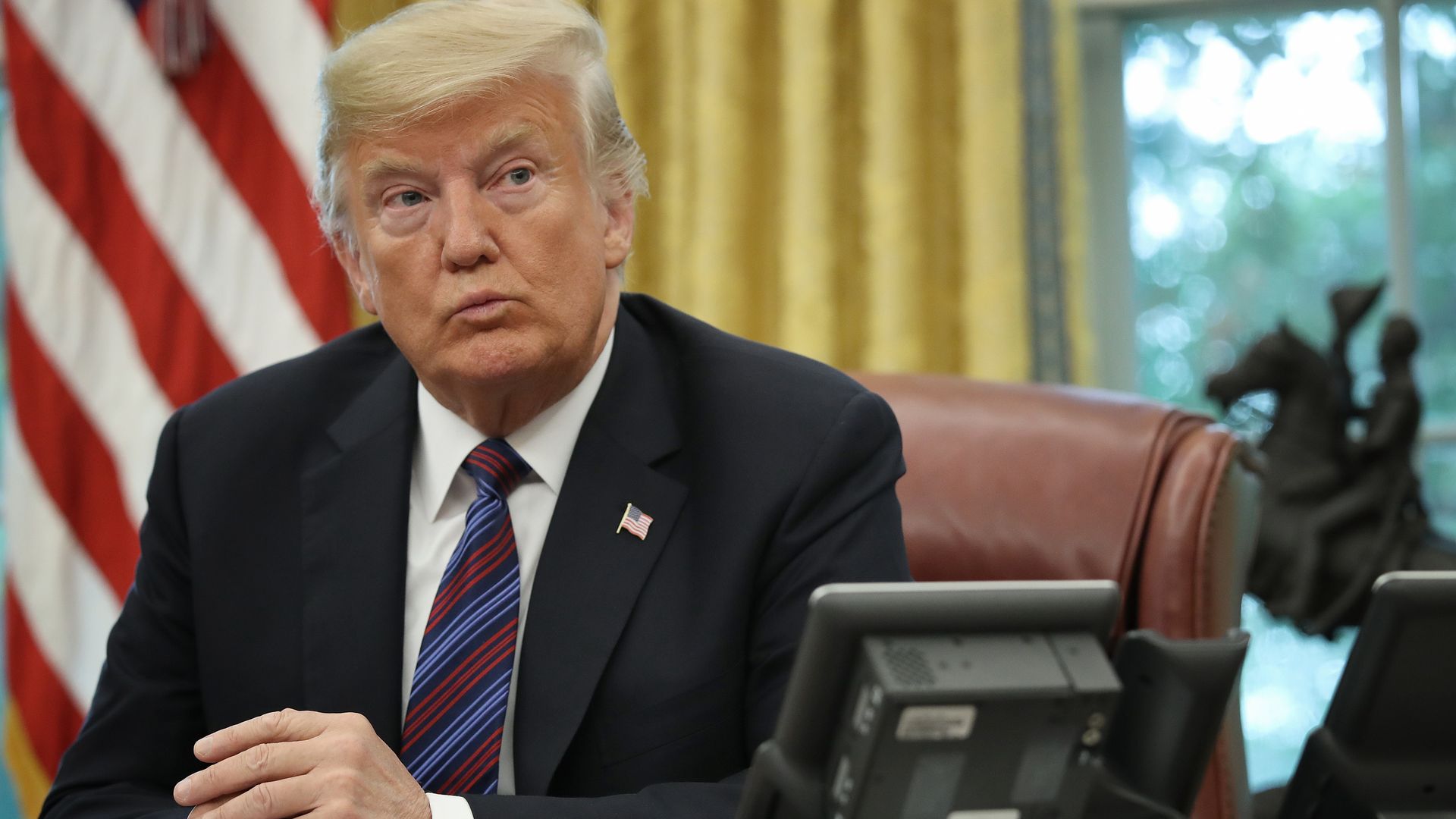
Why it matters: Fauci's testimony directly contradicted comments made by President Trump, who told reporters in the Oval Office Thursday that "testing has been going very smooth."
The stock market is down significantly,but insofar as that market-reporting cliché the "wave of selling" is anywhere to be seen, it isn't coming from mom-and-pop investors.
By the numbers: As stocks plunged on Monday, more than twice as many Fidelity customers were buyers than sellers.
Three major long-term trends have just been thrown violently into reverse: The rise of cities, the rise of global just-in-time supply chains and the rise of the sharing economy. Conditions in all three cases are almost certainly going to get significantly worse before they get better.
The big picture: Cities are victims of the virus, but they're also a key vector for its spread. By their nature, they involve hundreds of thousands of humans living and working in close proximity to one another and relying on myriad shared services. Without cities the coronavirus would find it much harder to spread.
Advocate Aurora Health, a 28-hospital system spanning Illinois and Wisconsin, said Thursday that it is temporarily "refraining from sending patient bills related to coronavirus as we continue to work with regulatory and industry officials to navigate this developing situation."
Why it matters: A spokesperson for Advocate Aurora Health said this is not a commitment to waive fees indefinitely and the system may send out bills later, but it's still among the first hospital systems to hit pause on any coronavirus billing. Experts have been worried that the potential of receiving costly medical bills could discourage people from seeking care even as the outbreak worsens.
U.K. Prime Minister Boris Johnson gave a sober address Thursday on his country's response to the coronavirus, saying "many more families are going to lose loved ones before their time."
The big picture: Johnson said the world was now facing "the worst public health crisis in a generation." His science advisers said the country was now moving from the "contain" phase to the "delay" phase — trying to spread the outbreak over a longer period and protect those most at risk of dying.
The fate of countries around the world lies in a very few individual politicians' hands — more so than at any other time in half a century or more.
Why it matters: Two politicians in particular,Saudi Crown Prince Mohammed bin Salman and Russian President Vladimir Putin, wiped about $20 trillion off the value of the world's oil reserves this week when they failed to come to an agreement on cutting oil production. That's more than $2,500 per human being on the planet.
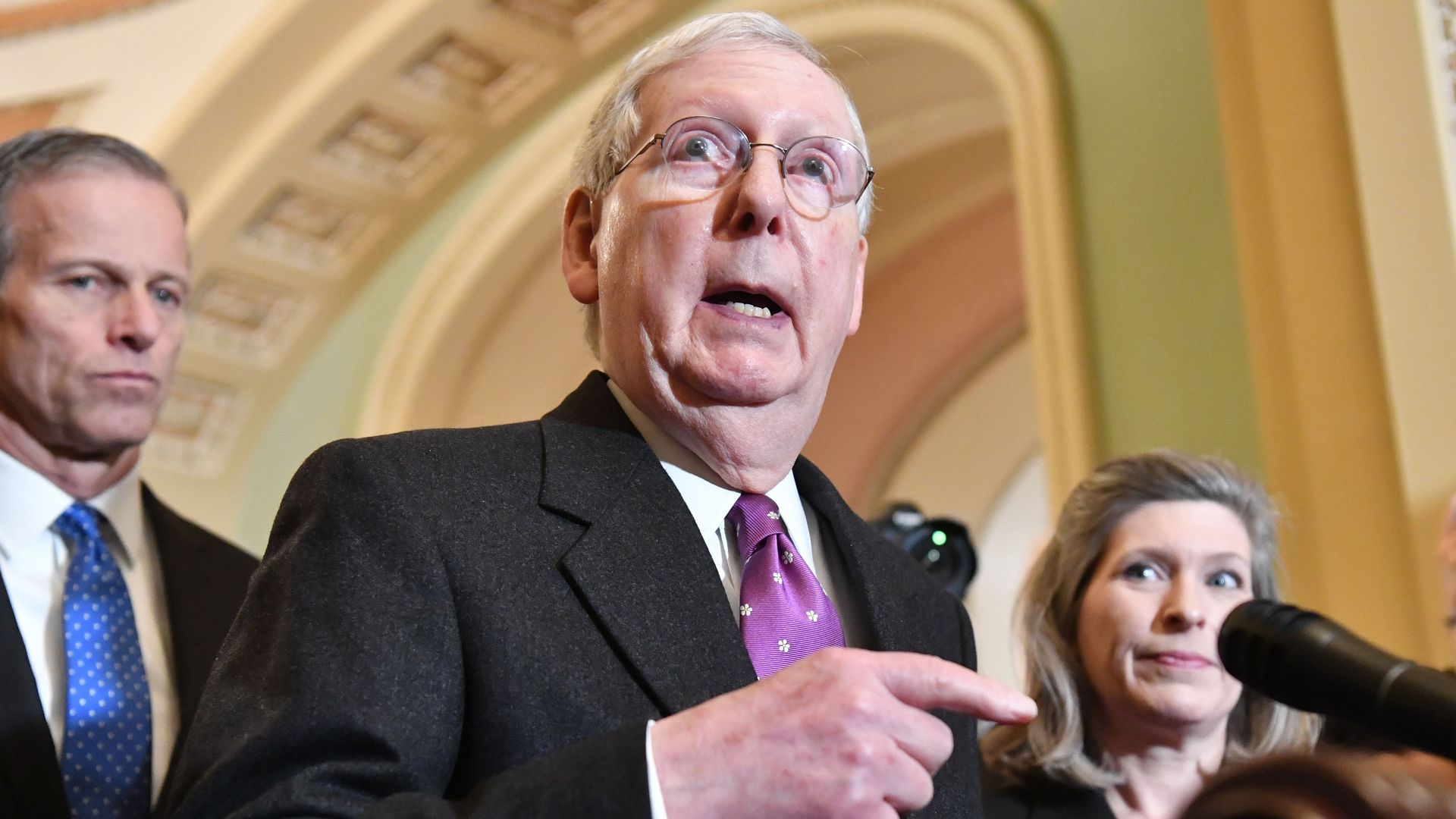
Senate Majority Leader Mitch McConnell announced Thursday that the Senate will cancel its planned recess and remain in session next week as Congress attempts to pass legislation to mitigate the coronavirus outbreak.
Why it matters: McConnell previously called House Democrats' coronavirus proposal an "ideological wishlist," per The Hill. That package aimed to provide guaranteed paid sick leave for all workers, free coronavirus testing and a $1 billion infusion for unemployment insurance.
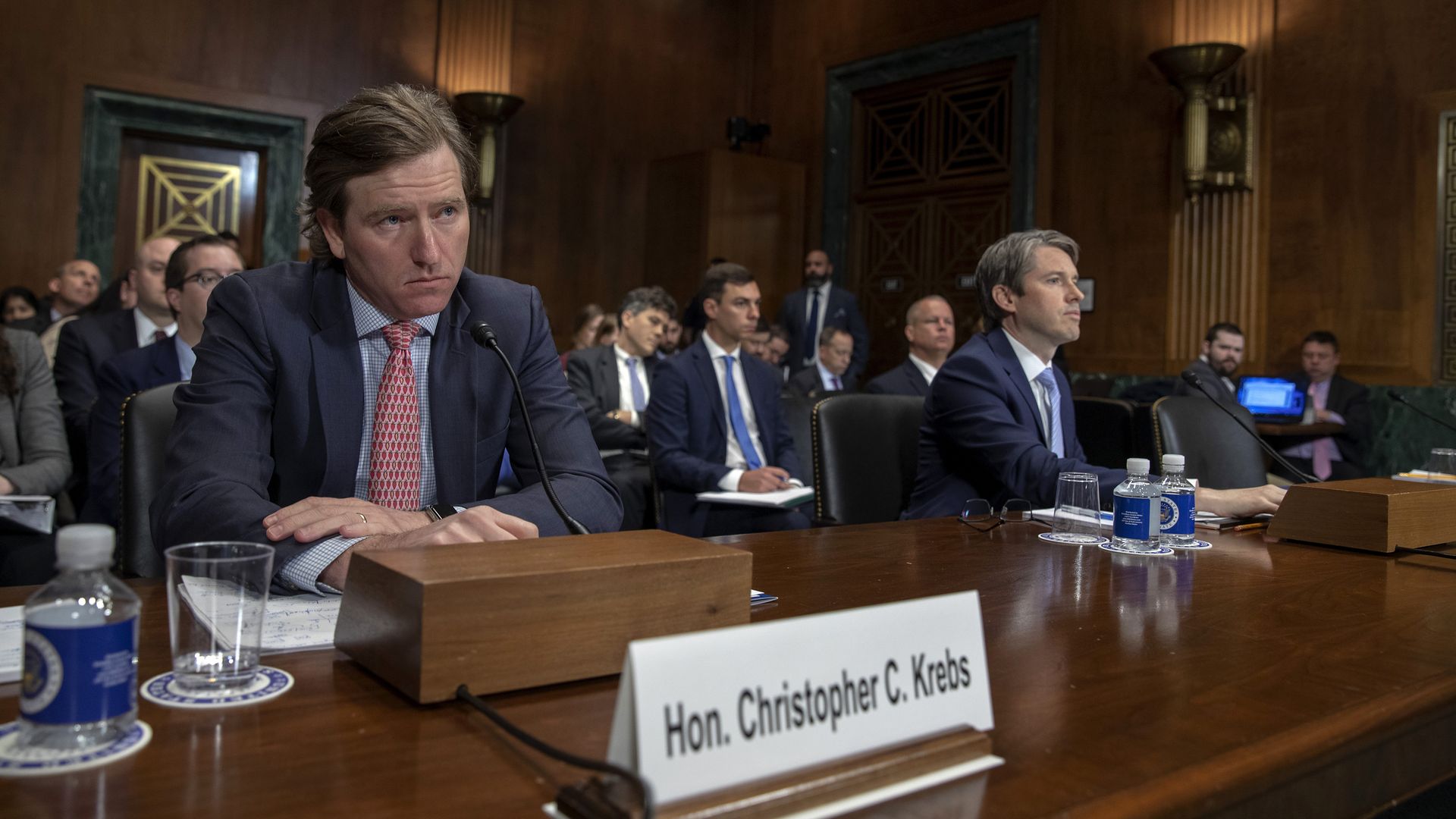
The Cybersecurity and Infrastructure Security Agency (CISA) will send many of its employees home tomorrow as part of a stress test of its telework system, so it will be ready in case the coronavirus makes more work-from-home arrangements necessary in the coming weeks, the agency tells Axios.
The big picture: The Office of Personnel Management recently urged federal agencies to "'immediately review' their telework policies, sign paperwork with employees laying out their duties, issue laptops and grant access to computer networks," according to the Washington Post.
Sunday's Democratic debate between Joe Biden and Bernie Sanders will be moved from Phoenix, Arizona, to CNN's studio in Washington, D.C., and feature no live audience due to concerns about the spread of the coronavirus.
Why it matters: The primary season, in which the two main candidates are in their late 70s, must find ways to adapt in the face of a global pandemic.
The White House had to walk back three policy announcements from President Trump's Oval Office announcement Wednesday that are causing more confusion than comfort during the coronavirus outbreak.
Why it matters: COVID-19 is already here in the U.S., and in some communities, it's spreading rapidly. Trump's travel restrictions won't stop the infection in states where person-to-person spread is rampant.
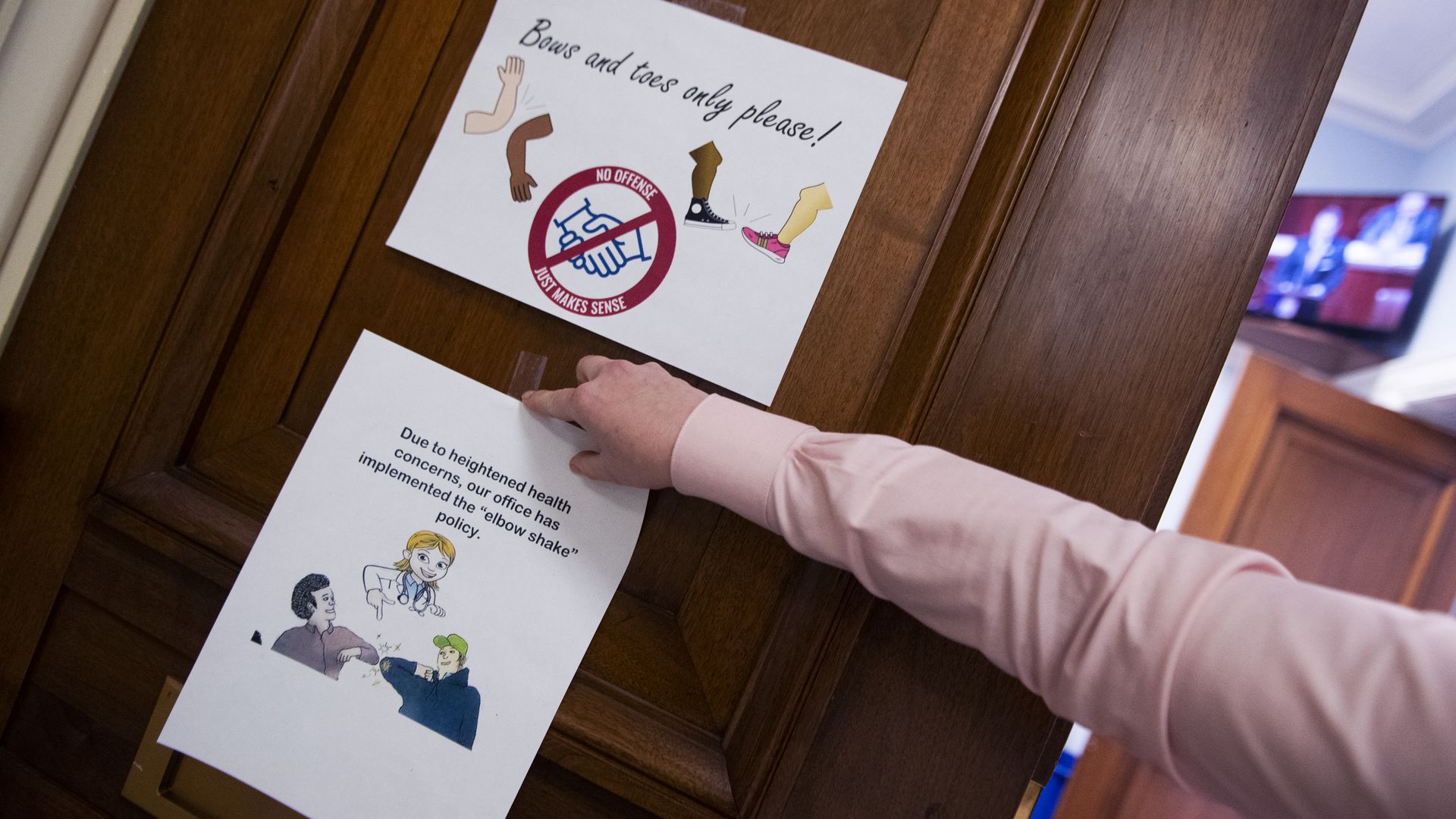
The Capitol — as well as House and Senate office buildings — will close to the public until April 1 as a result of the coronavirus outbreak, AP reports.
The state of play: The House and Senate sergeants-at-arms said the move, set to begin at 5pm on Thursday, was made "out of concern for the health and safety of congressional employees as well as the public." The Capitol complex will remain open to lawmakers, their staff members, journalists and other official visitors during the closure.
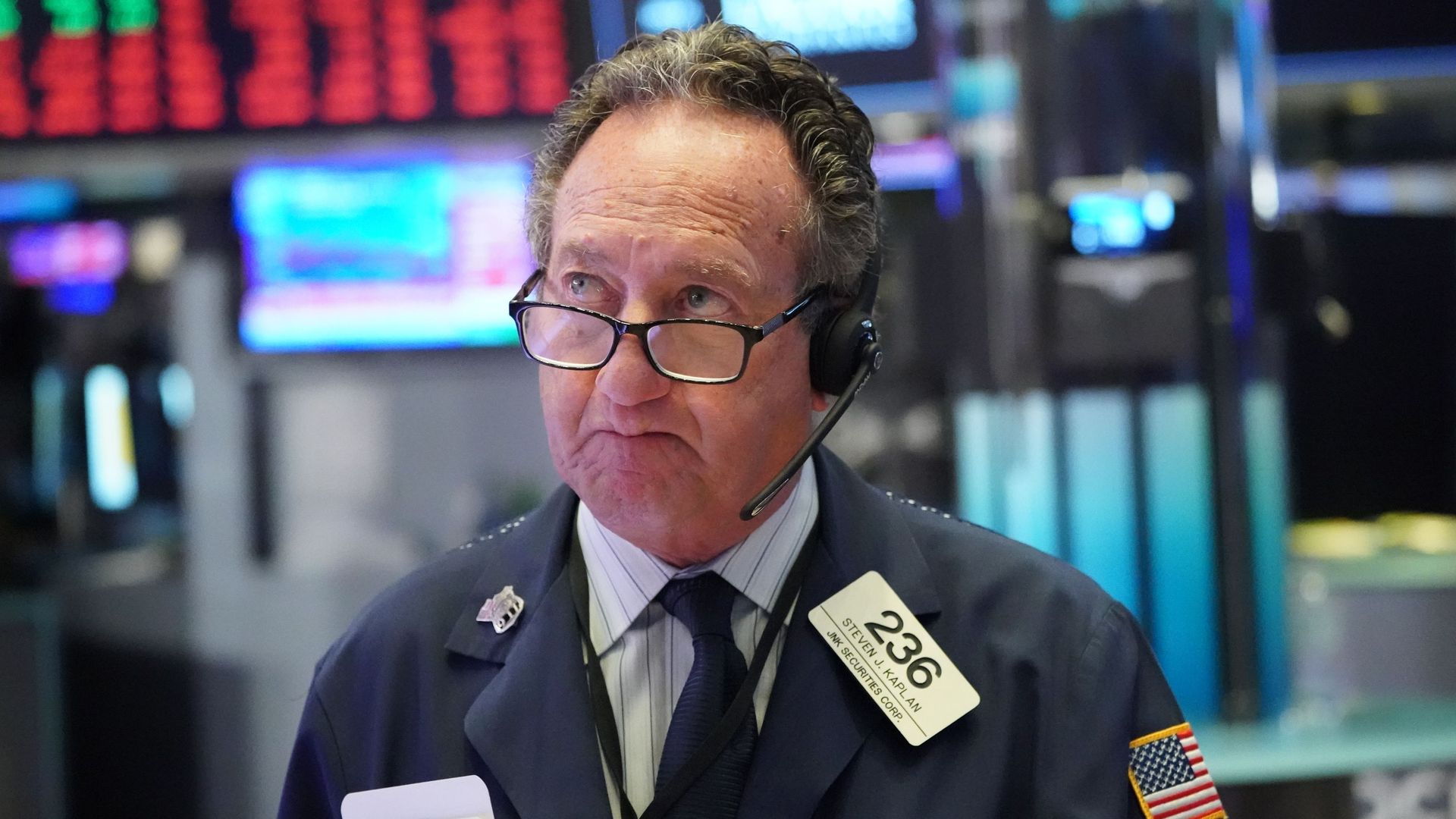
Stocks fell more than 8% on Thursday morning, after reopening from a 15-minute trading halt for the second time this week.
Why it matters: The S&P 500 followed the Dow into bear market territory after days of market carnage. The coronavirus' economic toll, initially shrugged off by the stock market, looks set to end Wall Street's longest bull market in U.S. history.
Princess Cruises announced Thursday that it is pausing global operations for two months due to concerns about the ongoing coronavirus outbreak, CNBC reports.
The state of play: Princess, which is owned by Carnival, is the second-largest cruise line in the world by revenue. It operates the Diamond Princess and the Grand Princess ships, which have faced quarantines in Japan and California after coronavirus outbreaks on board.
What they're saying: "The coronavirus is a global crisis, not limited to any continent, and it requires cooperation rather than unilateral action," European Commission President Ursula von der Leyen and European Council President Charles Michel said.
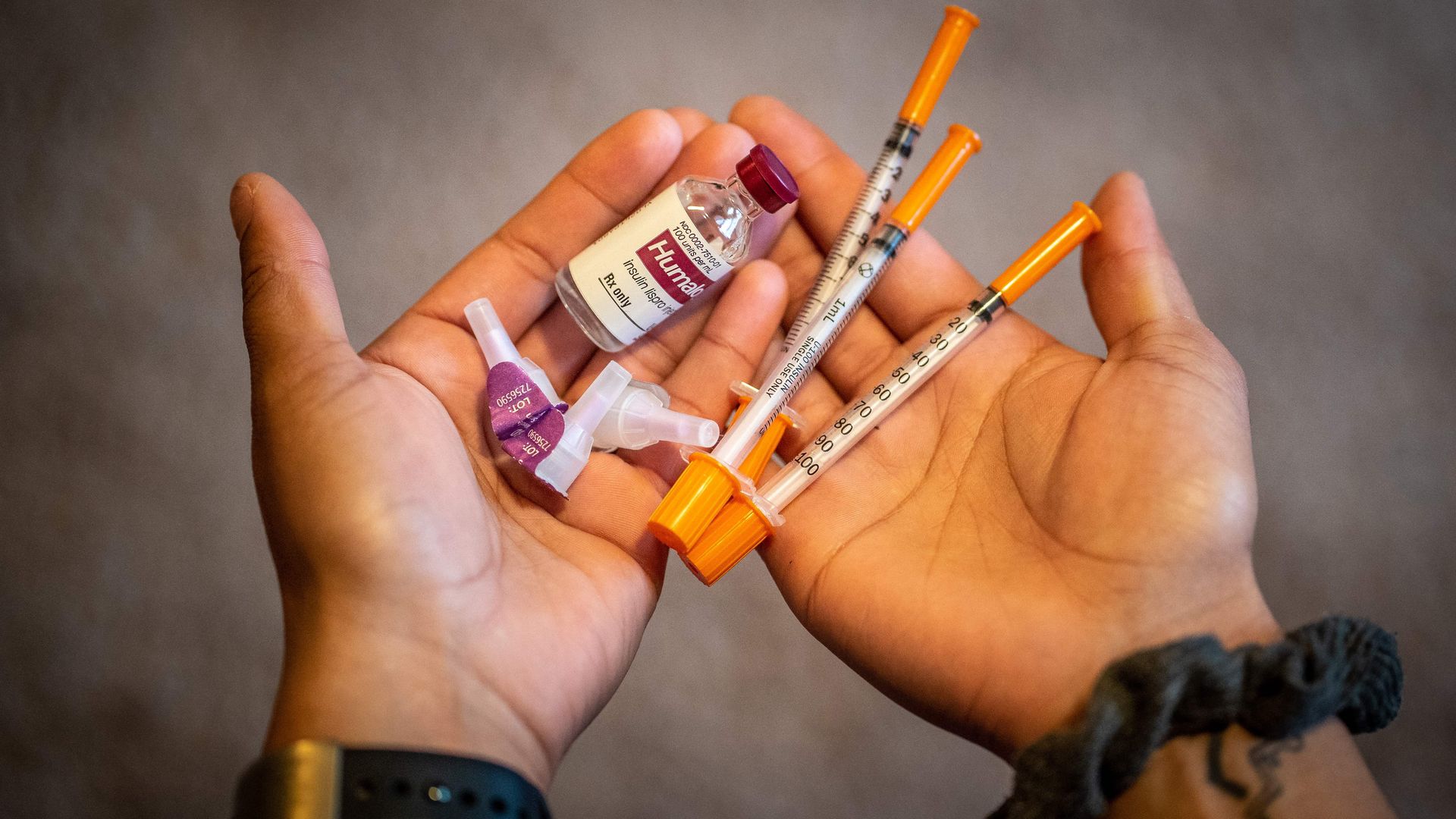
The Centers for Medicare & Medicaid Services announced yesterday that it's launching a new voluntary model that would allow seniors to buy insulin with no more than a $35 monthly copay.
Why it matters: Medicare beneficiaries who rely on insulin and are enrolled in a participating plan would save an average of $446 a year in out-of-pocket costs. This move may not target the overall price of insulin, but it could meaningfully lower what seniors pay themselves for it.
Coronavirus cases in the U.S.are rapidly increasing, but too many people still can't get tested.
Between the lines: The Centers for Disease Control and Prevention's failed diagnostic test may be the original sin of our initial response to COVID-19, and we're still learning about the effects of allowing the virus to spread undetected.
Major television networks are abandoning audiences for their live shows in an effort to prevent further spread of the novel coronavirus, networks confirmed on Wednesday.
The big picture: 2020 candidates are canceling political rallies out of concern for COVID-19, as sports leagues and teams take similar precautions by barring fans from some of the most highly anticipated sporting events of the year.
Products from major American companies including Apple, GM, Coca-Cola and even Facebook may soon become unavailable, as the fallout from the COVID-19 outbreak backs up and shuts down global supply chains.
Why it matters: Consumers should brace themselves for products to go missing in the coming weeks and months — and it may not be the ones they expect.
Hospitals are dusting off their pandemic preparedness plans in anticipation of overcrowded waiting rooms and supply shortages as the coronavirus outbreak continues to spread.
The big picture: Hospitals are preparing for tens of millions of cases and millions of hospitalizations from COVID-19.
In an interview with "Axios on HBO," Democratic National Committee chair Tom Perez flatly denied that he was even entertaining the idea of canceling July's Democratic convention in Milwaukee and replacing it with an online convention due to the coronavirus outbreak.
Driving the news: In the interview, which was taped Monday in Florida and will air Sunday night at 6pm ET/PT, I asked Perez whether he would cancel the Democratic convention given that major companies are canceling events across the country because of the virus. "No," Perez replied.
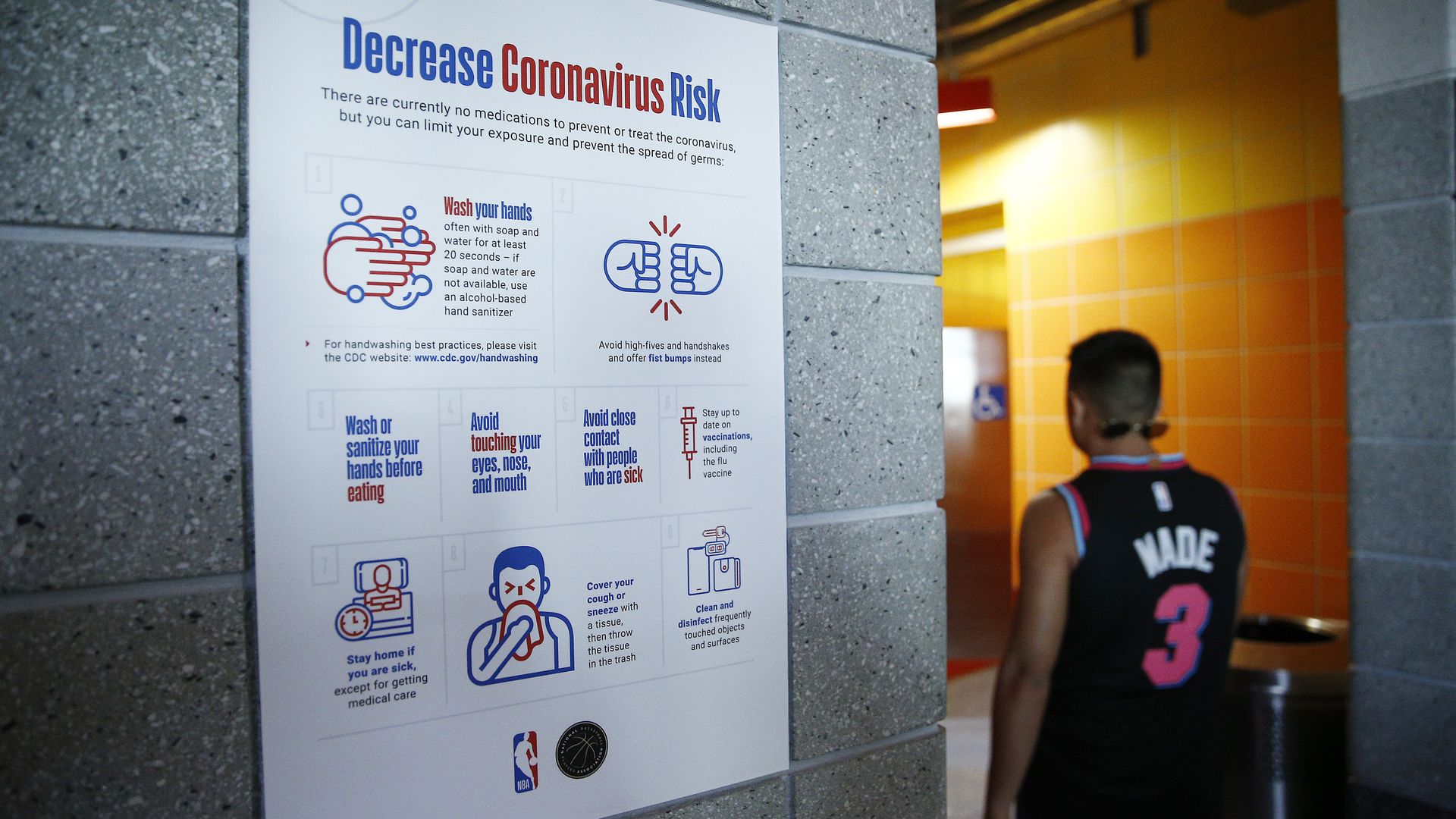
The NBA suspended all games Wednesday evening until further notice in response to the novel coronavirus outbreak after a Utah Jazz player returned a positive result for the virus in a preliminary test.
Why it matters: It's the latest in a wave of event cancellations as organizations seek to limit large gatherings over the global pandemic.
After previously recommending all employees work from home, Twitter took things a step further on Wednesday, making telecommuting mandatory for nearly all employees.
Why it matters: It's another sign of just how seriously Big Tech companies are taking the coronavirus outbreak.
President Trump announced in an Oval Office address Wednesday that European travel to the U.S. will be restricted for 30 days, with exemptions for Americans who undergo screening upon their return.
The big picture: The U.S. now has more than 1,000 cases of coronavirus, with the likelihood that there are far more unknown cases due to major delays in testing.
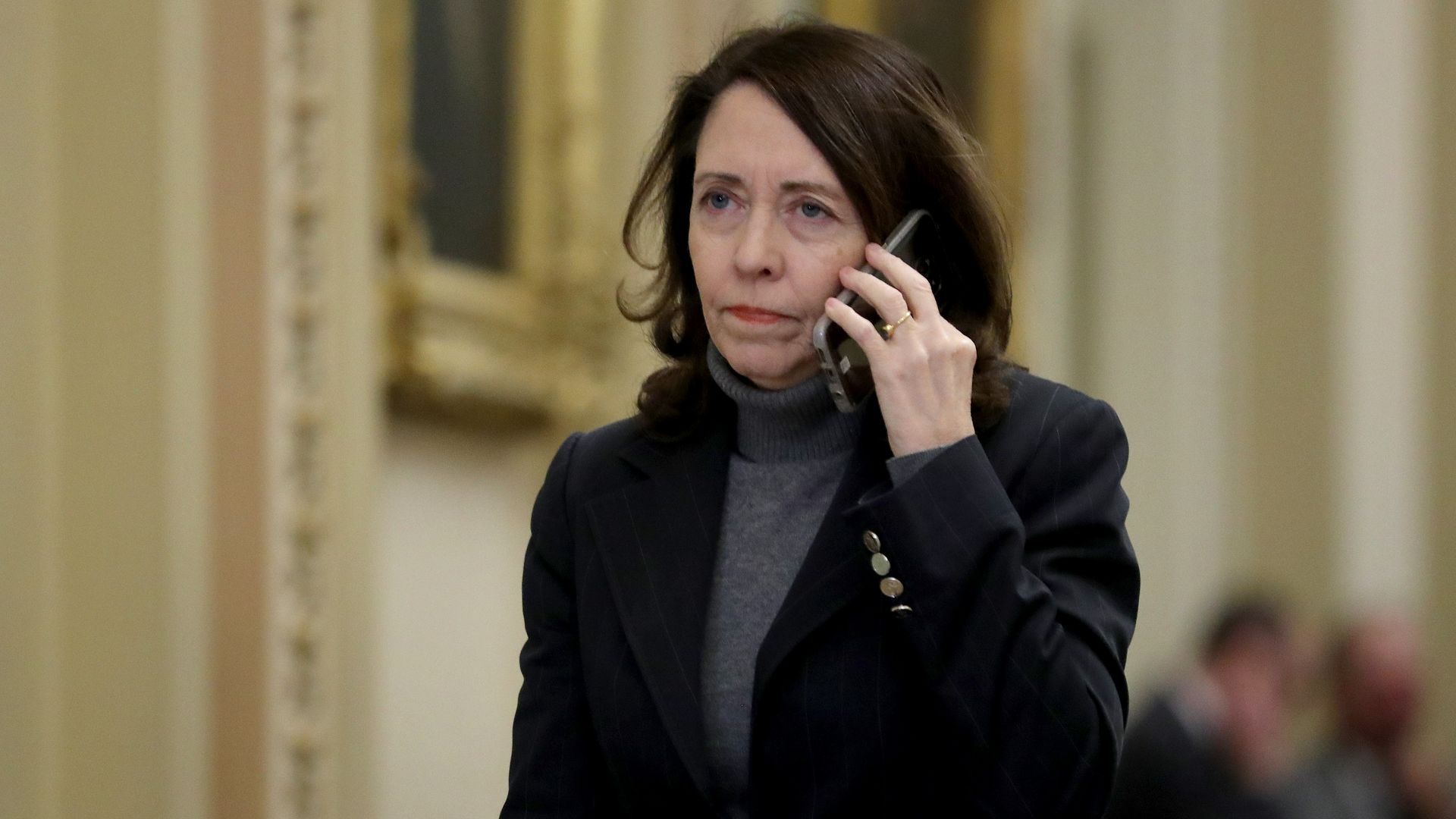
A staffer in the Washington, D.C., office of Sen. Maria Cantwell (D-Wash.) is in insolation after displaying symptoms of the novel coronavirus for which they subsequently tested positive, a statement released Wednesday night confirms. The office is now serving constituents remotely.
Why it matters: This is the first known case of a congressional staffer becoming infected with the virus. "The individual who tested positive for COVID-19 has had no known contact with the senator or other members of Congress," the statement notes. "The senator is requesting that testing be done on any other staffers who have been in contact with the individual and show symptoms."
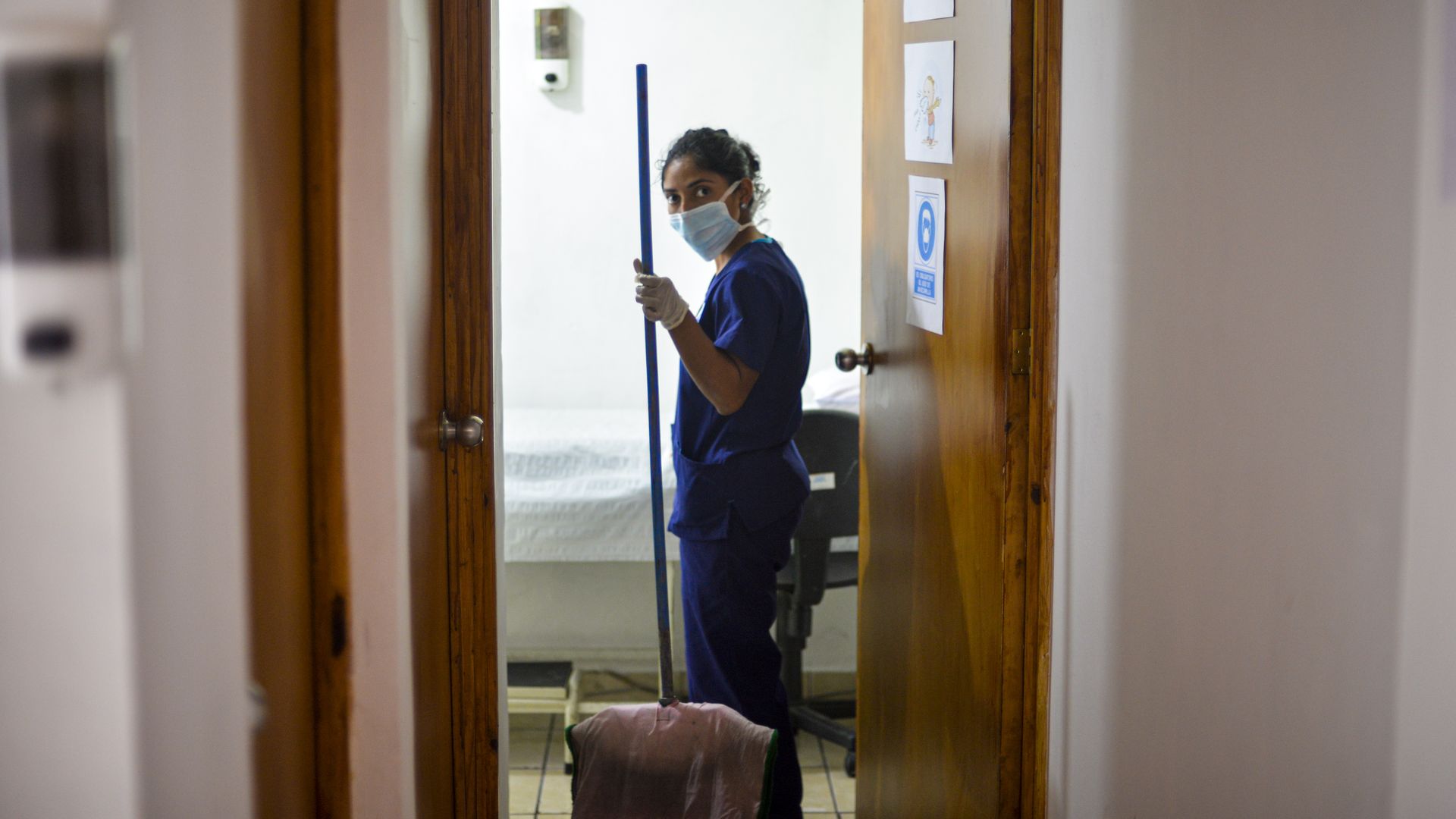
El Salvador President Nayib Bukele declared a national 21-day quarantine on Wednesday, although the country has no confirmed coronavirus cases, following the World Health Organization classifying the outbreak as a pandemic.
Where it stands: The closest COVID-19 cases to the Central American country are located in Honduras, which has two confirmed cases as of Wednesday, per the Johns Hopkins University Coronavirus Resource Center. There are eight cases in Mexico and 13 in Costa Rica.









/2020/03/12/1584034693747.gif?w=3840)