Congressional doctor predicts 70 million-150 million U.S. coronavirus cases


Add Axios as your preferred source to
see more of our stories on Google.
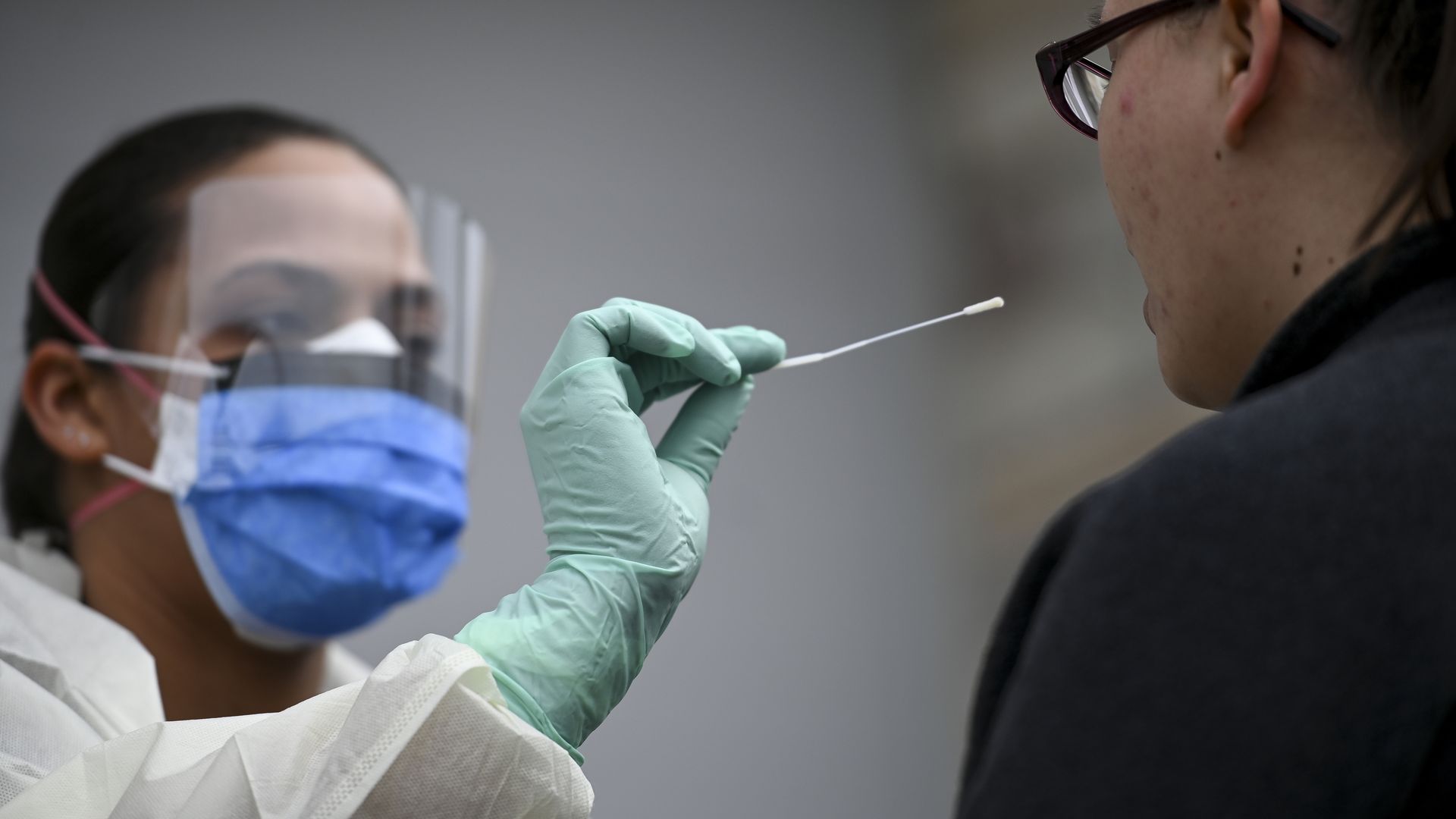
Photo: Aaron Lavinsky/Star Tribune via Getty Images
Congress' in-house doctor told Capitol Hill staffers at a close-door meeting this week that he expects 70-150 million people in the U.S. — roughly a third of the country — to contract the coronavirus, two sources briefed on the meeting tell Axios.
Why it matters: That estimate, which is in line with other projections from health experts, underscores the potential seriousness of this outbreak even as the White House has been downplaying its severity in an attempt to keep public panic at bay.
Dr. Brian Monahan, the attending physician of the U.S. Congress, told Senate chiefs of staff, staff directors, administrative managers and chief clerks from both parties on Tuesday that they should prepare for the worst, and offered advice on how to remain healthy.
Between the lines: Forecasting the spread of a virus is difficult, and the range of realistic possibilities is wide.
- But other estimates, including statistical modeling from Harvard epidemiologist Marc Lipsitch, have said that somewhere between 20% and 60% of adults worldwide might catch the virus.
Yes, but: These estimates include people who will get sick and make a full recovery, and many people will catch the virus without ever feeling seriously ill.
- Monahan told staffers that about 80% of people who contract coronavirus will ultimately be fine, one of the sources said.
- Monahan's office declined to comment.
Meanwhile, Democratic and Republican leaders on Capitol Hill have told lawmakers they have no immediate plans to close Congress, despite it being a potential petri dish for the virus.
- Many lawmakers fit high-risk profiles because they're over 60, have underlying health conditions and are mixing in close quarters with visitors, staff and reporters.
Go deeper: The latest coronavirus developments
Editor's note: This story has been corrected to say that Monahan told staffers he expects 70-150 million cases, not 75-150 million.
