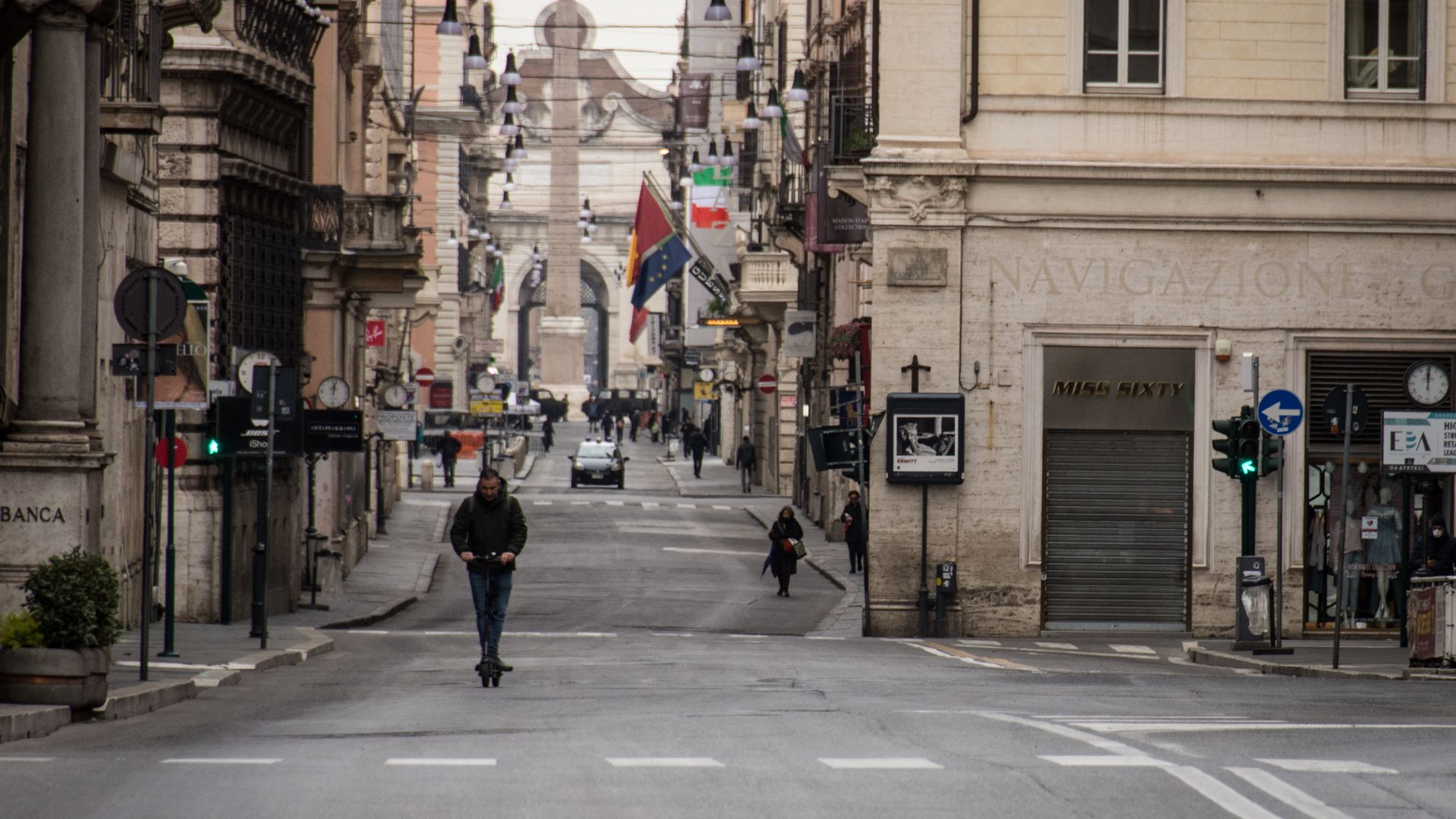
Schools, bars and restaurants were ordered to close in Spain on Saturday, while citizens were told to stay at home unless absolutely necessary, Prime Minister Pedro Sánchez and health officials announced.
The big picture: Spain is following Italy's lead by shuttering non-essential businesses and implementing domestic travel restrictions, as the two nations grapple with the largest outbreaks of the novel coronavirus in Europe.
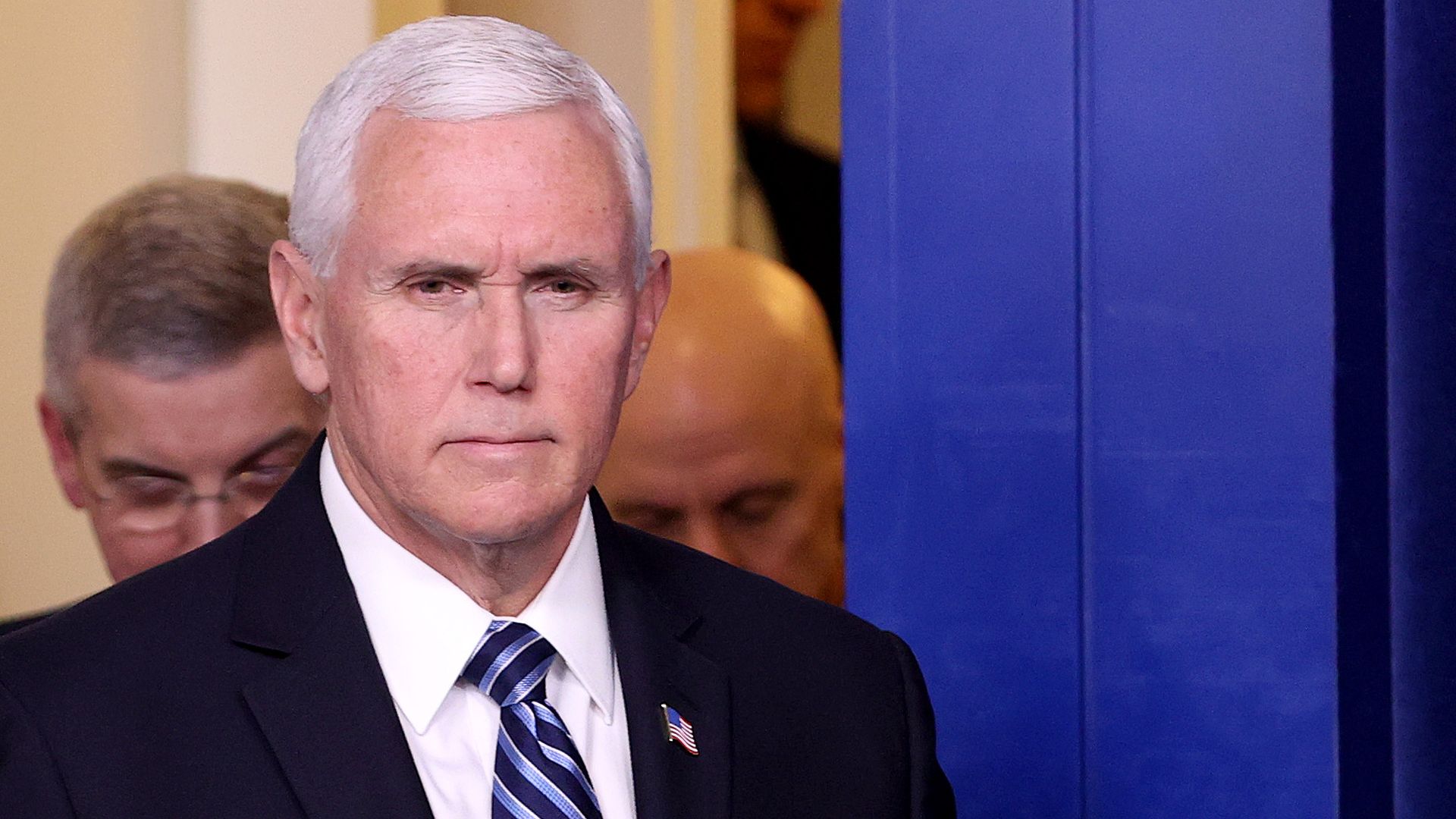
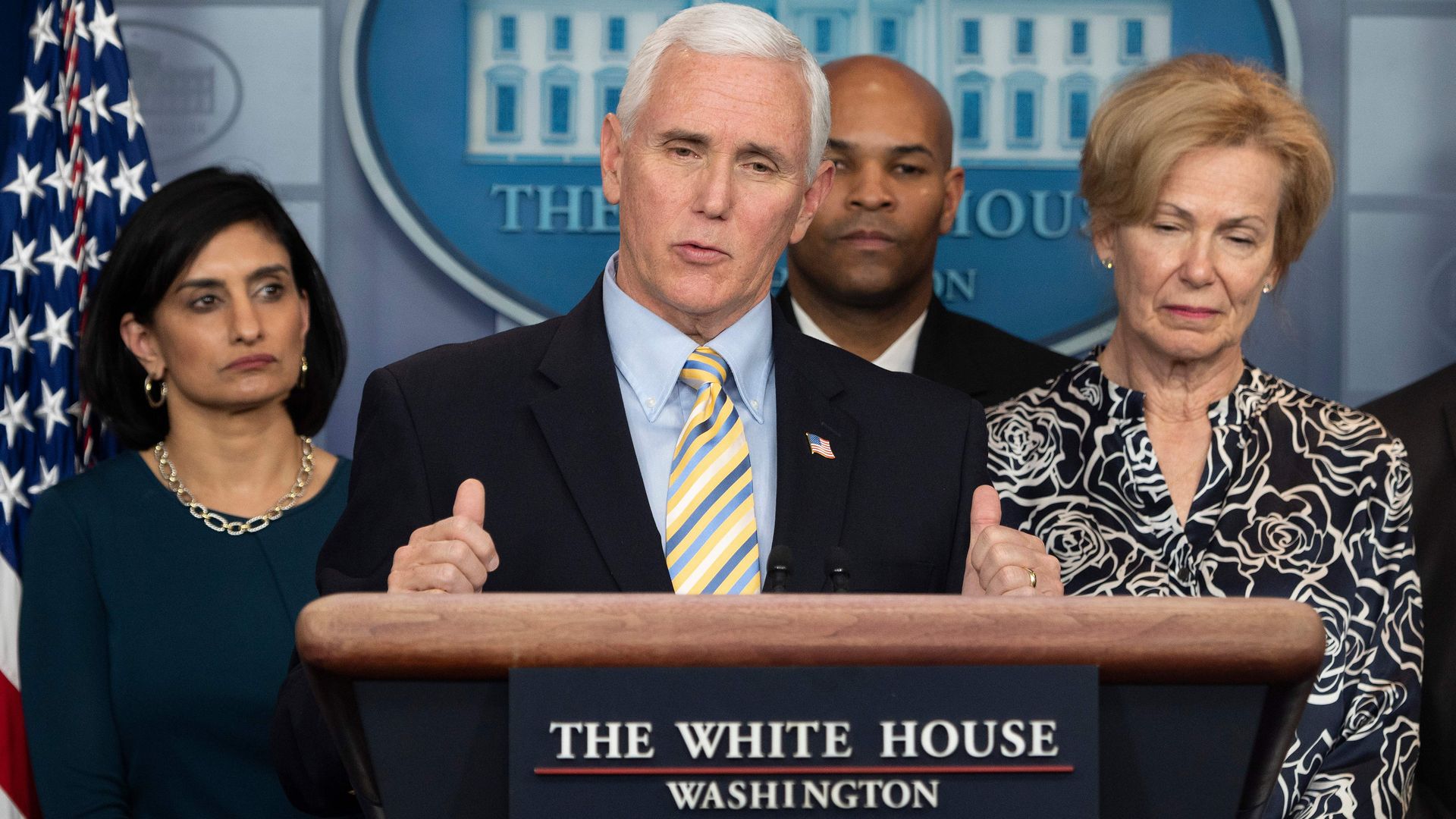
Vice President Mike Pence sent White House staff an email Saturday afternoon recommending "social distancing" and to "avoid physical contact" to keep themselves and their colleagues safe from the novel coronavirus.
Why it matters: This is the first staff-wide email Pence has sent across the complex during his time as vice president — and is the latest sign the White House is shifting its posture against the pandemic.
France and Israel moved on Saturday to close restaurants, cafes, movie theaters and clubs to promote social distancing amid the novel coronavirus pandemic.
Where it stands: COVID-19 cases in France have jumped within the last 72 hours from 3,672 as dictated by the Johns Hopkins University Coronavirus Resource Center to roughly 4,500 cases. Deaths in the country have increased from 79 to 91 in that time frame. There are 193 cases in Israel, which has not recorded any deaths as of Saturday.
Levels of nitrogen dioxide pollution fell drastically in parts of Italy — a direct result of the country closing borders and businesses to mitigate the novel coronavirus outbreak, The Washington Post reports.
Why it matters: The drop in saturation of greenhouse gases in Italy shows the impact humans have on the environment, and how quickly emissions can plummet when people reduce the burning of fossil fuels, the Post writes. Nitrogen dioxide is not the primary greenhouse gas linked to climate change, but serves as a proxy for other emissions.
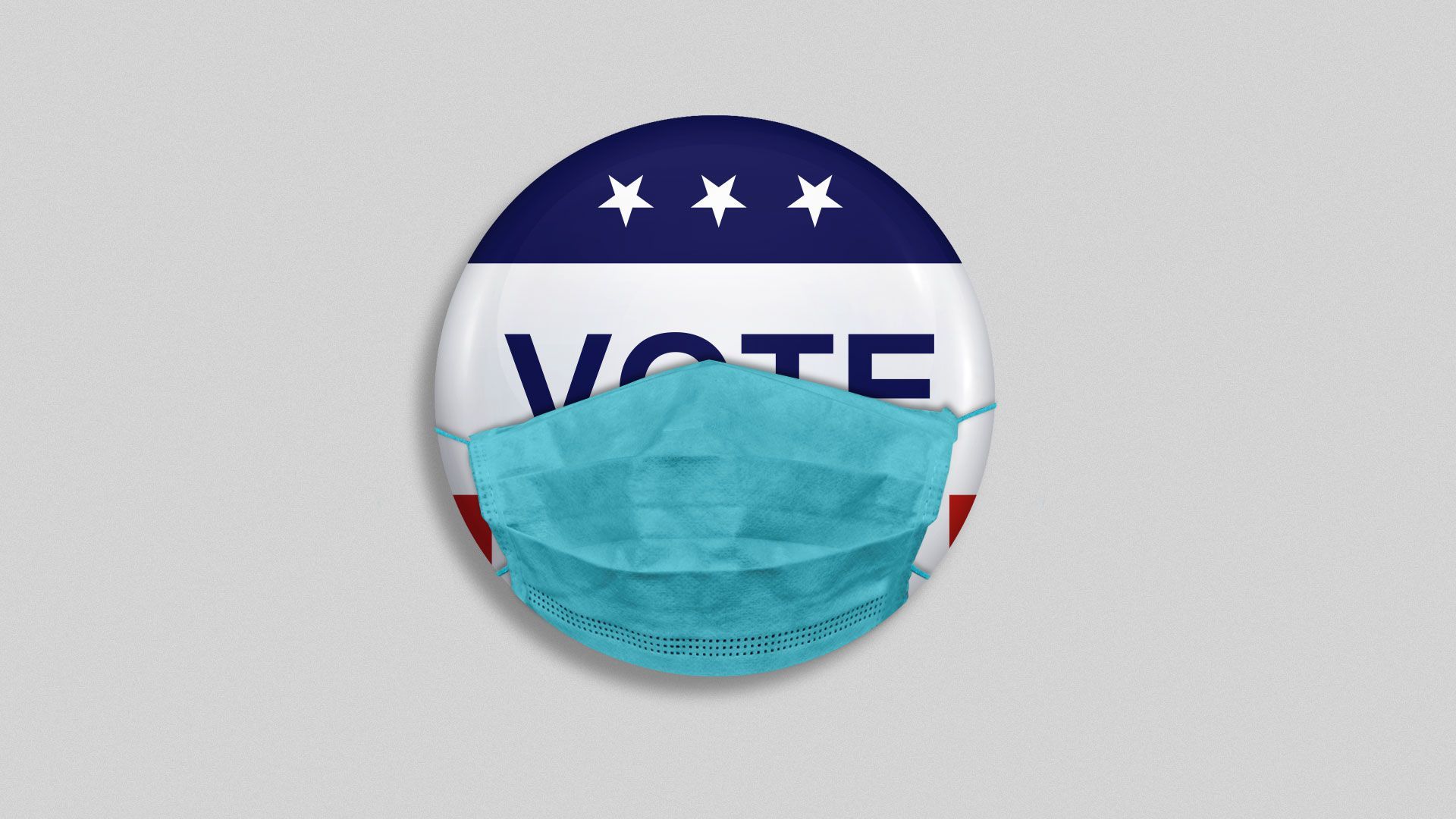
Cancelled rallies, debates with no audiences, contingency plans for conventions and ballot-casting: this is campaigning in the age of coronavirus.
The state of play: President Trump declared coronavirus a national emergency. Trump, Joe Biden and Bernie Sanders all cancelled large-scale events this week and rolled out coronavirus policy platforms.
The world once looked to the U.S. for leadership and aid in global health crises.
But theTrump administration has rejected global leadership in the fight against the coronavirus and much of the initial domestic response was focused on shoring up the economy.
Now that the COVID-19 pandemic has fully arrived, how bad it gets will largely be a function of how our society responds at every level.
Why it matters: From pandemics to climate change to earthquakes, massive catastrophes lie in our future. But in a world that has the technological capability that ours does, we have the power to mitigate those disasters through our preparation and resilience — or to make them worse through our failures.
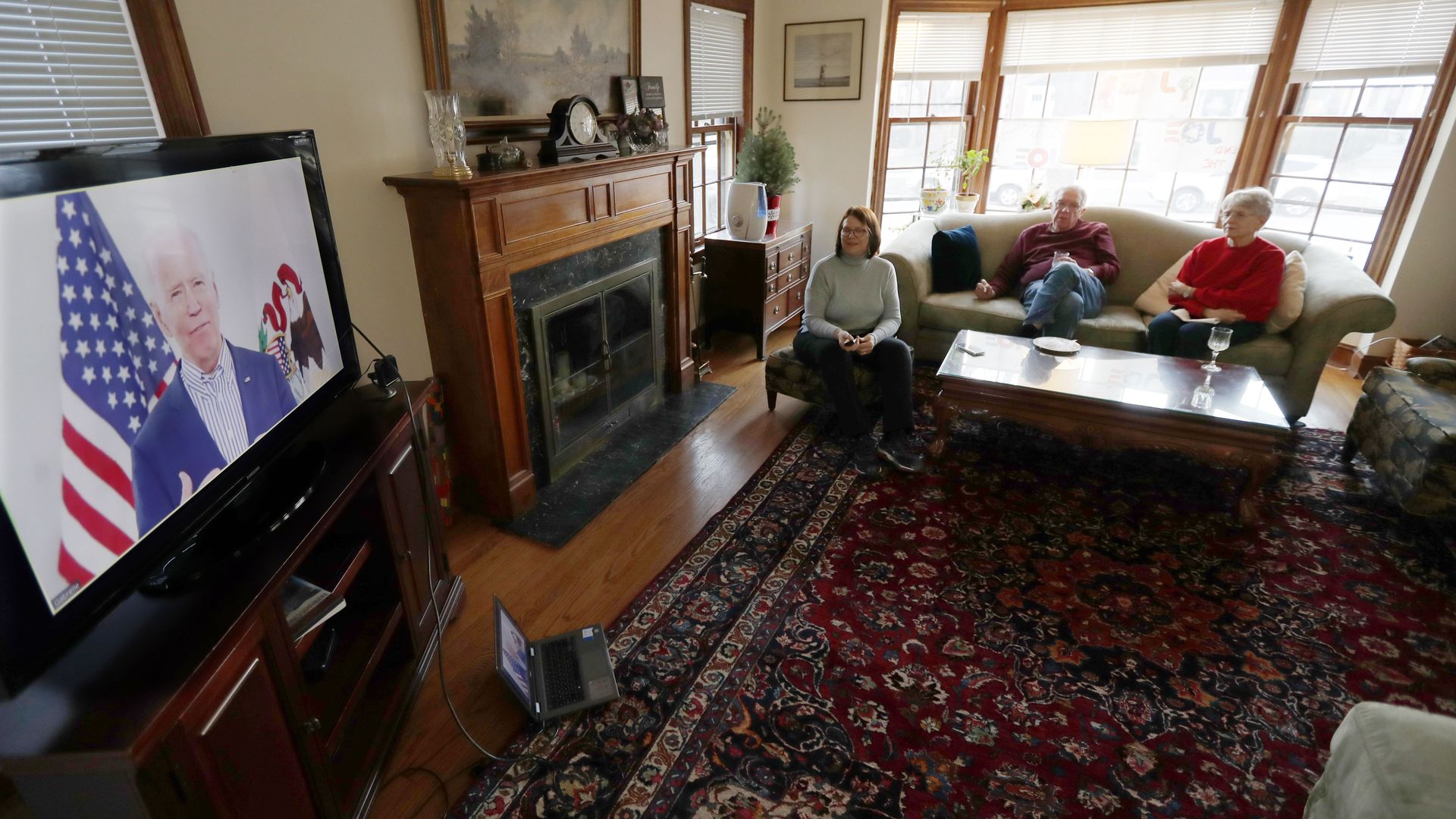
Former Vice President Joe Biden's virtual town hall in Illinois on Friday marks a new normal for campaigning, AP reports.
What's happening: With the Prairie State primary coming up Tuesday, Biden held a town hall from 800+ miles away in Delaware. Sen. Bernie Sanders has been holding daily press briefings from his home state, and said this is hurting him.
Our health care system isn't designed to handle a massive influx of patients who all need care for the same thing at the same time. Dan and Axios' Sam Baker explain how America's initial response to coronavirus could strain facilities and harm patients.
Coronavirus has led many economists to conclude a recession is inevitable, or maybe already here. Dan and Axios' Dion Rabouin discuss what's happening and what the government is trying to do to fix it.
China is now taking a leadership role in the coronavirus pandemic, after its initial inaction and cover-ups. Dan and Axios' Bethany Allen-Ebrahimian analyze how China's response could reshape its place in the world.
Cities are, in many ways, businesses that can never close. Dan and Axios' Kim Hart explore how coronavirus presents particular challenges for cities when it comes to encouraging remote work and keeping services running, and how they're handling it.
Politics is all about engagement. But, due to coronavirus, events are being cancelled, postponed and planned without audiences. Dan and Axios' Margaret Talev explore the potential impacts of coronavirus on 2020 campaigns, primaries, conventions, and the November election.
Vice President Mike Pence announced Saturday that all travel from Ireland and the United Kingdom to the U.S. will be suspended, effective midnight EST on Monday. He said Americans and legal residents abroad in those countries can return home.
Why it matters: The administration initially left the two off its restricted travel list, but that case has been weakened due to an uptick in cases in the UK.
U.S. Surgeon General Jerome Adams is asking hospitals to consider stopping elective surgeries as the coronavirus spreads.
What Adams is saying: "Hospital & healthcare systems, PLEASE CONSIDER STOPPING ELECTIVE PROCEDURES until we can #FlattenTheCurve! Each elective surgery you do: 1) Brings possible #Coronavirus to your facilities 2) Pulls from PPE stores 3) Taxes personnel who may be needed for #COVIDー19 response," Adams tweeted on Saturday morning.
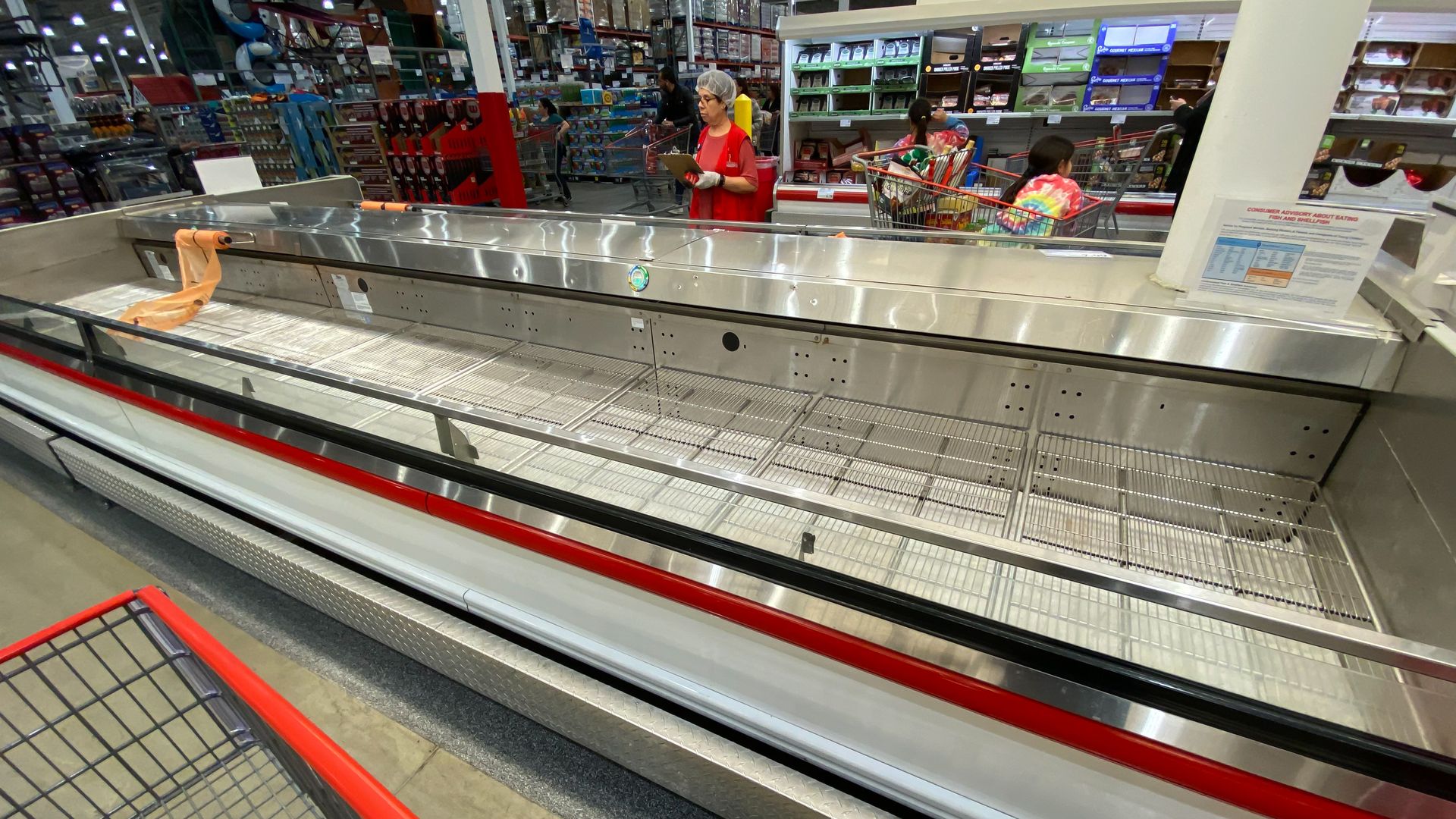
Consumers are stocking up on goods as the novel coronavirus spreads, but COVID-19 itself is already testing America's supply chains and could bring possible labor shortages, The Washington Post reports.
Why it matters: There is enough nonperishable food in warehouses and production lines to last months, but the "challenge could soon be getting that food to the right places once local distribution centers are wiped out," the Post writes. Some food producers could find themselves without enough employees to manufacture, deliver and unpack groceries.
U.S. prison and detention systems are dangerously susceptible to the coronavirus, experts say.
Why it matters: Immigration and corrections systems around the nation are taking steps to limit the spread of COVID-19 — but they face several systemic challenges.
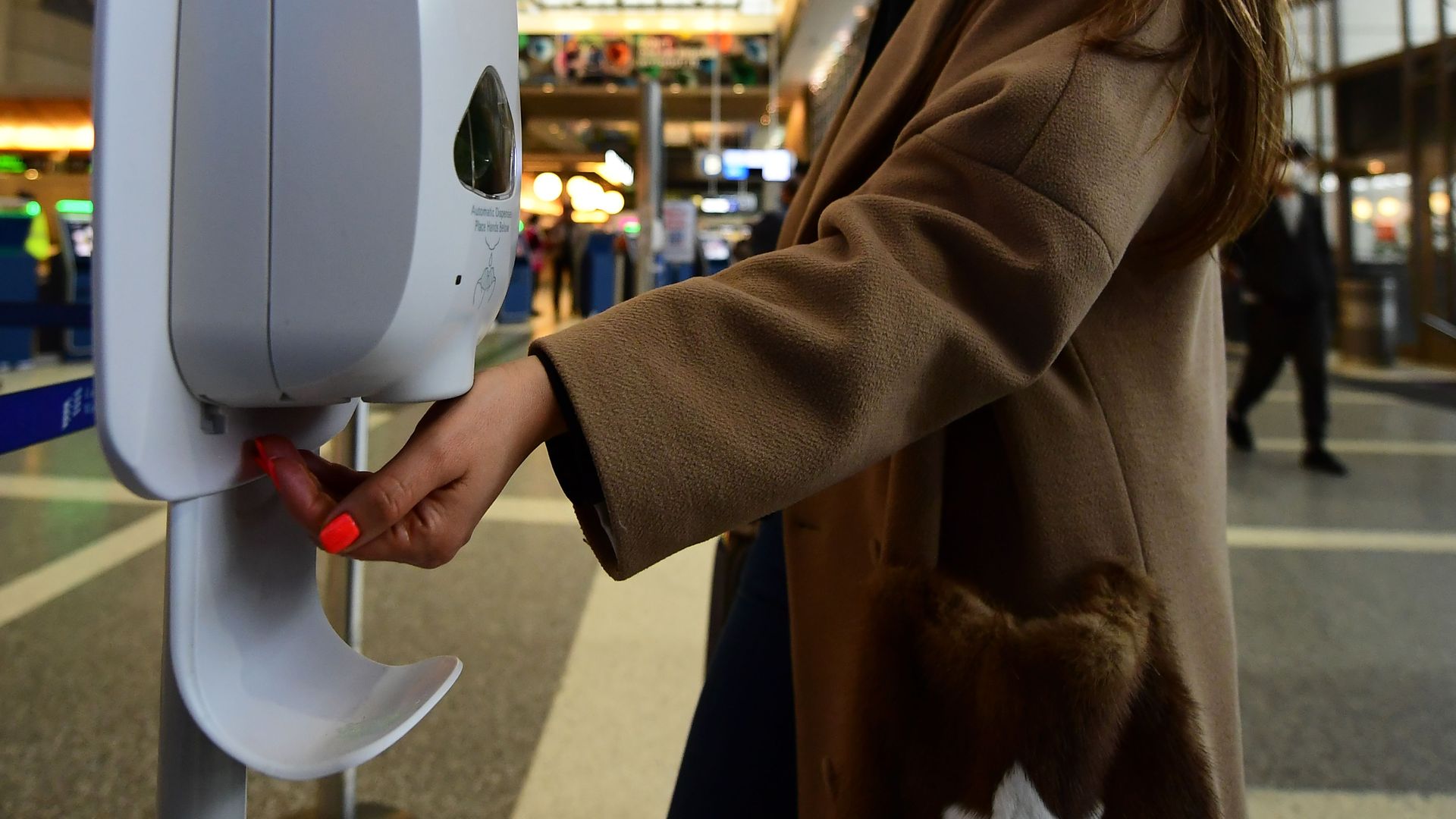
The Transportation Security Administration announced Friday that passengers can now bring larger bottles of liquid hand sanitizer in their carry-on luggage.
The state of play: Travelers can bring up to 12-ounce bottles aboard "until further notice," per TSA, but the sanitizer must be screened separately at U.S. airport security checkpoints. The 3.4-ounce limit still applies to other liquids, gels and aerosols.
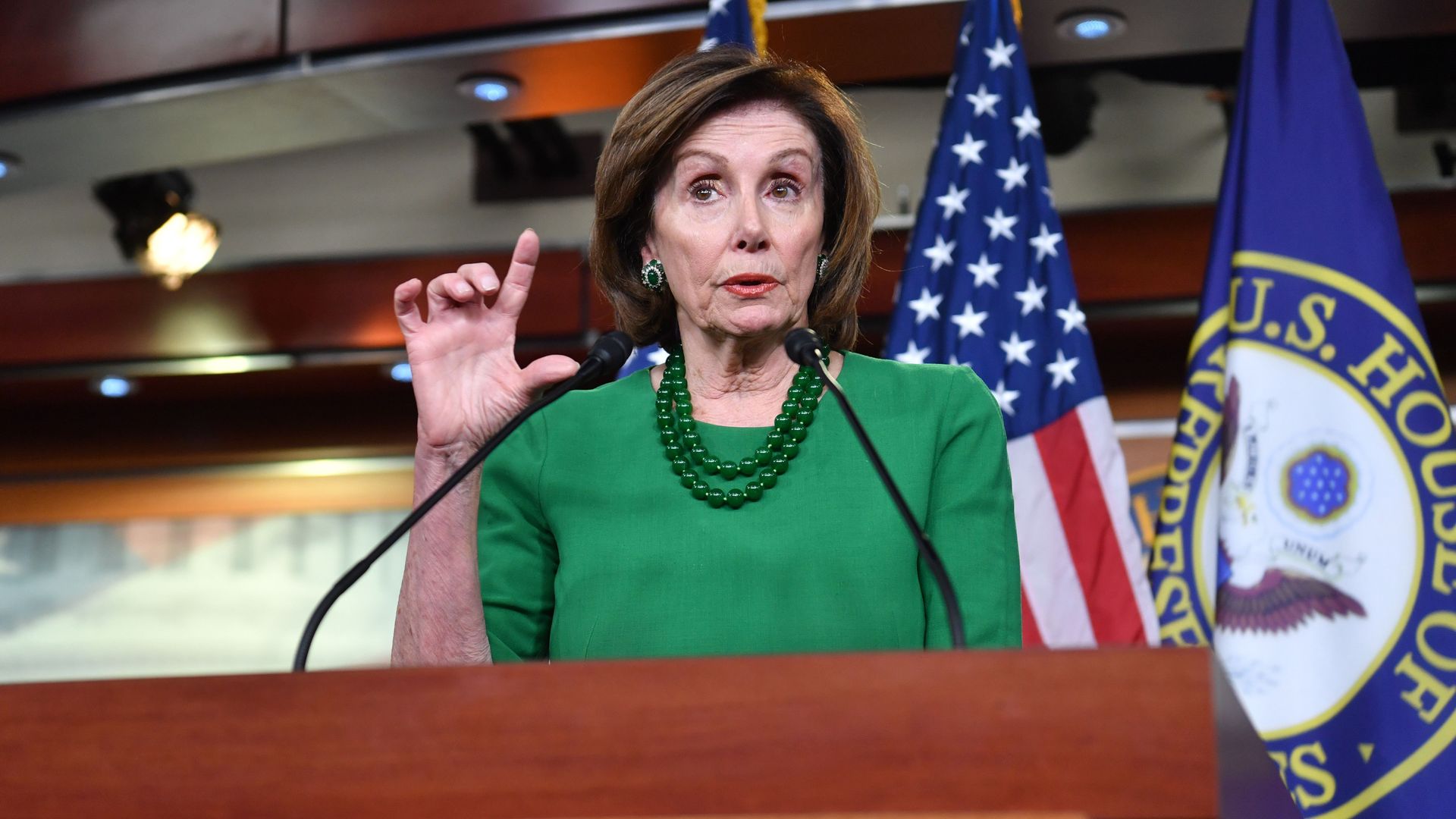
The House passed a sweeping coronavirus relief package shortly before 1 a.m. EST on Saturday with a 363-40 vote after President Trump declared a national emergency over the virus outbreak.
Driving the news: President Trump endorsed the deal Friday evening on Twitter, prior to its vote in the House.
While coronavirus infections and deaths are rising in the U.S., some swing voters in Edina, Minn., said they're viewing this primarily as a financial threat — but they won't blame President Trump if it triggers a recession.
Why it matters: The responses show the complexity of how certain voters view the coronavirus, and they undermine the conventional wisdom that the president would be punished if a recession begins before the November election.