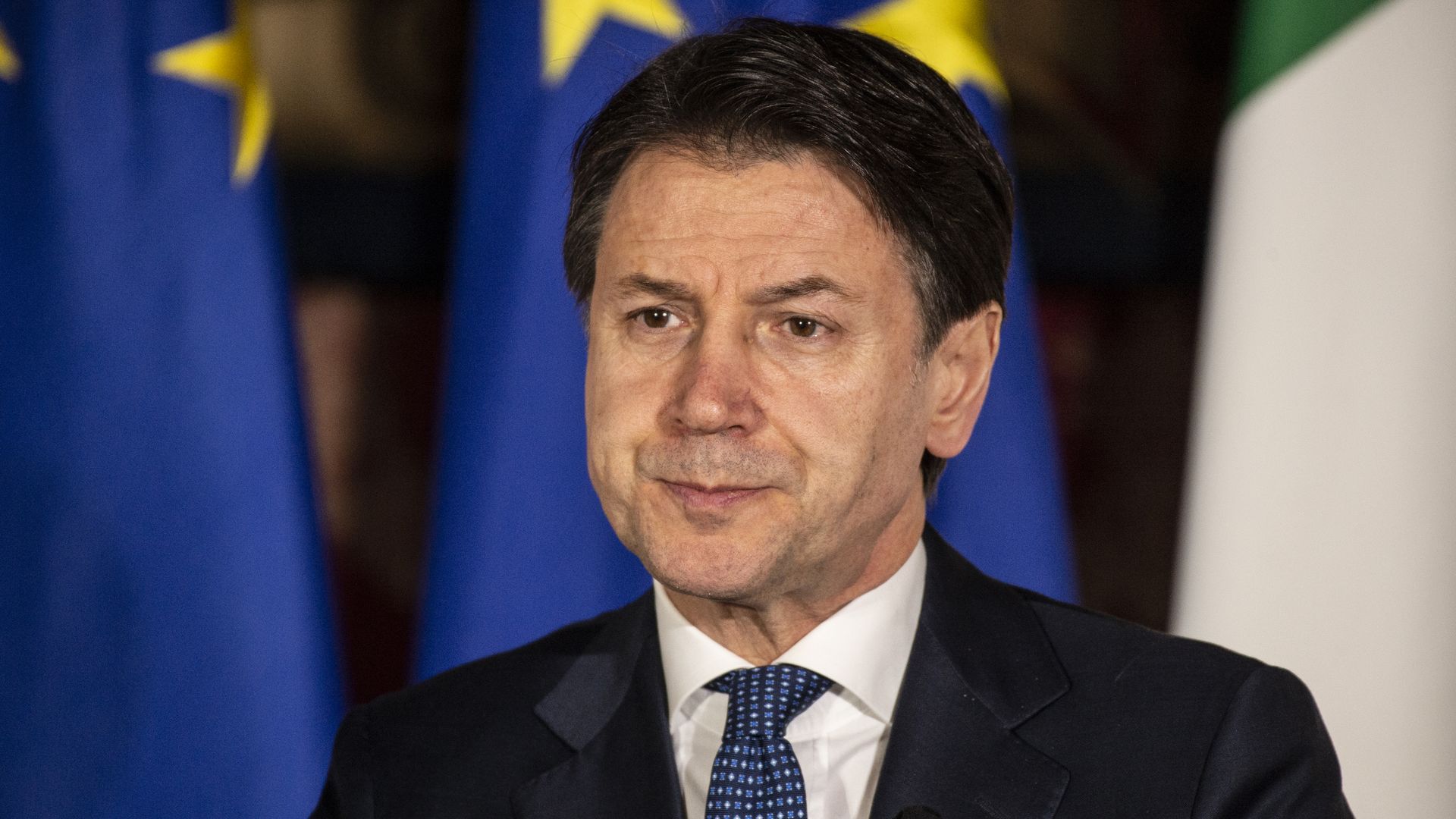
Italy's Prime Minister Giuseppe Conte said Wednesday that the country's retailers and businesses, other than pharmacies and grocers that sell "essential items," will close as the country responds to the novel coronavirus, AP reports.
Why it matters: It's the most extreme measure any nation other than China has taken to stem the rapidly spreading virus. With more than 12,000 cases and 827 deaths, Italy has had the worst outbreak outside of China. On Monday, Conte announced that the government extended internal travel restrictions to the entire country through April 3.
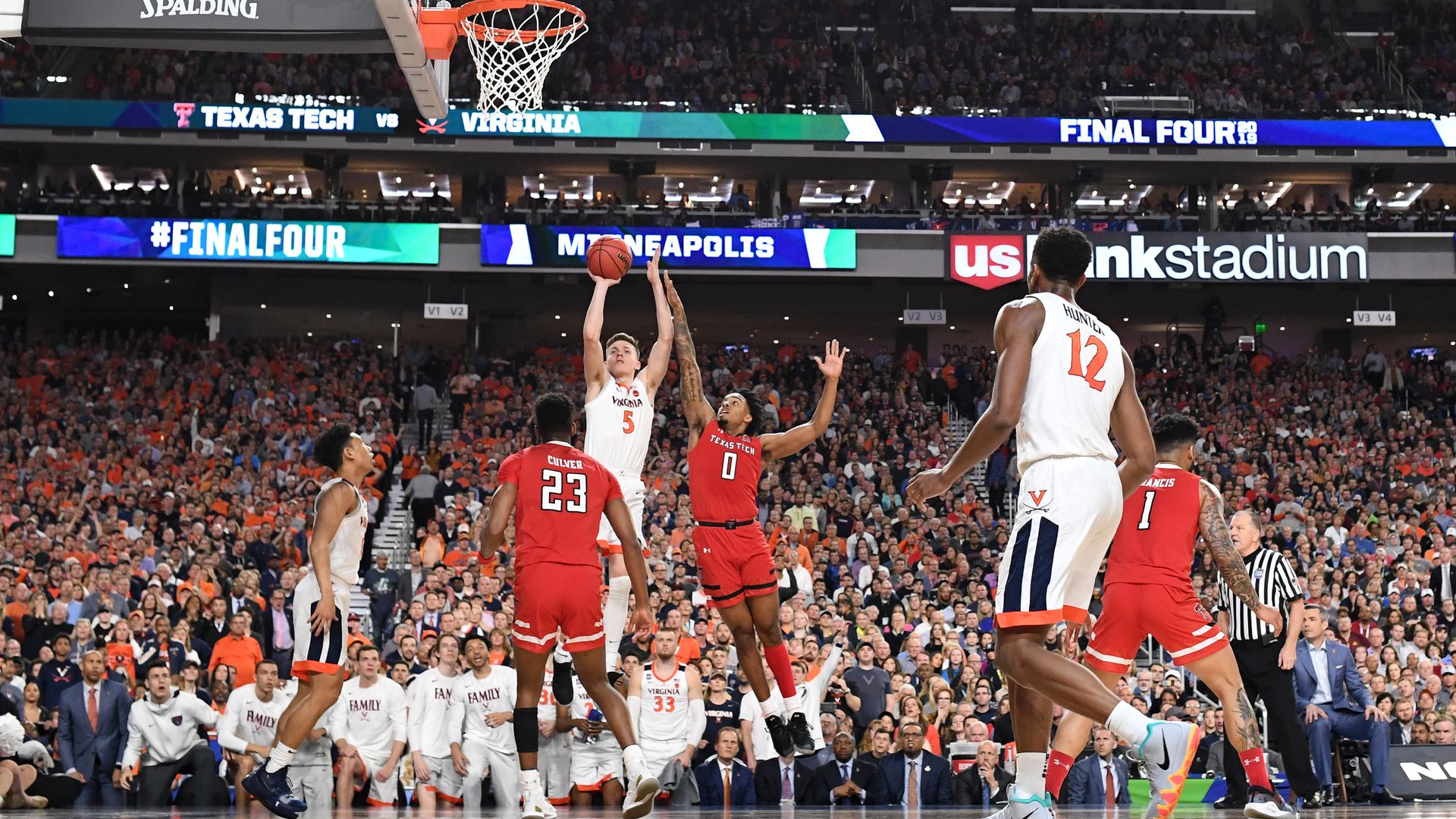
The NCAA men's and women's basketball tournaments will be played without fans, NCAA president Mark Emmert announced in a statement Wednesday.
Why it matters: The shock announcement comes days before Selection Sunday will kick off March Madness, one of the most highly anticipated sporting events of the year. The World Health Organization announced Wednesday that it classified the novel coronavirus outbreak as a pandemic.
When it comes to a major infectious disease outbreak, what you don't know very much can hurt you.
The big picture: There is always uncertainty around a new disease. But by failing to quickly ramp up testing for the novel coronavirus, the U.S. has unnecessarily added to that uncertainty — the last thing you want to do in any rapidly evolving challenge.
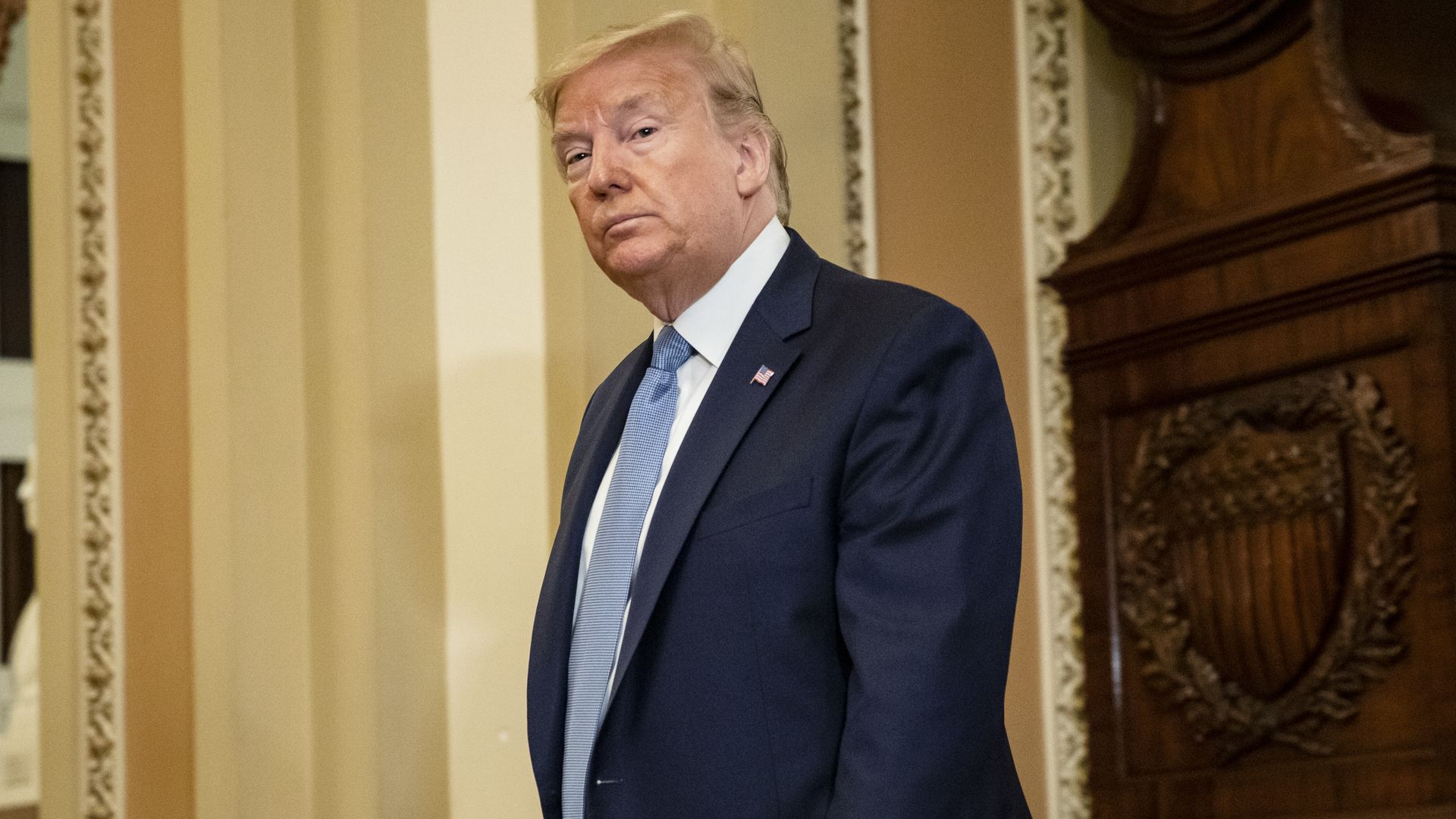
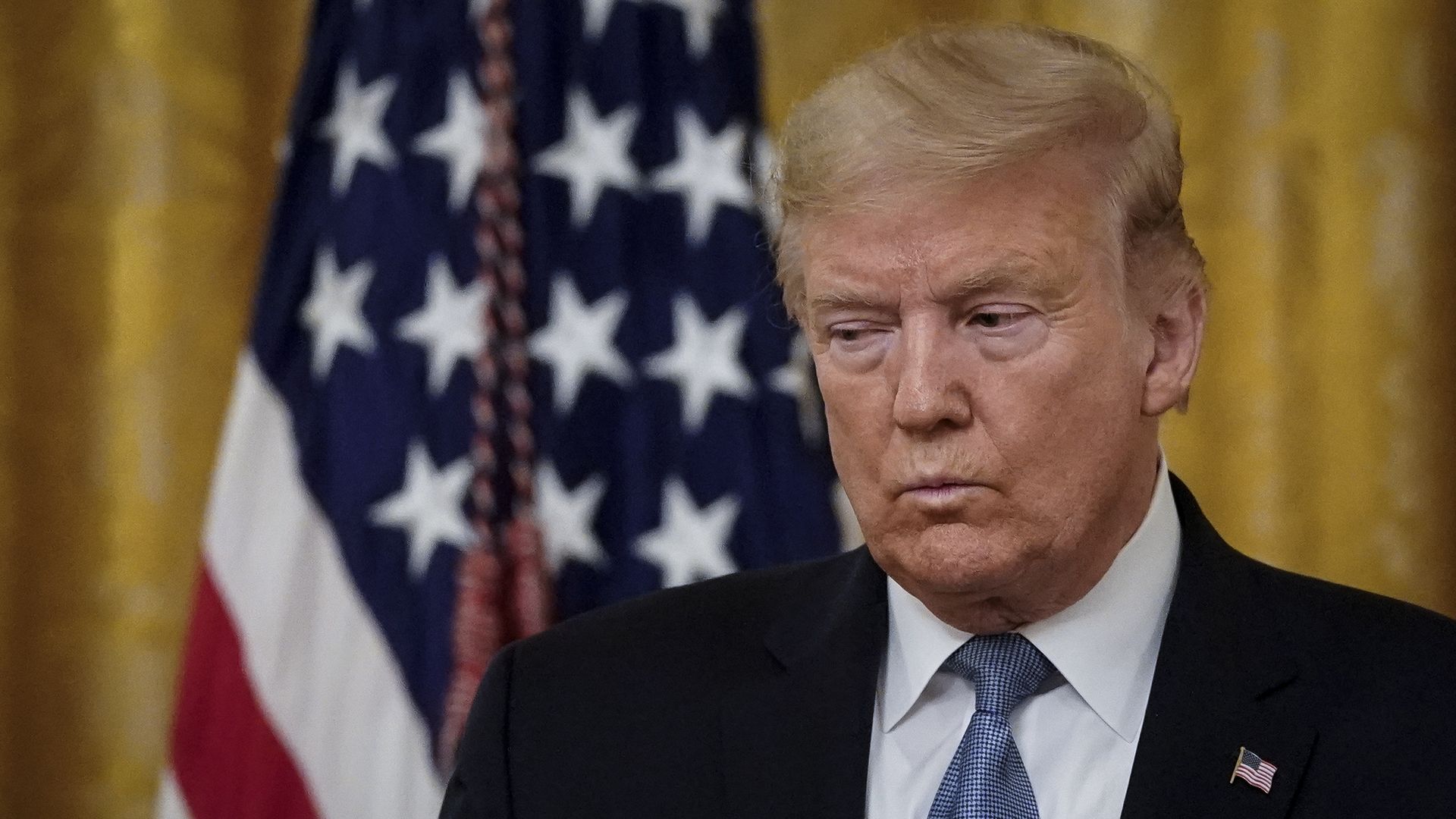
President Trump announced Wednesday that he'll be giving a prime-time address around 9 pm ET on the government's response to the coronavirus.
Why it matters: New cases of the coronavirus are continuing to surge in the U.S. and across the world, causing the stock market to crater and events to be canceled on a wide scale. Trump's address comes as the administration and Congress weigh economic stimulus options, while top health officials warn that drastic changes to daily life must be made in order to stop the spread of the virus.
Editor's note: This story was updated after Trump changed the time of the address from 8 pm to 9 pm ET.
The editor-in-chief of the journal Sciencecalled out President Trump's response to the novel coronavirus in an op-ed Wednesday, saying "distortion and denial is dangerous and almost certainly contributed to the federal government’s sluggish response."
The big picture: H. Holden Thorp wrote that while Trump is banking on the quick and effective development of a vaccine for COVID-19, the president has not always embraced science. Thorp asserts, "While scientists are trying to share facts about the epidemic, the administration either blocks those facts or restates them with contradictions."
Google issued one of the most sweeping cautionary edicts, recommending on Tuesday that all its employees in North America work from home until at least April 10 amid the novel coronavirus outbreak. (Update: Google on Wednesday extended the request to include employees in Europe, Middle East and Africa.)
Why it matters: The move comes as tech companies hope to limit the spread of the COVID-19 both among their employees and the community at large. Apple, Amazon, Cisco, Facebook, IBM, Microsoft, Twitter and others have also encouraged employees to work from home, albeit in most cases not as broadly as Google.
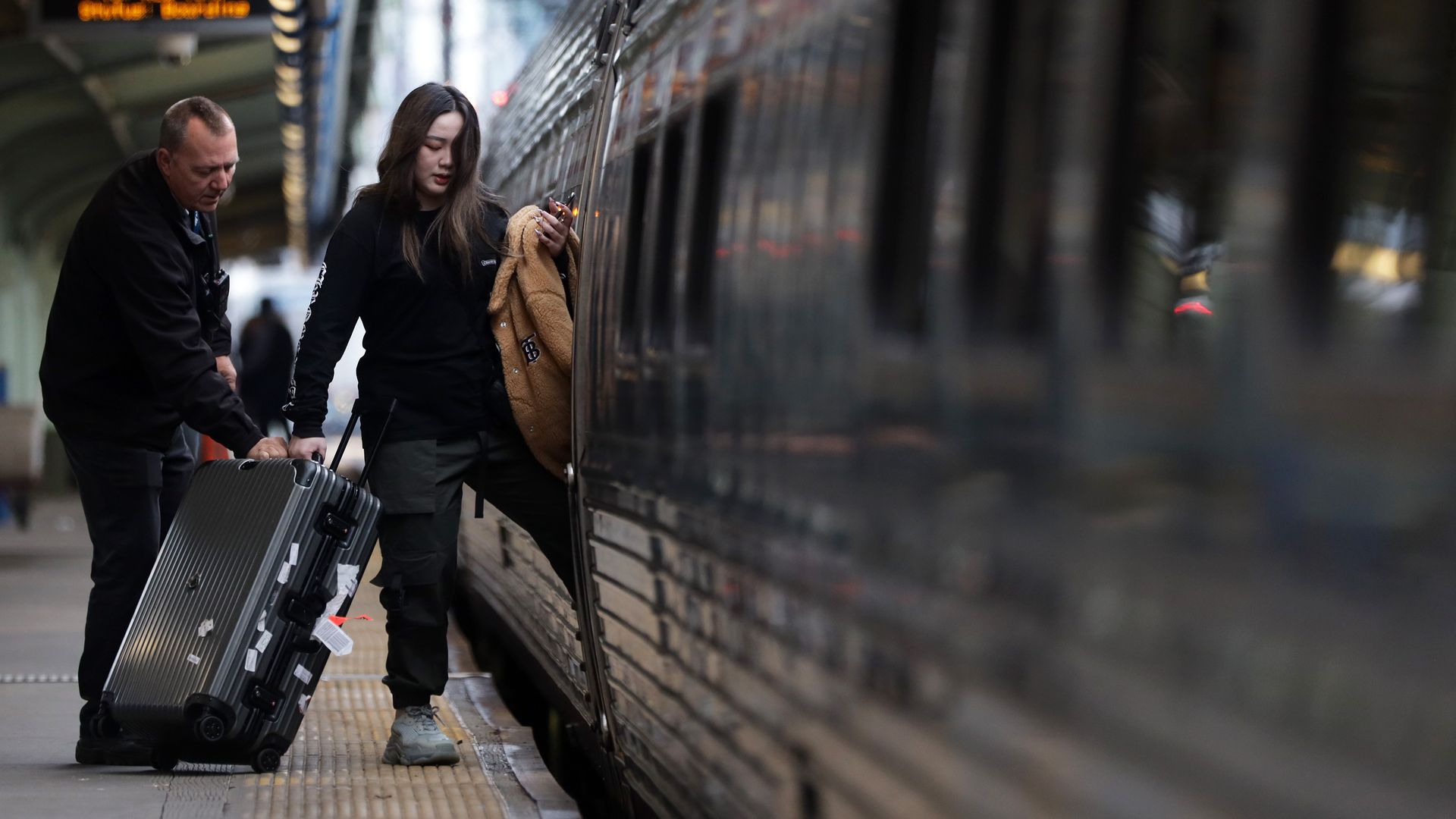
Amtrak officials announced Wednesday that the company's revenue is falling as consumers cancel trips and avoid future bookings as a reaction to the novel coronavirus outbreak, the Wall Street Journal reports.
The state of play: The company canceled nonstop service between Washington, D.C., and New York, according to CNBC, and plans to announce a voluntary unpaid leave program for nonessential employees, WSJ reports.
The spread of the coronavirus has triggered emergency responses from cities of all sizes, as officials grapple with everything from how to pay sick workers and run city operations remotely to whether to cancel major events and close schools.
Why it matters: Local authorities are on the front lines of the heightened anxieties and crippling demands as COVID-19 infiltrates more communities.
As coronavirus spreads across the economy, talk is increasing about federal bailouts of everything from airlines to shale oil companies. Dan digs in with The Washington Post's Jeff Stein.
The World Health Organization announced Wednesday that it had classified the coronavirus outbreak as a pandemic.
What they're saying: "Pandemic is not a word to use lightly or carelessly. It is a word that, if misused, can cause unreasonable fear, or unjustified acceptance that the fight is over, leading to unnecessary suffering and death," said WHO director Dr. Tedros Adhanom Ghebreyesus.
Congress' in-house doctor told Capitol Hill staffers at a close-door meeting this week that he expects 70-150 million people in the U.S. — roughly a third of the country — to contract the coronavirus, two sources briefed on the meeting tell Axios.
Why it matters: That estimate, which is in line with other projections from health experts, underscores the potential seriousness of this outbreak even as the White House has been downplaying its severity in an attempt to keep public panic at bay.
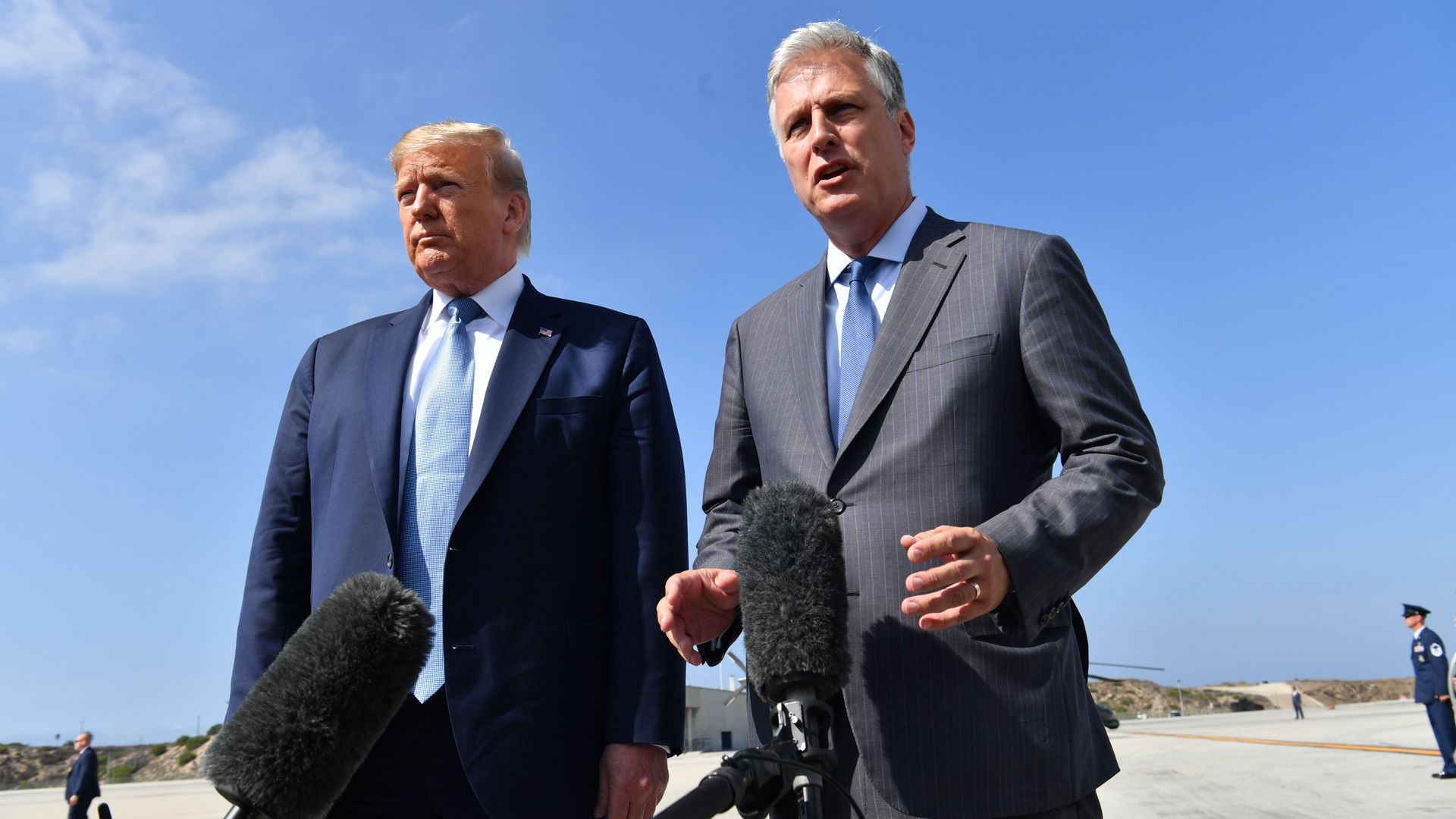
National security adviser Robert O’Brien claimed Wednesday that an initial cover-up of the coronavirus in China “cost the world community two months” and exacerbated the global outbreak.
Why it matters: In the face of a global crisis, the world’s two most powerful countries are pointing fingers at one another.
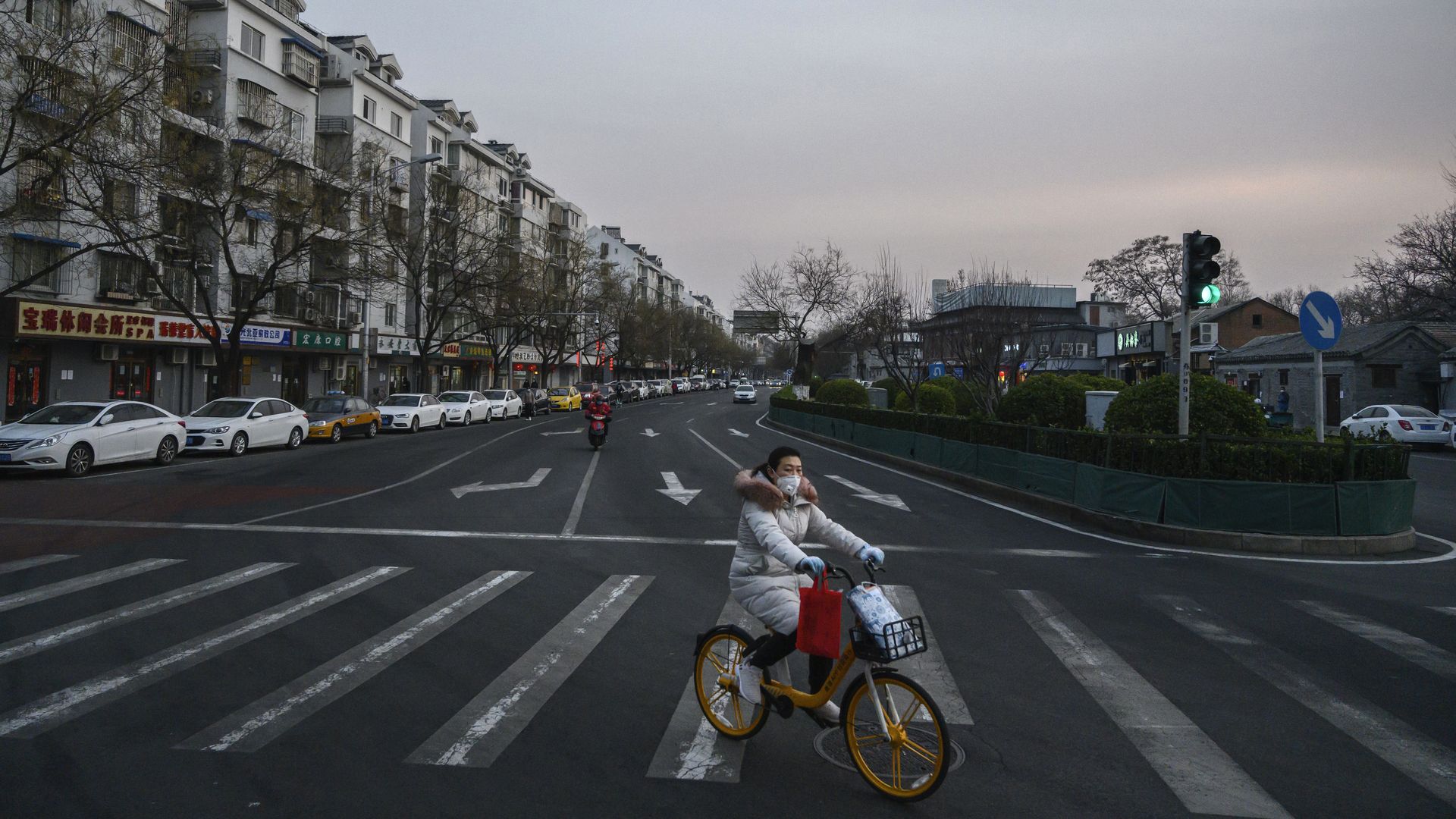
As China begins to get its coronavirus outbreak under control, authorities are going on the offensive to rewrite the narrative that the global epidemic is Beijing's fault.
Why it matters: We're getting a glimpse of how China's formidable propaganda apparatus can obscure the truth and change narratives abroad, just as it can at home. The stakes are high — for the world and China's standing in it.
Dr. Anthony Fauci, director of the National Institute of Allergy and Infectious Diseases, told Congress Wednesday that the worst is yet to come in the U.S. regarding the coronavirus outbreak — a warning he has repeatedly sounded in recent weeks.
A federal recommendation to restrict nursing home visitors is a reminder that some groups of people are more susceptible to catch the new coronavirus.
The bottom line: Adults aged 60 and older, people who have underlying health problems, people who have compromised immune systems and health care workers have higher chances of getting sick and dying, and should take extra precautions.
As confirmed cases of COVID-19 topped 119,000 globally and rose to 1,039 in the U.S., data show worry is beginning to grow.
What's happening: Only about 26% of Americans currently say they are "very concerned" about a coronavirus epidemic in the U.S., but that number is rising steadily, a new survey from CivicScience provided first to Axios shows.
Cruise ships may be a perceived by most of America as coronavirus playgrounds, but their low price tags are proving too hard to resist for some — and The Daily Beast has interviewed some of those brave souls.
The bottom line: It's not that these people aren't aware of the risks. One future cruiser bought a respirator face mask and card games to play in case he's quarantined. "It's a touch of youthful hubris with a dash of a gambler's high, all dropped into the milieu of a global medical crisis," The Daily Beast's Sam Stein writes.
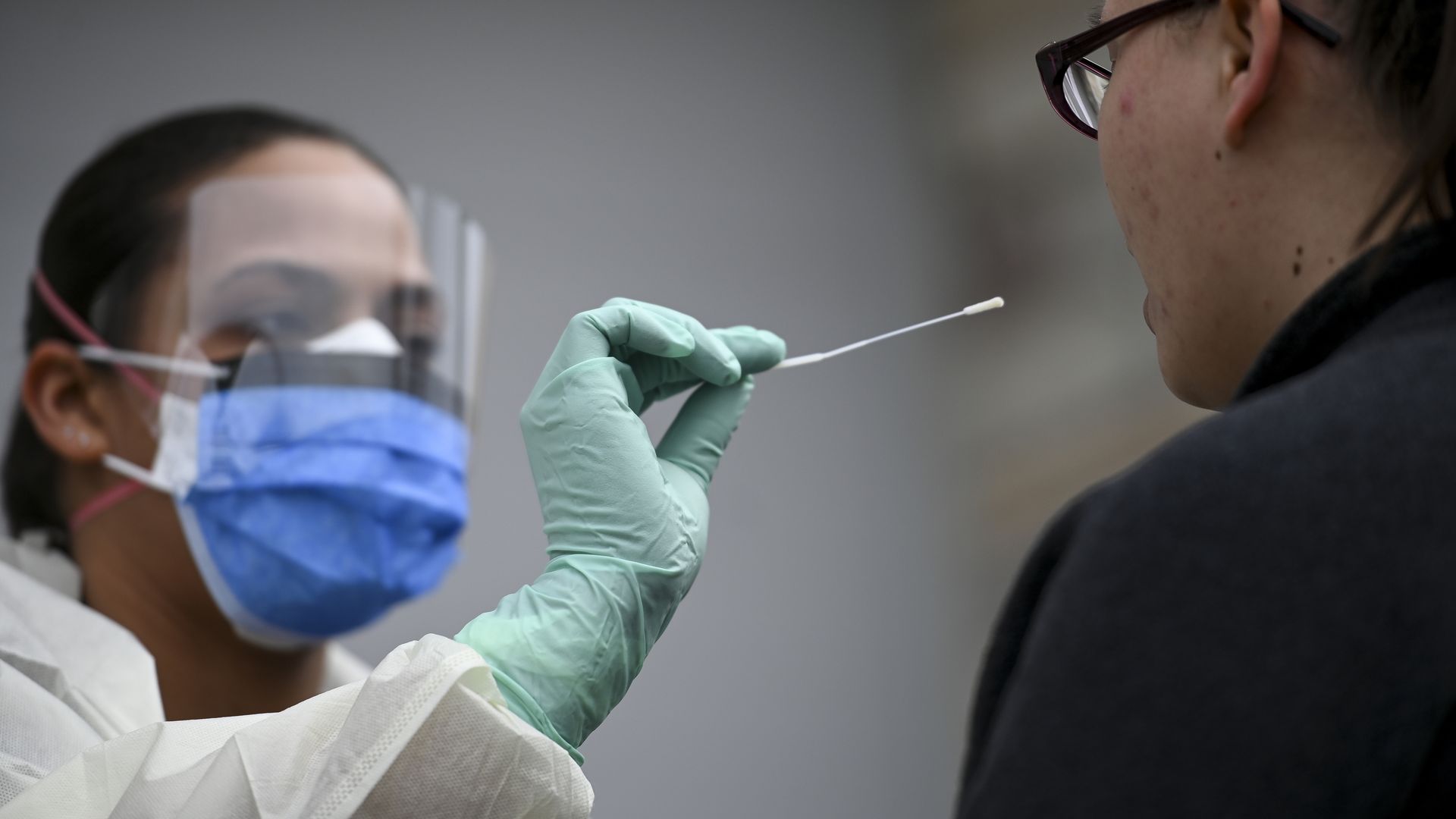
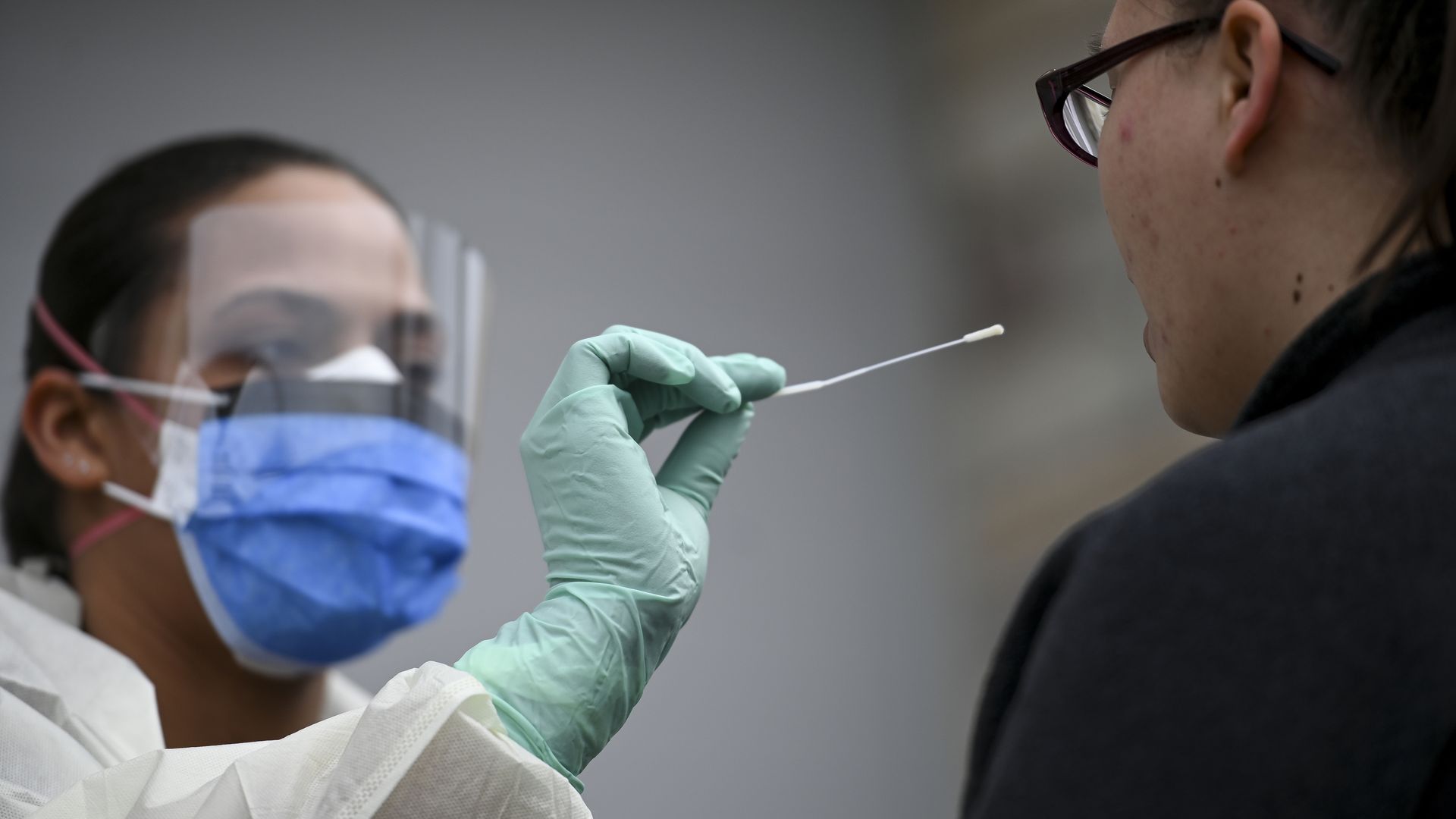
Diagnostic testing for the coronavirus is threatened yet again, this time by a shortage of critical lab materials, Politico reports.
Why it matters: The testing capabilities in the U.S. are still grossly behind those of other countries. This latest problem could set us even further back, allowing the coronavirus to continue to spread undetected through communities.
It may be counterintuitive, but it's actually better if the novel coronavirus outbreak lasts awhile in the U.S., public health experts say.
Between the lines: If everyone who is going to get sick does so at once, it would overwhelm the health care system, putting all of us — not just those with the coronavirus — at risk.
As colleges cancel classes and boot students off campus because of the coronavirus, they're creating logistical and financial nightmares that could leave many students in a bind.
Driving the news: Harvard University on Tuesday asked its students to leave on-campus housing this weekend, and to treat their departures as if it were the end of the school year.
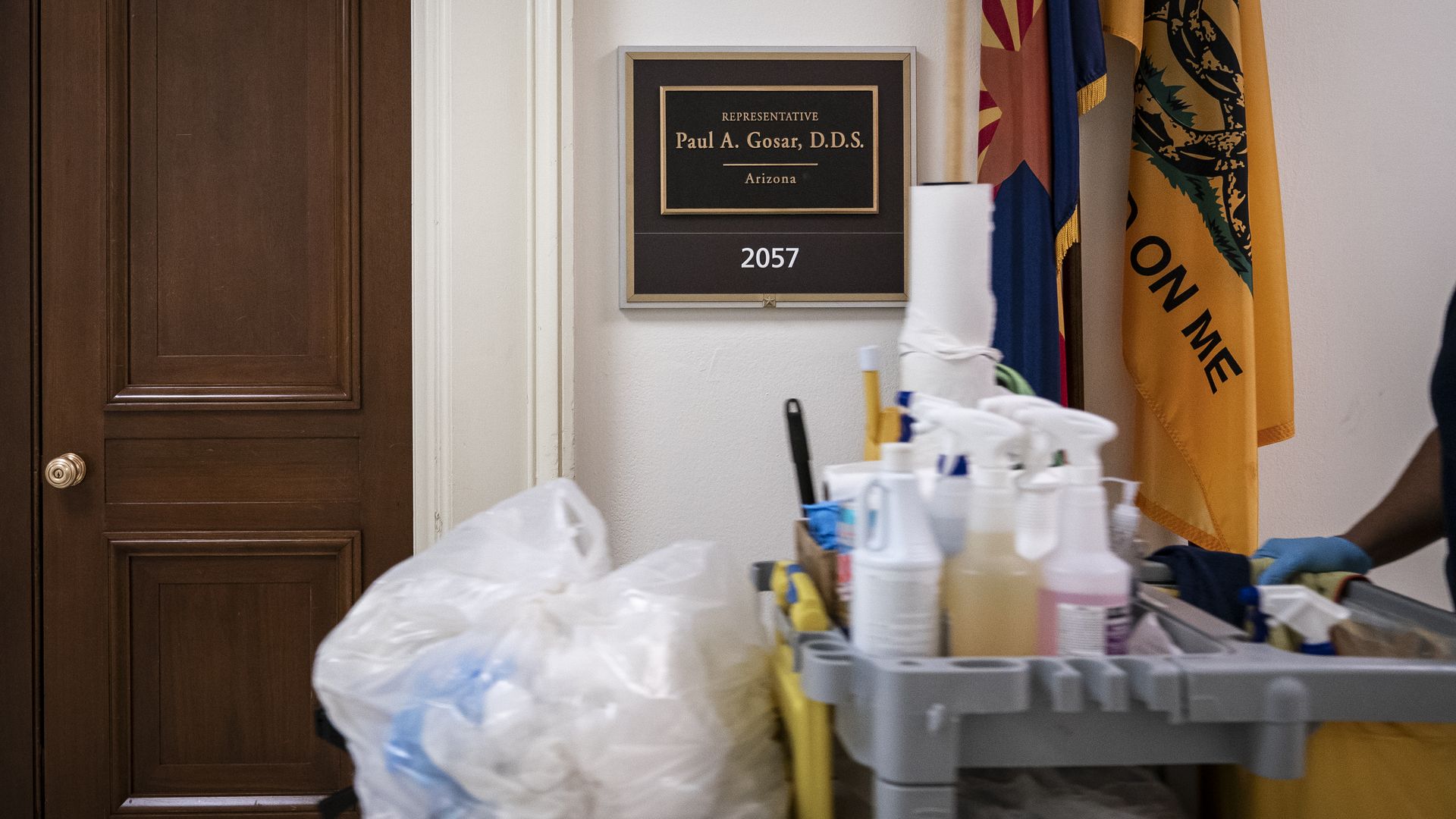
While major institutions across the U.S. are sending people home and reassessing interactions amid coronavirus fears, Democratic and Republican leaders on Capitol Hill have told lawmakers they have no immediate plans to close Congress.
Why it matters: It's a potential petri dish for the virus. Many lawmakers fit high-risk profiles because they're over 60, have underlying health conditions and are mixing in close quarters with visitors, staff and reporters.
As cases of the novel coronavirus spread, millions of workers' lack of paid sick leave is becoming a serious concern for local officials and employers — and now an increasingly urgent agenda item in Washington, too.
Why it matters: Front-line workers who serve food, drive buses, care for children or the elderly and run cash registers are much less likely to be able to take time off if they are sick, increasing the risk of infecting others.
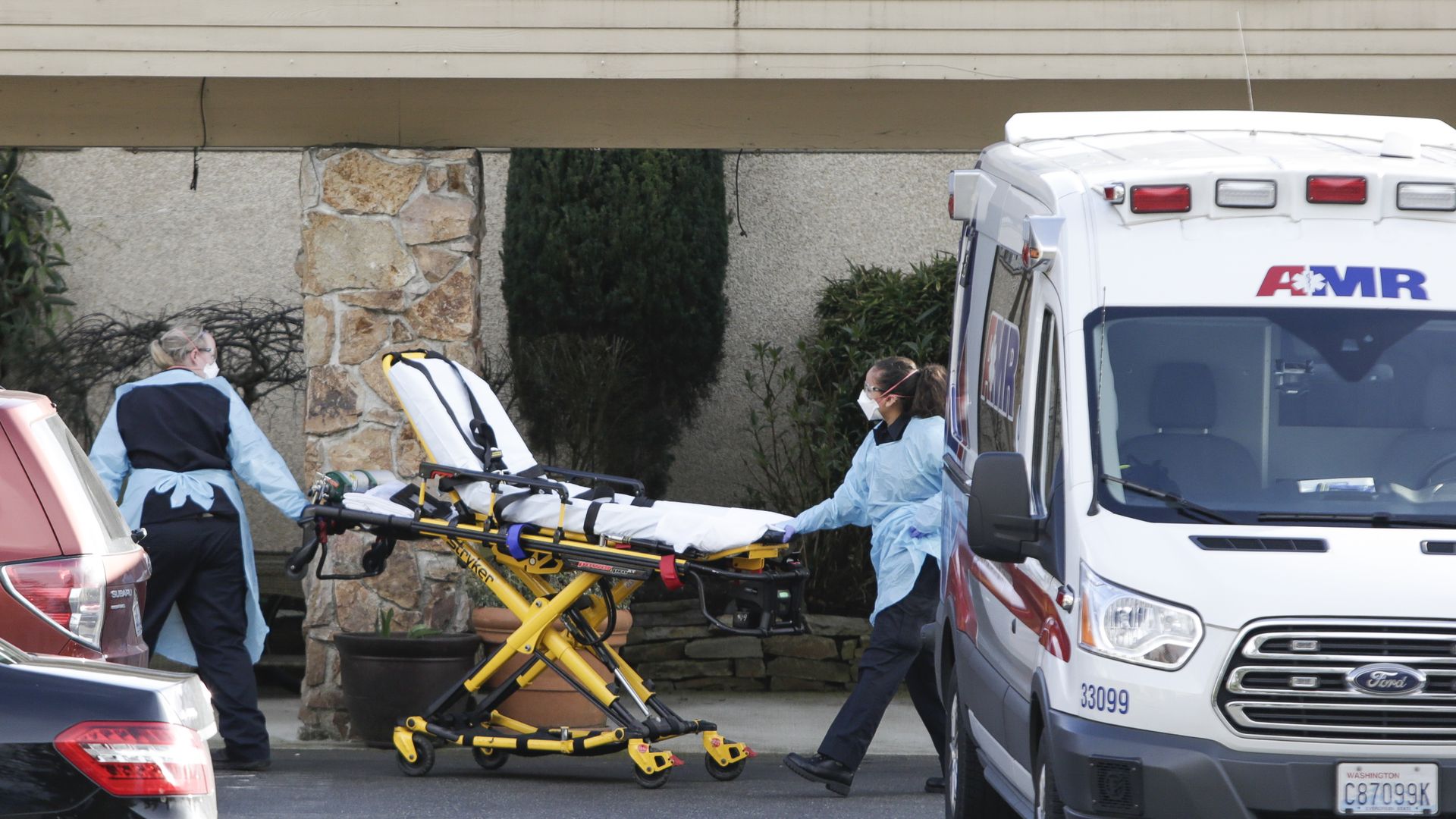
The number of cases of the novel coronavirus in the U.S. soared to 1,037 and the death toll to at least 31 by early Wednesday, per data from Johns Hopkins and state health departments.
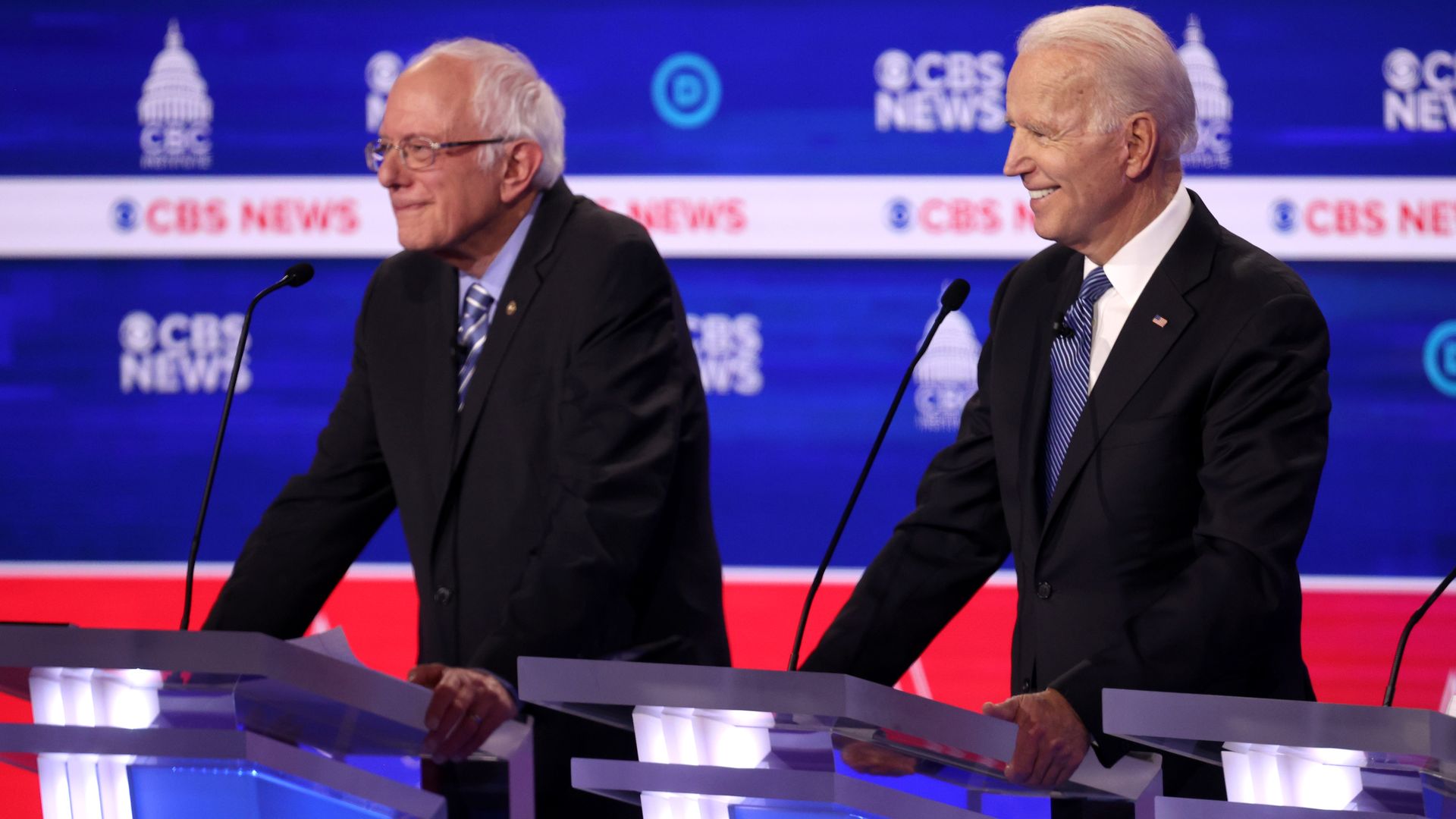
Former Vice President Joe Biden and Sen. Bernie Sanders will not debate in front of a live audience in Phoenix, Arizona, this weekend, Phoenix Mayor Kate Gallego confirmed on Tuesday.
What's happening: There are two confirmed cases of the novel coronavirus in Arizona, and four presumptive positive cases, per the state health department. One confirmed case is travel-related, while the other confirmed case and all presumptive cases are believed to have been transmitted person-to-person.