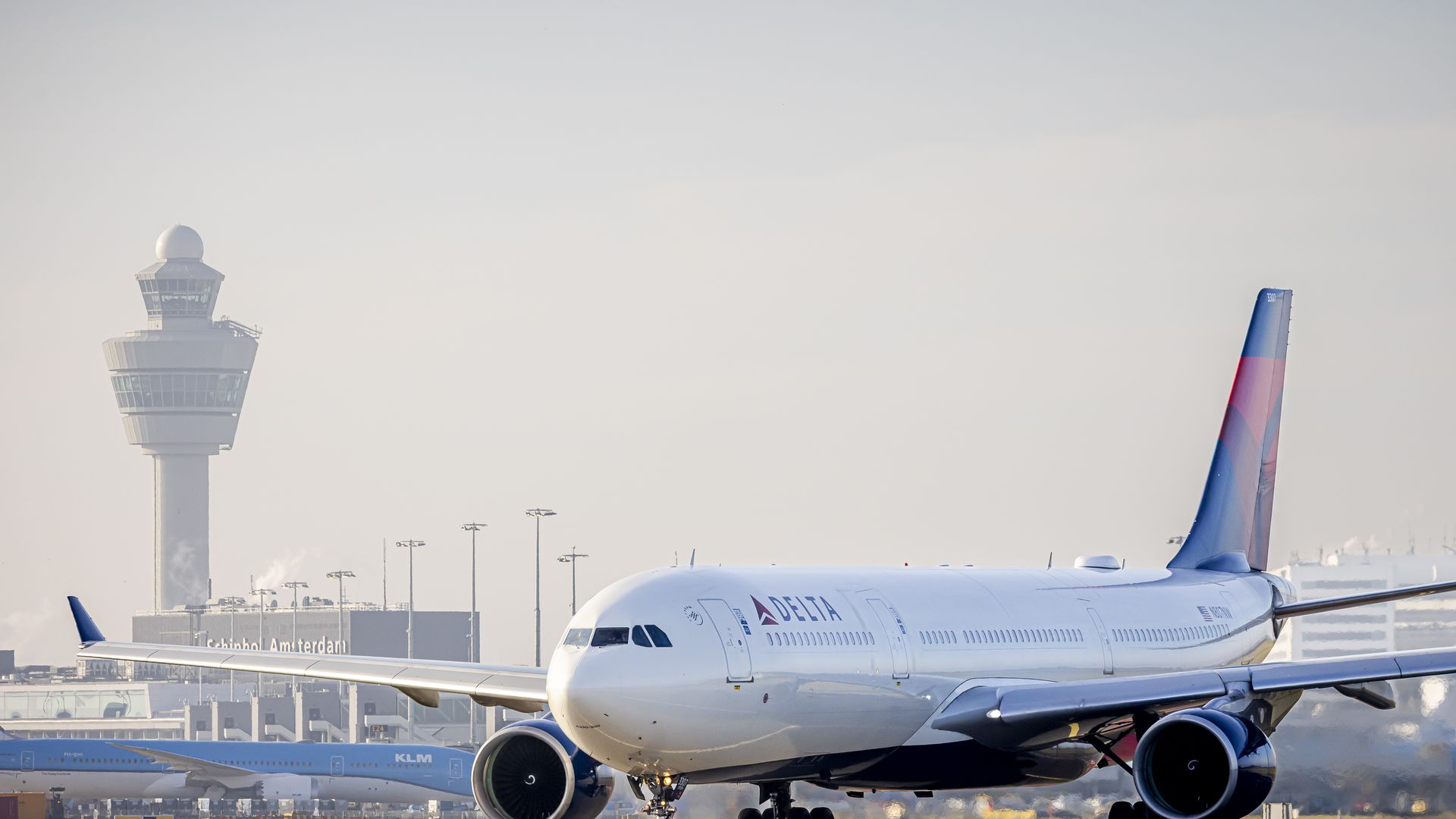
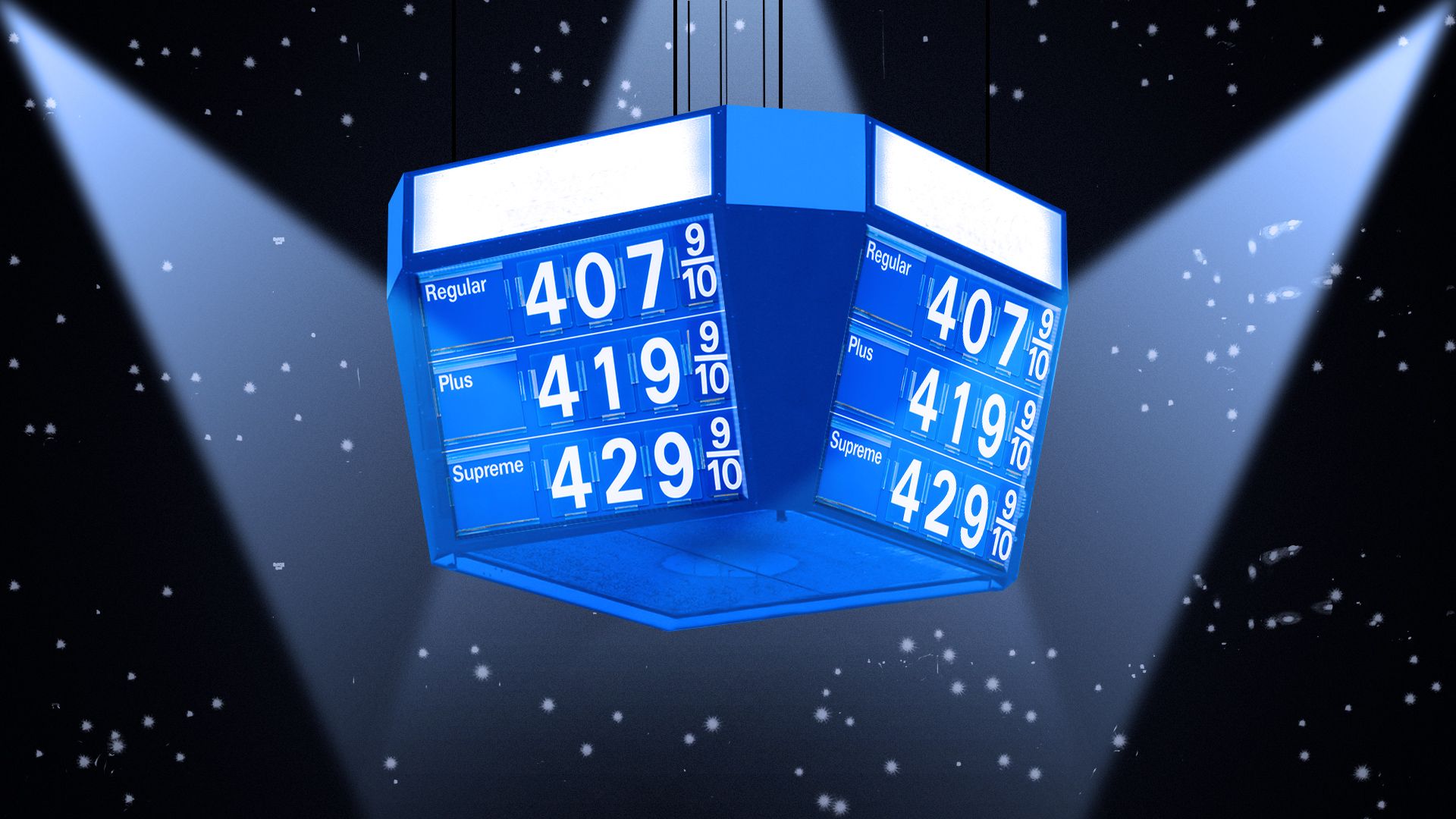
As the Iran war drives up jet fuel costs, travelers are bracing for airlines to raise ticket prices — making already expensive trips feel even more daunting.
The big picture: Travelers aren't powerless against rising fares and can still find opportunities to avoid even the worst price hikes, experts say.
If you only read the headlines, you might guess that global trade came to a standstill in the last year as the U.S. put into place a new tariff regime. You would be 180 degrees wrong.
The big picture: Trade flows proved surprisingly robust last year, with the imposition of high U.S. tariffs changing the patterns and volumes, but not upending the basic reality of a deeply interconnected world economy.
That's the upshot of two reports out this week, one from the World Trade Organization and the other from the consulting firm McKinsey.
Oil prices at four-year highs (and maybe climbing further) might nudge record U.S. production even higher — but don't expect a new boom.
Why it matters: Companies in onshore shale — the most nimble part of the industry — need lots of convincing to invest far beyond current plans, analysts say.
It has now become a familiar Wall Street two-step: Stocks stumble in the morning and mostly recover by the end of the day after President Trump says something that's viewed as reassuring about the Iran war.
Why it matters: Investors are jumping at any sign of an end to the Iran war — now in its third week and far longer than they initially predicted.
The Trump administration is considering plans to occupy or blockade Iran's Kharg Island to pressure Iran to reopen the Strait of Hormuz, four sources with knowledge of the issue tell Axios.
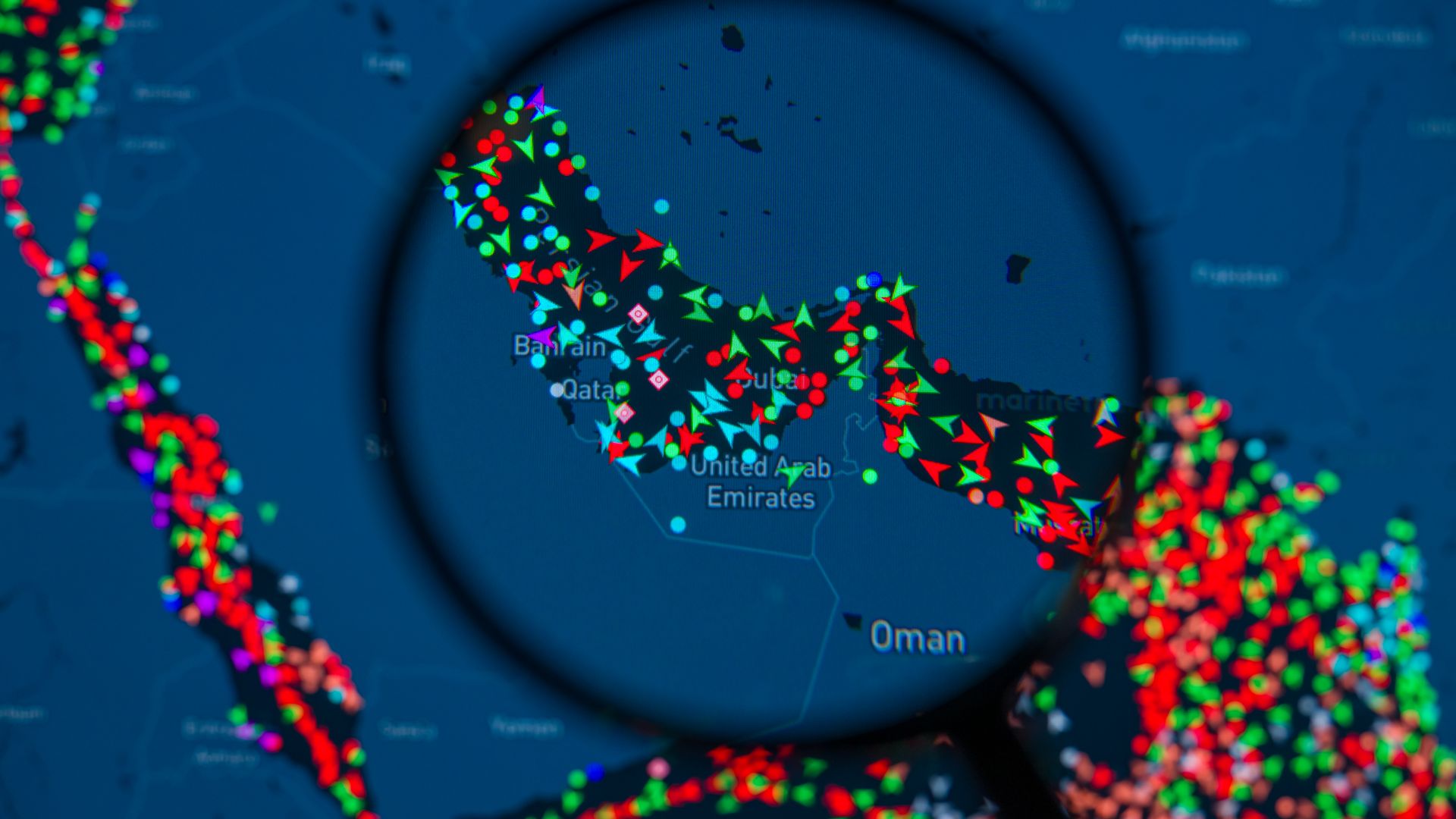
Why it matters: President Trump can't end the war, at least on his terms, until he breaks Iran's chokehold on shipping through the strait. In the meantime, global energy prices are surging.
House Republicans blanched at the Pentagon's reported $200 billion price tag for Iran, but many are embracing the eye-popping number to help energize a stalled reconciliation process.
Why it matters: GOP leaders have struggled to build consensus around a "reconciliation 2.0" package. But injecting a must-pass defense spending bill into the equation will give Speaker Mike Johnson the urgency he needs to bring it to the floor.
The Iran war is driving markets down and energy prices up — and the duration and direction of the conflict will partially be determined by what takes place in a few key locations.
Why it matters: Escalating tensions could all shape how and when the war ends. Any attack or strategic move could push the war into a new phase.
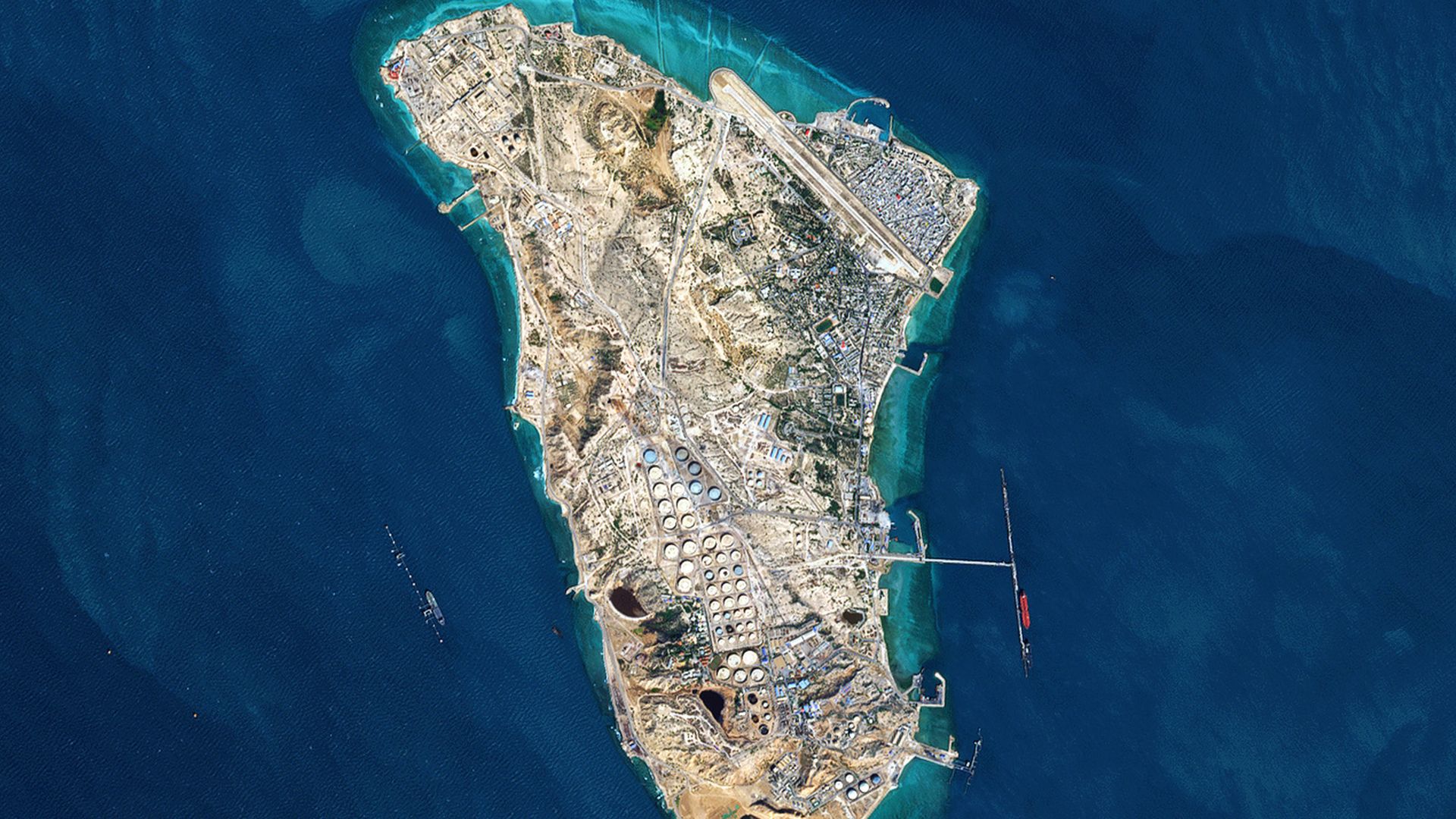
Following strikes hitting military targets on Iran's Kharg Island last week, President Trump is escalating threats to take the island in an effort to reopen the Strait of Hormuz.
The big picture: Just 15 miles off Iran's coast, Kharg Island handles about 90% of the country's crude oil exports — and a direct hit on the export terminal would shut down most of that flow.
The Trump administration doesn't plan to thwart U.S. oil exports as officials scramble for ways to temper energy price spikes.
Why it matters: Rumors of restrictions have swirled in recent days, and would represent a sea change after years of expanding shipments that have made the U.S. a huge player in global markets.
Nearly three weeks into the Iran war, the risk of sustained disruption to global energy supplies is getting worse, not better. That's raising the possibility of tighter money and higher borrowing costs worldwide.
The big picture: Global policymakers can't wave a magic monetary wand and fix a breakdown in the key supply chains for oil and natural gas. All they can do is try to contain the inflationary fallout.
Financial markets on Thursday were waking up to that possibility — and repricing global assets accordingly.
If you ask energy historian Daniel Yergin, the Iran war "has been brewing for 47 years."
The big picture: Surging oil and gas prices tied to Middle East tensions will hang over a Houston gathering next week that is one of the global energy industry's biggest annual events.
Claros, a startup with tech that minimizes energy waste at data centers, closed a $30 million seed round co-led by General Catalyst and Red Cell Partners.
New and existing investors including Systemiq Capital, Aero X Ventures, and Trenches Capital took part.
The Israeli military strike on Tehran's South Pars gas field facilities means the Iran war will likely extend into May, analysts said Wednesday.
The big picture: Oil prices jumped after Israeli forces' unprecedented strike on the gas field that Axios' Barak Ravid reported was conducted in coordination with and approved by the Trump administration. The global benchmark Brent crude was still hovering above $110 per barrel early Thursday.
President Trump said Wednesday that Israel will not conduct further attacks on Iran's main natural gas facility.
Why it matters:Trump's comments that seem to be an effort to de-escalate the situation came hours after he green-lit the Israeli strike on the facility that marked a significant escalation in the war.