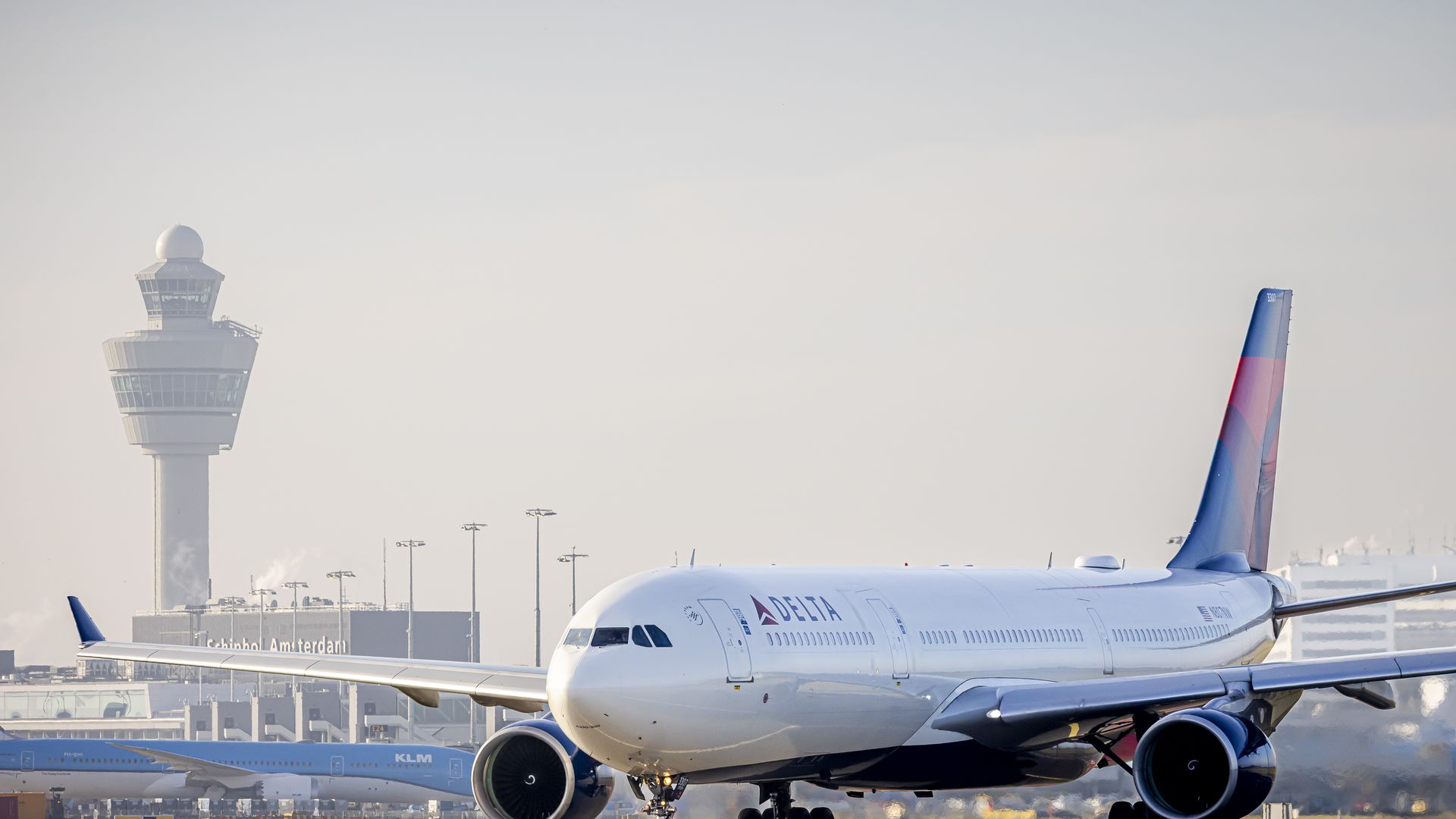
As the Iran war drives up jet fuel costs, travelers are bracing for airlines to raise ticket prices — making already expensive trips feel even more daunting.
The big picture: Travelers aren't powerless against rising fares and can still find opportunities to avoid even the worst price hikes, experts say.
If you only read the headlines, you might guess that global trade came to a standstill in the last year as the U.S. put into place a new tariff regime. You would be 180 degrees wrong.
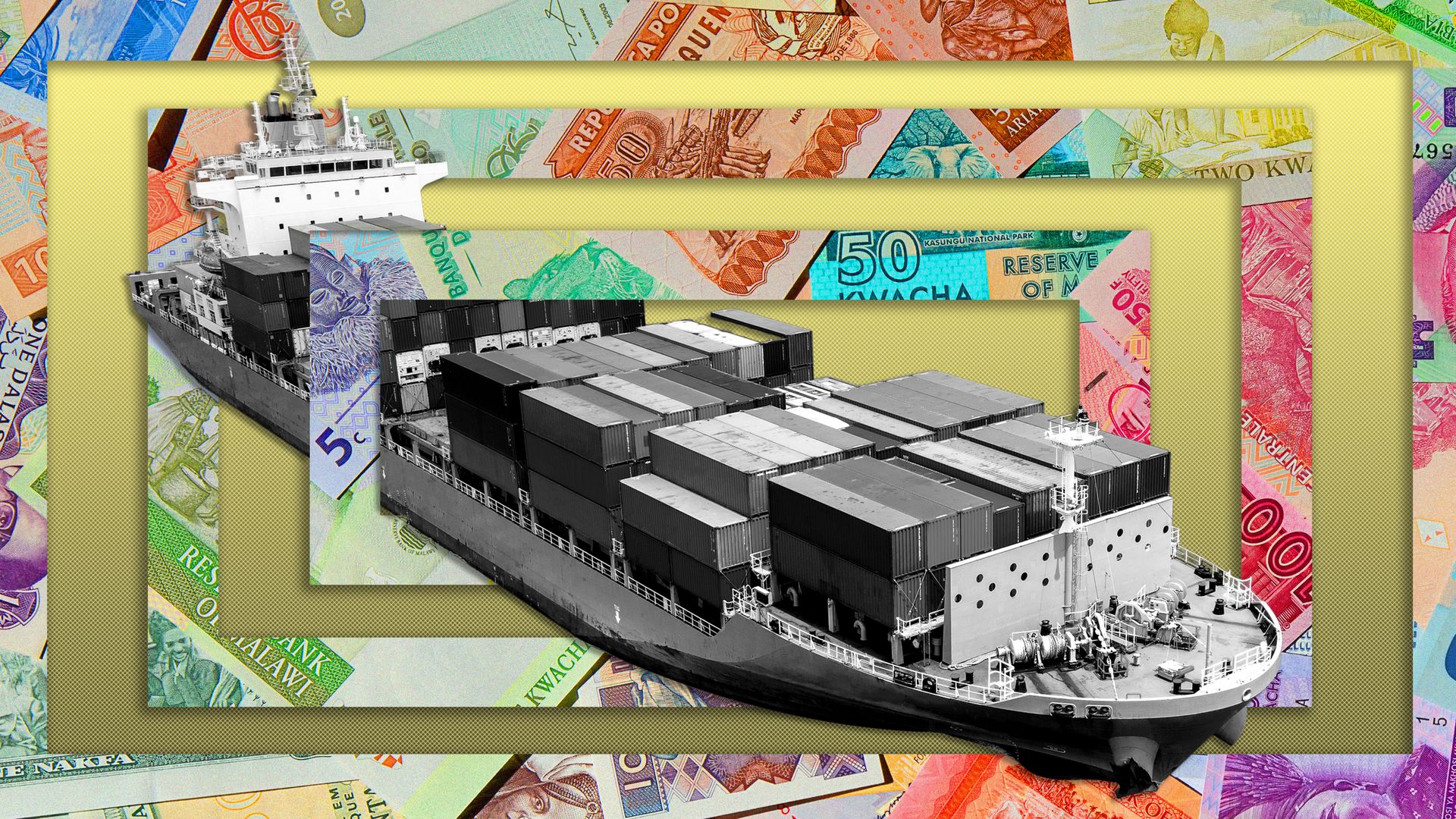
The big picture: Trade flows proved surprisingly robust last year, with the imposition of high U.S. tariffs changing the patterns and volumes, but not upending the basic reality of a deeply interconnected world economy.
That's the upshot of two reports out this week, one from the World Trade Organization and the other from the consulting firm McKinsey.
Oil prices at four-year highs (and maybe climbing further) might nudge record U.S. production even higher — but don't expect a new boom.
Why it matters: Companies in onshore shale — the most nimble part of the industry — need lots of convincing to invest far beyond current plans, analysts say.
It has now become a familiar Wall Street two-step: Stocks stumble in the morning and mostly recover by the end of the day after President Trump says something that's viewed as reassuring about the Iran war.
Why it matters: Investors are jumping at any sign of an end to the Iran war — now in its third week and far longer than they initially predicted.
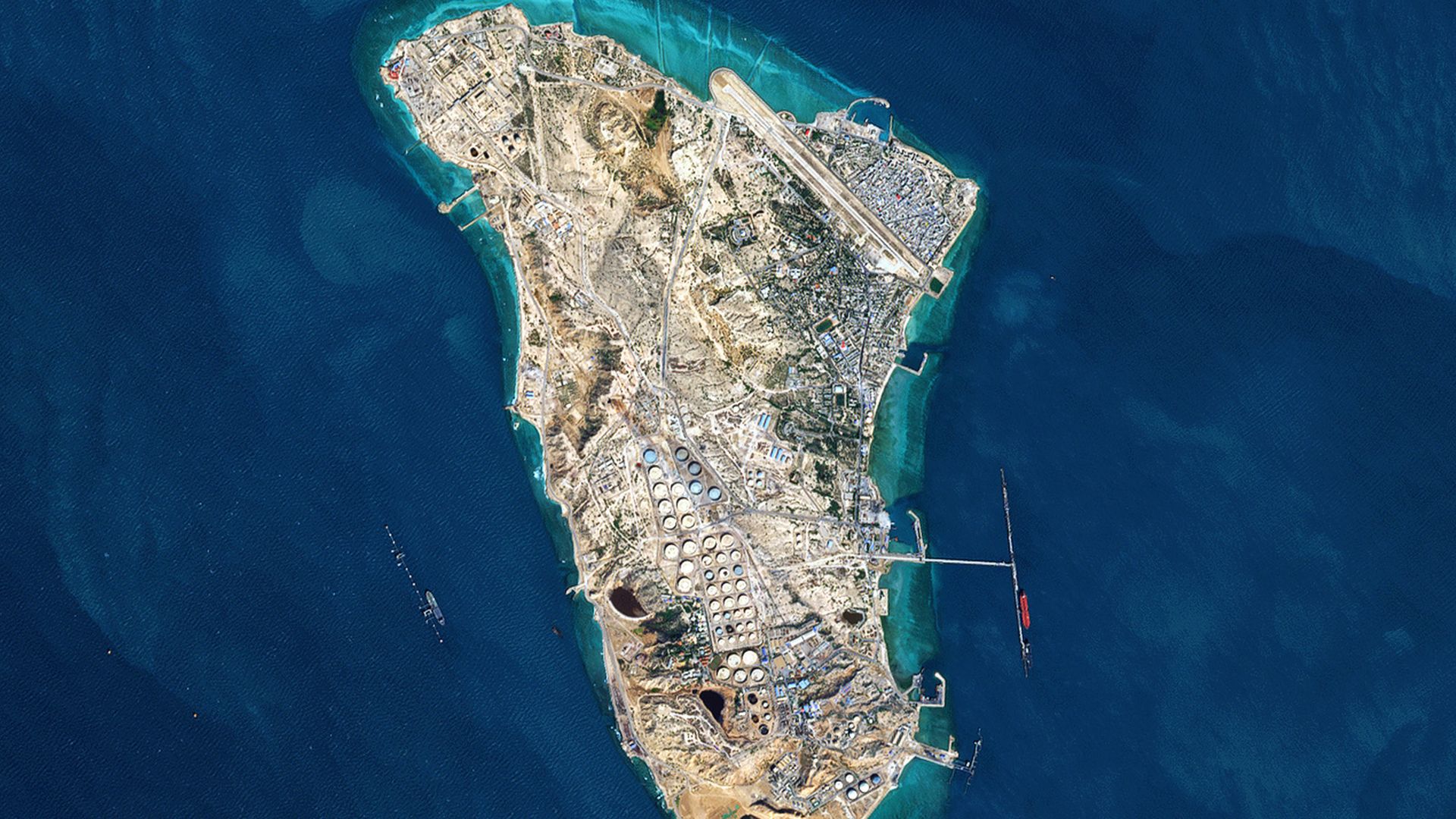
The Trump administration is considering plans to occupy or blockade Iran's Kharg Island to pressure Iran to reopen the Strait of Hormuz, four sources with knowledge of the issue tell Axios.
Why it matters: President Trump can't end the war, at least on his terms, until he breaks Iran's chokehold on shipping through the strait. In the meantime, global energy prices are surging.