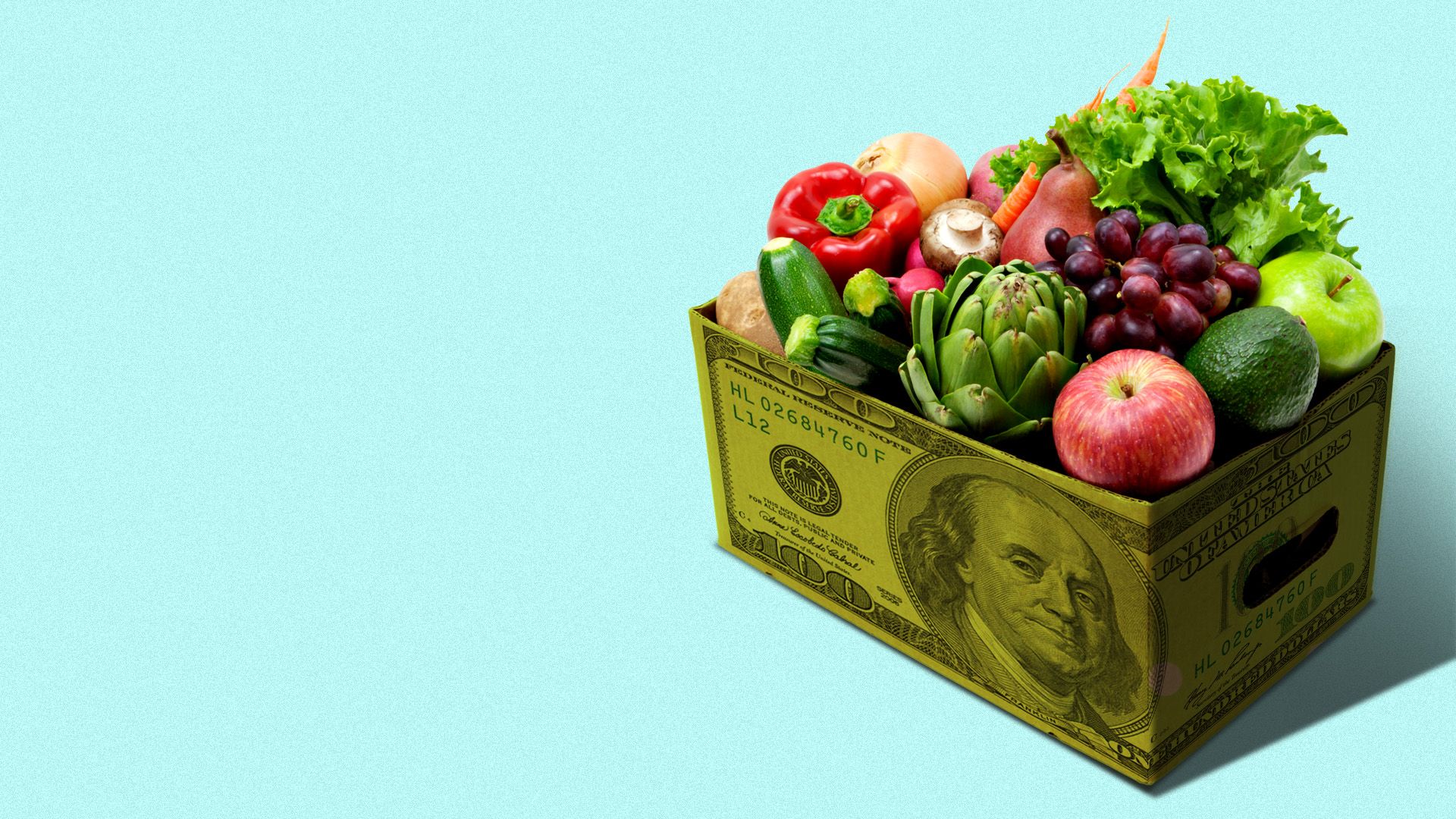
A nearly 50% spike in wholesale vegetable prices in February is grabbing attention — but economists tell Axios it's likely a short-lived blip that may not meaningfully hit grocery bills.
Why it matters: Big swings in wholesale food prices can signal trouble ahead — but this looks like a temporary disruption, not a broader return of food inflation.
What the taxman giveth, the energy shock taketh away. That's the upshot of the arithmetic around how much the average American household is on track to pay for higher gasoline prices this year.
Why it matters: Forecasters have been betting on an economic tailwind this year from super-sized tax refunds, thanks to tax legislation passed last year.
New calculations from the Stanford Institute for Economic Policy Research, however, suggest that the benefits of higher tax refunds will be roughly offset by higher prices for crude oil and refined oil products in the wake of the Iran war.
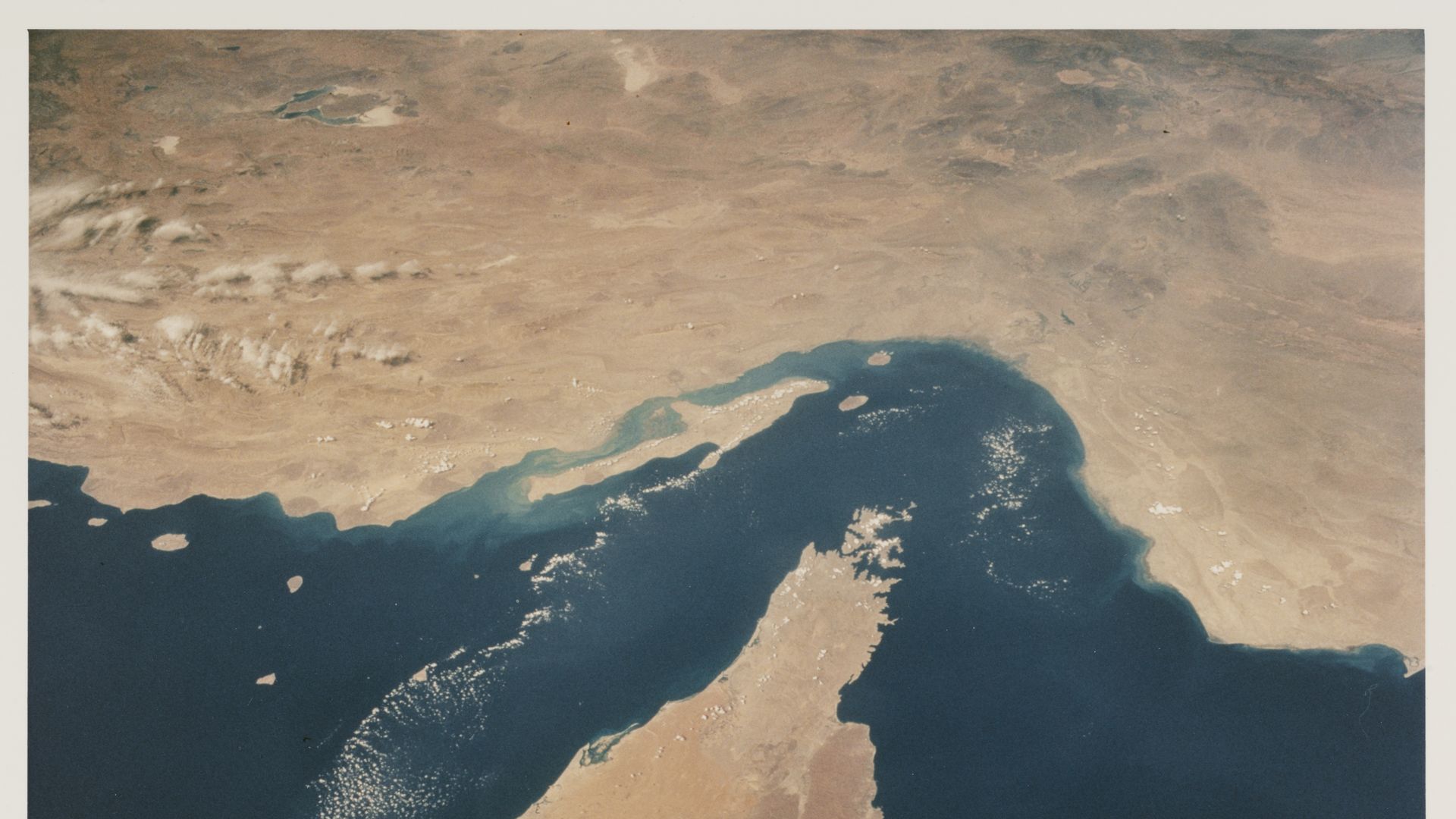
President Trump has formally waived requirements that only U.S. ships can carry cargo between domestic ports as officials look to ease access to fuel and supplies while the Strait of Hormuz remains throttled.
Why it matters: The White House is looking to pull multiple levers as the Iran war sends gasoline prices soaring and restricts access to goods needed by farmers and other industries.
Cocoon Carbon, a startup developing climate-friendly building materials, just closed a $15 million Series A round to support a large planned U.S. demonstration plant.
Why it matters: Cement used in concrete is a huge CO2 source. Cocoon sees a growing market for its substitutes — even as tackling climate change has lost clout in boardrooms and governments.
Even for those accustomed to the indignities of air travel, it's clear that right now is a particularly terrible time to fly.
The big picture: The Iran war is creating major travel headaches on top of an already chaotic situation at airports in the U.S., raising the prospect of a downturn in the travel industry.
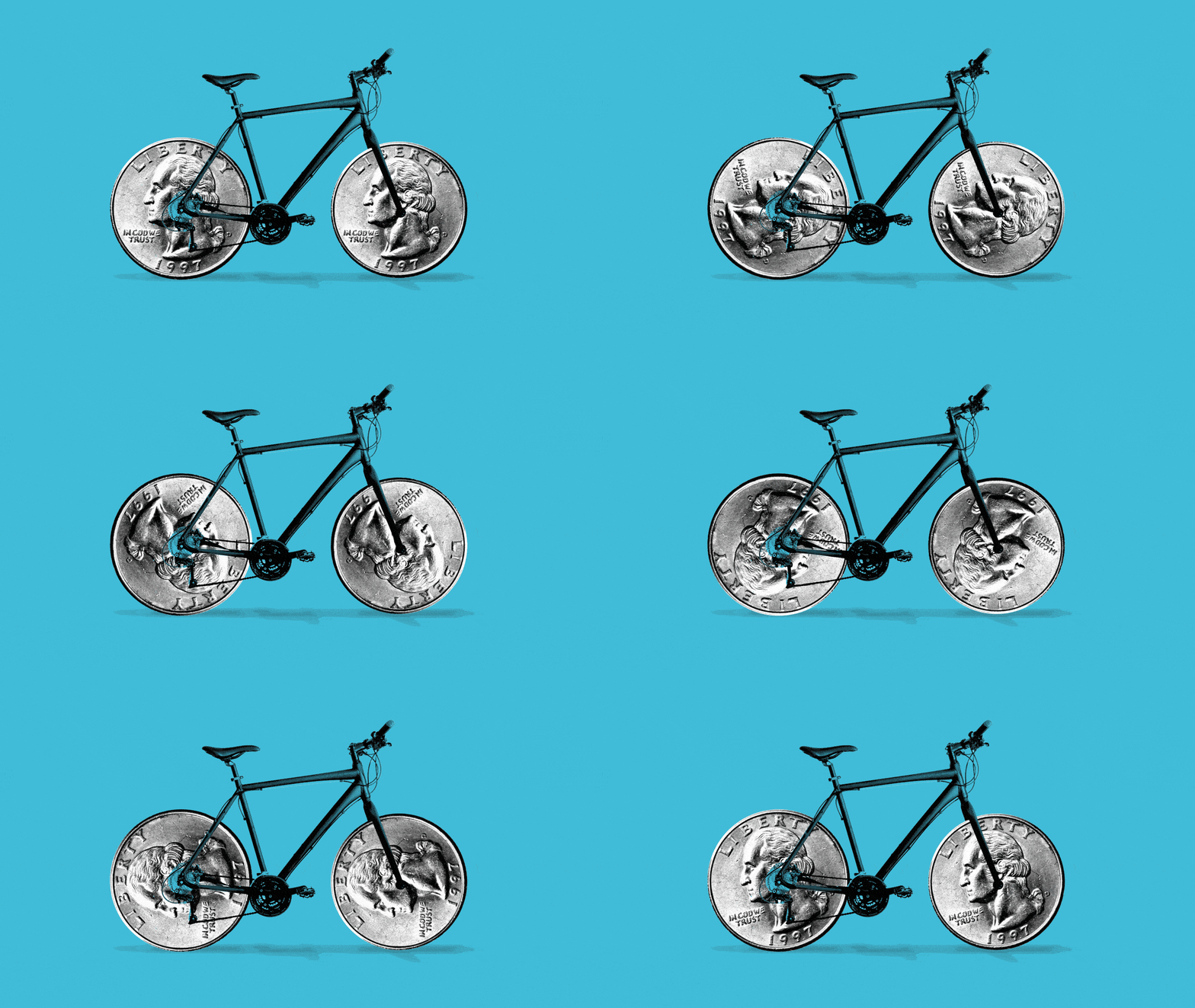
The number of DoorDash deliveries using two-wheeled vehicles (bikes, e-bikes, scooters, etc.) in the U.S. and Canada grew nearly four times faster than those using cars between 2024 and 2025, per the company's new report shared first with Axios.
Why it matters: Bikes, scooters and such are typically cleaner and quieter than cars — plus they don't contribute as much to road congestion.
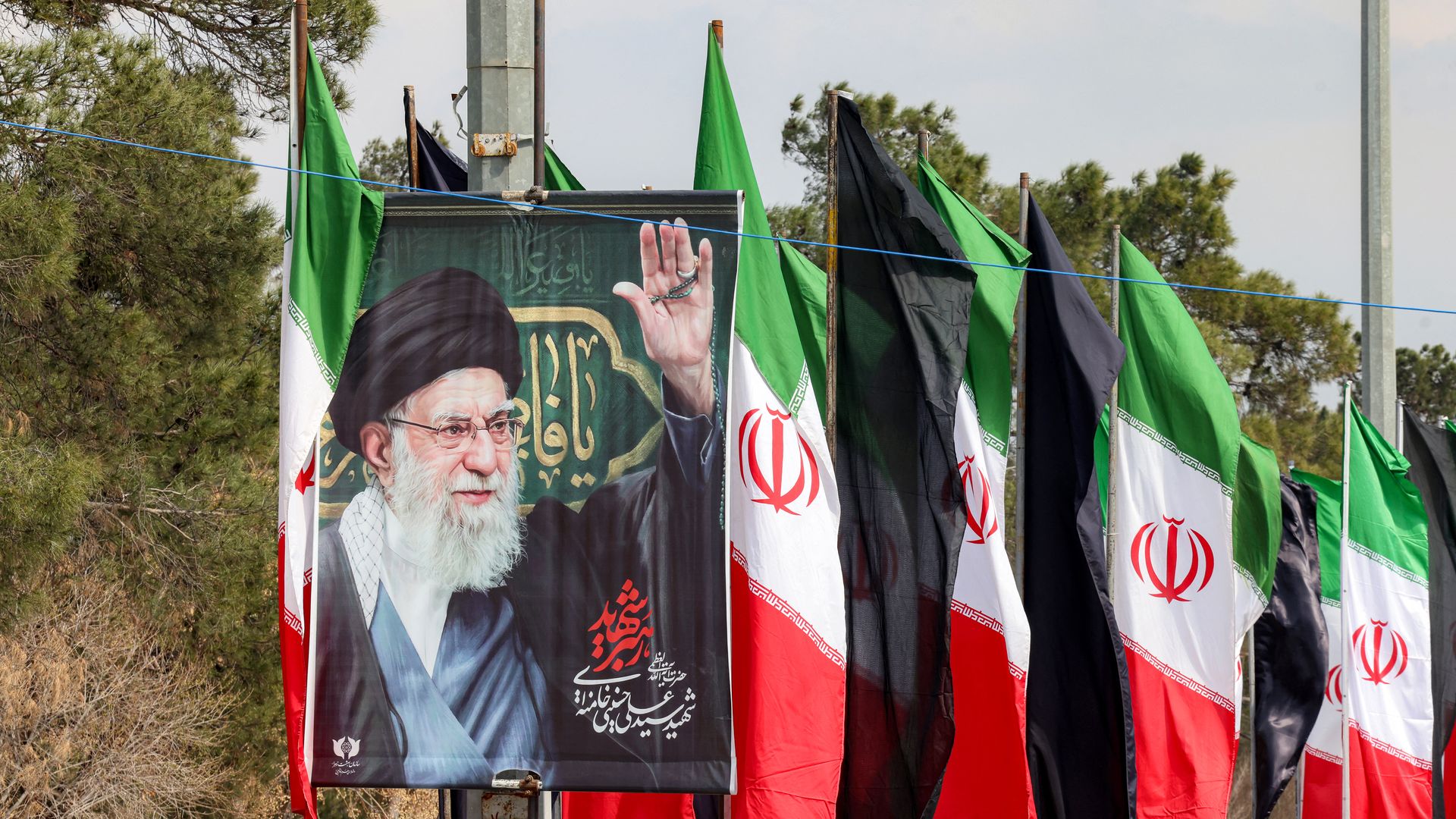
Israeli forces' killing of two top Iranian officialsin separate strikes Tuesday marked a major blow to Tehran's leadership, which has been decimated during the Iran war.
The big picture: National security chief Ali Larijani and Basij paramilitary commander Gholamreza Soleimani are among dozens of Iranian officials killed during the war. Many died along with the late Iranian Supreme Leader Ayatollah Ali Khamenei on Feb. 28, the first day of U.S. and Israeli airstrikes.
President Trump escalated his threats to seize Cuba this week — raising questions about whether he might seek to topple the Communist Caribbean island's leader Miguel Díaz-Canel.
The big picture: As Cuba's totalitarian government faces a deepening energy crisis that saw an island-wide blackout amid a U.S.-imposed oil blockade, Trump told reporters Monday he believes he'll be "having the honor of taking" the island.
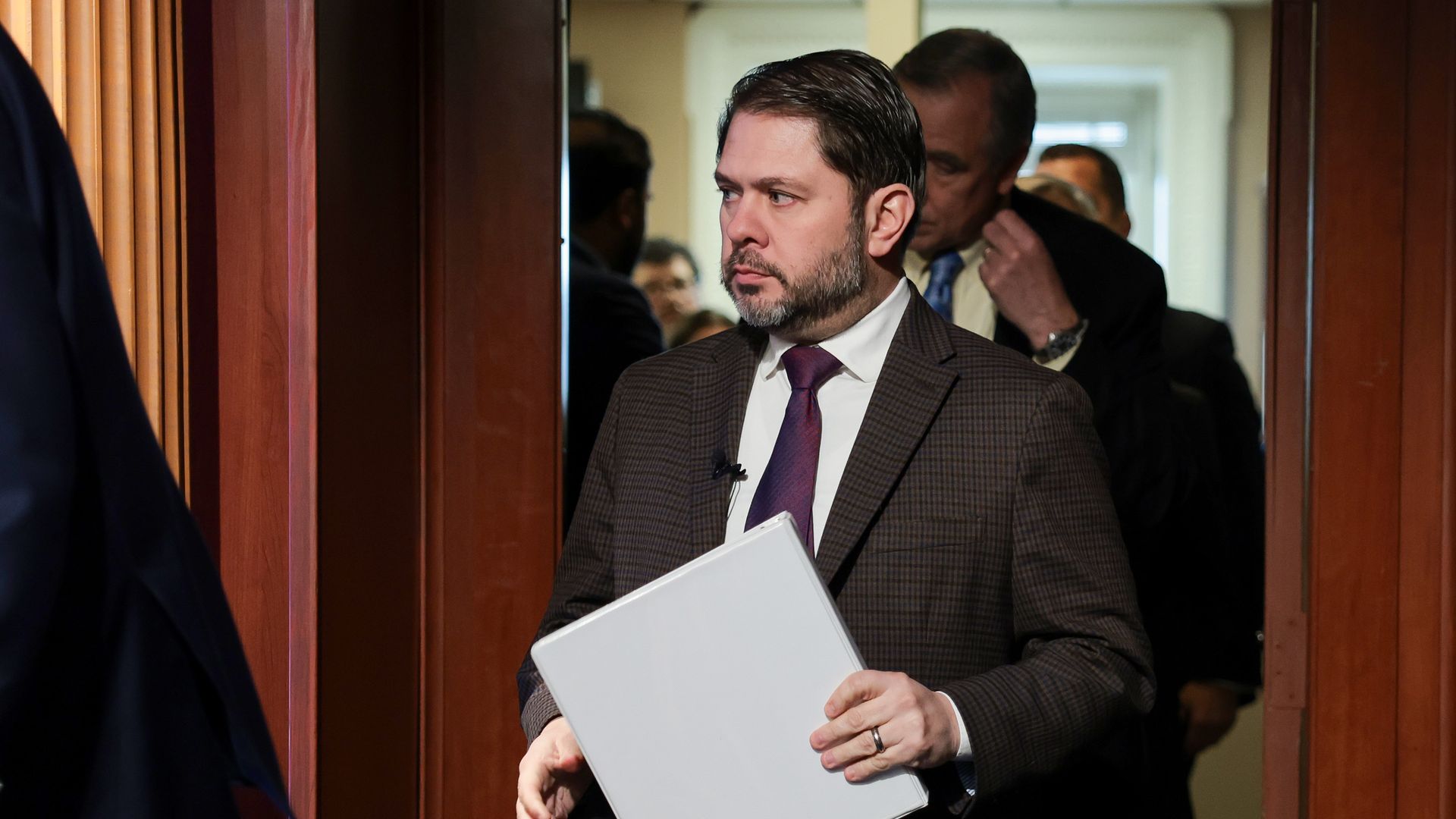
Sen. Ruben Gallego (D-Ariz.) is pressing the Energy Department for details on plans to provide oil from the Strategic Petroleum Reserve as pump prices rise.
Why it matters: Gallego's new letter to Energy Secretary Chris Wright, viewed first by Axios, shows how the energy effects of the Iran war are spilling into Capitol Hill — and politics more broadly.
Most NATO members have informed the U.S. that they don't want to get involved in the Strait of Hormuz coalition the Trump administration is trying to put together, President Trump said on Tuesday.
Why it matters: The strait closure has become the main crisis in the war for the White House. As long as the Iranian blockade holds and Gulf oil remains trapped, Trump can't end the war and declare victory even if he wants to.
Josh Parker didn't intend to work at Nvidia or even in sustainability — and yet finds himself at this precise intersection at a pivotal moment.
Why he matters: As head of Nvidia's sustainability efforts, Parker oversees the behemoth's efforts to contain its environmental footprint despite explosive growth.
Countries across South Asia are imposing emergency measures like rationing energy, closing universities, cutting short workweeks and even changing the way crematoriums work to deal with the fallout from the Iran war.
Why it matters: Yes, the war is raising gas prices for Americans and causing a political headache for President Donald Trump — but it's also creating a deeper crisis abroad that governments and businesses are scrambling to manage.
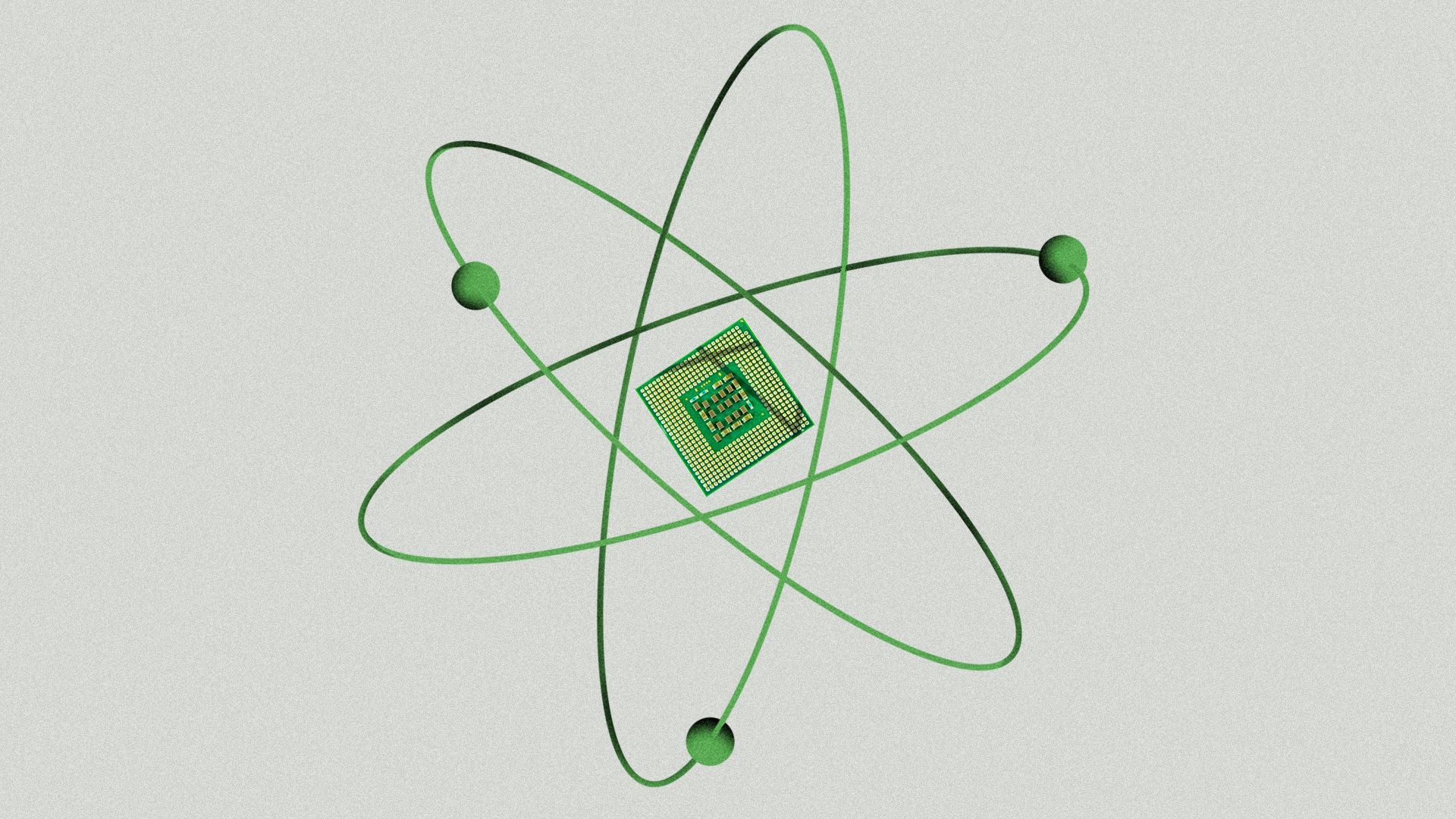
Nvidia's chips are improving at such a staggering pace that it defies any historical comparison.
Why it matters: Without these gains — which are drawing increased attention as AI transforms society — physics would slam the brakes on the data center boom.