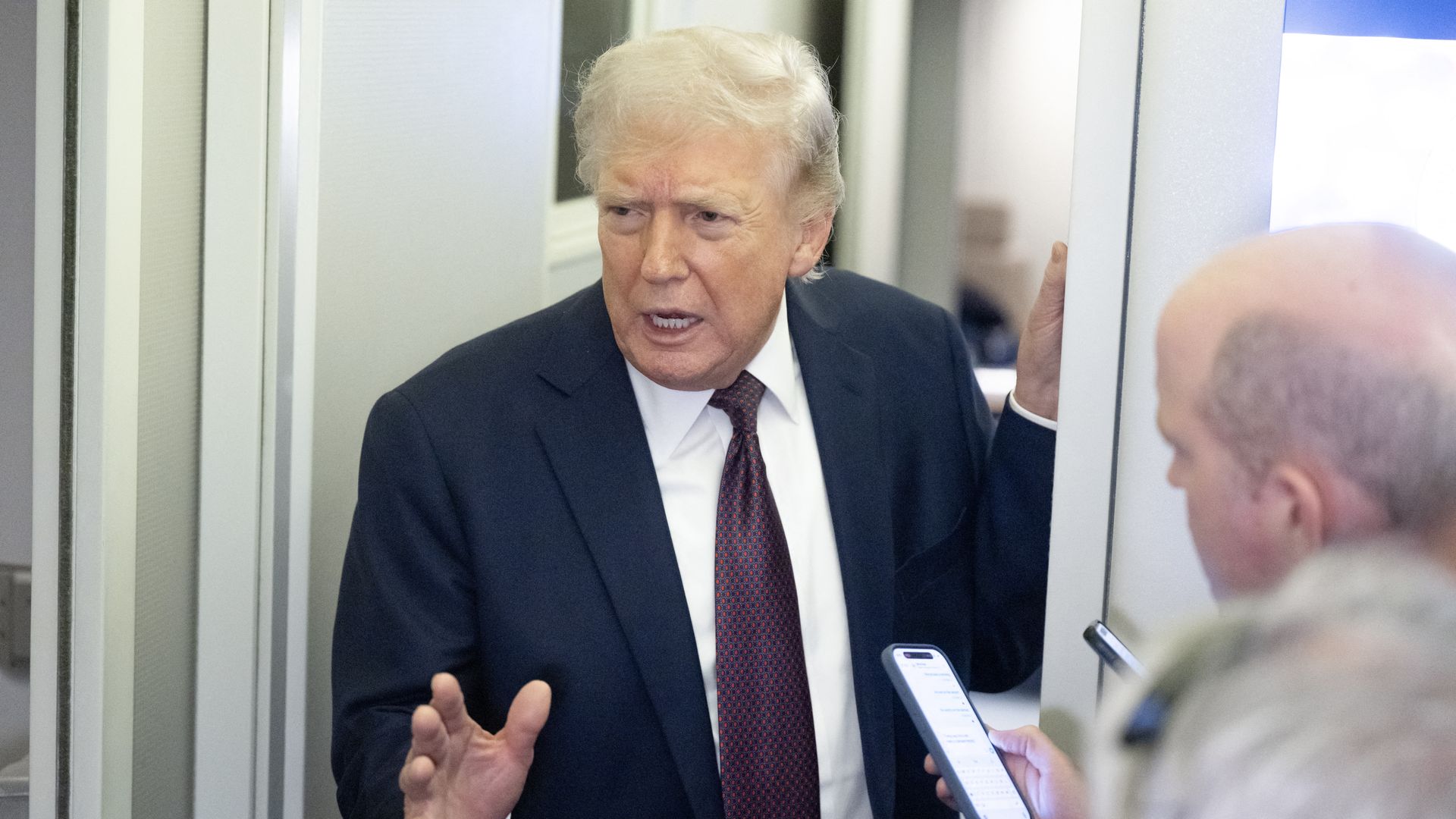
President Trump escalated his threats to seize Cuba this week — raising questions about whether he might seek to topple the Communist Caribbean island's leader Miguel Díaz-Canel.
The big picture: As Cuba's totalitarian government faces a deepening energy crisis that saw an island-wide blackout amid a U.S.-imposed oil blockade, Trump told reporters Monday he believes he'll be "having the honor of taking" the island.
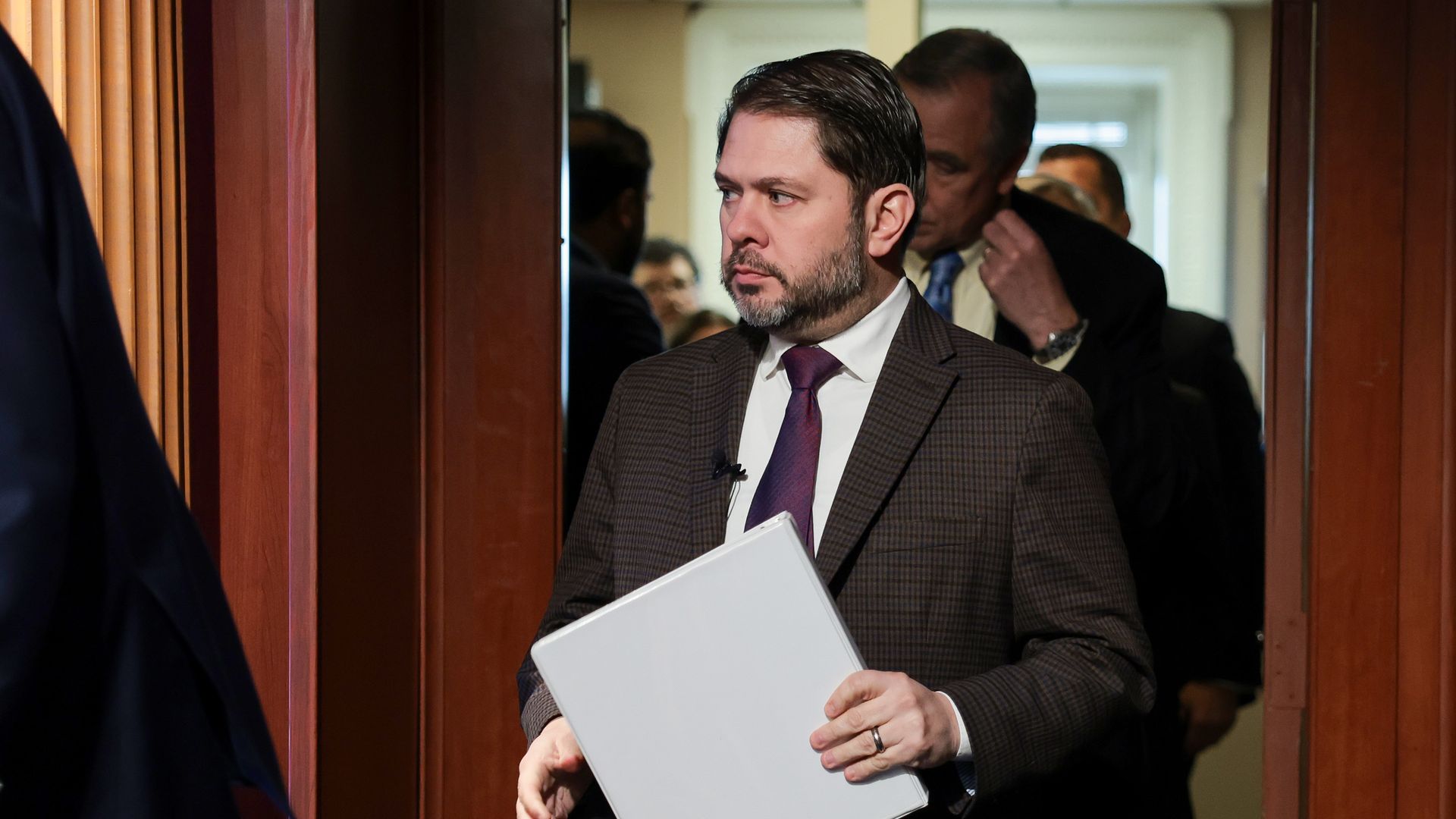
Sen. Ruben Gallego (D-Ariz.) is pressing the Energy Department for details on plans to provide oil from the Strategic Petroleum Reserve as pump prices rise.
Why it matters: Gallego's new letter to Energy Secretary Chris Wright, viewed first by Axios, shows how the energy effects of the Iran war are spilling into Capitol Hill — and politics more broadly.
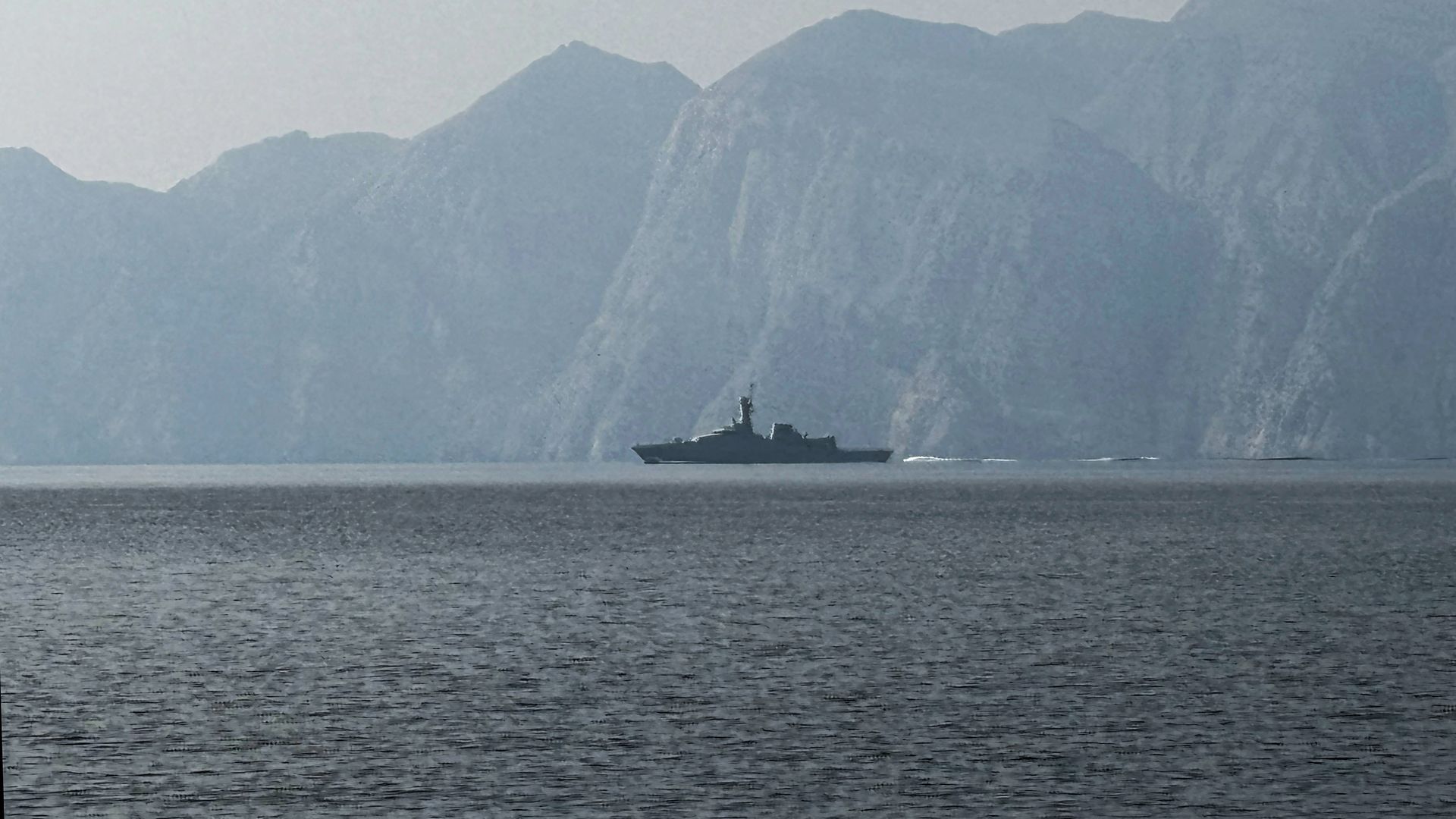
Most NATO members have informed the U.S. that they don't want to get involved in the Strait of Hormuz coalition the Trump administration is trying to put together, President Trump said on Tuesday.
Why it matters: The strait closure has become the main crisis in the war for the White House. As long as the Iranian blockade holds and Gulf oil remains trapped, Trump can't end the war and declare victory even if he wants to.
Josh Parker didn't intend to work at Nvidia or even in sustainability — and yet finds himself at this precise intersection at a pivotal moment.
Why he matters: As head of Nvidia's sustainability efforts, Parker oversees the behemoth's efforts to contain its environmental footprint despite explosive growth.
Countries across South Asia are imposing emergency measures like rationing energy, closing universities, cutting short workweeks and even changing the way crematoriums work to deal with the fallout from the Iran war.
Why it matters: Yes, the war is raising gas prices for Americans and causing a political headache for President Donald Trump — but it's also creating a deeper crisis abroad that governments and businesses are scrambling to manage.
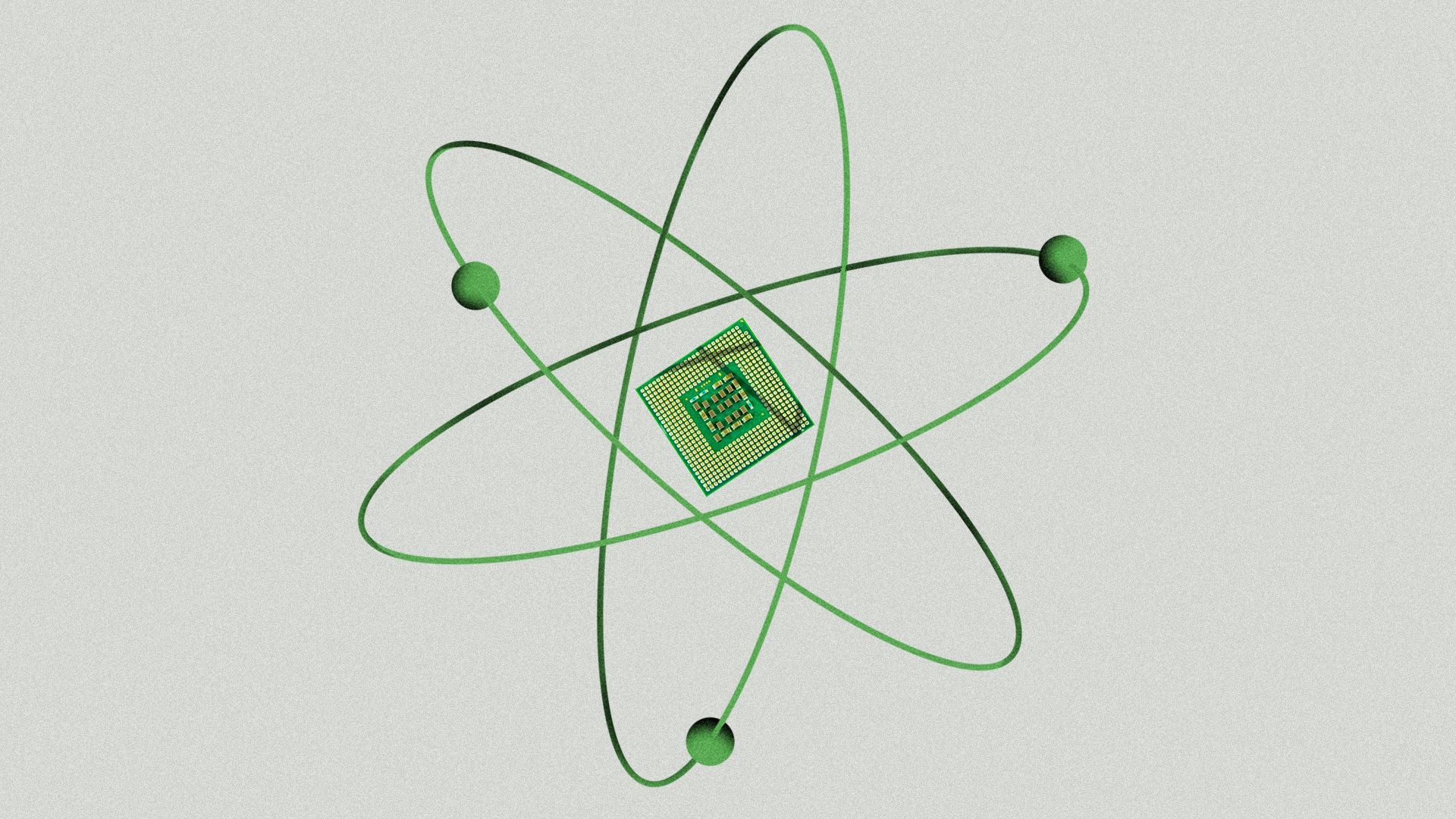
Nvidia's chips are improving at such a staggering pace that it defies any historical comparison.
Why it matters: Without these gains — which are drawing increased attention as AI transforms society — physics would slam the brakes on the data center boom.
President Trump is zeroing in on a major vulnerability for Iran as the war's risks to the global economy grow increasingly serious.
Why it matters: Trump is ramping up his threats to Kharg Island, where Iran handles most of its oil, as the country maintains a stranglehold over the Strait of Hormuz.
The University Corporation for Atmospheric Research (UCAR) sued the Trump administration Monday, alleging efforts to dismantle a Boulder-based federal lab are "unlawful retaliation" against the state of Colorado.
Why it matters: The lawsuit escalates a growing conflict between the Trump administration and Colorado over election policy, federal authority and the future of a major U.S. climate research hub.
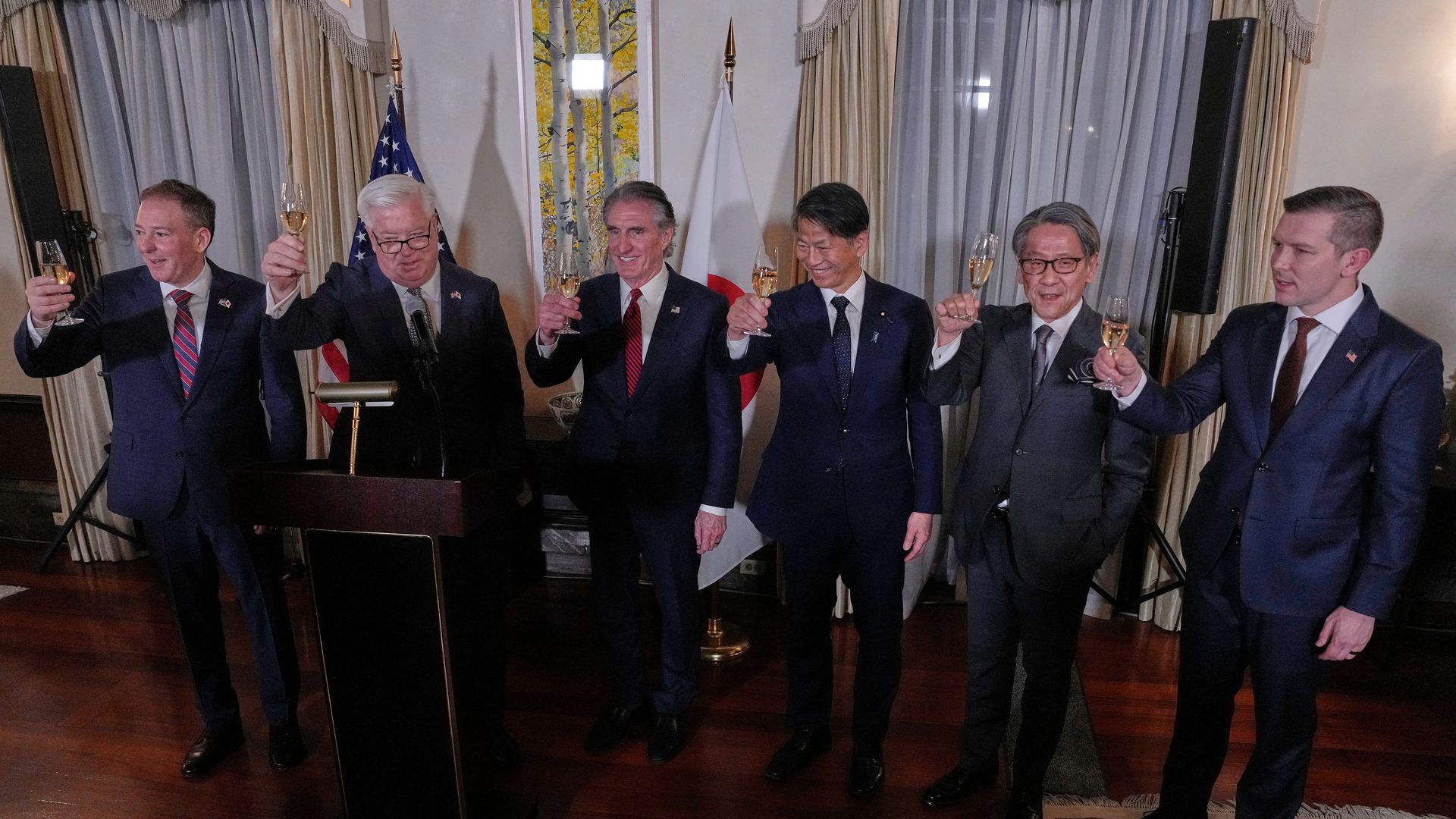
A forum this weekend in Tokyo with 17 Indo-Pacific nations resulted in more than $56 billion in energy-related deals with those countries, the Interior Department said Monday.
Why it matters: Trump administration officials hope the dealmaking can strengthen multinational ties as well as fulfill President Trump's "energy dominance" agenda.
Two U.S. companies — Realta Fusion and X-energy — on Monday announced separate agreements with Japanese counterparts on fusion and nuclear energy.
Why it matters: The agreements show the eagerness to take advantage of Japan's technical expertise while expanding supply chain connections between the countries — a priority for the Trump administration.
The war in Iran has sent oil prices skyrocketing, scrambling an economic conflict with Russia that's been raging for more than a decade.
The big picture: It's harder to maintain tight sanctions on Russia —effectively a "cold war" — while also grappling with the economic impact from the "hot war" with Iran.
The AI boom is pushing one of America's most venerable environmental groups to cautiously support nuclear power after decades of resistance.
Why it matters: The Natural Resources Defense Council's position is both a sign of the urgent power demands that AI is creating and a larger shift underway among environmentalists to embrace an energy source many once rallied against.
Oil prices rose over $3 per barrel Sunday in the first major trading since President Trump's threat to strike Iran's main oil export hub unless Tehran allows tankers through the Strait of Hormuz — and they remained somewhat volatile into Monday.
Why it matters: The climb shortly after the markets' opening signals that traders see no major near-term market loosening or end to a conflict that has brought an unprecedented throttling of oil flows.
President Trump is working to assemble a coalition of countries to reopen the Strait of Hormuz and hopes to announce it later this week, four sources tell Axios.
Trump is also weighing a seizure of Iran's critical oil depot on Kharg Island — a move that would require U.S. boots on the ground — if tankers remain bottled up in the Persian Gulf, U.S. officials say.
Why it matters:Oil and gas prices are rising as Iran's blockade of the Gulf's narrow strait drags on, choking off a significant share of the world's crude supply.
President Trump said Sunday he may delay his visit to China this month and urged the country to help the U.S. reopen the Strait of Hormuz that Iran's effectively shut during the war.
The big picture: Trump made the comments during an interview with the Financial Times that included him issuing warnings to Iran and NATO, as the effectively shuttered strait that's a key commercial shipping channel and high oil prices weigh heavily on his administration.