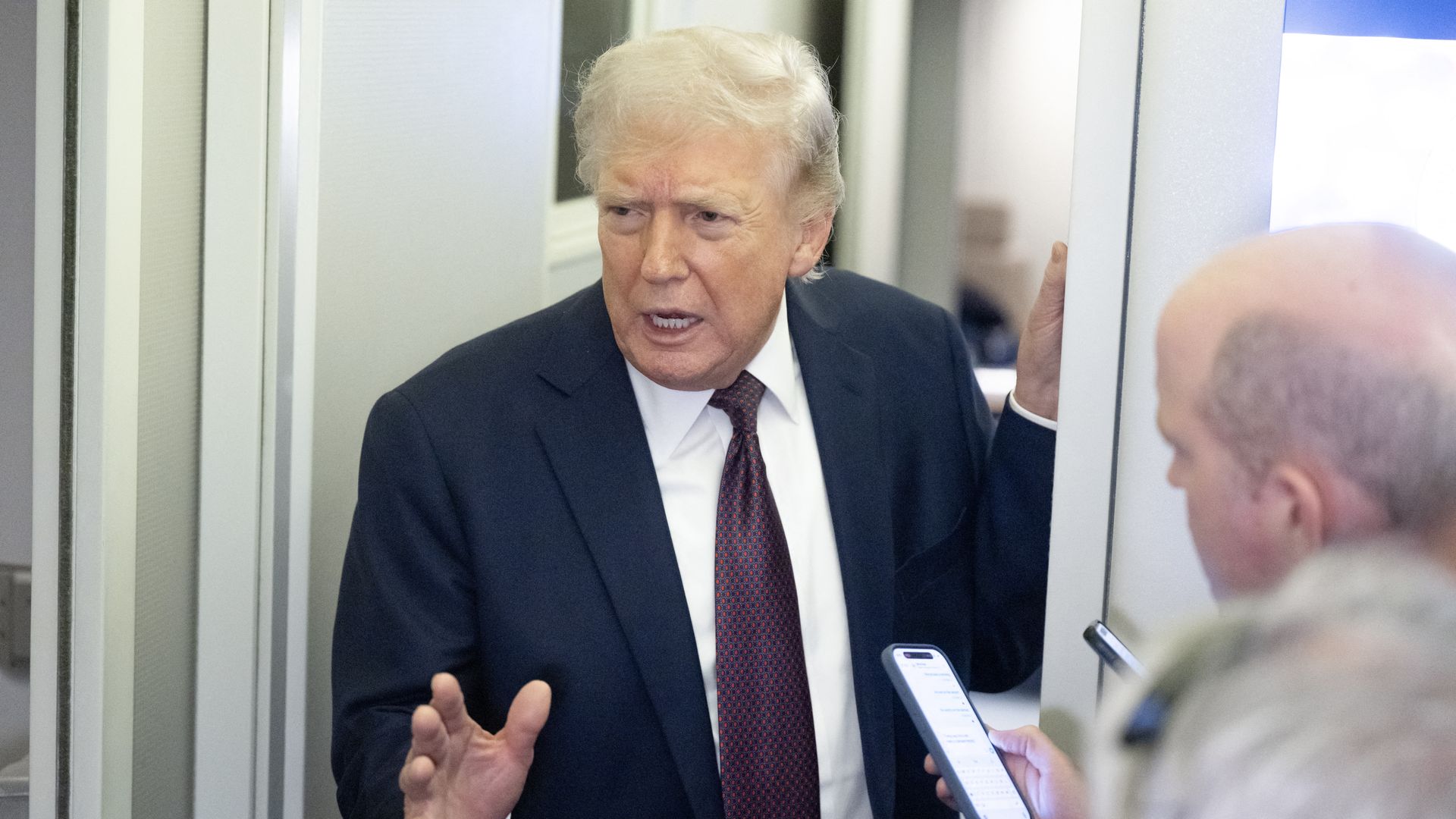
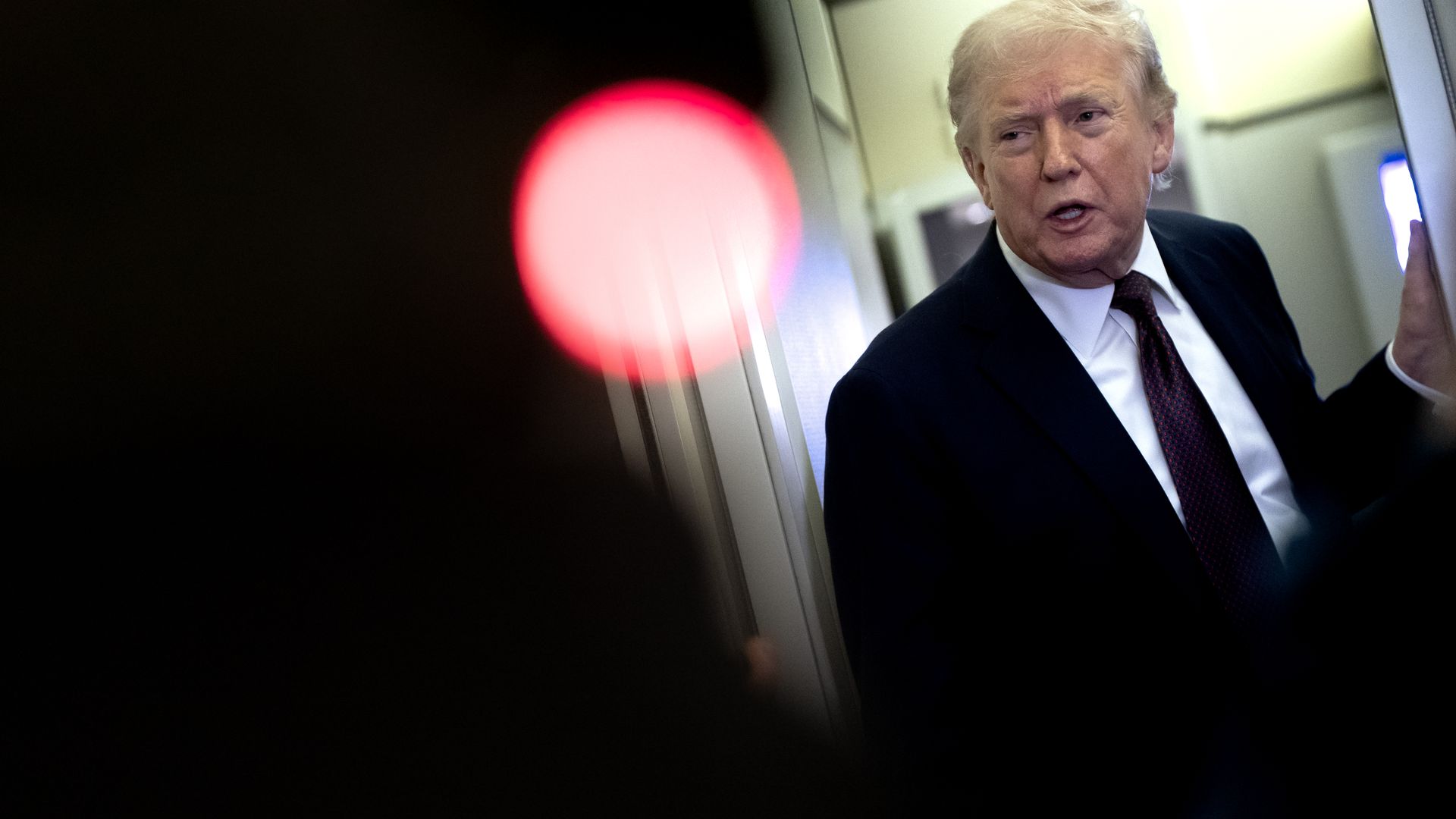
President Trump is zeroing in on a major vulnerability for Iran as the war's risks to the global economy grow increasingly serious.
Why it matters: Trump is ramping up his threats to Kharg Island, where Iran handles most of its oil, as the country maintains a stranglehold over the Strait of Hormuz.
The University Corporation for Atmospheric Research (UCAR) sued the Trump administration Monday, alleging efforts to dismantle a Boulder-based federal lab are "unlawful retaliation" against the state of Colorado.
Why it matters: The lawsuit escalates a growing conflict between the Trump administration and Colorado over election policy, federal authority and the future of a major U.S. climate research hub.
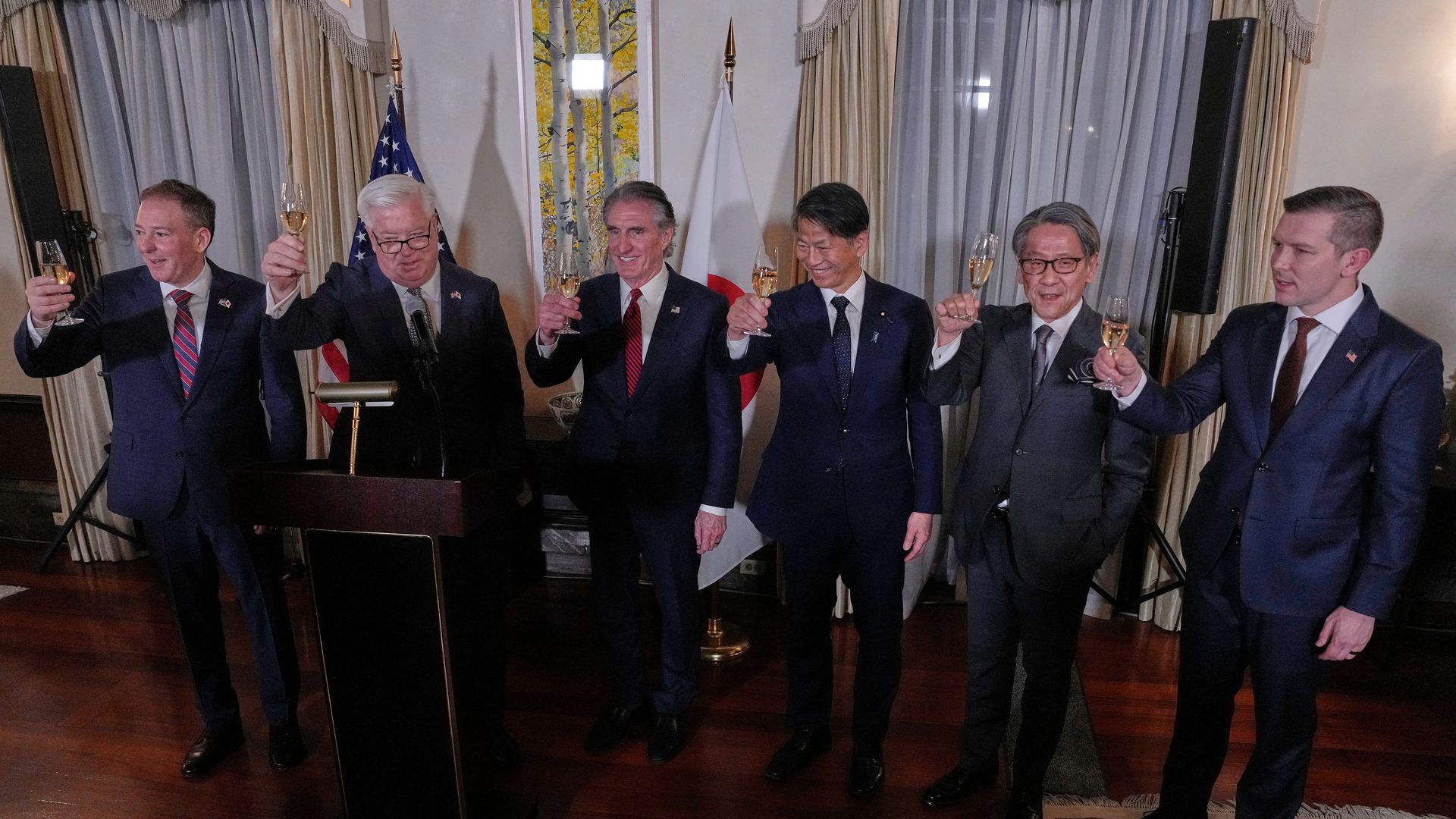
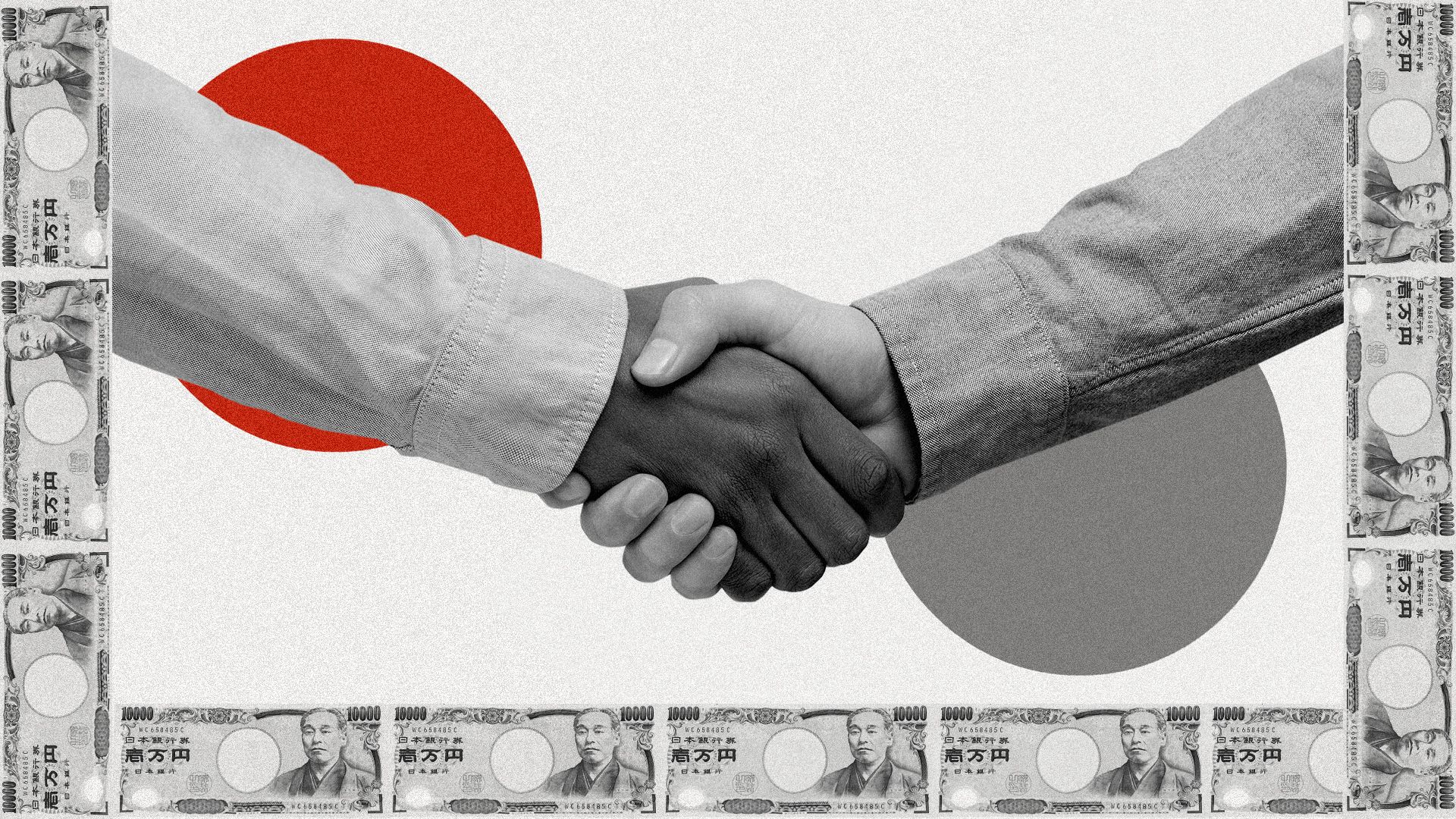
A forum this weekend in Tokyo with 17 Indo-Pacific nations resulted in more than $56 billion in energy-related deals with those countries, the Interior Department said Monday.
Why it matters: Trump administration officials hope the dealmaking can strengthen multinational ties as well as fulfill President Trump's "energy dominance" agenda.
Two U.S. companies — Realta Fusion and X-energy — on Monday announced separate agreements with Japanese counterparts on fusion and nuclear energy.
Why it matters: The agreements show the eagerness to take advantage of Japan's technical expertise while expanding supply chain connections between the countries — a priority for the Trump administration.
The war in Iran has sent oil prices skyrocketing, scrambling an economic conflict with Russia that's been raging for more than a decade.
The big picture: It's harder to maintain tight sanctions on Russia —effectively a "cold war" — while also grappling with the economic impact from the "hot war" with Iran.
The AI boom is pushing one of America's most venerable environmental groups to cautiously support nuclear power after decades of resistance.
Why it matters: The Natural Resources Defense Council's position is both a sign of the urgent power demands that AI is creating and a larger shift underway among environmentalists to embrace an energy source many once rallied against.
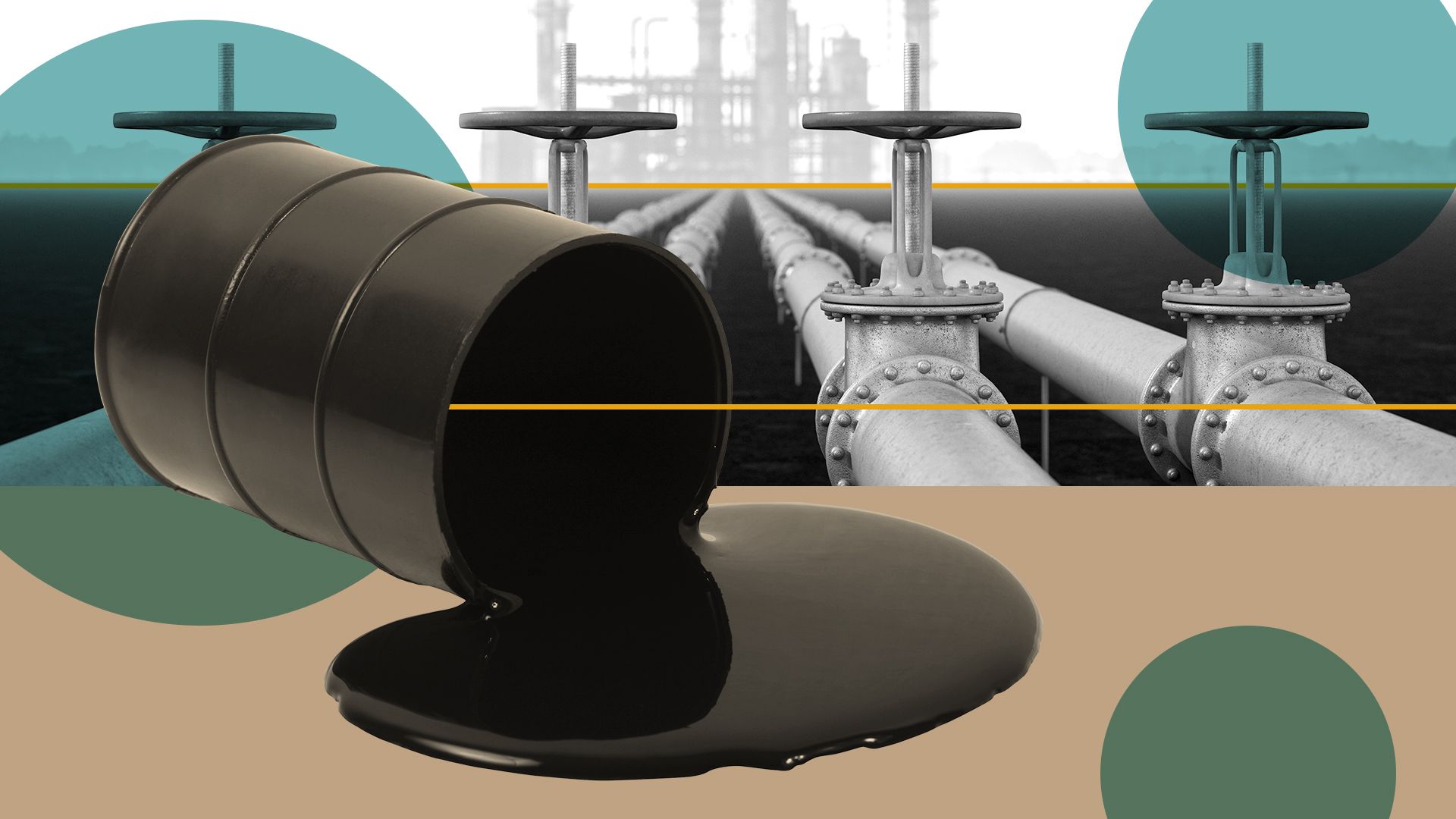
Oil prices rose over $3 per barrel Sunday in the first major trading since President Trump's threat to strike Iran's main oil export hub unless Tehran allows tankers through the Strait of Hormuz — and they remained somewhat volatile into Monday.
Why it matters: The climb shortly after the markets' opening signals that traders see no major near-term market loosening or end to a conflict that has brought an unprecedented throttling of oil flows.
President Trump is working to assemble a coalition of countries to reopen the Strait of Hormuz and hopes to announce it later this week, four sources tell Axios.
Trump is also weighing a seizure of Iran's critical oil depot on Kharg Island — a move that would require U.S. boots on the ground — if tankers remain bottled up in the Persian Gulf, U.S. officials say.
Why it matters:Oil and gas prices are rising as Iran's blockade of the Gulf's narrow strait drags on, choking off a significant share of the world's crude supply.