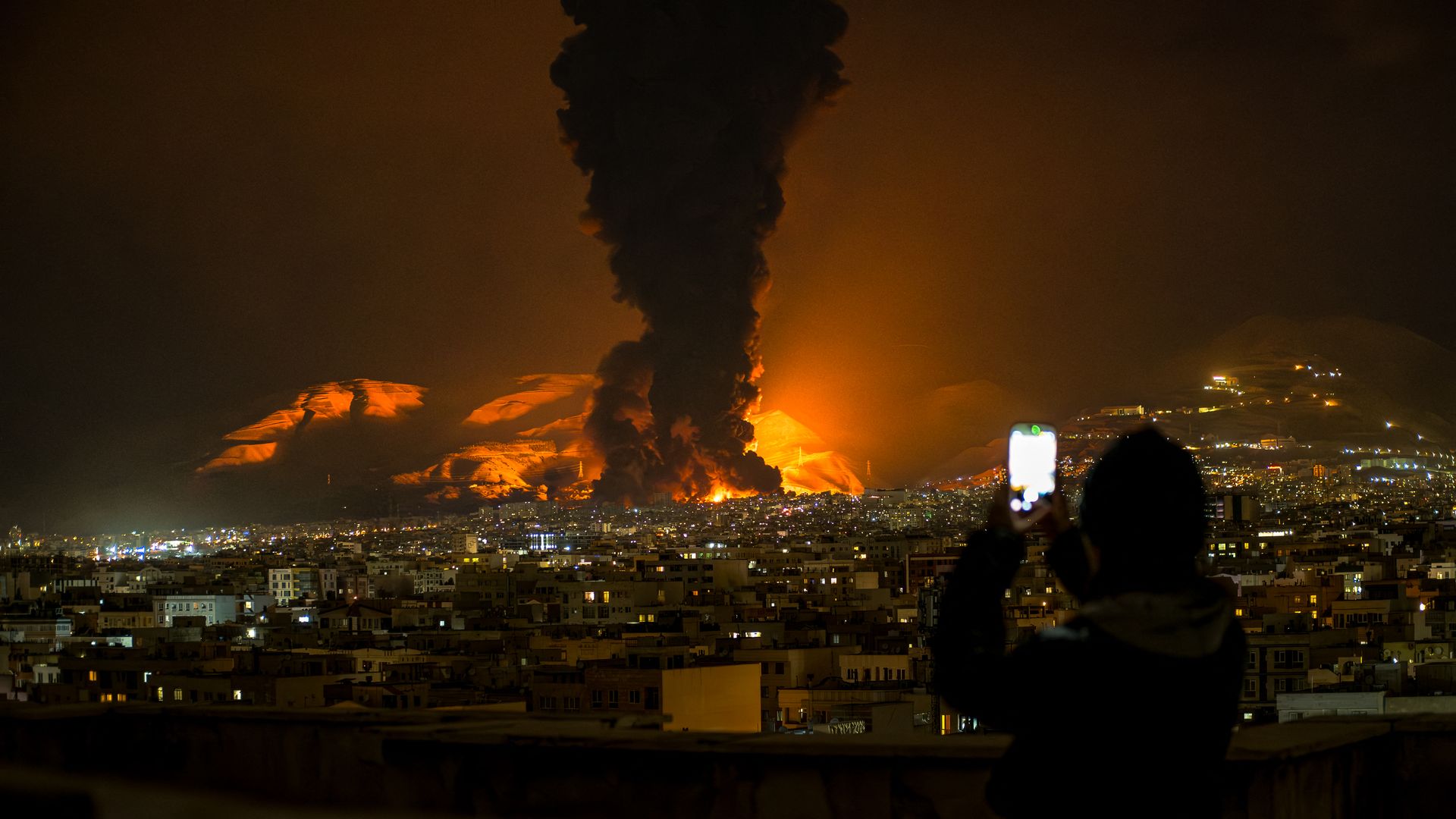
President Trump on Friday invoked a Cold War-era law in a bid to boost oil production off Southern California's coast and meet demand in the wake of the Iran war.
Why it matters: The president's signing of an executive order allowing use of the Defense Production Act shows he's trying to employ a variety of tools to try to tamp down the oil price shocks set off by the war.
The Treasury Department made it easier Friday for U.S. businesses and farmers to buy Venezuelan fertilizer and oil as their prices rise because of the Iran war, Axios has learned.
Why it matters: The bottleneck of tankers in the Persian Gulf because of Iranian attacks has caused the costs of oil and fertilizer, a petrochemical product, to jump. It threatens to spike inflation and raise the cost of food in the U.S.
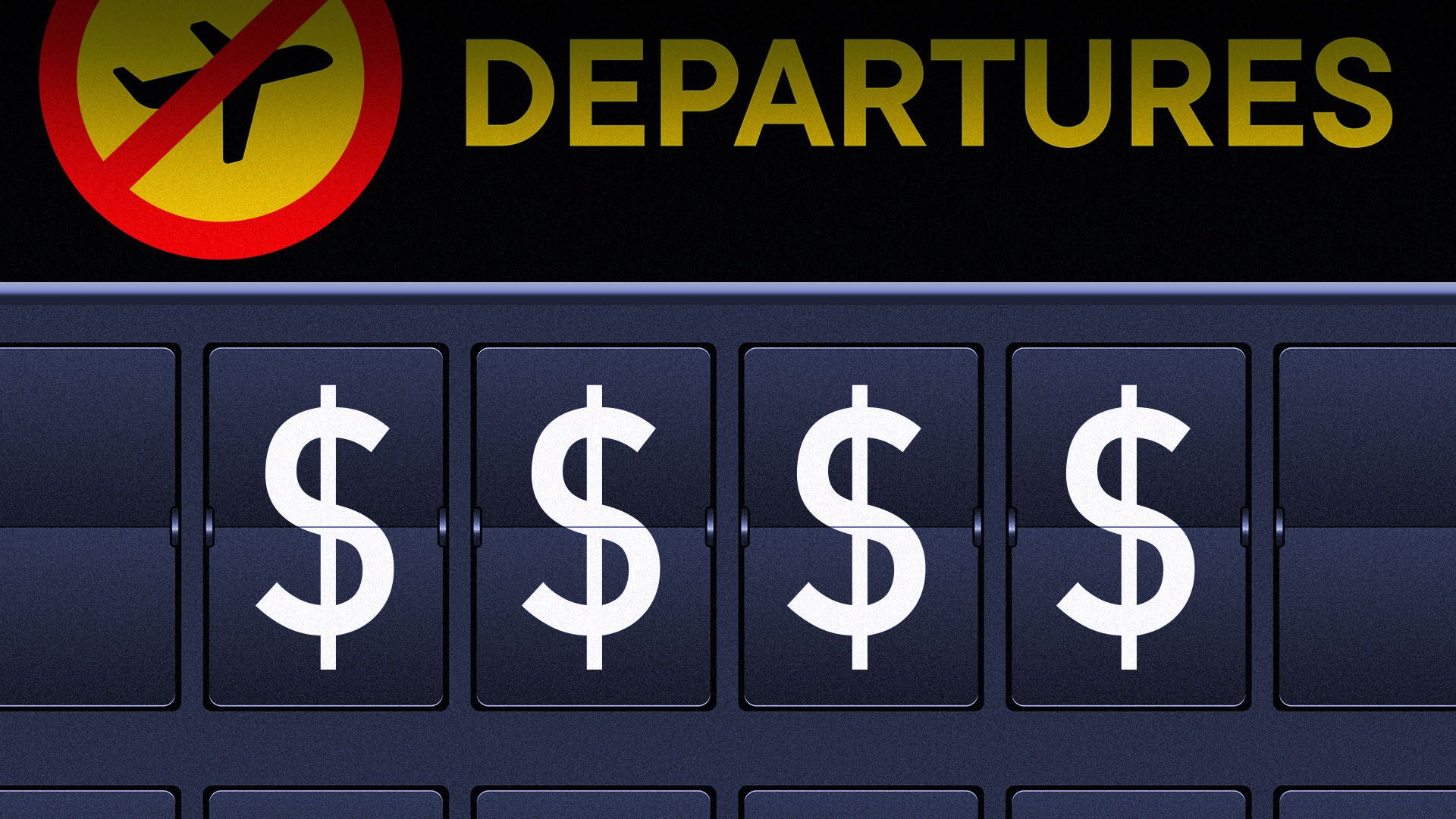
Travelers can expect airlines to raise ticket prices, idle planes and implement fuel surcharges on certain flights if energy prices remain elevated, according to industry analysts.
The big picture: Jet fuel costs — which account for about 30% of airline expenses, according to Deutsche Bank — have spiked since the Iran war began.
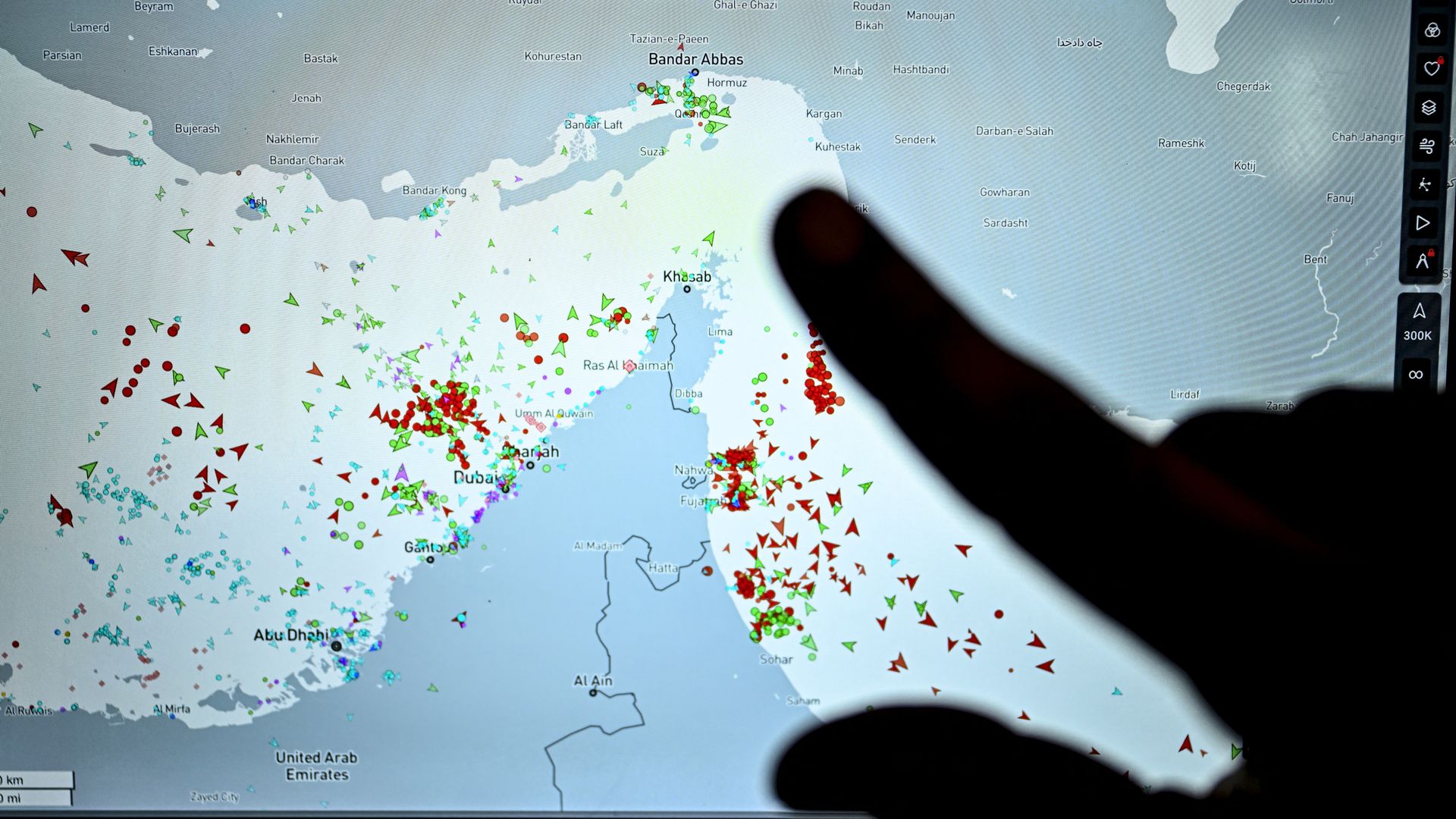
Worries are growing that Iran is deploying mines — one of its most potent and disruptive weapons — in the Strait of Hormuz.
Why it matters: The use of naval mines would likely result in fatal attacks on commercial shipping vessels and closure of the Strait, which would place further strain on the global economy if oil shipments were halted.
The economy was flashing stagflation signals — tepid growth and high inflation — even before the Iran conflict added an oil shock to the mix.
Why it matters: What happens when geopolitical turmoil clogs up the world's oil supply chain, against a backdrop of a U.S. economy losing momentum amid sticky inflation?
The Trump administration has ambitious deadlines to accelerate scientific discovery, Energy Department undersecretary Darío Gil and Dell CEO Michael Dell told Axios in an interview.
Why it matters: Government agencies and companies are mobilizing to use AI for energy, drug discovery and national security, all while promising new jobs.
The Iran war is drawing fresh scrutiny to American crude oil exports as a way to curb skyrocketing fuel prices.
The big picture: The U.S. has become one of the world's largest oil exporters since a law changed a decade ago allowing crude to flow beyond American borders.
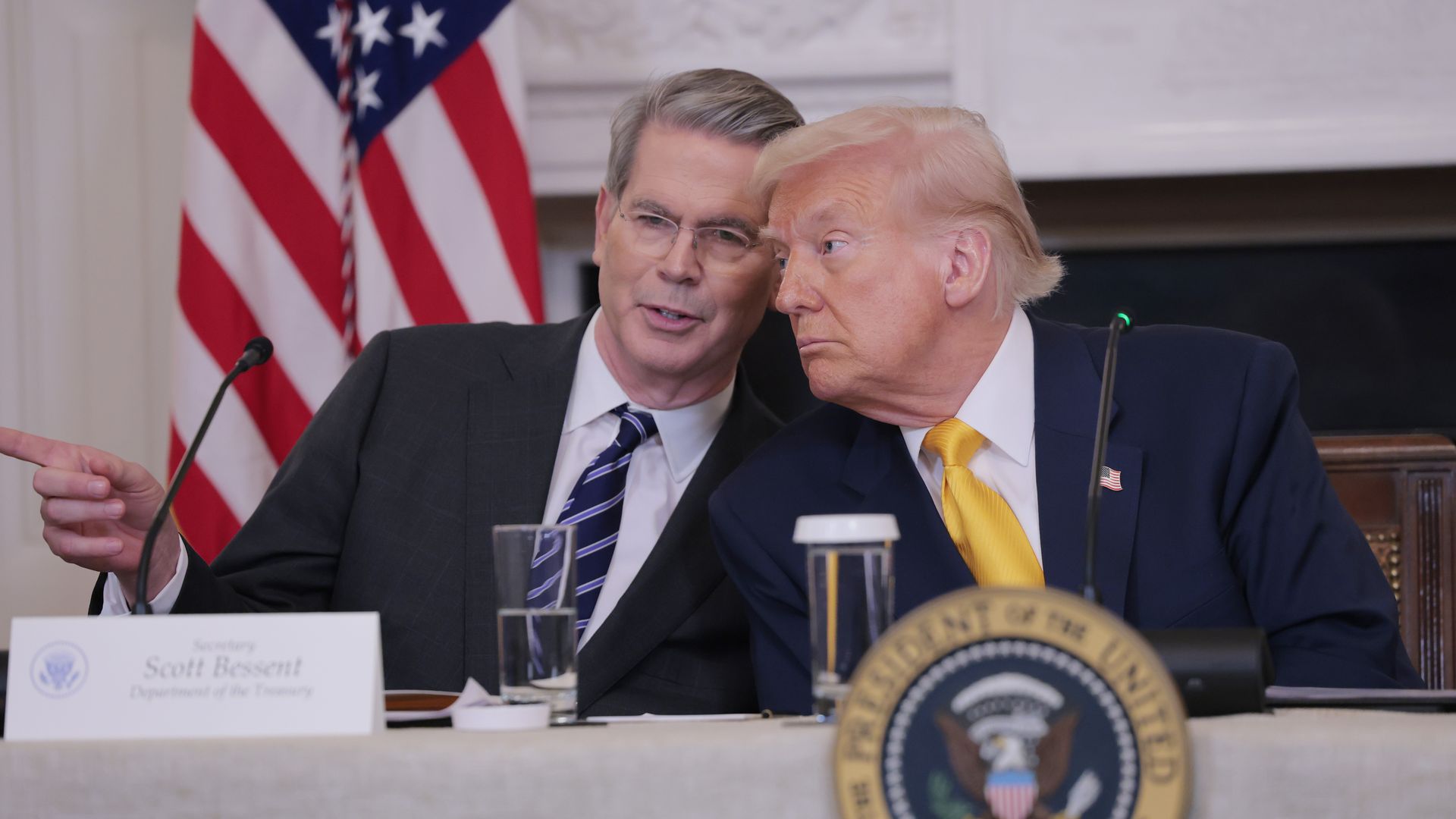
The U.S. Navy will escort ships through the Strait of Hormuz, "perhaps with an international coalition," as "soon as it is militarily possible," Treasury Secretary Scott Bessent said in a Sky News interview broadcast Thursday.
Why it matters: The International Energy Agency said Thursday the global oil market is facing "the largest supply disruption" in history due to the Iran war, which Bessent told Sky News has cost the U.S. $11 billion thus far.