Why the Strait of Hormuz is so difficult to defend

Add Axios as your preferred source to
see more of our stories on Google.
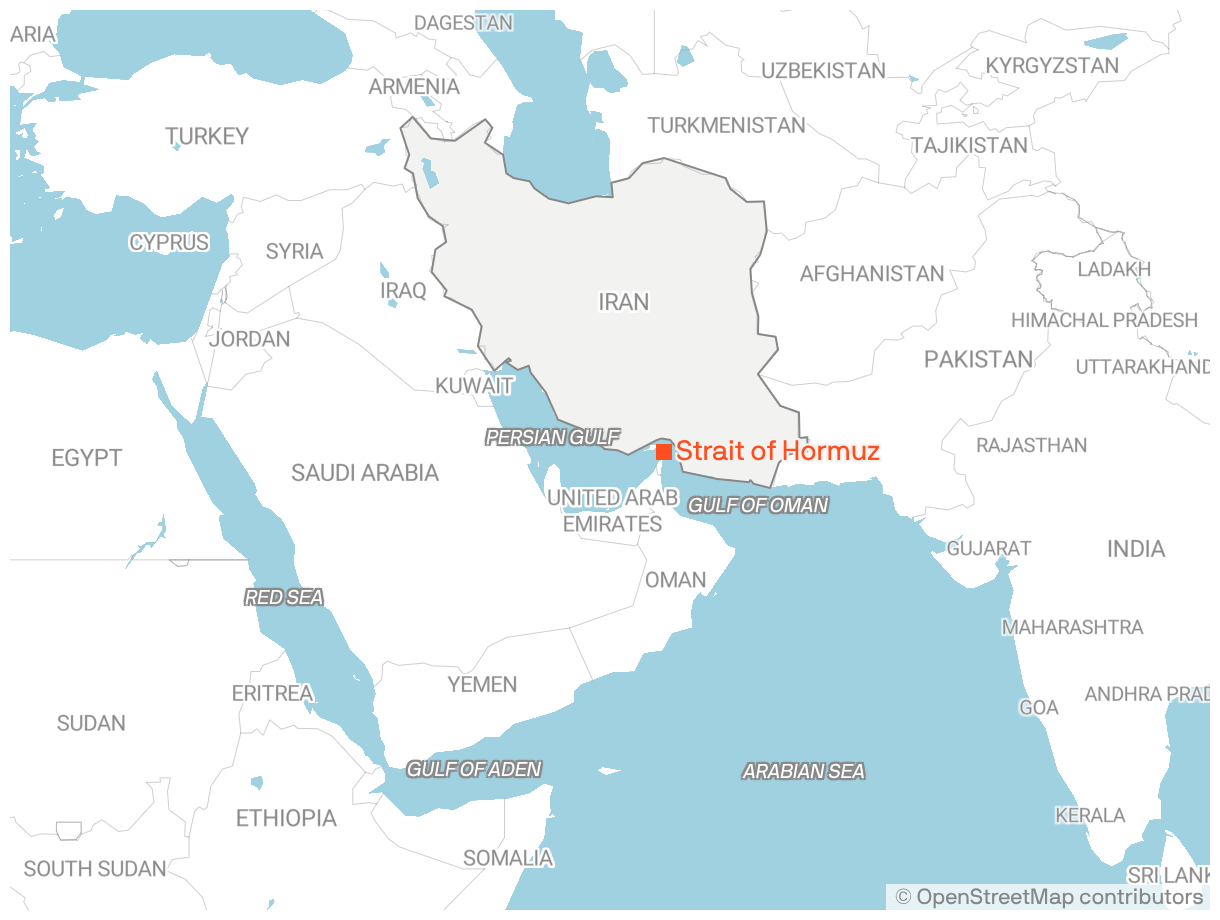
While President Trump has offered political risk insurance and Navy escorts for tankers navigating the Strait of Hormuz, it still remains one of the most difficult waterways in the world to defend.
The big picture: The Strait, which carries roughly 25% of the world's seaborne oil supply, is approximately 21 nautical miles wide at its narrowest point, but the designated shipping lanes are far smaller — concentrating traffic into predictable corridors for Iran to monitor and target adversaries.
State of play: Trump said American forces sank nine Iranian warships and are working to neutralize the rest of its navy, but Iran doesn't need a conventional fleet to make passage through the Strait dangerous.
- Iran sits along the Strait's northern coastline, giving it a geographic advantage to limit maritime traffic or to attack vessels.
- From shore, Iranian forces can deploy shore-based missiles or fast attack craft with little warning, while U.S. and allied forces are forced to operate from a greater distance.
- Reuters reported in late February that Iran was close to finalizing a deal with China to acquire anti-ship cruise missiles, which could pose an added threat to U.S. naval forces in the region. The status of that deal is unknown.
Zoom in: Iran has effectively closed the Strait for certain vessels, threatening retaliation if ships from some countries — including Israel and the United States — attempt to pass through.
- The halt in traffic has pushed oil prices into the triple digits for the first time since 2022.
- And further disruptions, such as an Iranian attack on a commercial vessel, could effectively close the waterway for all ships, sending prices even higher.
Go deeper: How Iran's Strait of Hormuz shutdown could hit the global economy
