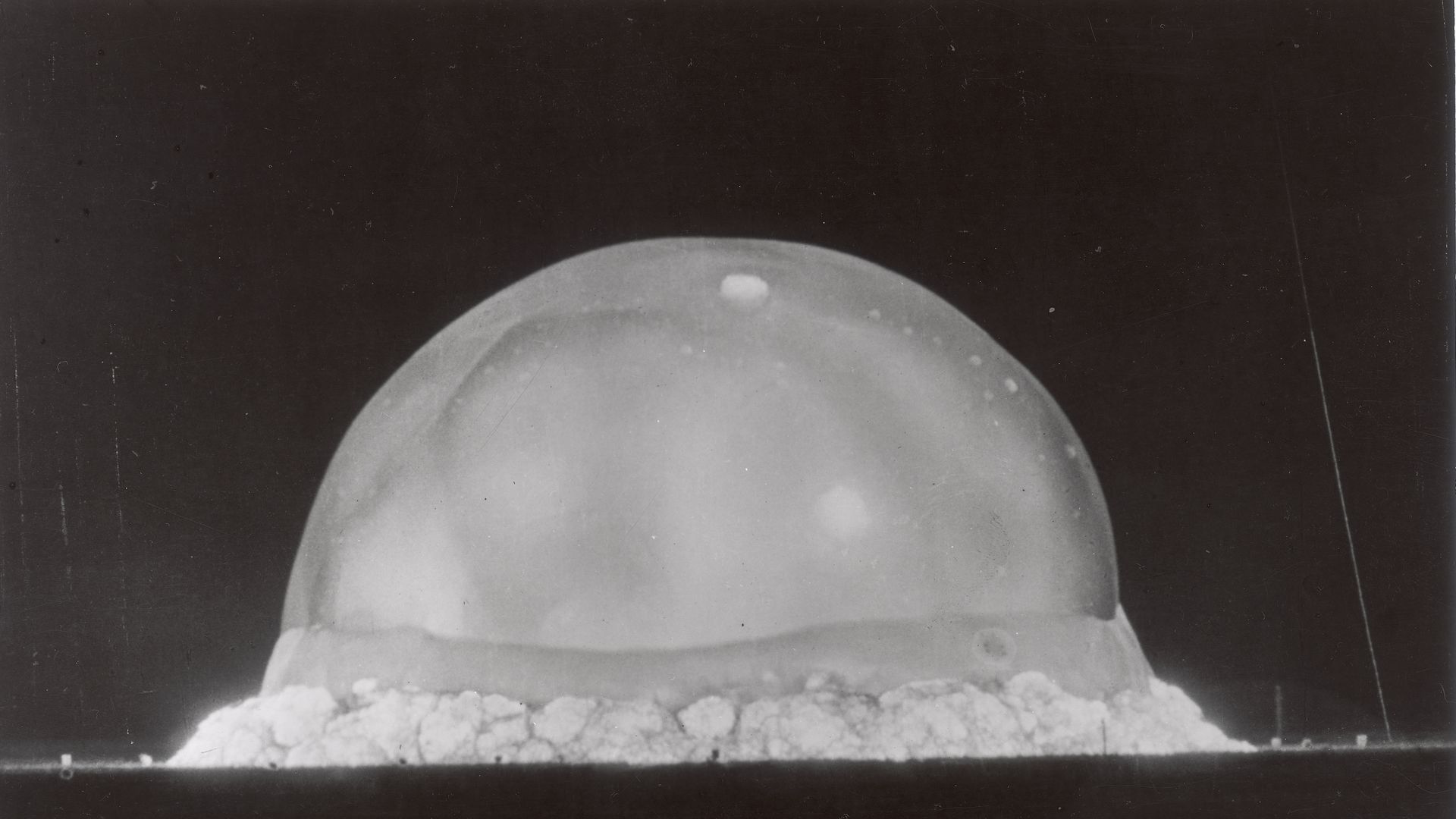
New Mexico residentsexposed to radiation from the world's first atomic bomb explosion and Navajo miners who later worked with uranium during the Cold War may finally get reparations after generations of people with health problems.
Driving the news: The U.S. Senate voted Thursday to include New Mexico and Navajo Nation residents in the Radiation Exposure Compensation Act — a federal law scheduled to sunset next year — as part of its version of the National Defense Authorization Act (NDAA).
The United Kingdom now finds itself at the epicenter of global tensions between energy security and lofty climate goals, which are playing out ahead of the COP28 conference in Dubai.
Driving the news: Prime minister Rishi Sunak announced plans on Monday to issue more than 100 new oil and gas drilling licenses in the North Sea, along with approvals for carbon capture and storage sites and hydrogen projects.
Phoenix in July became the first major city in the country to reach an average monthly temperature higher than 100°F.
By the numbers: Phoenix's average July temperature of 102.7°F marked its hottest month on record, shattering the previous record of 99.1°F in August 2020.
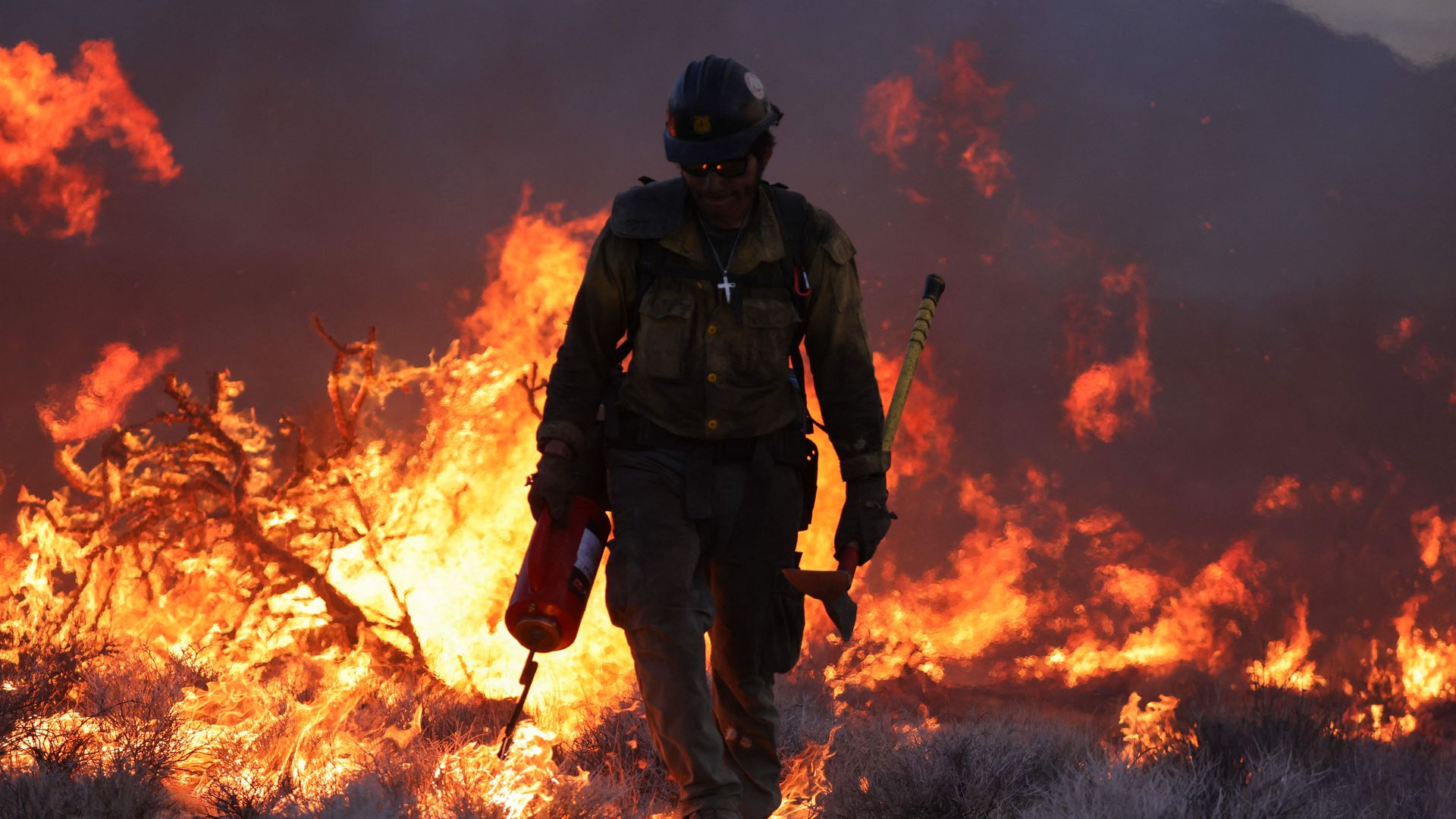
A massive wildfire in California's Mojave National Preserve that exploded in size and spilled into Nevada over the weekend is threatening wildlife and Joshua tree forests.
The big picture: The wind-driven York Fire is California's largest wildfire this year. It's burning uncontained across some 77,000 acres and was one of64 large fires burning across nine states as of Monday.
The Inflation Reduction Act is a mighty boon to the climate tech sector, with its hundreds of billions of dollars in federal spending, grants and tax incentives.
Behind the scenes: It's also creating a schism among climate tech-focused venture capitalists, who are warily eyeing next fall's elections.
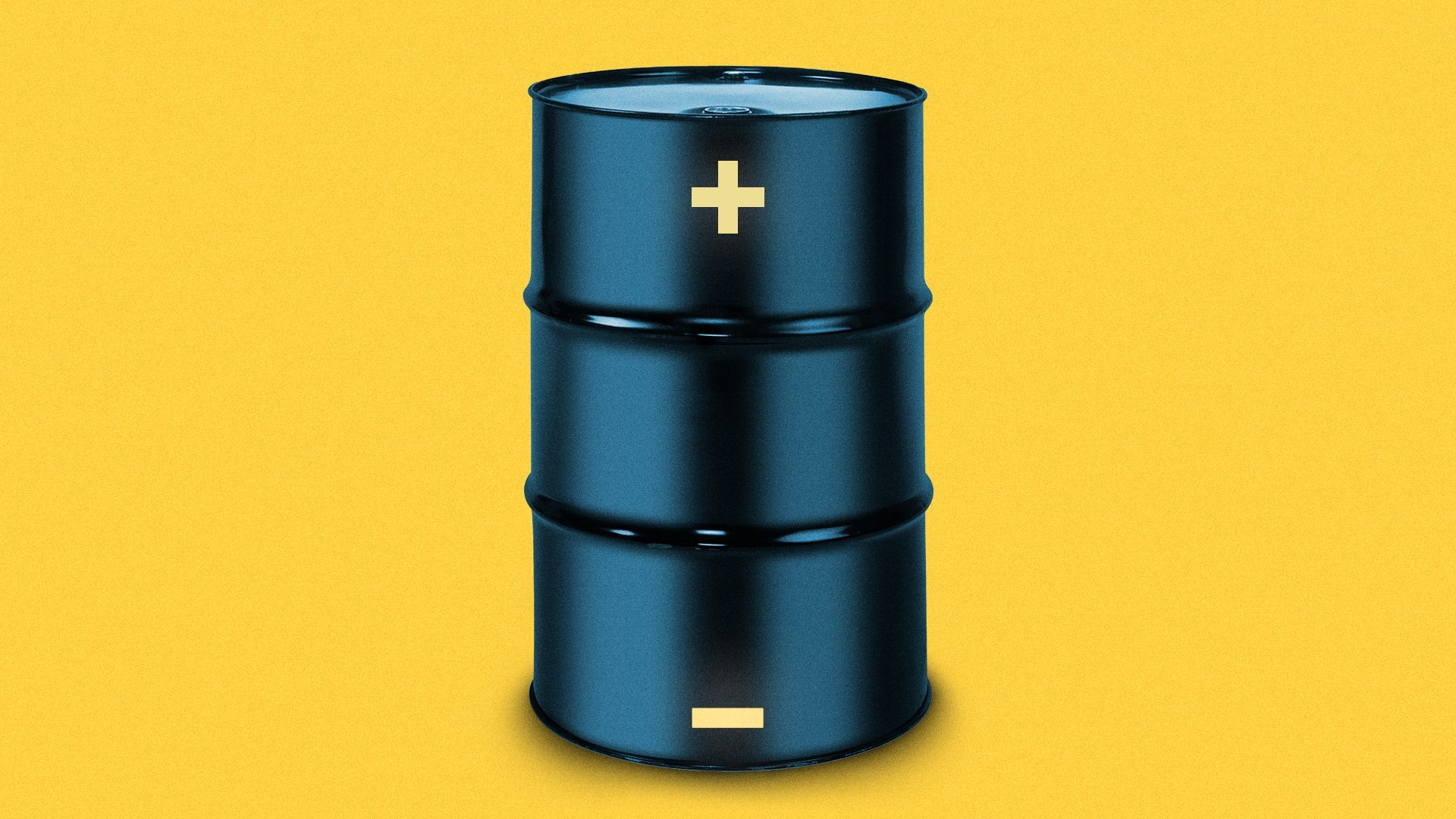
Exxon CEO Darren Woods gave the strongest confirmation yet of the company's interest in lithium as electric vehicles boost demand.
Why it matters: MultipleU.S. oil companies see extraction and processing meshing with their skillsets — and now the most powerful player is among them.
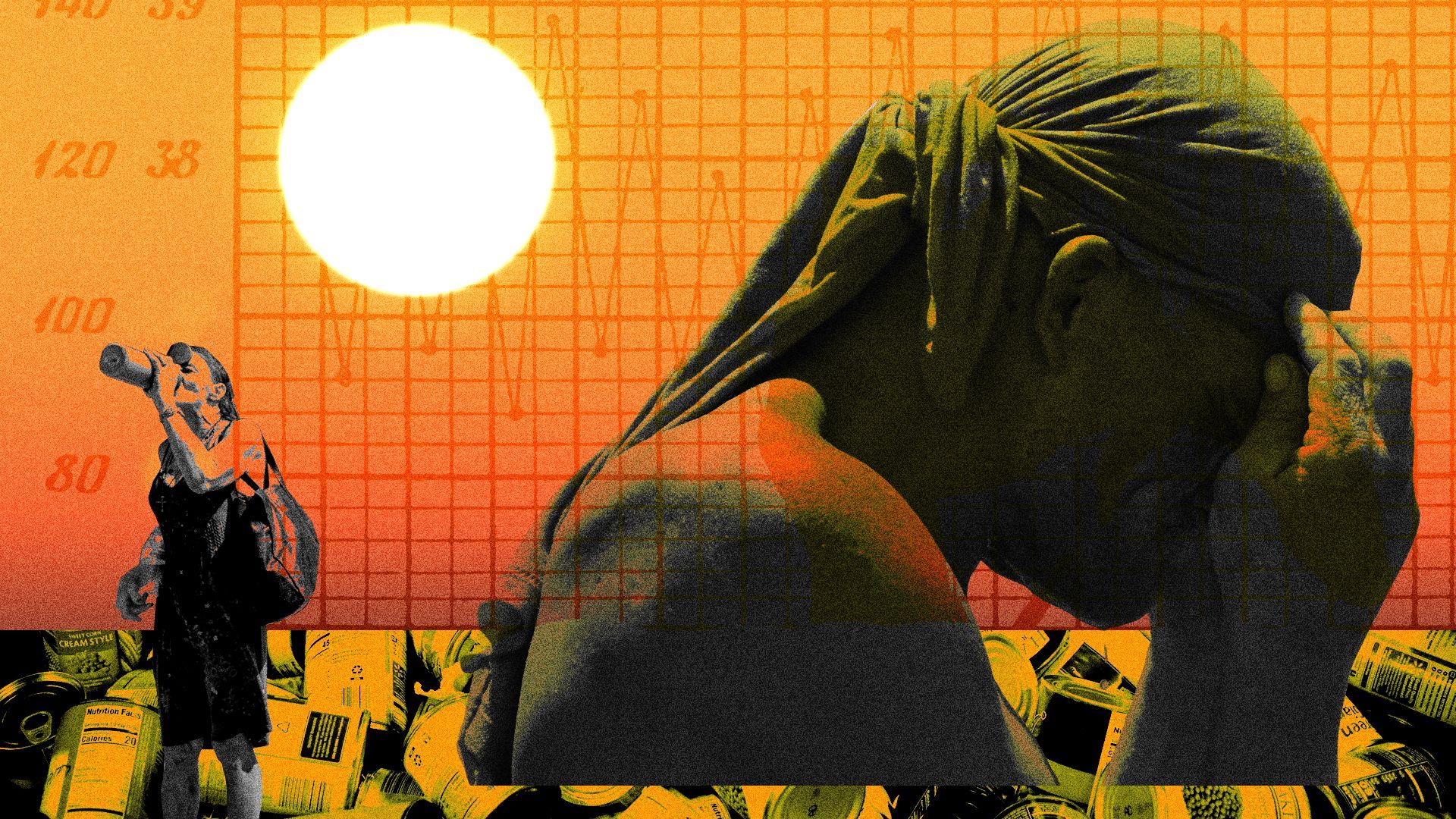
Some Americans are being hit harder than others by the extreme heat wave baking swaths of the country because they can't get enough to eat or drink.
The big picture: Food-insecure households are among the most at risk of health and financial hardships during blistering temperatures. They face unique exposure to dehydration and costly relief that further strains dwindling food budgets.
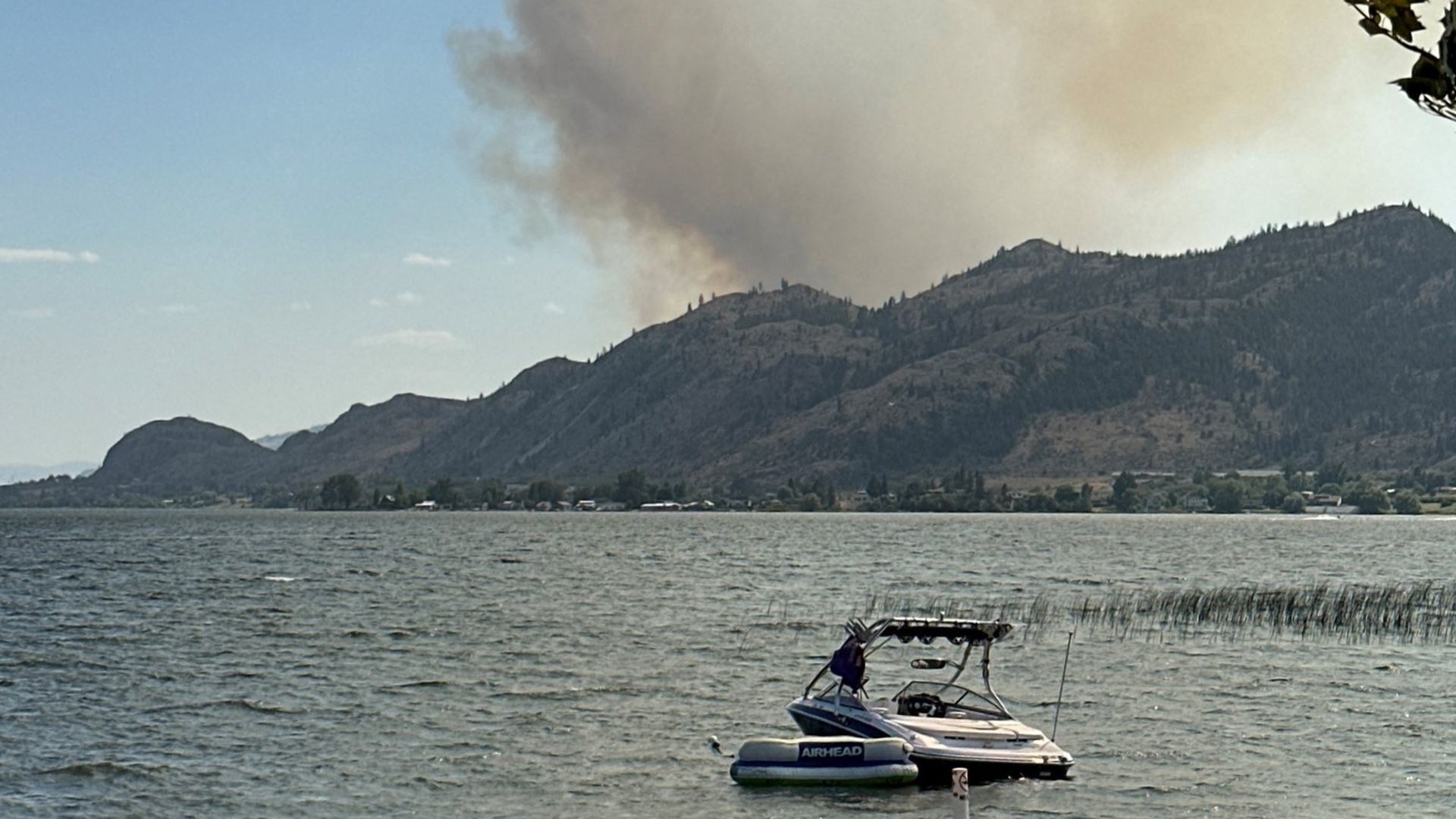
Phoenix endured its 31st straight day of temperatures of at least 110°F Sunday, as a California wildfire spread into Nevada and another blaze threatened border communities in Washington state and Canada.