In an interview with The Hill on Wednesday, Rep. Alexandria Ocasio-Cortez (D-N.Y.) said that a plan to address climate change would have to come with a $10 trillion price tag "to have a shot."
Why it matters: Ocasio-Cortez catalyzed climate talks with her Green New Deal, which called for ambitious goals such as net-zero U.S. greenhouse gas emissions and de-carbonizing the economy. As 2020 approaches, most Democrats have had to answer to the Green New Deal's stances. Of the existing plans presented by presidential contenders, AOC says she likes Gov. Jay Inslee's plan for more than $5 trillion and Sen. Elizabeth Warren's $2 trillion proposal.
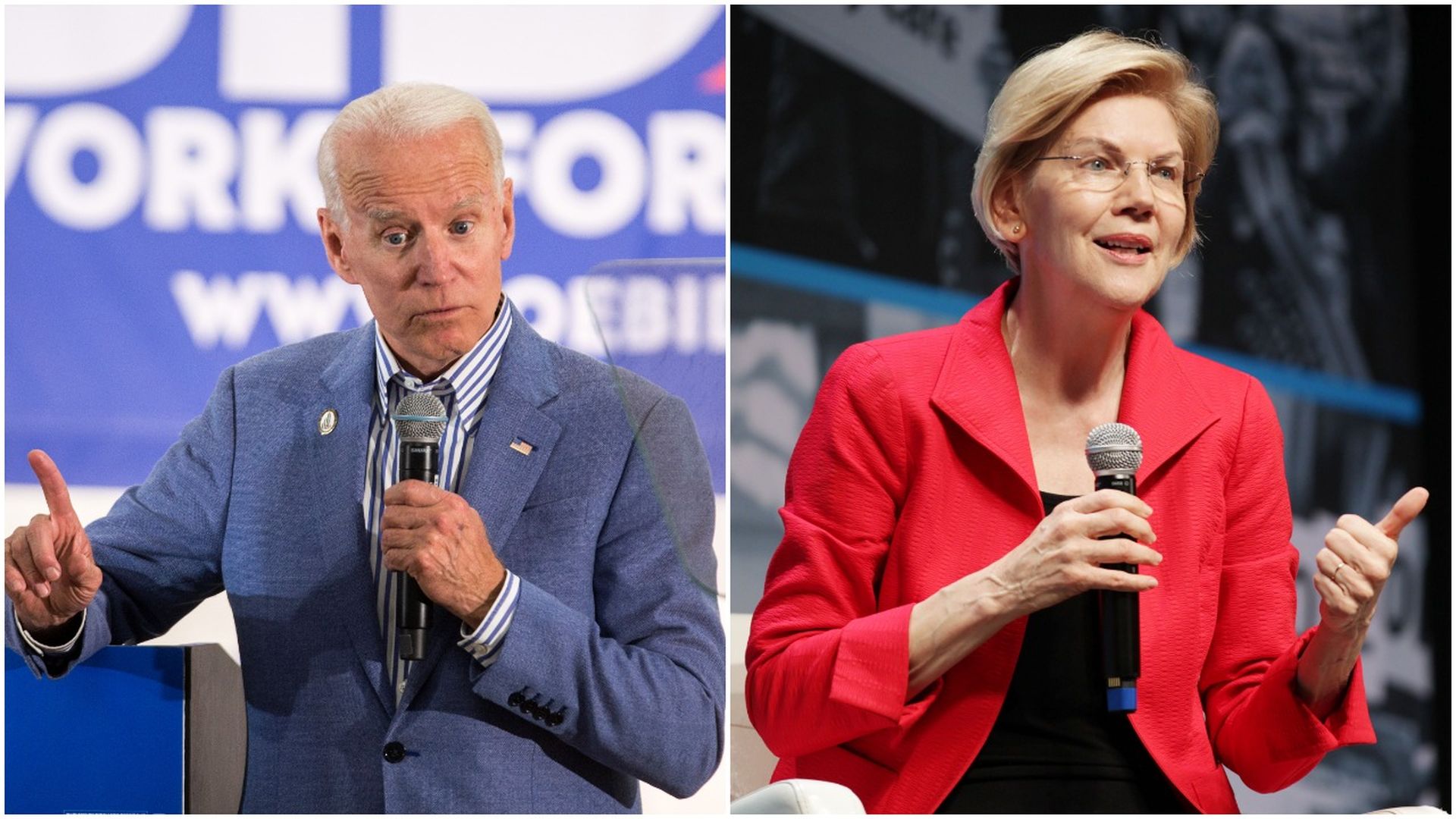
Frontrunner Joe Biden and Sen. Elizabeth Warren's respective plans to combat climate change, which were unveiled Tuesday, both call for creating new federal agencies.
Why it matters: The plans signal acknowledgment that the federal government's existing structures are imperfectly aligned to spur deep emissions cuts.
The Commerce Department released on Tuesday an interagency report that identifies a list of minerals deemed critical to U.S. strategic interests and outlines an action plan to ensure their supply.
Why it matters: Securing these minerals and their supply chains is essential to leading the way on technologies that will enable the global energy transition, including cobalt and lithium for batteries, graphite and scandium for fuel cells, and indium and tellurium for solar panels.
As electric vehicles proliferate, it is increasingly urgent to address limitations of the U.S. electrical grid and anticipate the effects of fully autonomous vehicles on charging strategies and infrastructure.
The big picture: Driven by market forces, tightening emissions rules and environmental concerns, automakers are introducing nearly 100 hybrid and electric vehicle models through 2022 — and many have an eye toward electric AVs eventually.
Tesla's tumultuous year has analysts and industry pundits speculating about a possible end game for the 16-year-old electric car manufacturer, ranging from a distressed sale of the company to a soaring, China-led rebound.
Why it matters: Even once-bullish investors have turned decidedly sour on the company lately amid slowing demand for cars like the Model 3 and cash flow warnings from CEO Elon Musk. The next 6 to 12 months will be critical in determining the eventual outcome.
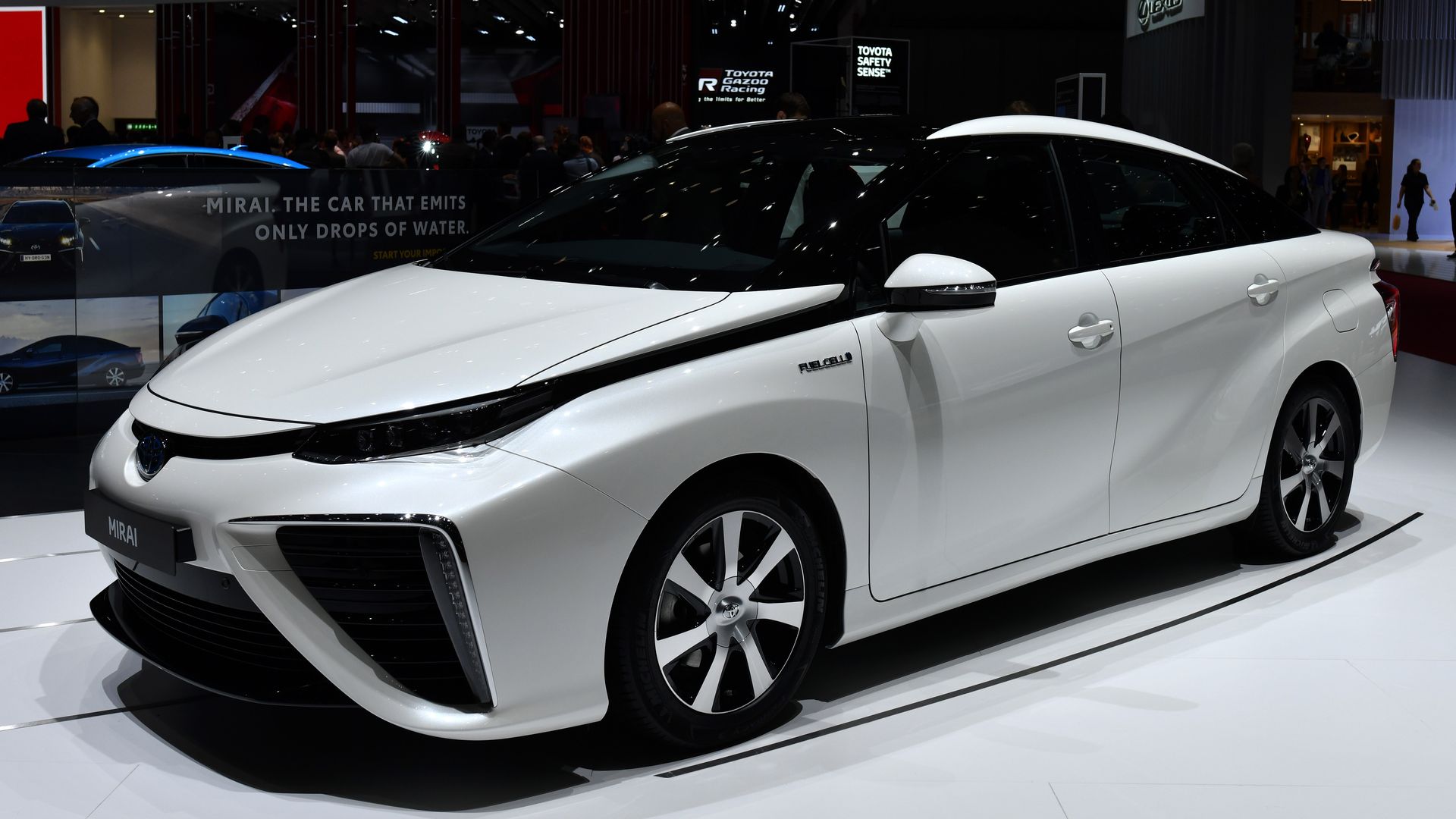
Toyota plans to unveil a new type of "personal electric vehicle" this week and will outline a broad electrification strategy heavily reliant on partnerships with Chinese manufacturers, Axios has learned.
Why it matters: Despite its longtime lead in hybrids like the Prius, Toyota is seen as lagging on the industrywide shift to battery electric vehicles (BEVs), especially as China and Europe have moved to mandate more zero-emission vehicles.
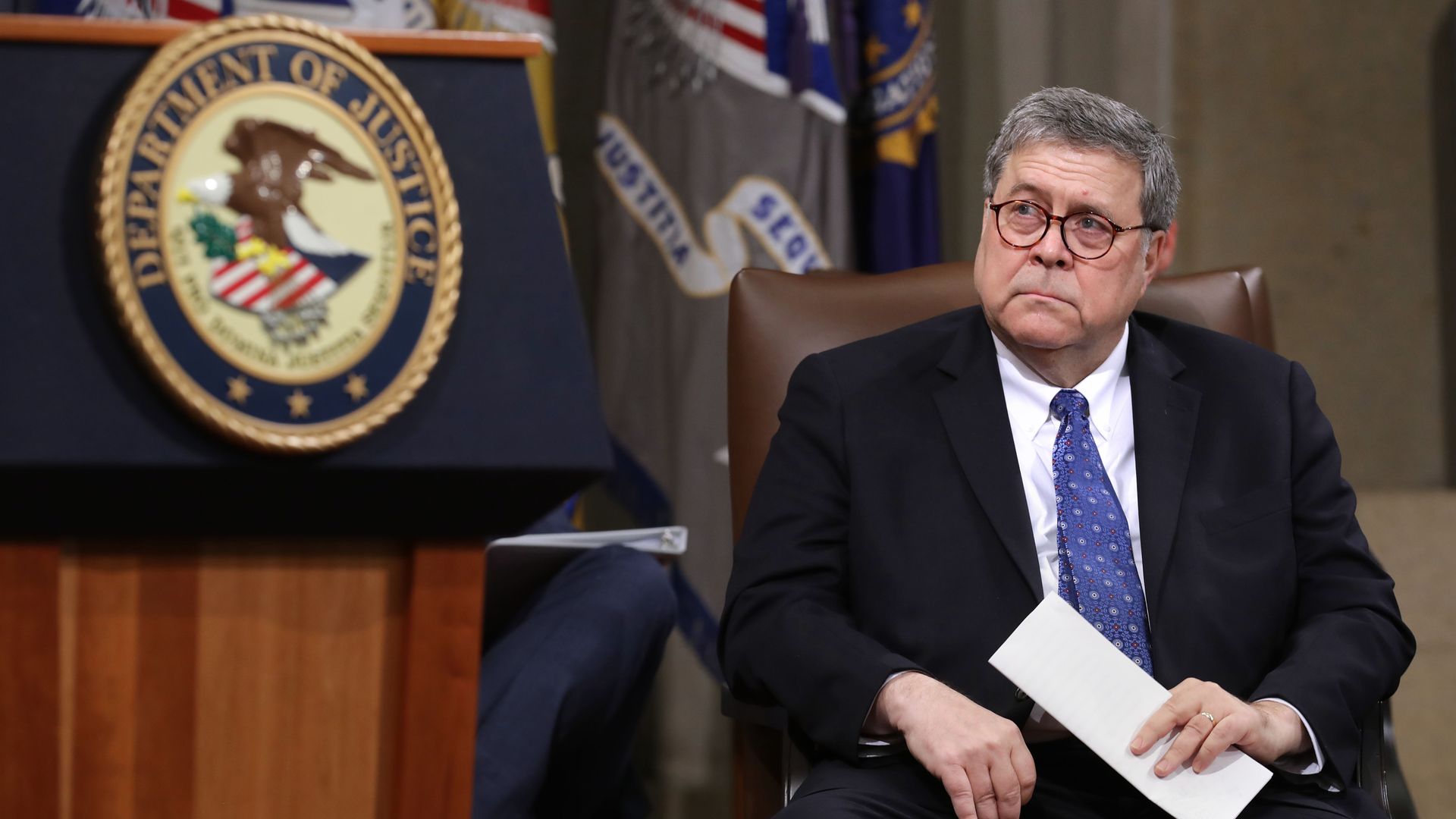
House Judiciary Chairman Jerry Nadler (D-N.Y.) on Tuesday evening refused the Justice Department's offer to reopen negotiations on a subpoena for the full Mueller report in exchange for calling off next week's contempt vote for Attorney General Bill Barr.
Catch up quick: The DOJ claims Nadler sent a letter on May 24 recognizing that the committee's subpoena was "unworkably broad" and offering for the first time "to narrow the subpoena's scope to cover a much more limited set of documents." In light of this offer, DOJ asserted that it would "hardly make sense" to hold Barr in contempt for not complying with the original subpoena and asked the House Judiciary Committee to withdraw its previous contempt citation so that the two sides could negotiate an accommodation.
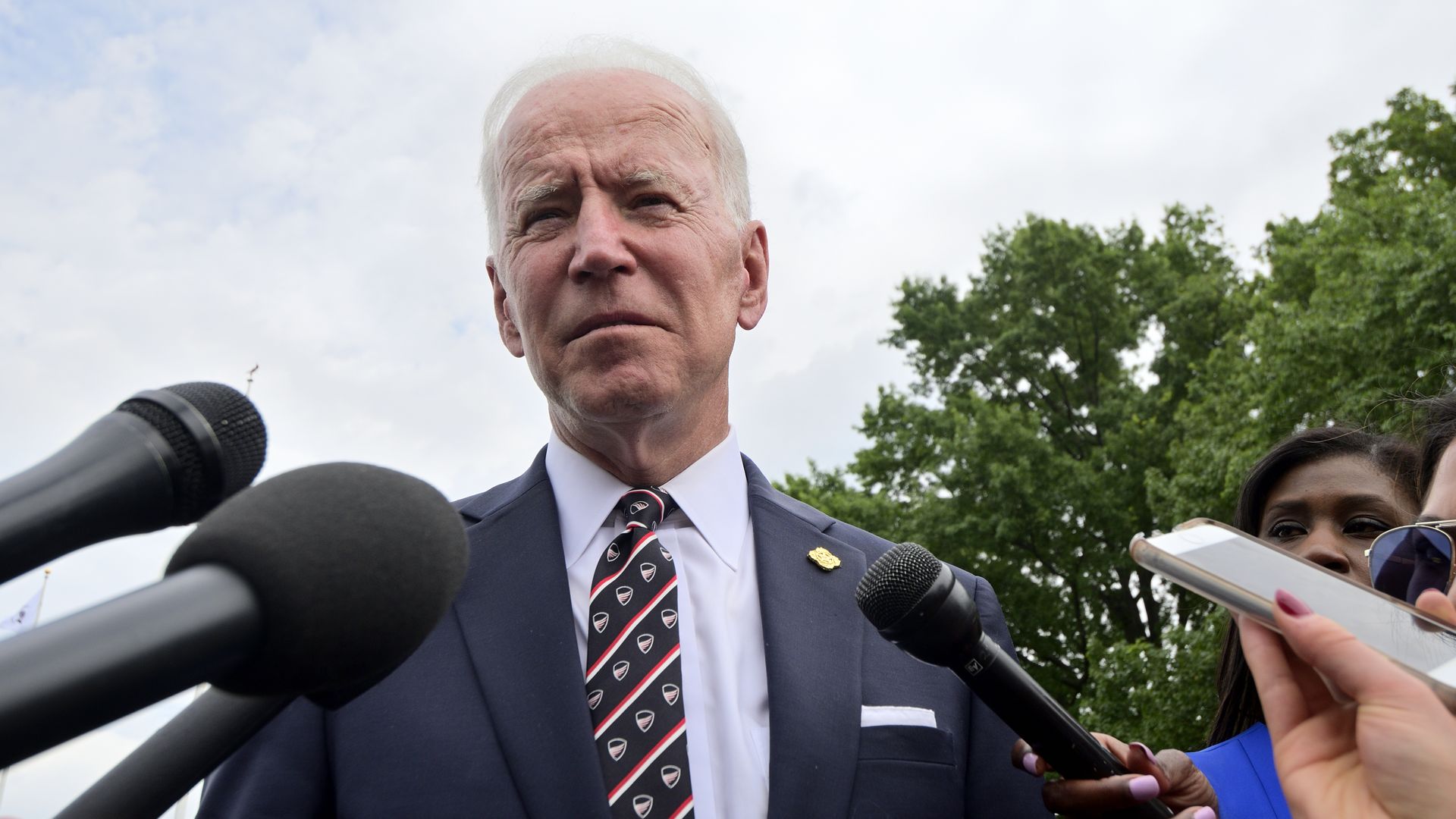
Why it matters: This is not Biden's first plagiarism blunder. His 1988 run for the White House came to a close after it was revealed that segments of a speech had been lifted. Biden also admitted to copying a law school paper, according to AP.
The Department of Energy approved the transfer of nuclear information from U.S. companies to Saudi Arabia seven times under President Trump, including twice after the assassination of Washington Post journalist Jamal Khashoggi by the Saudi government, according to a statement from Sen. Tim Kaine (D-Va.).
Details: The transfer of nuclear technical expertise overseas must be approved by the DOE in consultation with the State Department and other government bodies "to protect against the proliferation of nuclear weapons programs," according to Kaine. Following demands from the Senate Foreign Relations Committee, the Trump administration revealed that it approved one such transfer on Oct. 18, 2018 — 16 days after Khashoggi's death — and another on Feb. 18, 2019.
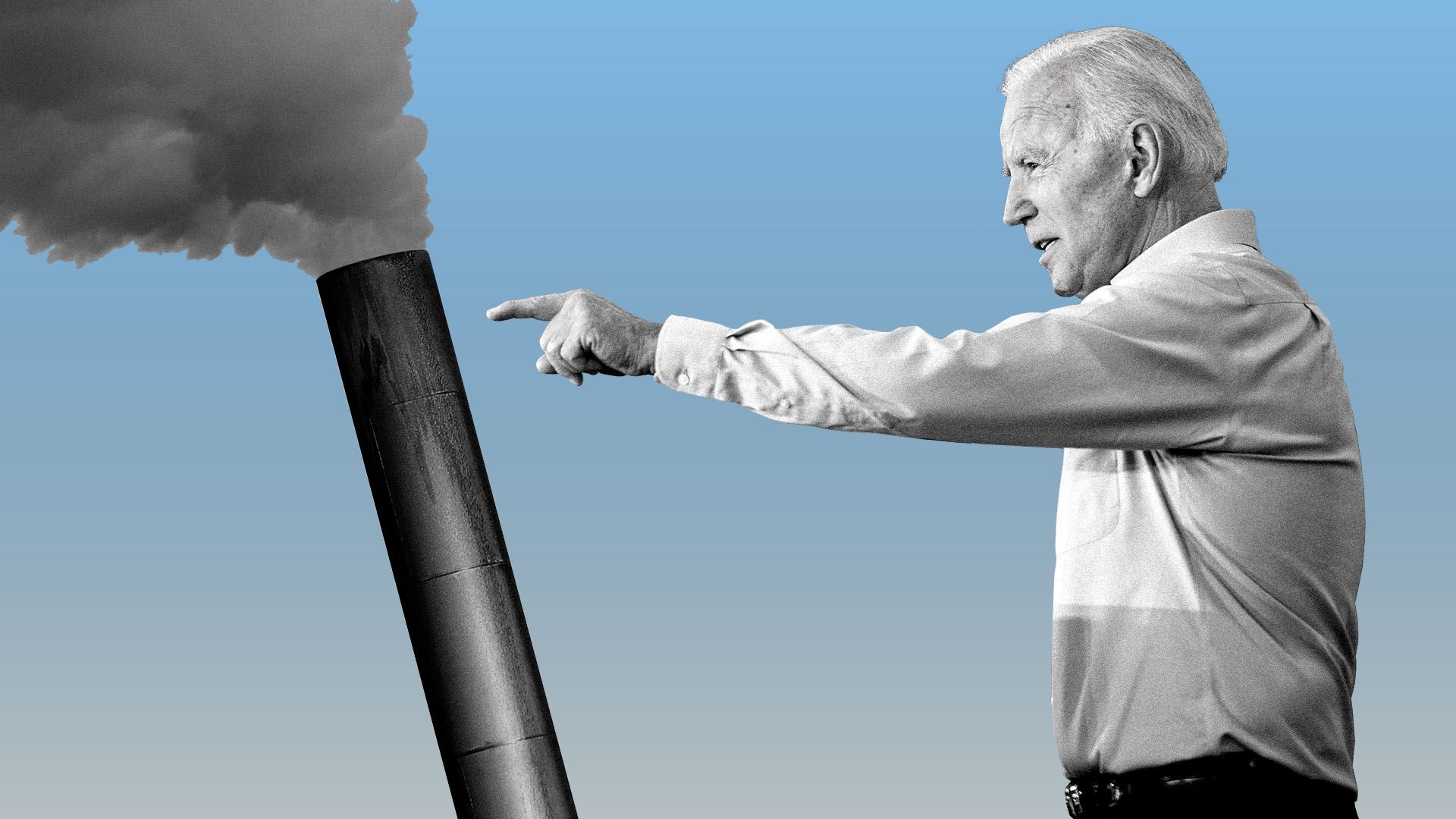
Former Vice President Joe Biden has released a climate and energy plan with the goal of achieving net-zero U.S. greenhouse gas emissions no later than 2050.
Why it matters: As the race for 2020 heats up, climate change has emerged as a key issue for primary voters — with many of Biden's competitors putting climate policy front and center. In a CNN poll released in April, 96% of Democrats and Democratic-leaning independents said it's very or somewhat important for a presidential candidate to promise aggressive action on climate change.
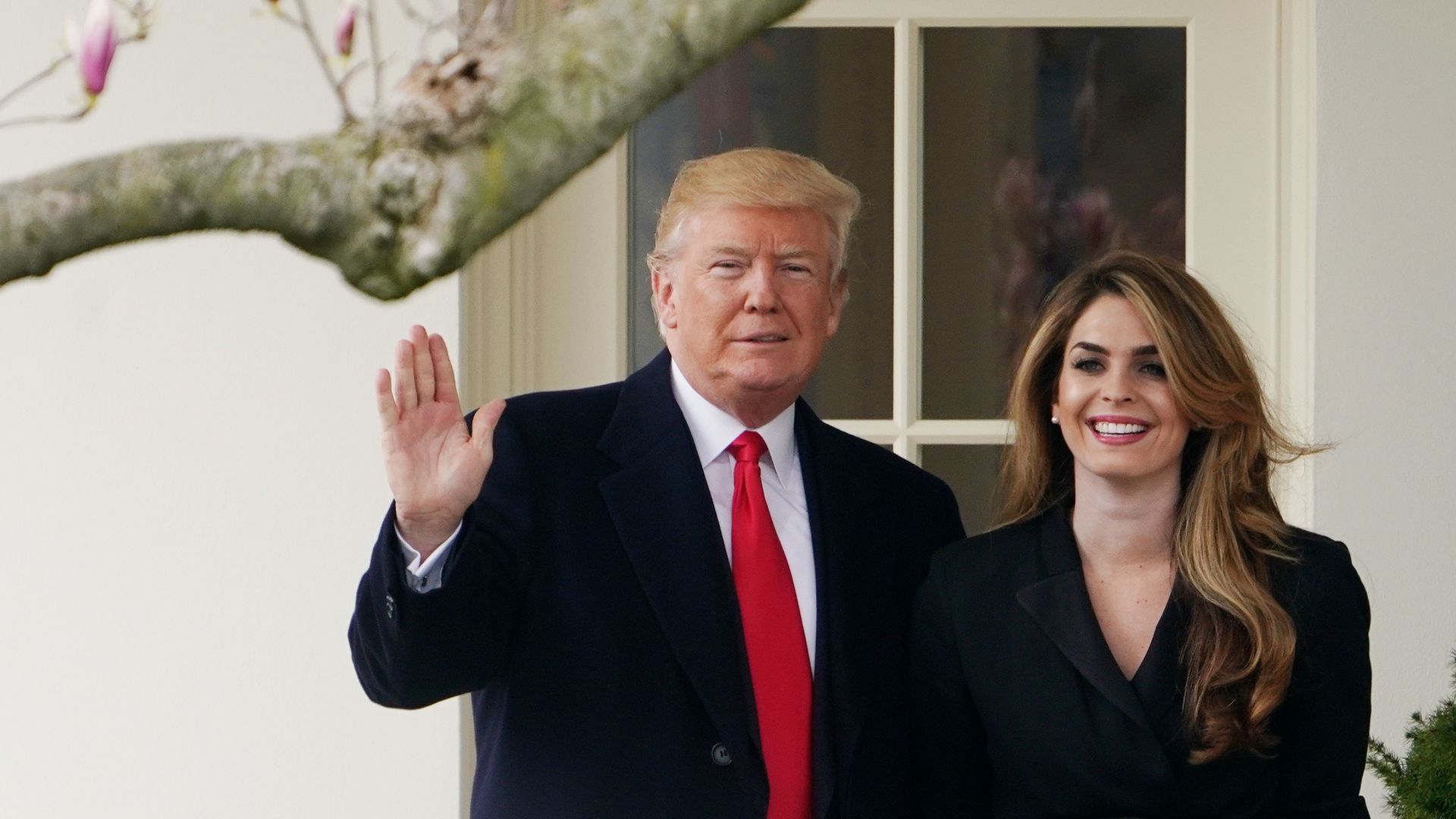
The White House has instructed former communications director Hope Hicks and former deputy counsel Annie Donaldson not to turn over documents related to their time in the administration, rebuffing subpoenas from the House Judiciary Committee, CNN first reported and Chairman Jerry Nadler later confirmed.
Why it matters: Majority Leader Steny Hoyer announced Monday that the House would vote on June 11 on a contempt resolution for Don McGahn, the former White House counsel, and Attorney General Bill Barr for refusing to comply with subpoenas. It's possible that Hicks and Donaldson could be bundled into that resolution as well, as Democrats look to enforce their subpoenas.
The consultancy IHS Markit forecasts that fully electric SUVs of different stripes (especially little ones) are going to start taking off in coming years.
The monthly peak amount of carbon dioxide in the Earth's atmosphere in 2019 jumped by a near-record amount to reach 414.8 parts per million (ppm) in May, which is the highest level in human history and likely the highest level in the past 3 million years.
Why it matters: Carbon dioxide is the most important long-lived greenhouse gas, with a single molecule lasting in the air for hundreds to around 1,000 years. The continued buildup of carbon dioxide due to human activities, such as burning fossil fuels for energy, is driving global temperatures up and instigating harmful impacts worldwide.
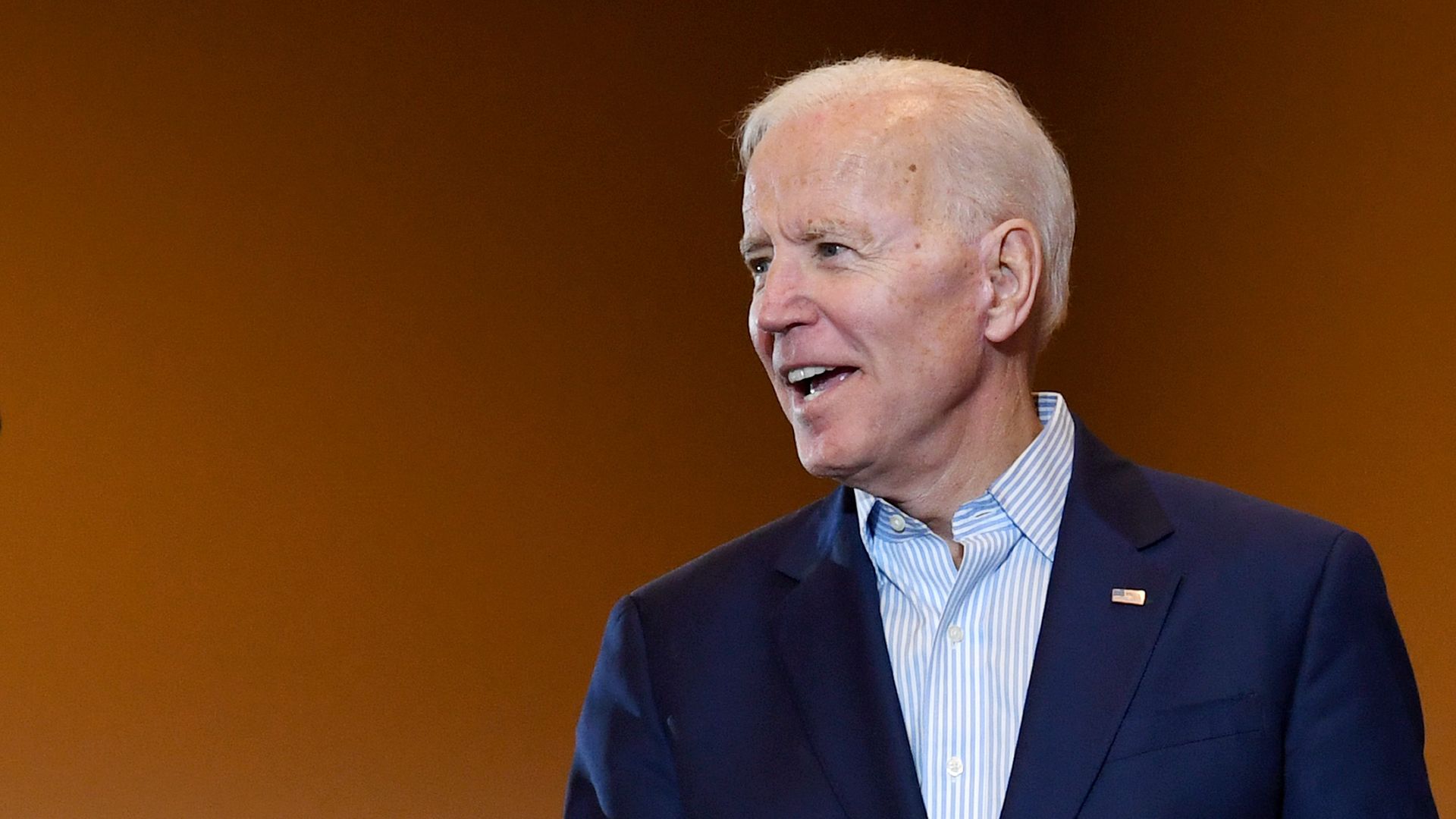
Joe Biden unveiled a wide-ranging climate and energy platform for his 2020 campaign Tuesday, vowing to go "well beyond" President Obama's policies at a time when he's facing skepticism on the left.
The big picture: It calls for achieving net-zero U.S. greenhouse gas emissions no later than 2050. That top-level goal is within range of Jay Inslee's detailed plan, which calls for net-zero "as fast as possible" and by 2045 at the latest.
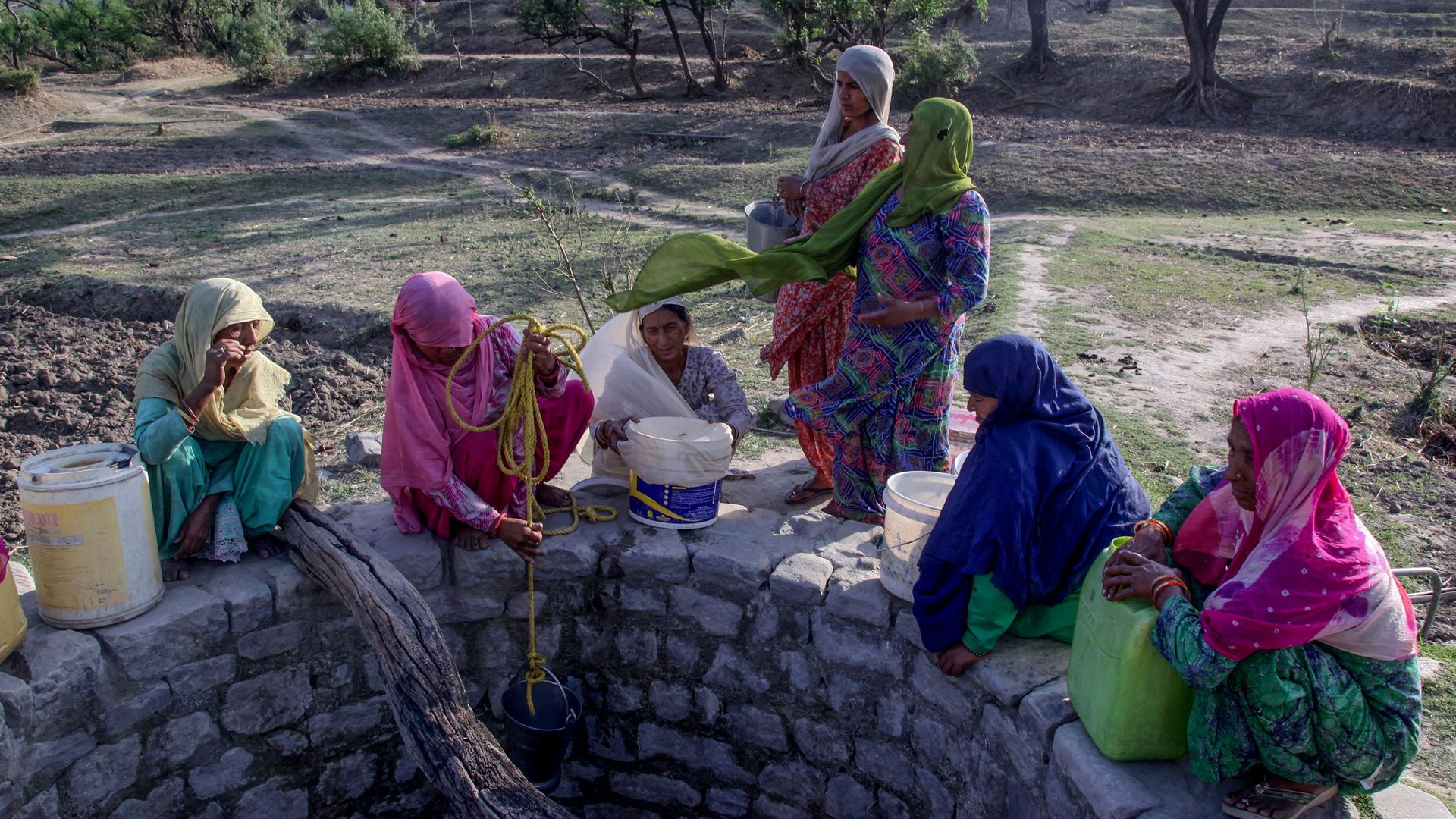
India is in the grip of a deadly heat wave that's caused water shortages in many places. Searing temperatures of up to 123°F were recorded in the city of Churu in the northern Indian plains — the location of 10 of the 15 hottest places in the world during the weekend.
The big picture: The India Meteorological Department warns sweltering conditions are set to continue across much of the country for the next few days, prompting the Health Ministry to issue an advisory. These images show the heat wave's impact.
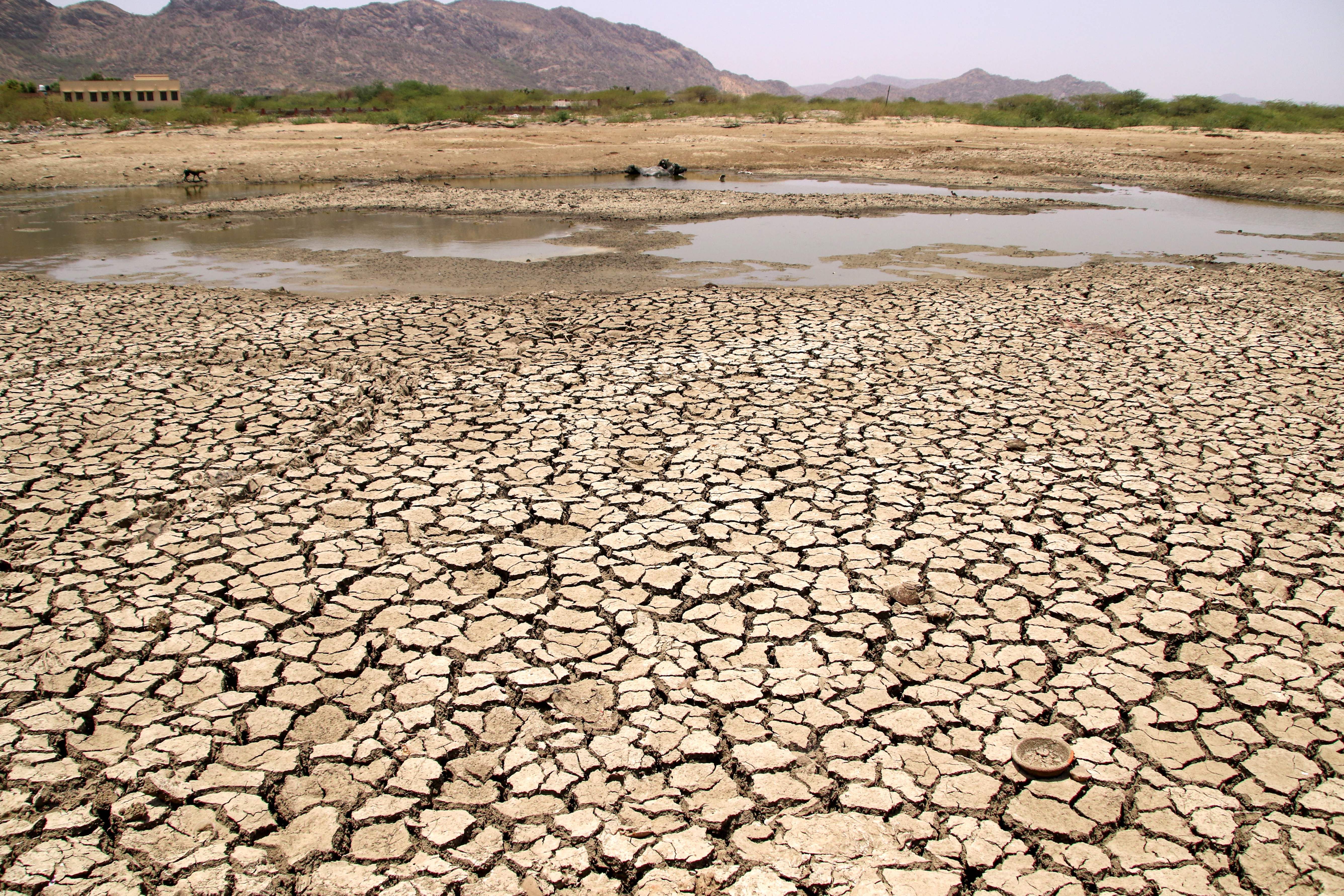
The heat's making this lake near Ajmer run dry. Photo: Himanshu Sharma/AFP/Getty ImagesMonkeys drink water from a plastic water bottle during a hot day in Allahabad. Photo: Ritesh Shukla/NurPhoto via Getty ImagesA Sadhu, or holy man, drinks water in Allahabad. Photo: Sanjay Kanojia/AFP/Getty ImagesA boy cools himself off in New Delhi. Photo: Biplov Bhuyan/Hindustan Times via Getty ImagesYouths cool off in a swimming pool on the outskirts of Amritsar. Photo: Narinder Nanu/AFP/Getty ImagesVolunteers distribute sweet water in Amritsar. Photo: Narinder Nanu/AFP/Getty Images