Scooter use is soaring in America's cities, with many riders finding out the hard way that cars are not good at sharing the road.
Why it matters: "[A] rough count by [AP] of media reports turned up at least 11 electric scooter rider deaths in the U.S. since the beginning of 2018. Nine were on rented scooters and two on ones the victims owned," the AP reports.
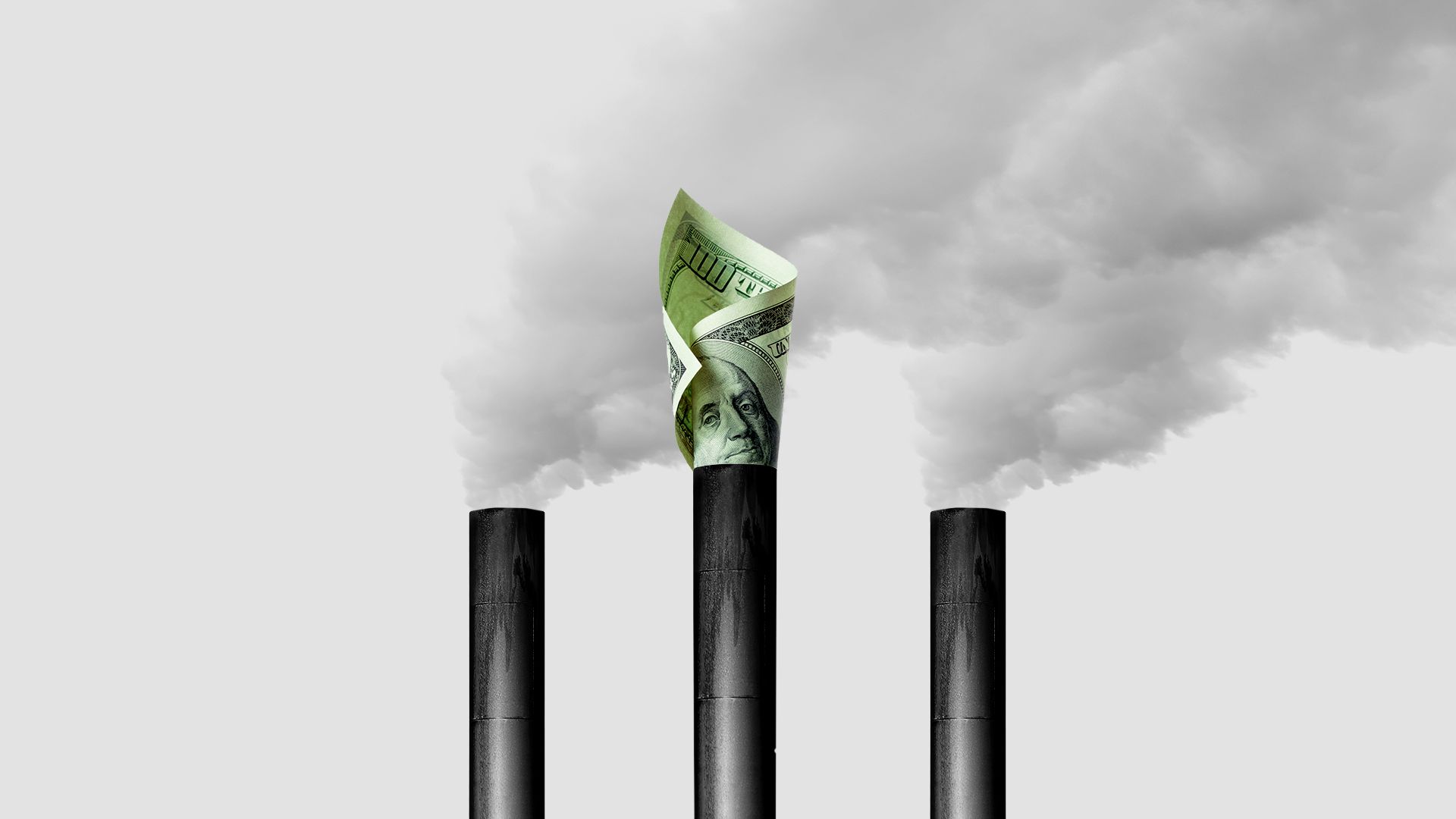
The climate plans released this week by Democratic presidential candidates Joe Biden, Jay Inslee and Elizabeth Warren each include provisions to end U.S. government support for new fossil fuel investment overseas.
Why it matters: Many new coal plants — up to 91% in Asia, for example — receive public development support from state-owned enterprises, foreign governments and export credit agencies, or multilateral development banks (MDBs). Reduced access to such financing could mean fewer new plants burning coal, the most carbon-intensive energy source.
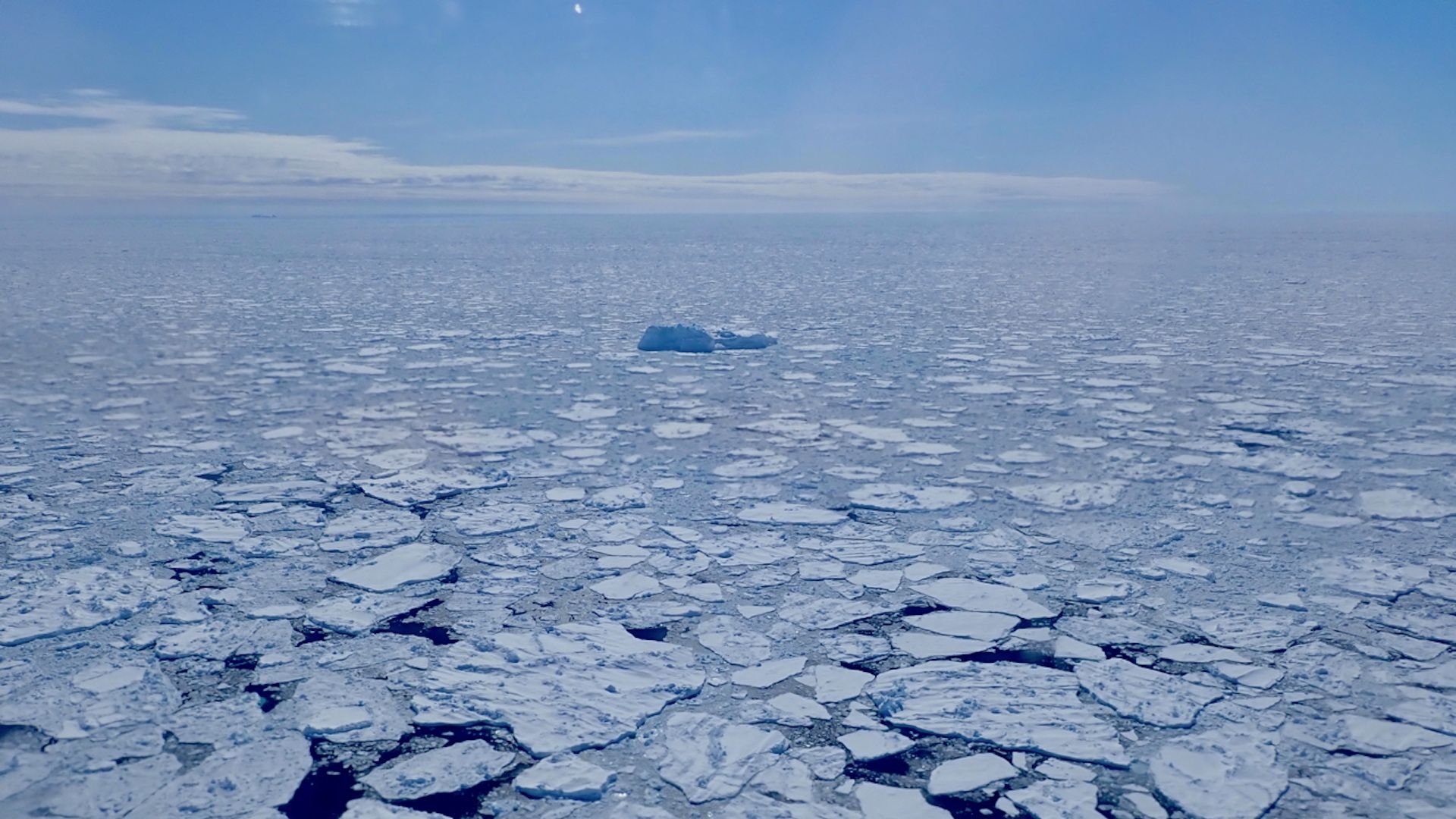
The Defense Department quietly released a new Arctic strategy on Thursday that omits any mention of climate change in the region and casts the Far North as increasingly slipping into a zone of great power competition.
Why it matters: The Arctic has long been a region where the eight Arctic nations have collaborated on governance challenges as well as environmental and scientific concerns. However, with a buildup in Russia's military presence in the region, and China's increasingly assertive role as a "near-Arctic" nation, the U.S. is taking a more aggressive posture.
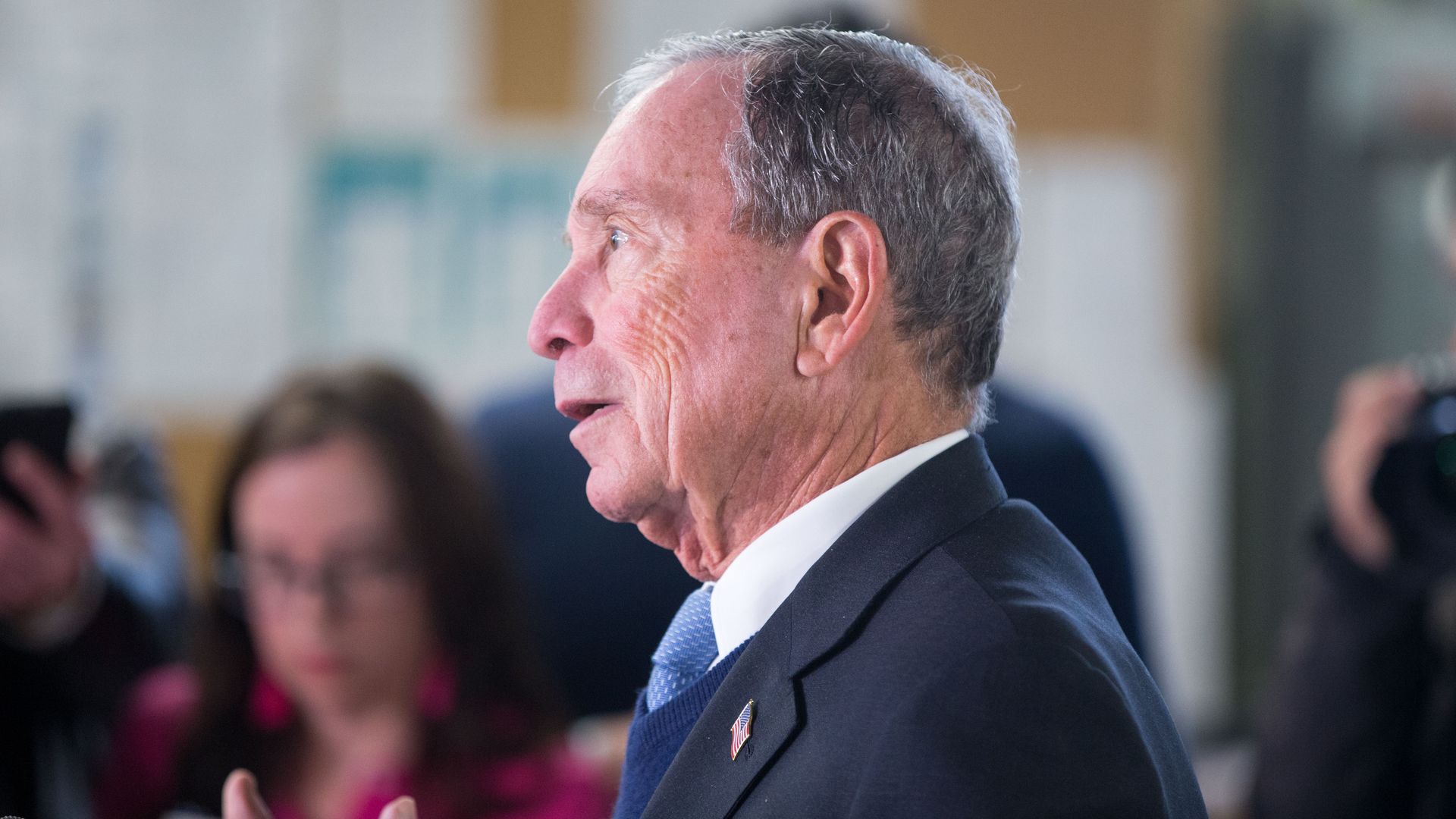
Billionaire and former New York mayor Michael Bloomberg is putting $500 million into his new "Beyond Carbon" campaign, which aims to wean the U.S. off coal and halt construction of new natural gas-fired power plants.
The big picture: The push to help create a "100% clean energy economy" will devote resources to state and local efforts, Bloomberg said via his philanthropy.
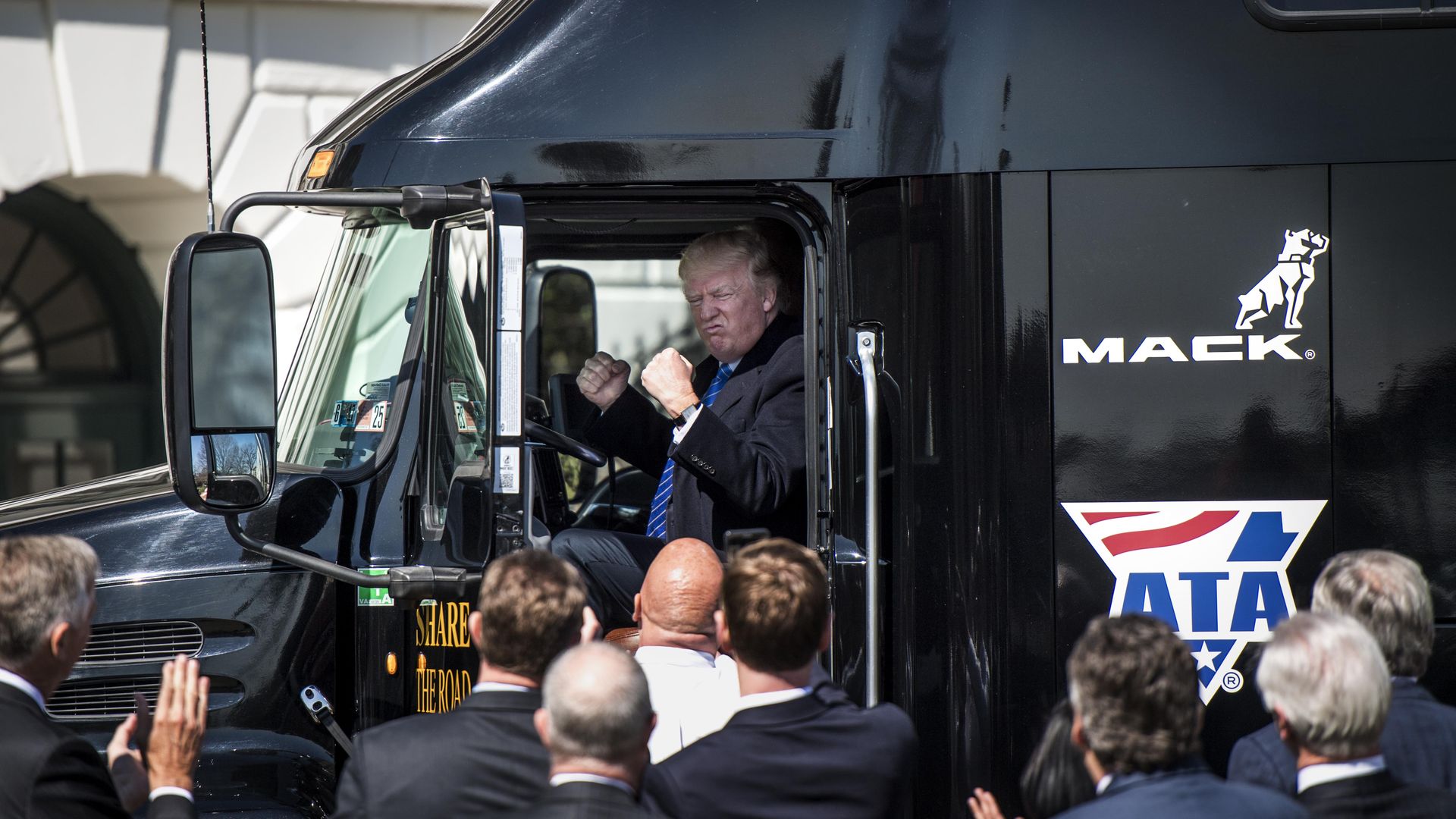
Big automakers fearful of tariffs against Mexico are expressing fresh angst about another White House plan: looming rules that would gut Obama-era mileage and emissions mandates.
Driving the news: Ford, GM, Toyota, VW and over a dozen others sent a letter yesterday urging President Trump to reopen talks with California, which is battling his efforts to freeze Obama's standards in 2020 rather than letting them grow stricter.
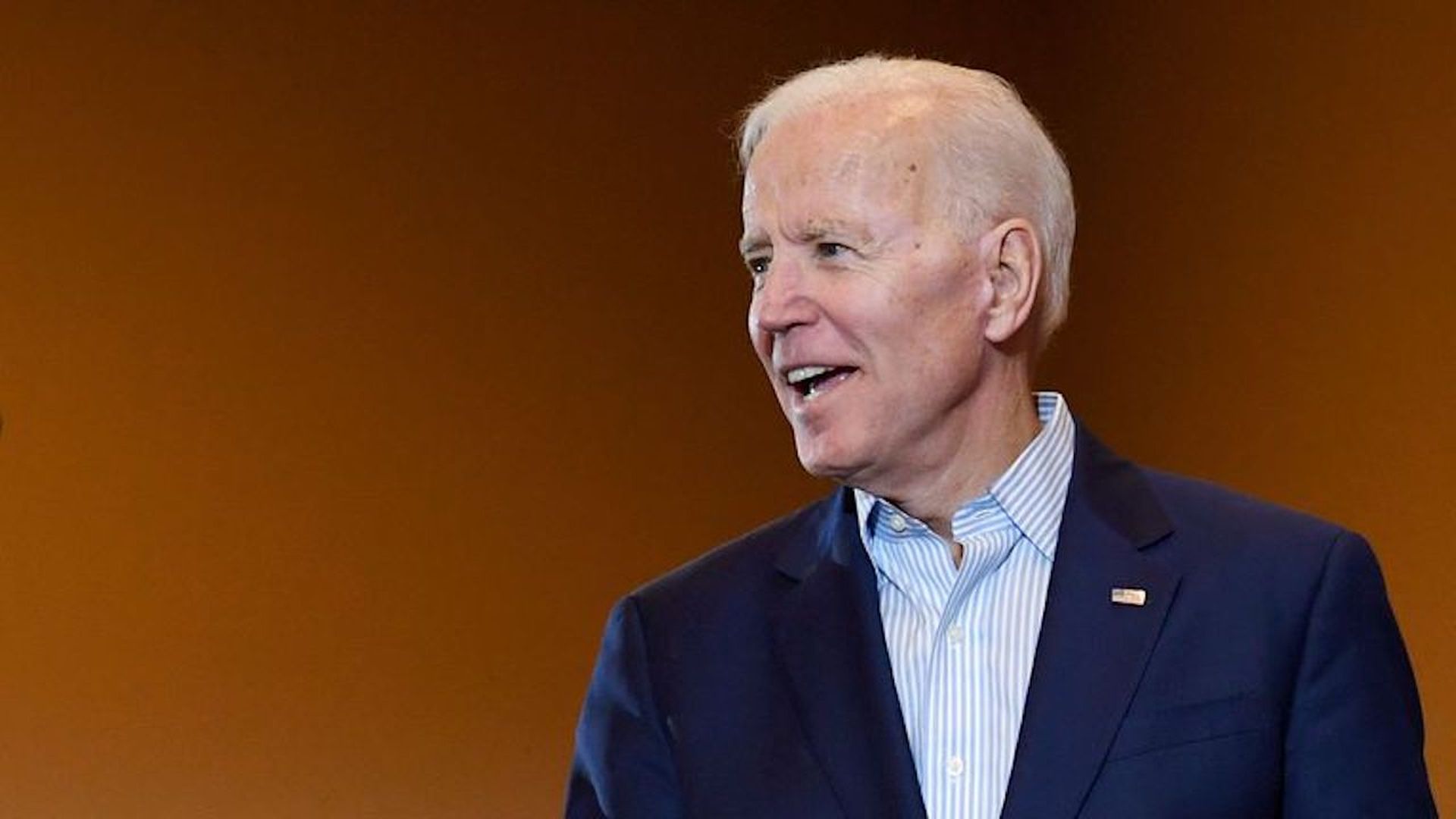
Joe Biden has launched a small digital ad campaign targeting people in areas who are heavily impacted by climate change, according to his campaign.
Why it matters: Climate is playing a substantial role in the Democratic primary fight. Several candidates have released wide-ranging plans and polling suggests that Democratic voters are prioritizing the issue.
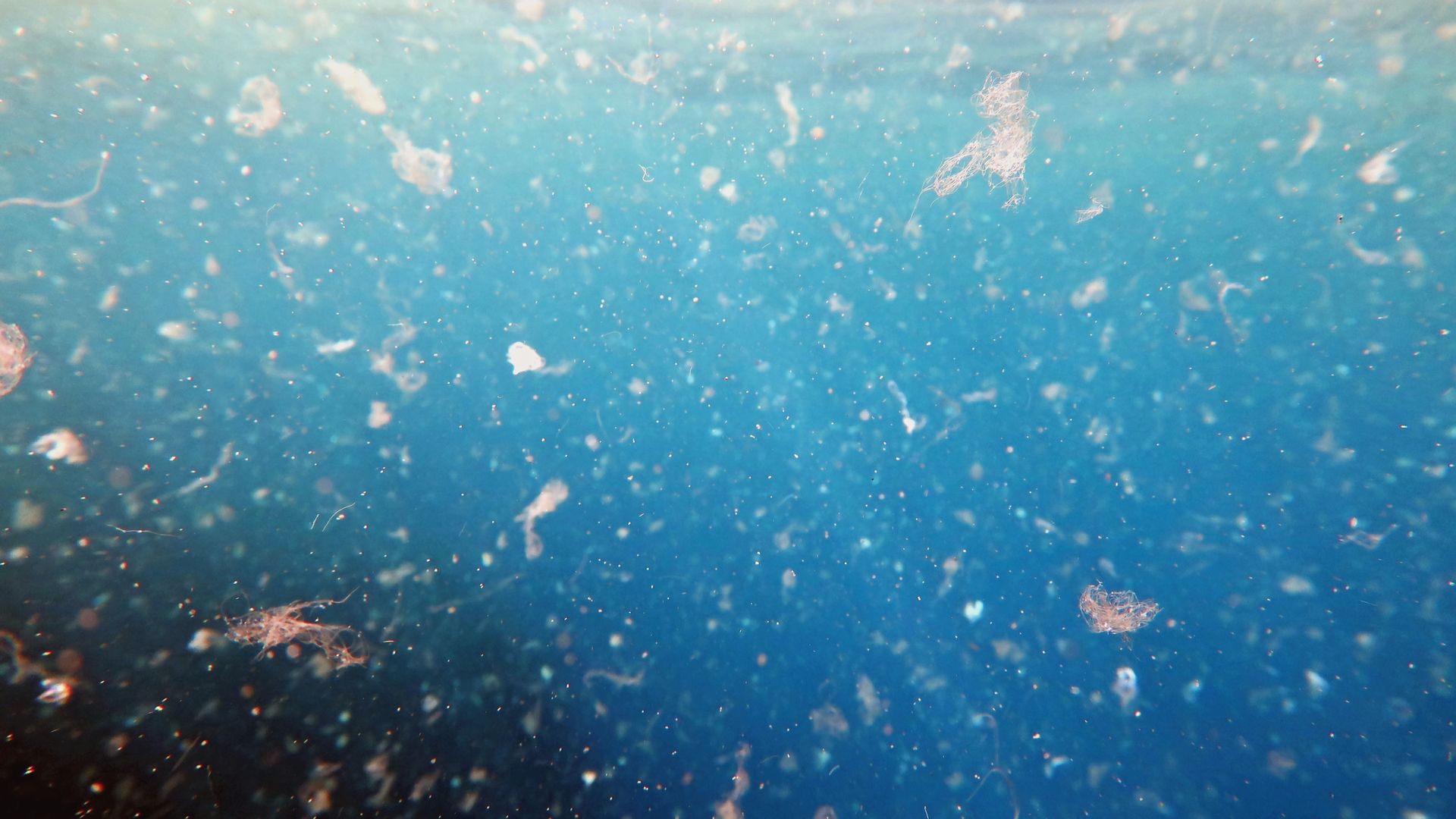
Huge quantities of microplastics can be found in the twilight zone depths of the ocean, where sunlight does not penetrate, a new study conducted in Monterey Bay finds.
Why it matters: The research, published Thursday in Scientific Reports, indicates that microplastics — tiny plastic particles less than 5 millimeters across — are entering the deep sea and being consumed as part of the marine food web. It's thought that these particles may be harming ocean life, but the details on that are just emerging.
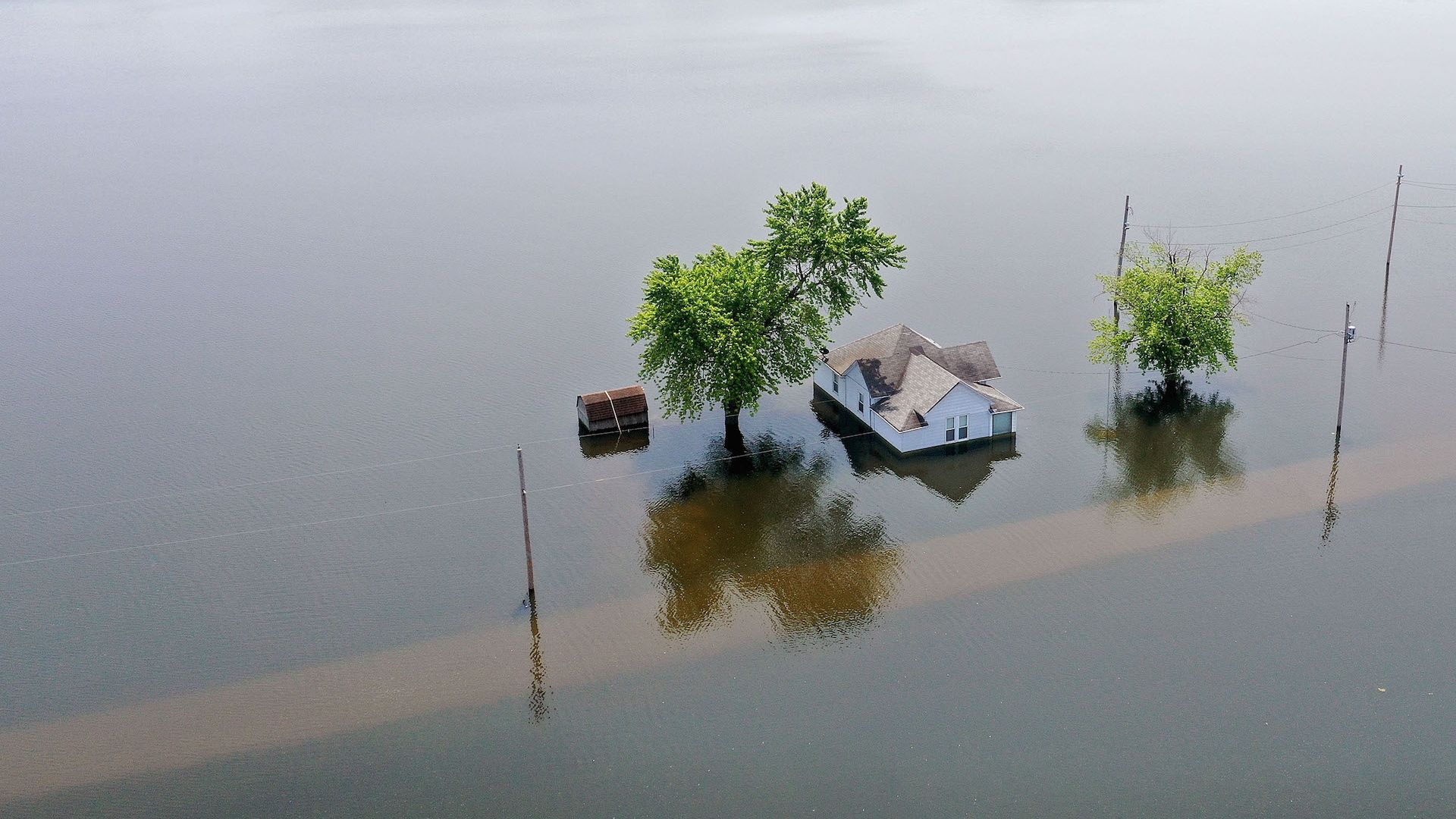
Unrelenting rains catapulted May to the second-wettest month on record in the U.S., leaving vast tracts of farmlands flooded across the nation's midsection, and jeopardizing this year's corn crop.
The big picture: The May precipitation total for the Lower 48 states was 4.41 inches, which was 1.5 inches above average, according to the National Oceanic and Atmospheric Administration (NOAA). The past 12 months have been the wettest such period on record for the Lower 48 since such records began in 1895, with rains especially concentrated in the Midwest, Plains and Northeast.