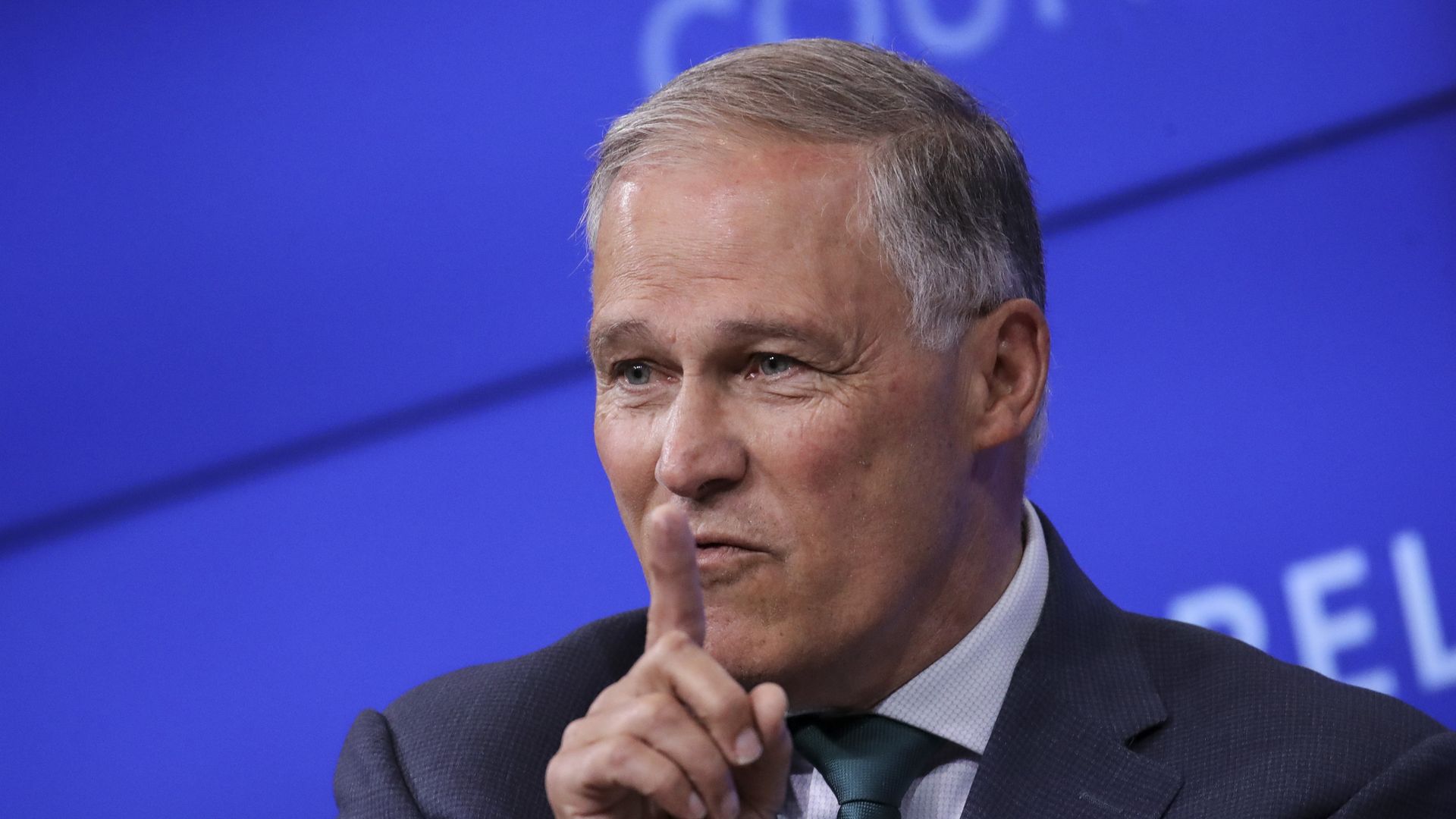
53 voting members of the Democratic National Committee have submitted an open letter to Chairman Tom Perez in protest of the DNC's decision to reject a 2020 primary debate focused on climate change, as proposed by Washington Gov. Jay Inslee, the Huffington Post reports.
Yes, but: A majority of signatures on this resolution would not require Perez to change the DNC's stance on holding an issue-focused debate.
Despite an onslaught of extreme weather events that have barraged American homes in recent months and years, the New York Times reports that the number of Americans with flood insurance has dropped during the last decade.
Why it matters: As climate change will only increase the likelihood of floods, insurance rates are expected to surge. Beyond floods, in California, officials have tried to curtail rate bumps in regions at risk of wildfire, and also tried to discourage insurance providers from dropping policyholders.
The White House stopped State Department intelligence analyst Rod Schoonover from providing written testimony on climate change this week, because "the science did not match the Trump administration's views," the New York Times reports.
Driving the news: Among other complaints from the National Security Council, the final basis for blocking Schoonover's testimony was to eliminate 5 scientifically-based pages that "described the various national security threats linked to climate change, like instability from water shortages in some parts of the world," per the NYT.
Scooter use is soaring in America's cities, with many riders finding out the hard way that cars are not good at sharing the road.
Why it matters: "[A] rough count by [AP] of media reports turned up at least 11 electric scooter rider deaths in the U.S. since the beginning of 2018. Nine were on rented scooters and two on ones the victims owned," the AP reports.
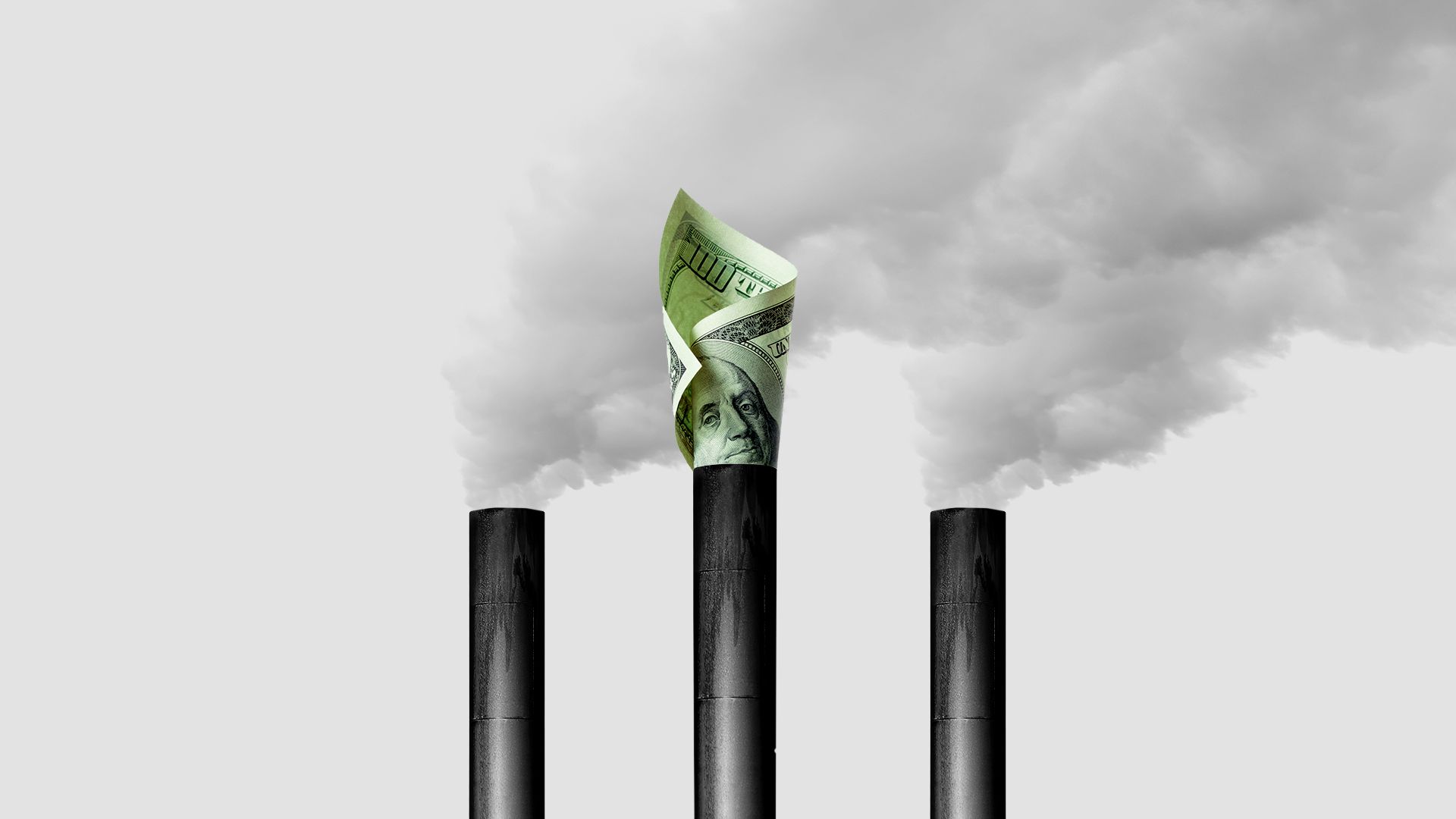
The climate plans released this week by Democratic presidential candidates Joe Biden, Jay Inslee and Elizabeth Warren each include provisions to end U.S. government support for new fossil fuel investment overseas.
Why it matters: Many new coal plants — up to 91% in Asia, for example — receive public development support from state-owned enterprises, foreign governments and export credit agencies, or multilateral development banks (MDBs). Reduced access to such financing could mean fewer new plants burning coal, the most carbon-intensive energy source.
The Defense Department quietly released a new Arctic strategy on Thursday that omits any mention of climate change in the region and casts the Far North as increasingly slipping into a zone of great power competition.
Why it matters: The Arctic has long been a region where the eight Arctic nations have collaborated on governance challenges as well as environmental and scientific concerns. However, with a buildup in Russia's military presence in the region, and China's increasingly assertive role as a "near-Arctic" nation, the U.S. is taking a more aggressive posture.
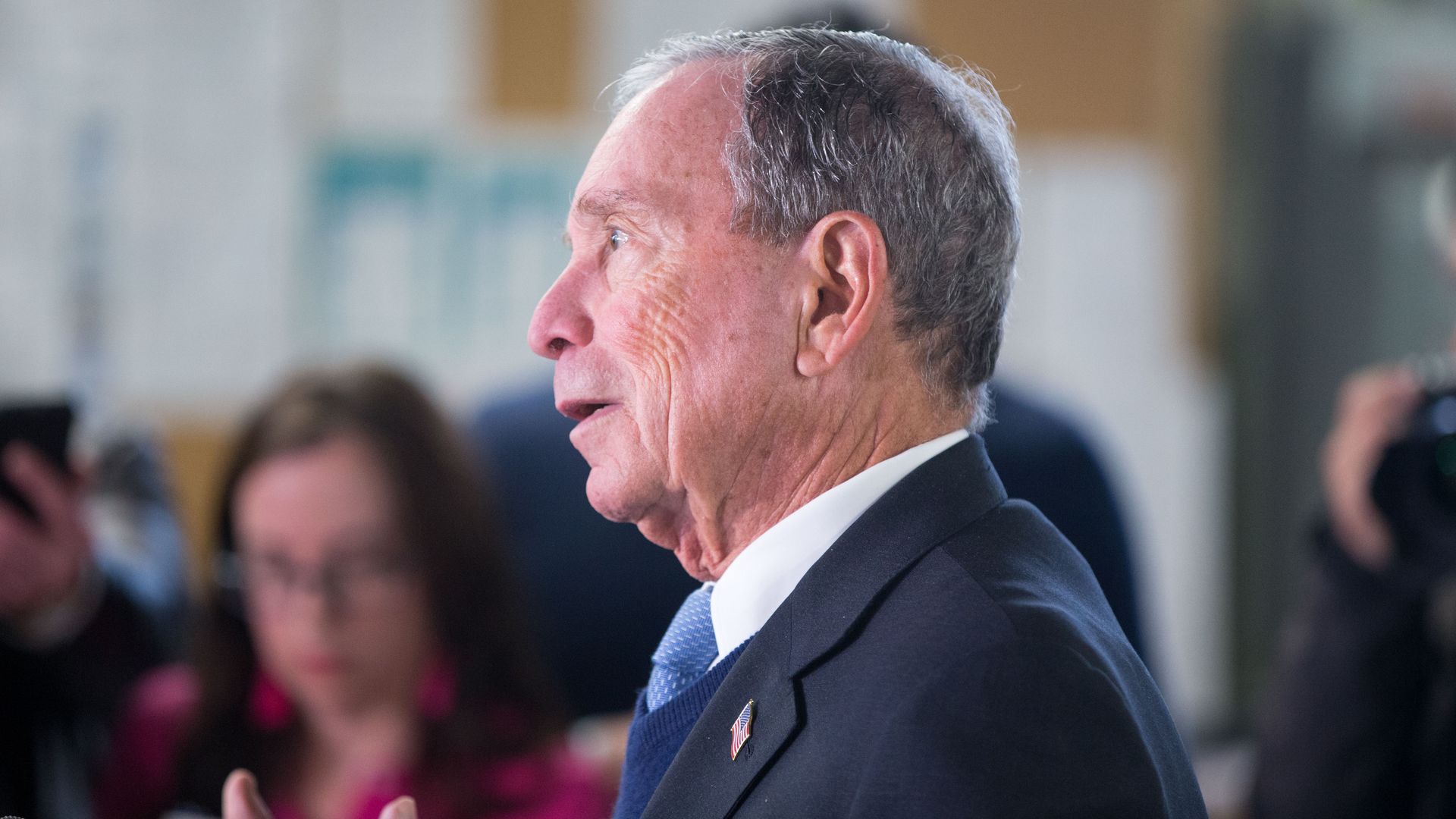
Billionaire and former New York mayor Michael Bloomberg is putting $500 million into his new "Beyond Carbon" campaign, which aims to wean the U.S. off coal and halt construction of new natural gas-fired power plants.
The big picture: The push to help create a "100% clean energy economy" will devote resources to state and local efforts, Bloomberg said via his philanthropy.
Big automakers fearful of tariffs against Mexico are expressing fresh angst about another White House plan: looming rules that would gut Obama-era mileage and emissions mandates.
Driving the news: Ford, GM, Toyota, VW and over a dozen others sent a letter yesterday urging President Trump to reopen talks with California, which is battling his efforts to freeze Obama's standards in 2020 rather than letting them grow stricter.
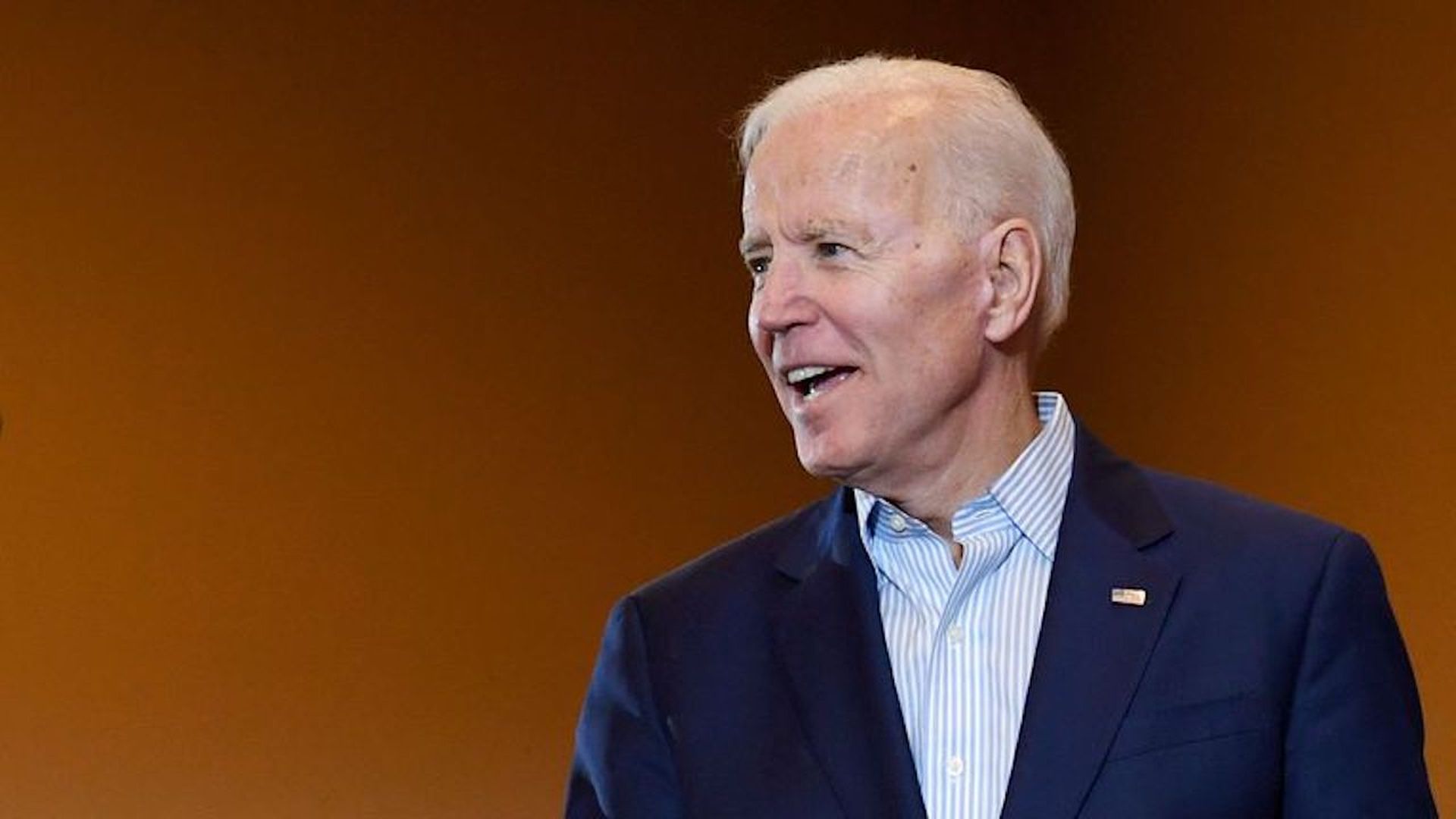
Joe Biden has launched a small digital ad campaign targeting people in areas who are heavily impacted by climate change, according to his campaign.
Why it matters: Climate is playing a substantial role in the Democratic primary fight. Several candidates have released wide-ranging plans and polling suggests that Democratic voters are prioritizing the issue.